Cleveland Museum of Art
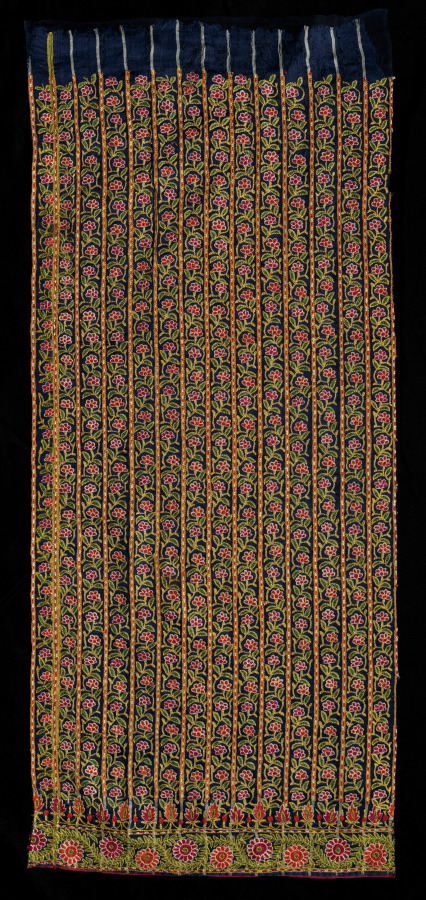
Part of a Skirt (Ghaghara)
- Date
- early 1800s
- Medium
- silk satin embroidered with silk in "ari" chain stitch
- Culture
- Western India, Gujarat, possibly Kutch
- Department
- Textiles
- Institution
- Cleveland Museum of Art
Brightly colored floral vine patterns were embroidered using fine chain stitches. Since there are continuous, unbroken lines of stitches on the back side of the cloth, they were created using a hooked awl, which is a much faster process than embroidering with a straight needle. This type of embroidery is known as ari work, which flourished in Gujarat during the 19th century. The renowned art historian A. K. Coomaraswamy (1877–1947) gave another section of this skirt to the Victoria and Albert Museum in London, UK (IM.108-1912).
The authoritative record is held by Cleveland Museum of Art. LinkedCulture surfaces this object and its connections; it does not alter institutional metadata.
Related across collections
Semantically similar works from Cleveland Museum of Art and other institutions.
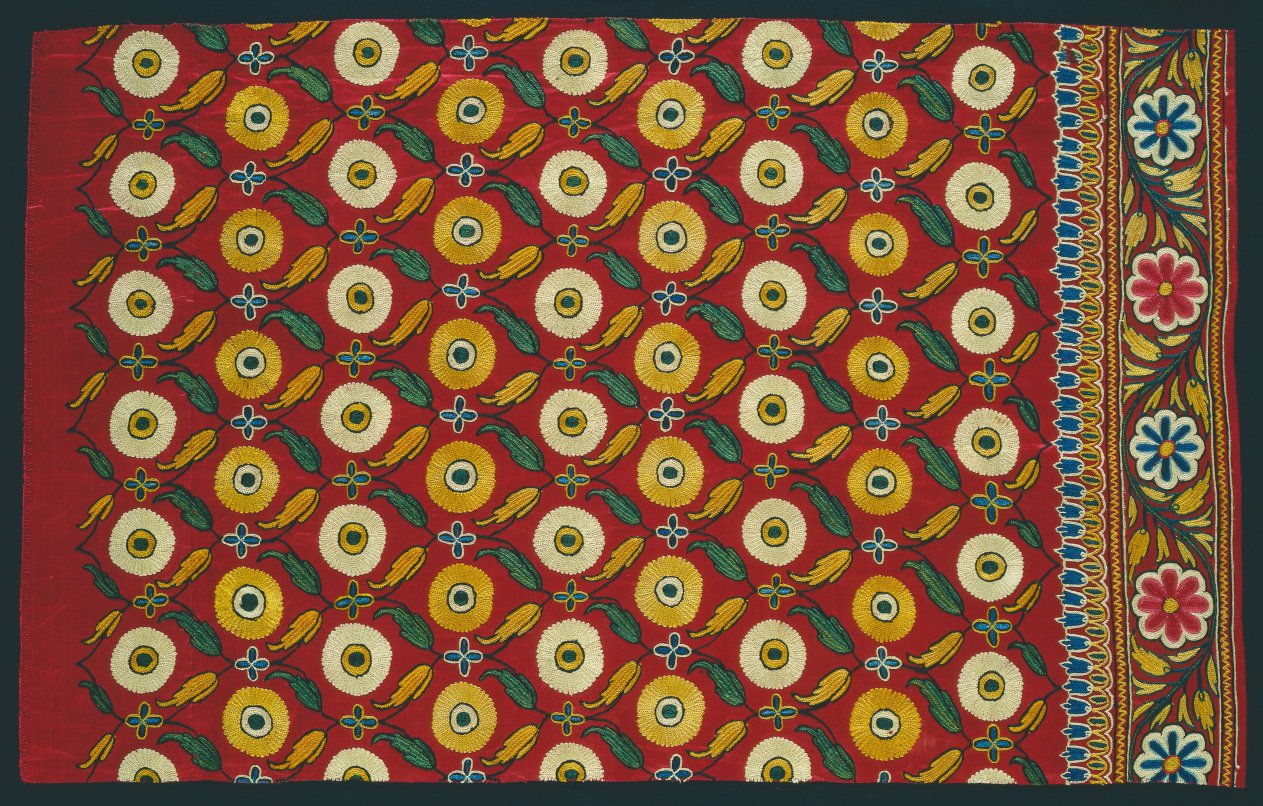
Part of a Skirt (Ghagra)
Cleveland Museum of Art
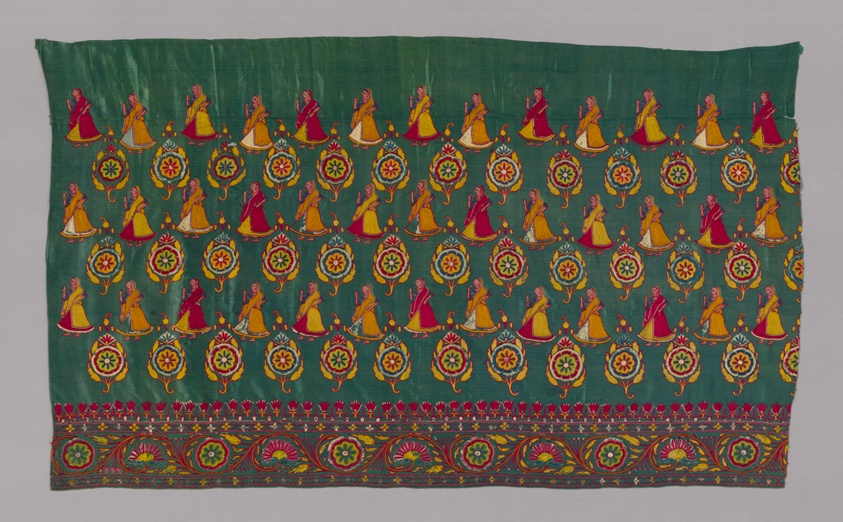
Part of a Skirt
Art Institute of Chicago
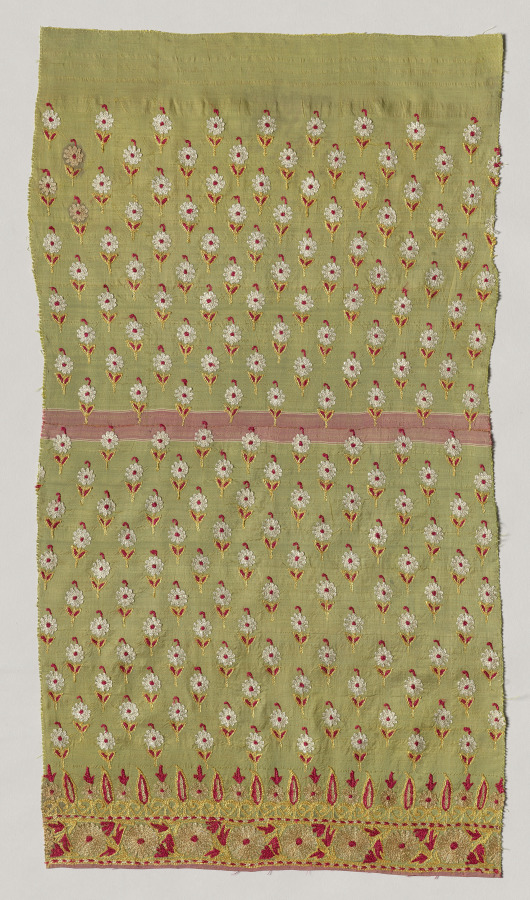
Piece of a Skirt (Ghagra)
Cleveland Museum of Art
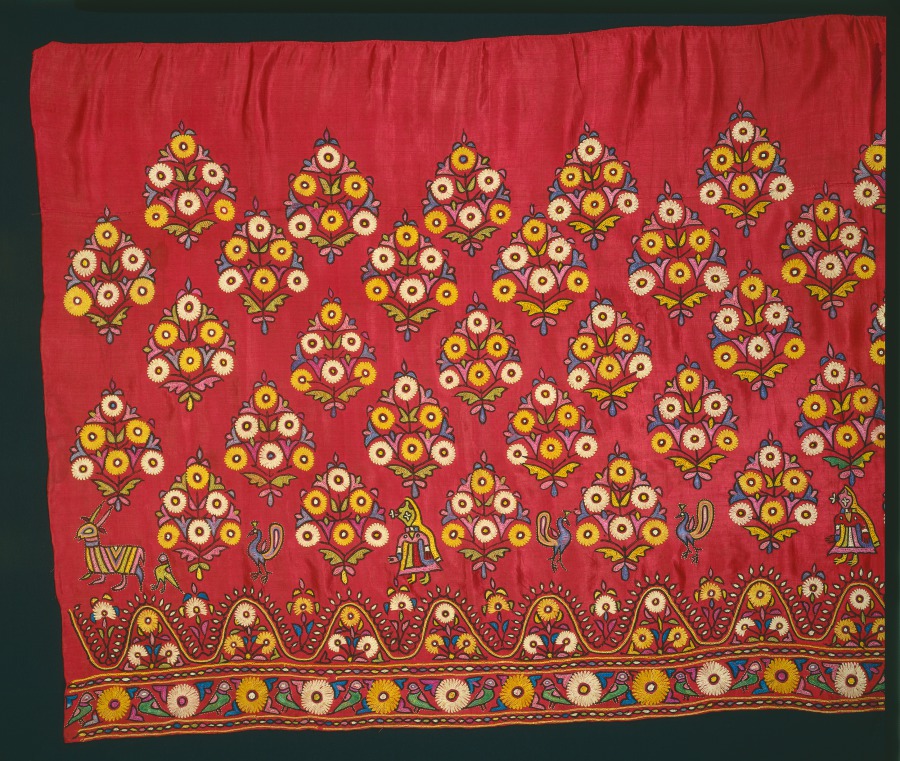
Panel for a Skirt (Ghagra)
Cleveland Museum of Art
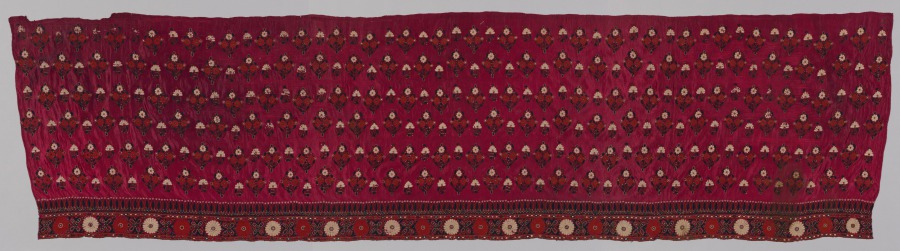
Skirt (?)
Cleveland Museum of Art
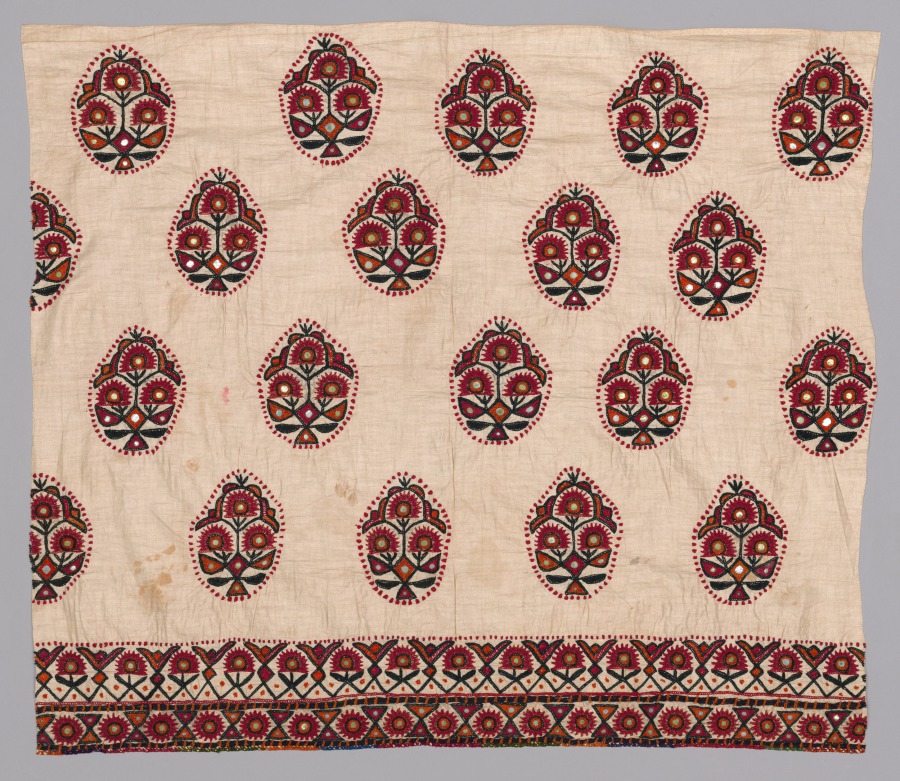
Skirt Panel (?)
Cleveland Museum of Art
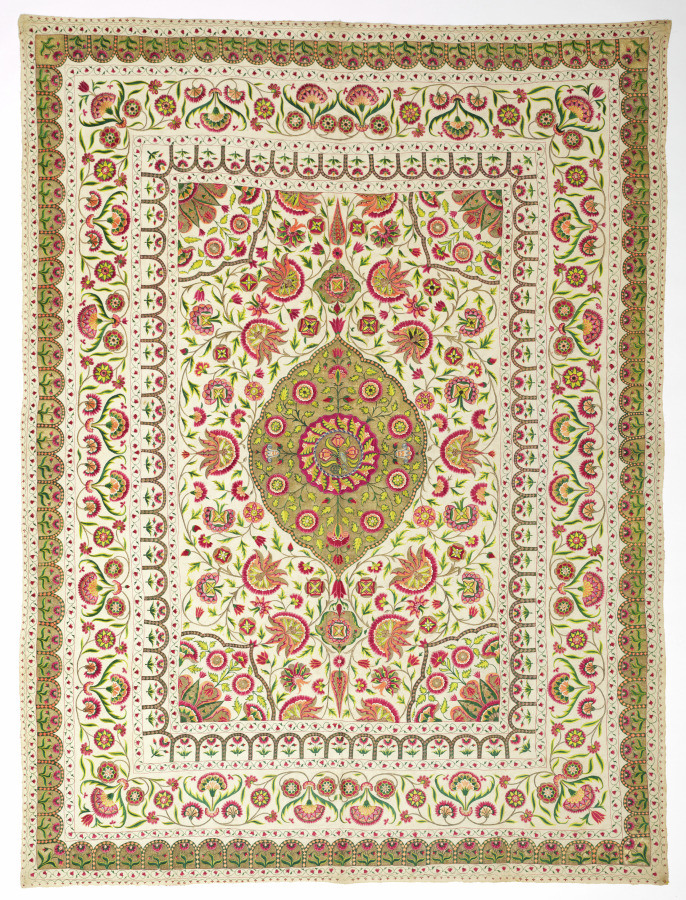
Spread with floral medallion pattern
Cleveland Museum of Art

Skirt
Minneapolis Institute of Art

Wedding veil (Chand bagh)
Minneapolis Institute of Art
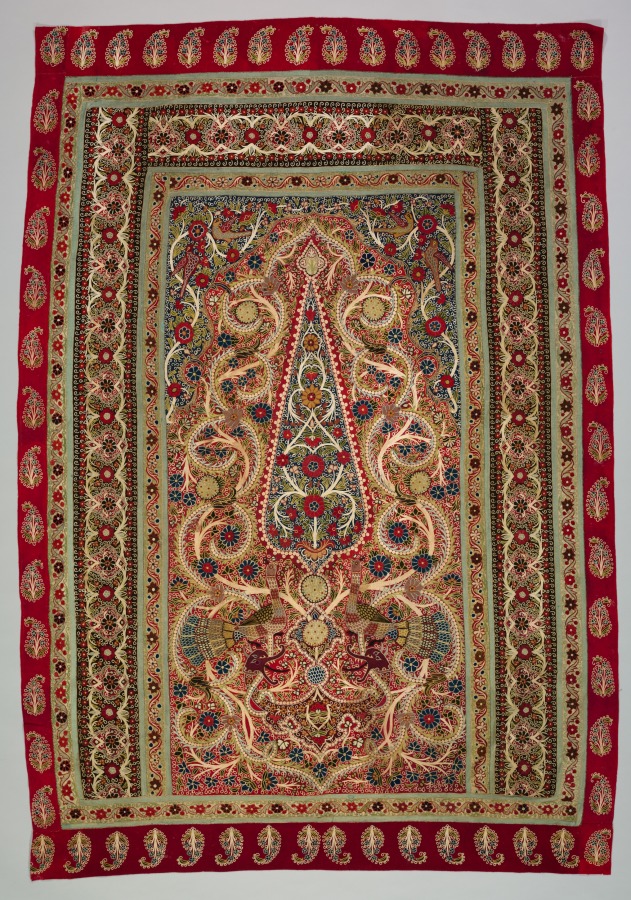
Tent Wall Panel(?)
Cleveland Museum of Art
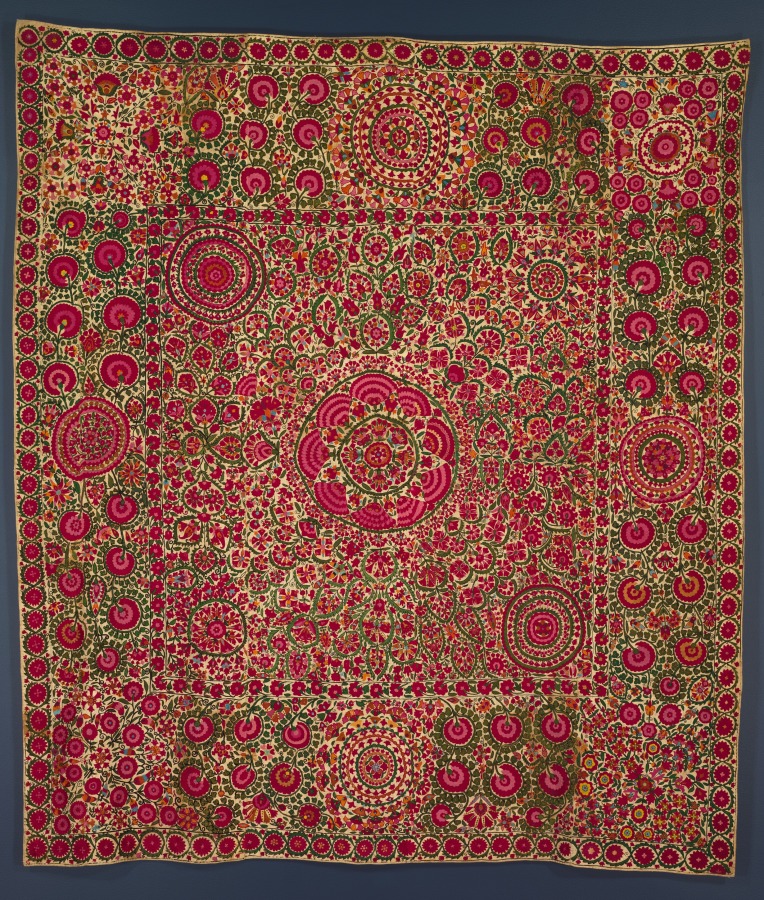
Curtain or bedcover
Cleveland Museum of Art
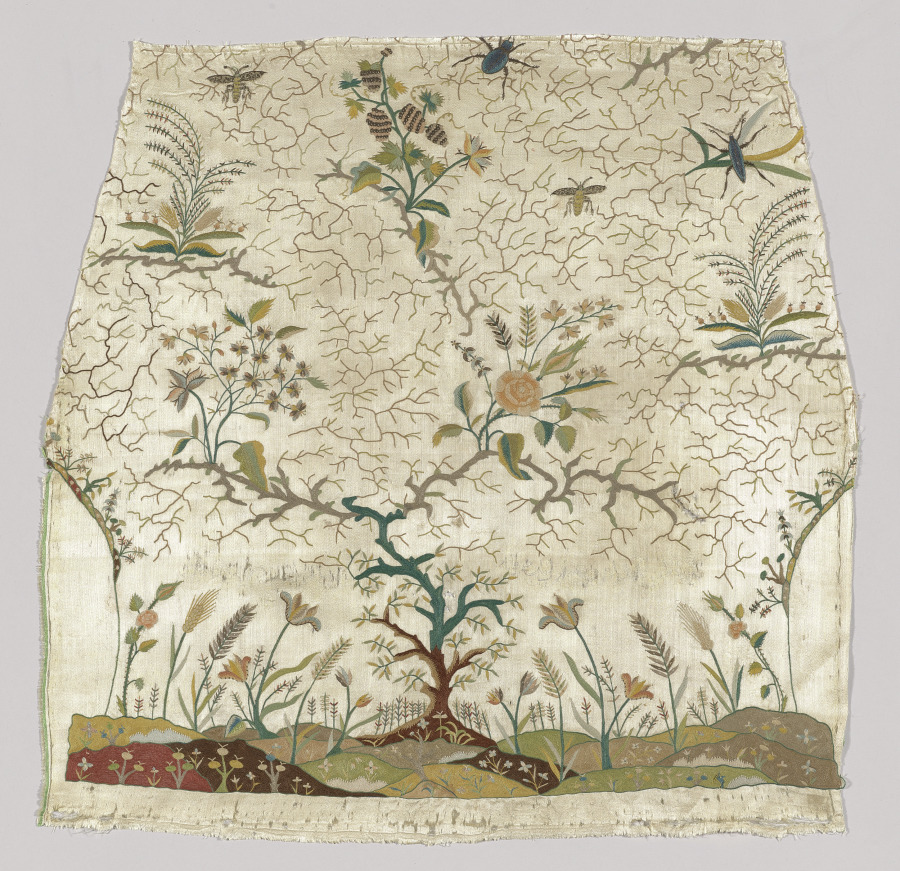
Fragment of a Garment
Cleveland Museum of Art