Cleveland Museum of Art
Sarong
- Date
- 1800s
- Medium
- batik and applied gold, cotton
- Culture
- Indonesia, Java, North Coast, 19th century
- Department
- Textiles
- Institution
- Cleveland Museum of Art
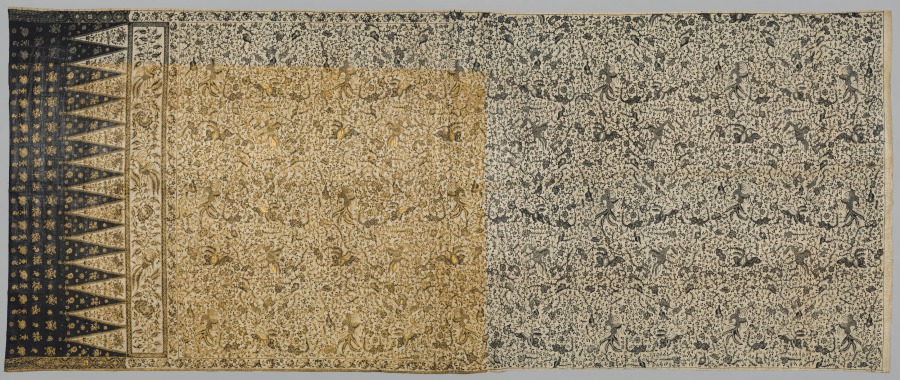
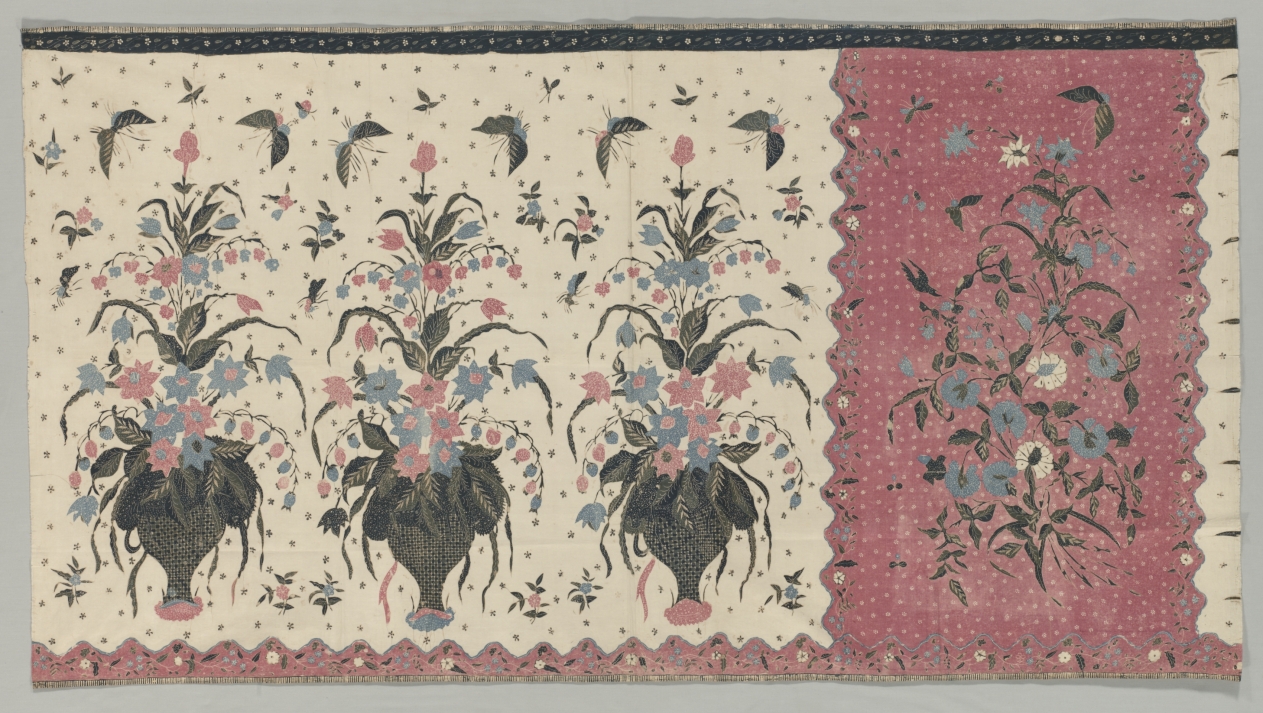
This sarong, overlaid with gold leaf (or gold dust), would have been worn for high ceremonial occasions and festivals. The gold has been applied only to the parts of the sarong that would show when draped, and on one side only. The delicate, linear design with Chinese phoenixes, butterflies, and leafy tendrils is one of the characteristic styles of batiks made in cities along the north coast of Java. The "tumpal" (triangle) design of the wide end border (a pan-Southeast Asian motif that commonly occurs on northern Javanese batiks) seems to have symbolized growth and fertility as well as the sacred mountain, Meru.
The authoritative record is held by Cleveland Museum of Art. LinkedCulture surfaces this object and its connections; it does not alter institutional metadata.
Related across collections
Semantically similar works from Cleveland Museum of Art and other institutions.
Sarong
Cleveland Museum of Art
Sarong
Cleveland Museum of Art

Skirt cloth (kain sarong)
Minneapolis Institute of Art
Ceremonial Hip Wrapper (Dodot)
Art Institute of Chicago
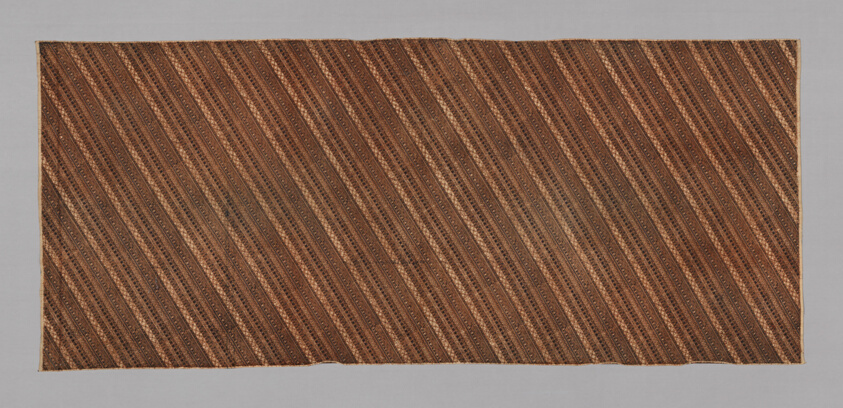
Kain Sarong (Skirt)
Art Institute of Chicago
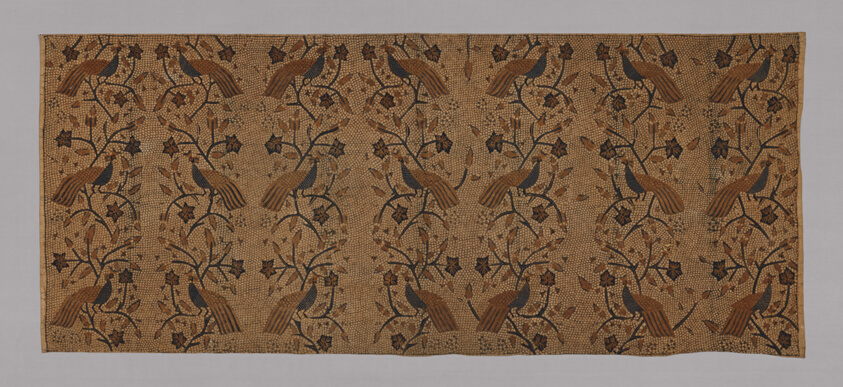
Sarong (Part of Sarong)
Art Institute of Chicago
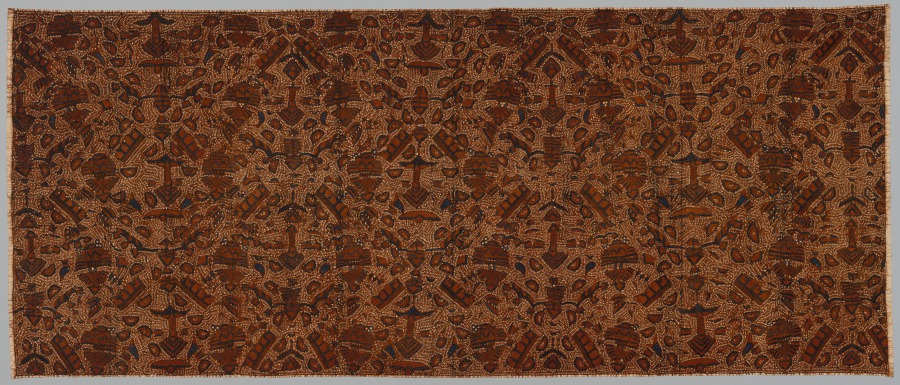
Waist Cloth (Kain Panjeng)
Cleveland Museum of Art
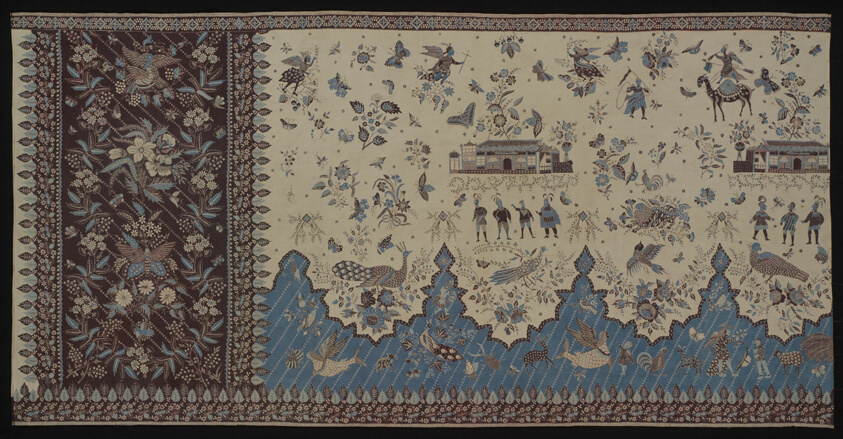
Tubular Skirt (Sarong)
Art Institute of Chicago
Sarong
Cleveland Museum of Art
Hip Wrapper (Kain Panjang)
Art Institute of Chicago

Batik panel
Minneapolis Institute of Art
Sarong
Cleveland Museum of Art