Cleveland Museum of Art
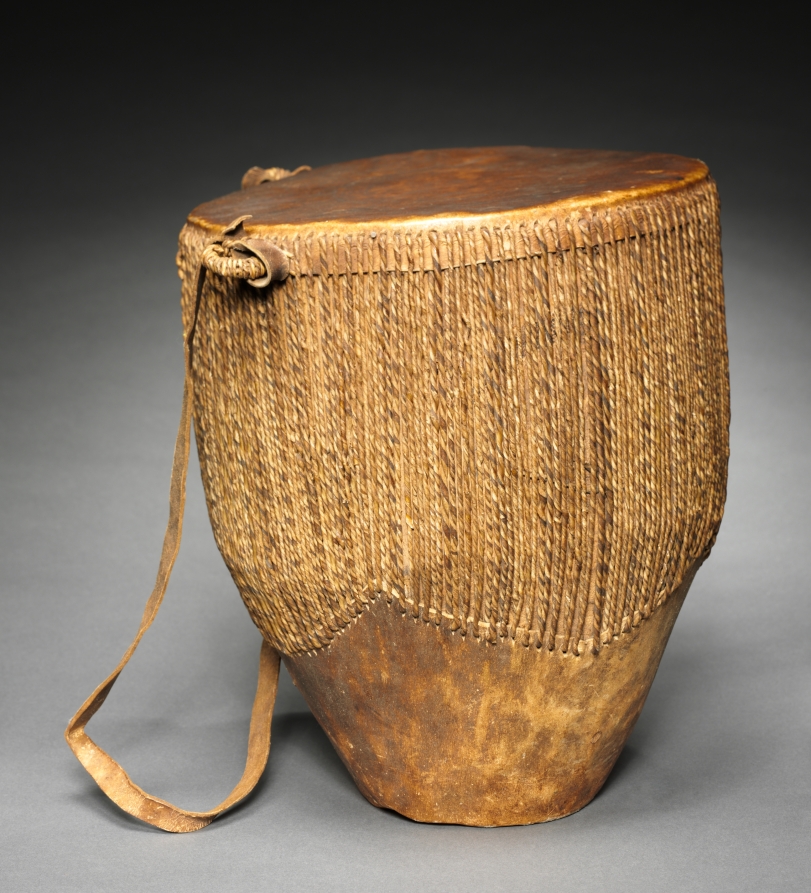
Drum (ngoma)
- Date
- by 1928
- Medium
- Wood, rawhide, and plant fiber
- Culture
- Africa, Eastern Africa, unknown maker
- Department
- African Art
- Institution
- Cleveland Museum of Art
This musical instrument takes its name ngoma from the Kongo language word for "drum." Specialized craftspeople often made these drums. The wooden base is hollow and covered with a first hide, then a second one held tight by plant fibers. This allows the sound to resonate when just the first membrane is struck. In Uganda, drums contain a ritual "heart" known only to its maker, which helps to imbue it with power. In contrast with royal drums ( mpango ), this instrument is not considered sacred. The sounds from men striking drums could be used as a kind of communication or as music in a performance setting. Paul Travis purchased this piece in Kampala, Uganda, shortly after receiving a telegram informing him that the African Art Sponsors and the Gilpin Players had commissioned him to collect African works with money they raised.
The authoritative record is held by Cleveland Museum of Art. LinkedCulture surfaces this object and its connections; it does not alter institutional metadata.
Related across collections
Semantically similar works from Cleveland Museum of Art and other institutions.

Slit gong
Minneapolis Institute of Art

Drum
Minneapolis Institute of Art

Drum
Minneapolis Institute of Art

Hand drum (kundu)
Minneapolis Institute of Art
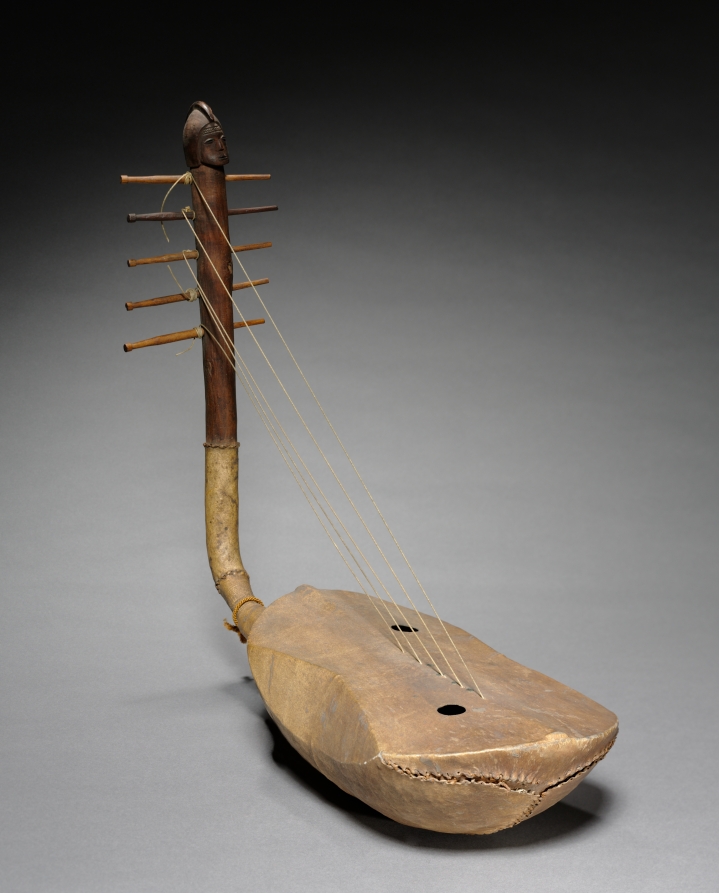
Figurative harp (domu)
Cleveland Museum of Art
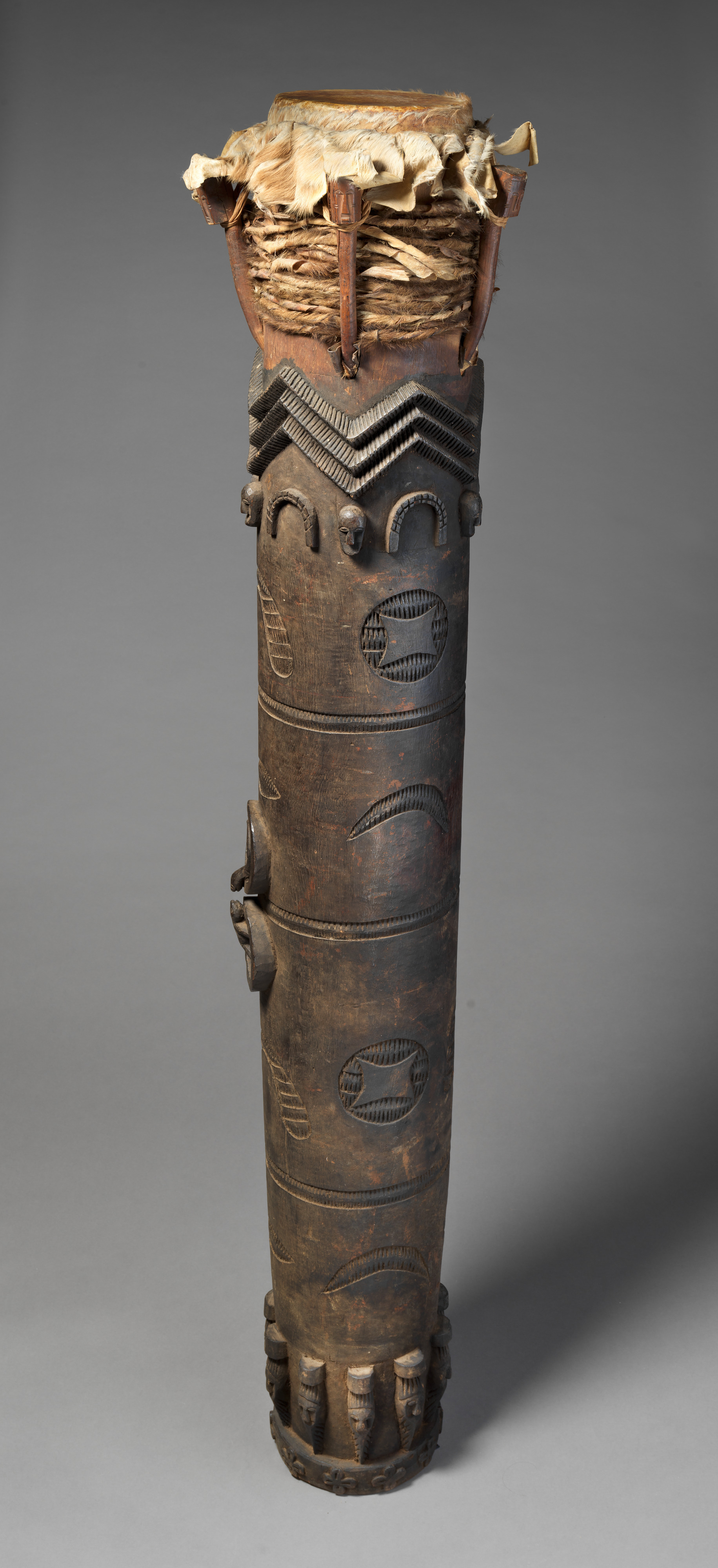
Fokwé (long drum)
The Metropolitan Museum of Art

Lamellophone
Minneapolis Institute of Art

Harp
Minneapolis Institute of Art
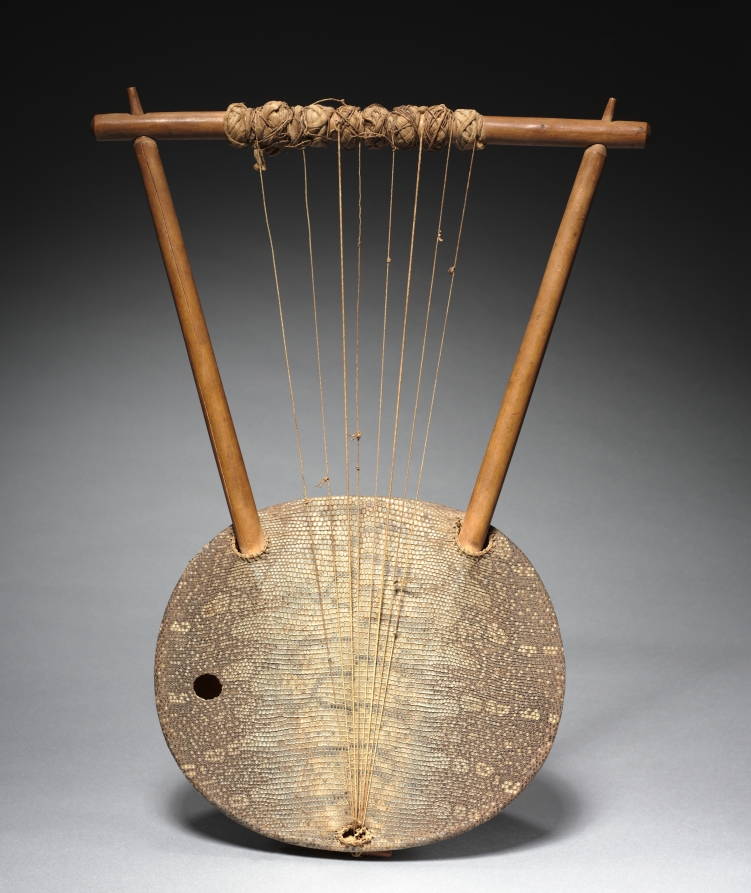
Lyre (ndongo, endongo, entongoli, or kissar)
Cleveland Museum of Art
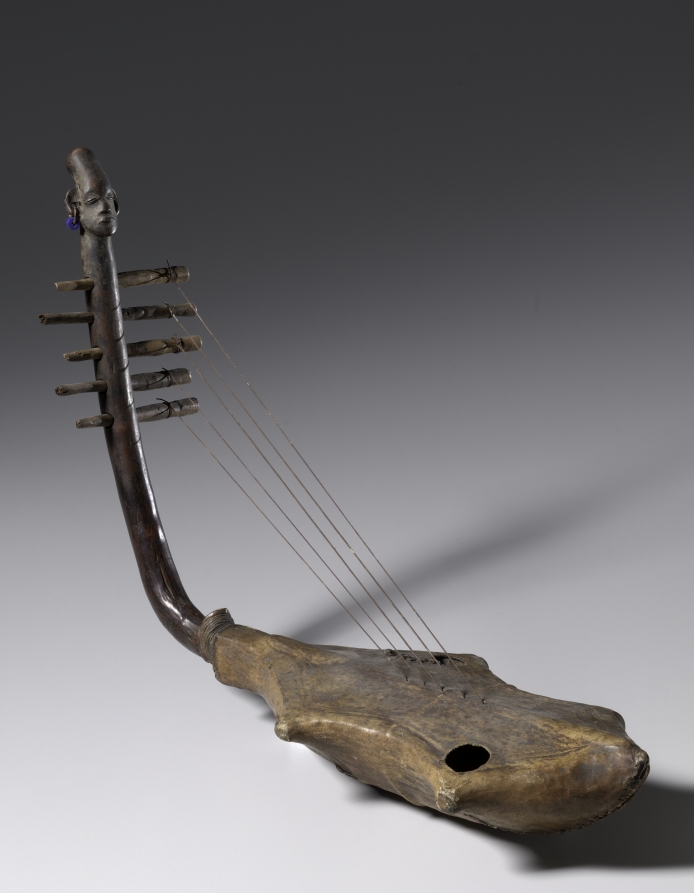
Bowharp
Cleveland Museum of Art
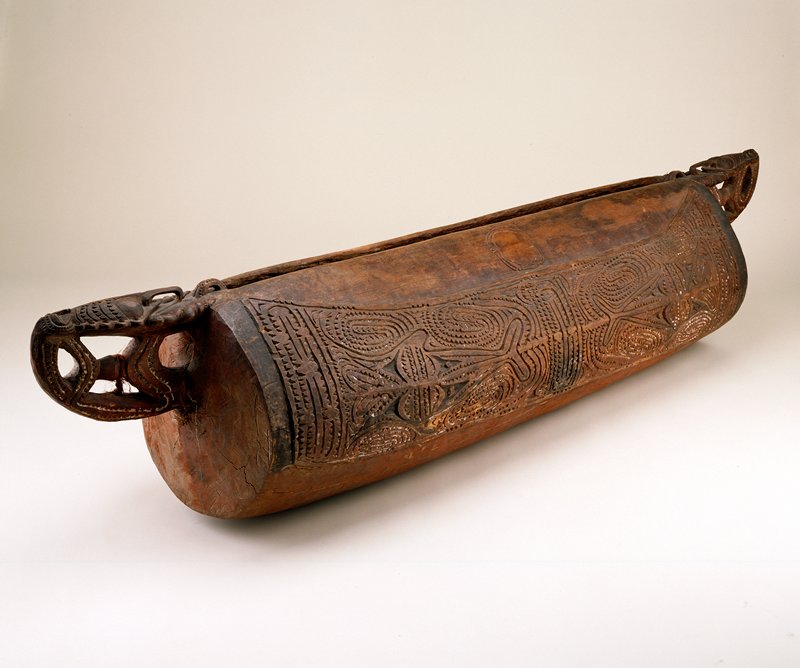
Slit Drum (garamut)
Minneapolis Institute of Art
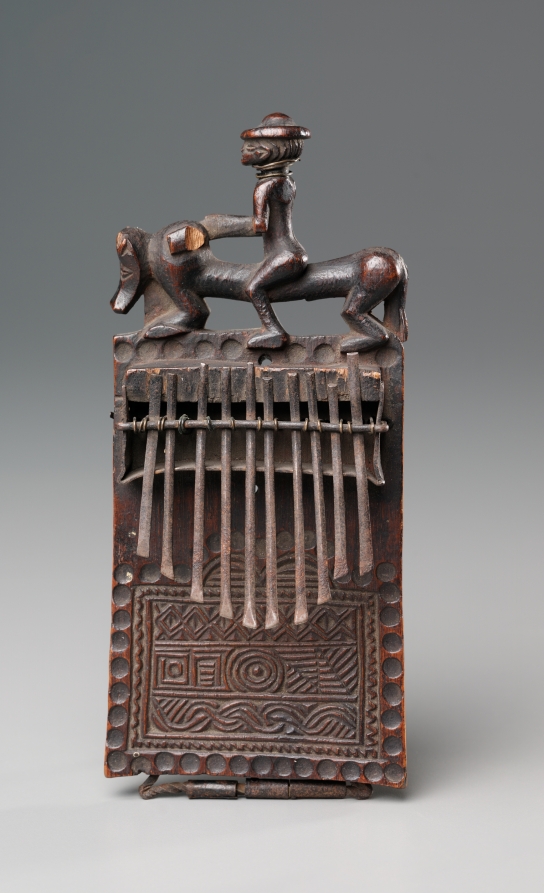
Lamellophone (chisanji)
Cleveland Museum of Art