Cleveland Museum of Art
Fragment
- Date
- 1200s–1300s
- Medium
- Block printing on plain weave cotton ground
- Culture
- Egypt, Mamluk sultanate (1250–1517)
- Department
- Textiles
- Institution
- Cleveland Museum of Art
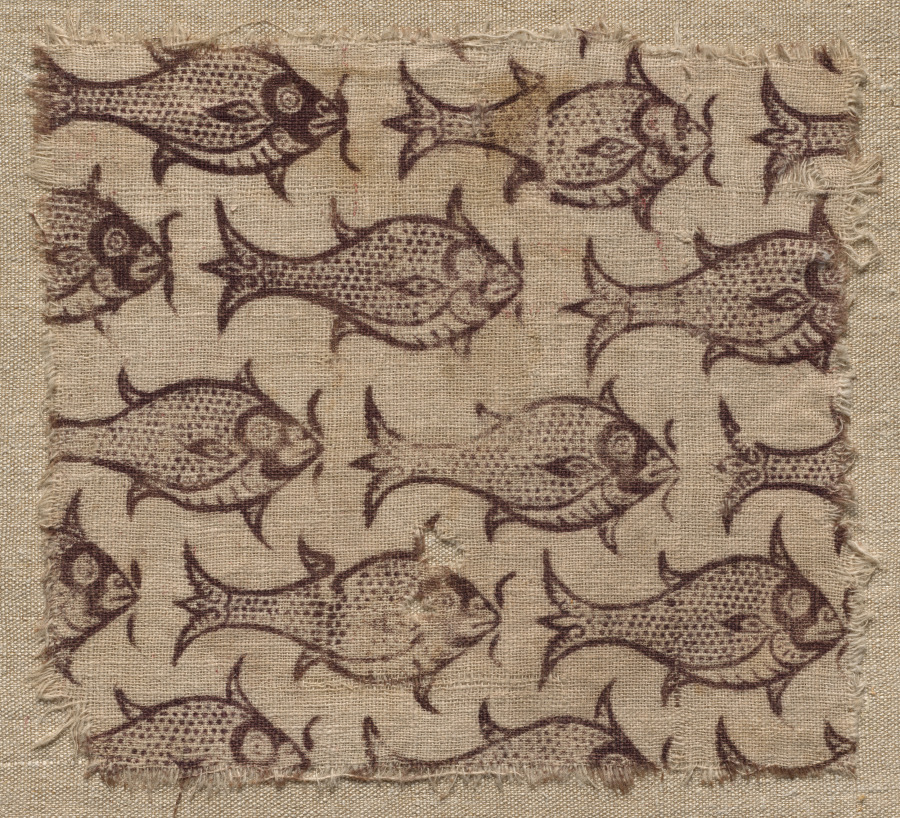
The Indian technique of patterning a textile by printing with carved woodblocks came to the Mamluk world as a result of trade with India. At Fustat, outside of Cairo, numerous fragments of Indian and Mamluk printed textiles have been found. Fish, repeated to form the entire design of this textile, were an indigenous Egyptian motif. The break in the bodies of two of the fish reveals that two blocks were used to print each fish.
The authoritative record is held by Cleveland Museum of Art. LinkedCulture surfaces this object and its connections; it does not alter institutional metadata.
Related across collections
Semantically similar works from Cleveland Museum of Art and other institutions.
Fragment
Cleveland Museum of Art
Fragment of a Shawl
Cleveland Museum of Art
Fragment of a Band
Cleveland Museum of Art
Fragment
Cleveland Museum of Art
Fragment, with a Segmentum, from a Tunic
Cleveland Museum of Art
Textile Fragment
Cleveland Museum of Art
Lace Fragment
Cleveland Museum of Art
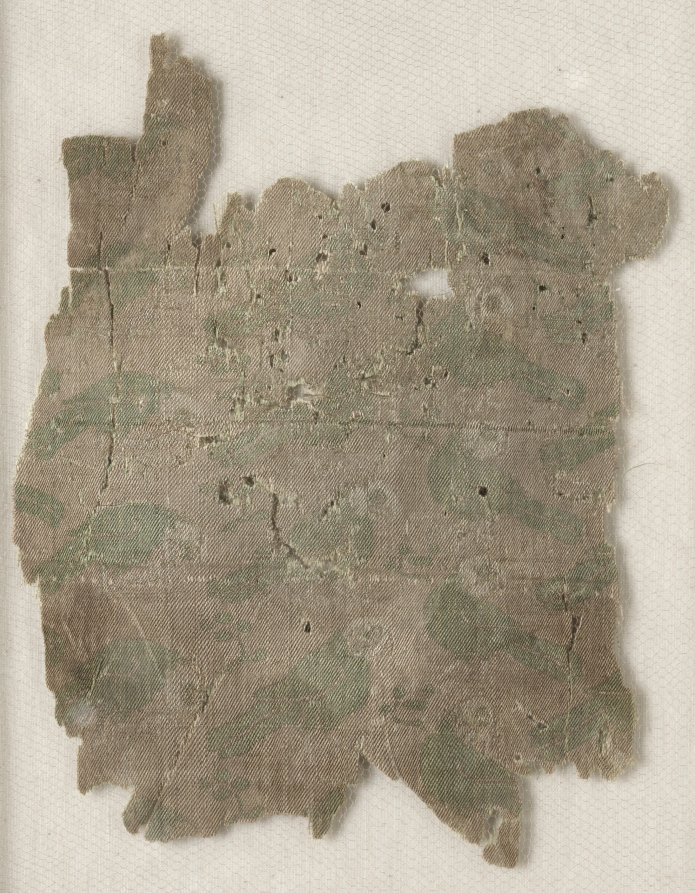
Silk Fragment with Aligned Parrots, Part of a Tunic
Cleveland Museum of Art
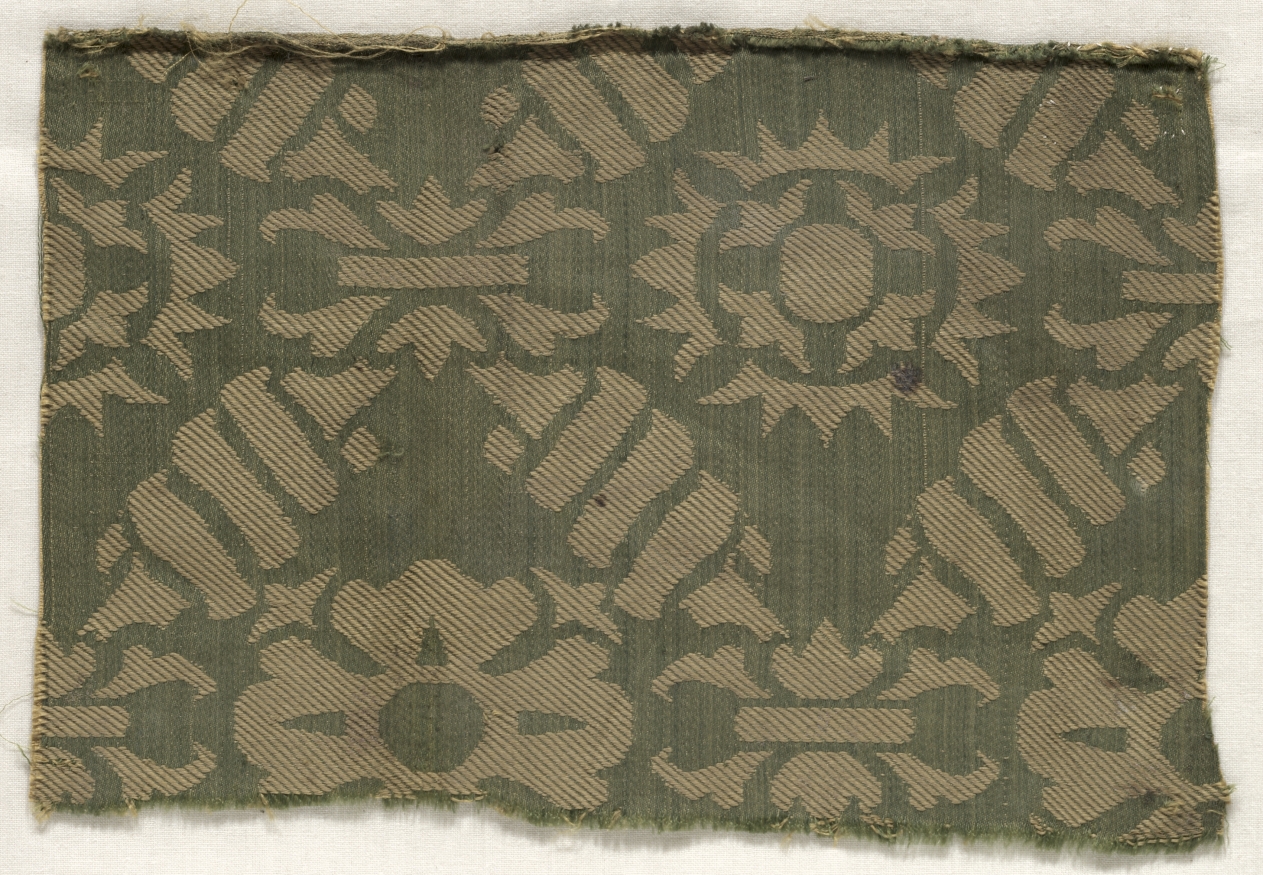
Fragment
Cleveland Museum of Art
Morceau ou fragment (textile)
Palais Galliera, musée de la Mode de la Ville de Paris

Length of Textile
Cleveland Museum of Art
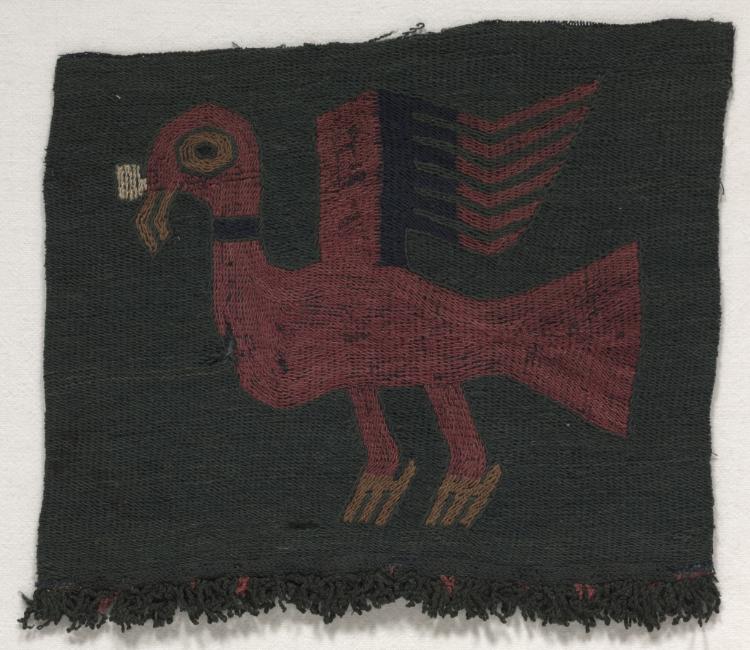
Embroidered Fragment
Cleveland Museum of Art