Cleveland Museum of Art
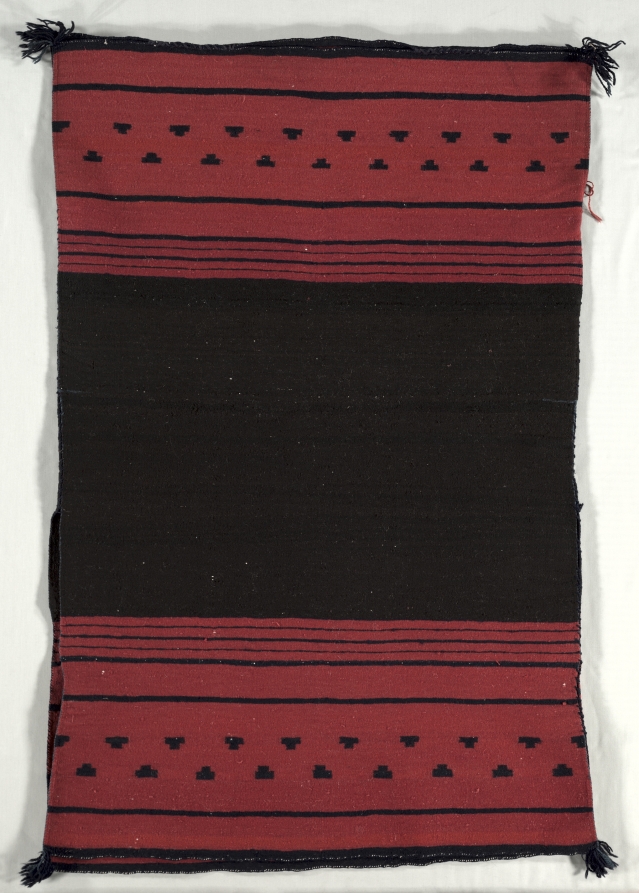
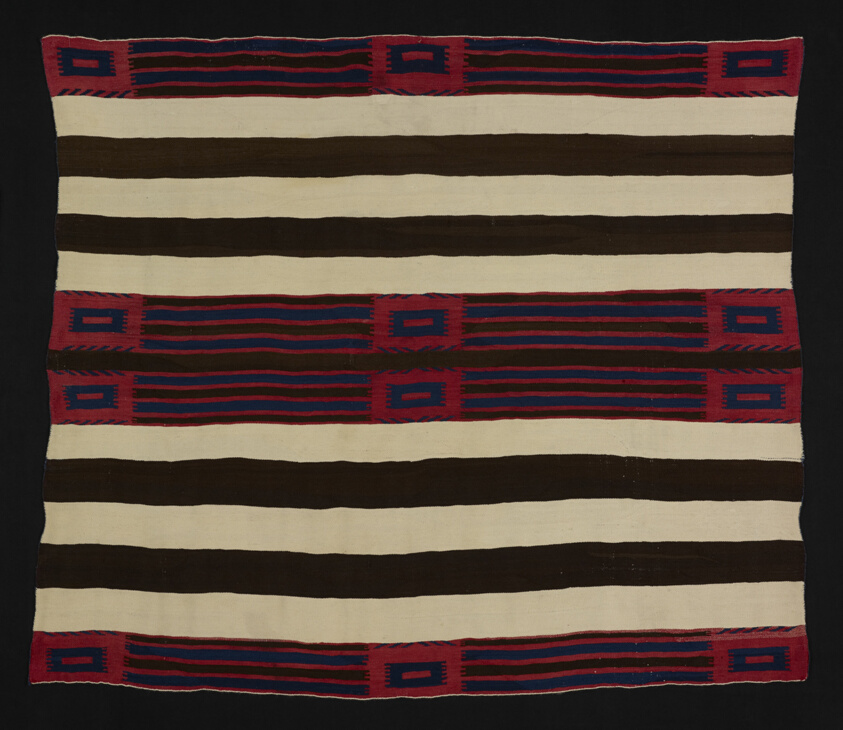
Woman’s Two-Piece Dress (Biil’éé)
- Date
- c. 1880–85
- Medium
- Wool: tapestry weave
- Culture
- Native North America, Southwest, Diné (Navajo)
- Department
- Textiles
- Institution
- Cleveland Museum of Art
According to D. Y. Begay, the contemporary Diné (Navajo) weaver, every Diné woman should own a bill’éé (dress), which holds spiritual power, confers protection, encodes stories about the aesthetic of Diné culture, and ensures her place in society. This example is made of two matching panels attached on the sides and shoulders, a type that developed from single-panel dresses in the late 1700s. Originally gathered at the waist with a woven belt, the dresses also can be cinched with silver concha belts of Diné creation. Today, the bill’éé continues to respond to fashion trends and is worn on special occasions.
The authoritative record is held by Cleveland Museum of Art. LinkedCulture surfaces this object and its connections; it does not alter institutional metadata.
Related across collections
Semantically similar works from Cleveland Museum of Art and other institutions.

Dress (Biil)
Minneapolis Institute of Art

Dress
Minneapolis Institute of Art
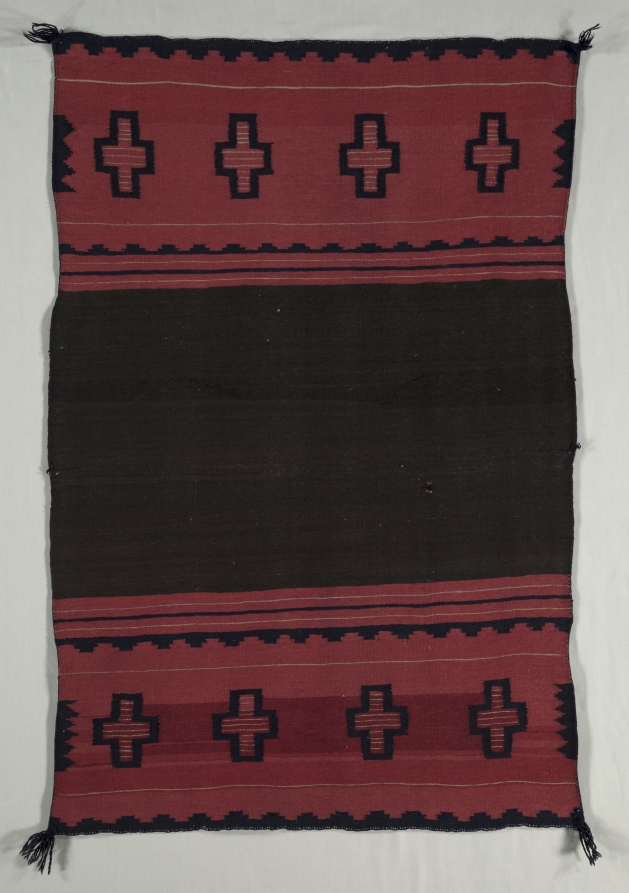
Woman's Dress (One Panel)
Cleveland Museum of Art
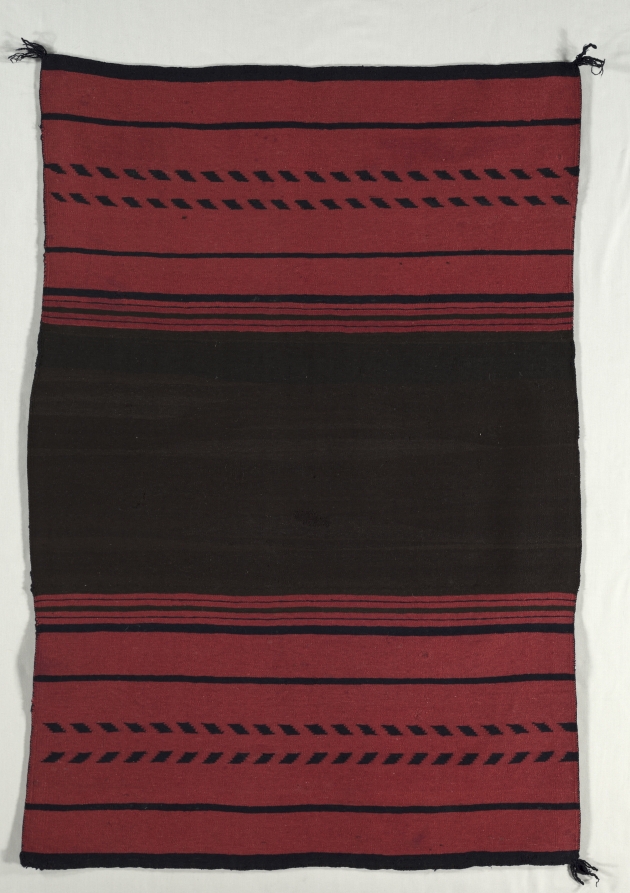
Woman's Dress (one panel)
Cleveland Museum of Art
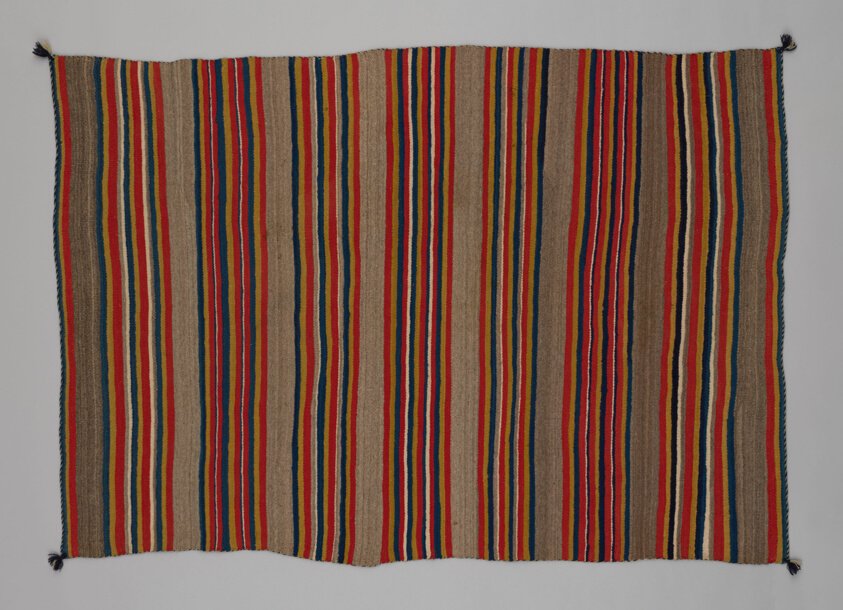
Wearing Blanket
Art Institute of Chicago

Biil
Minneapolis Institute of Art

Wedding dress
Minneapolis Institute of Art
Wearing Blanket (Phase II)
Art Institute of Chicago

Blanket
Minneapolis Institute of Art

Dress
Minneapolis Institute of Art

Bridle
Minneapolis Institute of Art

Late Classic dress
Minneapolis Institute of Art