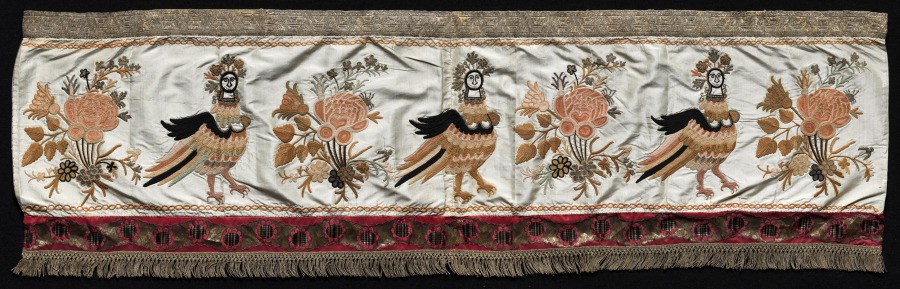
Cleveland Museum of Art
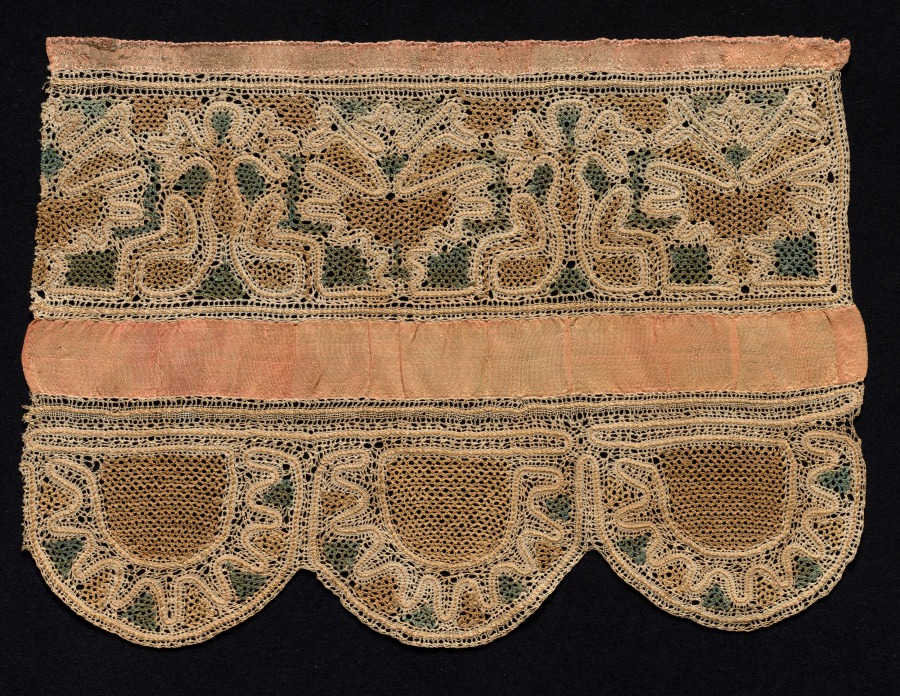
Border
- Date
- c 1800– 1825
- Medium
- plain weave silk (est.) ground with polychrome silk (est.) and metal thread chain stitch embroidery; applied silk (est.) ribbon and metal thread trims
- Culture
- Russia, Nizhny-Novgorod province, early 19th century
- Department
- Textiles
- Institution
- Cleveland Museum of Art
This Russian embroidered panel was likely used to embellish the end of a bathing towel. Textiles of this type are valuable for their fine embroidery of ancient folk motifs, ritual significance, exemplification of the role of textiles in their society, and in this case, connection to a prominent woman collector, Natalia de Shabelsky, without whom this textile and others like it might have been lost. Embroidering the ends of everyday towels was a common folk tradition in many cultures because it displayed the skill of the mother or daughter who stitched them.
The authoritative record is held by Cleveland Museum of Art. LinkedCulture surfaces this object and its connections; it does not alter institutional metadata.
Related across collections
Semantically similar works from Cleveland Museum of Art and other institutions.
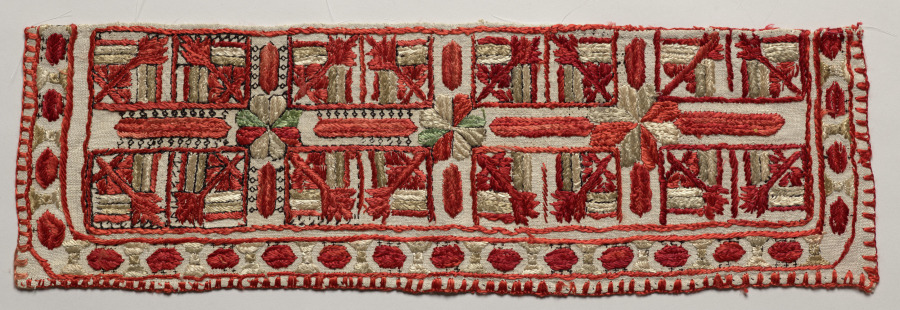
Panel
Cleveland Museum of Art
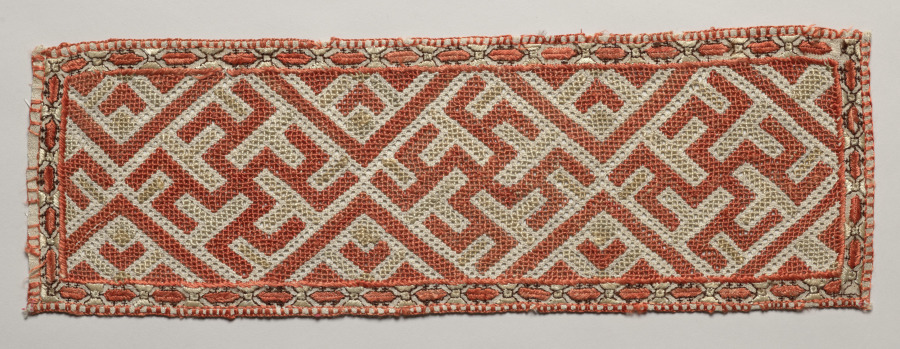
Panel
Cleveland Museum of Art
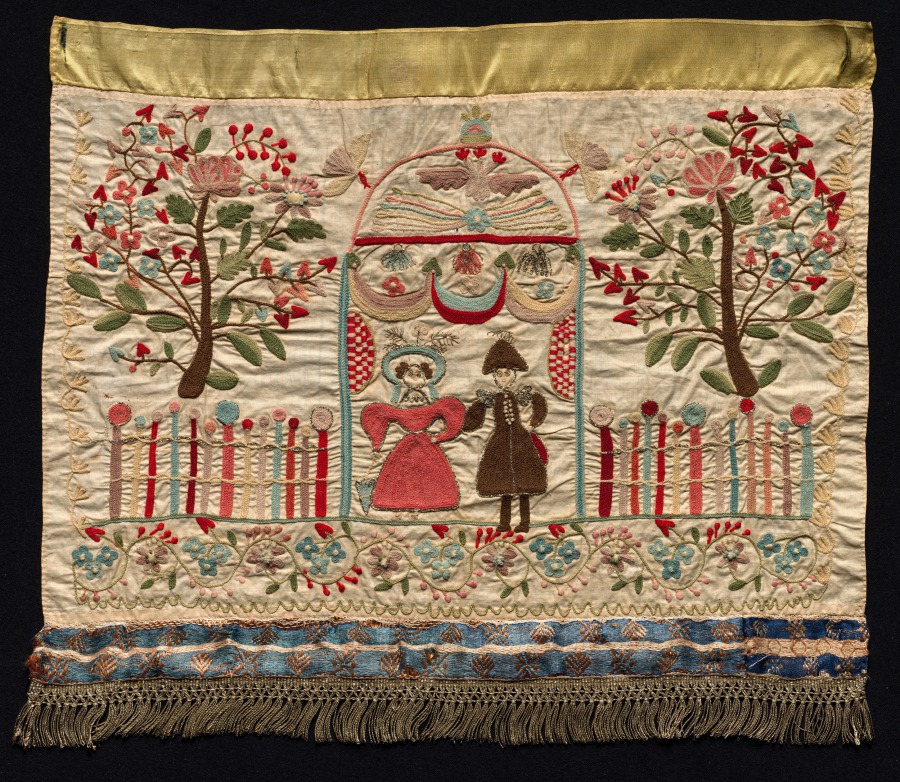
Towel End
Cleveland Museum of Art
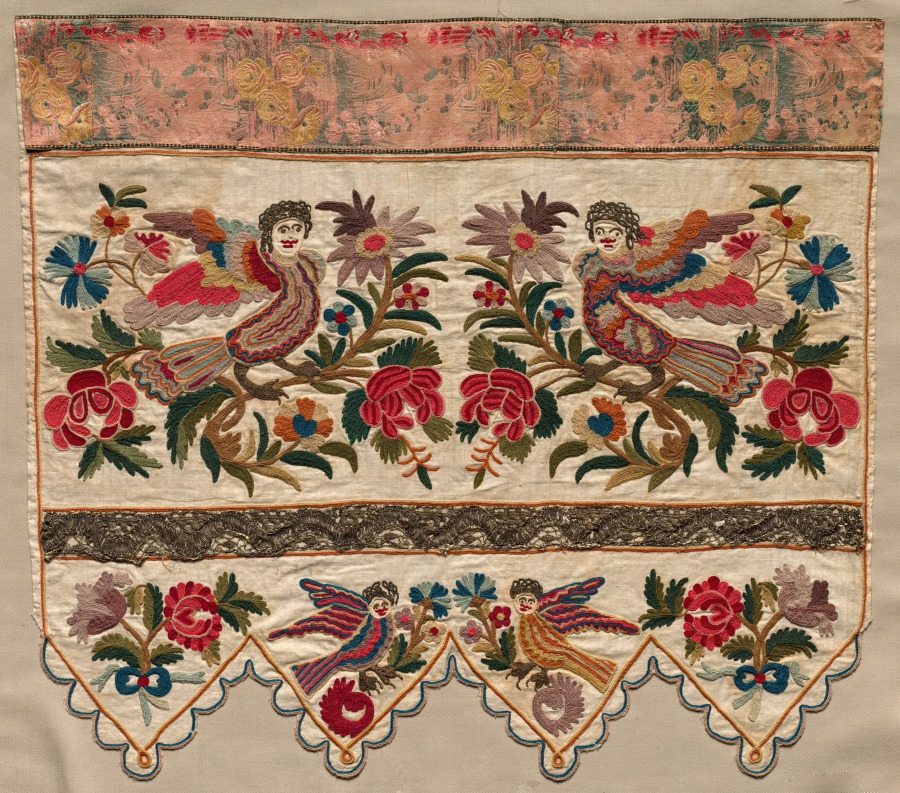
Towel End
Cleveland Museum of Art
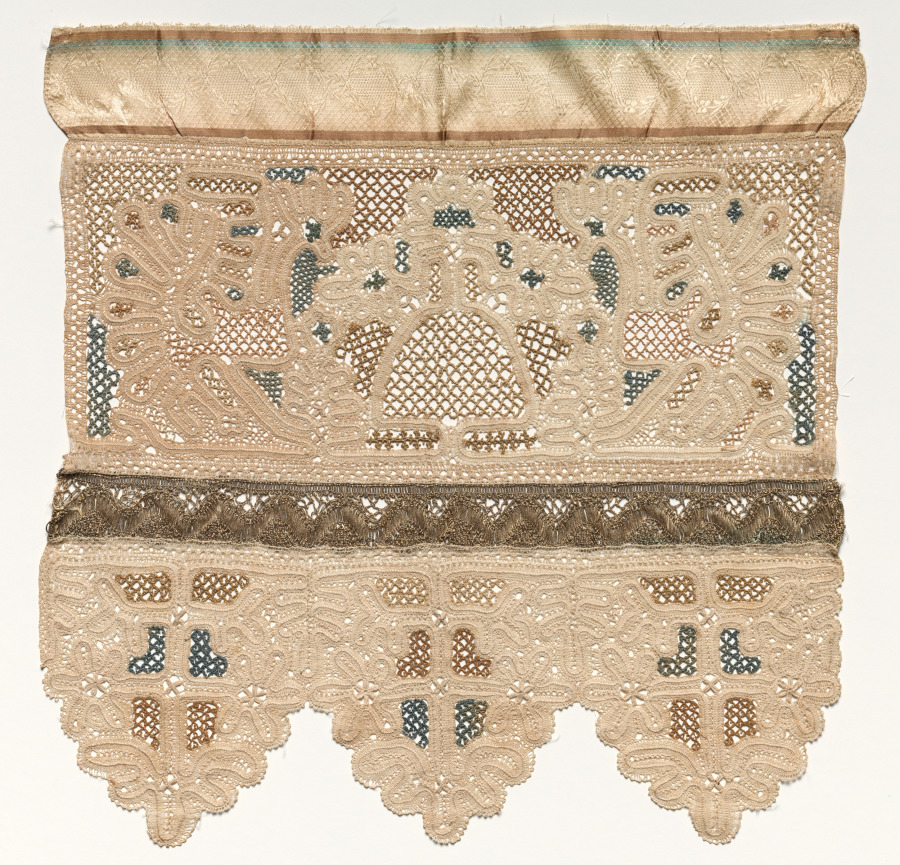
Towel End
Cleveland Museum of Art
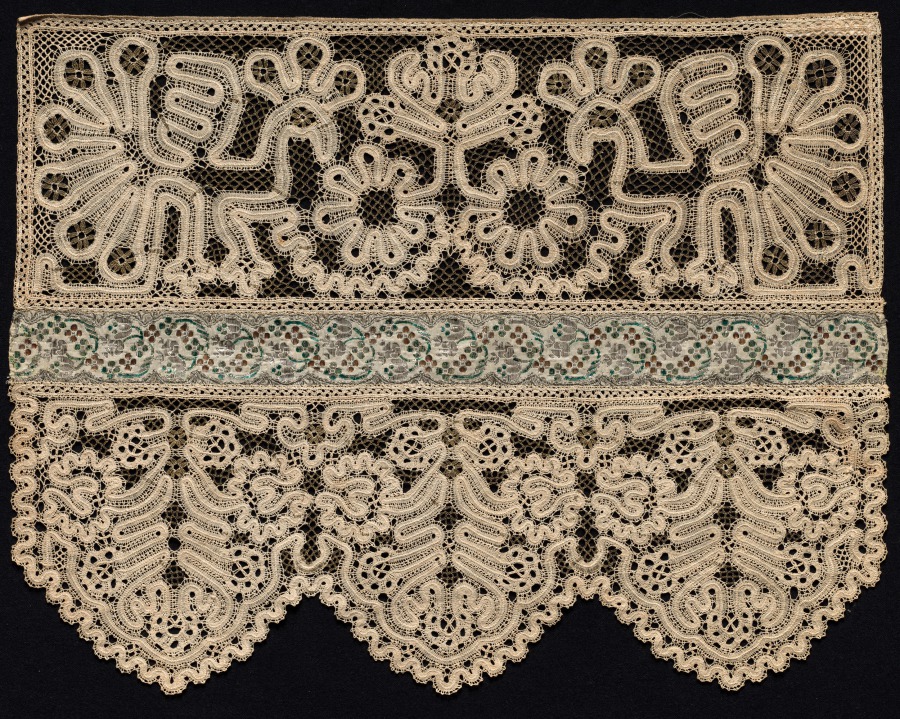
Towel End
Cleveland Museum of Art
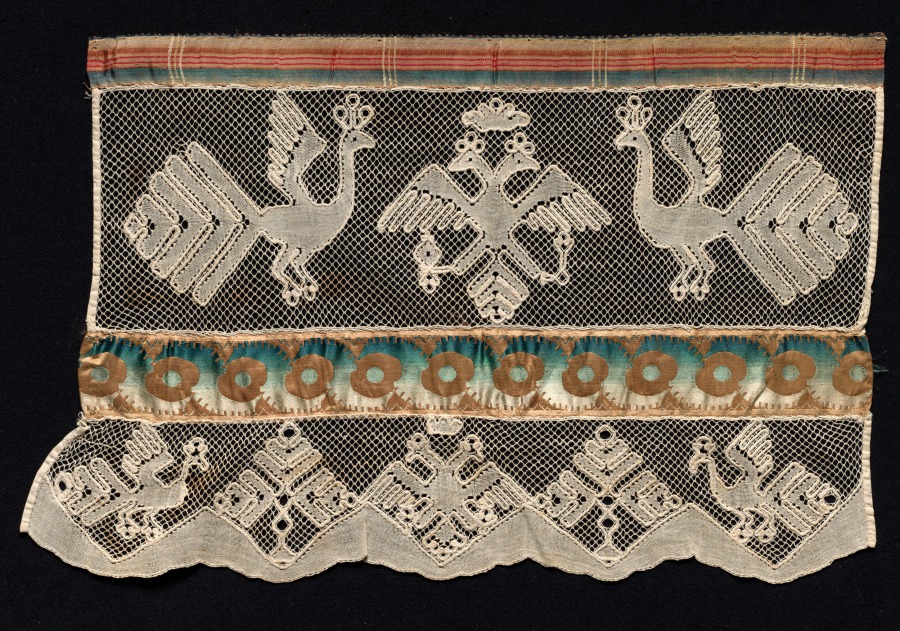
Towel End
Cleveland Museum of Art
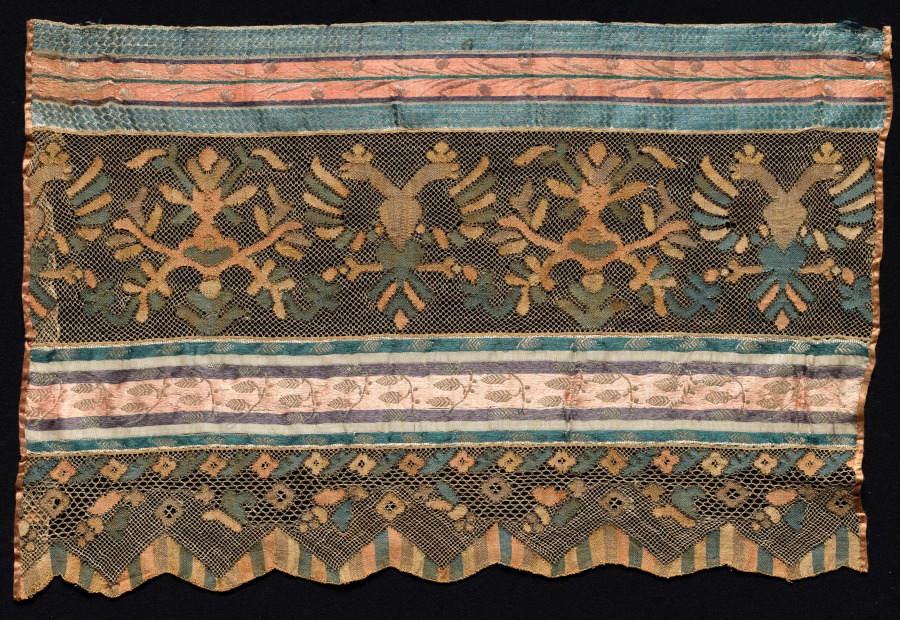
Towel End
Cleveland Museum of Art
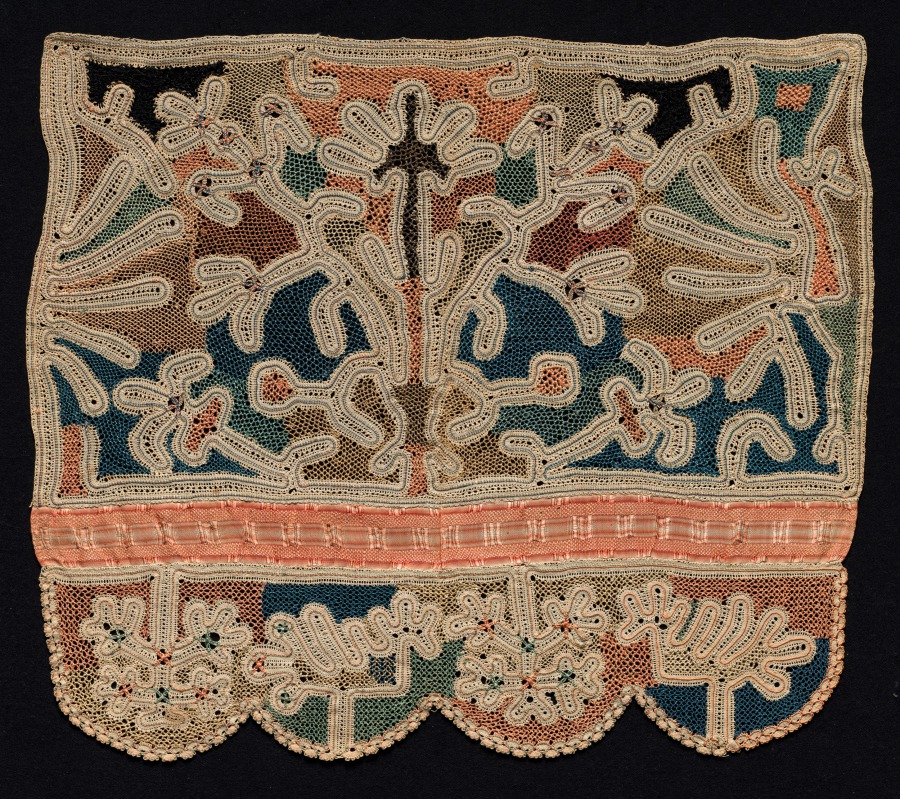
Towel End
Cleveland Museum of Art
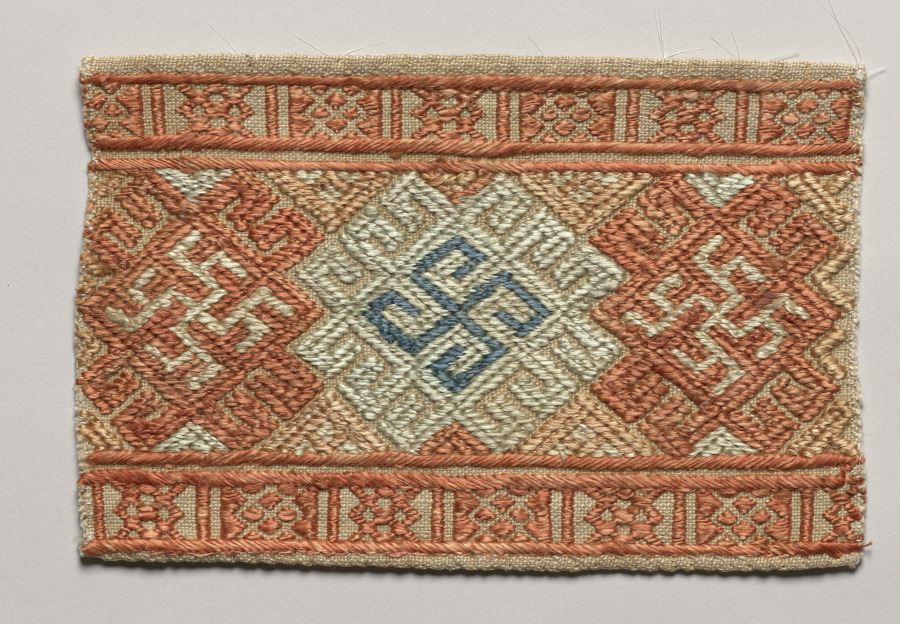
Panel for a Headdress
Cleveland Museum of Art
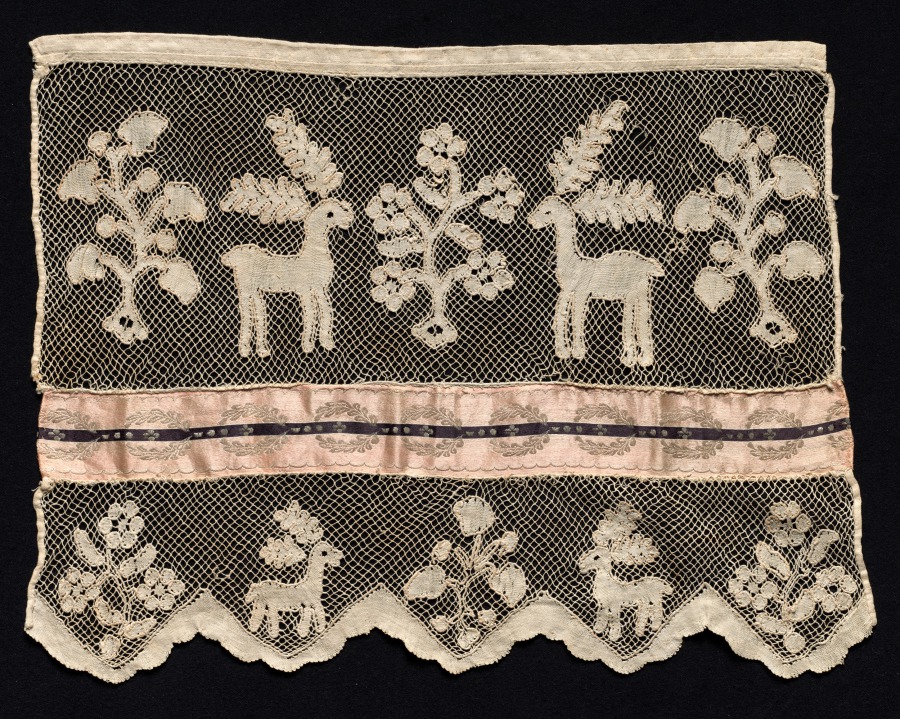
Towel End
Cleveland Museum of Art
Towel End
Cleveland Museum of Art