Cleveland Museum of Art
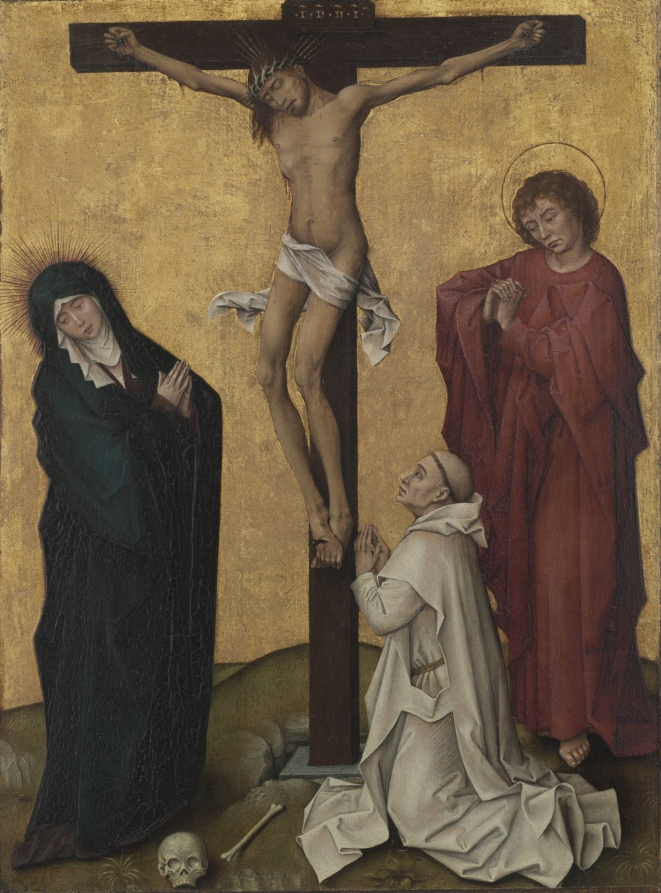
The Crucifixion with a Carthusian Monk
Rogier van der Weyden
- Date
- c. 1460
- Medium
- oil and gold on wood
- Culture
- Netherlands
- Department
- Medieval Art
- Institution
- Cleveland Museum of Art
This painting shows a Carthusian monk kneeling in devotion and prayer before the Crucifixion. It is likely that this panel was intended for the cell of a monk in an unknown monastery. The Carthusians were particularly devoted to the Passion and Crucifixion of Christ, and devotional images were provided for each monk’s cell. The Carthusian order was founded by Saint Bruno in 1084 with the purpose of providing the strictest separation from the world. The first Carthusians were dedicated to contemplation through silence, prayer, poverty, penance, and almost continuous occupancy of a solitary cell. The solitary life could only be maintained through the establishment of separate cell houses. Each community of monks was limited to the apostolic number of 12, though exceptions were sometimes made. They were recognized by their white, full-length, cowled habit called the scapular, shown here. The artist has not been identified. Carthusian monks can easily be identified by the white scapular or large rectangular piece of fabric, which is joined by bands at the side and has a hood attached to it.
The authoritative record is held by Cleveland Museum of Art. LinkedCulture surfaces this object and its connections; it does not alter institutional metadata.
Related across collections
Semantically similar works from Cleveland Museum of Art and other institutions.
Kneeling Carthusian Monk
Cleveland Museum of Art
Calvary with a Carthusian Monk
Cleveland Museum of Art
Kneeling Carthusian Monk
Cleveland Museum of Art
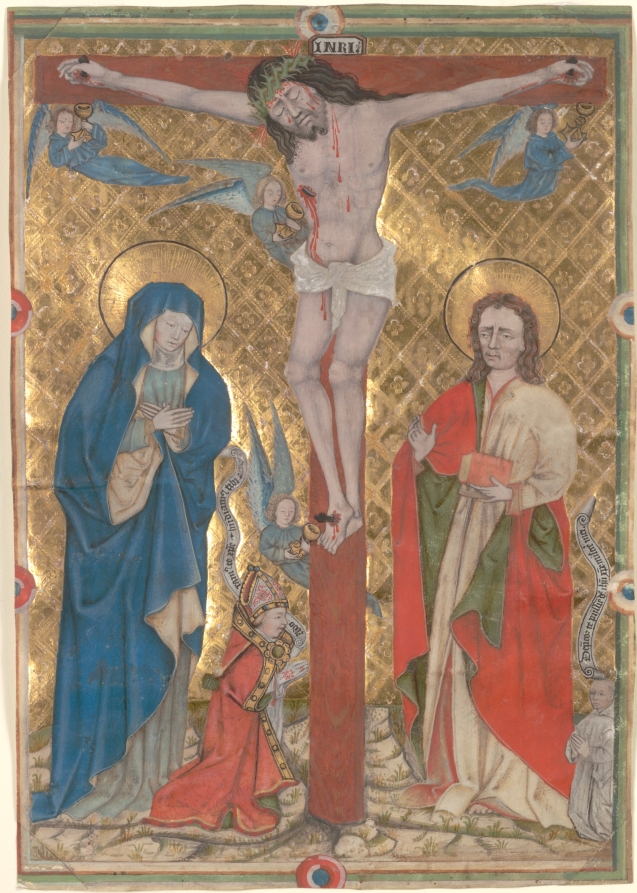
Single Leaf from a Missal: The Crucifixion
Cleveland Museum of Art
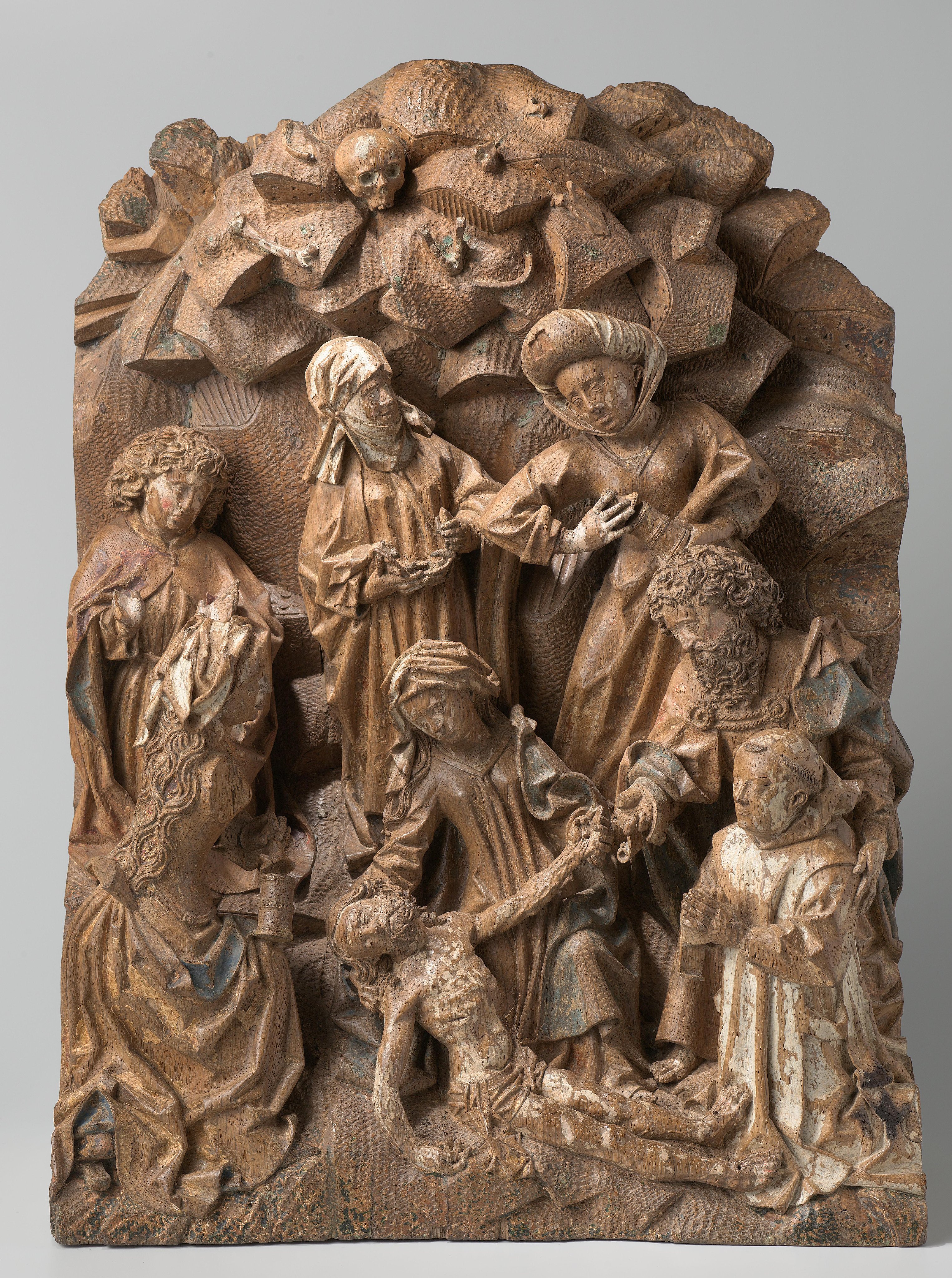
De bewening van Christus
Rijksmuseum
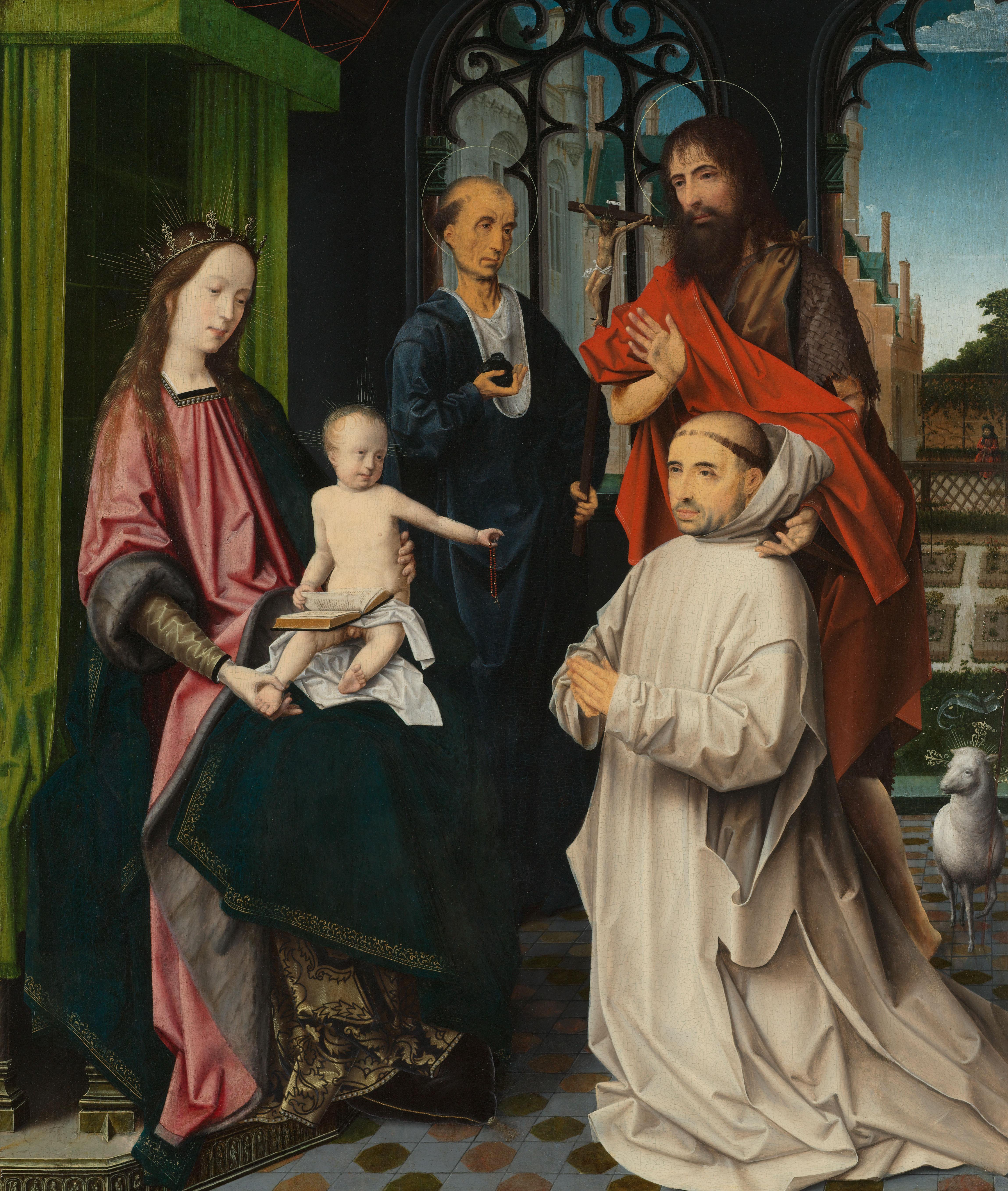
Tronende Maria en Christus, met Sint-Hiëronymus, Johannes de Doper en een kartuizer monnik
Rijksmuseum

Portrait of Dom Pascal Le Tonnelier
Minneapolis Institute of Art

The Vision of Saint Bruno
Getty Museum
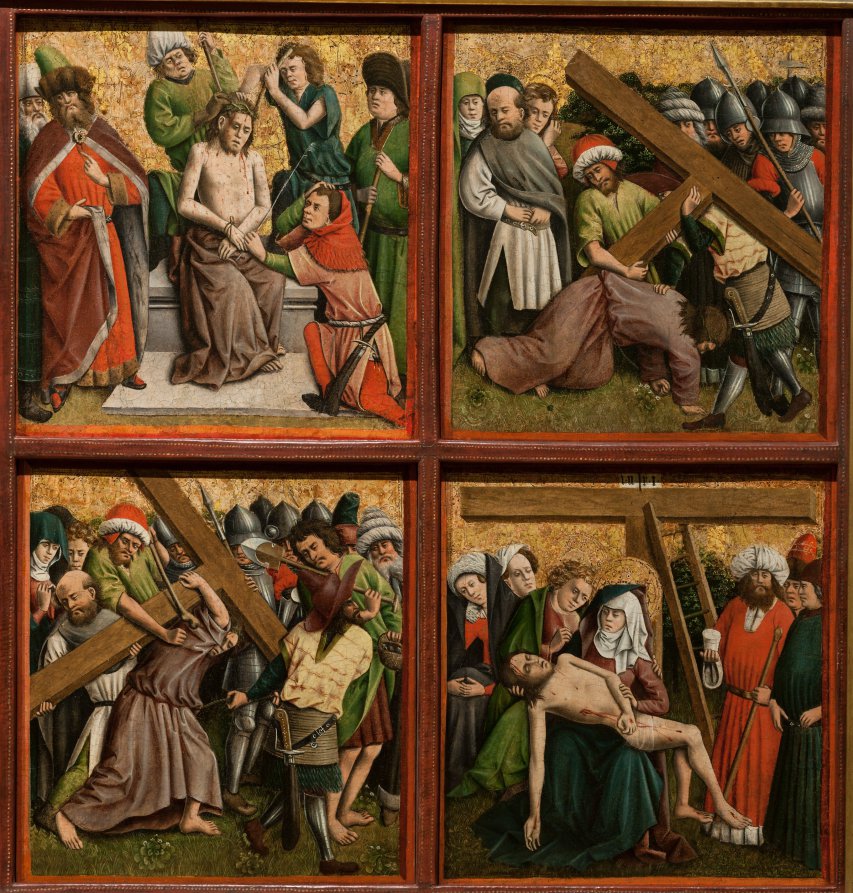
Altarpiece with The Passion of Christ
Cleveland Museum of Art
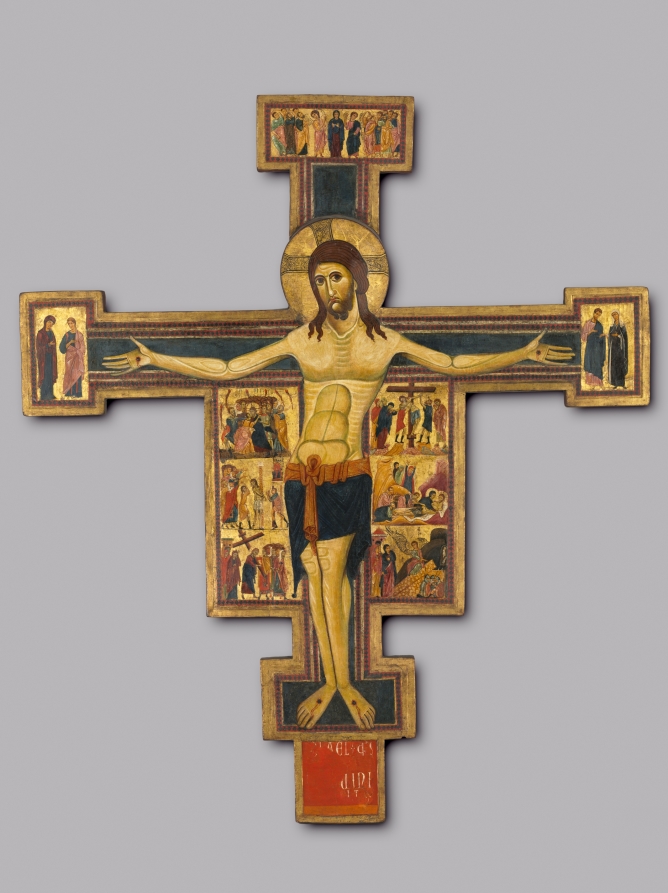
Crucifix with Scenes of the Passion
Cleveland Museum of Art
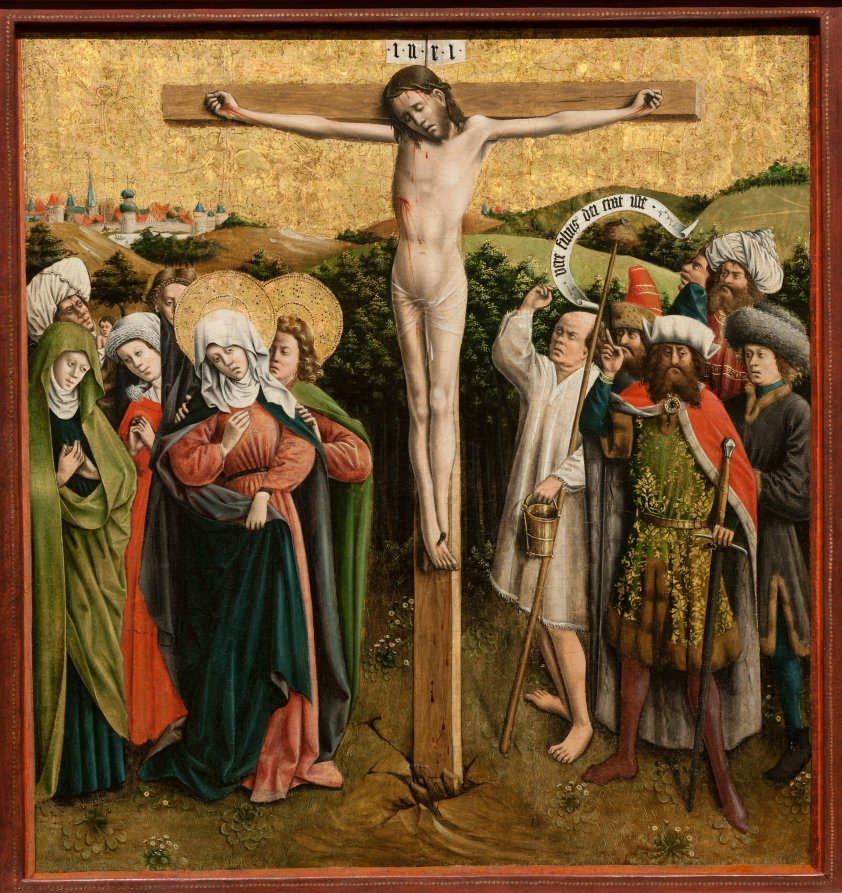
Altarpiece with The Passion of Christ
Cleveland Museum of Art
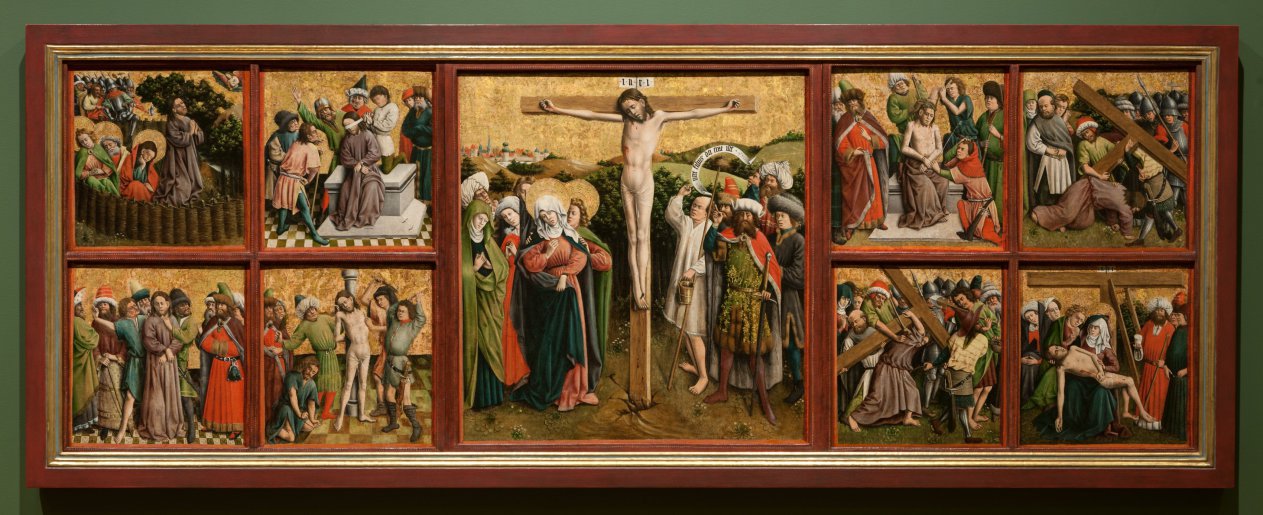
Altarpiece with The Passion of Christ
Cleveland Museum of Art