Cleveland Museum of Art
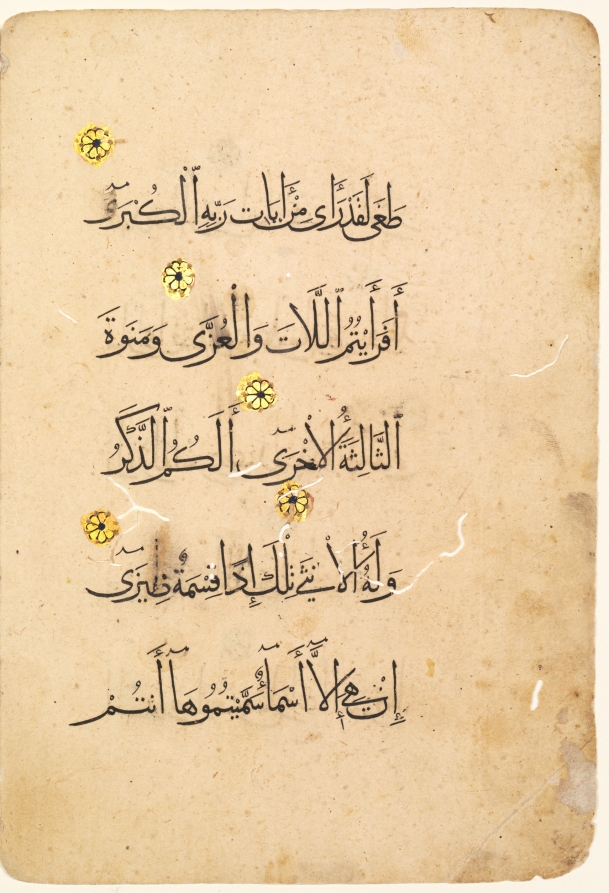
Qur'an Manuscript Folio (verso) (right side of bifolio)
- Date
- 1300s–1400s
- Medium
- ink, gold, and colors on paper
- Culture
- Egypt, Mamluk sultanate (1250–1517)
- Department
- Islamic Art
- Institution
- Cleveland Museum of Art
It is through the Arabic language that the Qur’an was revealed to the Prophet Muhammad in the 600s. As a result, calligraphy is celebrated as the highest form in Islamic art. The verses ( ayat ) written here come from the 53rd chapter ( surah ) of the Qur’an, also known as the Surah An-Najm, the Chapter of the Star. The significance of the Qur’an provides an explanation for the importance of calligraphy, but its use was not restricted to religious texts. Many objects in the museum's Islamic collection bear calligraphic inscriptions and come from secular contexts, displaying the versatility and creativity of this art form.
The authoritative record is held by Cleveland Museum of Art. LinkedCulture surfaces this object and its connections; it does not alter institutional metadata.
Related across collections
Semantically similar works from Cleveland Museum of Art and other institutions.
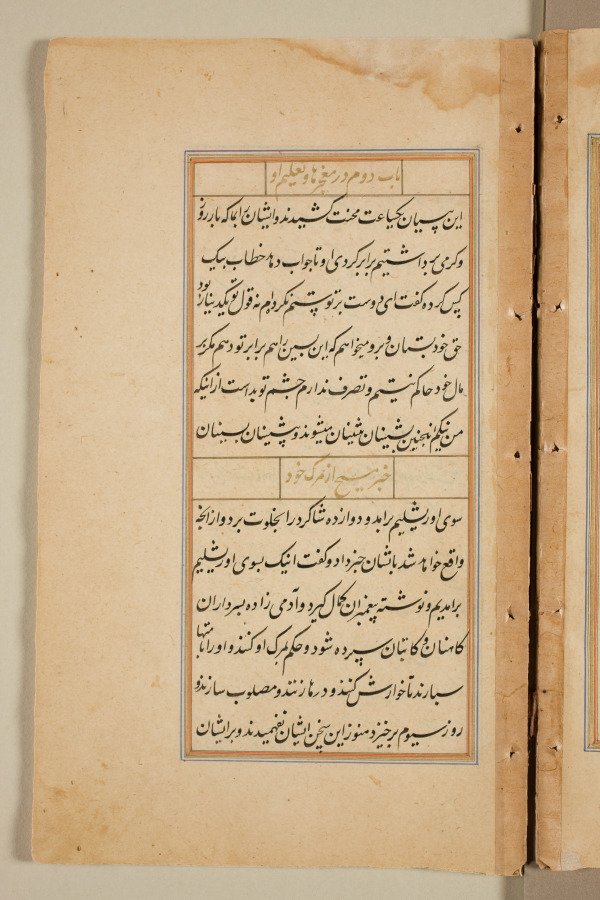
Text page from a Mirror of Holiness (Mir’at al-quds) of Father Jerome Xavier
Cleveland Museum of Art
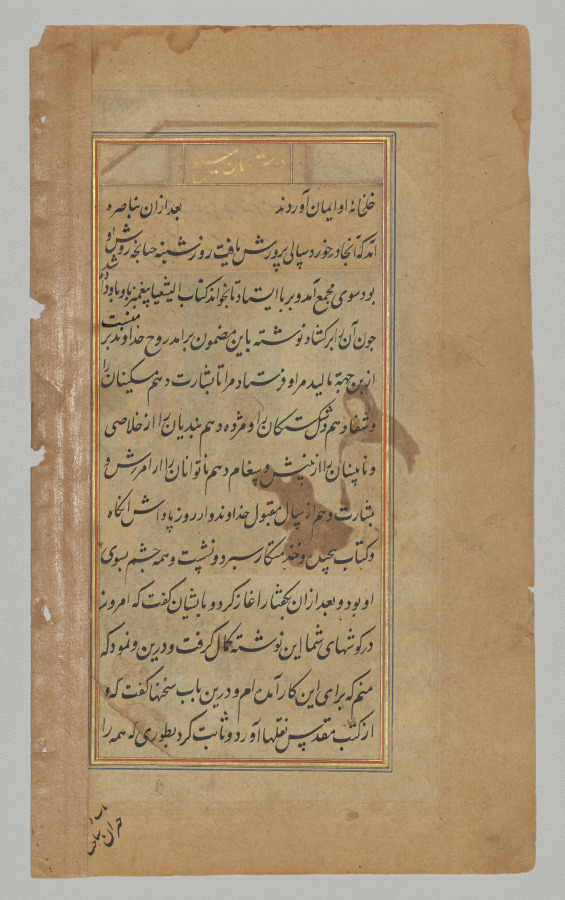
Text page from a Mirror of Holiness (Mir’at al-quds) of Father Jerome Xavier
Cleveland Museum of Art
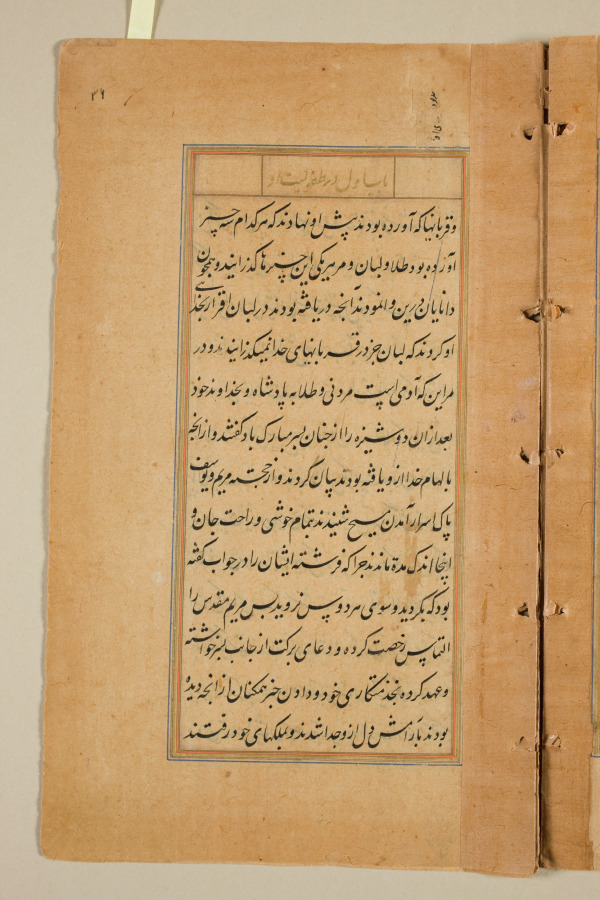
Text page from a Mirror of Holiness (Mir’at al-quds) of Father Jerome Xavier
Cleveland Museum of Art
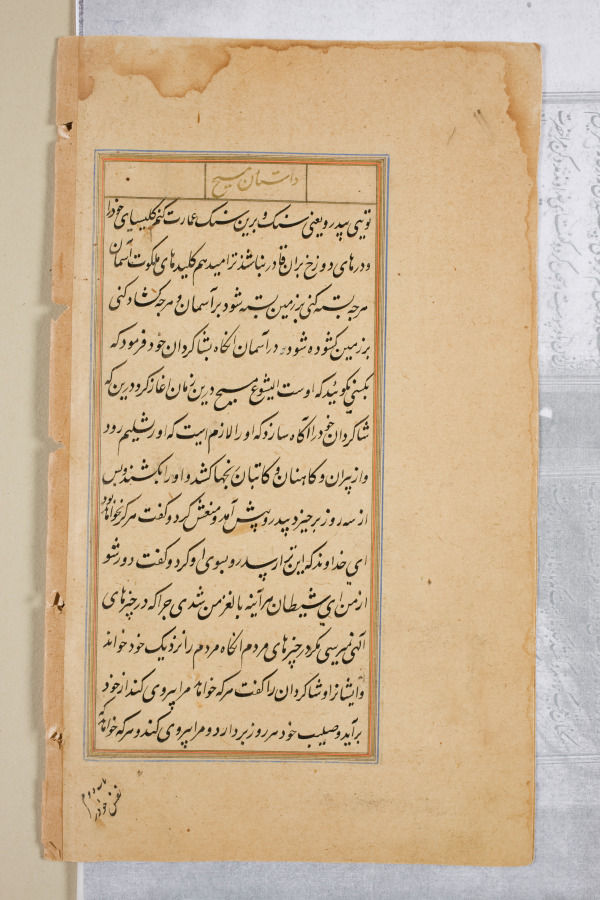
Text page from a Mirror of Holiness (Mir’at al-quds) of Father Jerome Xavier
Cleveland Museum of Art
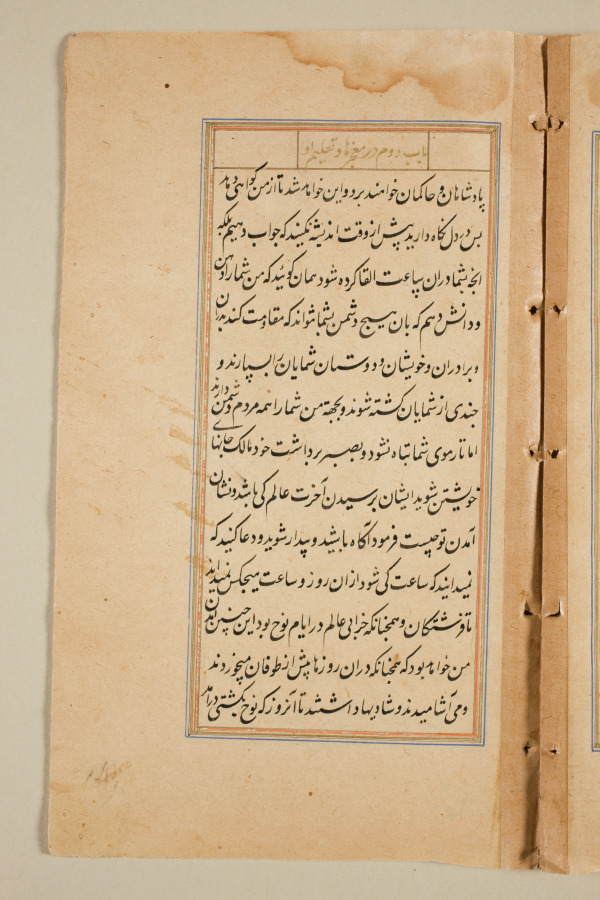
Text page from a Mirror of Holiness (Mir’at al-quds) of Father Jerome Xavier
Cleveland Museum of Art
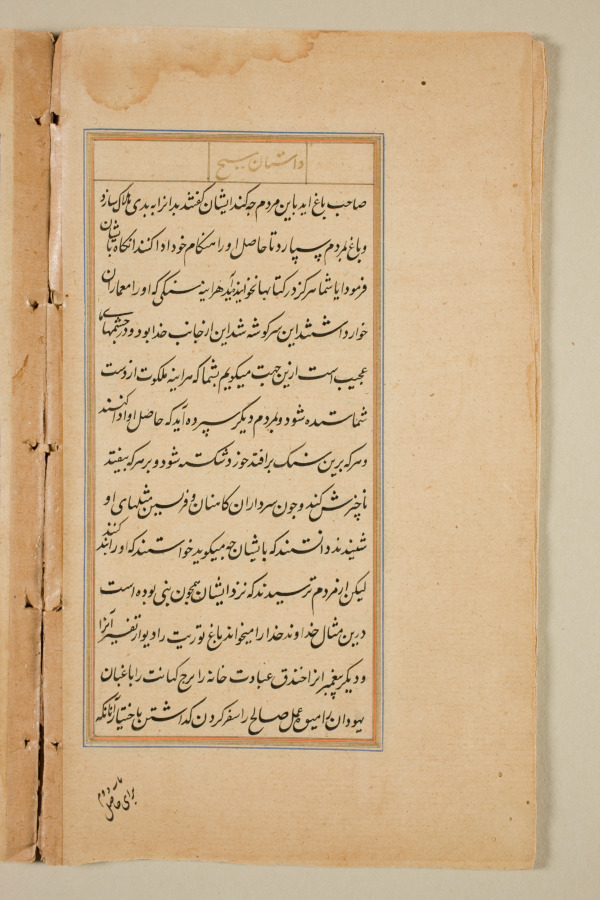
Text page from a Mirror of Holiness (Mir’at al-quds) of Father Jerome Xavier
Cleveland Museum of Art
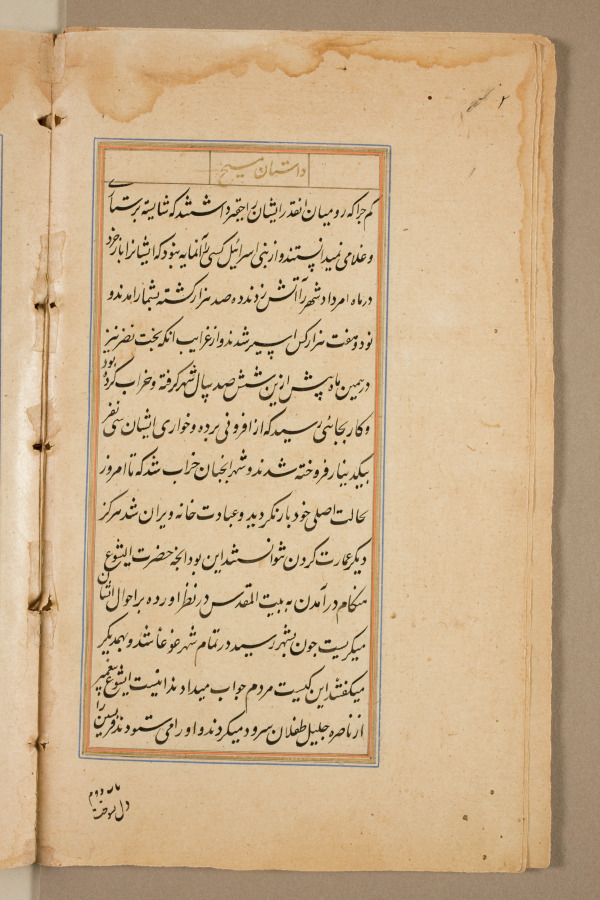
Text page from a Mirror of Holiness (Mir’at al-quds) of Father Jerome Xavier
Cleveland Museum of Art
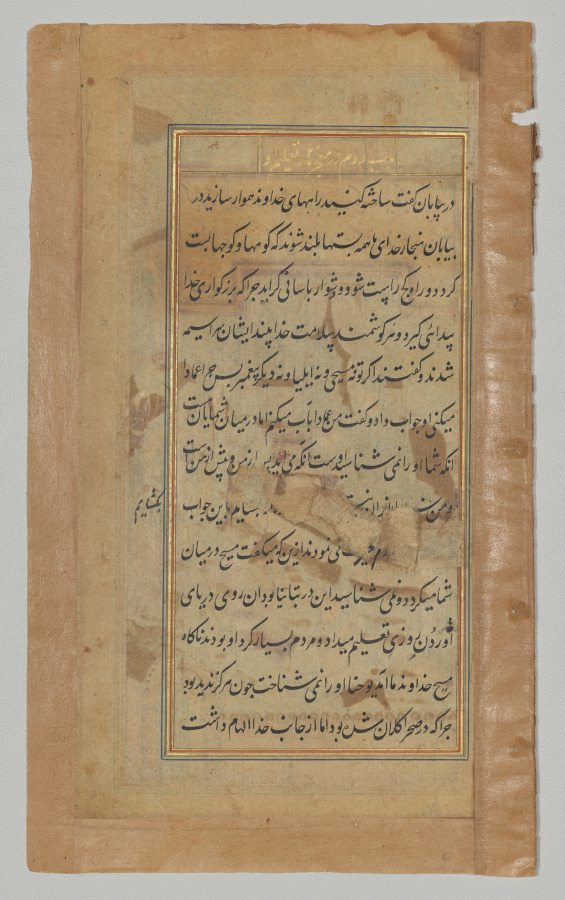
Text page from a Mirror of Holiness (Mir’at al-quds) of Father Jerome Xavier
Cleveland Museum of Art
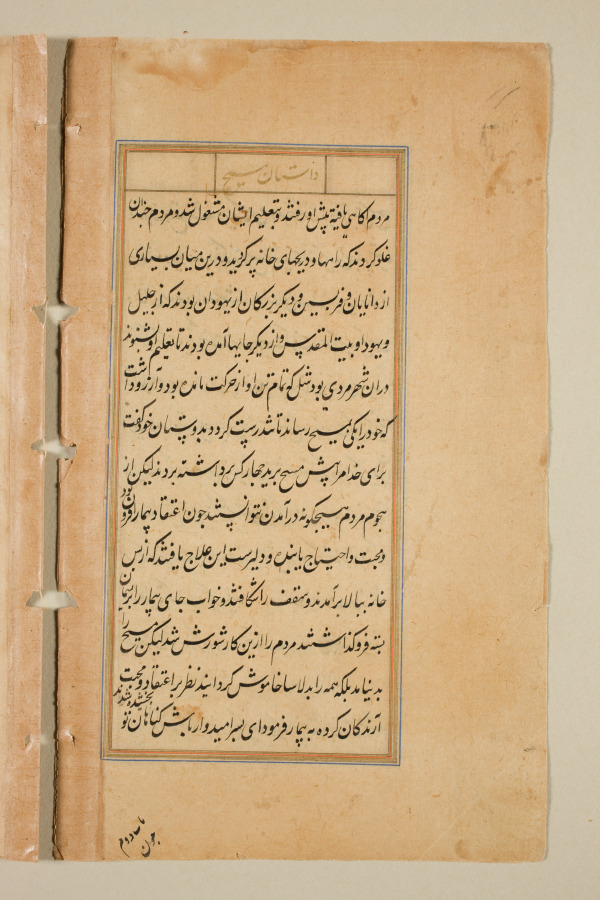
Text page from a Mirror of Holiness (Mir’at al-quds) of Father Jerome Xavier
Cleveland Museum of Art
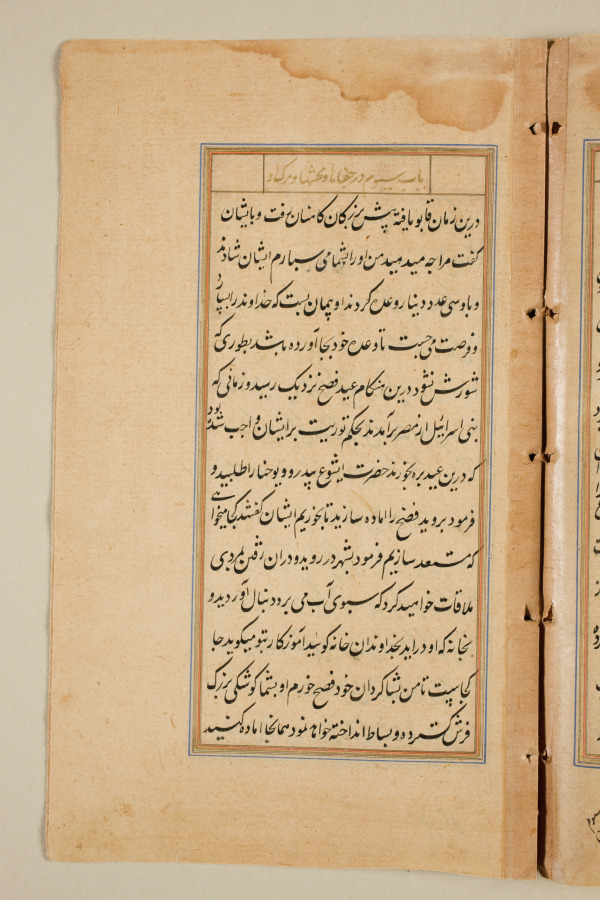
Text page from a Mirror of Holiness (Mir’at al-quds) of Father Jerome Xavier
Cleveland Museum of Art
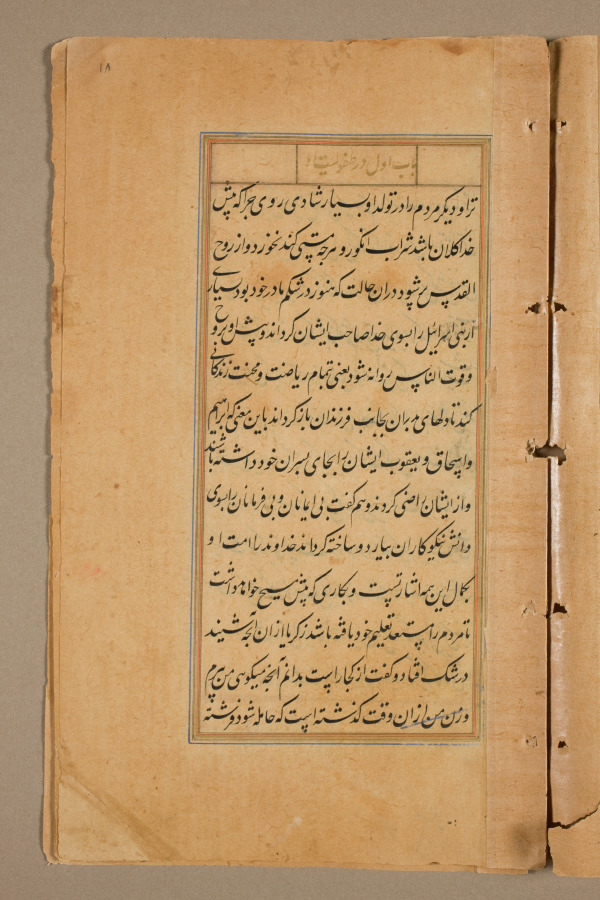
Text page from a Mirror of Holiness (Mir’at al-quds) of Father Jerome Xavier
Cleveland Museum of Art
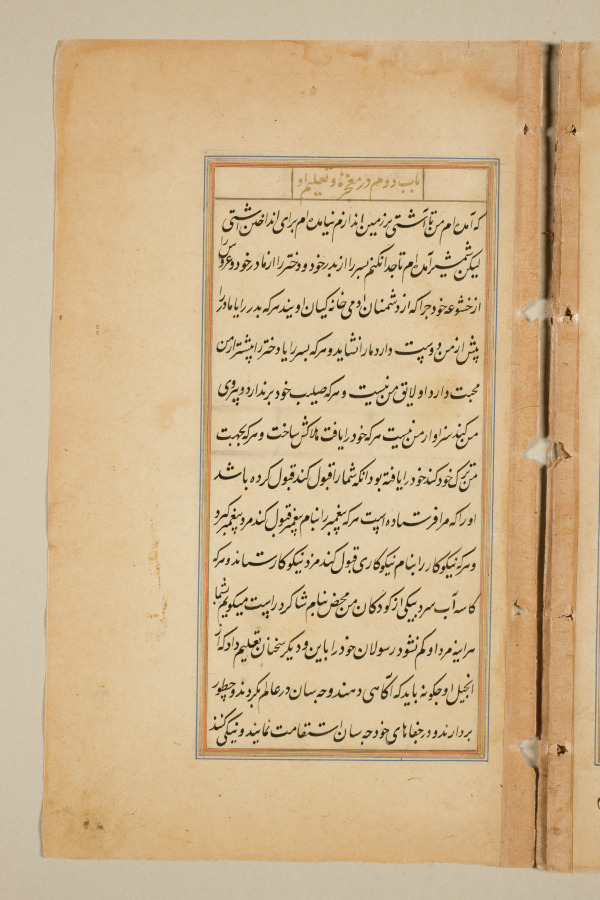
Text page from a Mirror of Holiness (Mir’at al-quds) of Father Jerome Xavier
Cleveland Museum of Art