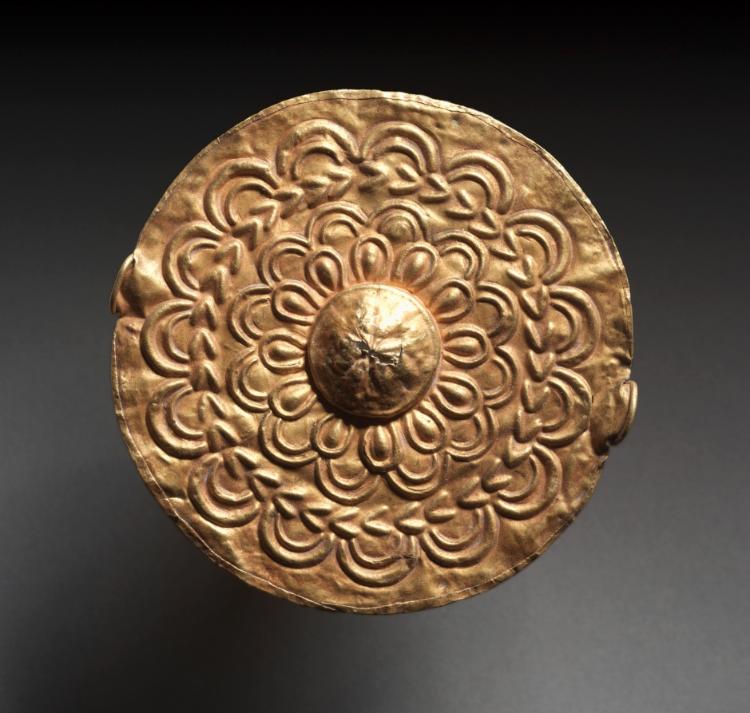
Cleveland Museum of Art
Disk Pendant (akrafokɔnmu)
- Date
- 1800s, before 1896
- Medium
- Gold
- Culture
- Africa, West Africa, Ghana, Asante Empire/Kingdom, probably Kumasi, member of the goldsmiths’ guild
- Department
- African Art
- Institution
- Cleveland Museum of Art
Gold discs dangling on the chests of Akan state officials and elites showed their rank and duties. Worn by these akrafo (“soul people”) since the 1800s, they are often linked to kradware, officials who represent and purify (“wash”) the king’s soul. To make them, goldsmiths cast or flattened gold. Muslim North African gold coins likely inspired their form and material, while concentric water rings influenced their composition. This small disc is a typical pre-colonial example: asantehene (king) Prempeh I reportedly owned this disk. The British emptied his treasury after deposing and exiling him in 1896. Gold ornament making ceased until 1924; court officials now wear large discs. Akan goldsmiths were organized into guilds, a kind of specialized group of artisans.
The authoritative record is held by Cleveland Museum of Art. LinkedCulture surfaces this object and its connections; it does not alter institutional metadata.
Related across collections
Semantically similar works from Cleveland Museum of Art and other institutions.
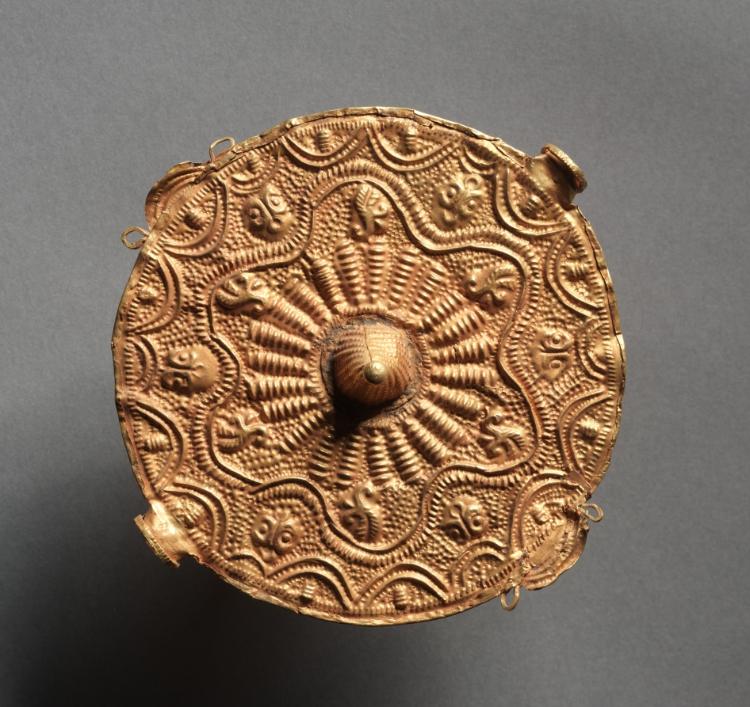
Disk Pendant (akrafokɔnmu)
Cleveland Museum of Art
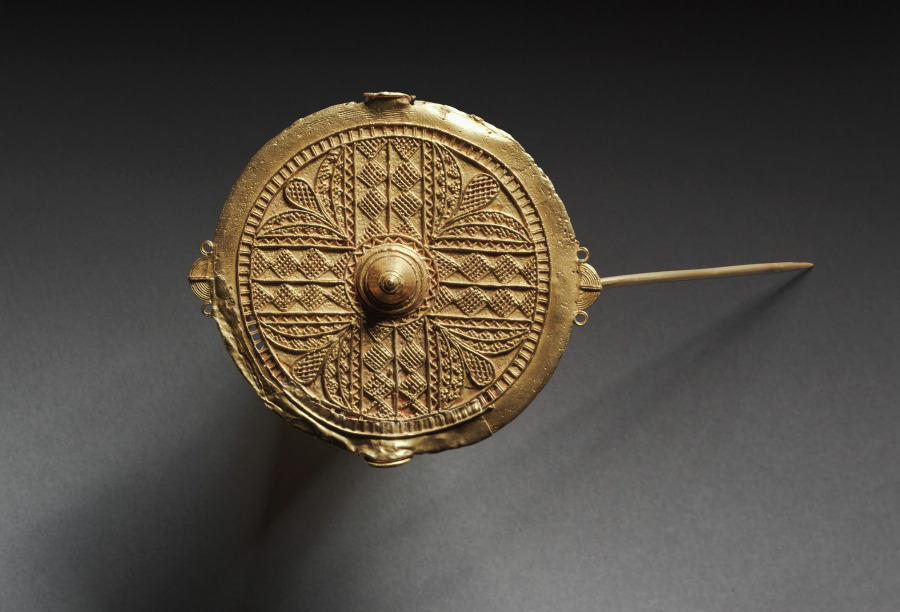
Disk Pendant (akrafokɔnmu)
Cleveland Museum of Art
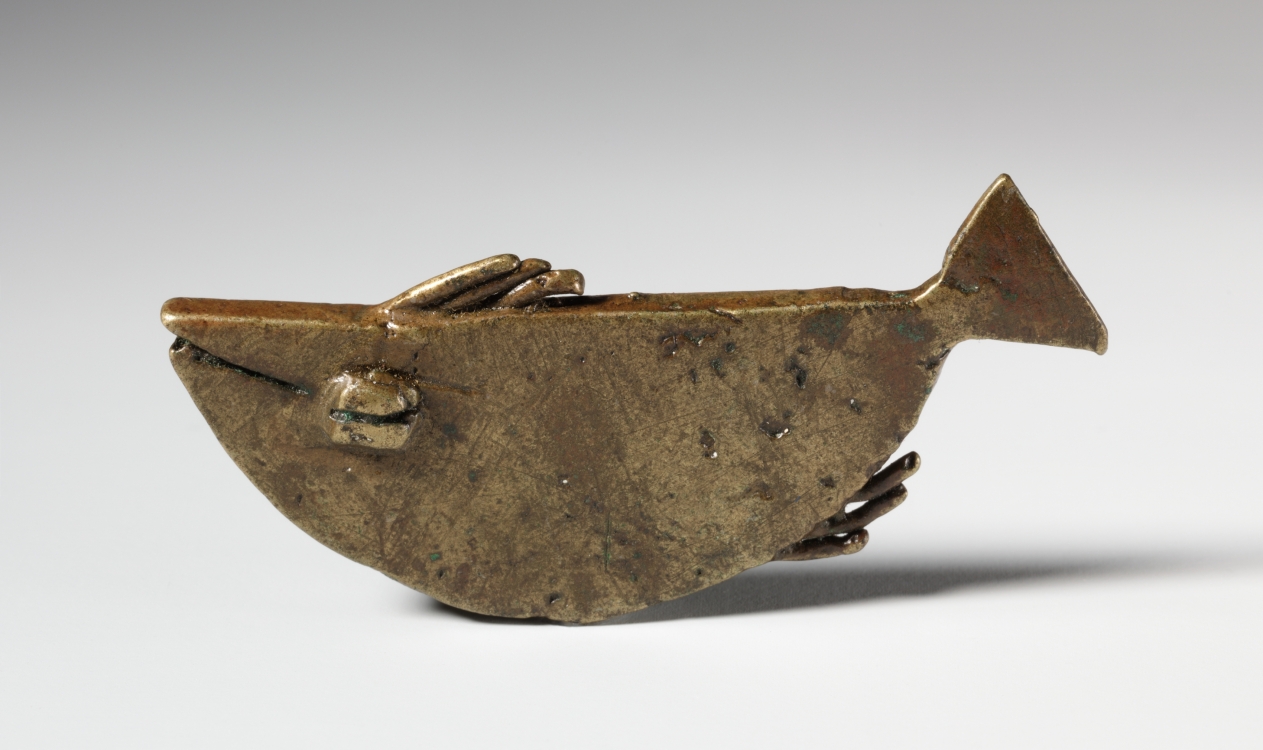
Gold Weight (abrammuo): Fish
Cleveland Museum of Art

Pair of Figures from a Shrine Group
Minneapolis Institute of Art
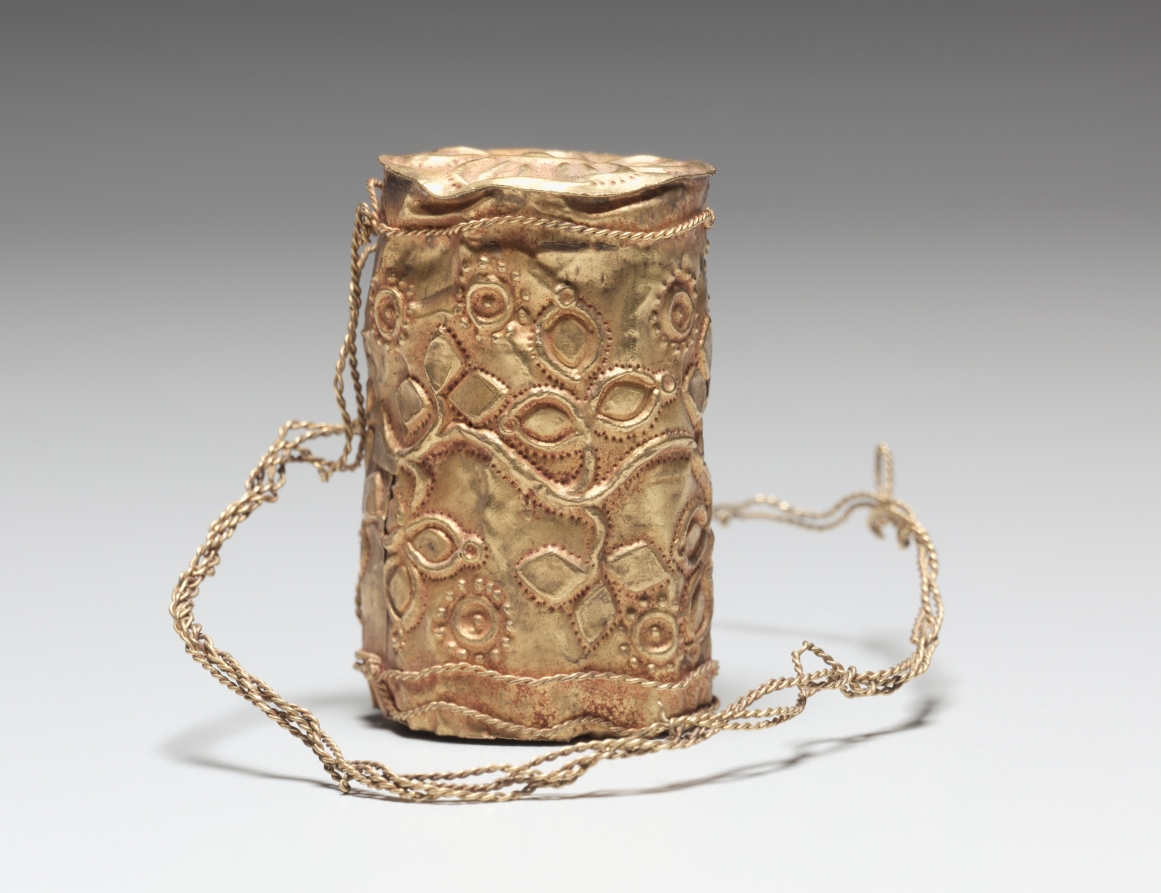
Knife Handle Cover
Cleveland Museum of Art
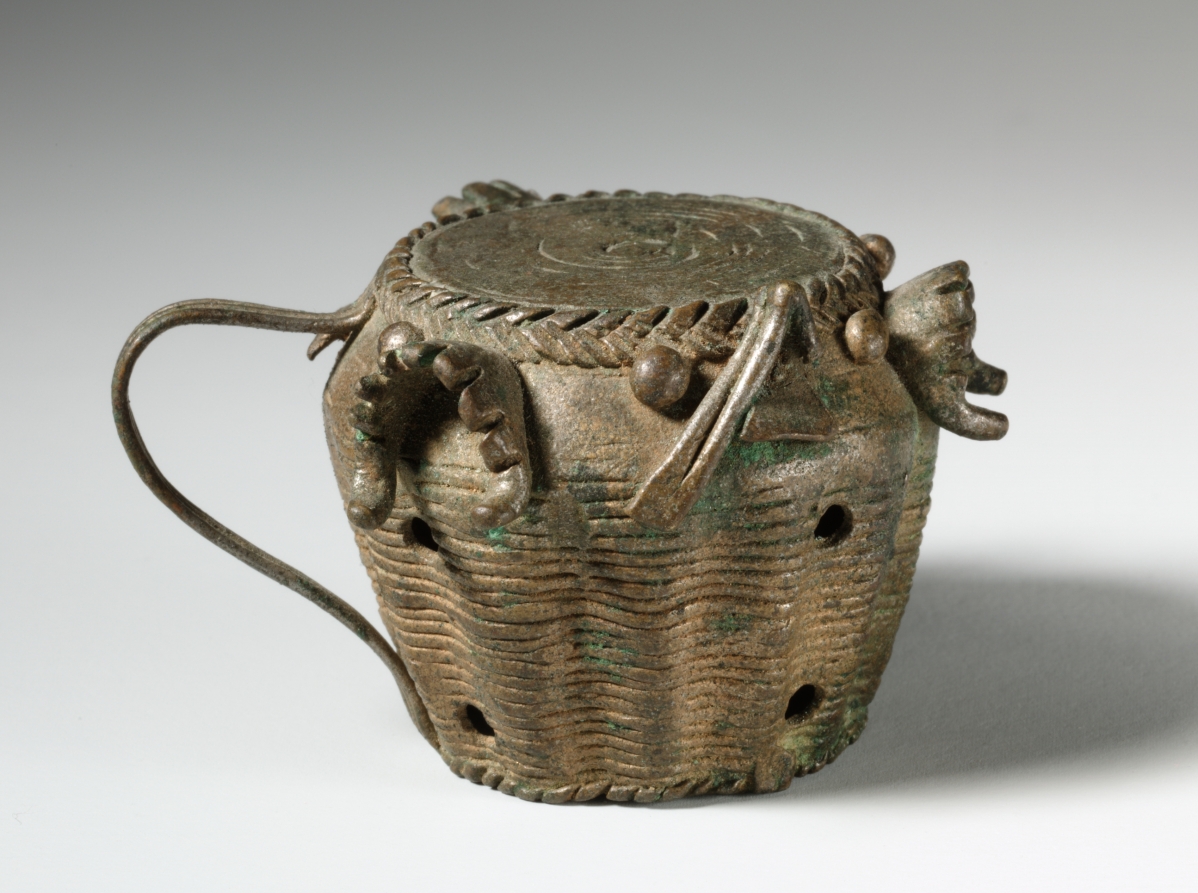
Gold Weight (abrammuo): Drum with Jaws of Defeated Enemies
Cleveland Museum of Art
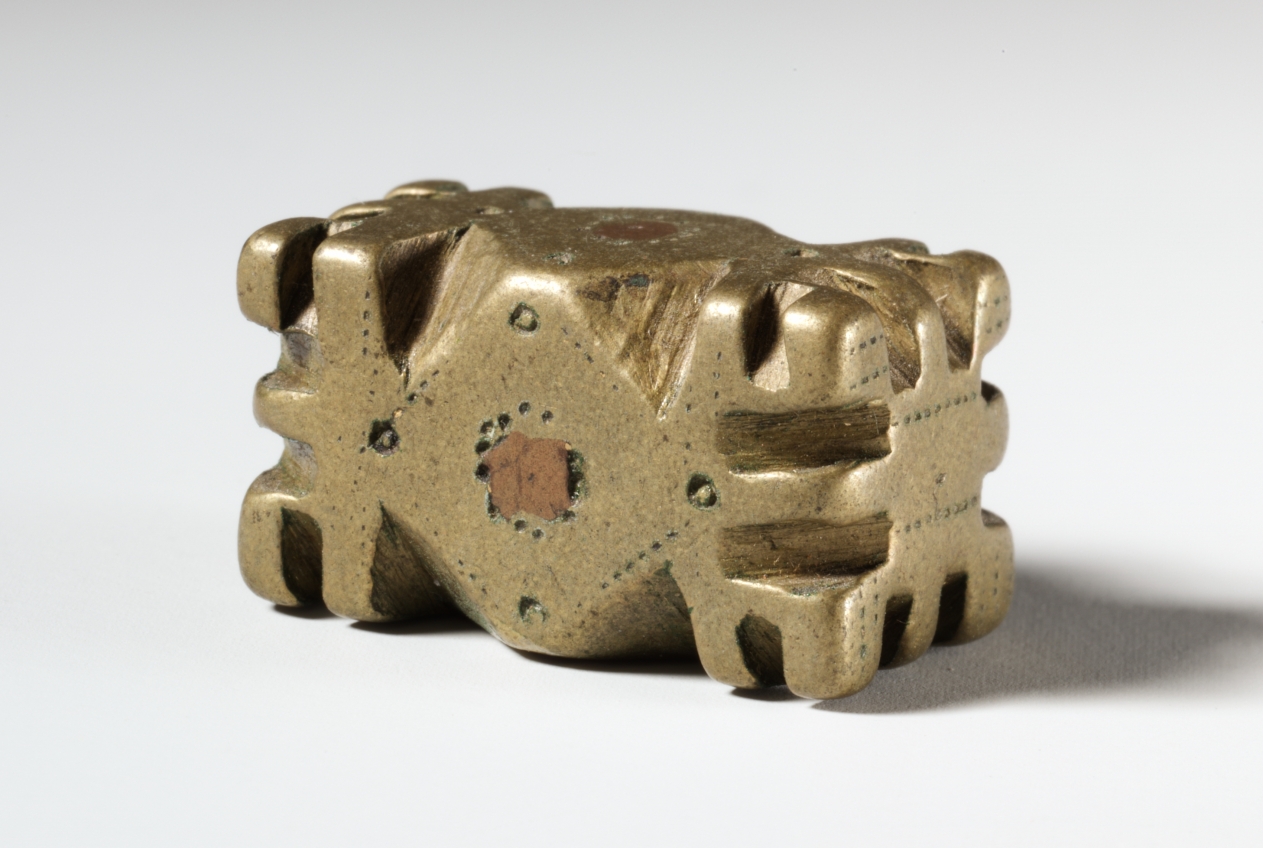
Gold Weight (abrammuo): Geometric Form
Cleveland Museum of Art
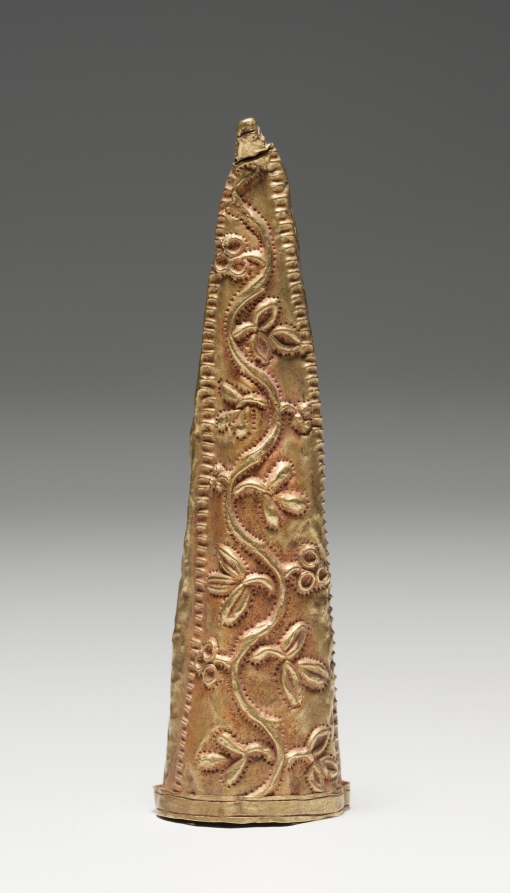
Knife-sheath tip (sika boha)
Cleveland Museum of Art
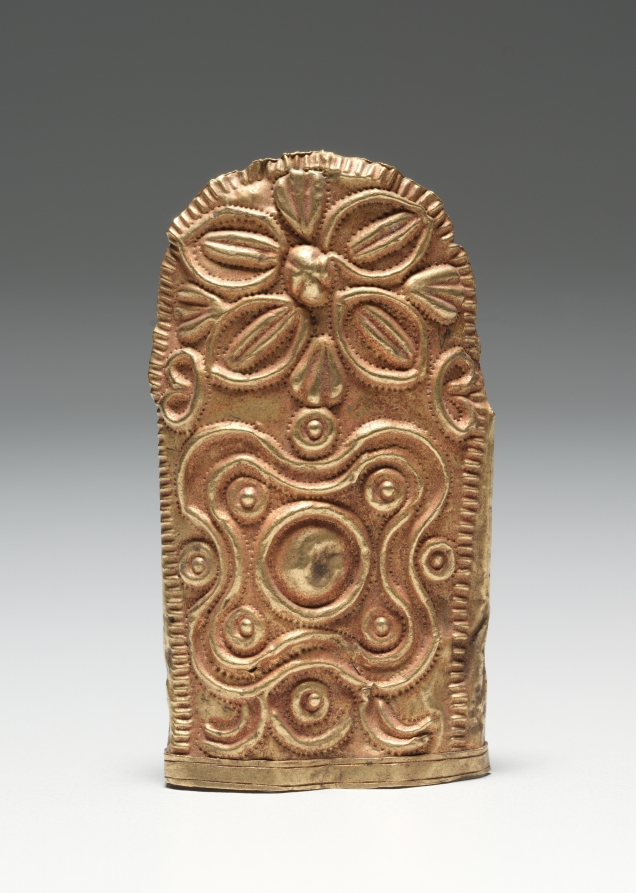
Knife-sheath tip (sika boha)
Cleveland Museum of Art
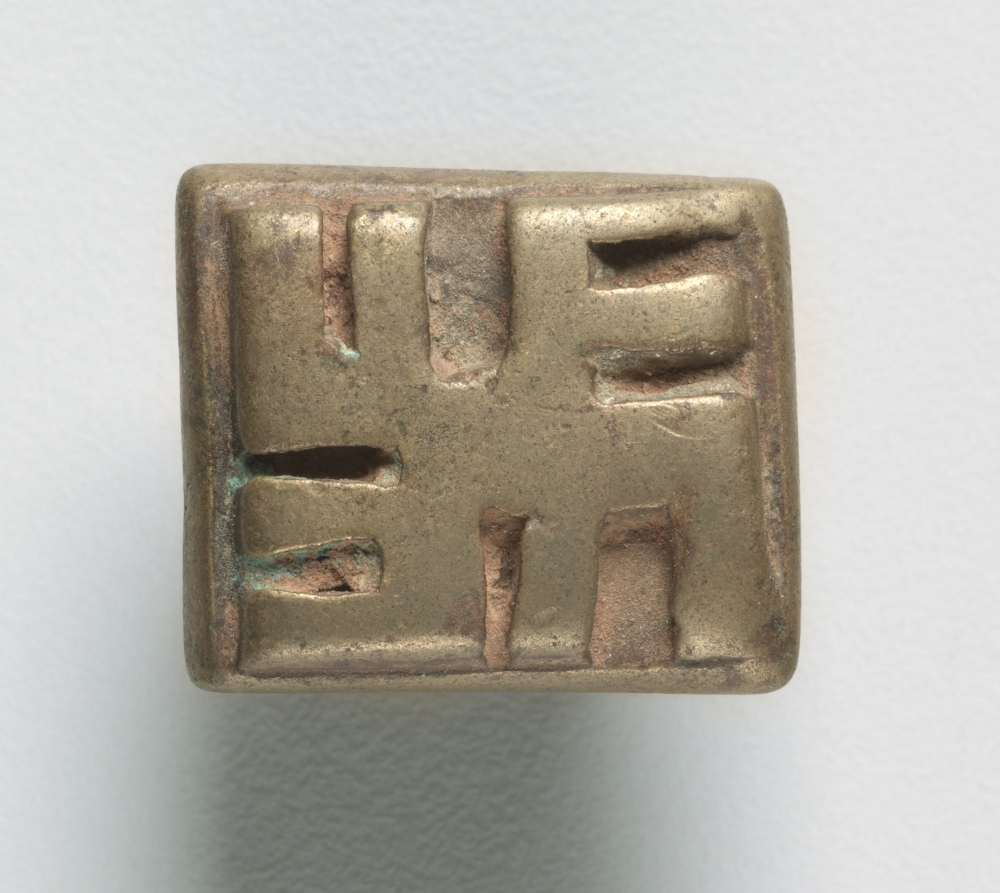
Gold Weight (abrammuo): Geometric
Cleveland Museum of Art
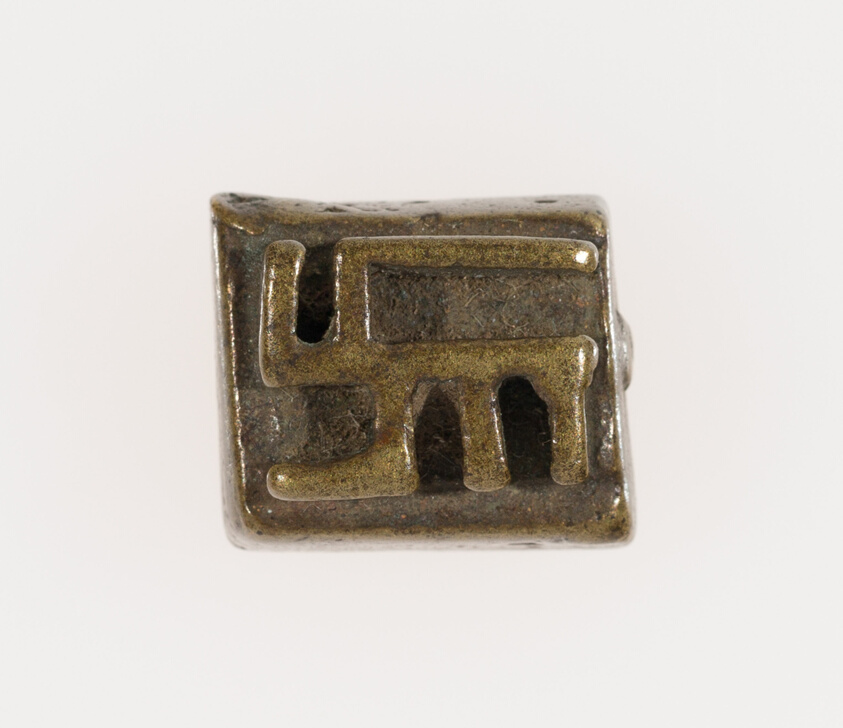
Goldweight with a Geometric Design
Art Institute of Chicago
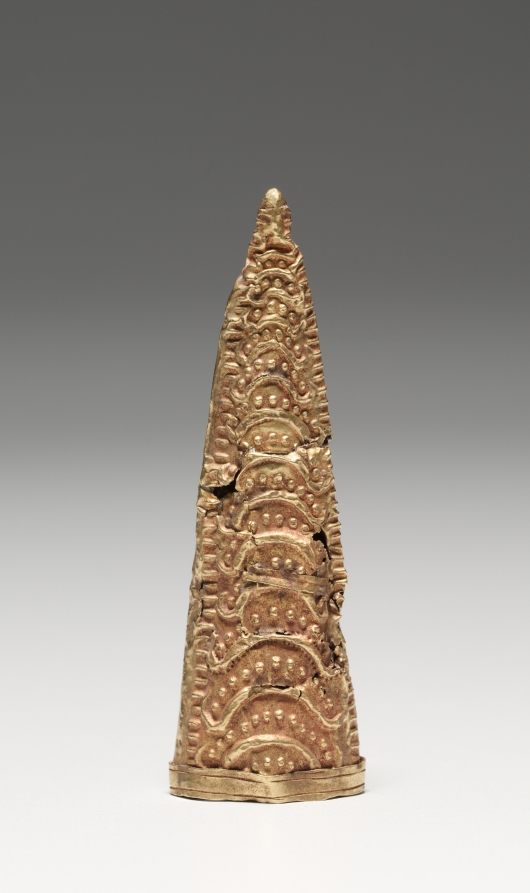
Knife-sheath tip (sika boha)
Cleveland Museum of Art