Cleveland Museum of Art
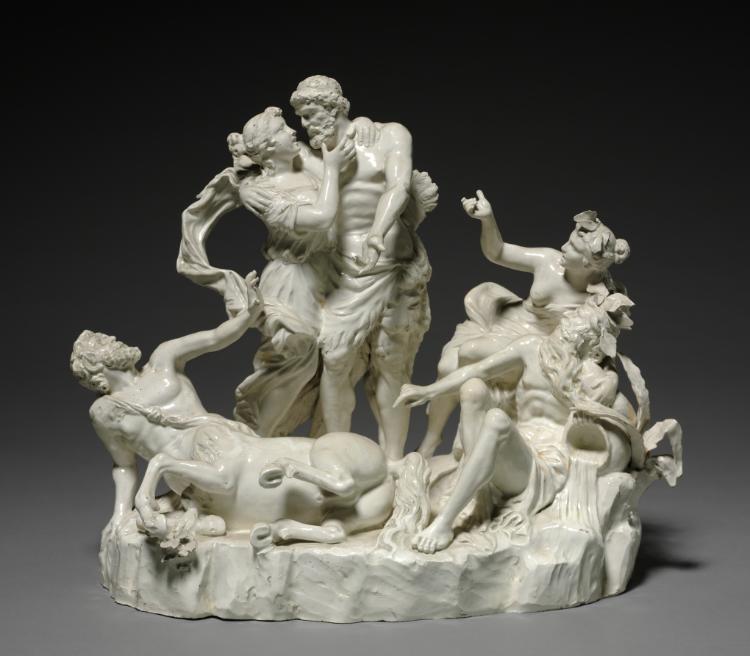
Hercules, Deianeira, and Nessus
- Date
- 1700s
- Medium
- glazed ceramic
- Culture
- Italy, Naples, Capo di Monte
- Department
- European Painting and Sculpture
- Institution
- Cleveland Museum of Art
Charles III, King of Naples, established the Capodimonte royal porcelain factory under his patronage in 1743. Responding to the success of Northern European porcelain factories, the Capodimonte group perfected their soft-paste porcelain and produced a variety of high-quality objects, ranging from Rococo-inspired decorative arts to more sculptural works. This unpainted figural group depicts the climax of an episode from the later life of Hercules. His heroic nature prevented Hercules from adapting to domestic life, much to the dismay of his wife, Dejanira. Growing tired of his absence, on one occasion Dejanira pursued Hercules. When she reached a river she could not cross, Dejanira accepted a ride from a centaur, Nessus, who, after taking her half way, attempted to abduct her. Here we see Dejanira clinging to her husband, who has arrived in time to slay Nessus with a poison-tipped arrow.
The authoritative record is held by Cleveland Museum of Art. LinkedCulture surfaces this object and its connections; it does not alter institutional metadata.
Related across collections
Semantically similar works from Cleveland Museum of Art and other institutions.

Hercules Poisoned by the Shirt of Nessus
Getty Museum
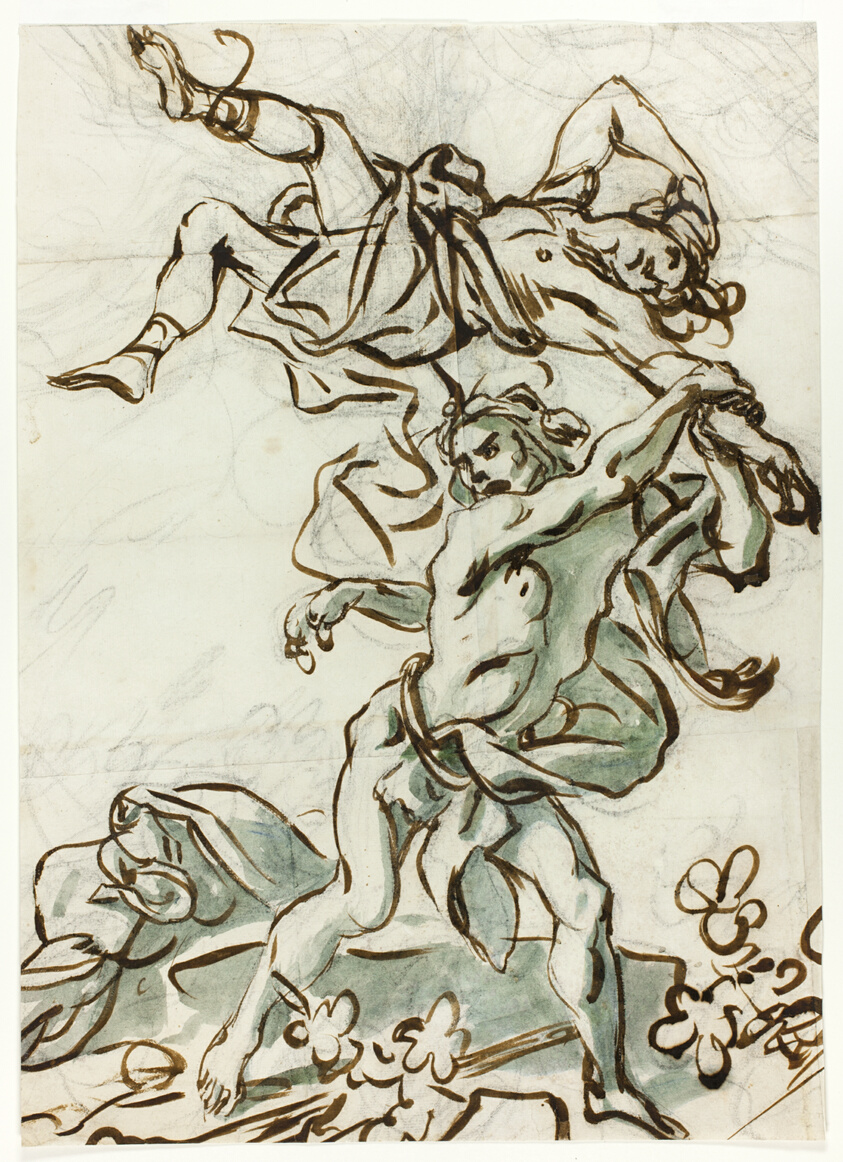
Hercules and Lichas
Art Institute of Chicago
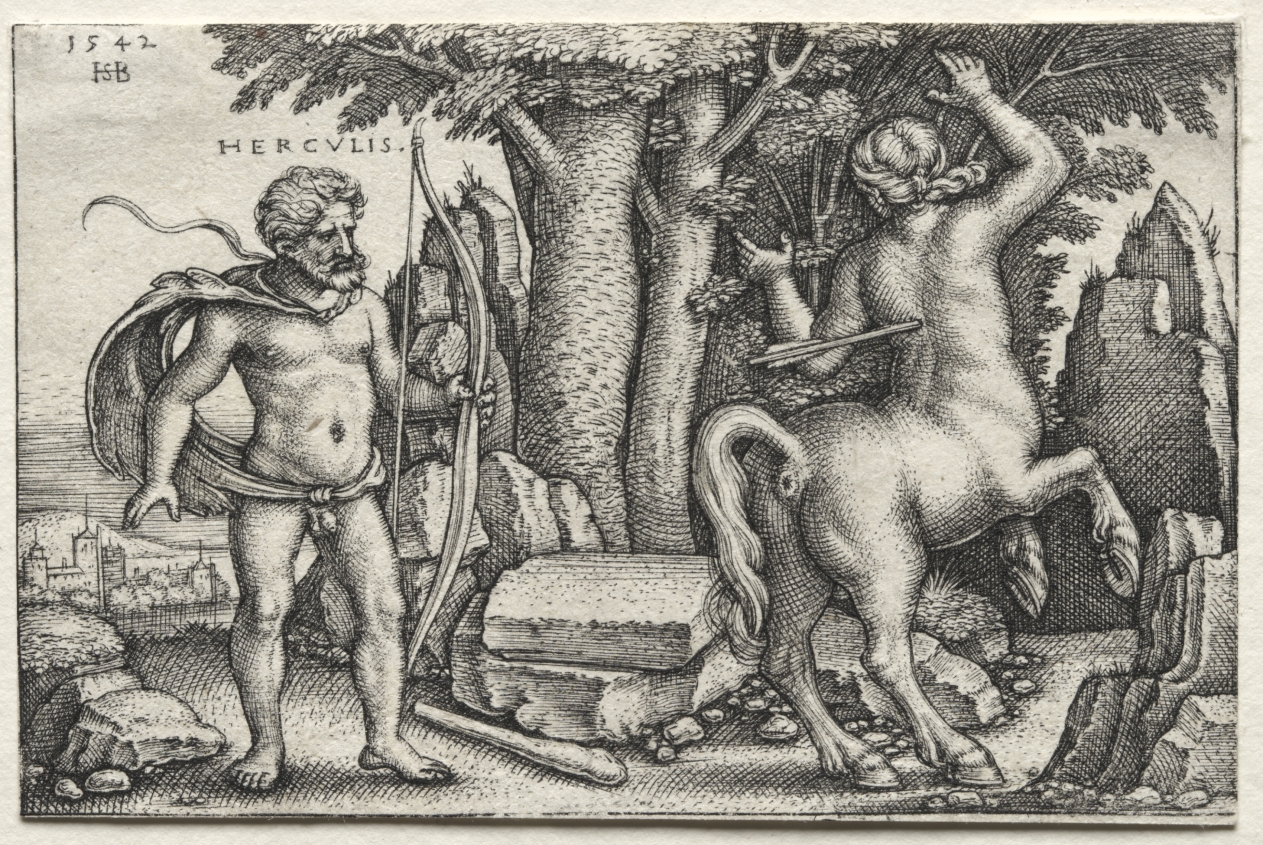
The Labors of Hercules: Hercules and Nessus
Cleveland Museum of Art

Hercules and Nessus
Minneapolis Institute of Art

Dejanira (Autumn)
Getty Museum

Hercules Killing Nessus, From the Labors of Hercules
Minneapolis Institute of Art

Lichas Bringing the Garment of Nessus to Hercules, From the Labors of Hercules
Minneapolis Institute of Art

Hercules and Cacus
Minneapolis Institute of Art
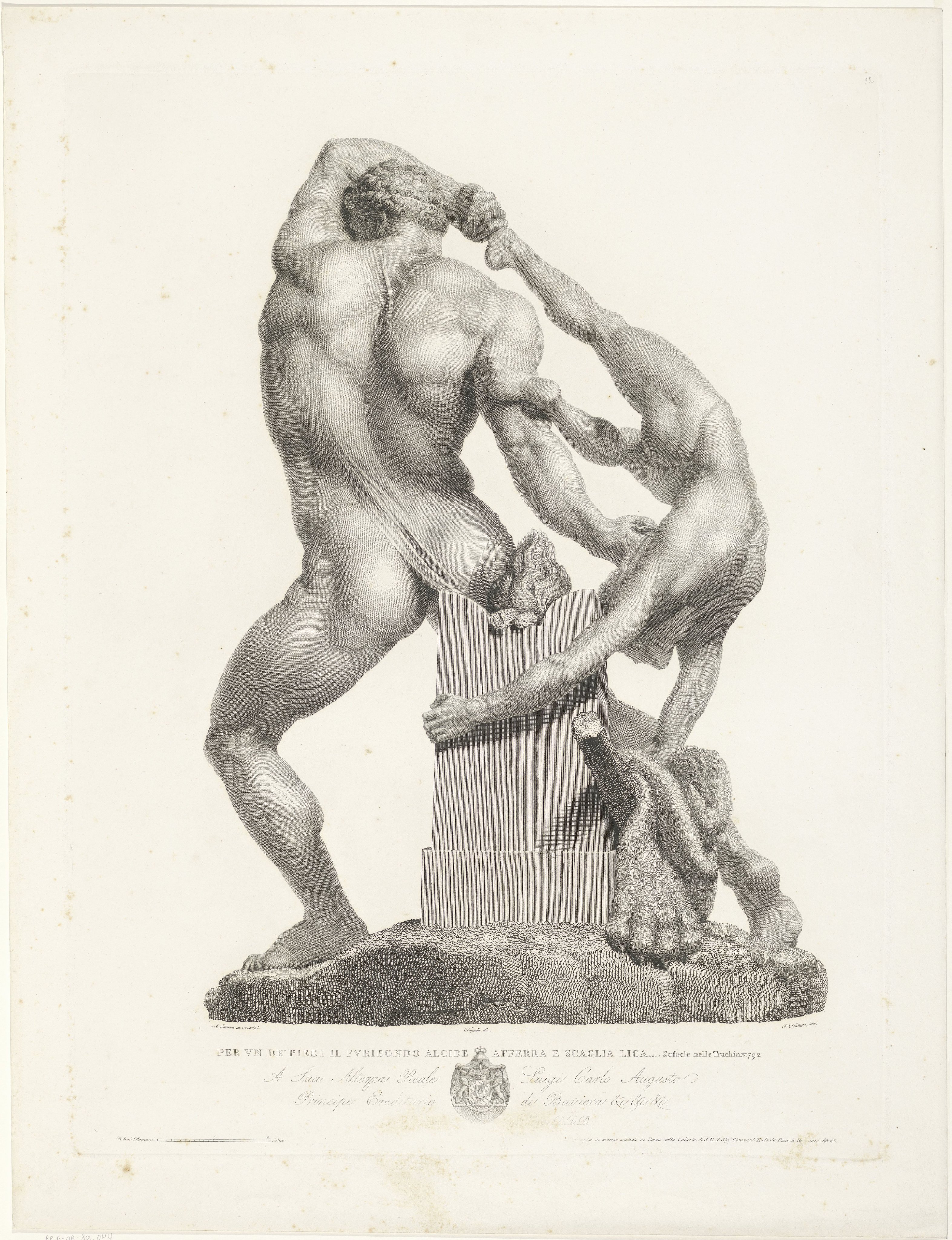
Hercules and Lichas
Rijksmuseum
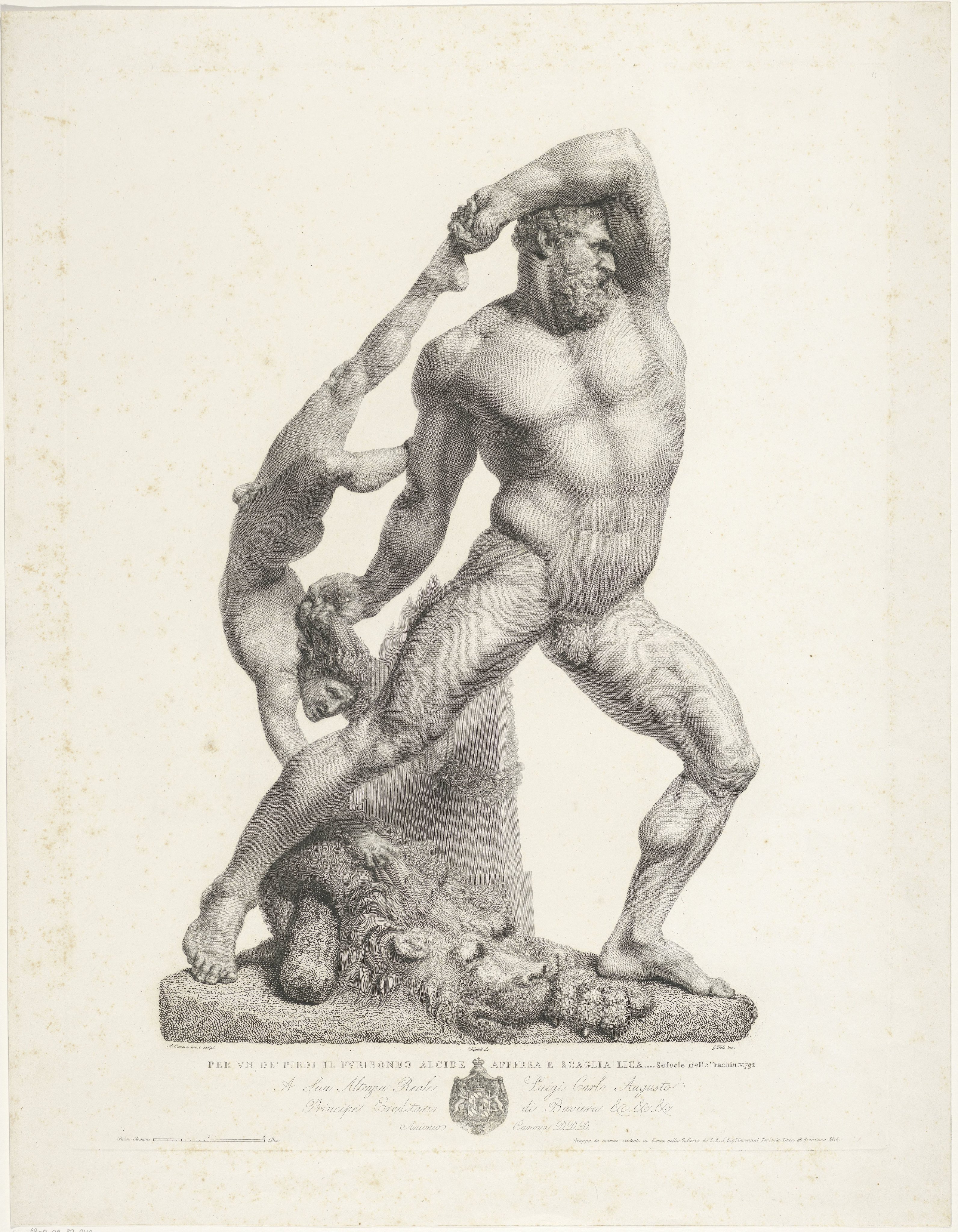
Hercules and Lichas
Rijksmuseum
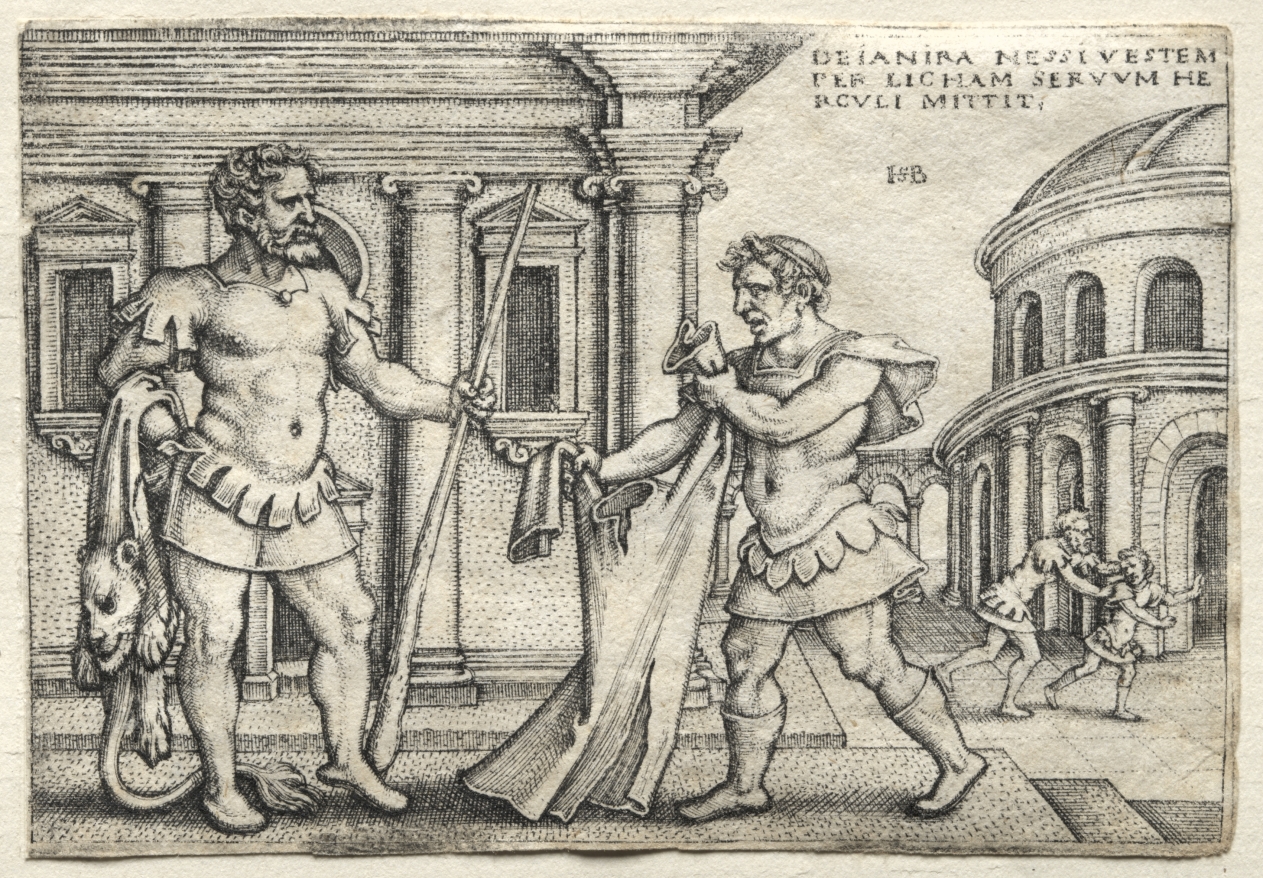
The Labors of Hercules: Hercules Receiving the Garment Steeped in Nessus' Blood
Cleveland Museum of Art
Hercules Shoots Nessus, Who Is Carrying Off Deianira
Harvard Art Museums