Cleveland Museum of Art
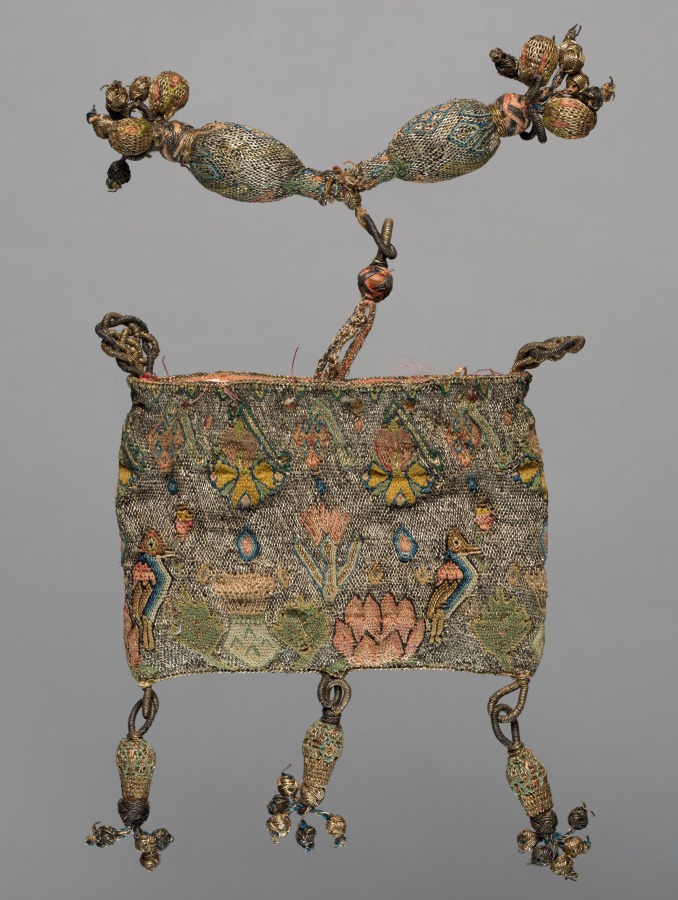
Purse
- Date
- early 1600s
- Medium
- embroidery; silk and silver filé on linen ground
- Culture
- England, early 17th century
- Department
- Textiles
- Institution
- Cleveland Museum of Art
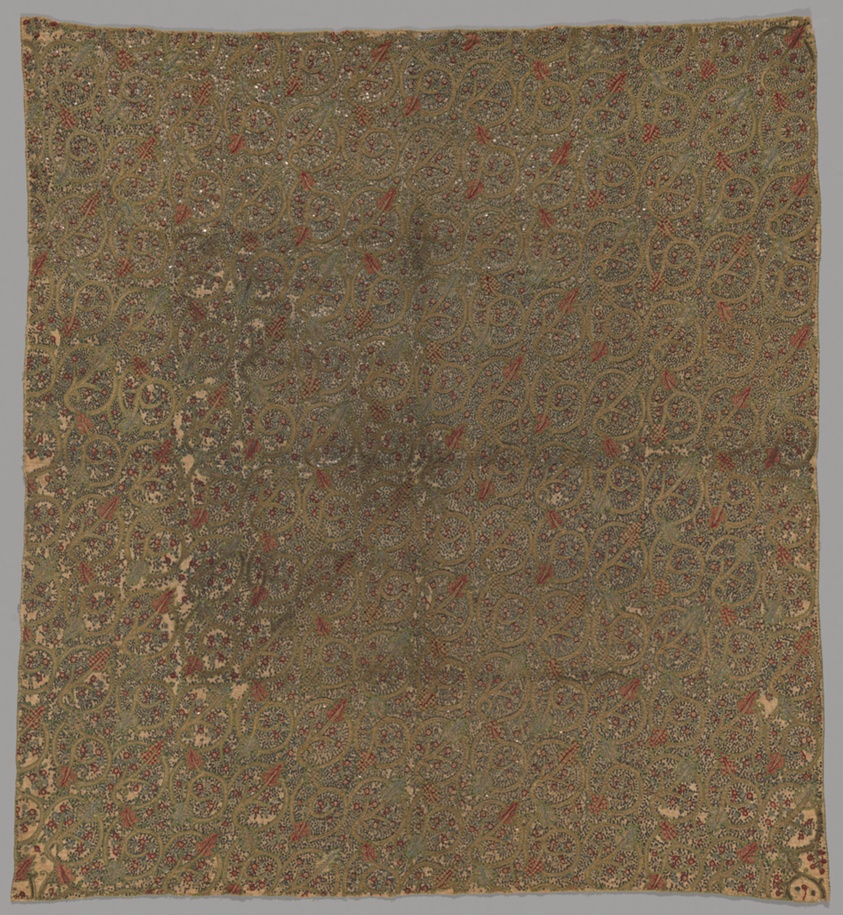
According to Elizabethan embroidery scholar Jacqui Carey, this purse and its trimmings are typical of a ‘sweet bag’, though it is missing its handle and its drawstring is damaged. The term ‘sweet bag’ was popularized in George Wingfield Digby’s 1963 publication on Elizabethan embroidery; Digby used the term to describe small English purses dating from the 1500s and 1600s. The body of the purse is not the usual embroidered linen. Instead, it is a form of tubular warp-wrapping, a larger version of the structure and design found on tassels typical of the period. The body of the purse is made from a spiraling weft wrapped with multiple warp threads. It is assumed that it was made over a cylindrical form that was removed when the work was complete. The motifs are created by shifting the colored threads. Black silk warp threads that have since disintegrated expose the spiraling weft.
The authoritative record is held by Cleveland Museum of Art. LinkedCulture surfaces this object and its connections; it does not alter institutional metadata.
Related across collections
Semantically similar works from Cleveland Museum of Art and other institutions.
Purse
Cleveland Museum of Art
Purse
Cleveland Museum of Art
Bag
Art Institute of Chicago
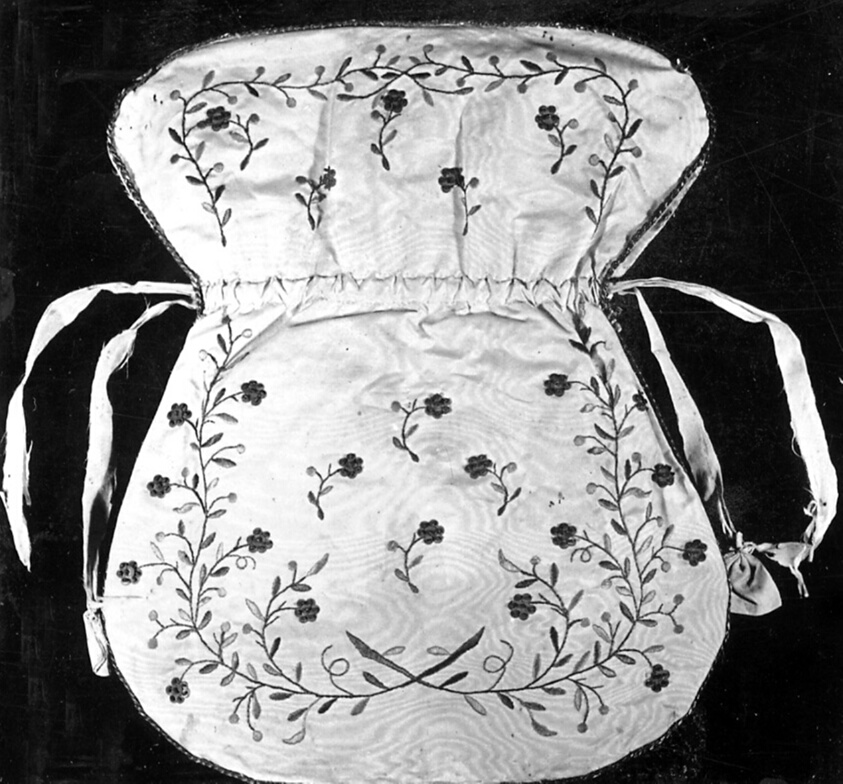
Bag
Art Institute of Chicago
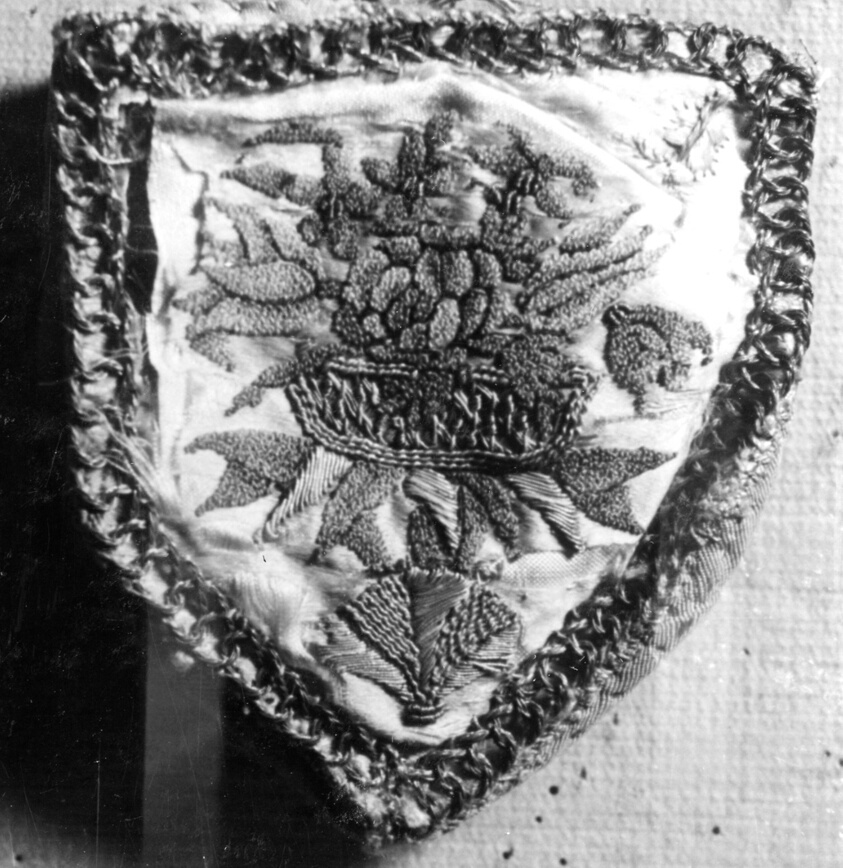
Purse
Art Institute of Chicago
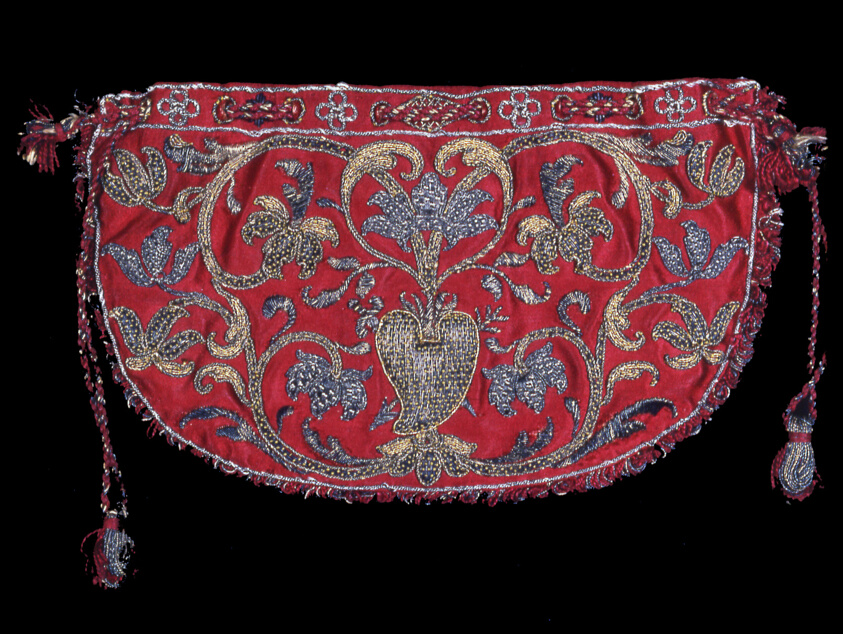
Bag
Art Institute of Chicago
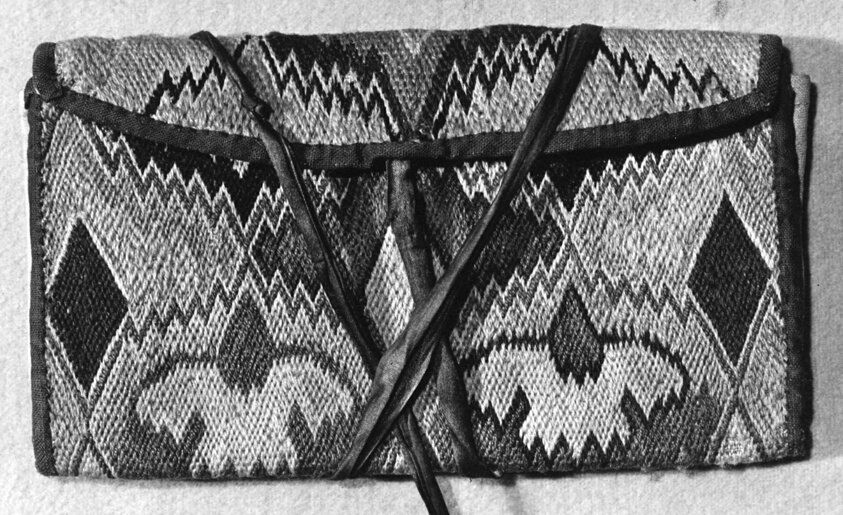
Purse
Art Institute of Chicago
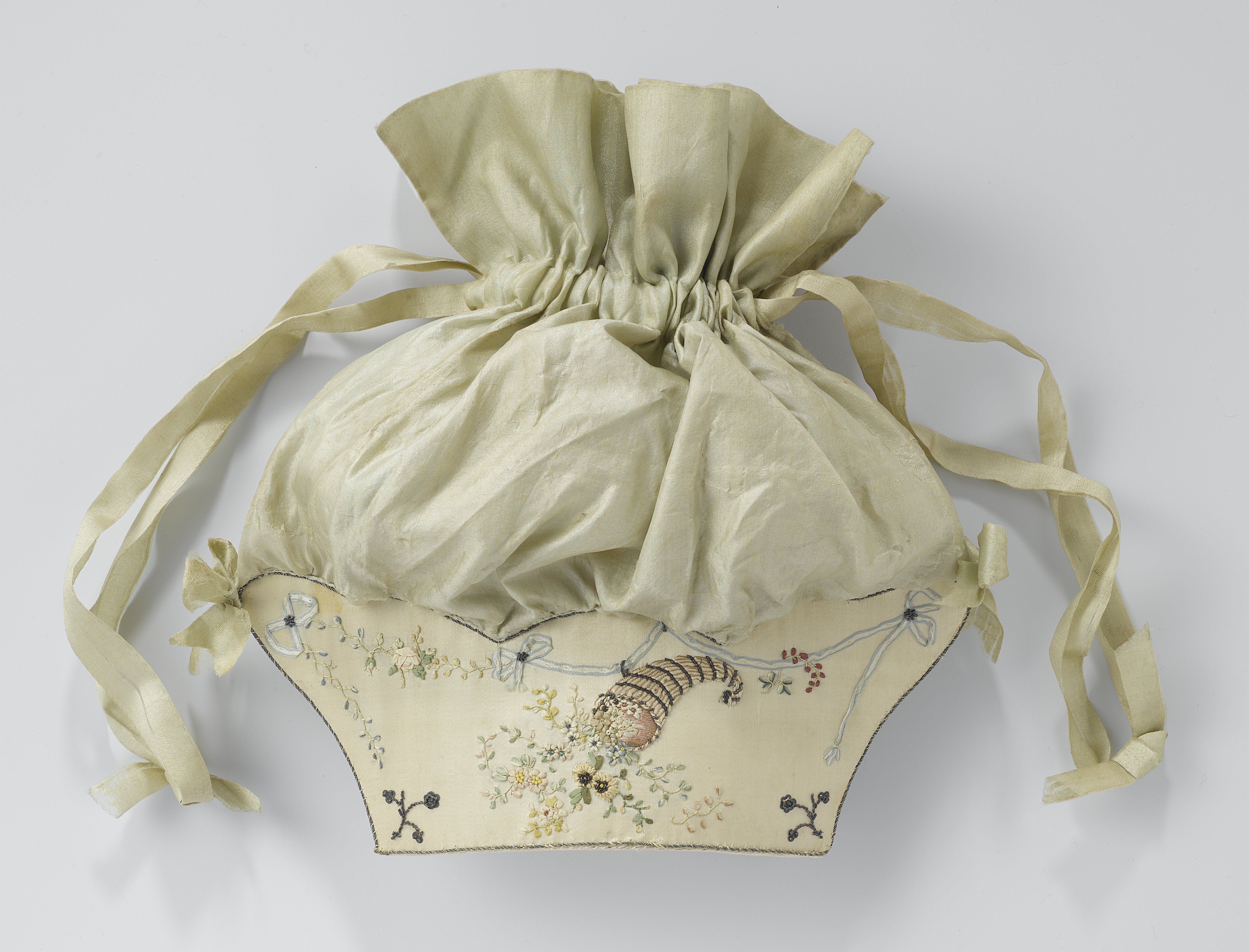
Reticule
Rijksmuseum
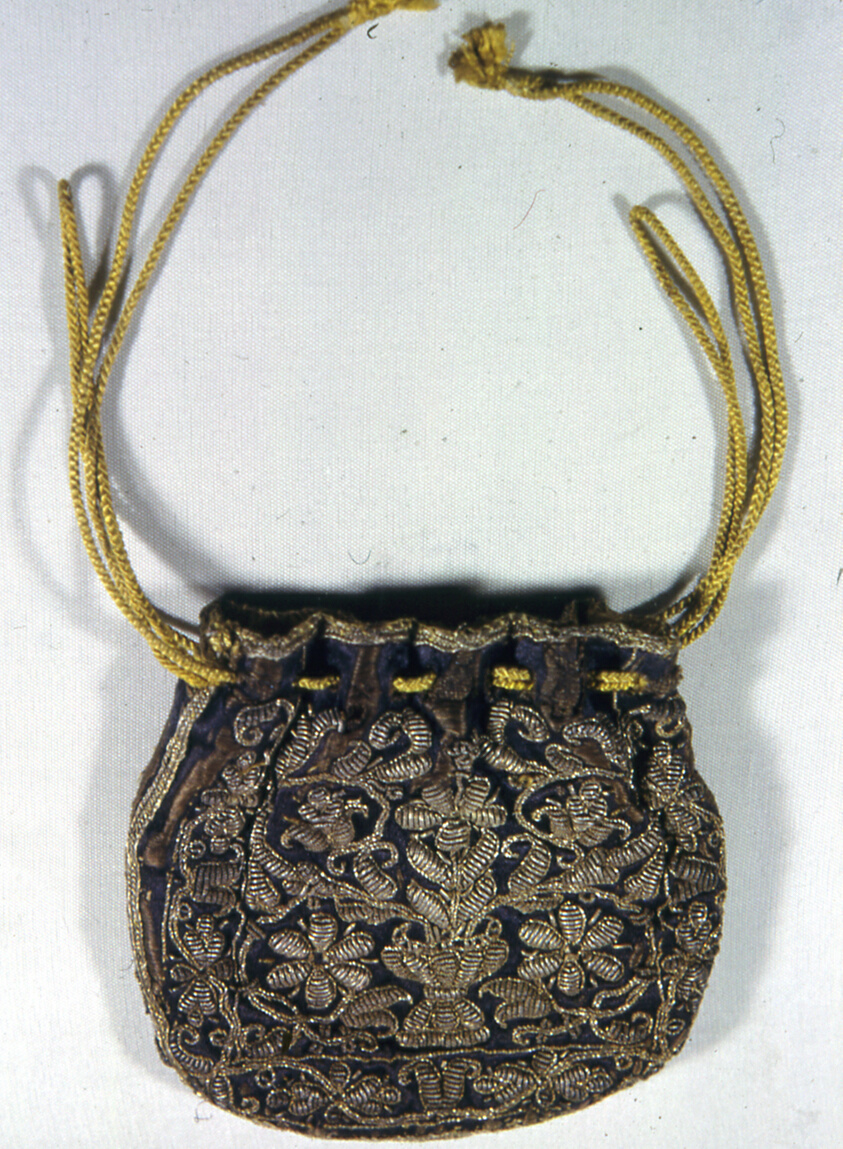
Bag
Art Institute of Chicago
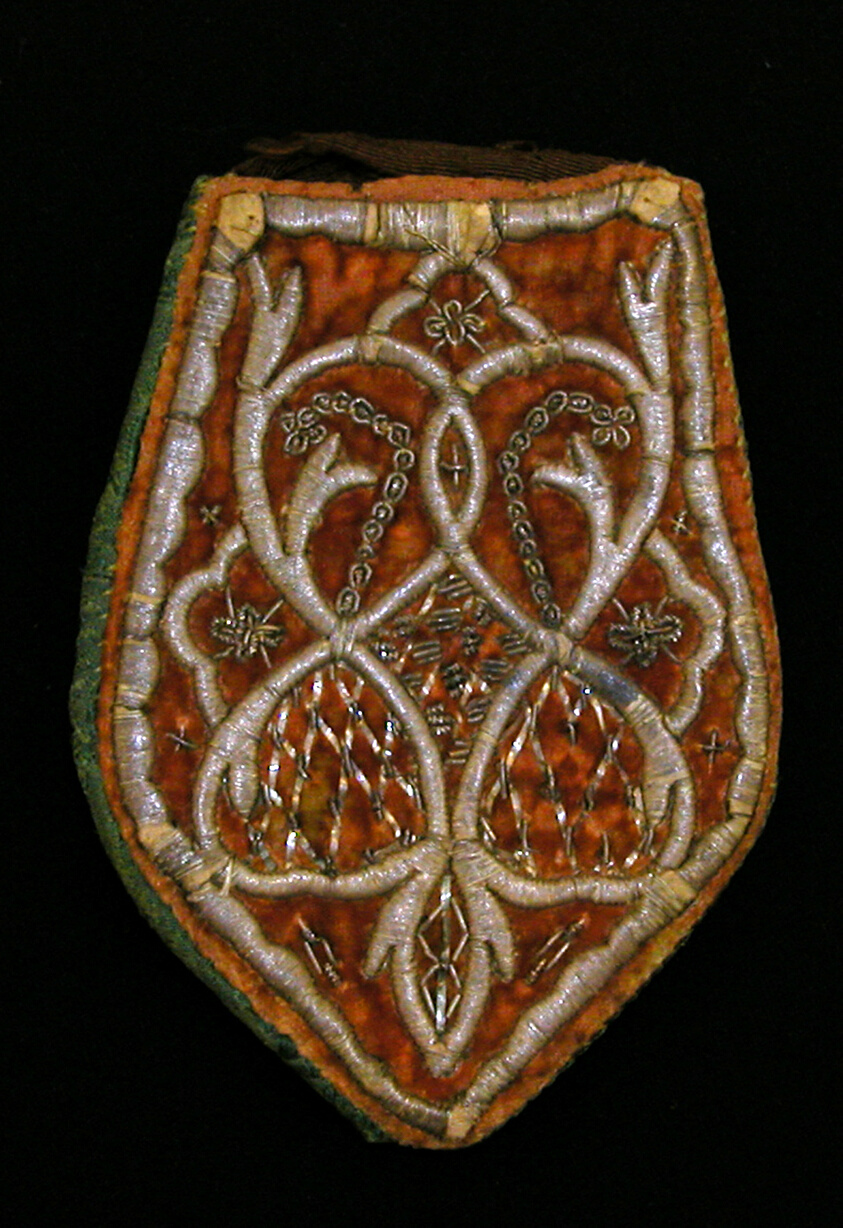
Bag
Art Institute of Chicago
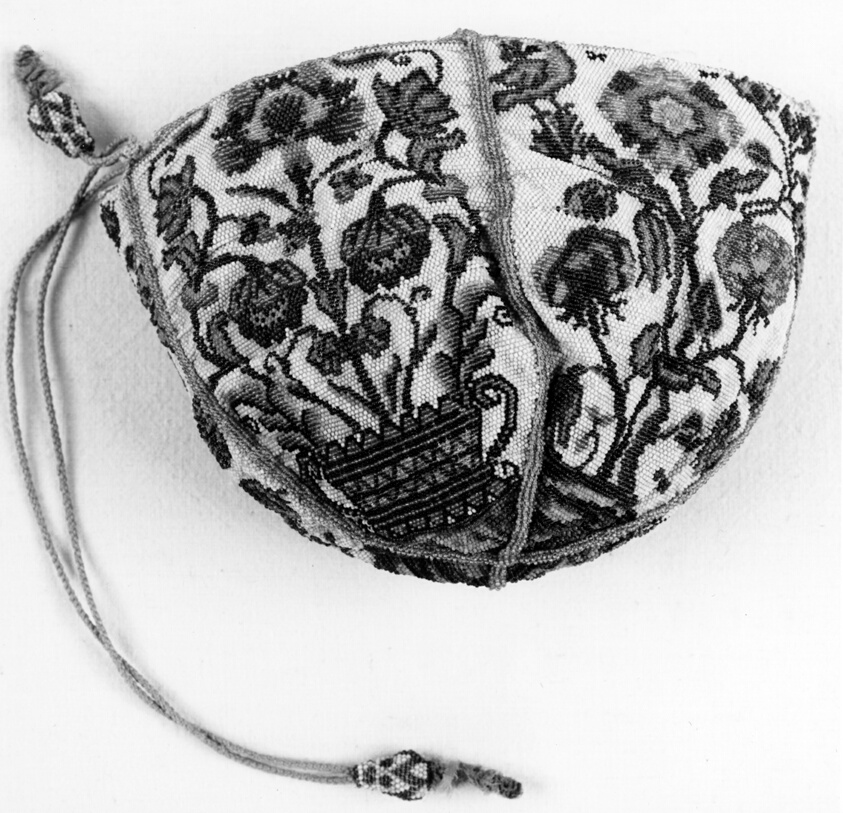
Bag
Art Institute of Chicago
Panel of English Elizabethan Embroidery
Art Institute of Chicago