Cleveland Museum of Art
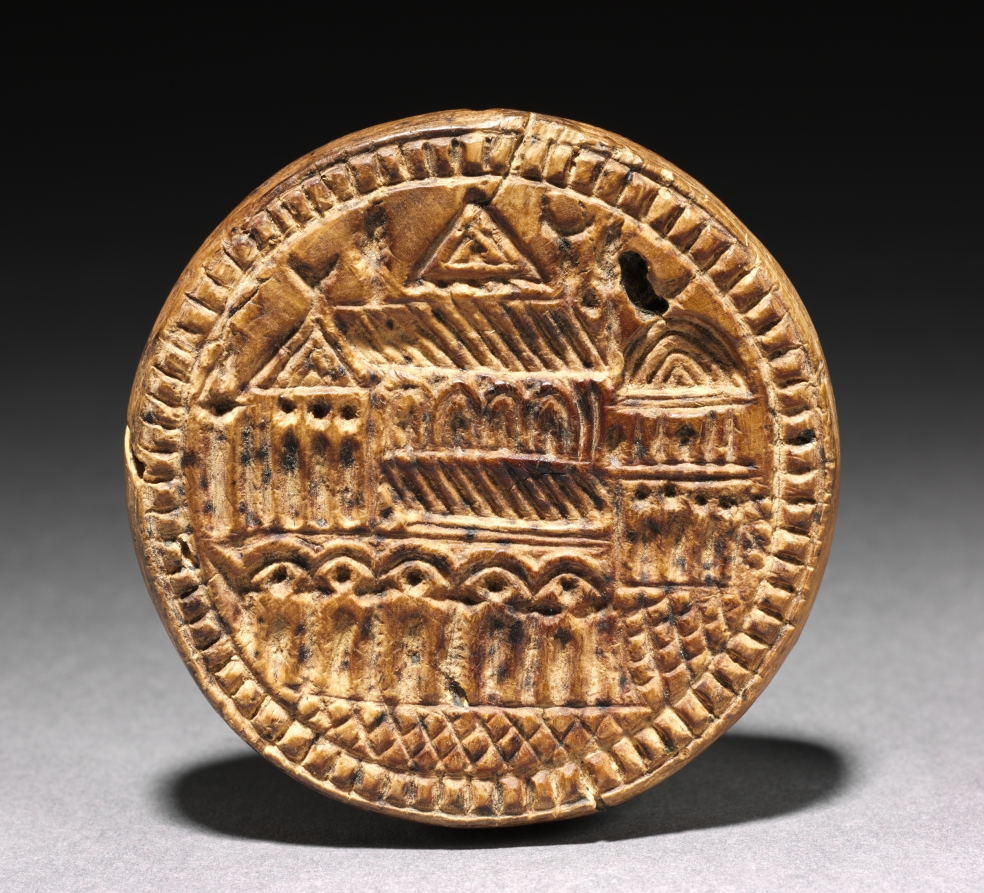
Mold for a Eulogia (Blessing) Bread
- Date
- 600s-900s
- Medium
- wood
- Culture
- Byzantium, Palestine, Byzantine period, 7th-10th century
- Department
- Medieval Art
- Institution
- Cleveland Museum of Art
It was a common early Christian practice to stamp images and inscriptions into loaves of bread using special molds. Representing the Church of the Holy Sepulcher on Mount Golgotha--the hill outside Jerusalem on which Christ was crucified and entombed--this wooden mold was probably used to stamp loaves of bread distributed to pilgrims visiting Jerusalem, in commemoration of their journey. Medieval Christian pilgrims often traveled months or years to religious sites in the Holy Land and returned home with blessed mementos of their journey, such as vials of holy water, relics from saints, and even special loaves of bread. This mold was used to mark bread with an image of the Church of Holy Sepulchre in Jerusalem; the bread was then distributed to pilgrims.
The authoritative record is held by Cleveland Museum of Art. LinkedCulture surfaces this object and its connections; it does not alter institutional metadata.
Related across collections
Semantically similar works from Cleveland Museum of Art and other institutions.
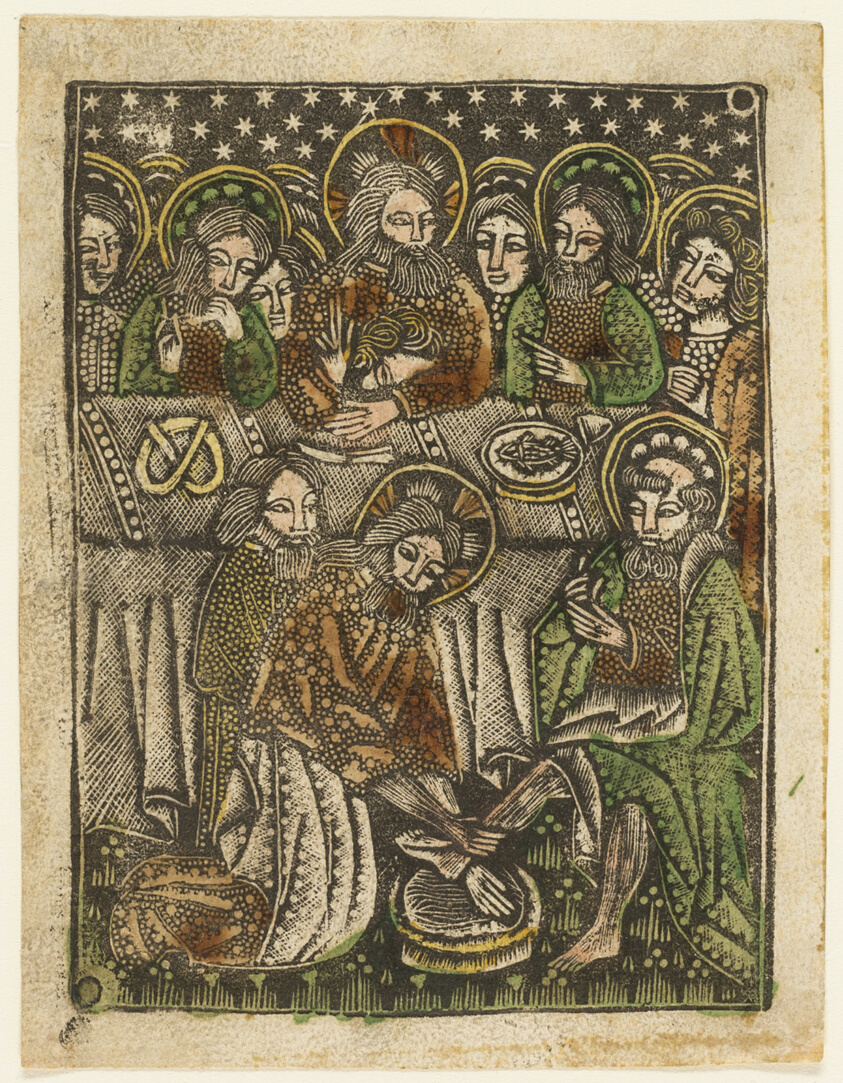
The Last Supper and Christ Washing the Feet of the Apostles
Art Institute of Chicago
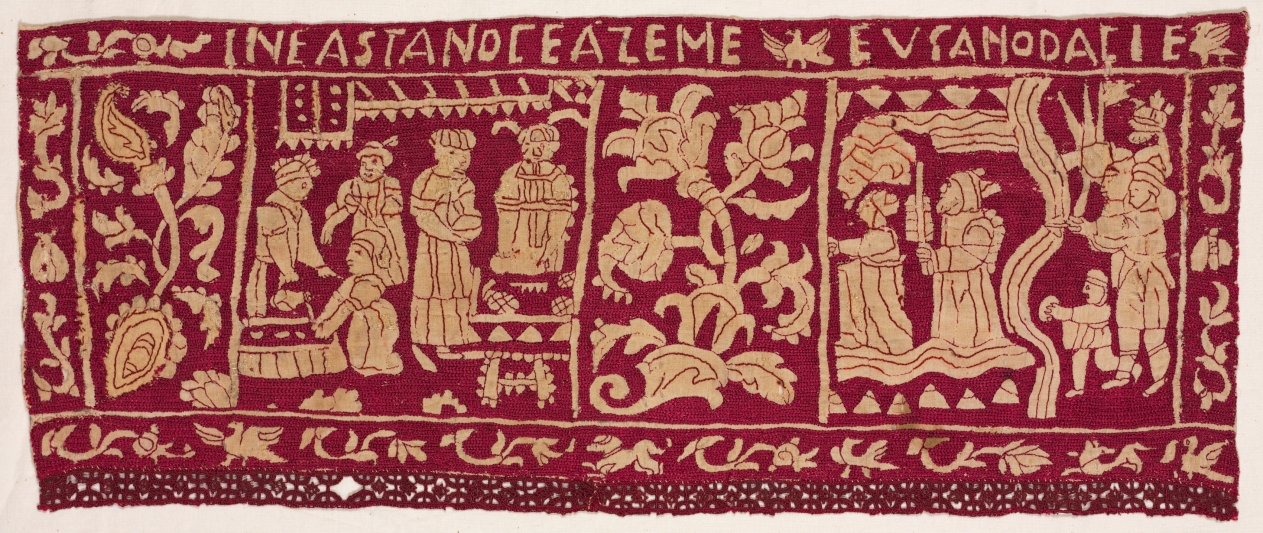
Embroidered Border: The Making of Unleavened Bread and the Israelites Sent Away
Cleveland Museum of Art
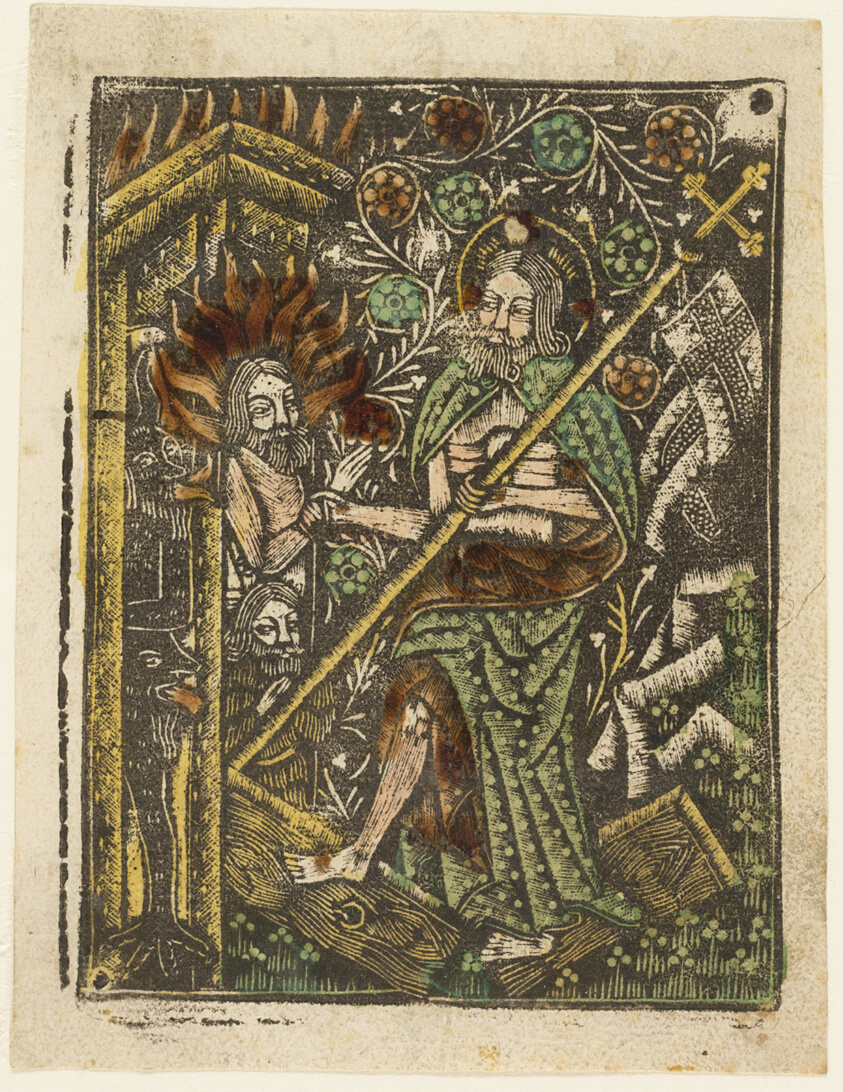
Christ in Limbo
Art Institute of Chicago
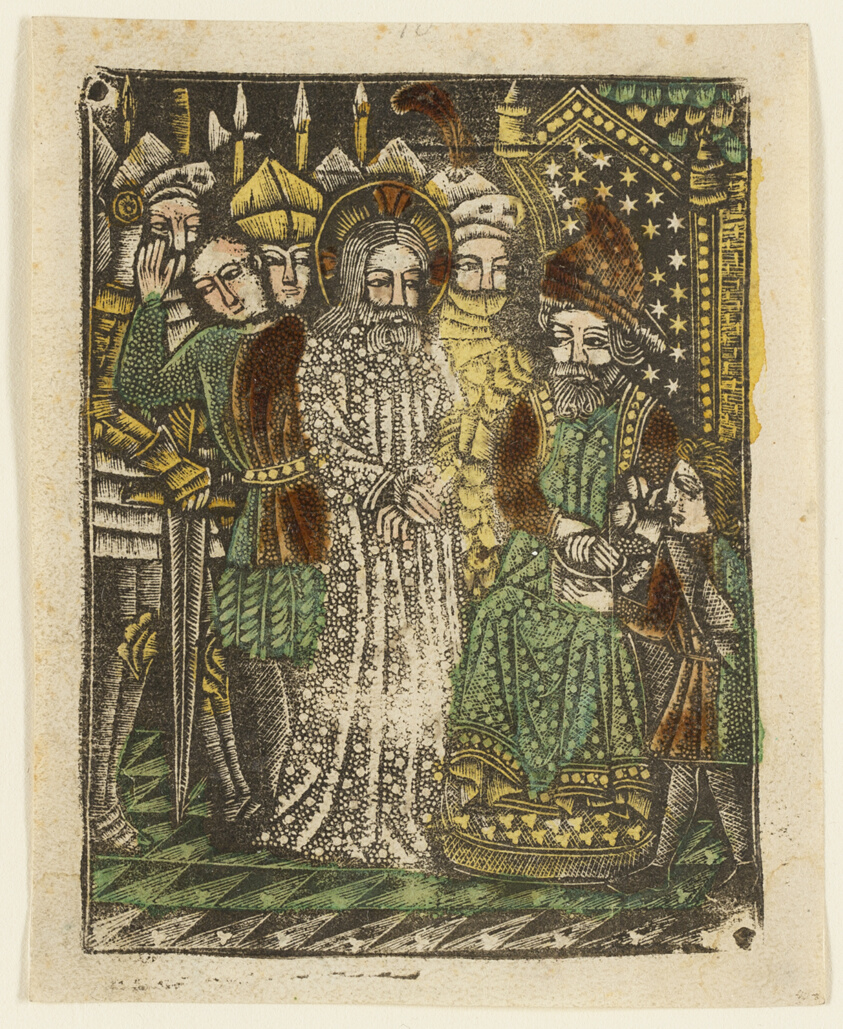
Christ before Pilate
Art Institute of Chicago
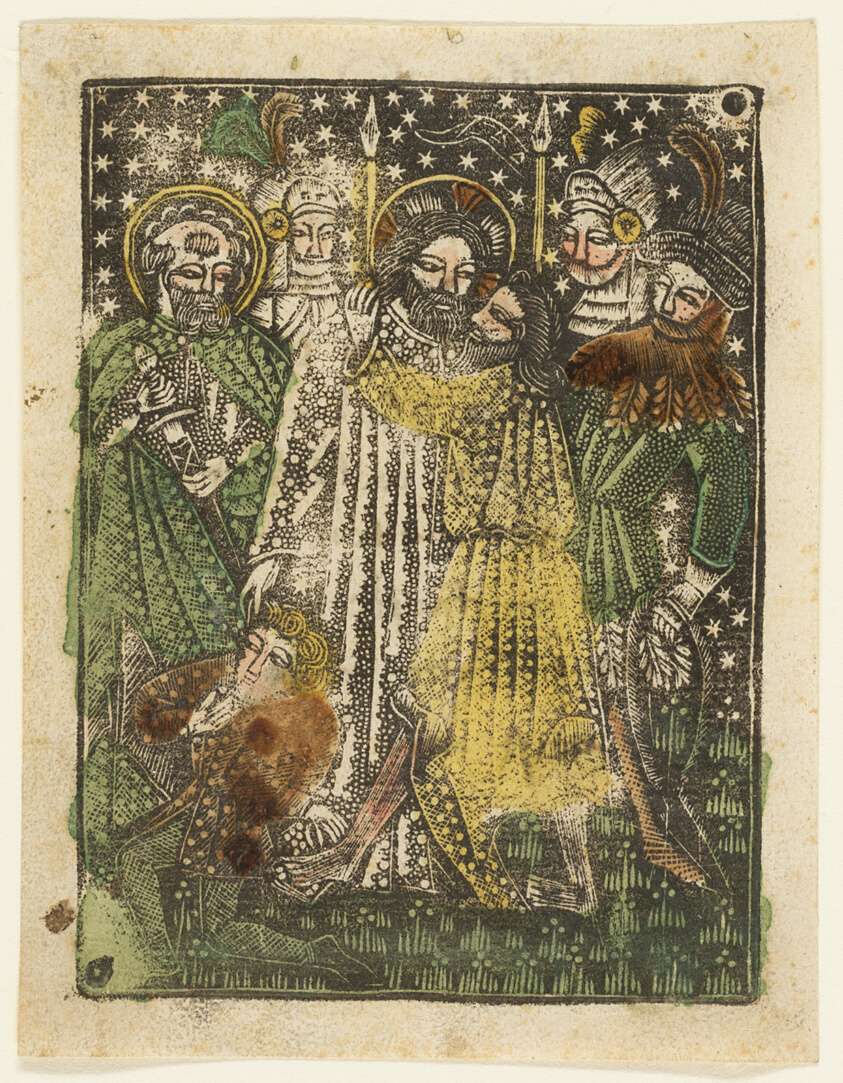
The Capture of Christ
Art Institute of Chicago
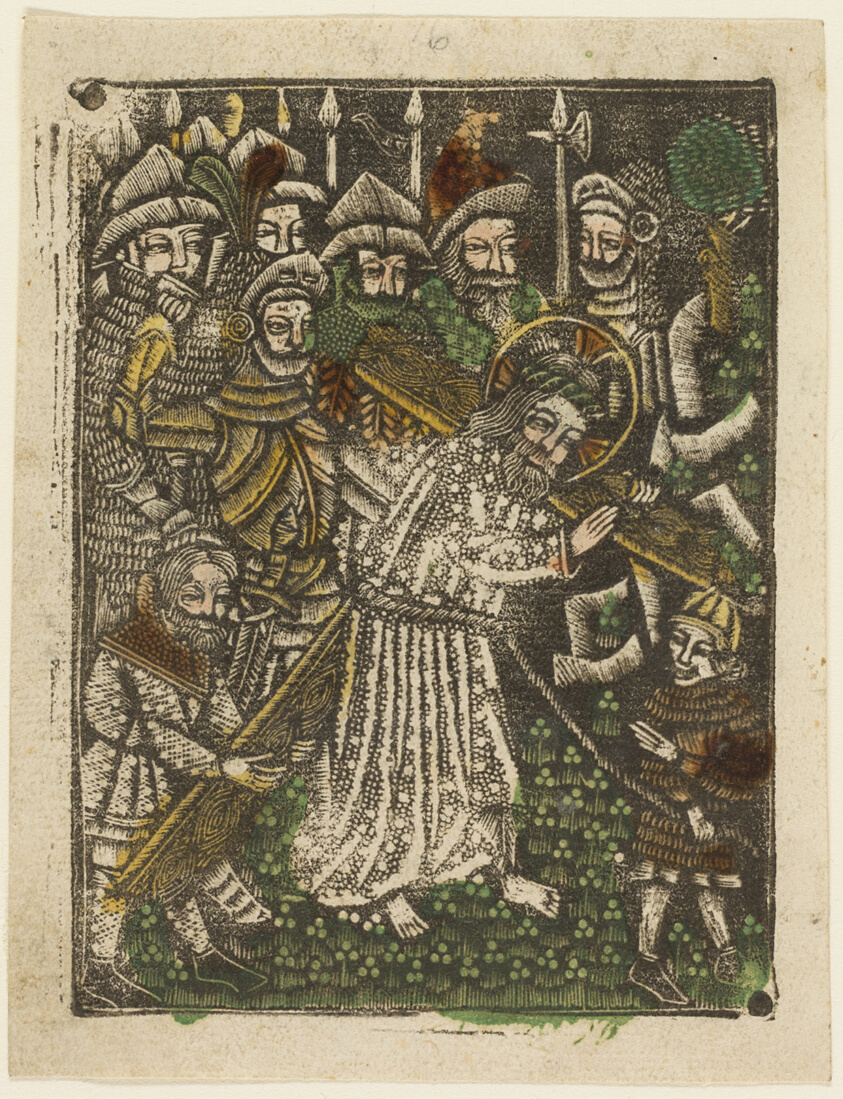
Christ Carrying the Cross
Art Institute of Chicago
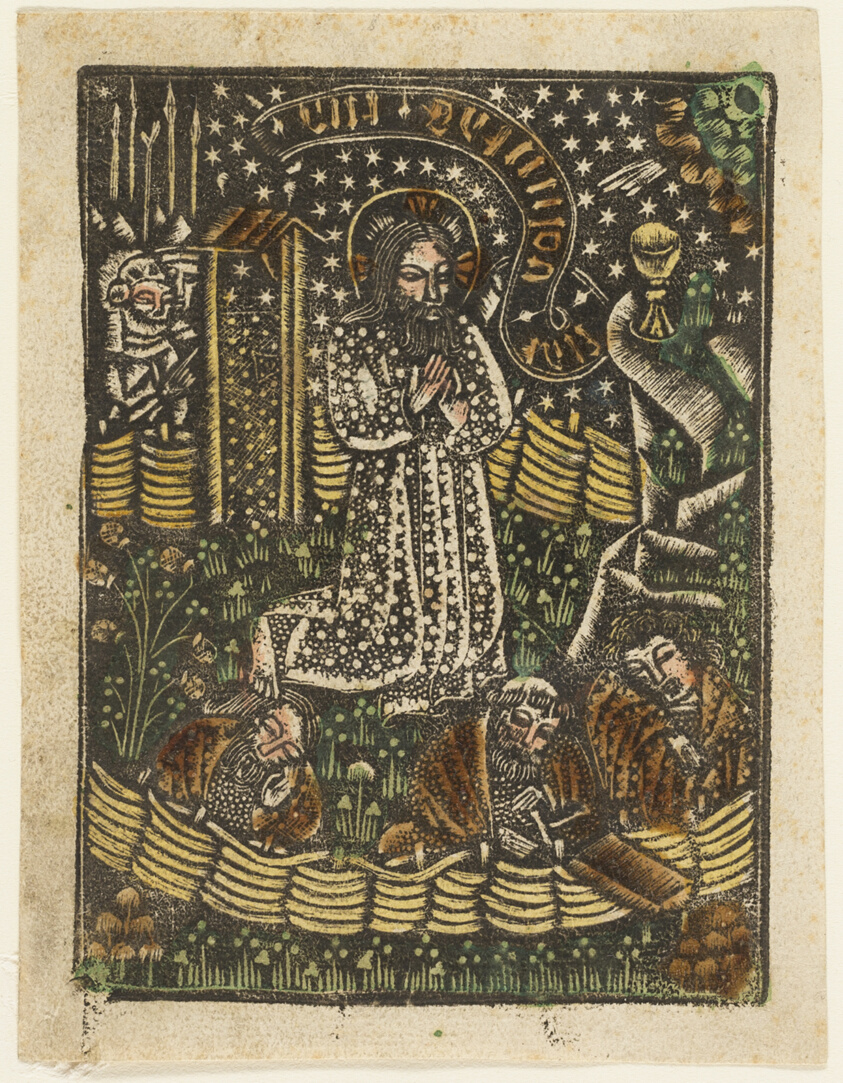
Christ in the Garden of Gethsemane
Art Institute of Chicago
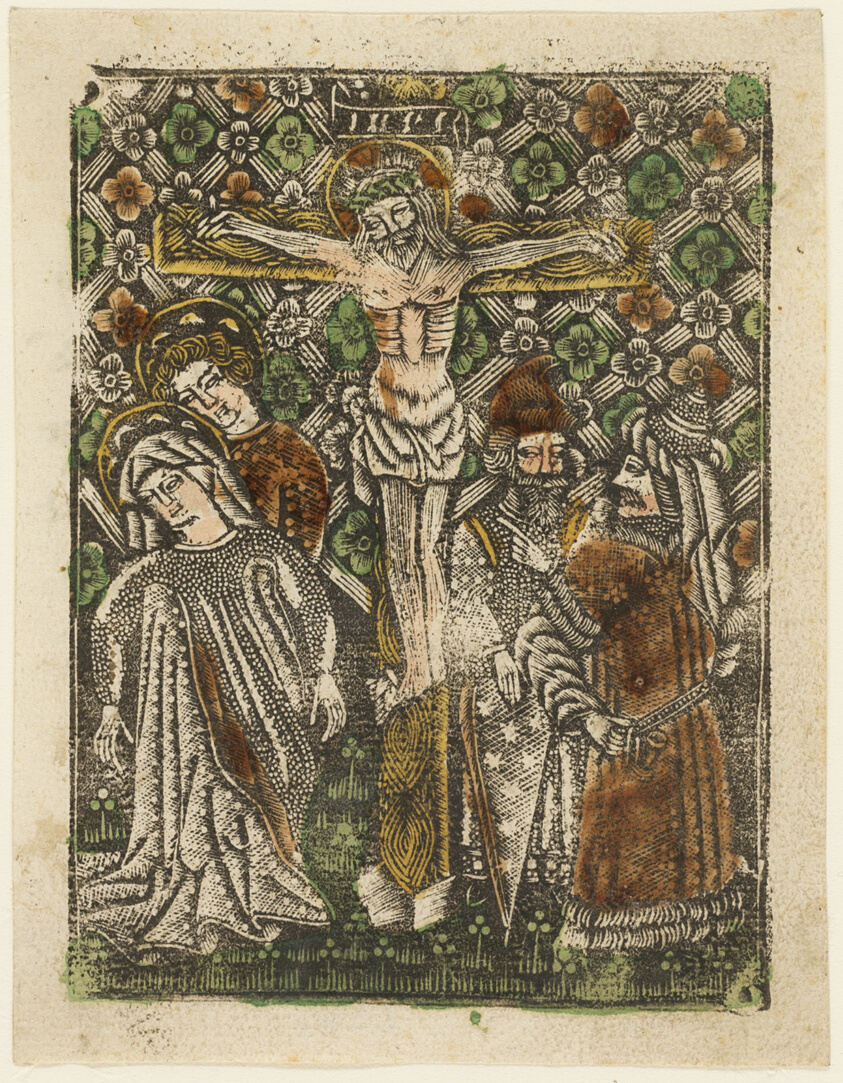
The Death of Christ
Art Institute of Chicago
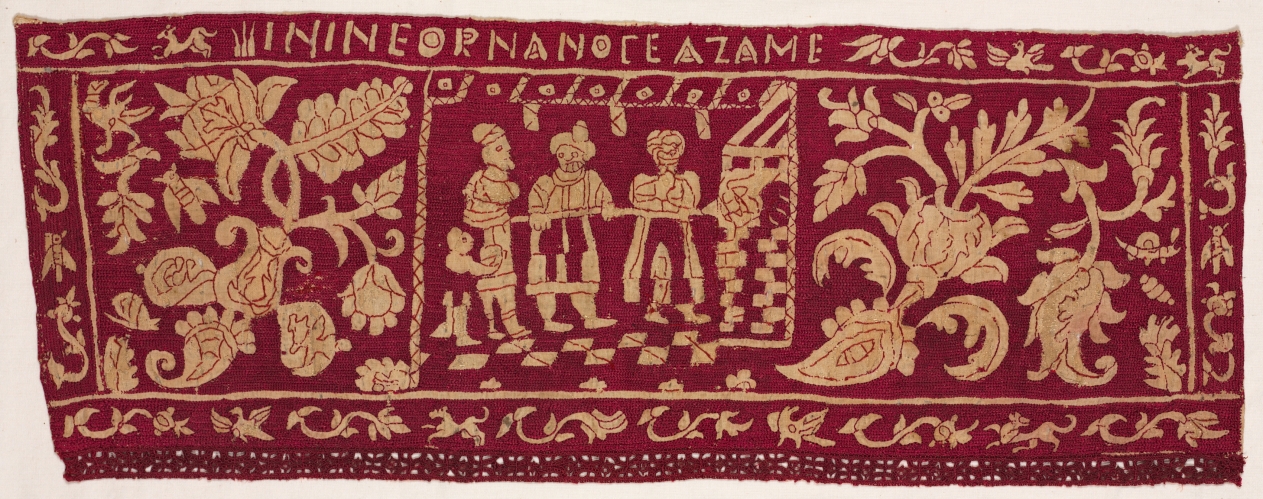
Embroidered Border: The Baking of Unleavened Bread
Cleveland Museum of Art
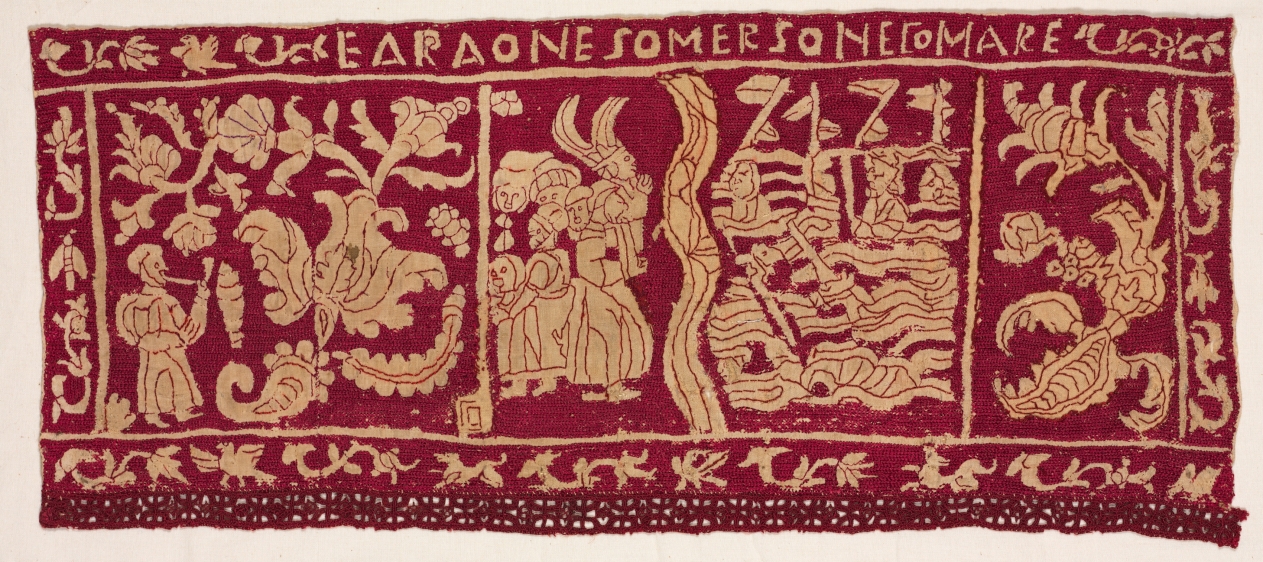
Embroidered Border: The Pharaoh Being Submerged in the Sea
Cleveland Museum of Art
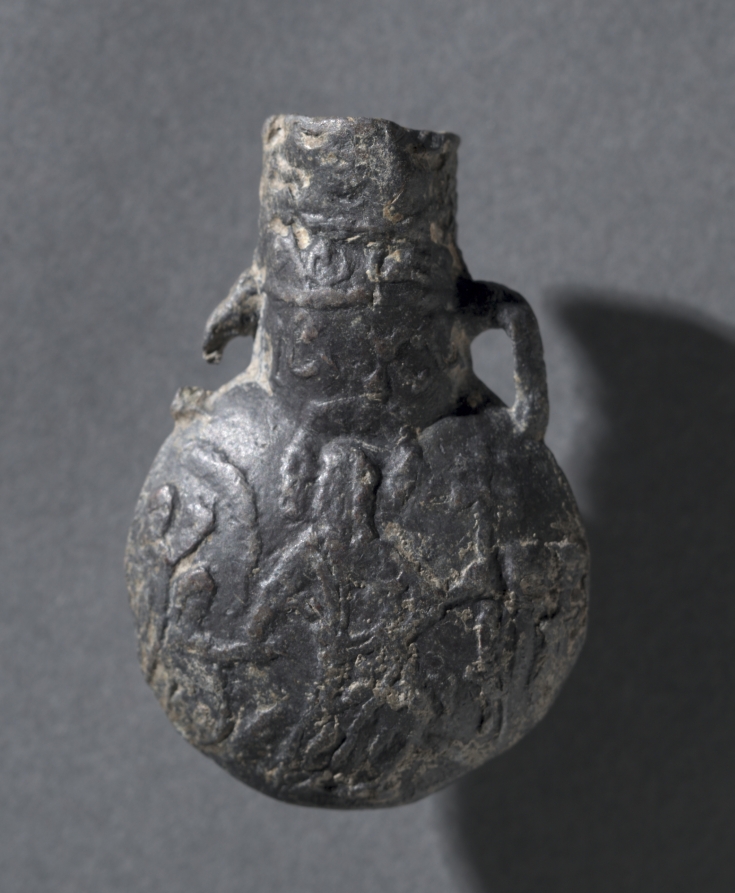
Pilgrim’s Flask
Cleveland Museum of Art
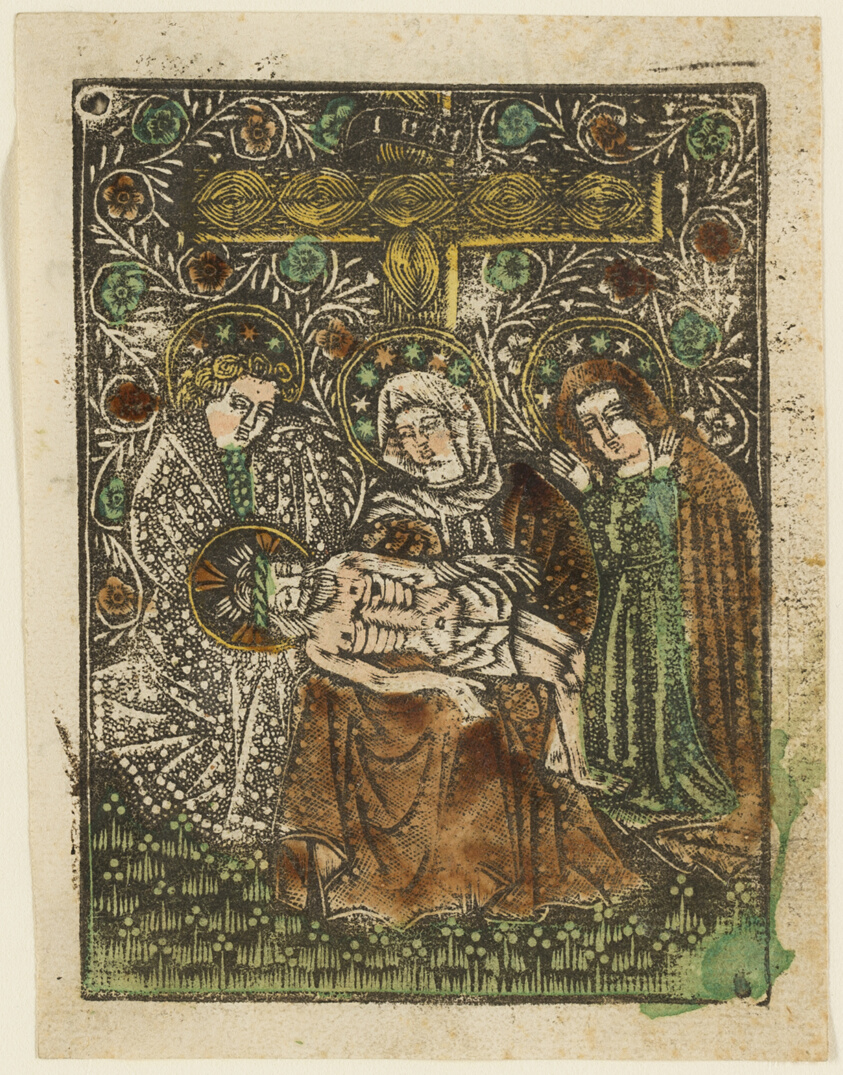
The Pietà
Art Institute of Chicago