Cleveland Museum of Art
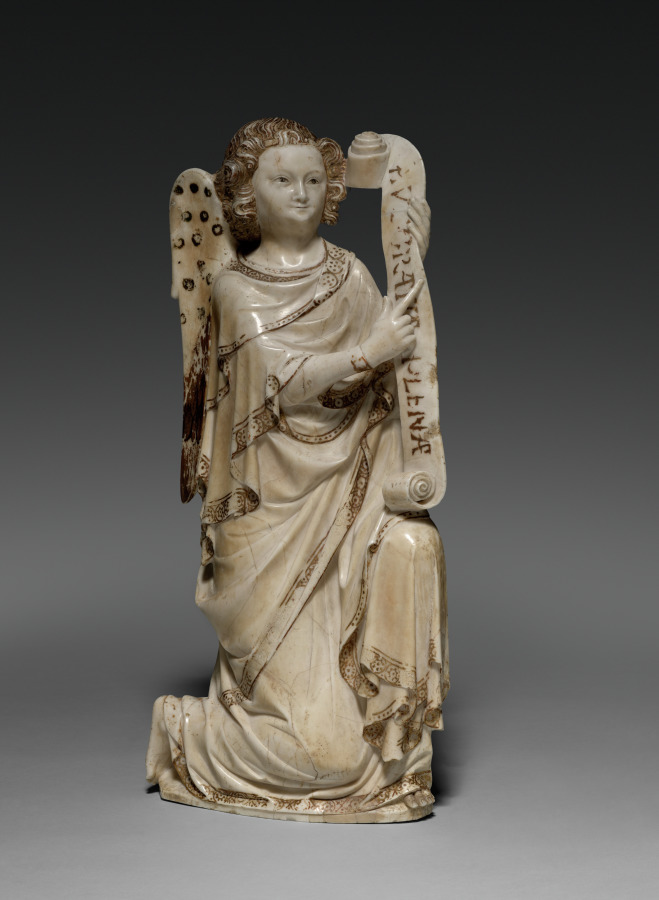
The Archangel Gabriel from an Annunciation Group
- Date
- c. 1350
- Medium
- alabaster with traces of paint and gilding
- Culture
- France, Champagne
- Department
- Medieval Art
- Institution
- Cleveland Museum of Art
In France, the use of alabaster began in the late 1200s for funerary monuments. The Archangel Gabriel, together with its counterpart, the Virgin Mary (now in the Louvre Museum, Paris) is part of an Annunciation. This is a rare example of alabaster sculpture from the 1300s. The alabaster comes from a quarry near Malaucène in Provence (France), making it an instance of long-distance trade of the rare material. Although the figure is very flat, it was likely made to also be viewed from the back, where there are remnants of gilding and the peacock feathers of the angel’s wing. The surface of alabaster works can vary. By differentiating the intensity of polishing, it is possible for sculptures to create a surface with varying degrees of luster, or shine.
The authoritative record is held by Cleveland Museum of Art. LinkedCulture surfaces this object and its connections; it does not alter institutional metadata.
Related across collections
Semantically similar works from Cleveland Museum of Art and other institutions.
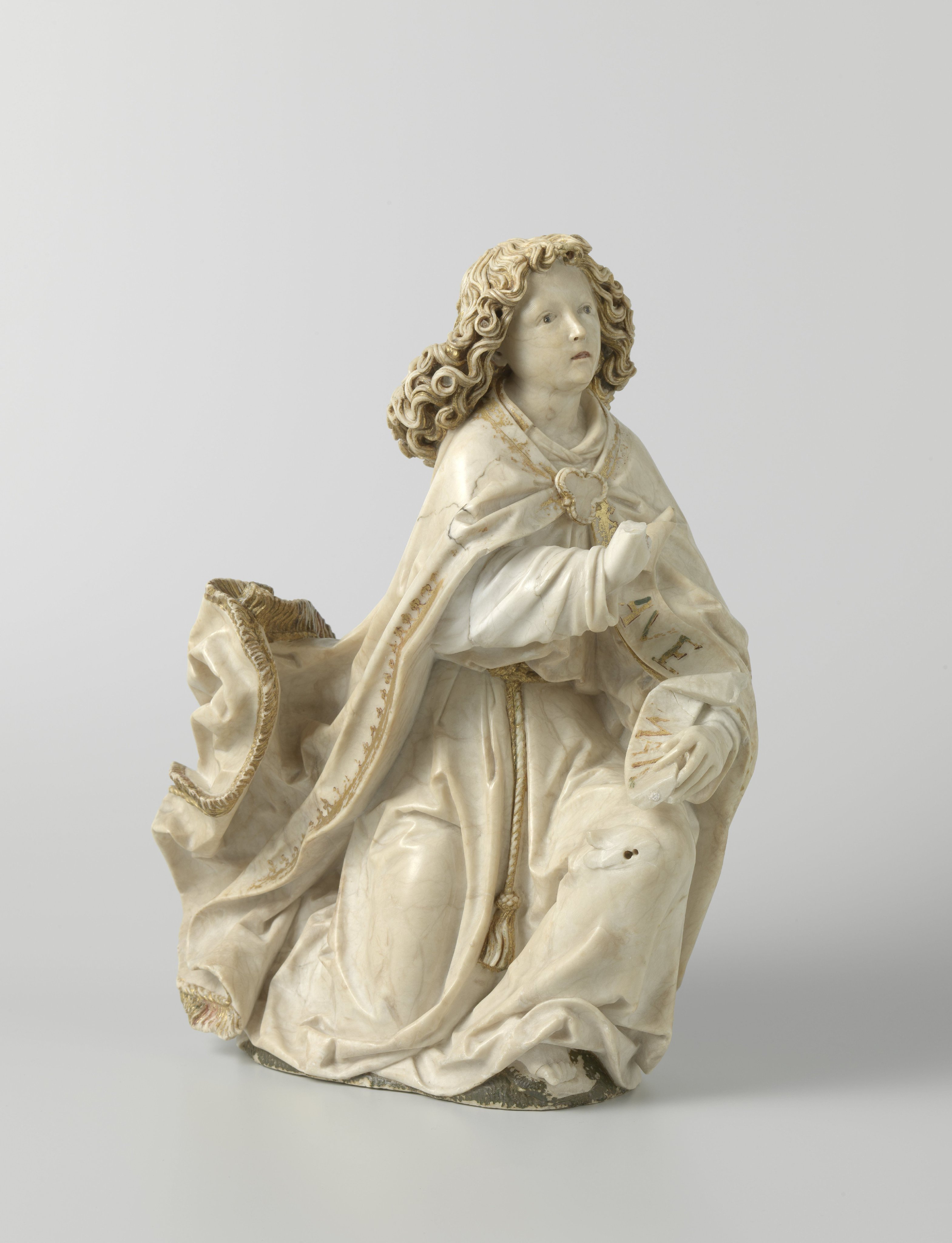
De verkondiging aan Maria
Rijksmuseum
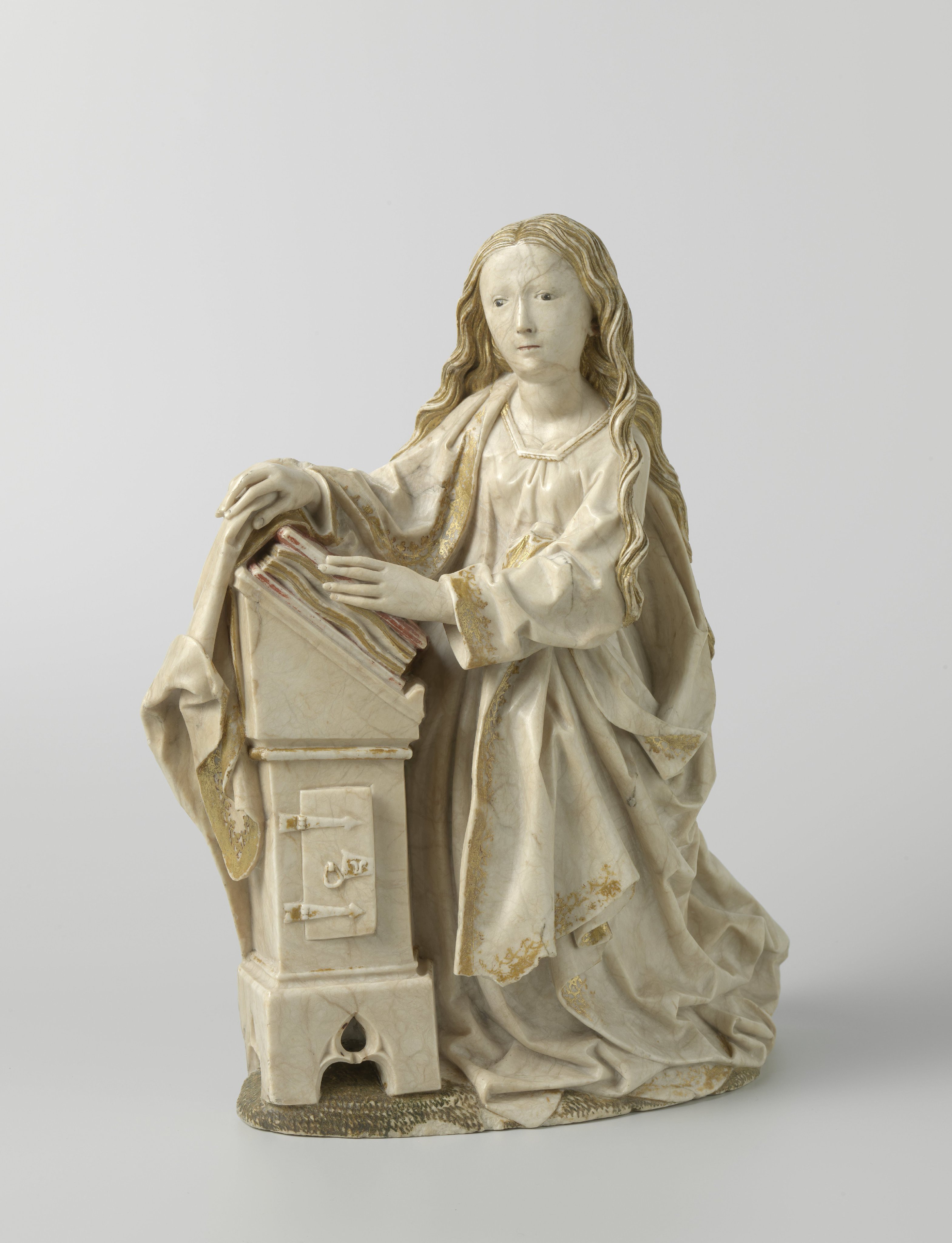
De verkondiging aan Maria
Rijksmuseum
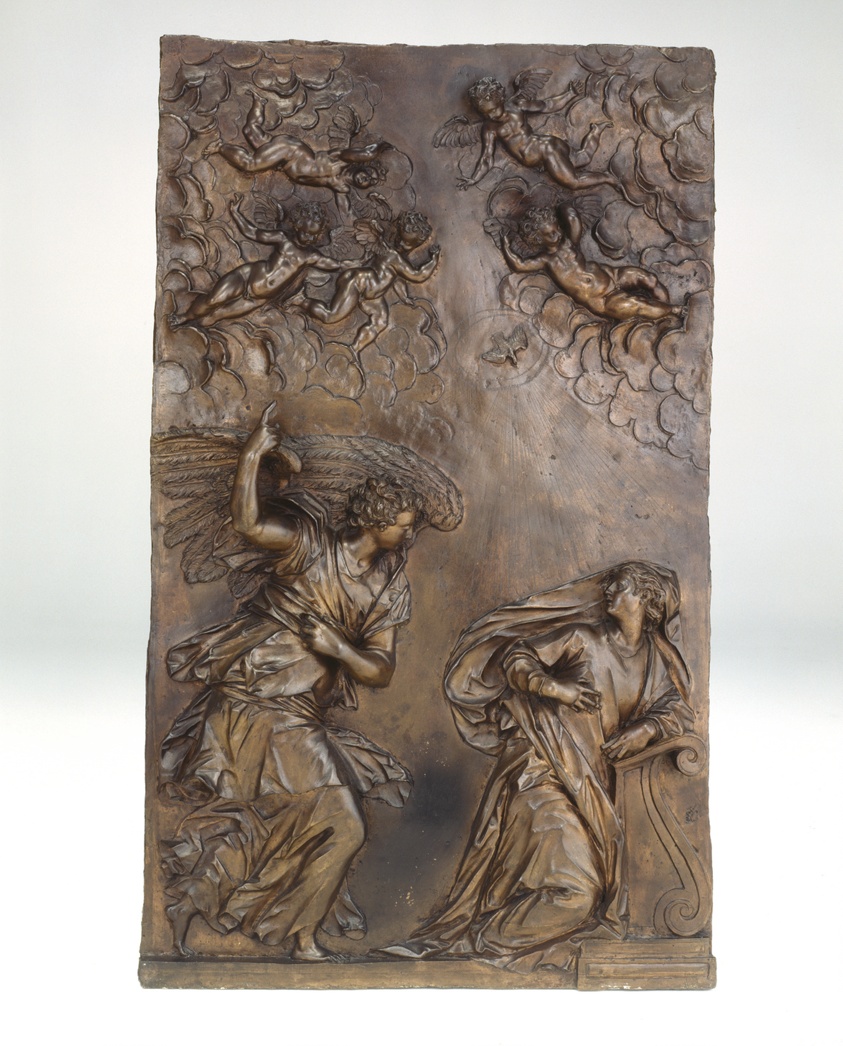
The Annunciation
Art Institute of Chicago
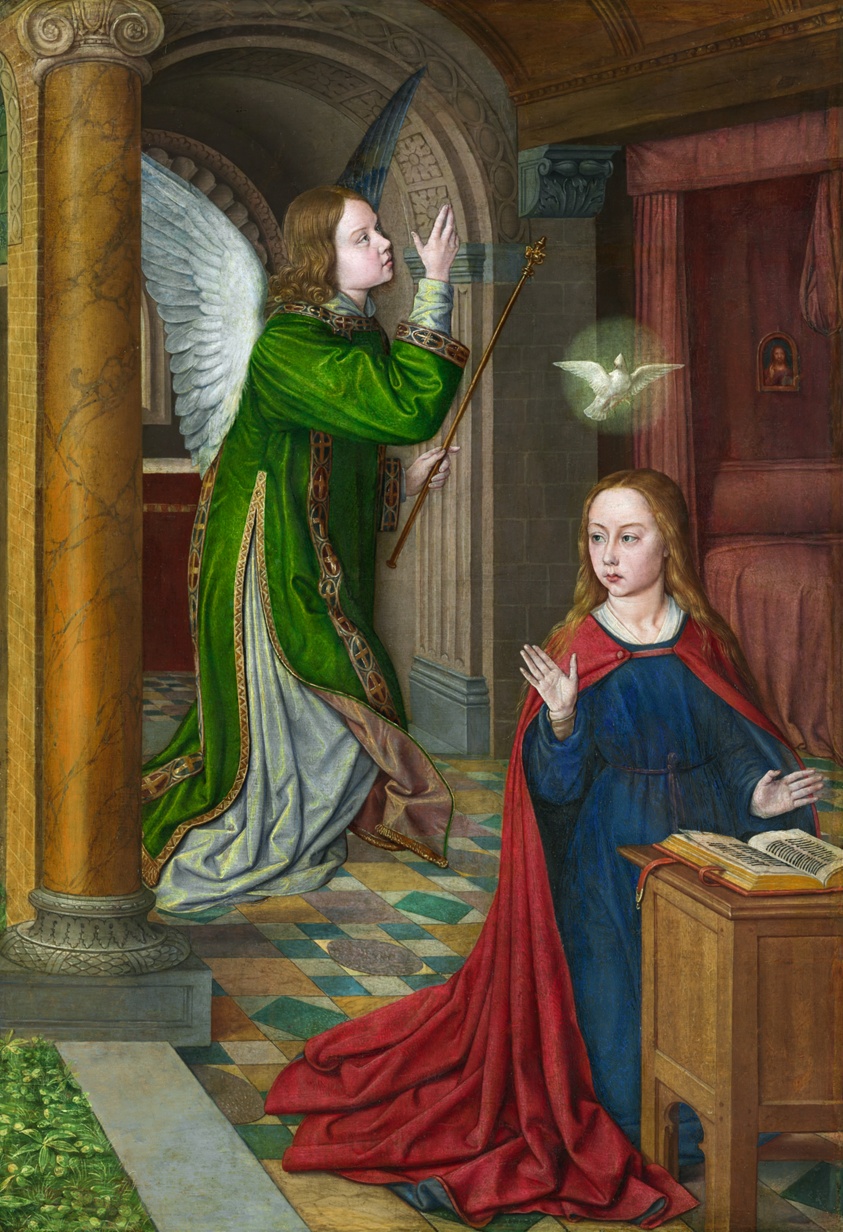
The Annunciation
Art Institute of Chicago
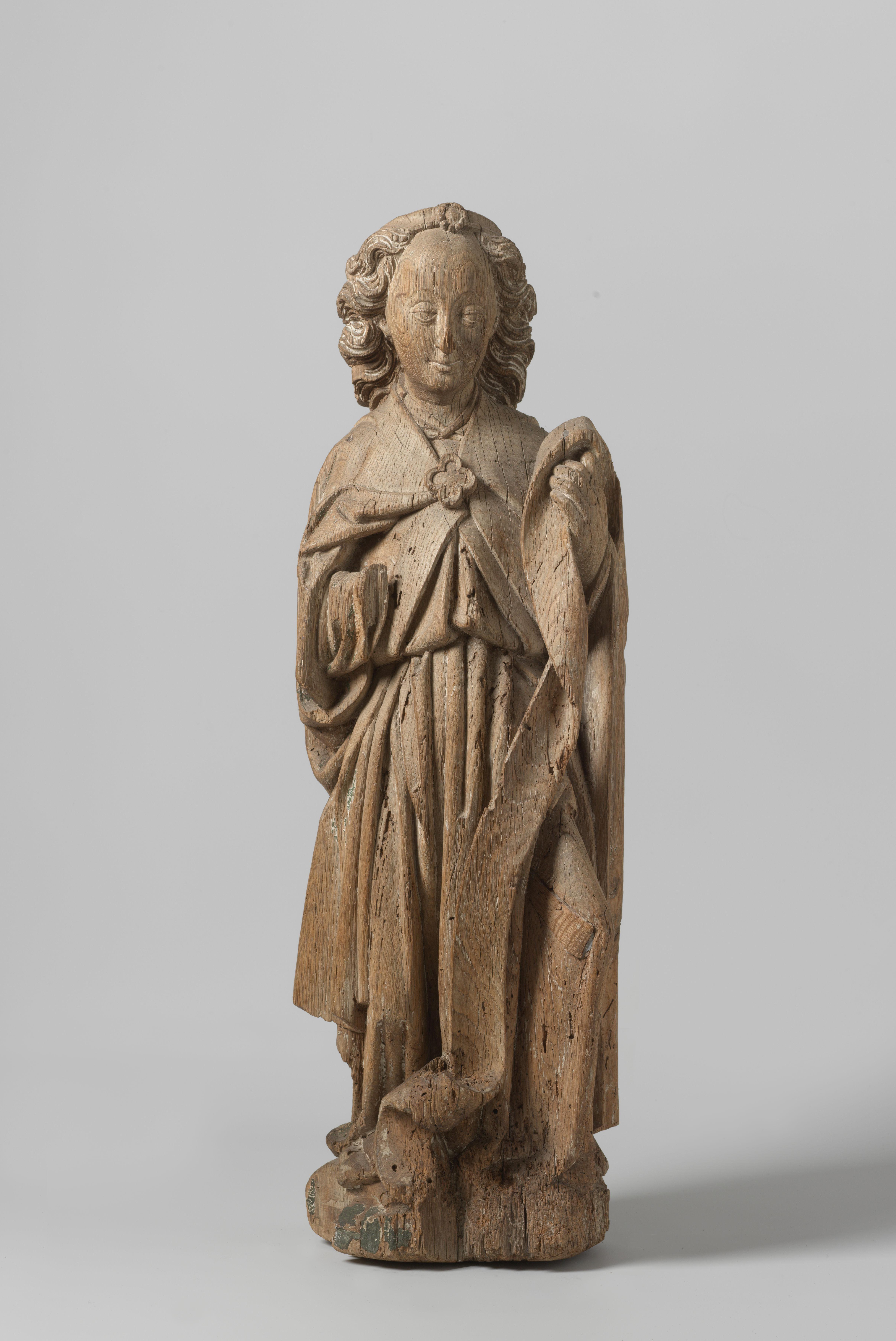
Archangel Gabriel, from an Annunciation
Rijksmuseum

The Annunciation
Getty Museum
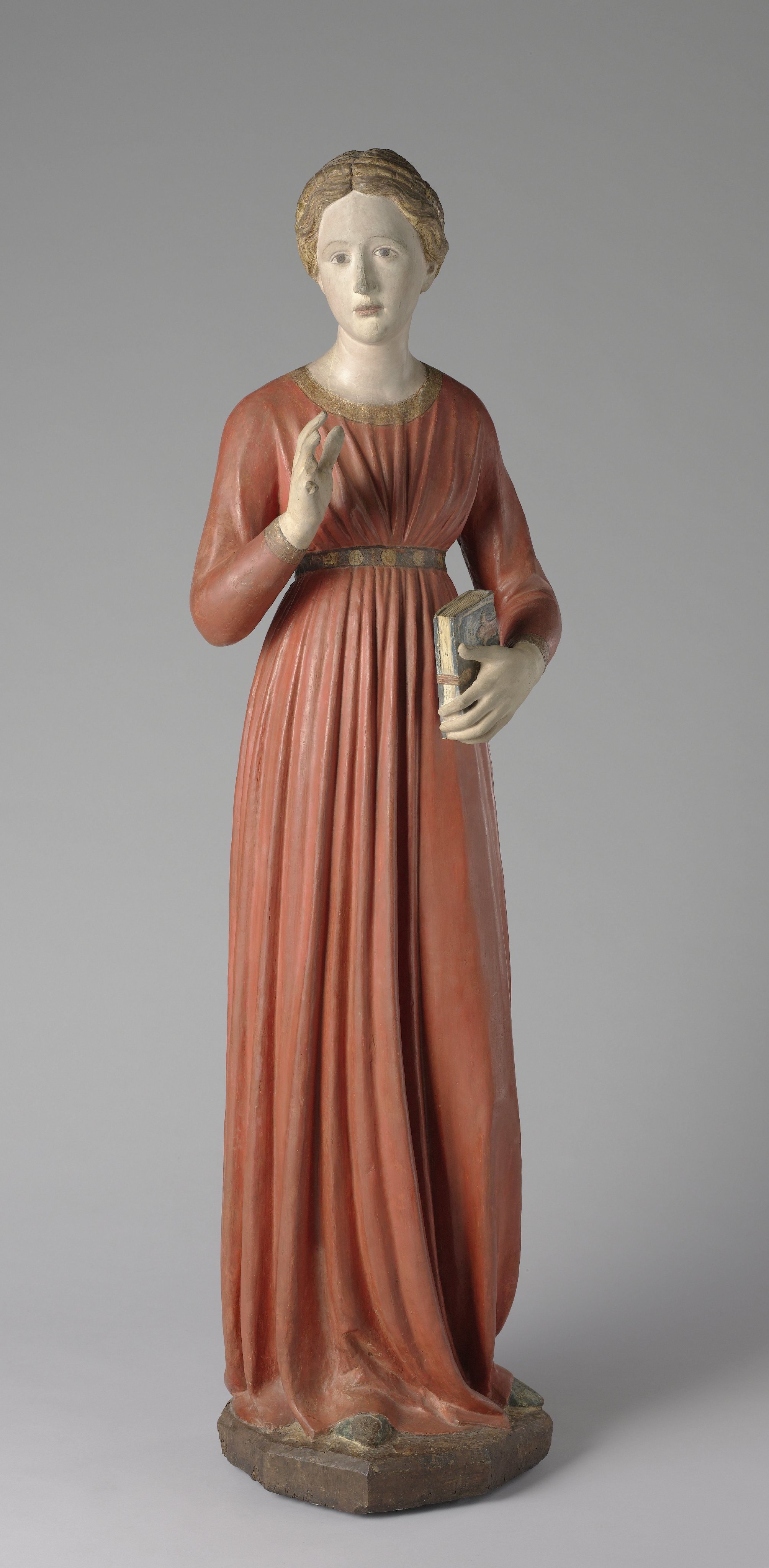
De verkondiging aan Maria
Rijksmuseum
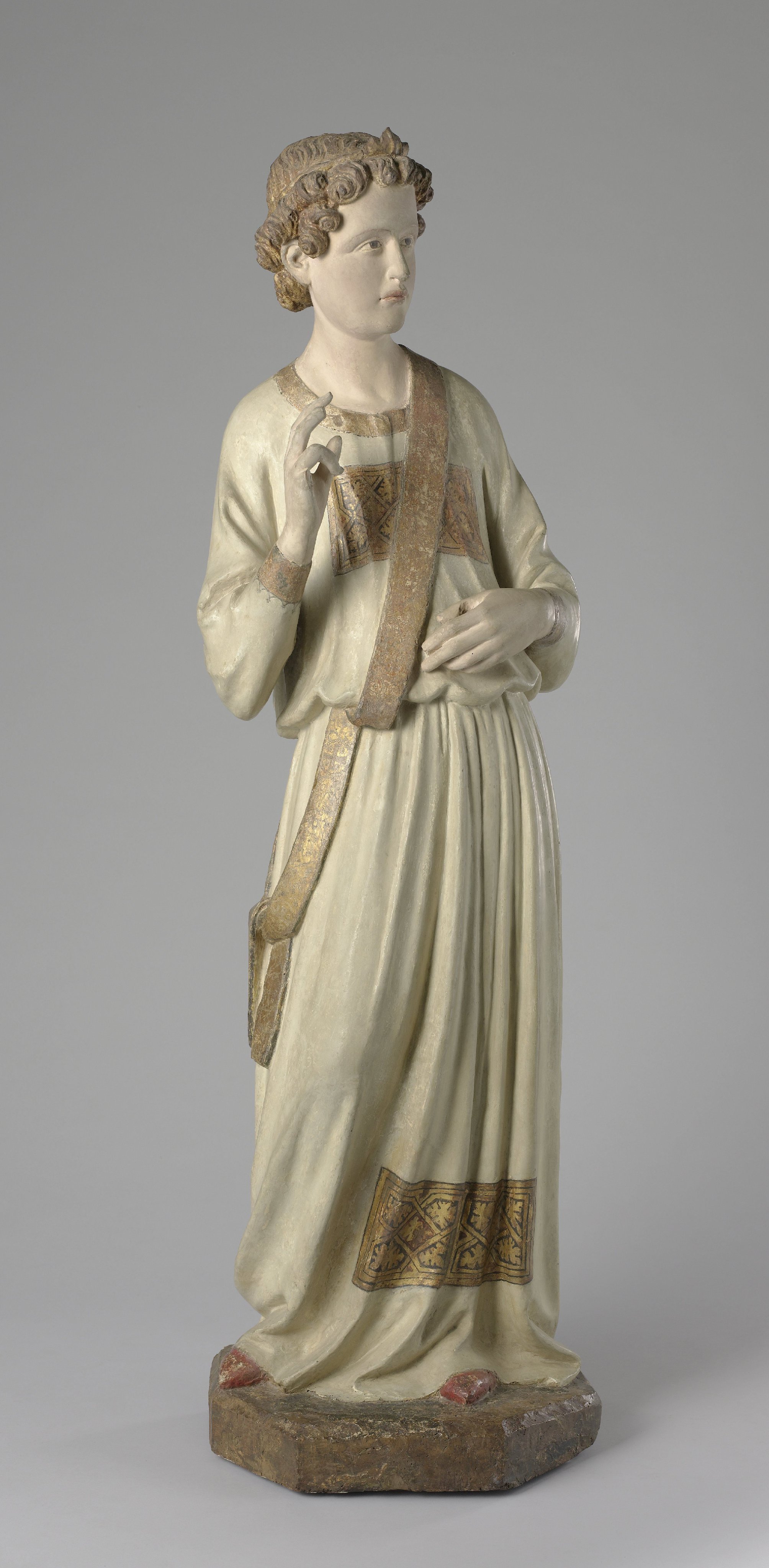
De verkondiging aan Maria
Rijksmuseum
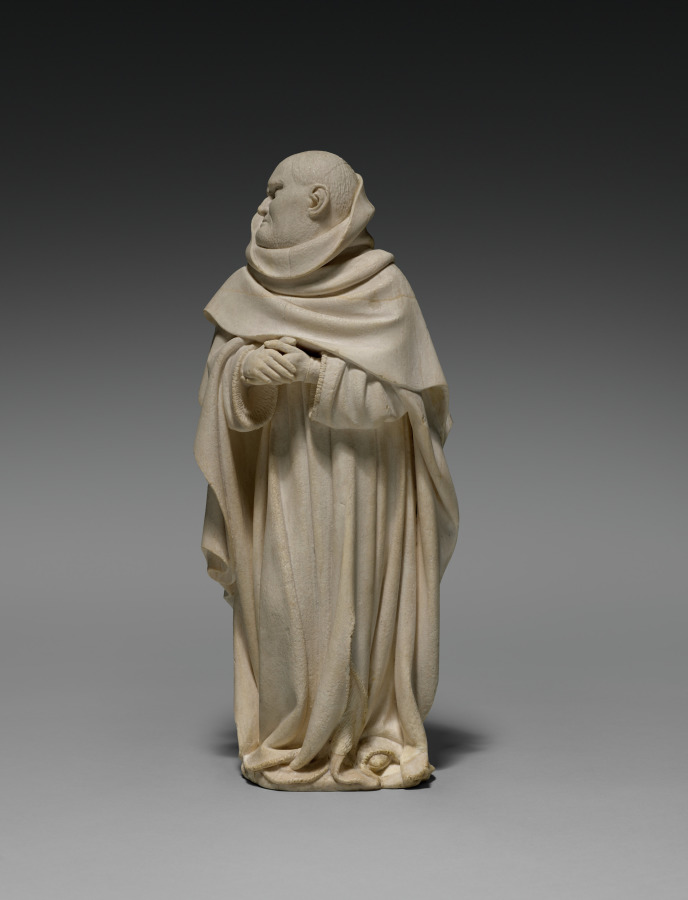
Mourner from the Tomb of Philip the Bold, Duke of Burgundy (1364–1404)
Cleveland Museum of Art

Panel Depicting Annunciation of Virgin
Art Institute of Chicago
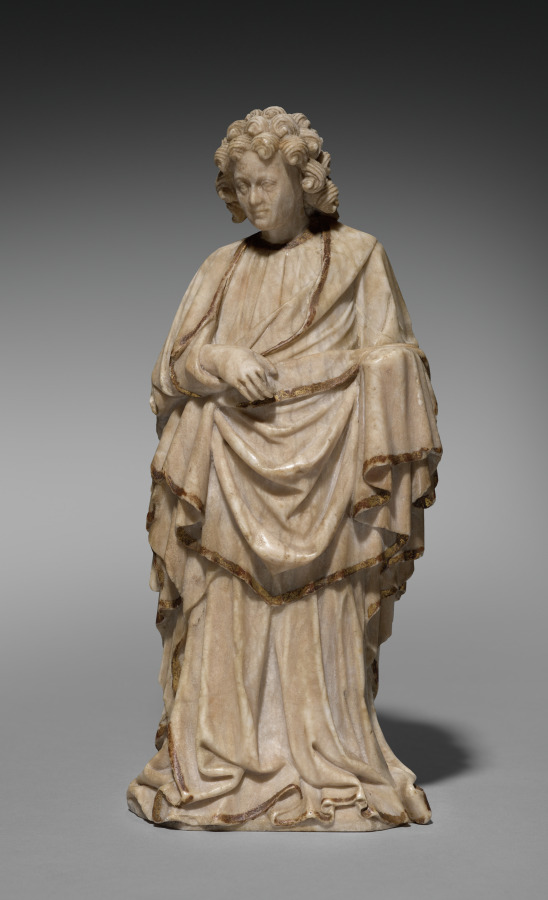
Standing Apostle (Probably Saint John the Evangelist)
Cleveland Museum of Art
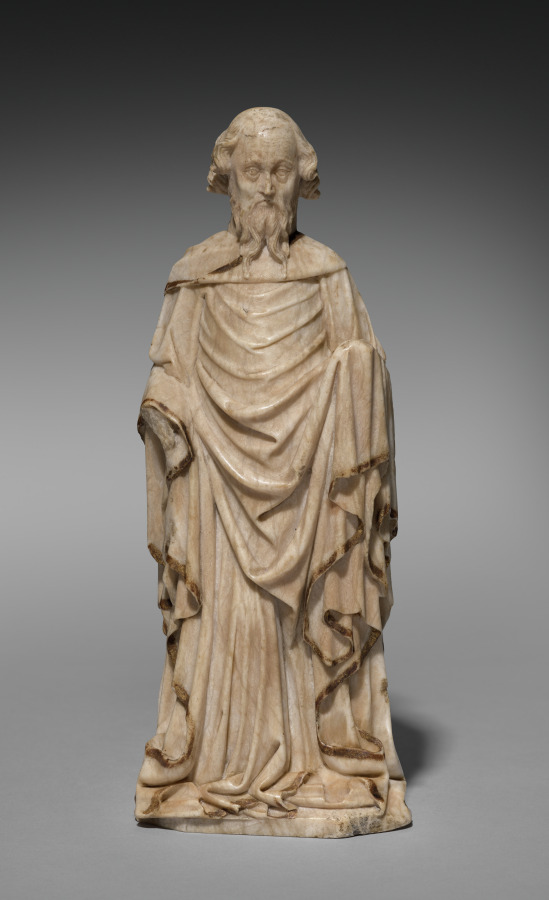
Standing Apostle (Saint Paul?)
Cleveland Museum of Art