Cleveland Museum of Art
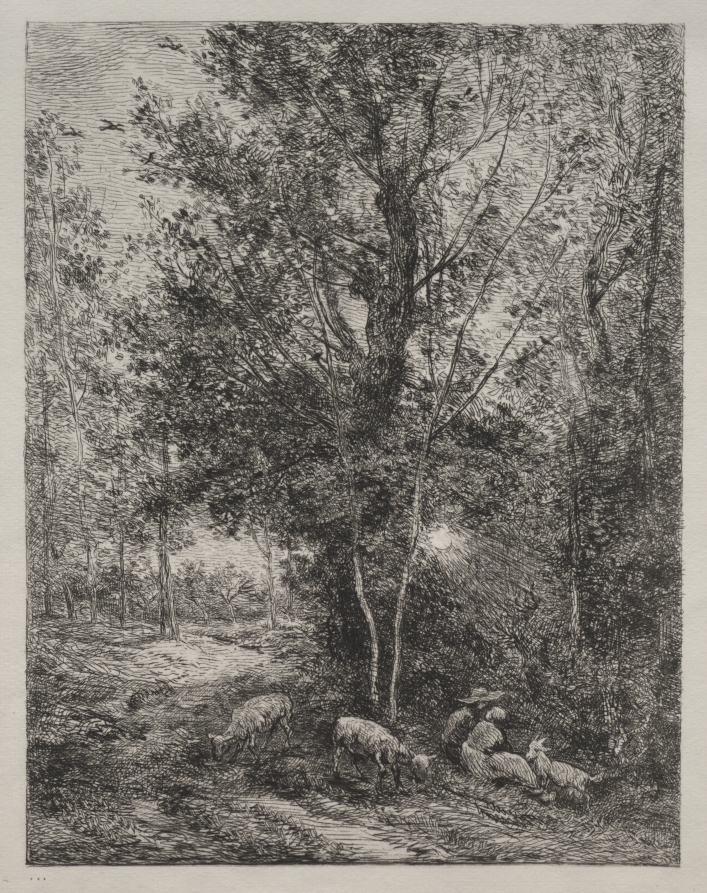
The Shepherd and the Shepherdess
Charles François DaubignyLinkedCulture matchlcp-6de9dbe1d080
- Date
- 1874
- Medium
- etching
- Culture
- France, 19th century
- Department
- Prints
- Institution
- Cleveland Museum of Art
- Object ID
- 134160
From the Cleveland Museum of Art record
Although etching had fallen into disfavor in France, Daubigny began to produce original etchings in the 1840s. The revival of this technique began to accelerate, and in 1862 the Société des Aquafortistes (Society of Etchers) was organized by Alfred Cadart, who was instrumental in publishing many albums of prints. In addition, periodicals such as L'Artiste (The Artist) included original etchings, which also helped to generate interest in the medium. The countryside around Barbizon (a village about 30 miles southeast of Paris) provided a refuge from the urbanization and industrialization of modern life and offered landscape etchers a vast array of scenery—from wild forest to rocky gorges. Daubigny, who wanted to retain the immediacy of the direct observation of nature, used a flat-bottomed boat as a floating studio on the rivers of France in order to capture the momentary effects of light and atmosphere.
The authoritative record is held by Cleveland Museum of Art. LinkedCulture surfaces this object and its connections; it does not alter institutional metadata.
Get printable QR codesHide QR codes
Open QR codes for this object page and the museum record. They stay collapsed until needed.
Provenance & credit
As published by the source institution. Coverage varies — not every institution's open-data feed includes ownership history.
- Credit line
- Mr. and Mrs. Charles G. Prasse Collection
Related across collections
Semantically similar works from Cleveland Museum of Art and other institutions.
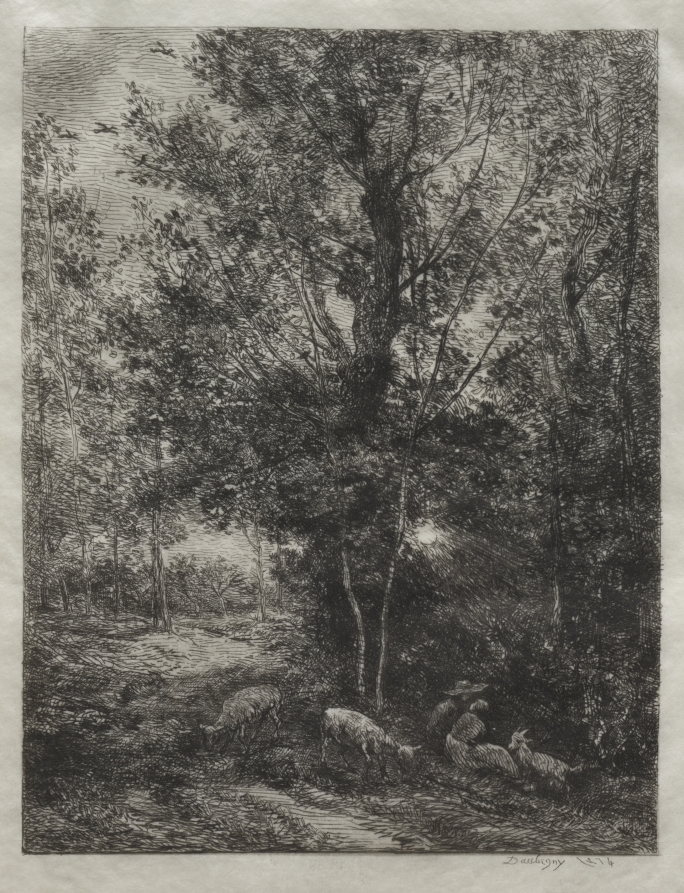
The Shepherd and the Shepherdess
Cleveland Museum of Art
#134159
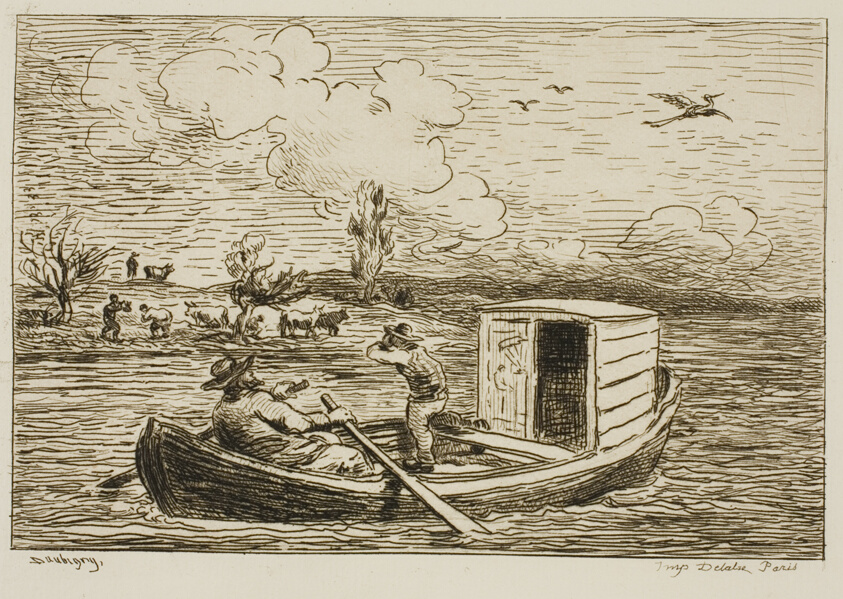
Cambronne's Word
Art Institute of Chicago
#43383
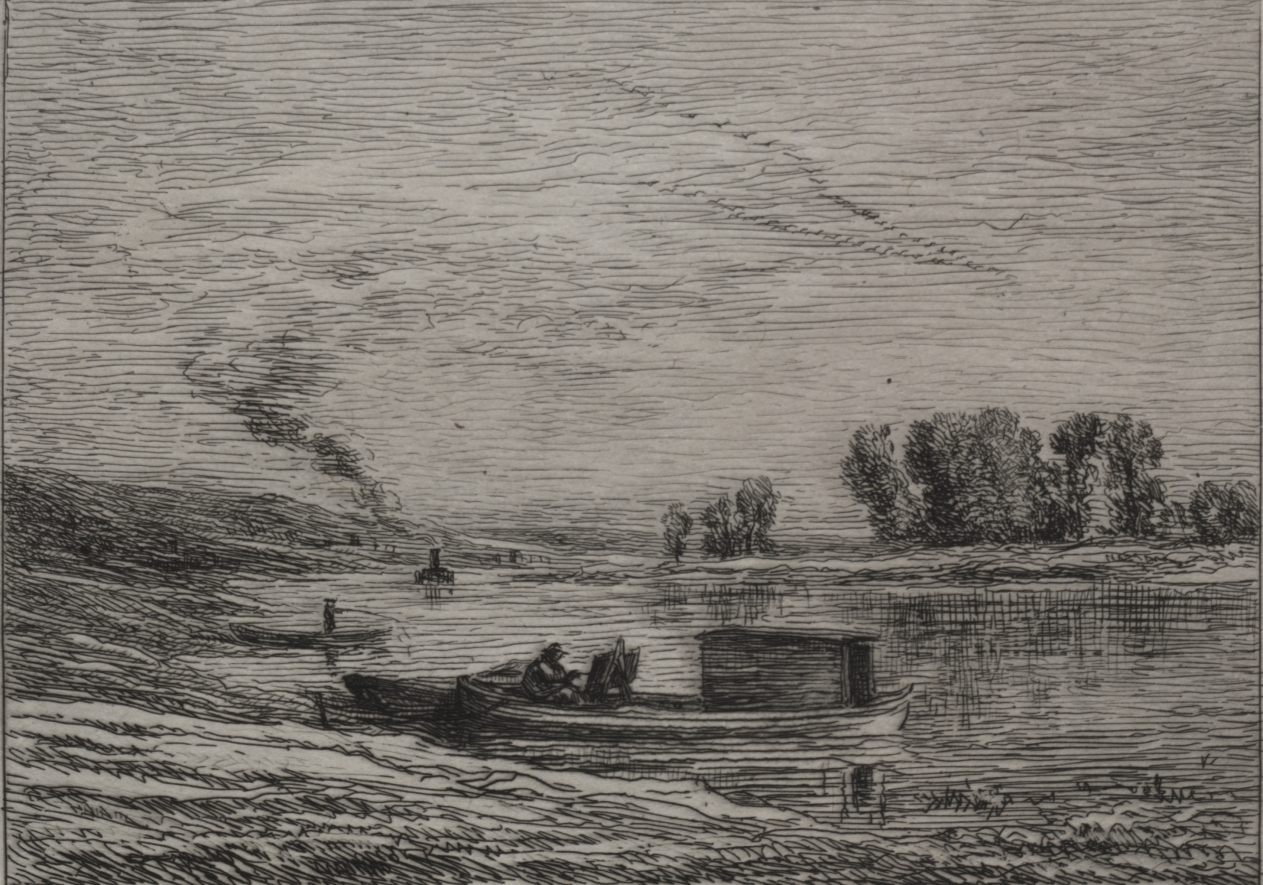
The Boat in Conflans
Cleveland Museum of Art
#102005
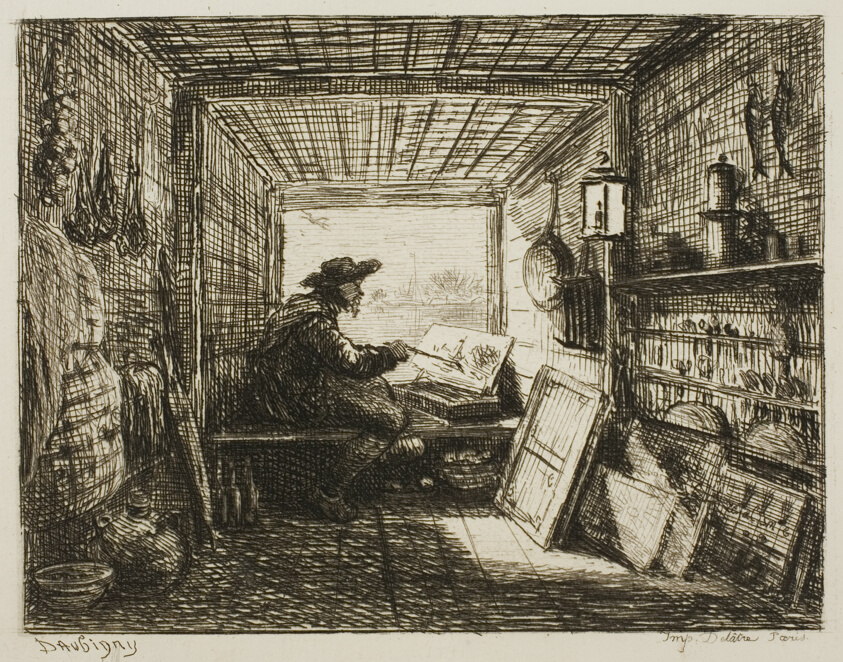
The Boat Studio, from The Boat Trip
Art Institute of Chicago
#141864
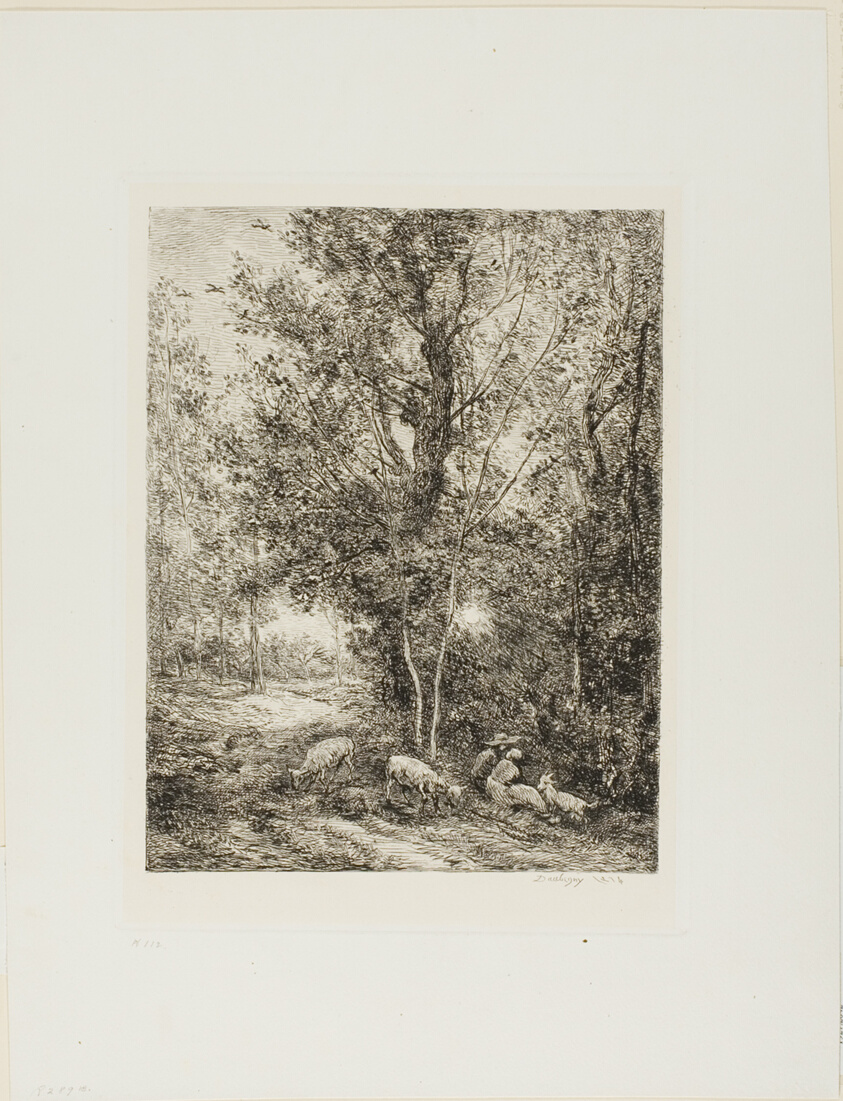
The Shepherd and the Shepherdess
Art Institute of Chicago
#43411

Swineherd
Minneapolis Institute of Art
#128760

The Shepherdess Knitting
Minneapolis Institute of Art
#50663

Miniatures
Minneapolis Institute of Art
#105789
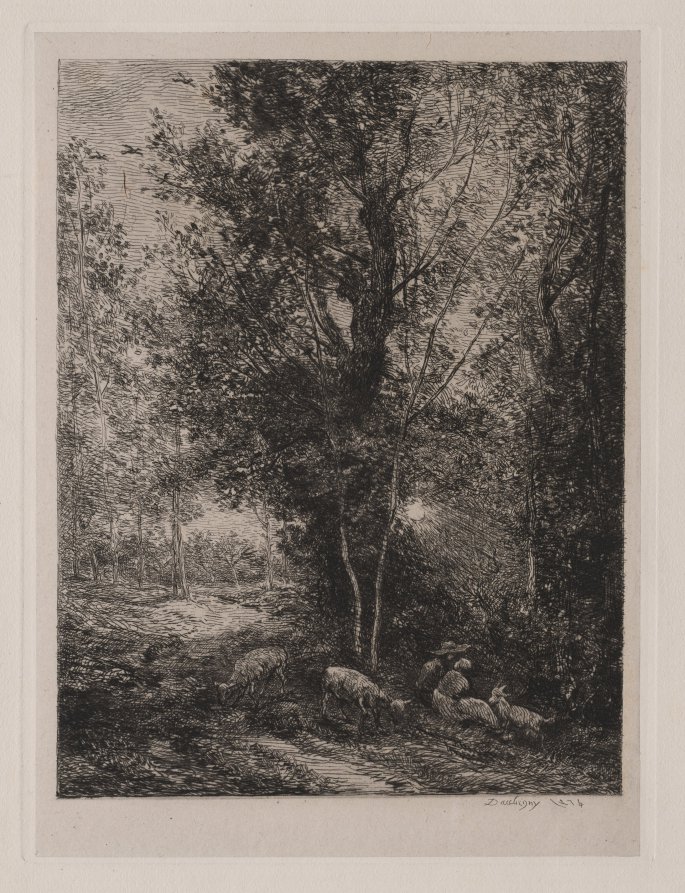
The Shepherd and Shepherdess
Cleveland Museum of Art
#167985
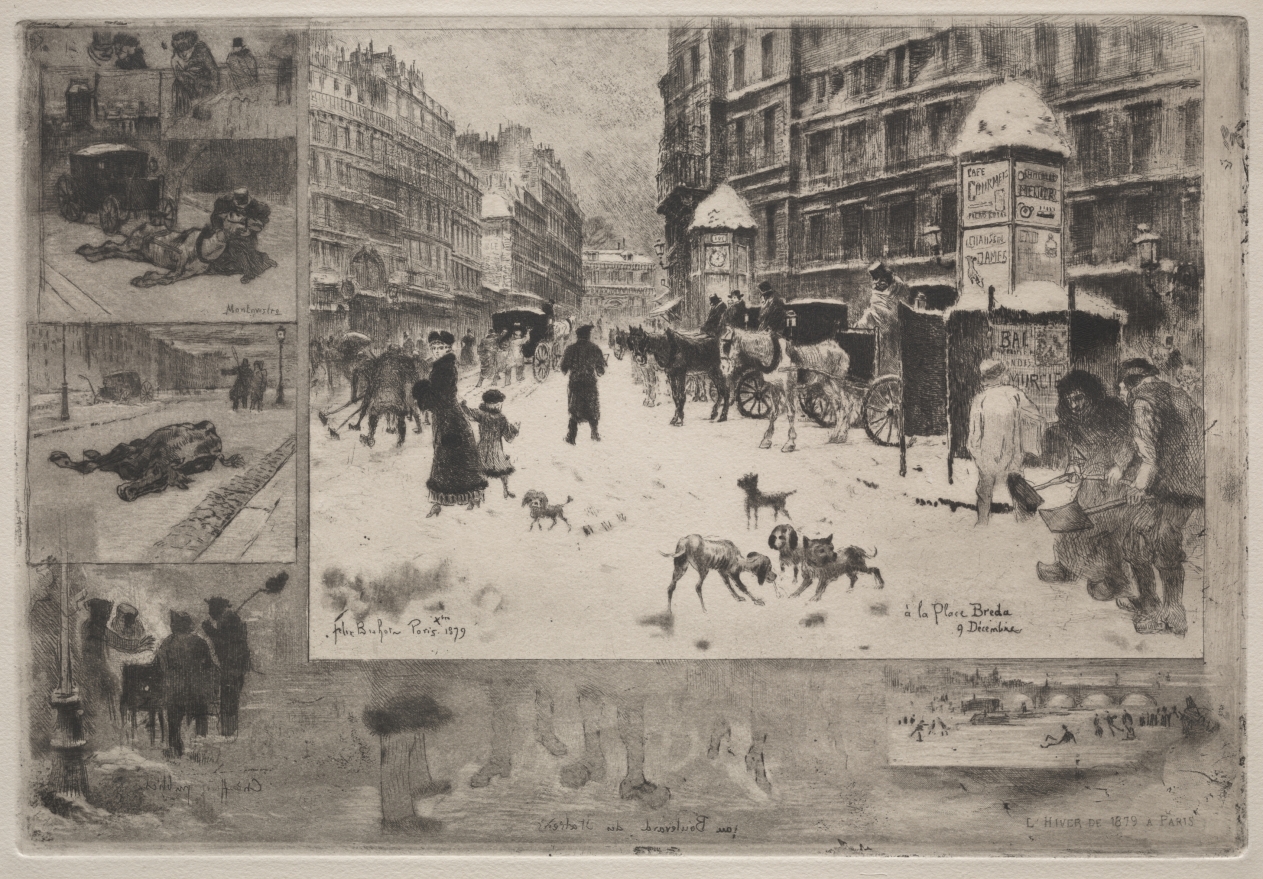
Winter in Paris
Cleveland Museum of Art
#160358
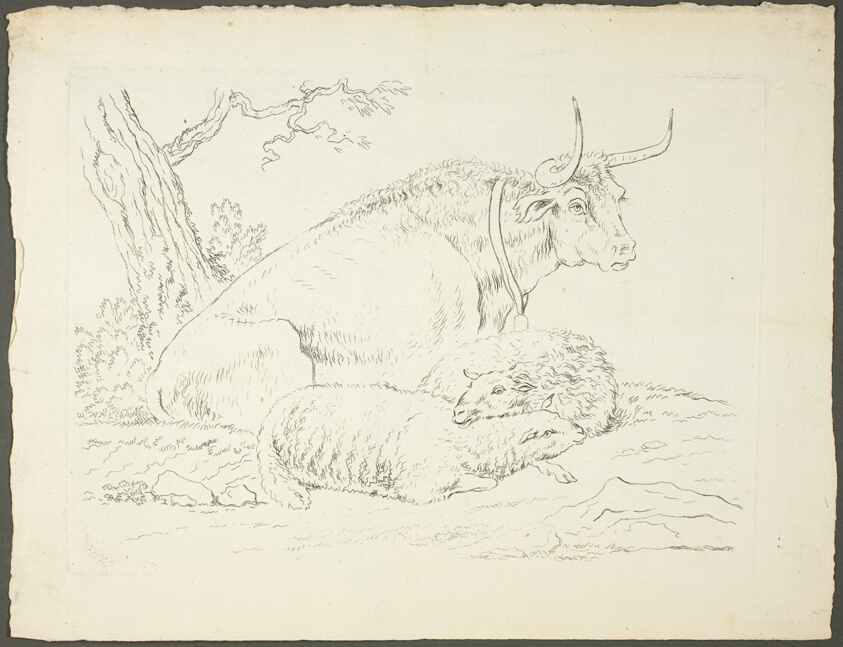
A Bull and Two Sheep
Art Institute of Chicago
#148607
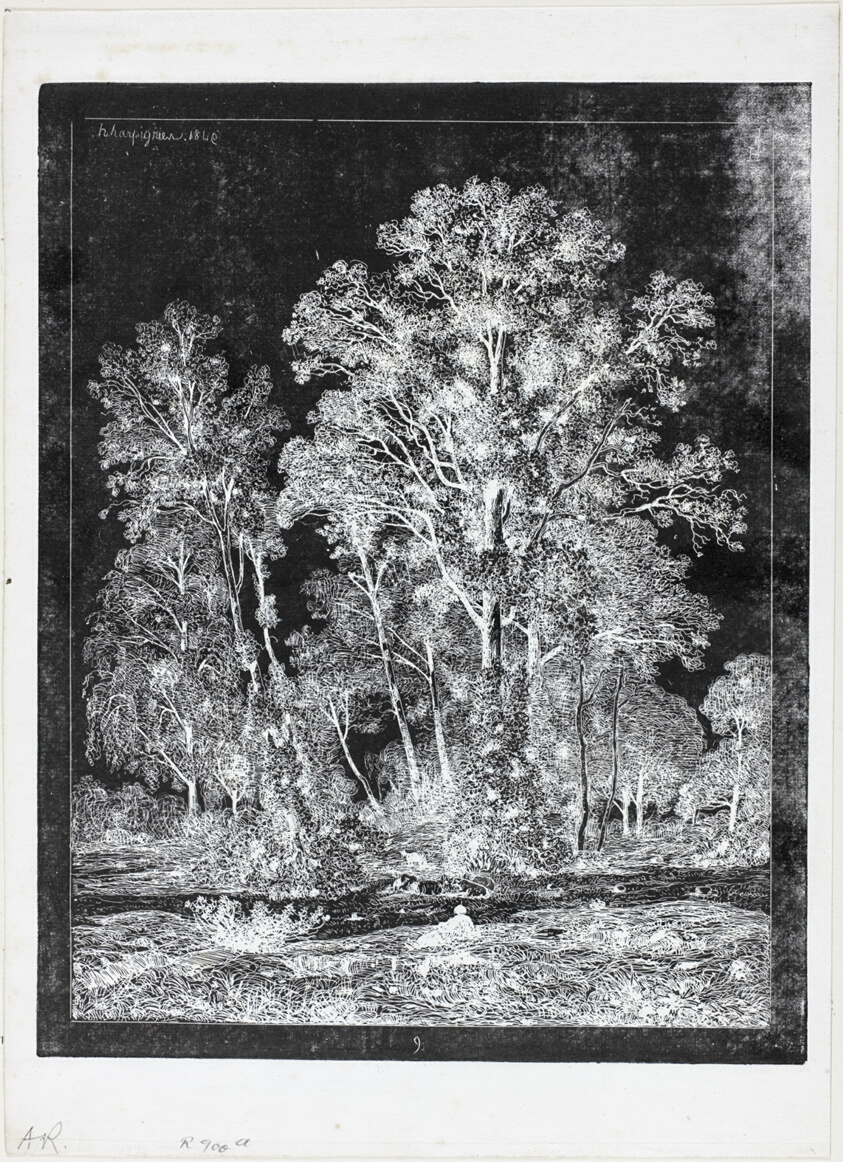
Shepherd Resting in a Clearing
Art Institute of Chicago
#6587