Cleveland Museum of Art
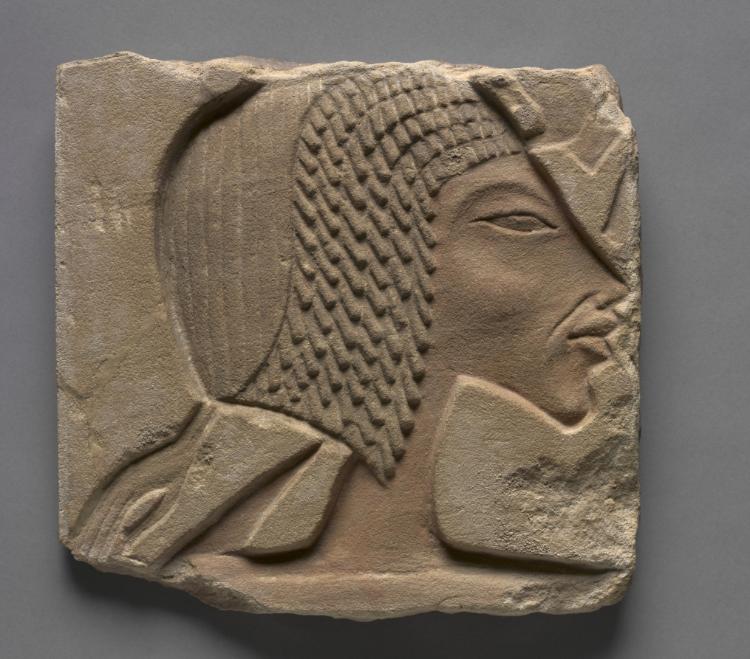
Talatat: Portrait of Nefertiti
- Date
- c. 1353–1347 BCE
- Medium
- painted sandstone
- Culture
- Egypt, Karnak, New Kingdom (1540–1069 BCE), Dynasty 18, reign of Akhenaten (1351–1334 BCE)
- Department
- Egyptian and Ancient Near Eastern Art
- Institution
- Cleveland Museum of Art
- Object ID
- 135658
From the Cleveland Museum of Art record
The son of Amenhotep III, Akenhaten, brought about the short-lived "monotheistic" revolution in Egyptian religion near the end of Dynasty 18. The young king constructed a temple complex to the Aten, the Sun Disk, at Karnak—from which this relief comes—before he moved his capital to El Amarna. For reasons yet unknown, the figure of the Queen Nefertiti appears in these reliefs far more often that that of the king. Ironically, the Aten temples were dismantled to be used as foundations and fill for additions to the Great Temple of Amun, whom the Aten had briefly displaced. This relief comes from the short end of a talatat, a limestone block of standardized size used during the 18th Dynasty reign of the Pharaoh Akhenaten in the building of the Aton temples at Karnak and Akhetaten. The standardized size and their small weight made construction more efficient.
The authoritative record is held by Cleveland Museum of Art. LinkedCulture surfaces this object and its connections; it does not alter institutional metadata.
Get printable QR codesHide QR codes
Open QR codes for this object page and the museum record. They stay collapsed until needed.
Provenance & credit
As published by the source institution. Coverage varies — not every institution's open-data feed includes ownership history.
- Credit line
- Purchase from the J. H. Wade Fund
- Provenance
- -1959: Mrs. Paul Mallon, Paris, France, sold to the Cleveland Museum of Art | 1959-: The Cleveland Museum of Art, Cleveland, OH
Part of a LinkedCulture topic
 Ancient Egyptian Personal Objects
These objects are cosmetic implements and grooming tools from ancient Egypt, including mirrors, palettes for grinding pigments, and decorative knives, representing daily life and personal adornment practices.
476 objects from 5 institutions
Related across collections
Semantically similar works from Cleveland Museum of Art and other institutions.
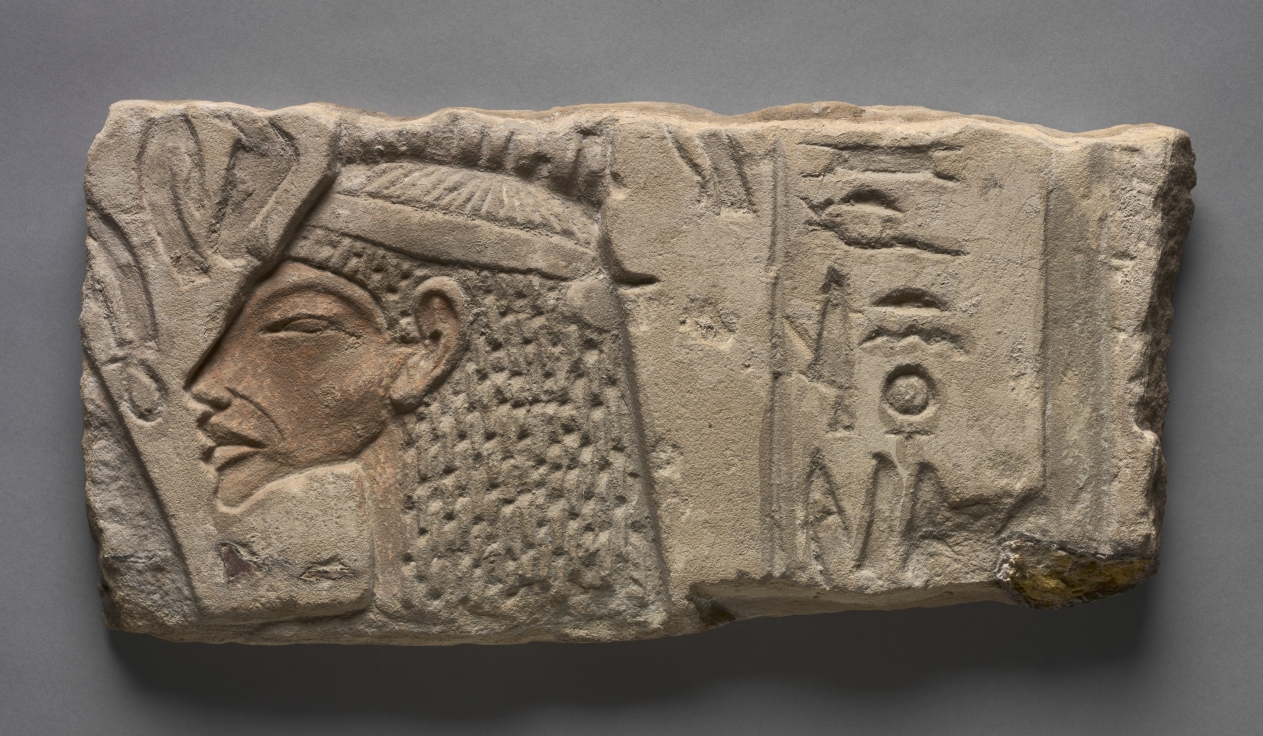
Talatat: Nefertiti Offers to the Aten
Cleveland Museum of Art
#135656
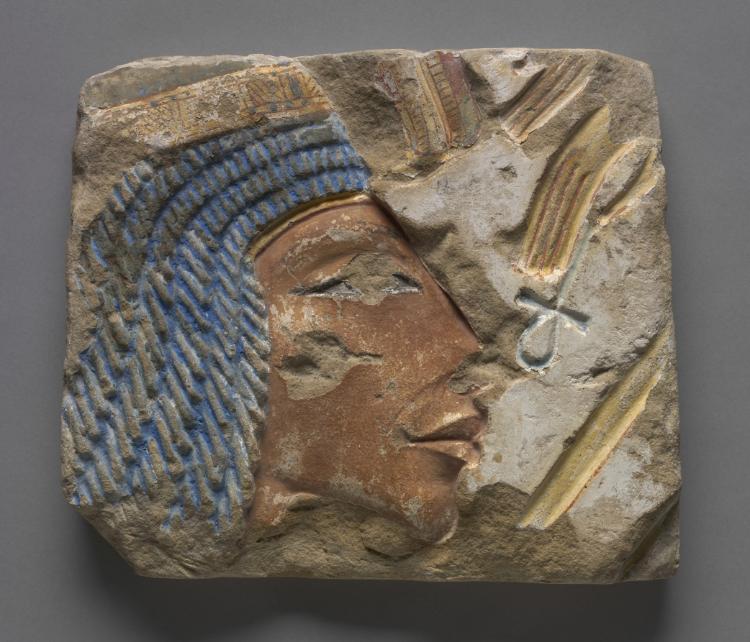
Talatat: Portrait of Nefertiti
Cleveland Museum of Art
#148794
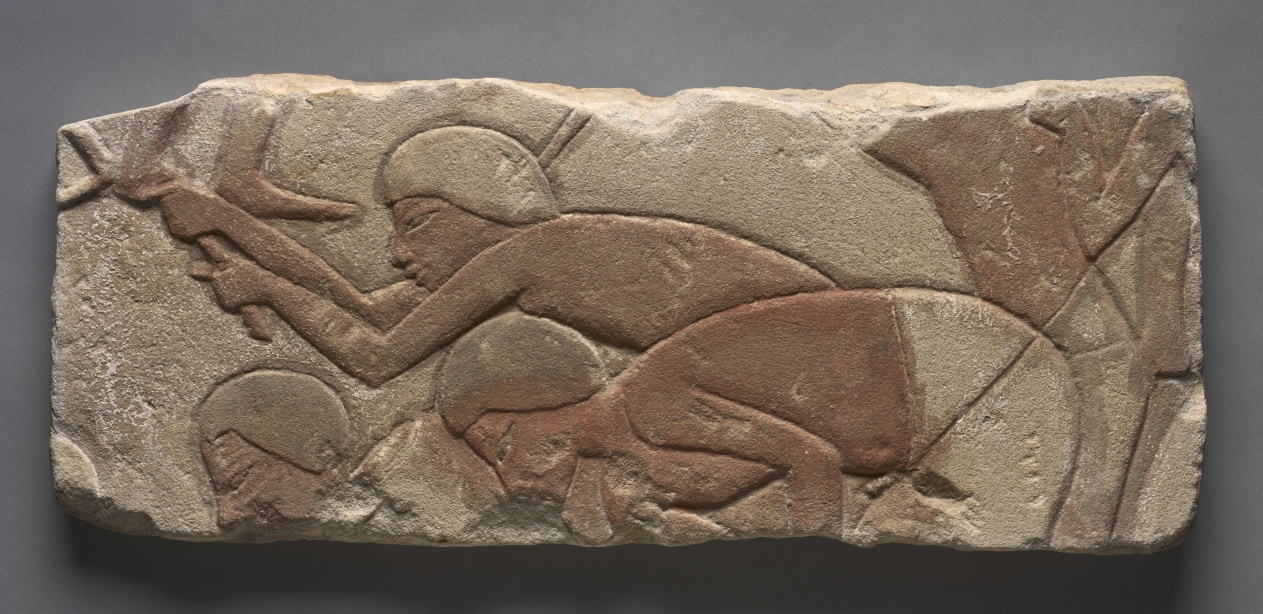
Talatat: Men Hoeing the Earth
Cleveland Museum of Art
#135657
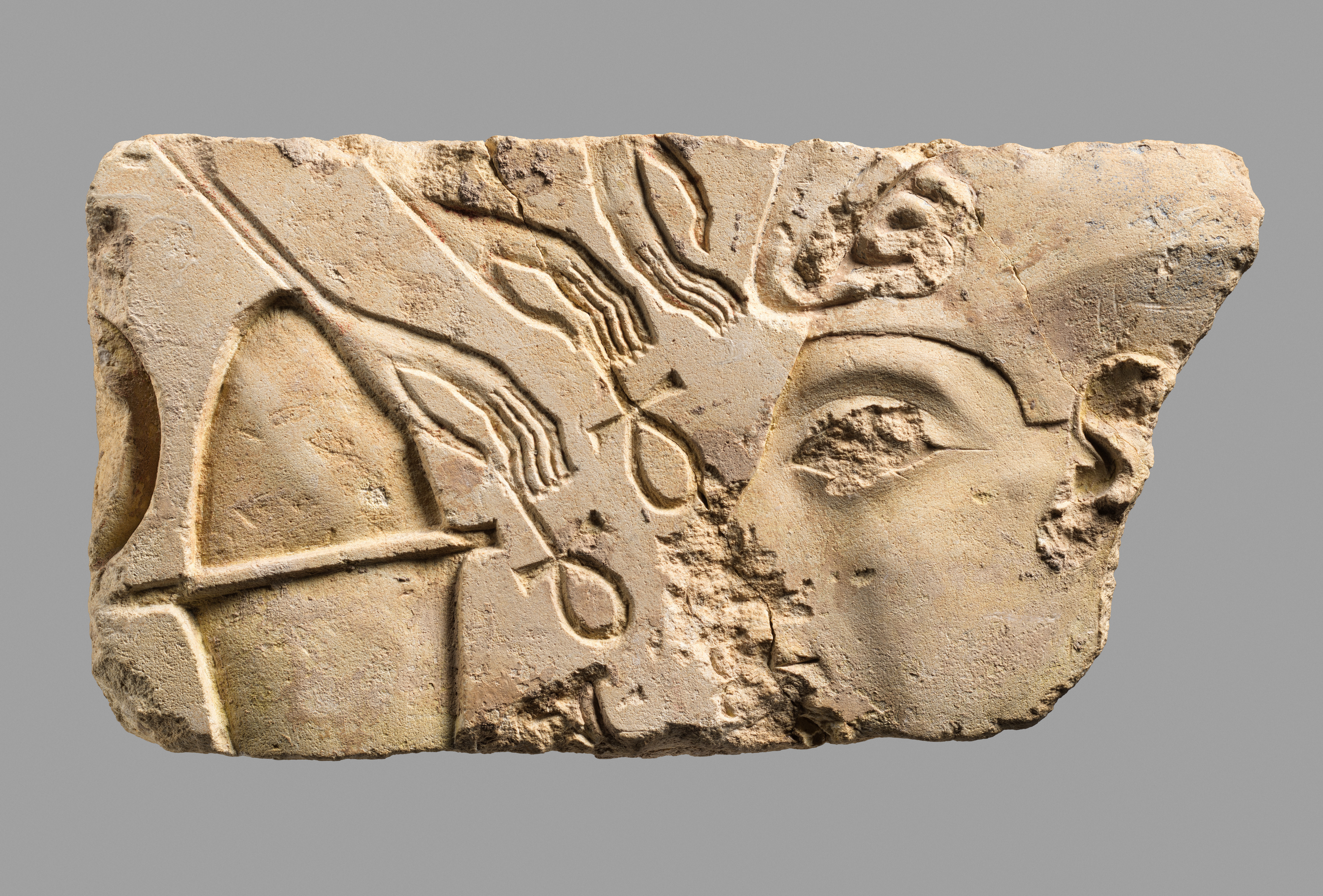
Relief showing the Aten interacting with the queen
The Metropolitan Museum of Art
#558139
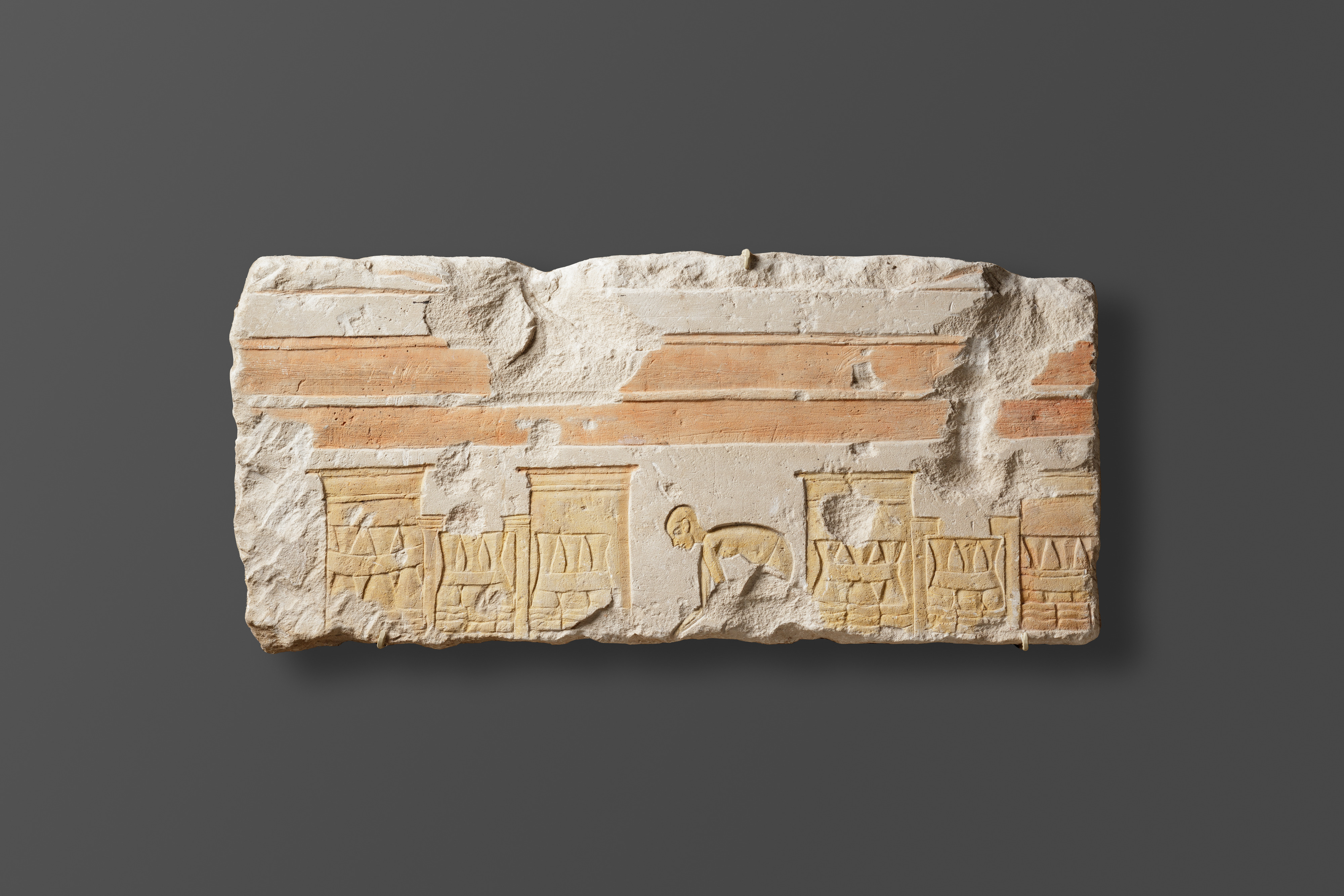
Relief fragment with a temple courtyard
The Metropolitan Museum of Art
#544925
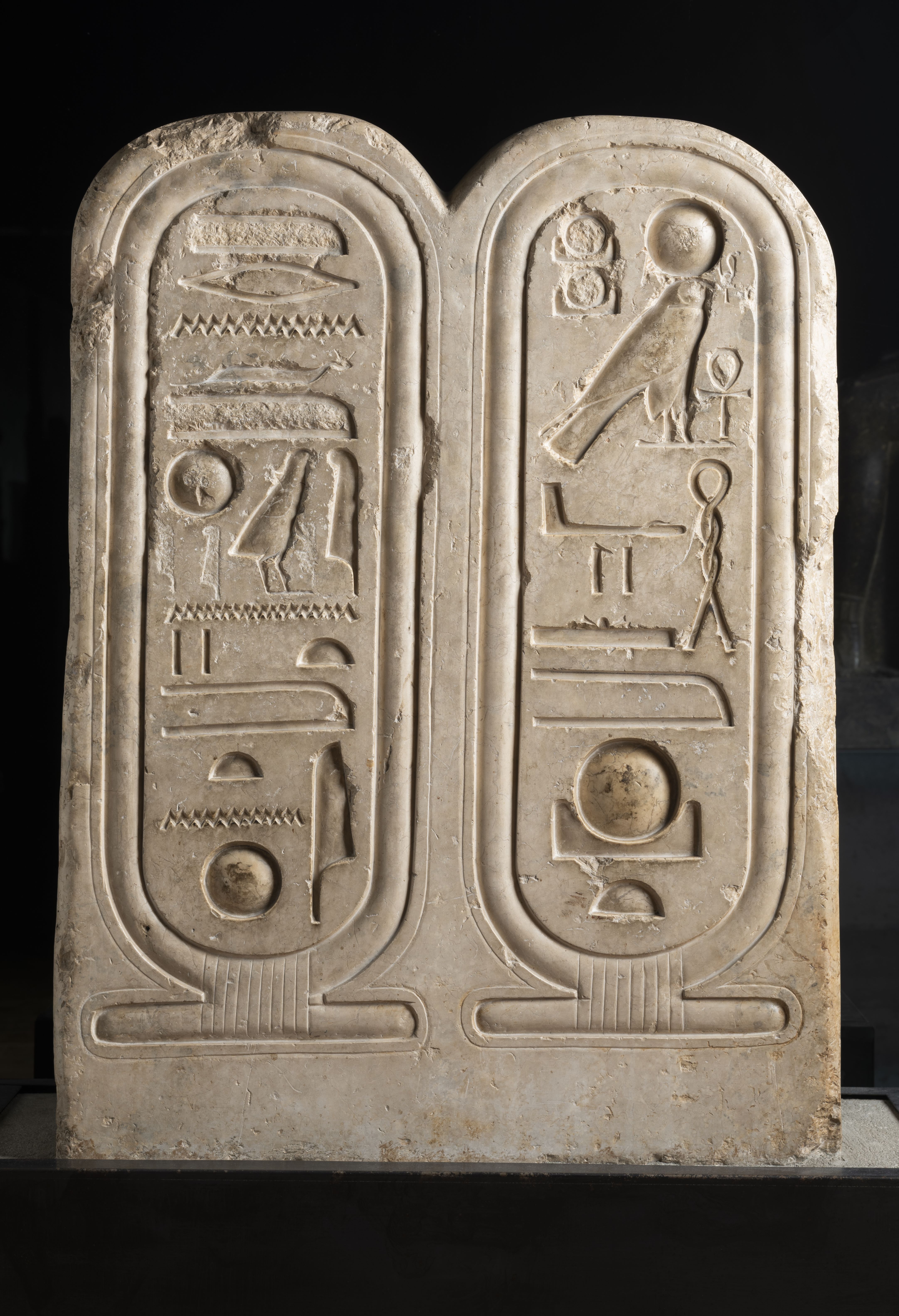
Architectural decoration of the access stairway of a temple of the Aten
Museo Egizio
#Cat_1378

Relief of Queen Nefertiti
The Metropolitan Museum of Art
#545992
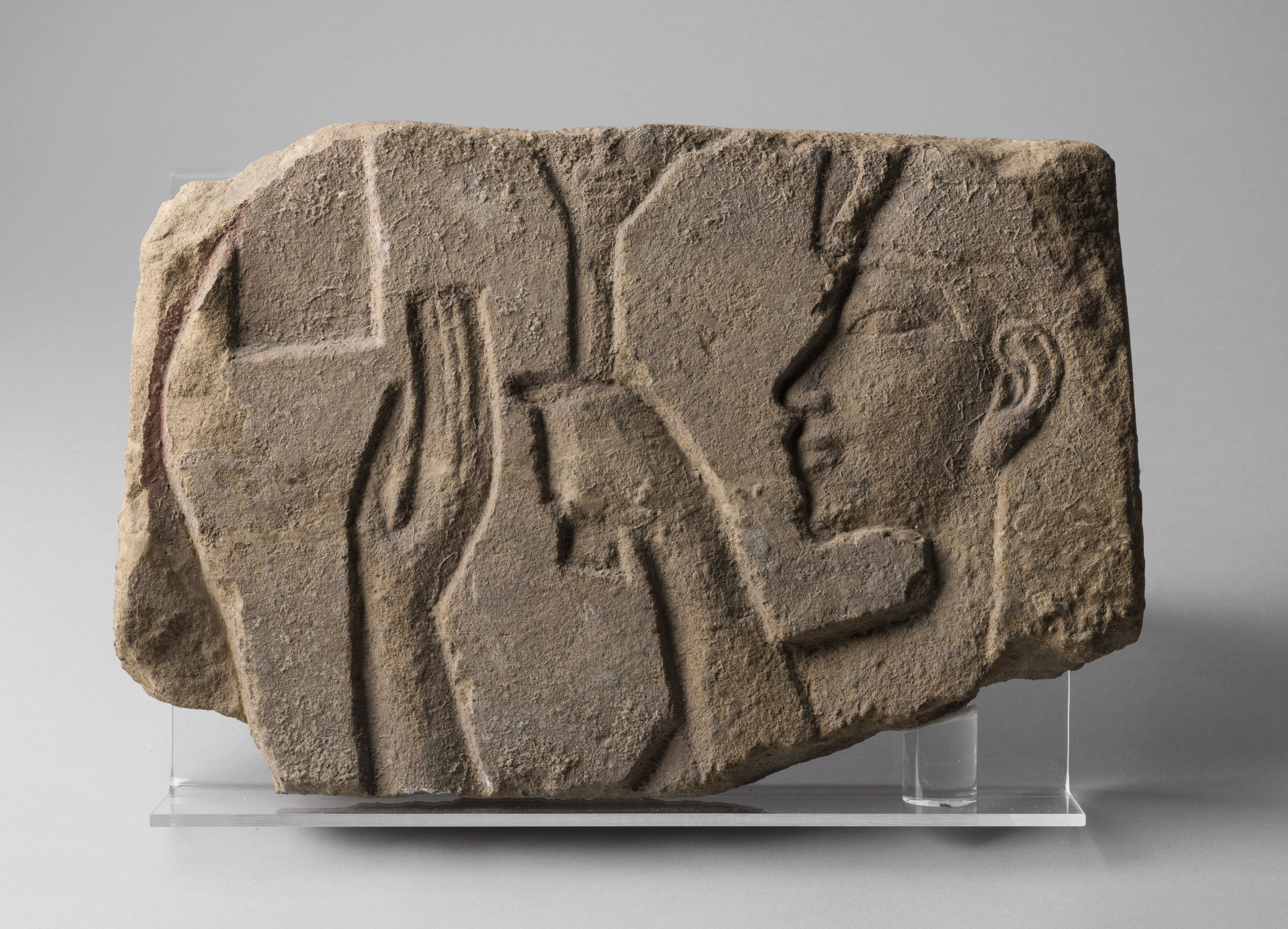
Talatat showing a queen, probably Nefertiti, shaking a sistrum, and the back of a figure of king Akhenaten
Museo Egizio
#Suppl_18053
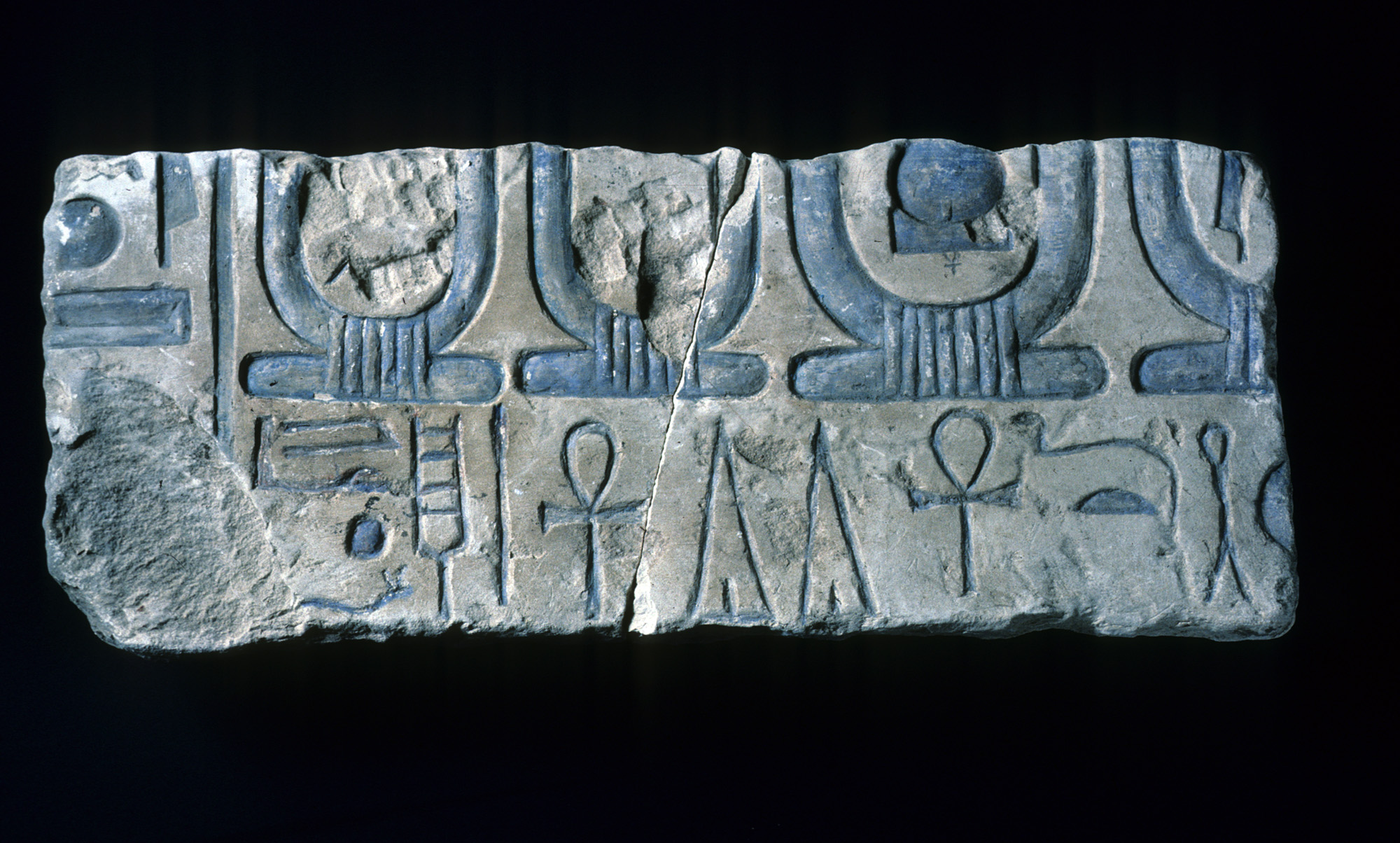
Relief with cartouches of Aten
The Metropolitan Museum of Art
#544936
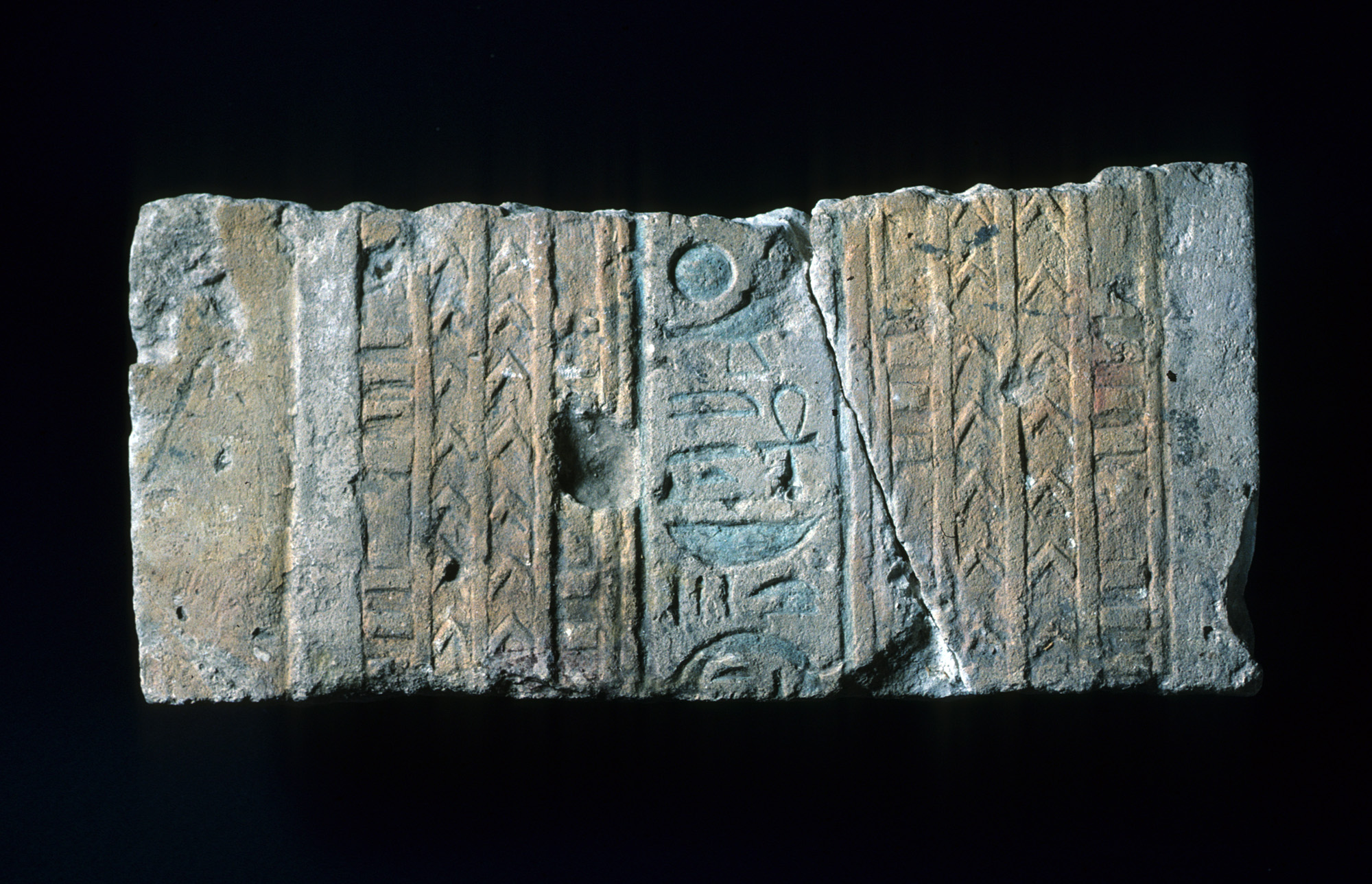
Relief with titles of Akhenaten
The Metropolitan Museum of Art
#544985
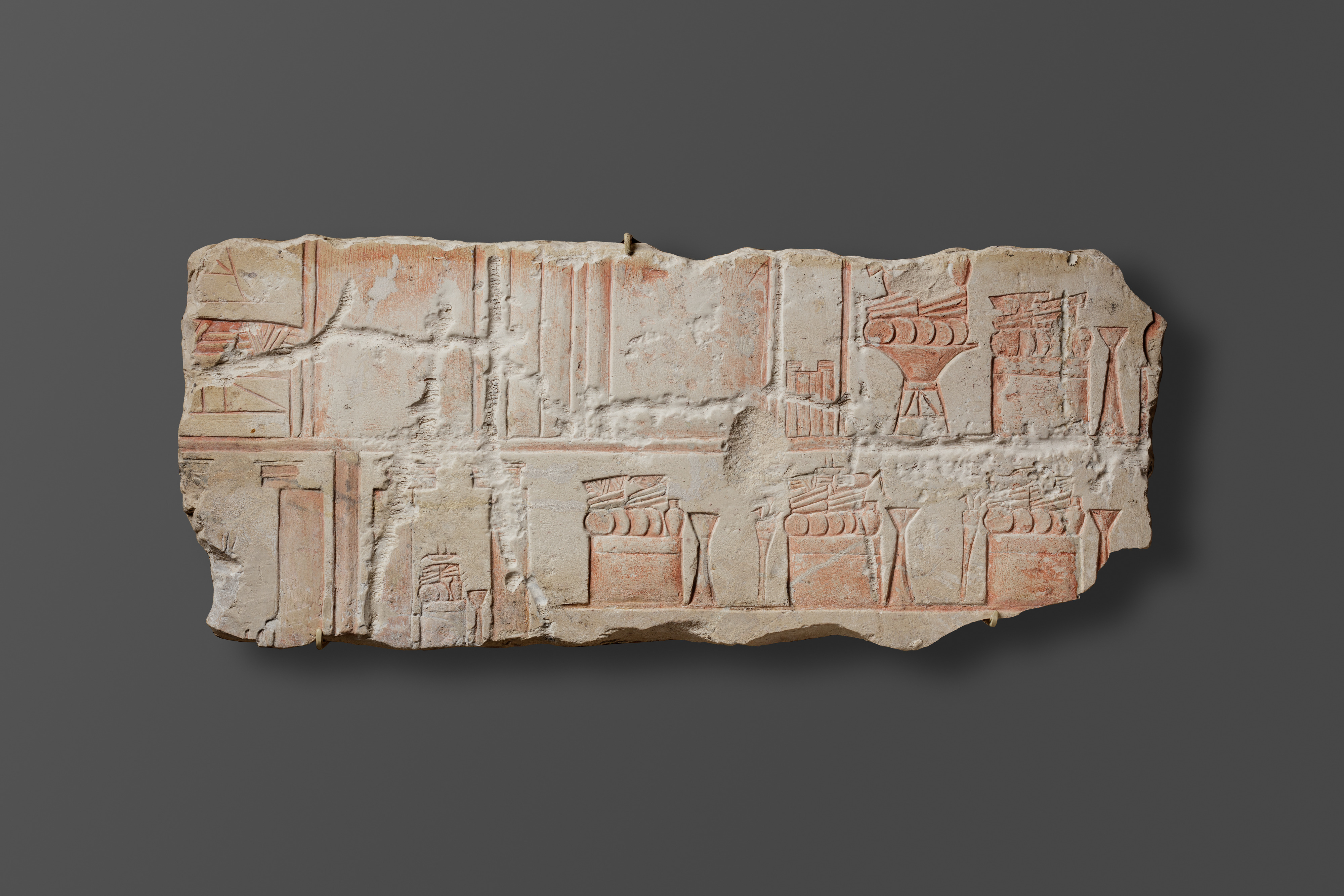
Relief with temple altars and architecture
The Metropolitan Museum of Art
#545012

Talatat with Nefertiti and a princess
Museo Egizio
#Suppl_18137