Cleveland Museum of Art
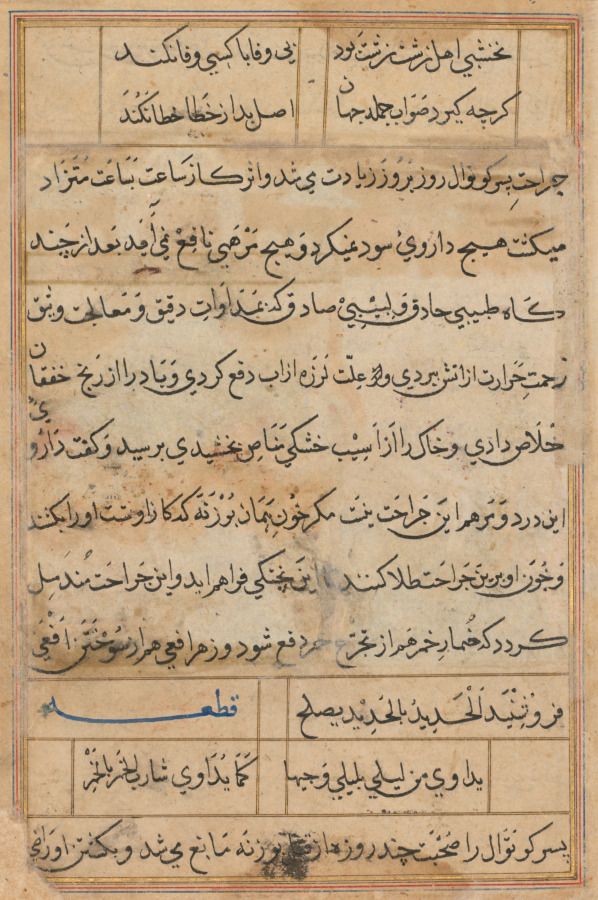
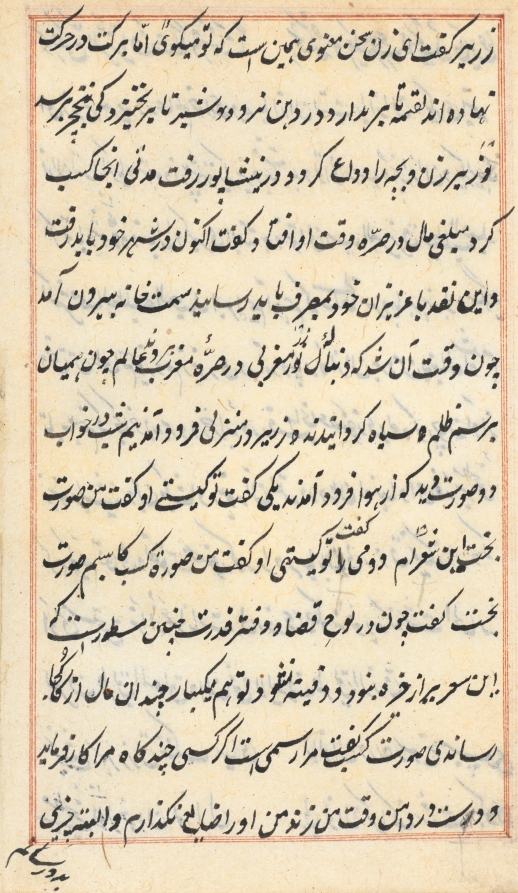
Page from Tales of a Parrot (Tuti-nama): text page
- Date
- c. 1560
- Medium
- gum tempera, ink, and gold on paper
- Culture
- Mughal India, court of Akbar (reigned 1556–1605)
- Department
- Indian and Southeast Asian Art
- Institution
- Cleveland Museum of Art
- Object ID
- 137844
From the Cleveland Museum of Art record
The book of the Tuti-nama from which this page comes consists of 341 folios, or 682 pages. The 52 tales told by the parrot Tuti to his mistress Khujasta and the overarching frame story about Khujasta herself are all written in Persian. Here the form of the script is called naskh and is read from right to left. The word in blue means “cut,” which indicates that the prose narrative will cut to a poetic verse. The Tuti-nama was written in 1329–30 by a Persian-speaking Sufi scholar and author from Central Asia. He based it on an earlier Persian work that recast a collection of Sanskrit fables from ancient India and other Persian tales. The blending of cultures and ethnicities long pre-dated the Mughals in India.
The authoritative record is held by Cleveland Museum of Art. LinkedCulture surfaces this object and its connections; it does not alter institutional metadata.
Get printable QR codesHide QR codes
Open QR codes for this object page and the museum record. They stay collapsed until needed.
Provenance & credit
As published by the source institution. Coverage varies — not every institution's open-data feed includes ownership history.
- Credit line
- Gift of Mrs. A. Dean Perry
- Provenance
- ?–1959: Estate of Breckinridge Long [1881–1958], Bowie, MD | 1959–1962?: (Harry Burke Antiques, Philadelphia, PA) | 1959?–1962: (Bernard Brown Agency, Milwaukee, WI, sold to the Cleveland Museum of Art. Purchased with funds from Mrs. A. Dean [Helen Wade Greene] Perry) | 1962–: The Cleveland Museum of Art, Cleveland, OH
Related across collections
Semantically similar works from Cleveland Museum of Art and other institutions.
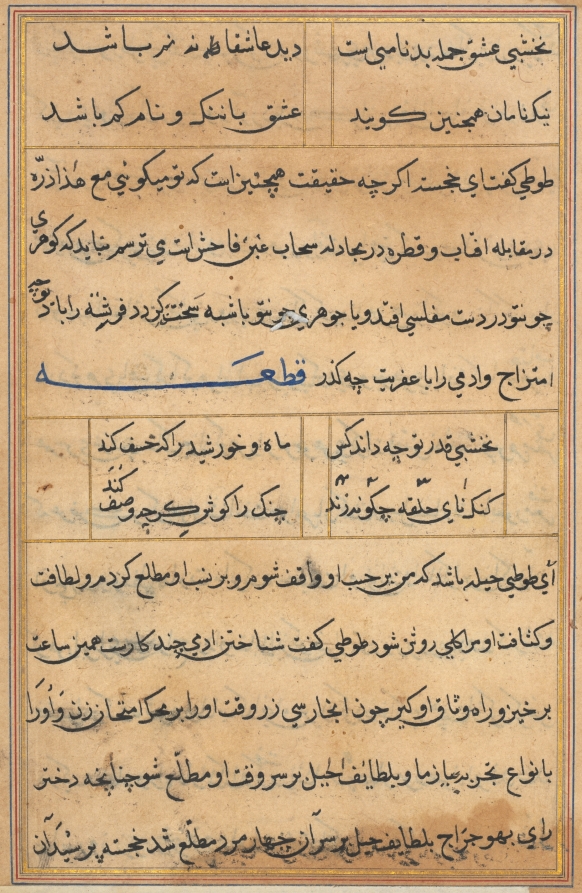
Page from Tales of a Parrot (Tuti-nama): text page
Cleveland Museum of Art
#138006
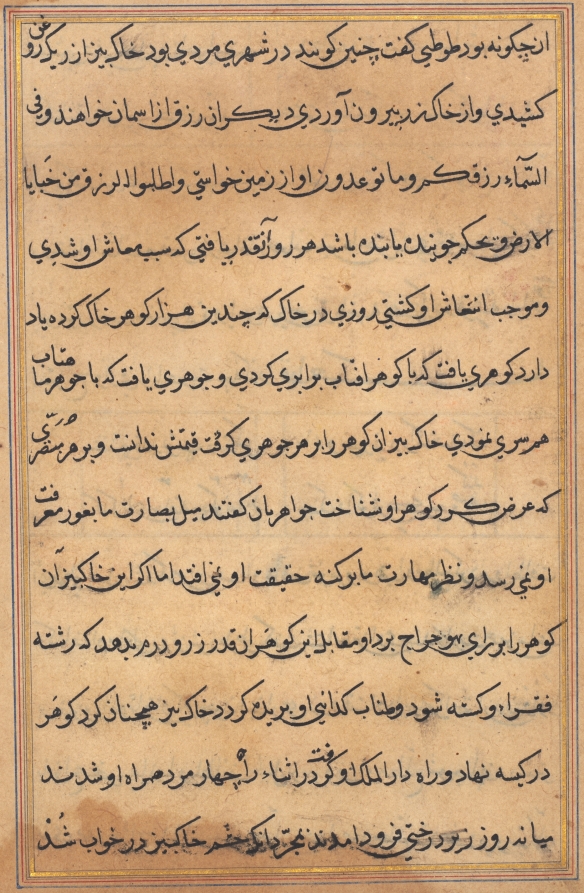
Page from Tales of a Parrot (Tuti-nama): text page
Cleveland Museum of Art
#138007
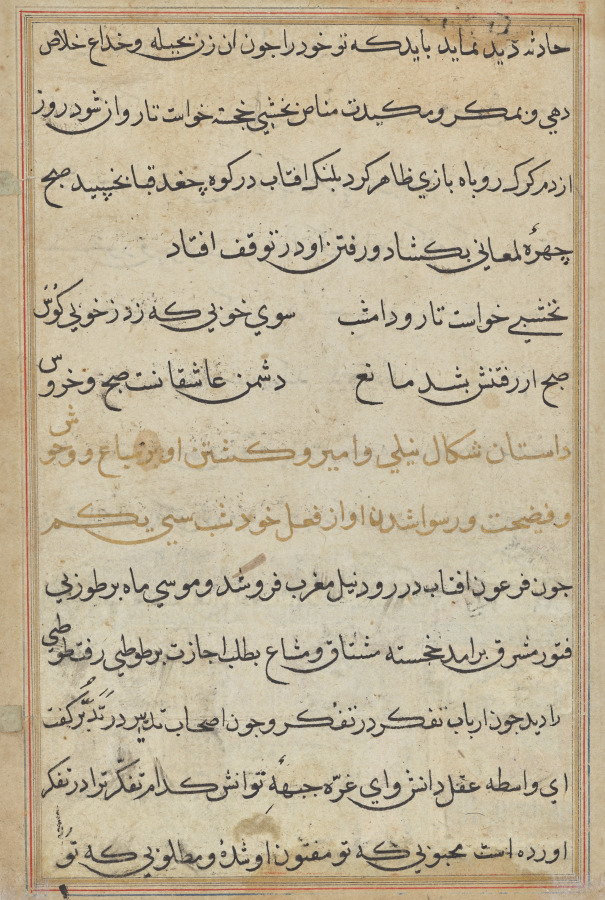
Page from Tales of a Parrot (Tuti-nama): text page
Cleveland Museum of Art
#137582
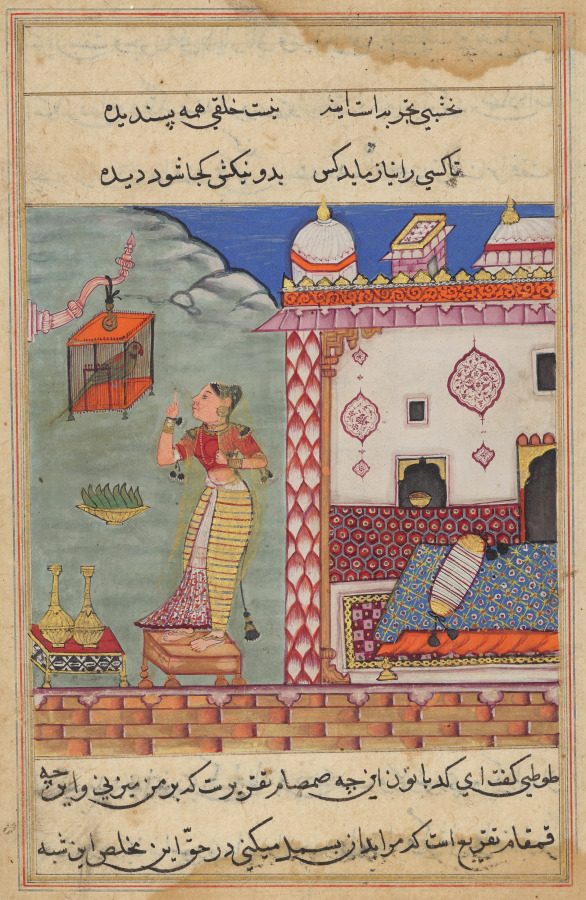
The Parrot Addresses Khujasta at the Beginning of the Twenty-seventh Night, form a Tuti-nama (Tales of a Parrot)
Cleveland Museum of Art
#137542
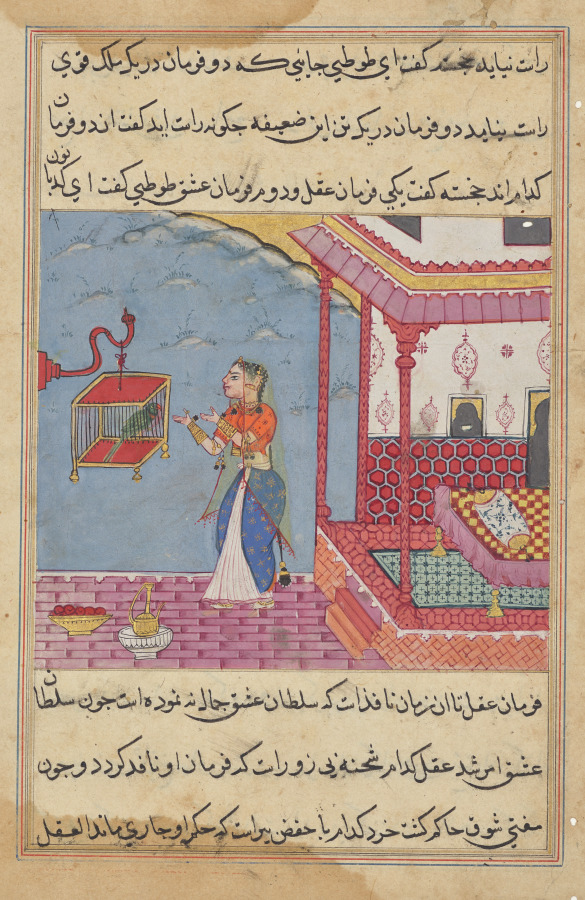
The Parrot Addresses Khujasta at the Beginning of the Twenty-Fourth Night, from a Tuti-nama (Tales of a Parrot)
Cleveland Museum of Art
#137501
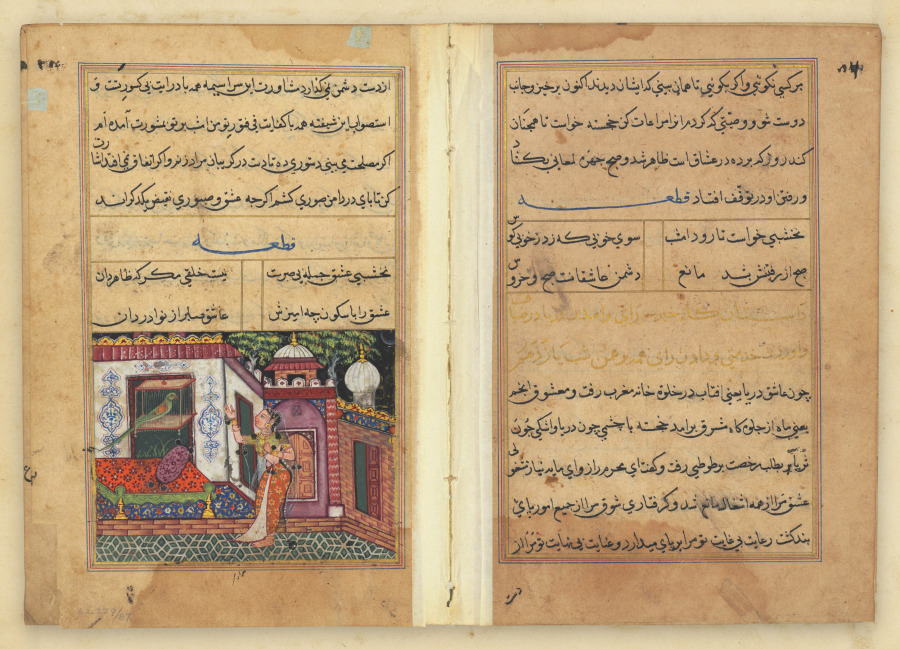
Tuti-Nama (Tales of a Parrot)
Cleveland Museum of Art
#137357
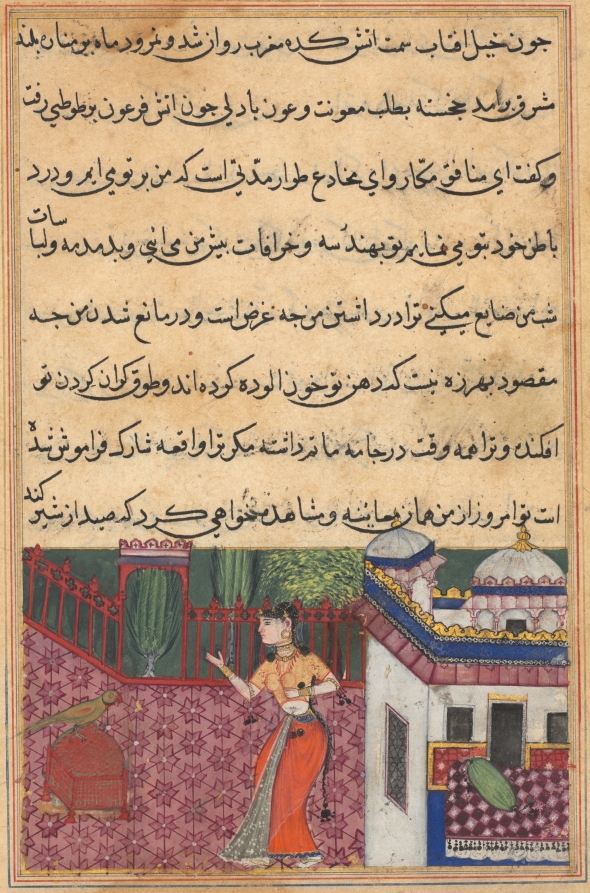
The parrot addresses Khujasta at the beginning of the thirty-third night, from a Tuti-nama (Tales of a Parrot)
Cleveland Museum of Art
#137609
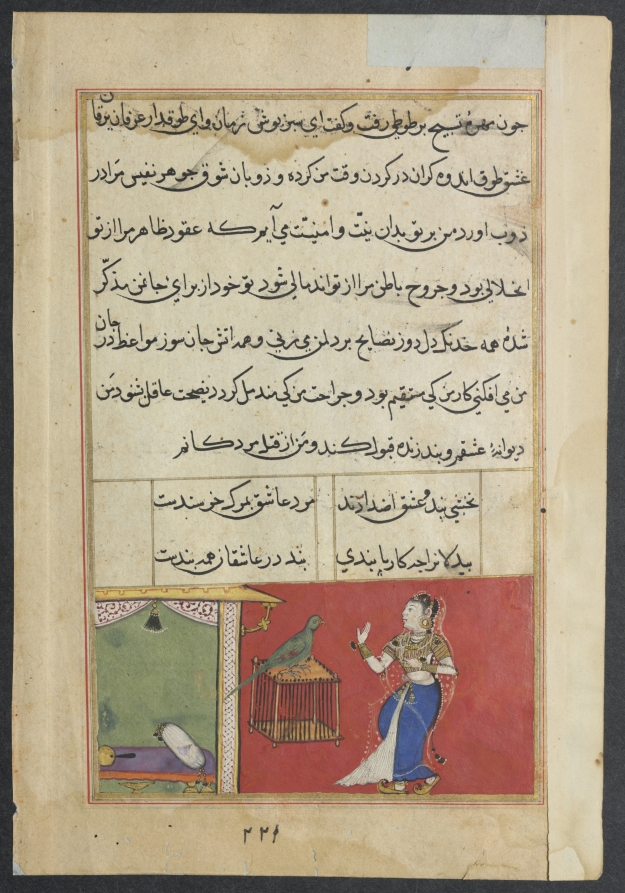
The parrot addresses Khujasta at the beginning of the forty-seventh night, from a Tuti-nama (Tales of a Parrot): Forty-seventh Night
Cleveland Museum of Art
#137785
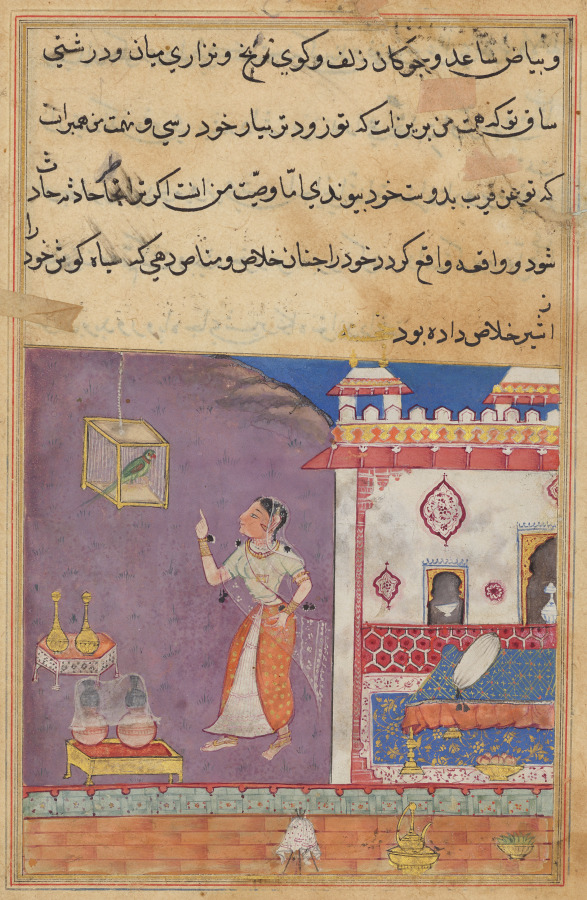
The Parrot Addresses Khujasta at the Beginning of the Twenty-ninth Night, from a Tuti-nama (Tales of a Parrot)
Cleveland Museum of Art
#137556
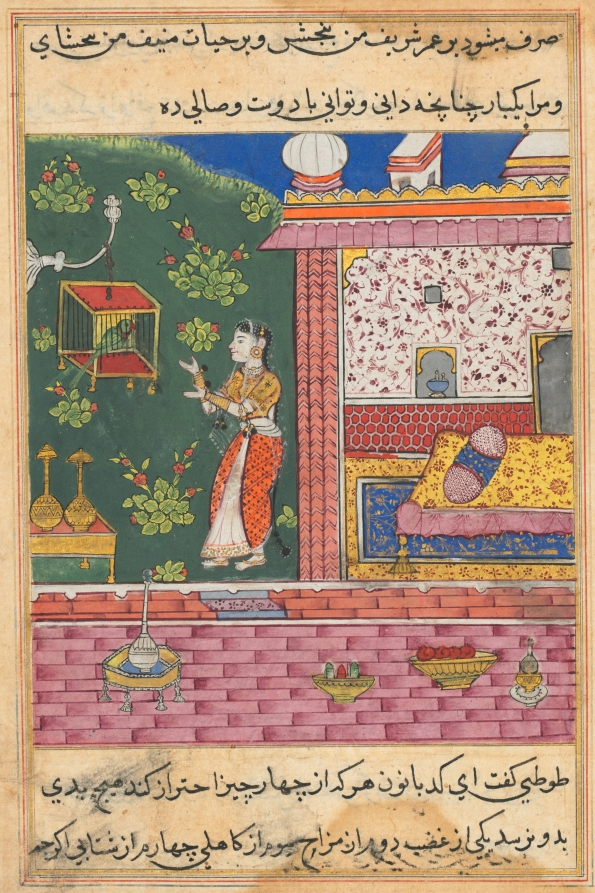
The Parrot Addresses Khujasta at the Beginning of the Thirtieth Night, from a Tuti-nama (Tales of a Parrot)
Cleveland Museum of Art
#137568
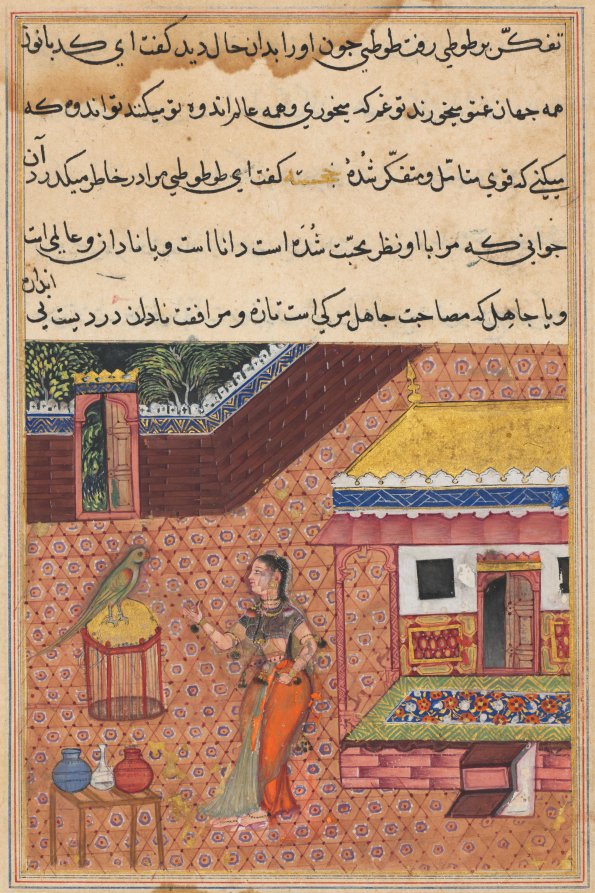
The parrot addresses Khujasta at the beginning of the thirty-fourth night, from a Tuti-nama (Tales of a Parrot)
Cleveland Museum of Art
#137623
Page from Tales of a Parrot (Tuti-nama): text page
Cleveland Museum of Art
#137547