Cleveland Museum of Art
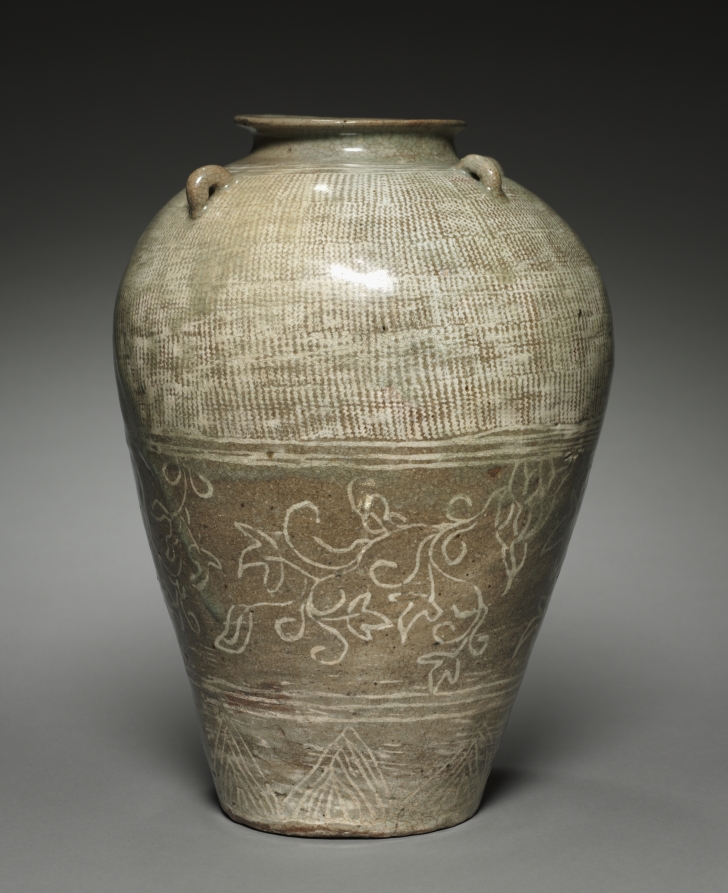
Jar with Scroll Design
- Date
- 1400s
- Medium
- Buncheong ware with incised, stamped, and slip-inlaid decoration
- Culture
- Korea, Joseon dynasty (1392–1910)
- Department
- Korean Art
- Institution
- Cleveland Museum of Art
In premodern Korea, a newborn baby’s umbilical cord and placenta were believed to be a symbol of the life force of the fetus and thus kept in a specially arranged burial site. This jar was made exclusively for burying a placenta, a custom practiced by aristocratic families in Korea in the belief that it would bring happiness to the child. The tiny ear-like handles located around the jar's shoulder allowing string to pass through were used to keep the lid (now missing) tightly closed.
The authoritative record is held by Cleveland Museum of Art. LinkedCulture surfaces this object and its connections; it does not alter institutional metadata.
Related across collections
Semantically similar works from Cleveland Museum of Art and other institutions.
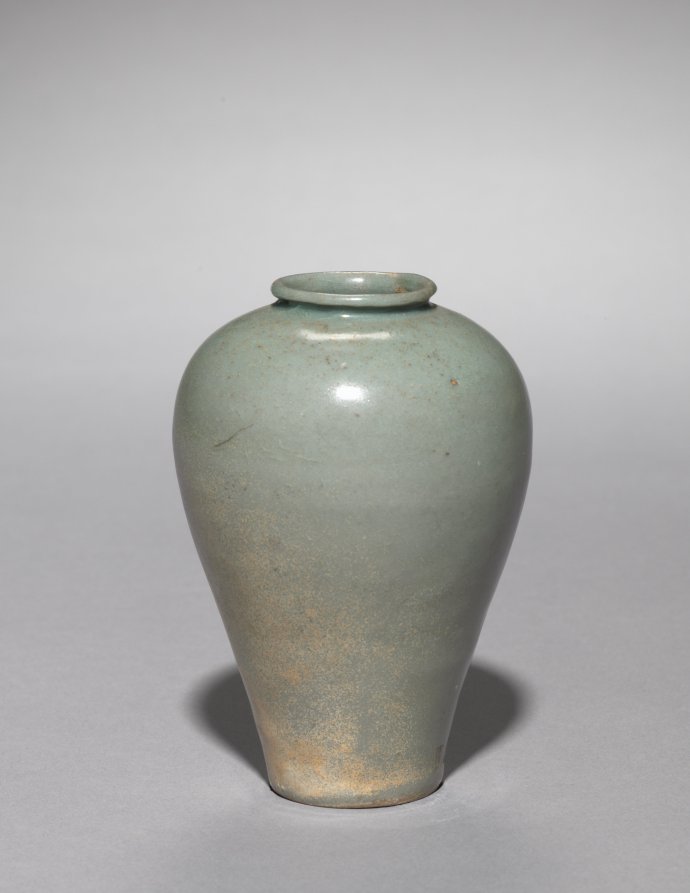
Miniature Jar
Cleveland Museum of Art
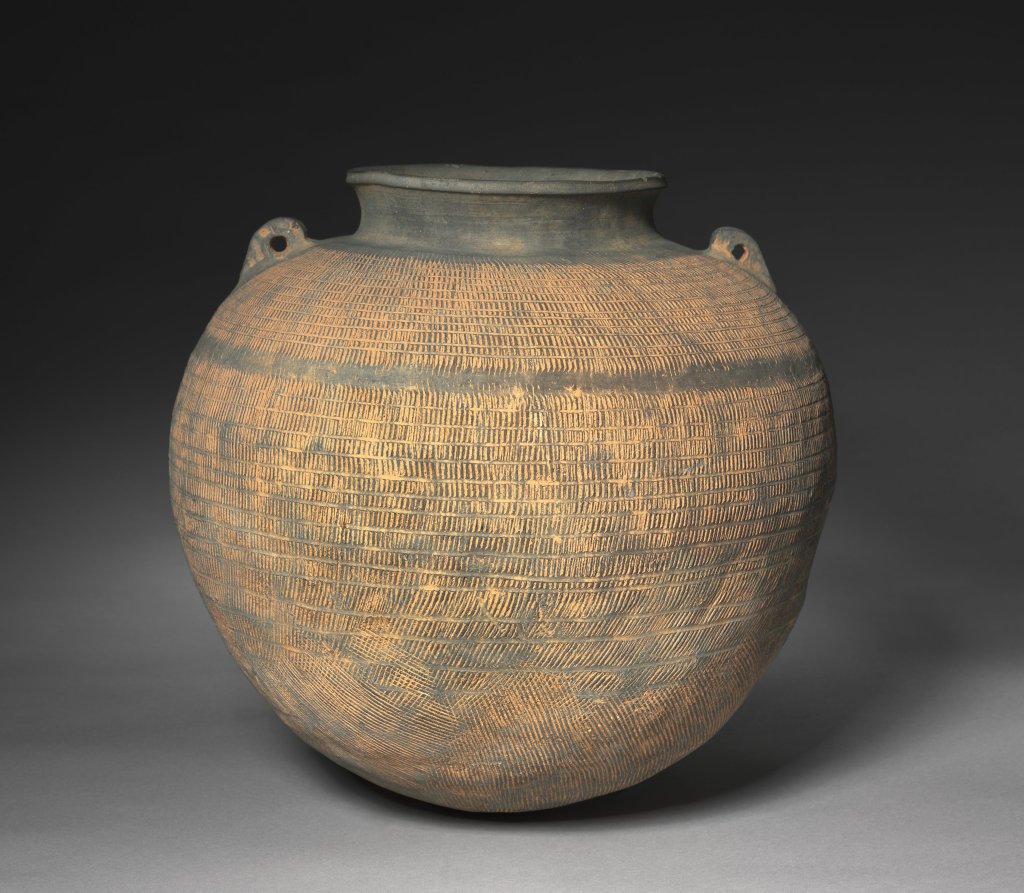
Storage Jar with Loop Handles
Cleveland Museum of Art
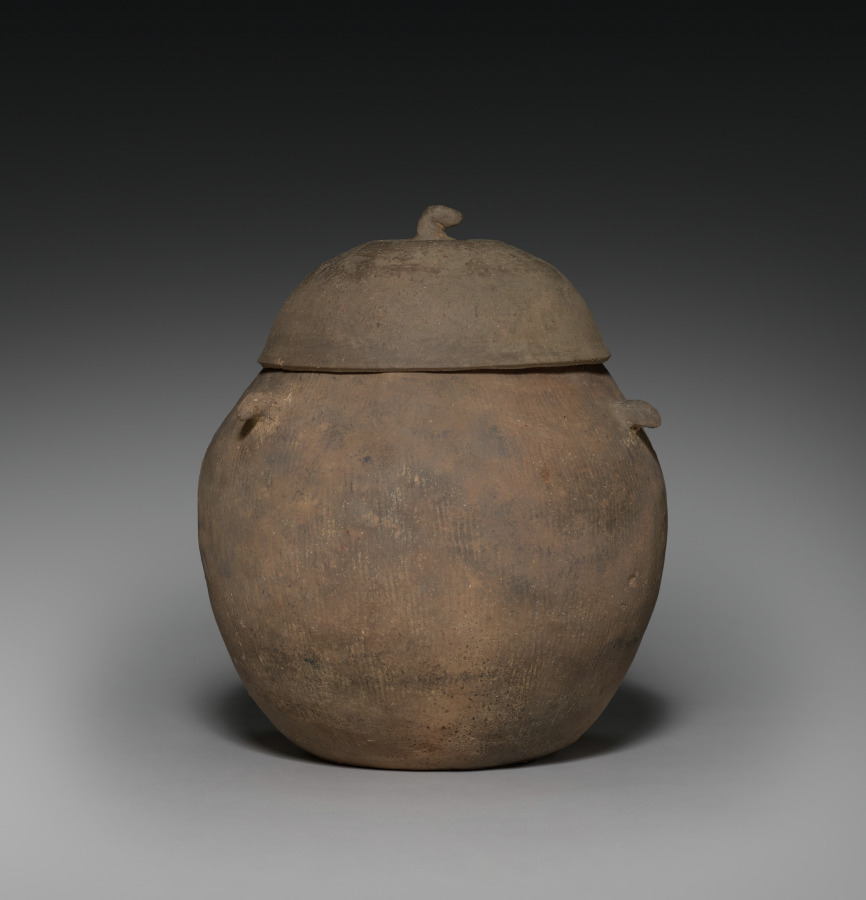
Lidded Jar with Four Horn Lugs
Cleveland Museum of Art
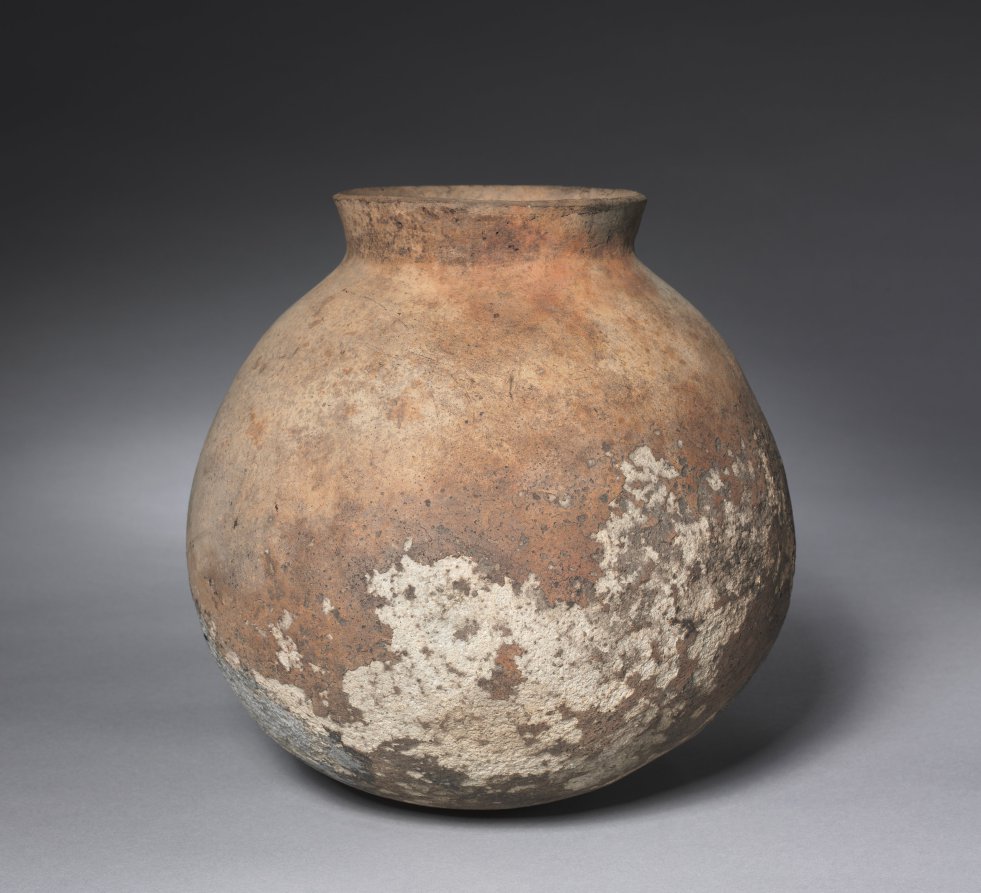
Short-necked Storage Jar
Cleveland Museum of Art

Jar with underglaze cobalt blue and iron-brown designs of fish and leaf scrolls
Minneapolis Institute of Art
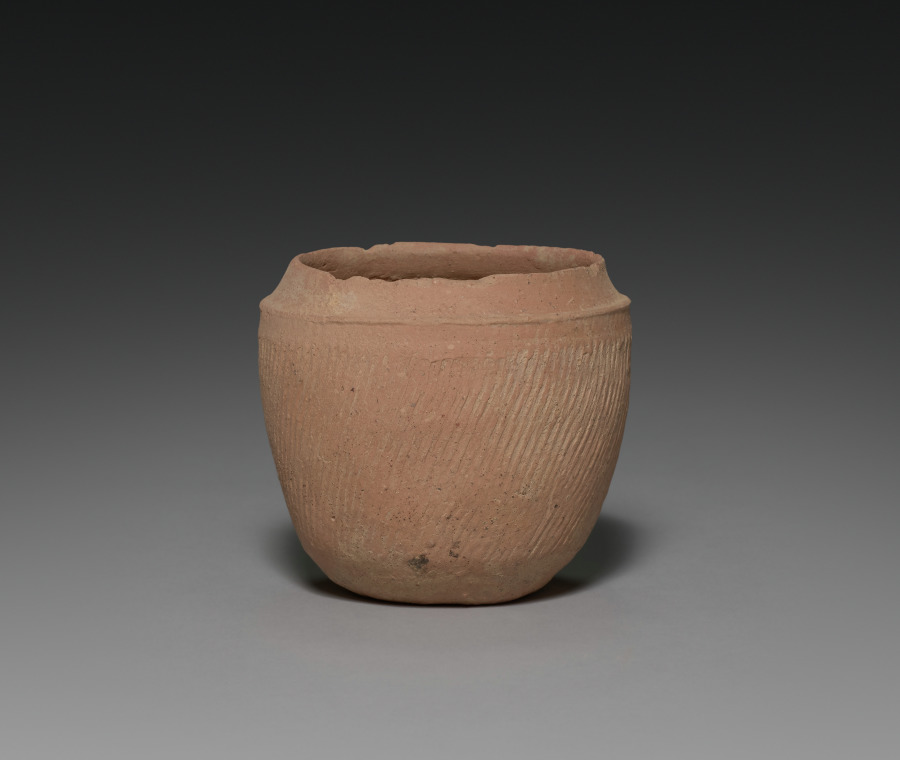
Covered Jar with Horn Handle
Cleveland Museum of Art
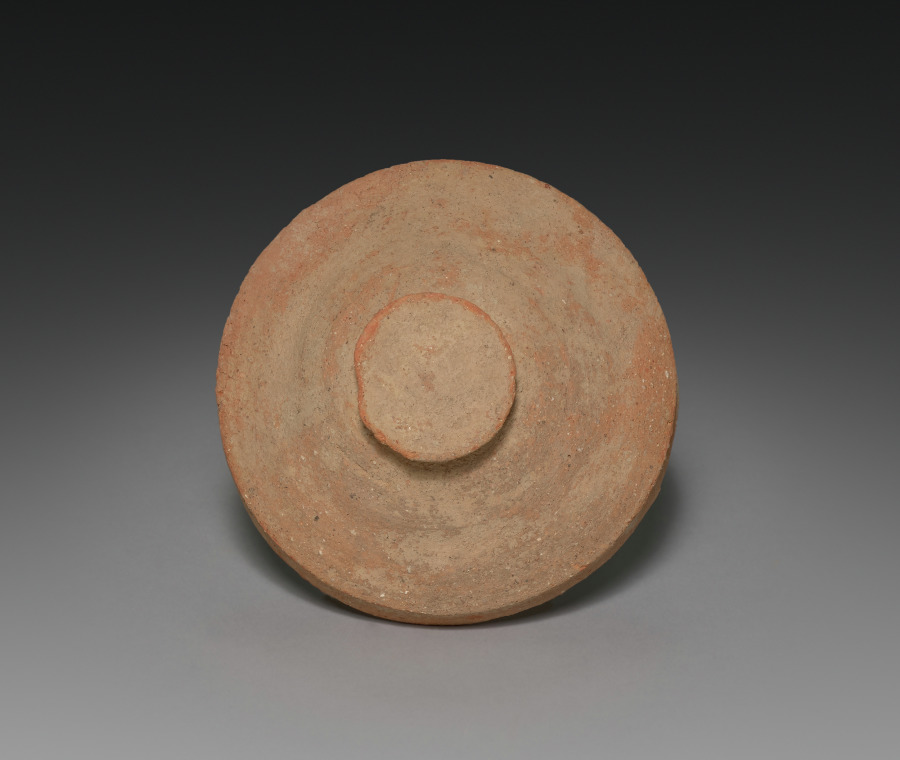
Covered Jar with Horn Handle (lid)
Cleveland Museum of Art
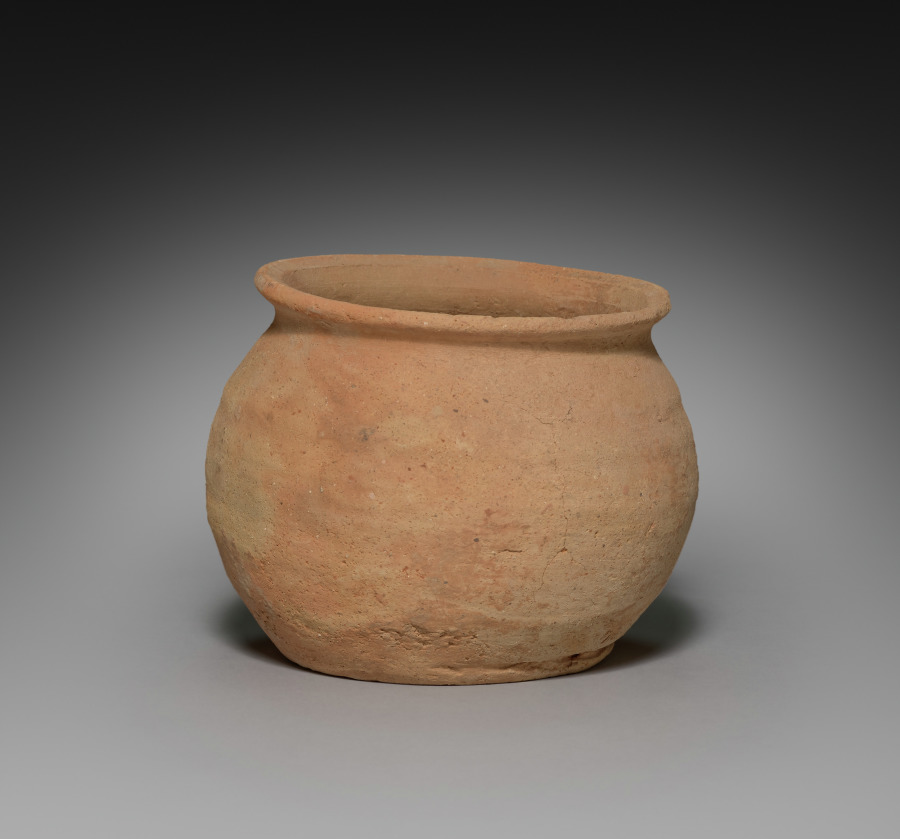
Covered Jar with Horn Handle
Cleveland Museum of Art
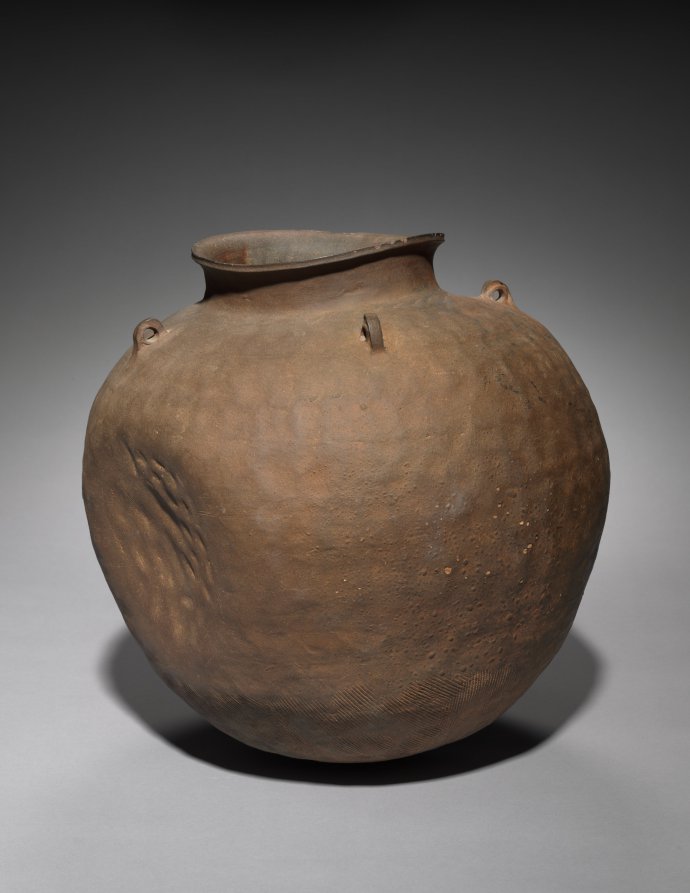
Short-necked Storage Jar
Cleveland Museum of Art
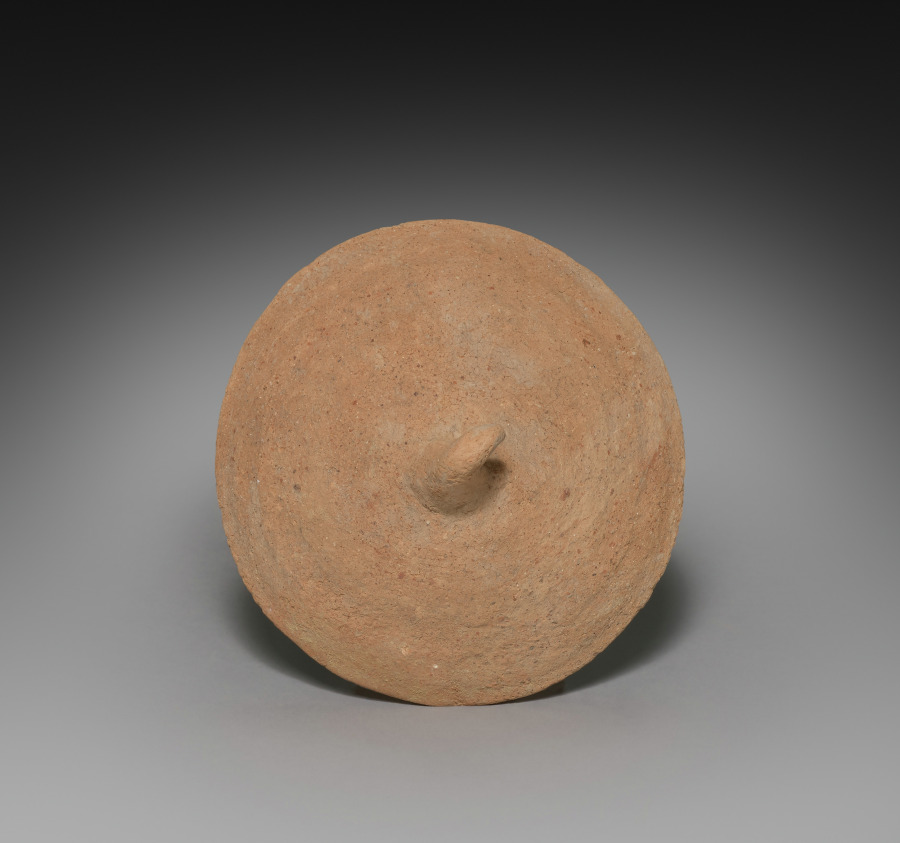
Covered Jar with Horn Handle (lid)
Cleveland Museum of Art
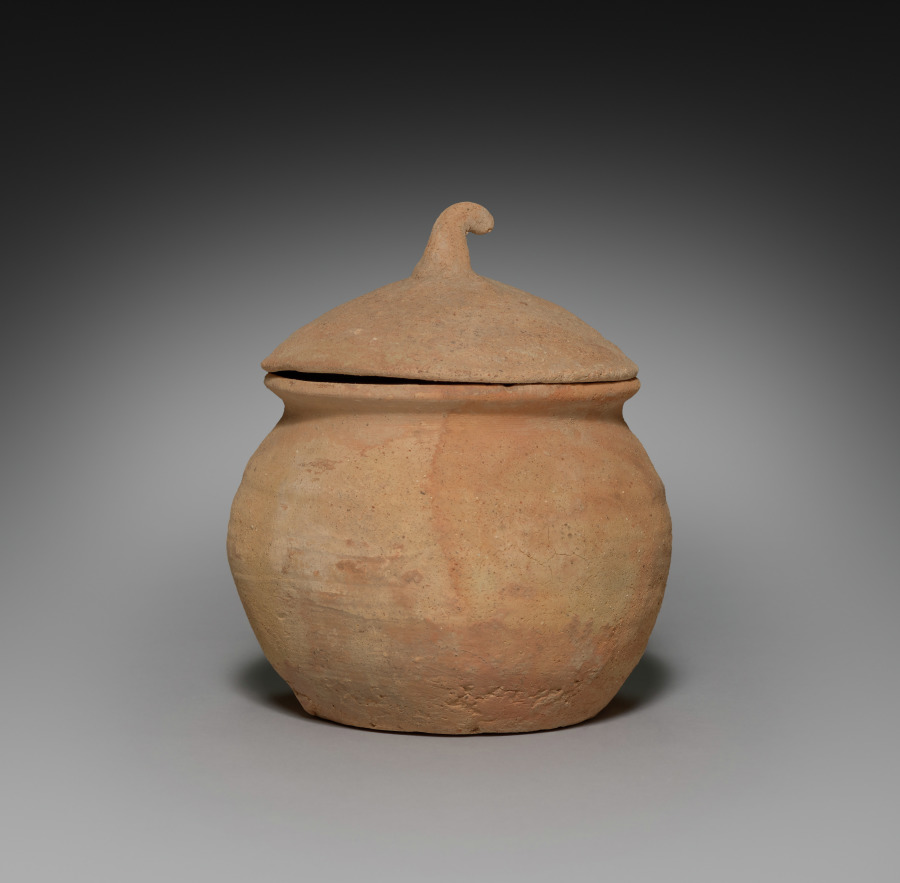
Lidded Jar with Horn Handle
Cleveland Museum of Art
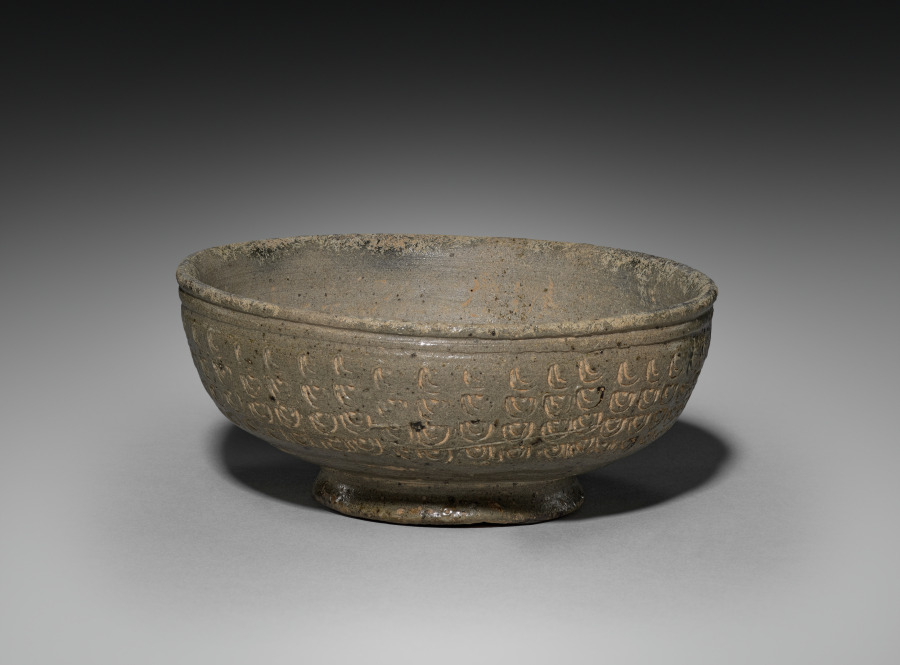
Burial Urn with Stamped Design
Cleveland Museum of Art