Cleveland Museum of Art
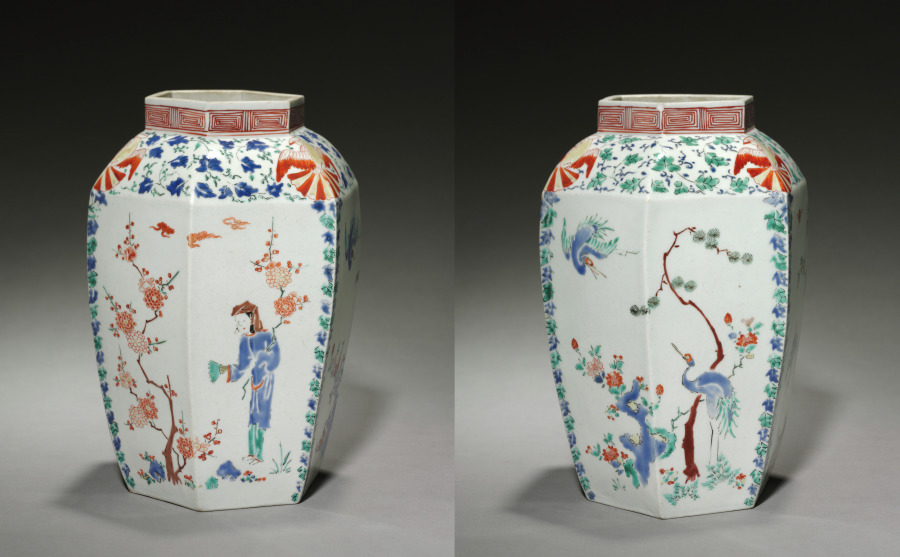
Pair of Hexagonal Jars
- Date
- late 1600s
- Medium
- porcelain with overglaze color enamel and gold decoration (Hizen ware; Kakiemon type)
- Culture
- Japan, Edo period (1615–1868)
- Department
- Japanese Art
- Institution
- Cleveland Museum of Art
This kakiemon-type jar with plum design is a product made for the European markets. Here, Japanese kakiemon potters transformed the typical plum, bamboo, and pine motifs into a theme appreciating the plum. The 9th-century Japanese scholar and politician Sugawara Michizane established the plum as a symbol of scholarship. An excellent poet, particularly of Chinese-style poetry, he was also well known for his love of plum blossoms. Later, the plum came to represent tenmangu, a shrine for Sugawara.
The authoritative record is held by Cleveland Museum of Art. LinkedCulture surfaces this object and its connections; it does not alter institutional metadata.
Related across collections
Semantically similar works from Cleveland Museum of Art and other institutions.

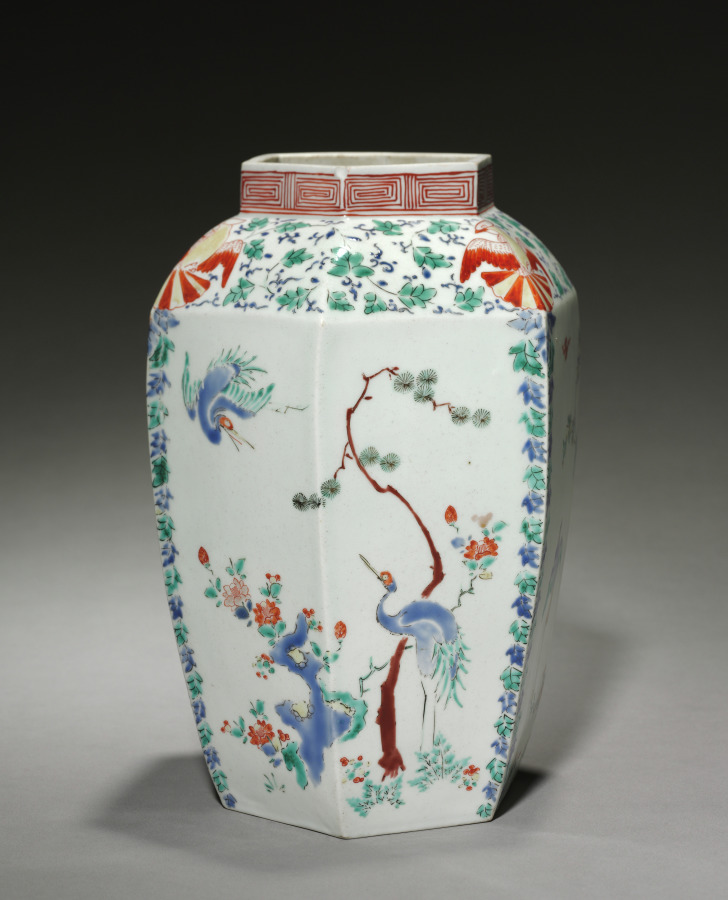
Hexagonal Jar
Cleveland Museum of Art
Hexagonal Jar
Cleveland Museum of Art
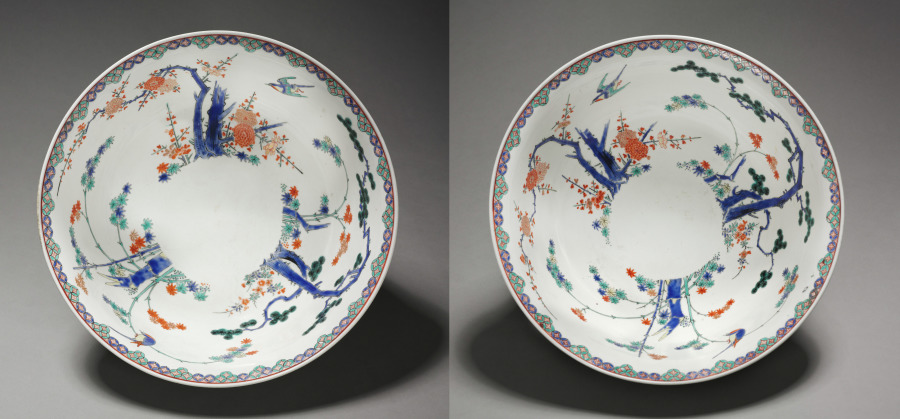
Pair of Bowls: Kakiemon Ware
Cleveland Museum of Art
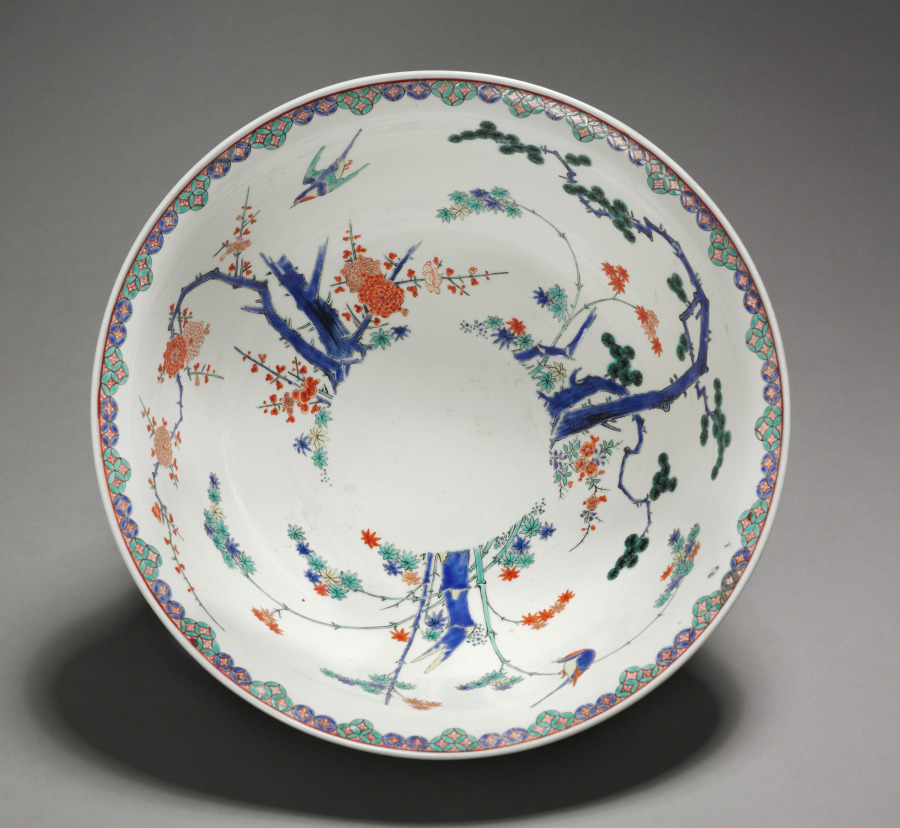
Bowl: Kakiemon Ware (2 of 2)
Cleveland Museum of Art
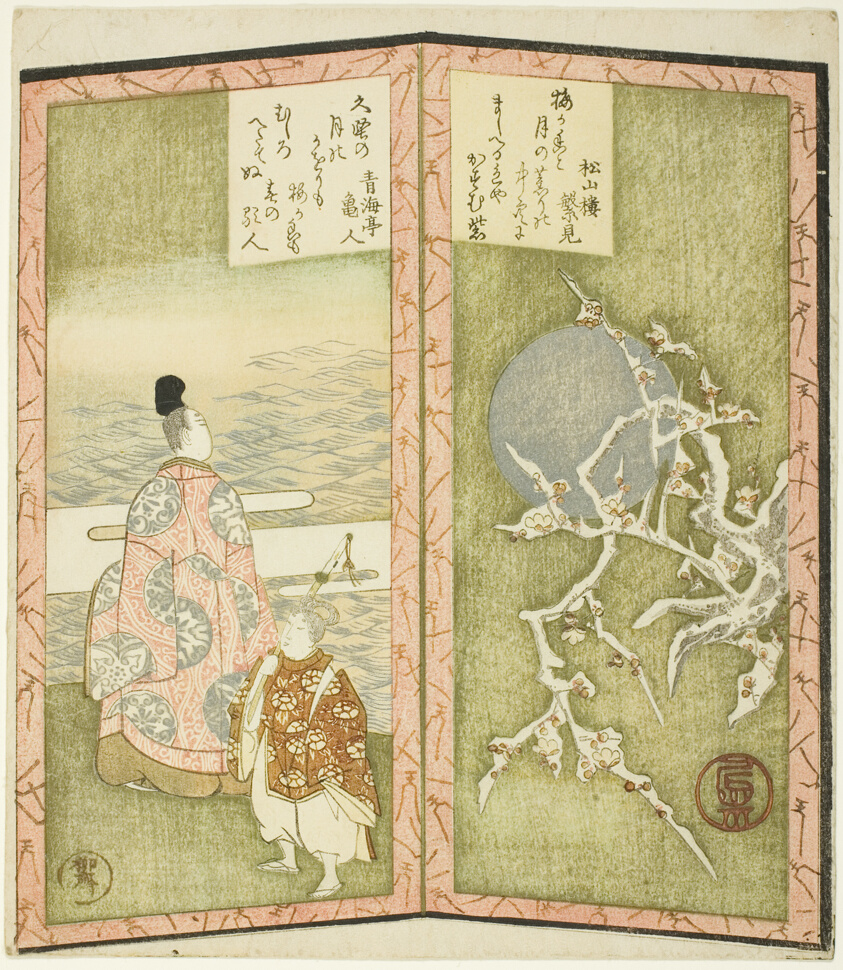
Plum blossoms and poet, from an untitled hexaptych depicting a pair of folding screens
Art Institute of Chicago
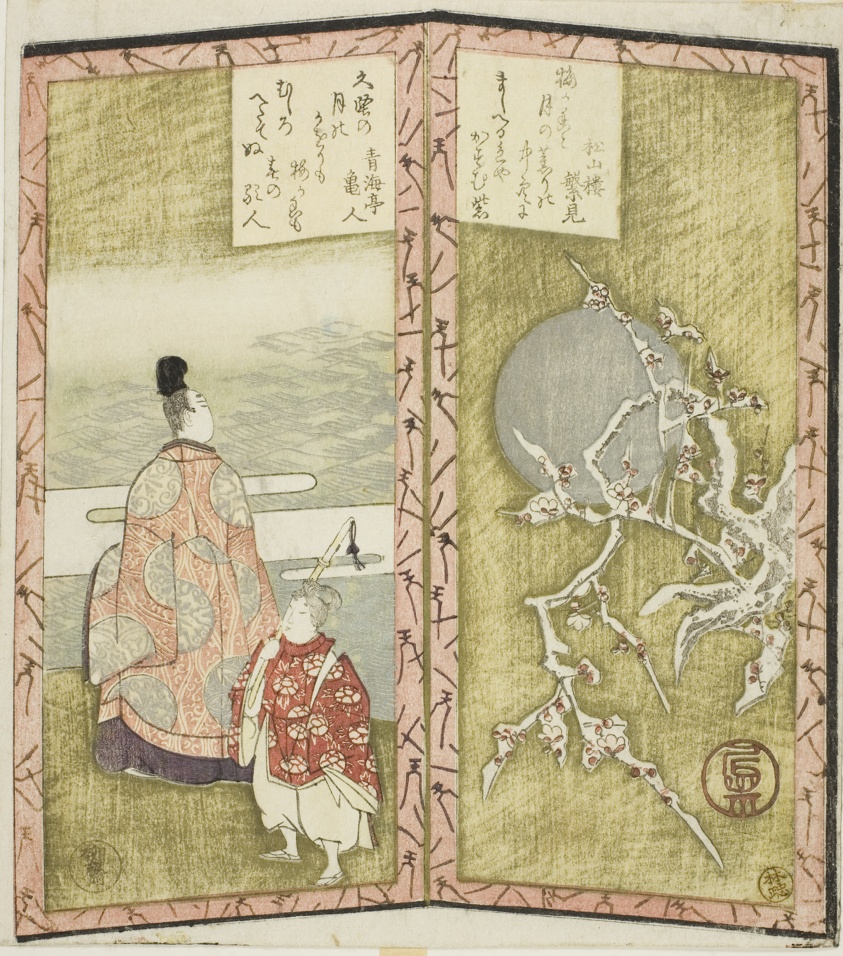
Plum blossoms and poet, from an untitled hexaptych depicting a pair of folding screens
Art Institute of Chicago
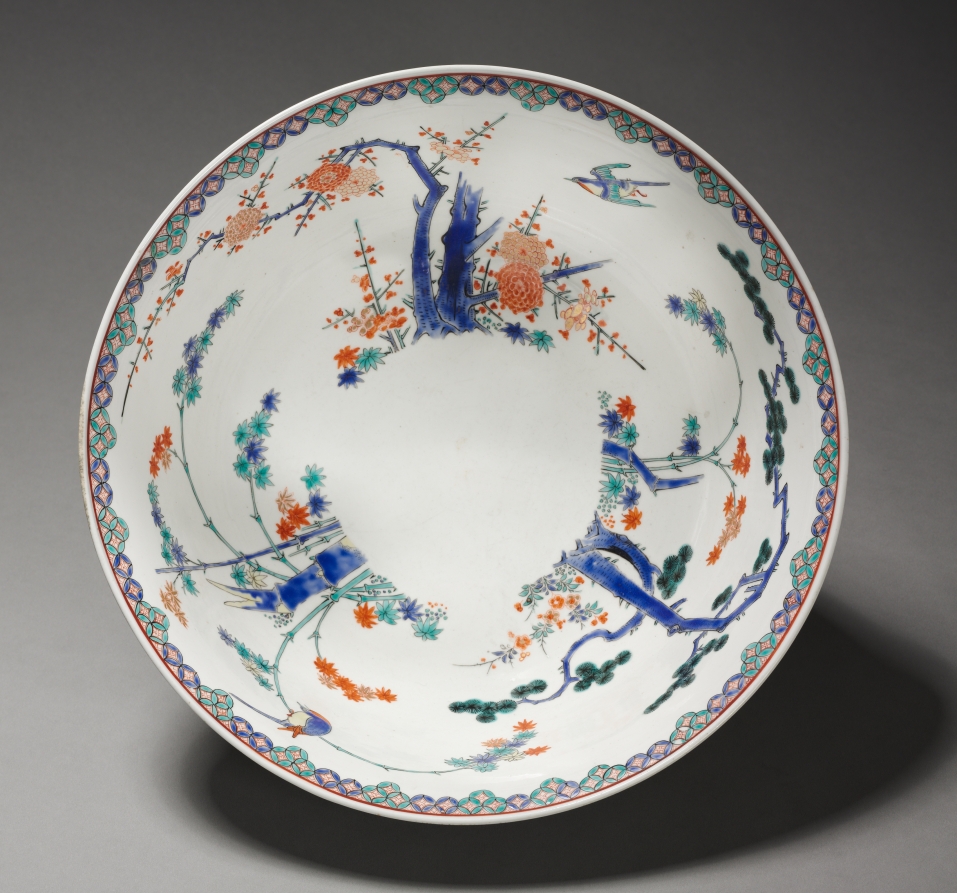
Bowl: Kakiemon Ware (1 of 2)
Cleveland Museum of Art
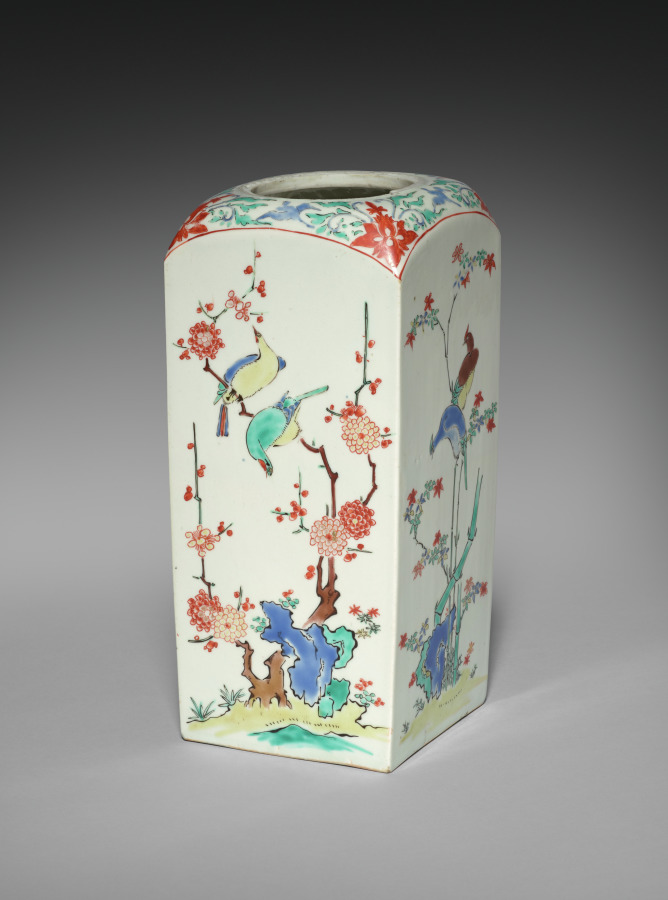
Square Jar with Birds and Flowers
Cleveland Museum of Art
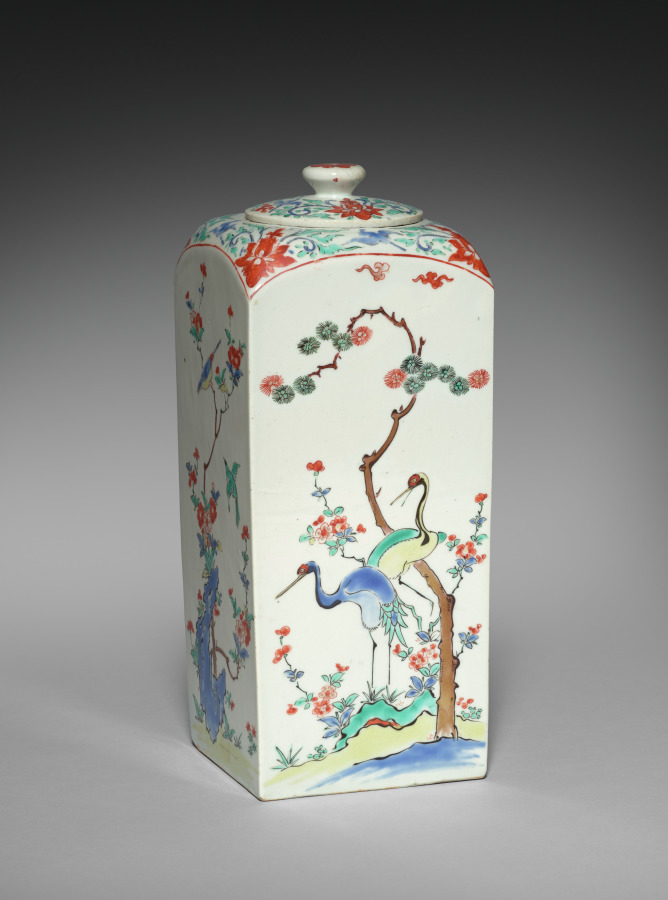
Square Jar with Birds and Flowers
Cleveland Museum of Art
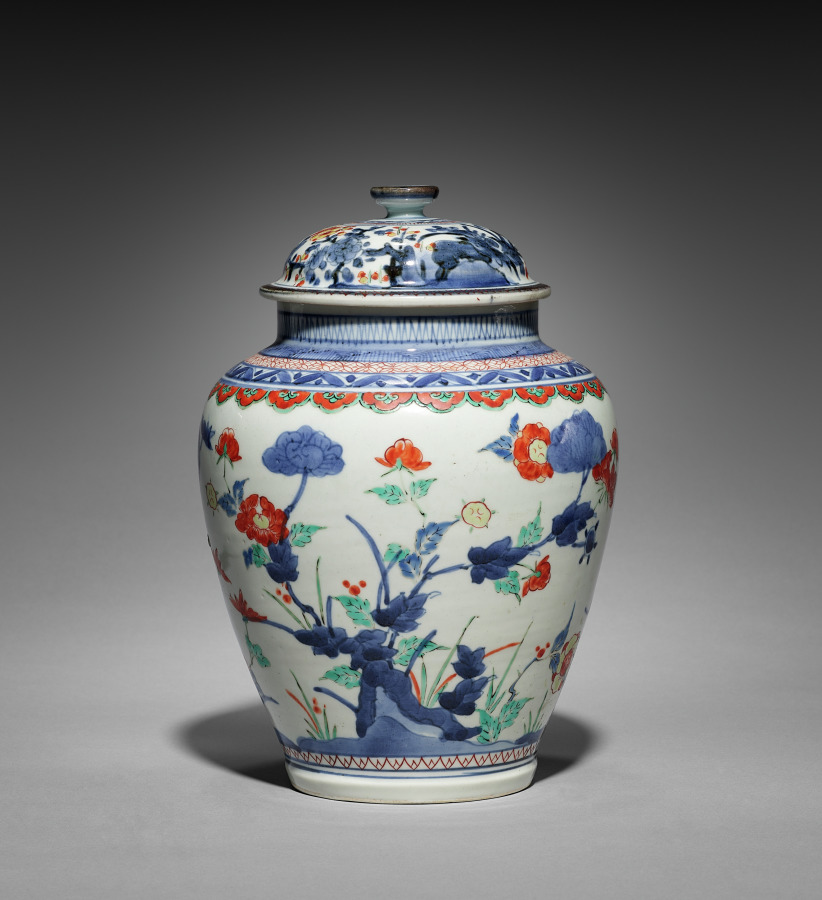
Covered Jar with Chrysanthemums, Peonies, and Plum
Cleveland Museum of Art
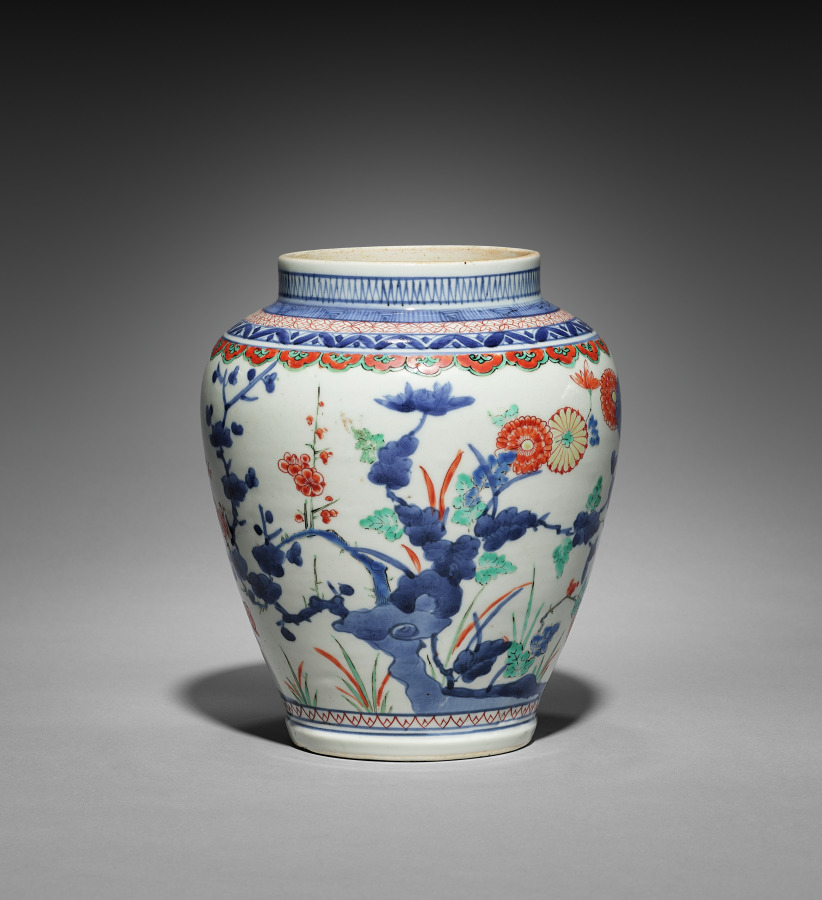
Covered Jar with Chrysanthemums, Peonies, and Plum
Cleveland Museum of Art
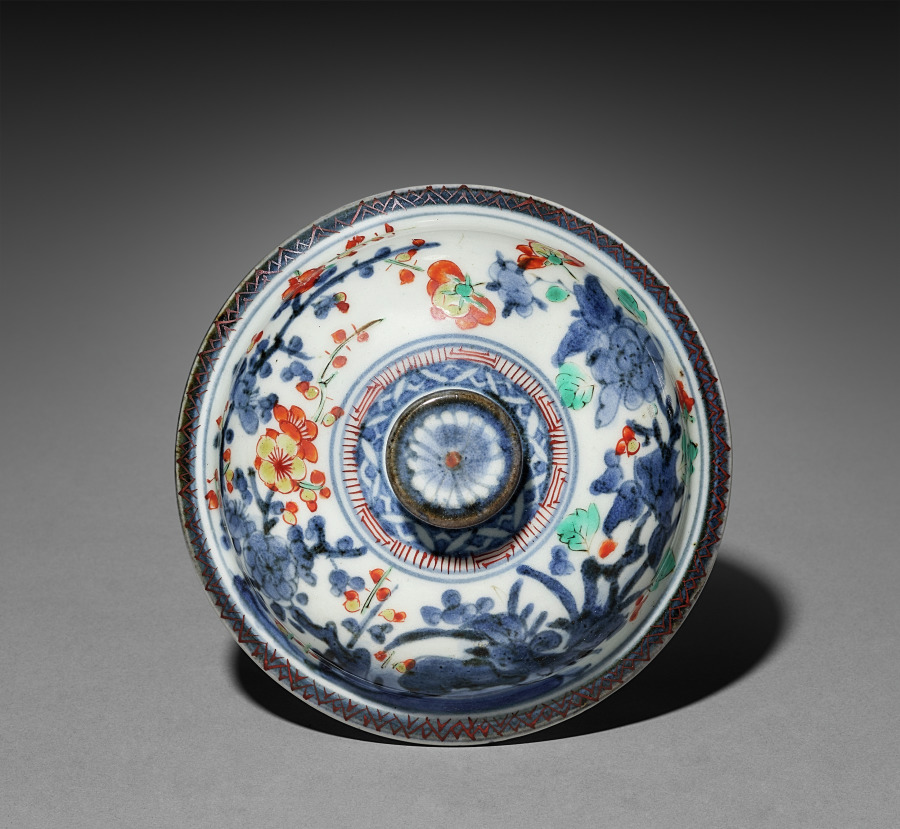
Covered Jar with Chrysanthemums, Peonies, and Plum (lid)
Cleveland Museum of Art