Cleveland Museum of Art
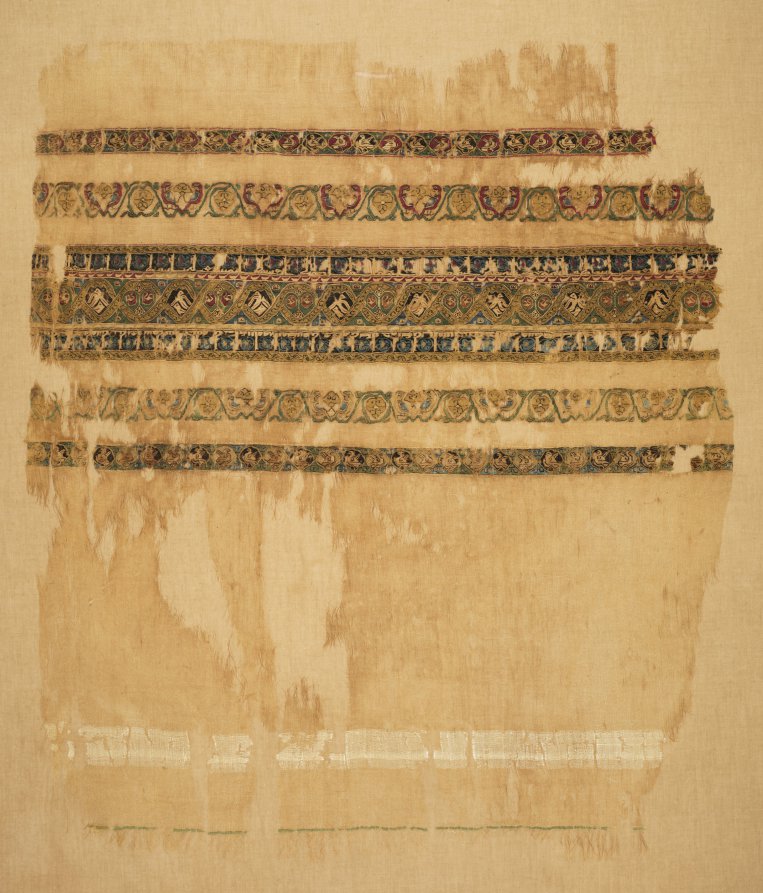
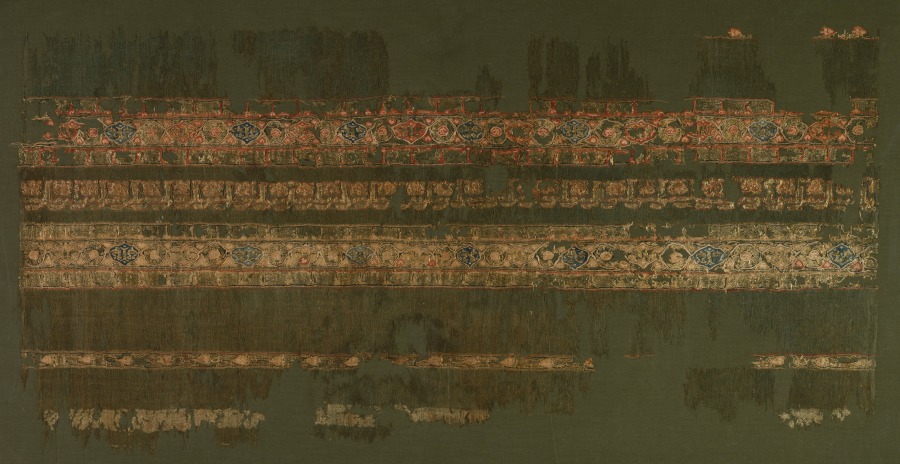
Turban or shawl end with tiraz and gold
- Date
- 1094
- Medium
- plain weave with inwoven tapestry weave: linen, silk, and gold filé
- Culture
- Egypt, Fatimid period, reign of al-Musta‘lī
- Department
- Textiles
- Institution
- Cleveland Museum of Art
Woven with consummate skill, this very fine linen fabric enriched with silk and gold thread displays small birds amid interlacing bands flanked by Arabic inscriptions. It represents the final artistic and technical height of imperial textiles called tiraz , a Persian word meaning embroidery or decorative work. Here, tiraz refers to textiles with Arabic inscriptions; it can also identify court workshops and their production. The historical Arabic inscription, written in angular Kufic script with decorative letter bowls and palmette scrolls between shafts, reads: “proximate victory to the servant of God and his close friend Ma‘add Abū Tamīm, the imam Ahmad [Abū] al-Qāsim al-Musta‘lī bi-Allāh and his so[ns]” (upper line), and “Commander of the believers bin [a] l-Qāsim Shā[han] shah . . . the believers . . . the Muslims[?] and the believers[?]” (lower line).
The authoritative record is held by Cleveland Museum of Art. LinkedCulture surfaces this object and its connections; it does not alter institutional metadata.
Related across collections
Semantically similar works from Cleveland Museum of Art and other institutions.
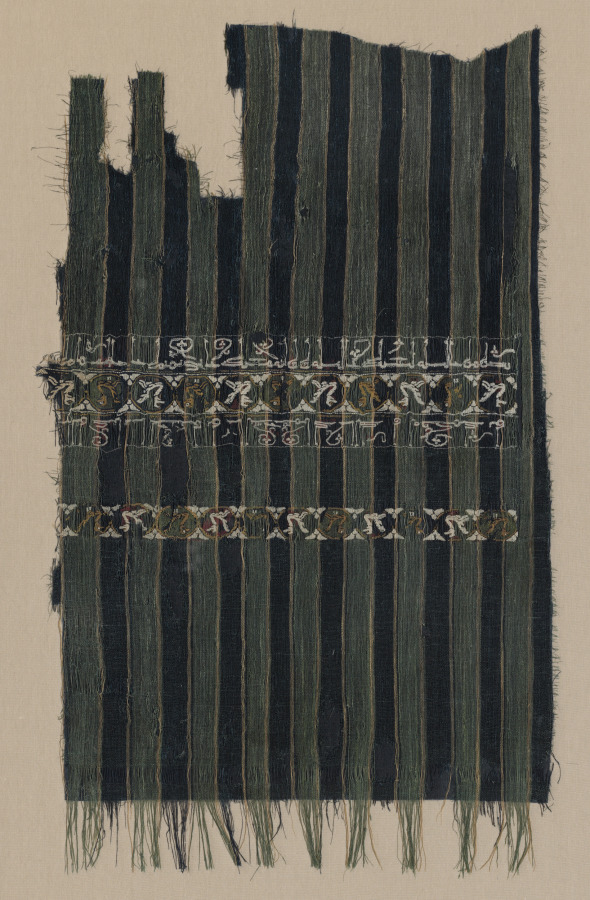
Striped tiraz
Cleveland Museum of Art
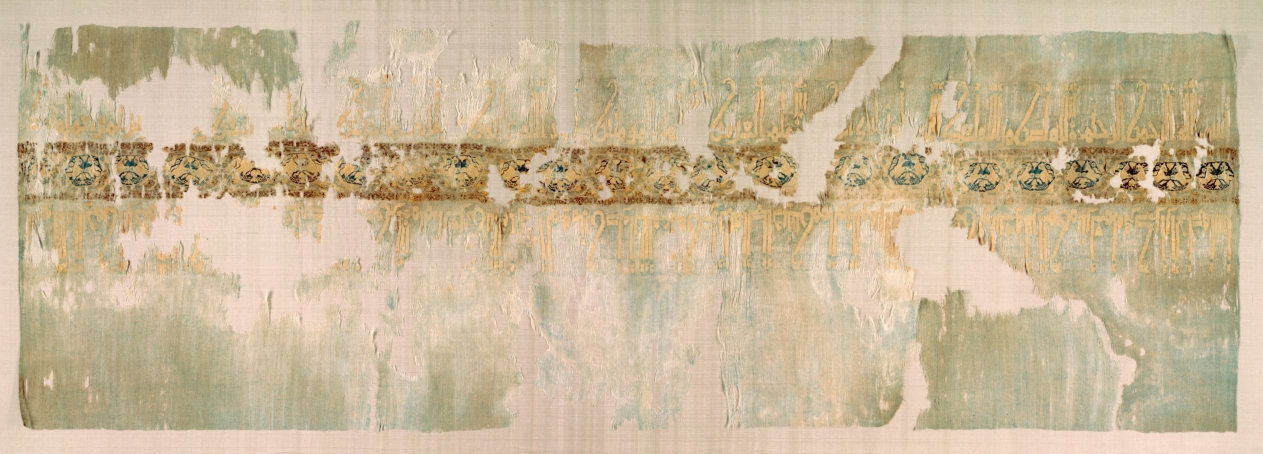
Turban end with tiraz
Cleveland Museum of Art
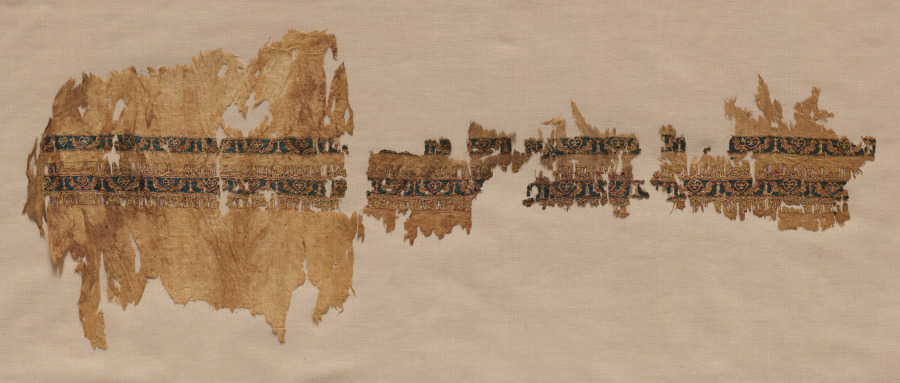
Tiraz with gold, probably from a wide sleeve
Cleveland Museum of Art
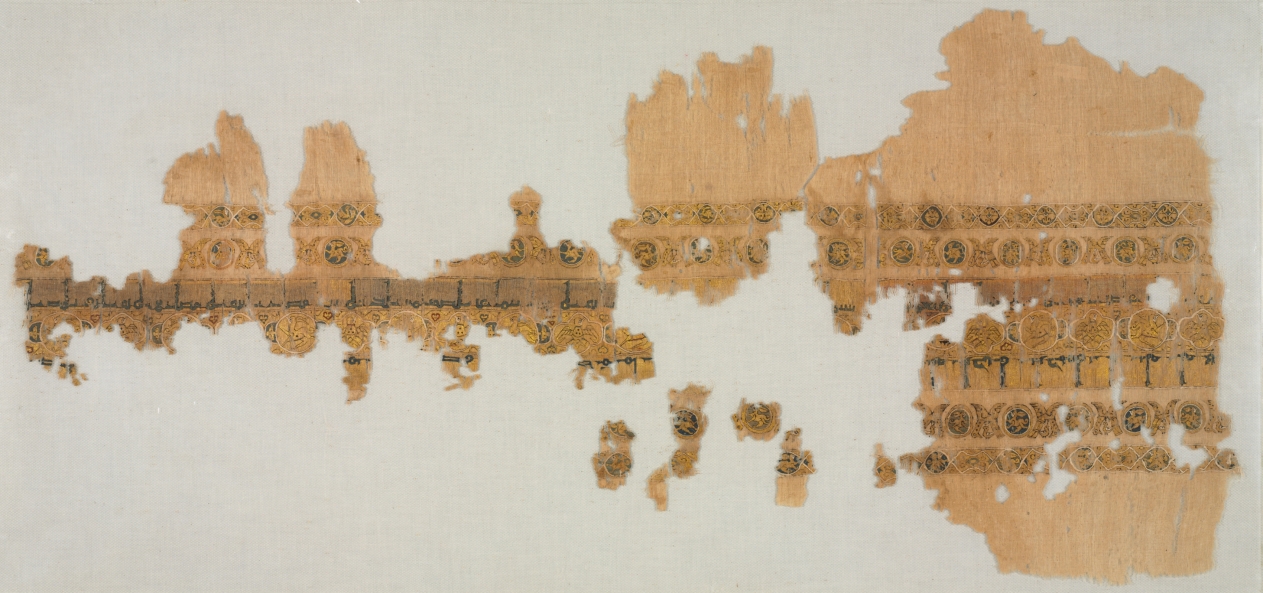
Tiraz with gold
Cleveland Museum of Art
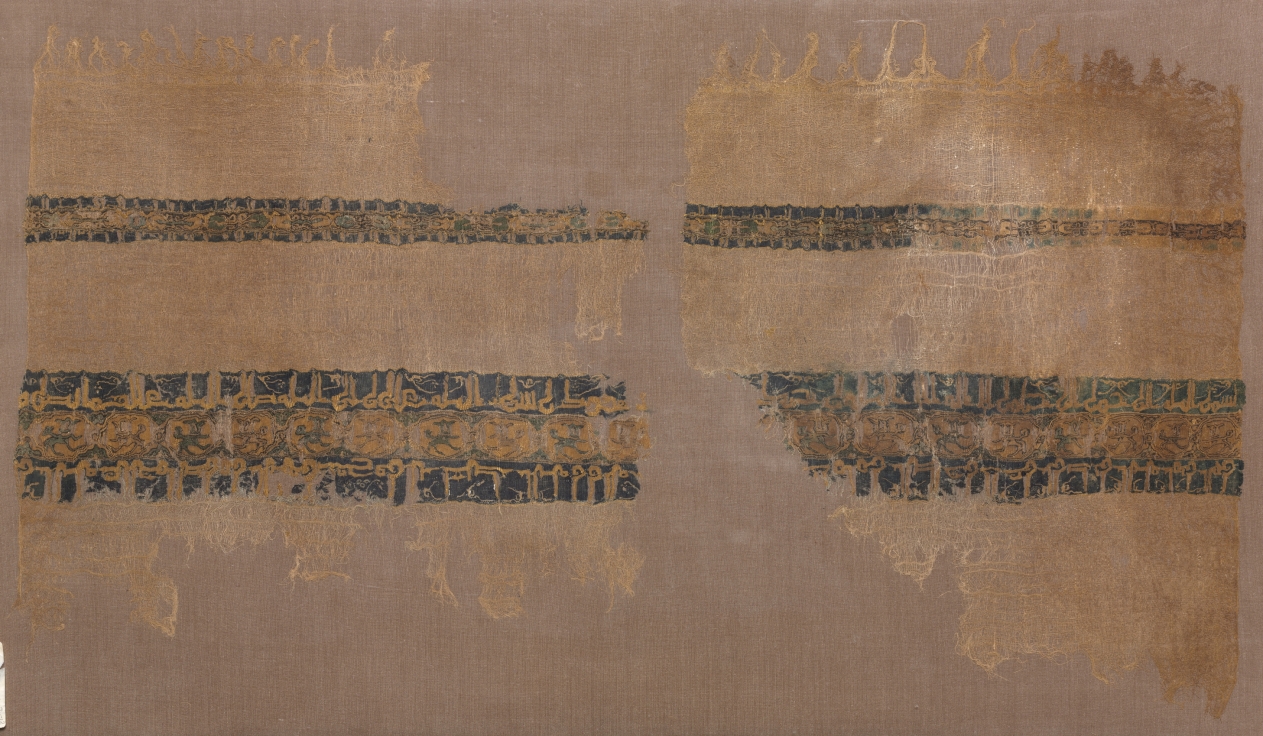
Turban end with tiraz
Cleveland Museum of Art
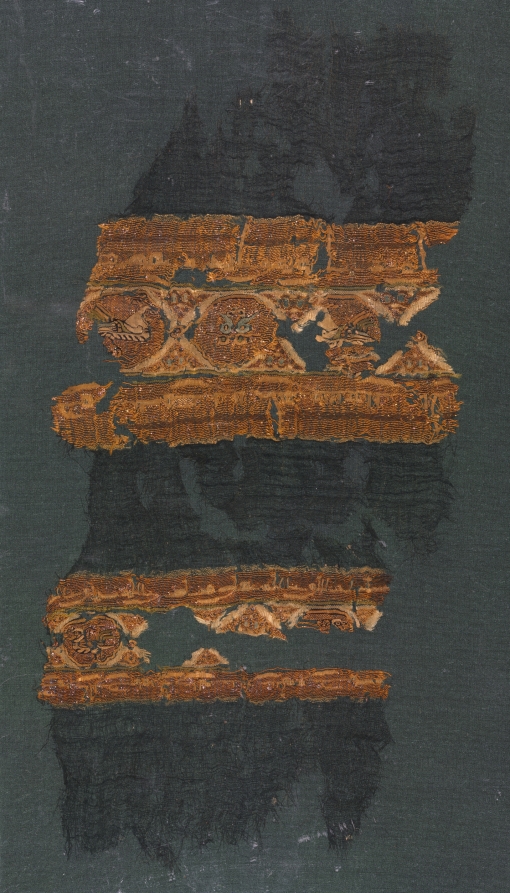
Tiraz with gold
Cleveland Museum of Art
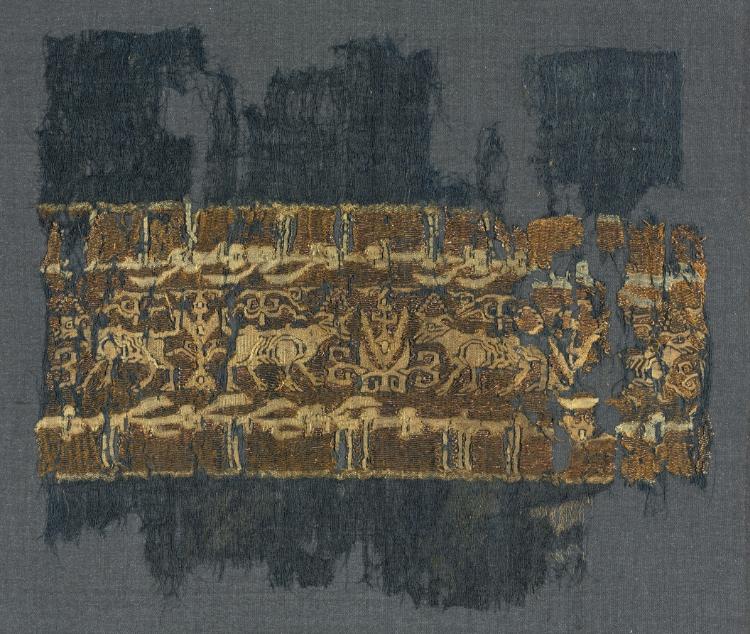
Tiraz with gold
Cleveland Museum of Art
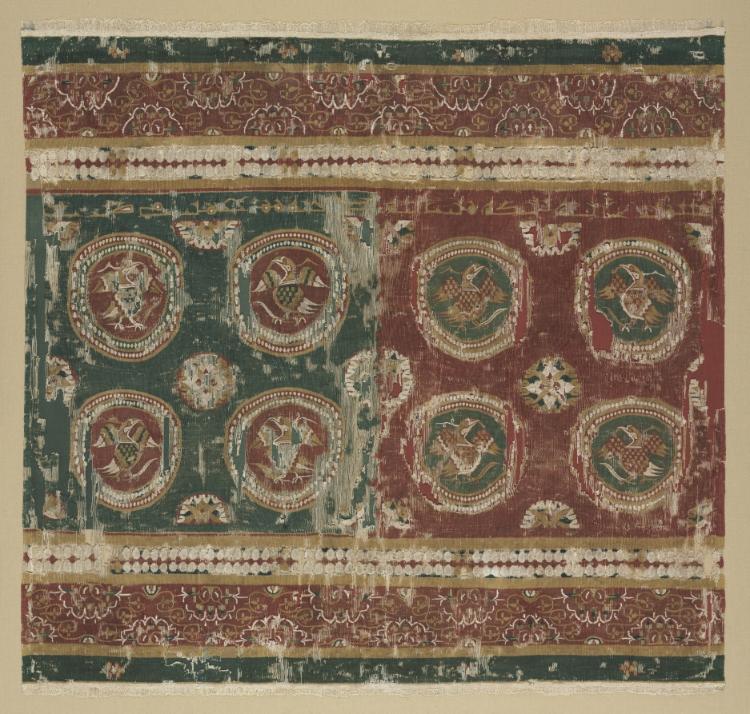
Pillow cover with Arabic inscription
Cleveland Museum of Art
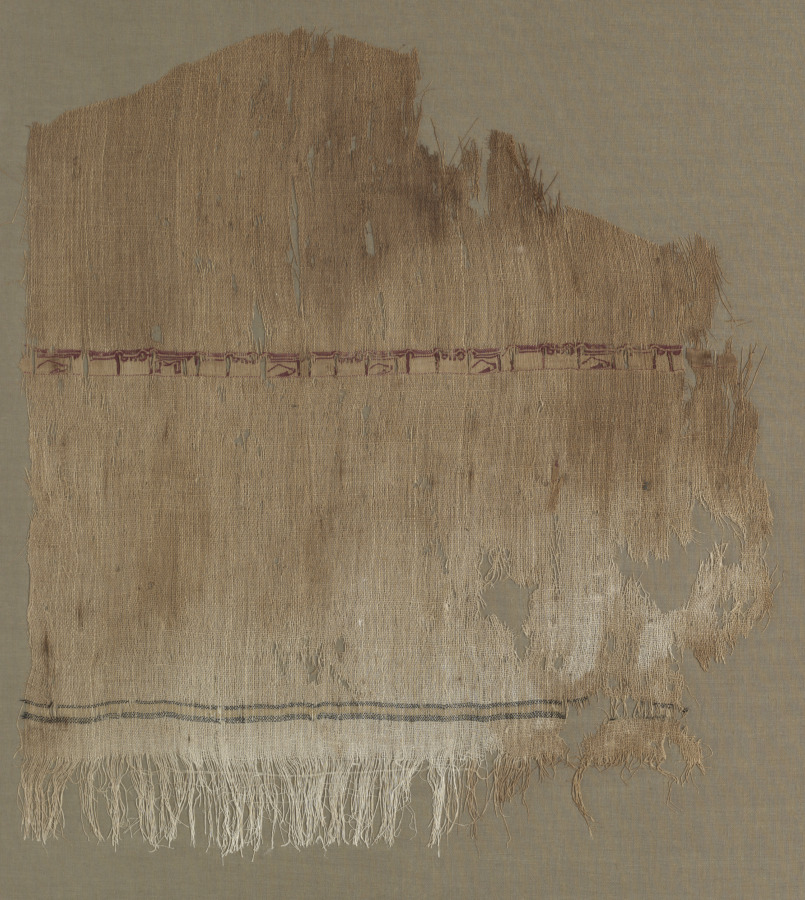
Fragment of a Tiraz
Cleveland Museum of Art
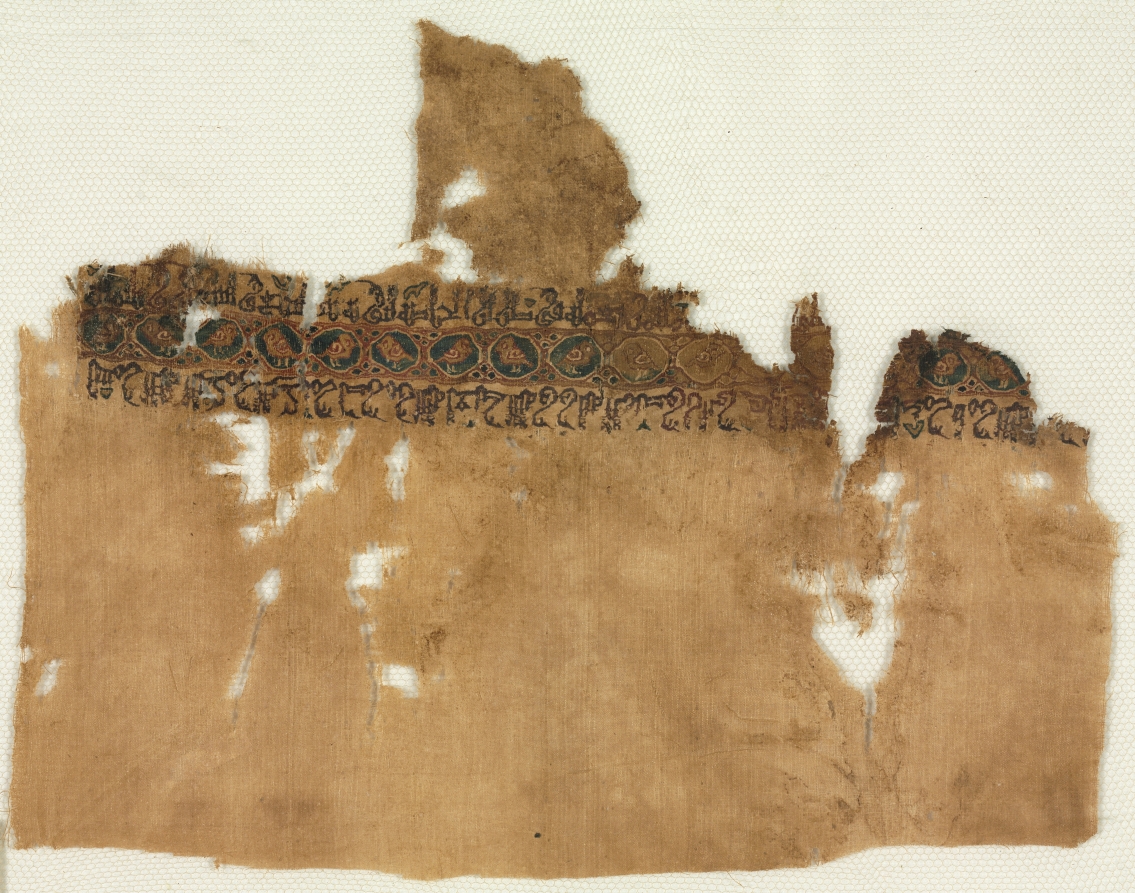
Fragment of a Tiraz, Probably the End of a Turban Cloth
Cleveland Museum of Art
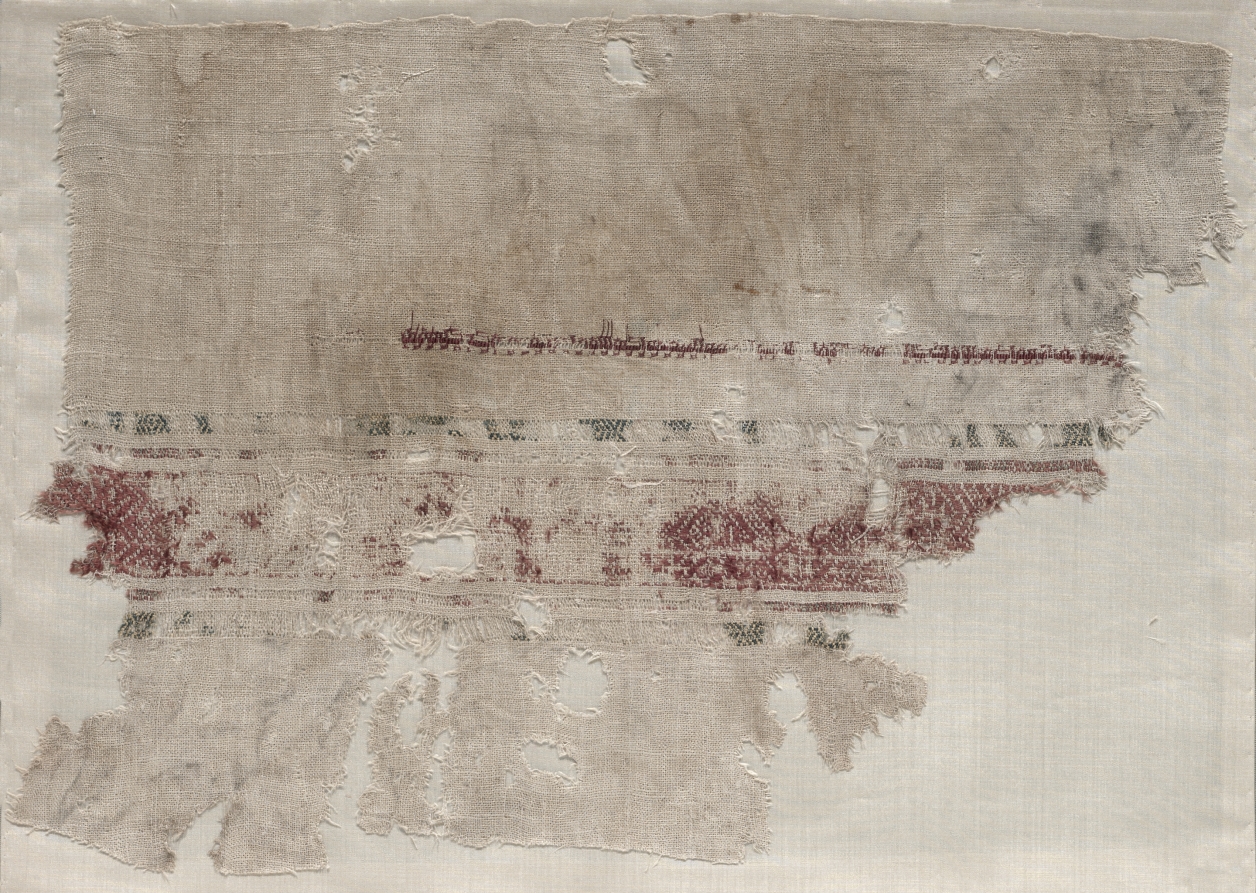
Fragment of a Tiraz
Cleveland Museum of Art
Tiraz with gold
Cleveland Museum of Art