Cleveland Museum of Art
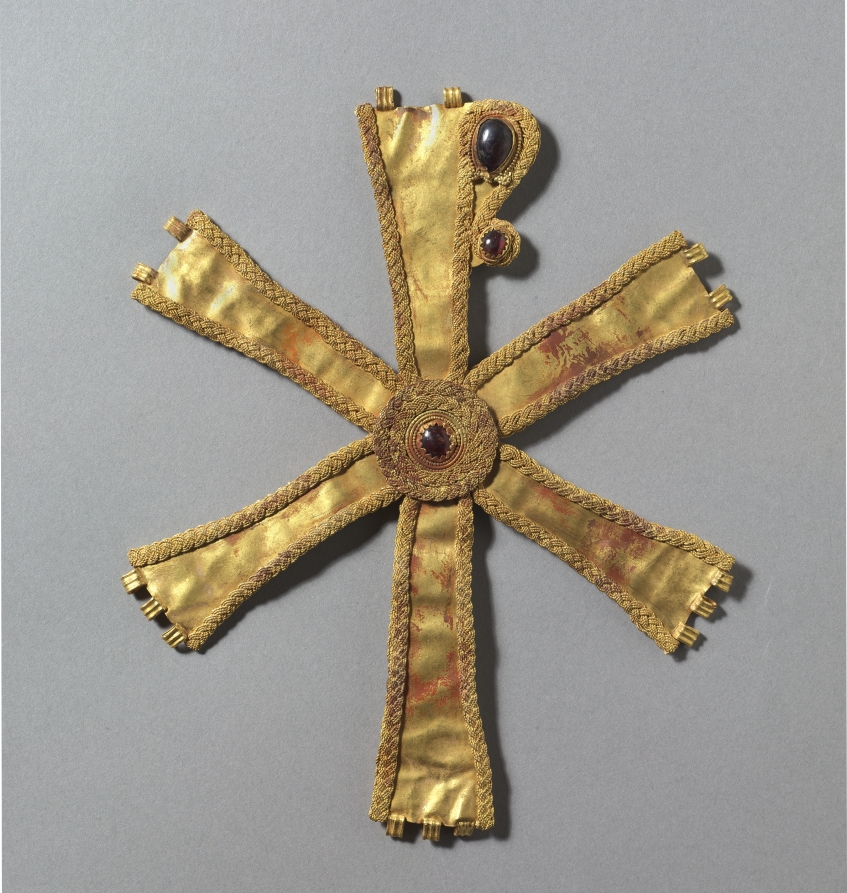
Monogram of Christ (Chrismon)
- Date
- 500s
- Medium
- gold sheet, gold wire, and garnets
- Culture
- Byzantium, Syria, early Byzantine period, 6th century
- Department
- Medieval Art
- Institution
- Cleveland Museum of Art
The superimposed Greek letters chi and rho, the first two letters of Christ’s name, was a popular early Christian symbol. The monogram of Christ, or chrismon, is also a powerful symbol of imperial victory: it appeared to Emperor Constantine the Great before his battle against Maxentius in ad 312, promising victory in the name of Christ. Made of gold sheet and decorated with three garnets, it may have formed the center of a golden wreath, serving as a protective device and an emblem of Christian triumph. This image combines chi (X) and rho (P), the first two letters of Christ's name in Greek. The materials also had symbolic meaning, from the kingly gold to the deep, blood red of the garnets evoking his sacrifice.
The authoritative record is held by Cleveland Museum of Art. LinkedCulture surfaces this object and its connections; it does not alter institutional metadata.
Related across collections
Semantically similar works from Cleveland Museum of Art and other institutions.
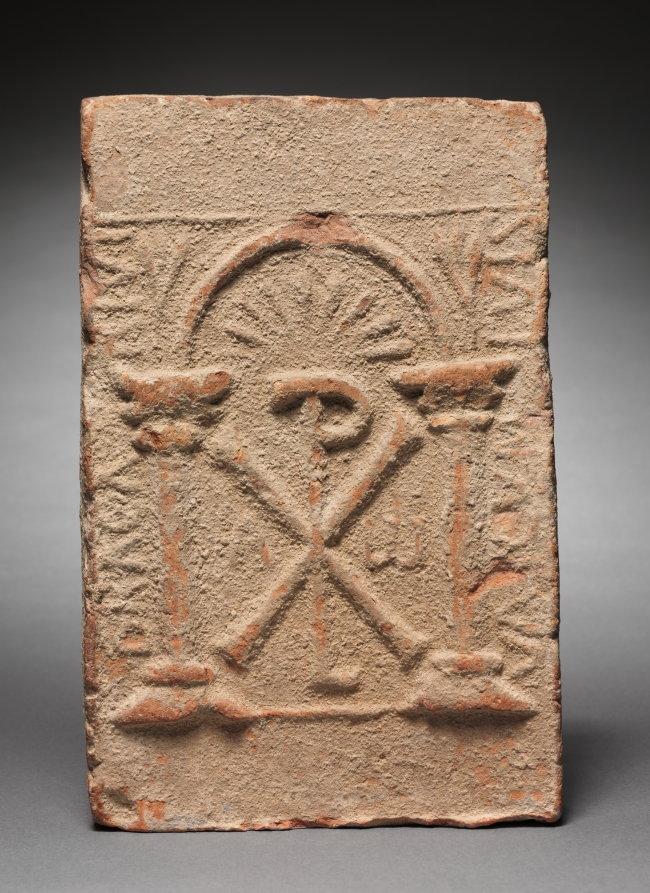
Columbarium Tomb Plaque with the Monogram of Christ
Cleveland Museum of Art
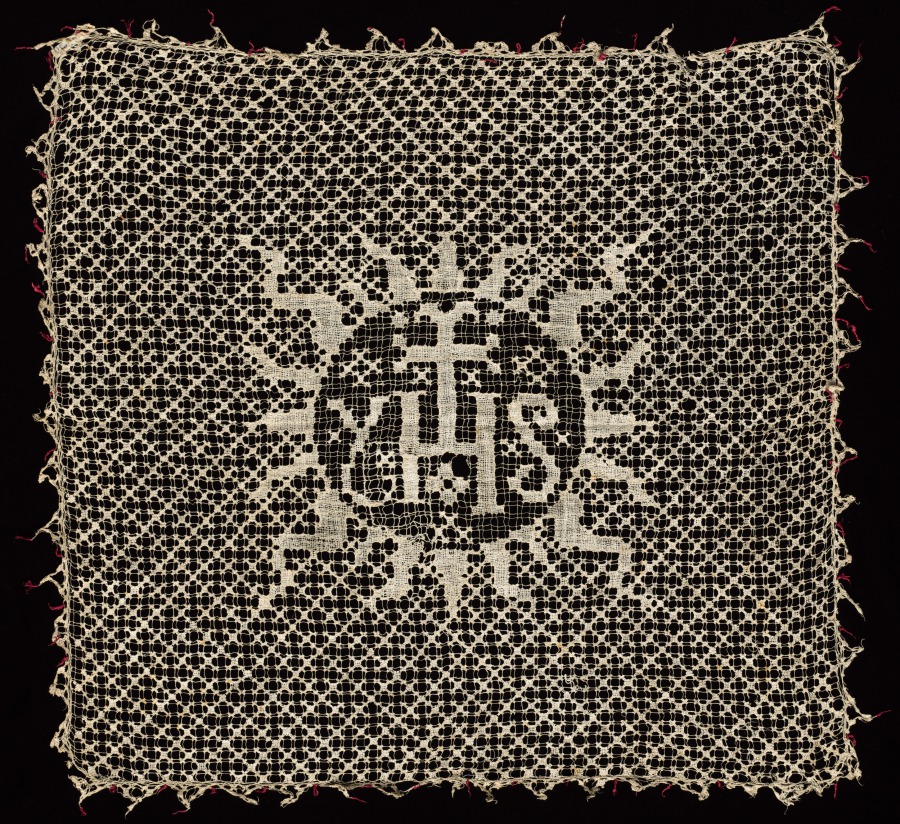
Chalice Veil with Monogram of Christ
Cleveland Museum of Art
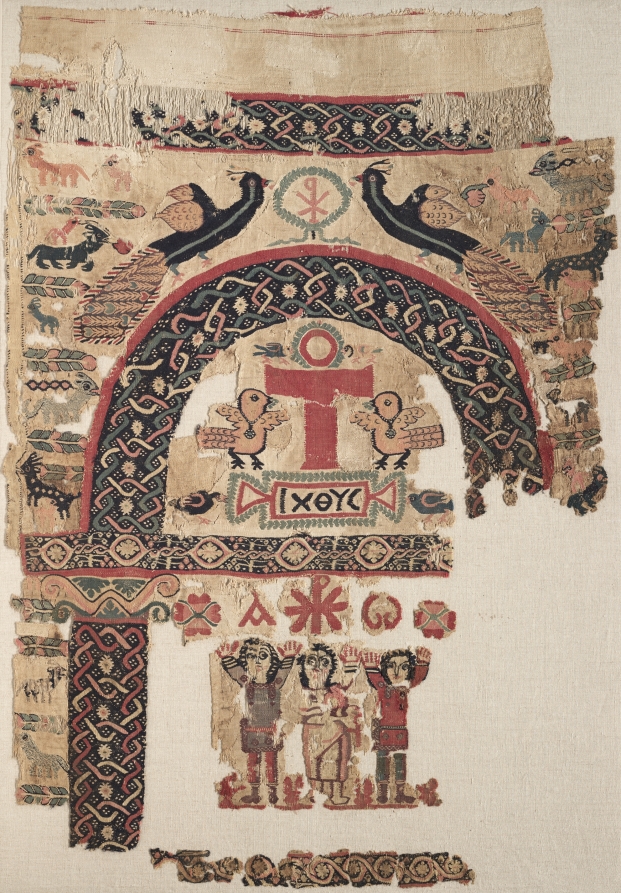
Hanging with Christian Images
Cleveland Museum of Art

Ornamented Monogram VD
Getty Museum

Christ in Majesty
Getty Museum
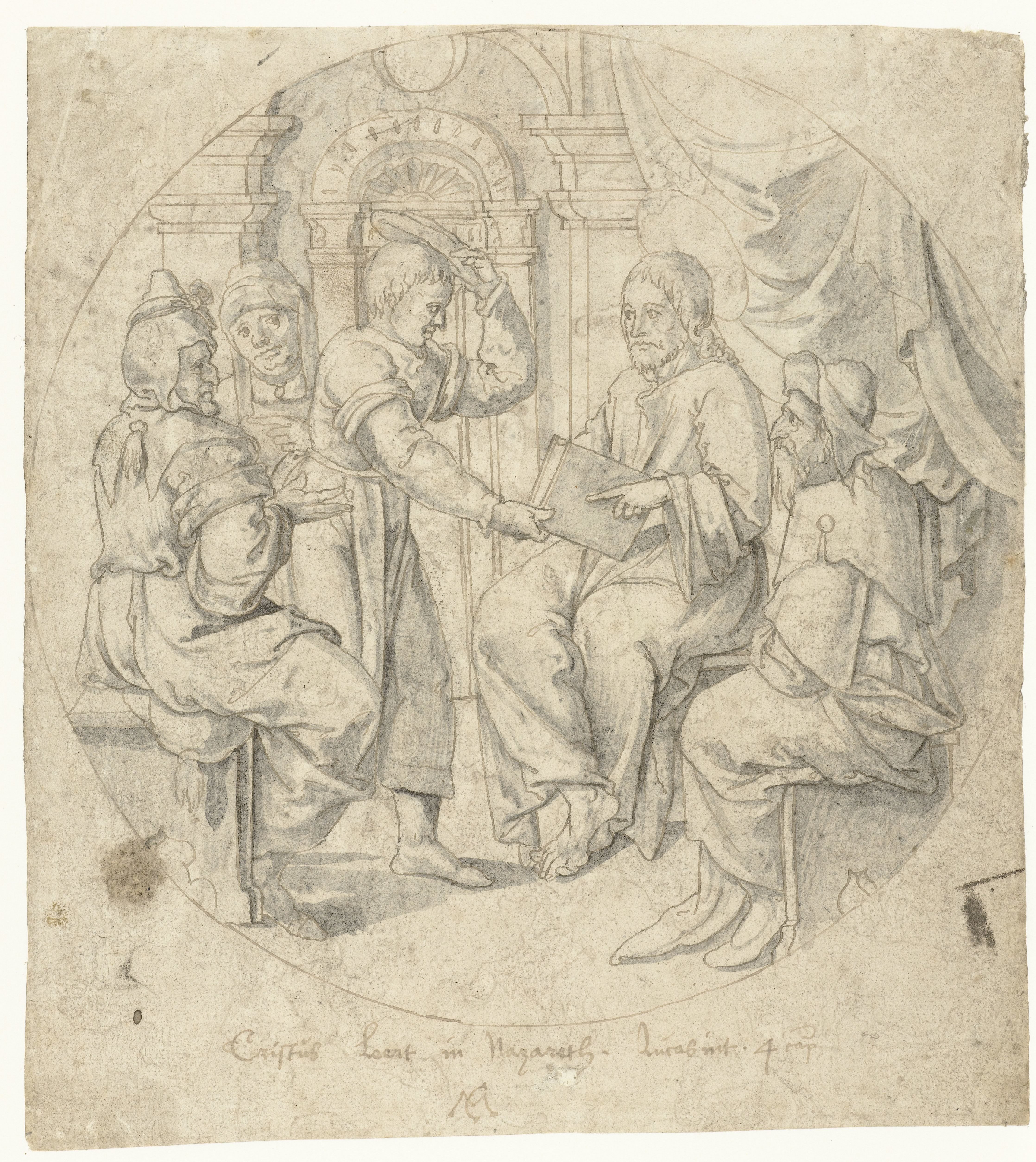
Christus in de synagoge te Nazareth
Rijksmuseum

Pentecost
Getty Museum
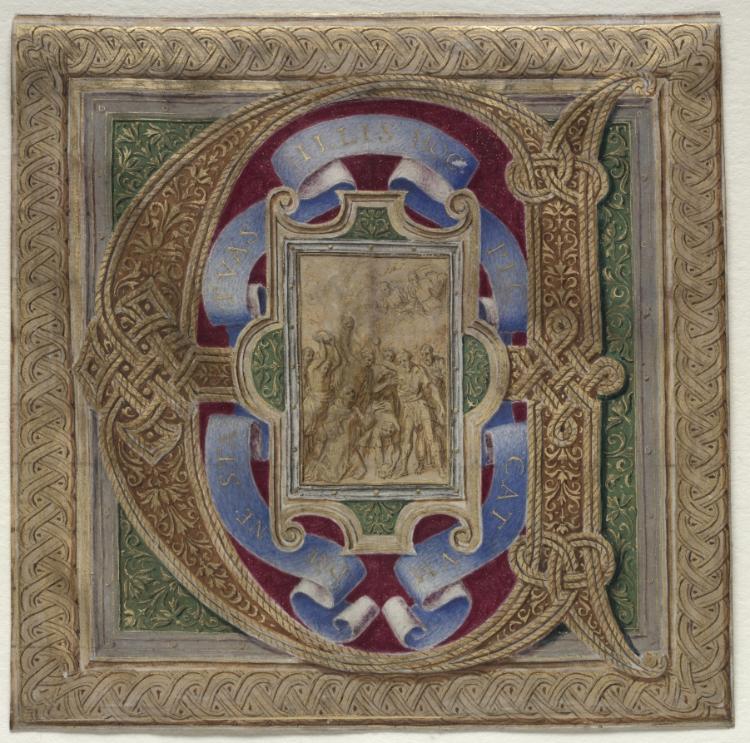
Historiated Initial (E) Excised from the Colonna Missal: The Martyrdom of Saint Stephen
Cleveland Museum of Art

Saint Christopher Carrying the Christ Child
Getty Museum
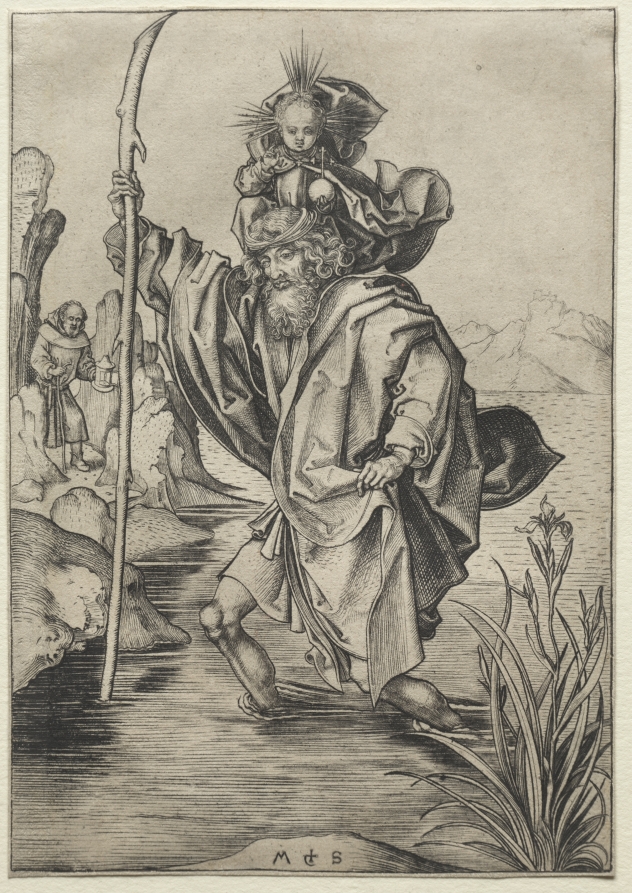
St. Christopher
Cleveland Museum of Art

The Crucifixion
Getty Museum
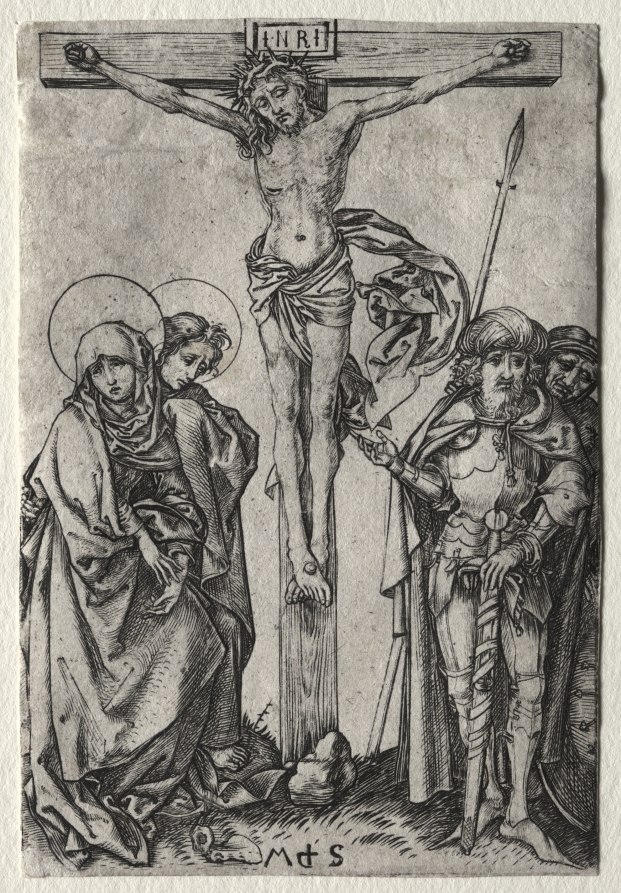
Christ on the Cross
Cleveland Museum of Art