Cleveland Museum of Art
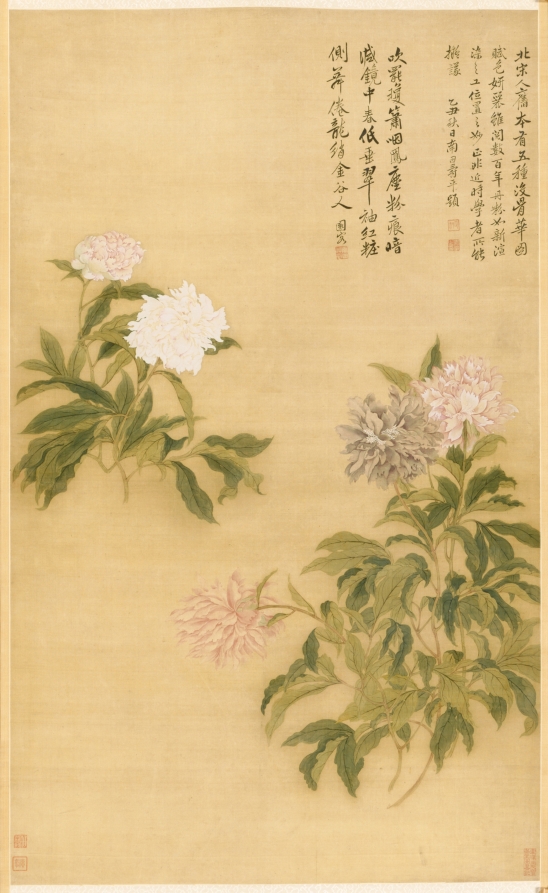
Herbaceous Peony
Yun Shouping
- Date
- 1685
- Medium
- Hanging scroll; ink and color on silk
- Culture
- China, Qing dynasty (1644-1911)
- Department
- Chinese Art
- Institution
- Cleveland Museum of Art
Yun Shouping came from Piling (modern Changzhou), Jiangsu province, a center of floral, plant, and insect painting. He had joined the anti-Manchu resistance, was briefly imprisoned, and witnessed the death of family members in 1644. Like other artists, Yun Shouping expressed his Ming loyalism in coded pictures. The peony, king of flowers, and a spring garden motif developed new meaning during the Qing dynasty. The inscription indicates that Yun turns the flower into a motif representing the glorious past. The herbaceous peonies here appear somewhat withered and pale, with faint reddish veins running through its broken branches, perhaps a coded message. The inscription reads, An old painting by an anonymous painter of the Northern Song Dynasty has five varieties of flowers painted in the boneless manner. Its colors are so beguiling and beautiful, that even after several hundred years its lead pigments are like new. The skill with which the ink and colors were applied and the subtlety of its composition find no equal among modern followers . In East Asian art, peonies traditionally symbolize prosperity and wealth.
The authoritative record is held by Cleveland Museum of Art. LinkedCulture surfaces this object and its connections; it does not alter institutional metadata.
Related across collections
Semantically similar works from Cleveland Museum of Art and other institutions.
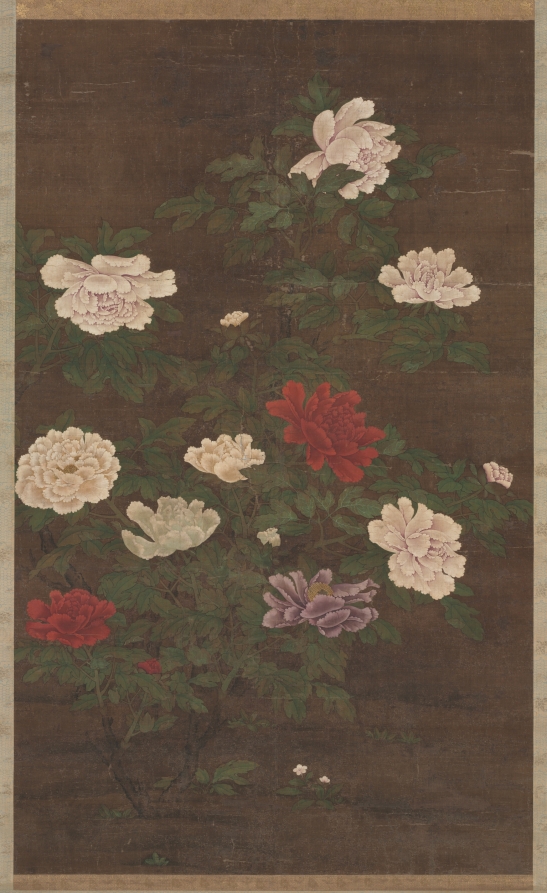
Peonies
Cleveland Museum of Art

Flowers of Four Seasons, with Poems
Cleveland Museum of Art

Plum Blossoms and Peonies
Cleveland Museum of Art
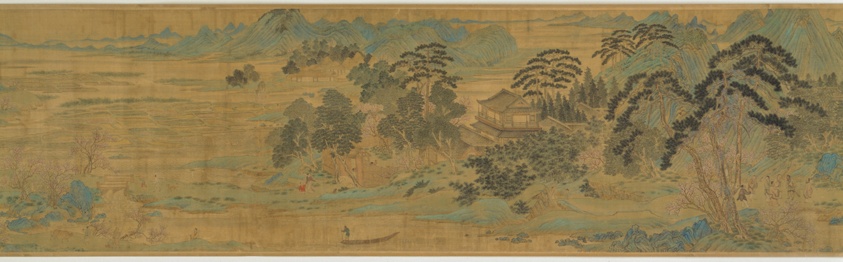
The Peach Blossom Spring 桃花源圖
Art Institute of Chicago
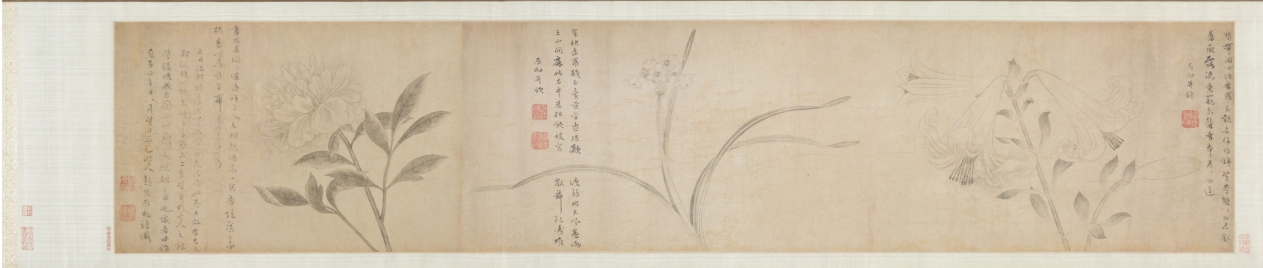
Ink Flowers
Cleveland Museum of Art

Good Fortune and Longevity
Minneapolis Institute of Art
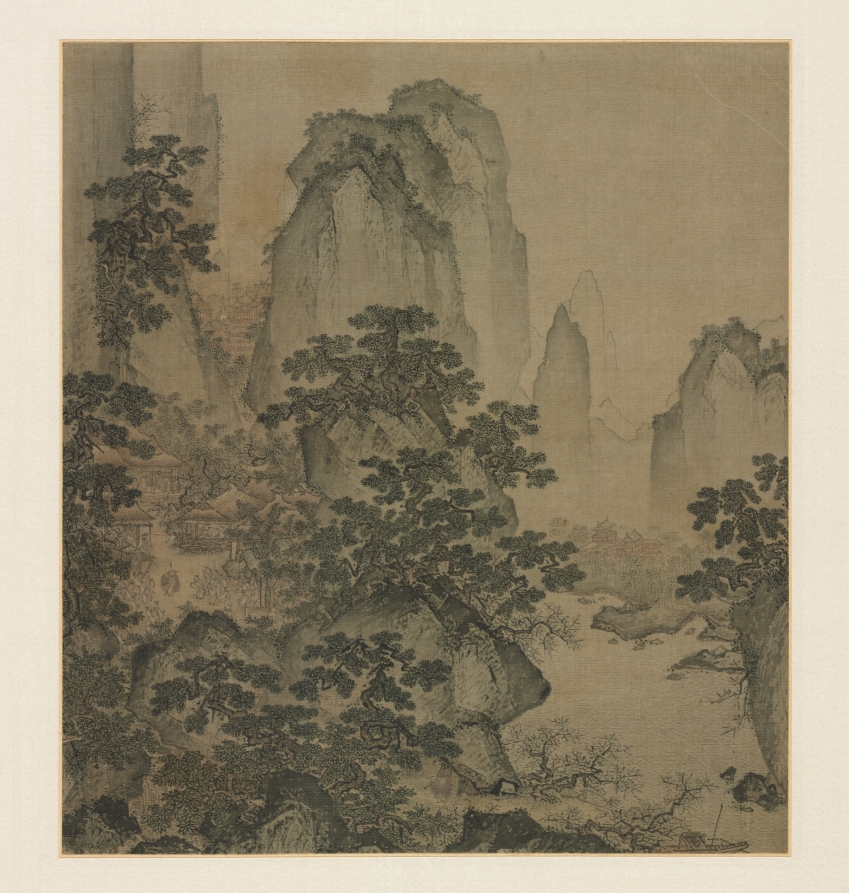
The Haven of the Peach-Blossom Spring
Cleveland Museum of Art
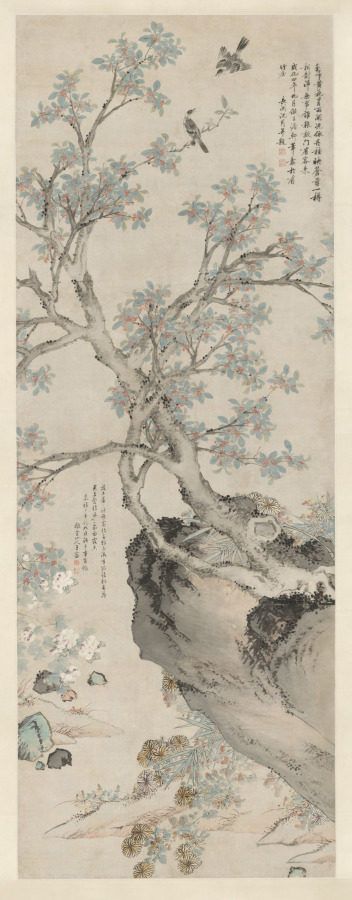
Yellow Chrysanthemums and Red Osmanthus in the Style of Wang Yuan
Cleveland Museum of Art
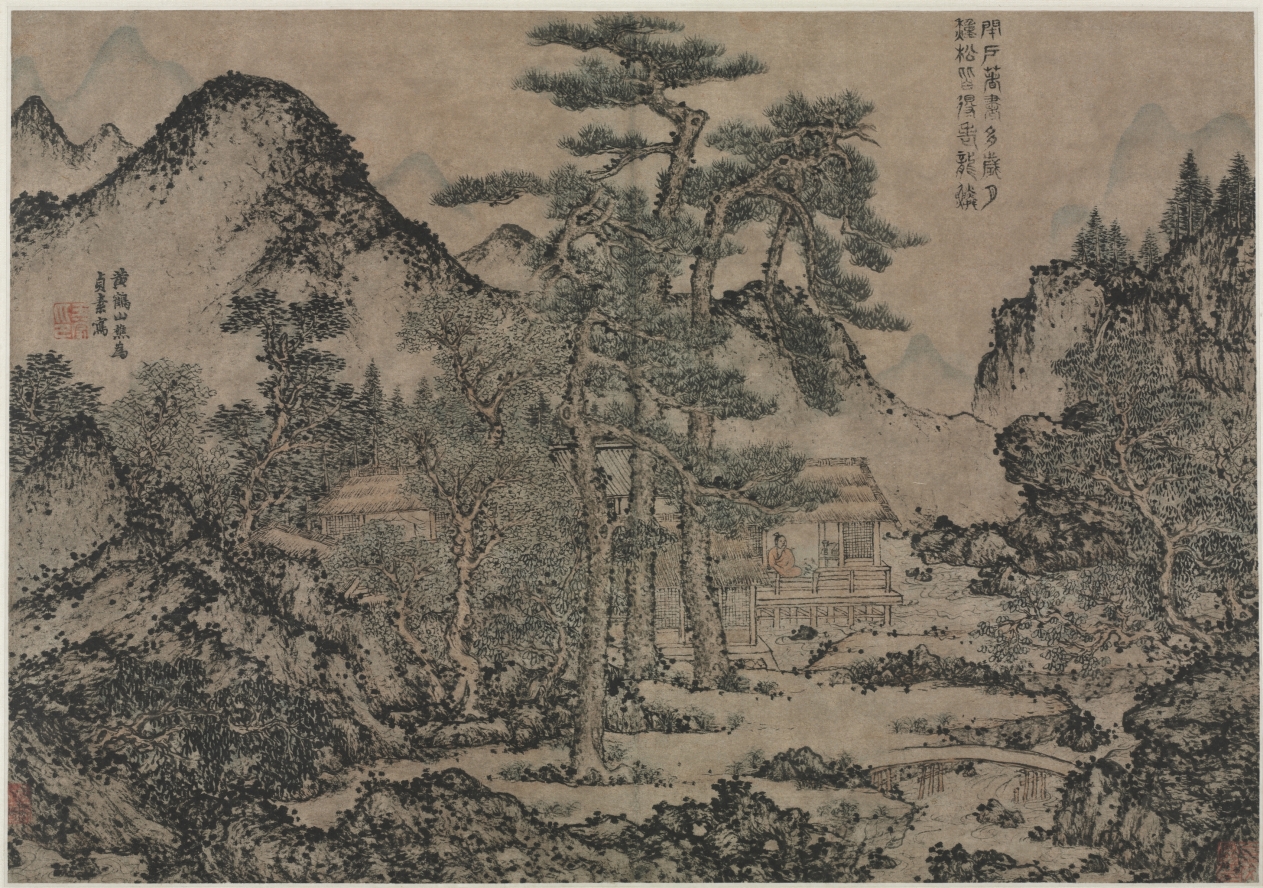
Writing Books under the Pine Trees
Cleveland Museum of Art
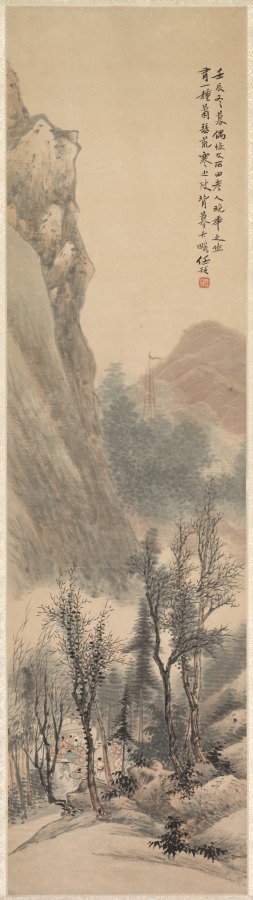
Landscape
Cleveland Museum of Art
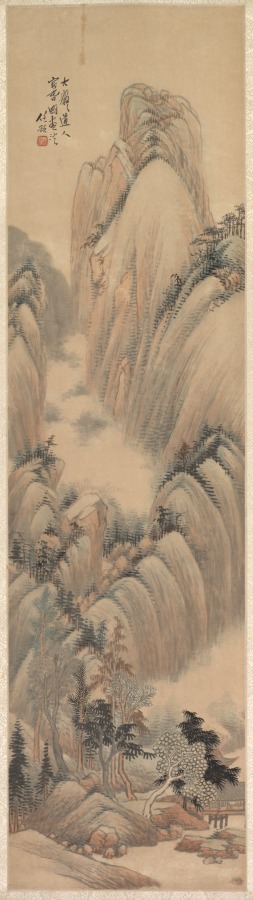
Landscape
Cleveland Museum of Art
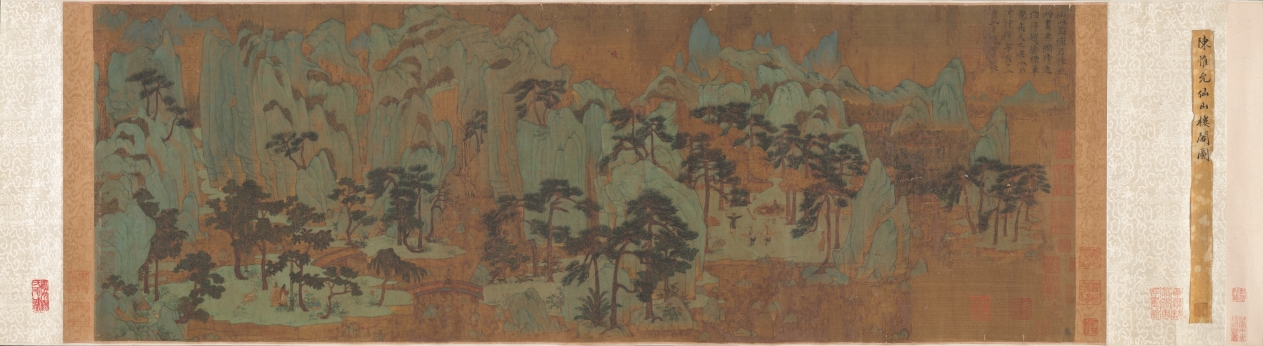
Mountains of the Immortals
Cleveland Museum of Art