Cleveland Museum of Art
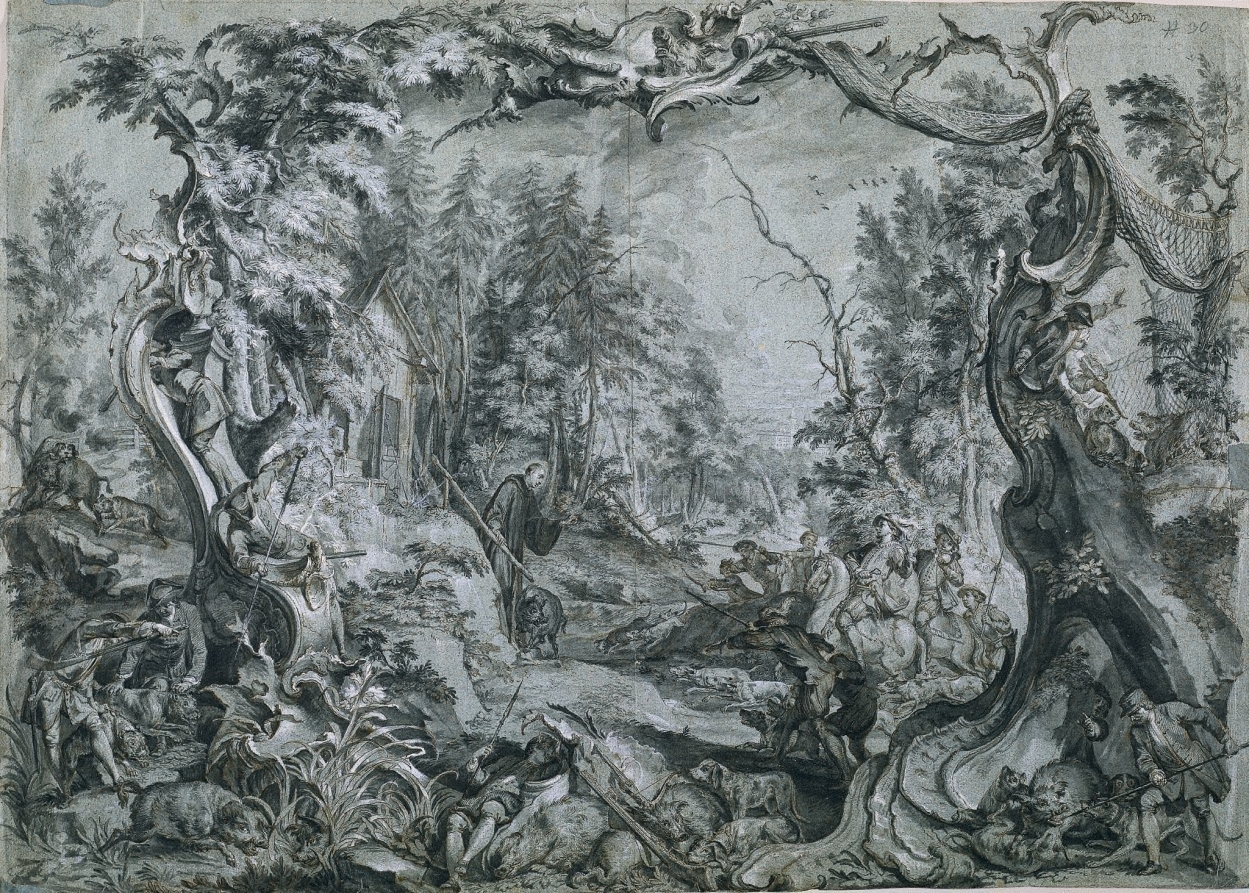
Saint Deicolus and the Boar
Johann Wolfgang Baumgartner
- Date
- 1747–48
- Medium
- pen and brown and gray inks and brush and gray wash heightened with white gouache; incised, verso coated with red chalk
- Culture
- Germany, 18th century
- Department
- Drawings
- Institution
- Cleveland Museum of Art
German artist Johann Wolfgang Baumgartner's innovations in rococo design are magnificently demonstrated in this sheet showing the story of Saint Deicolus and the Boar. The format of the work imitates that of a decorative cartouche, an ornamental framework surrounding an open field usually reserved for an inscription or emblem. Baumgartner ingeniously adapted the cartouche form for this scene: the framing elements seem to grow out of the landscape but are clearly artificial, and have the appearance of exuberant metalwork intertwined with vegetation and rocks. Deicolus was an Irish saint who founded an abbey in the Burgundy region of France. Baumgartner shows an incident in which Deicolus saved a boar from the hunting party of the ruler Clotaire II. The highly finished drawing on blue paper was made as a design for print from a suite combining saints with depictions of the hunt. The rarely depicted St. Deicolus was an Irish monk who lived in the 600s and was known for his retreat to a hermitage in a forest.
The authoritative record is held by Cleveland Museum of Art. LinkedCulture surfaces this object and its connections; it does not alter institutional metadata.
Related across collections
Semantically similar works from Cleveland Museum of Art and other institutions.
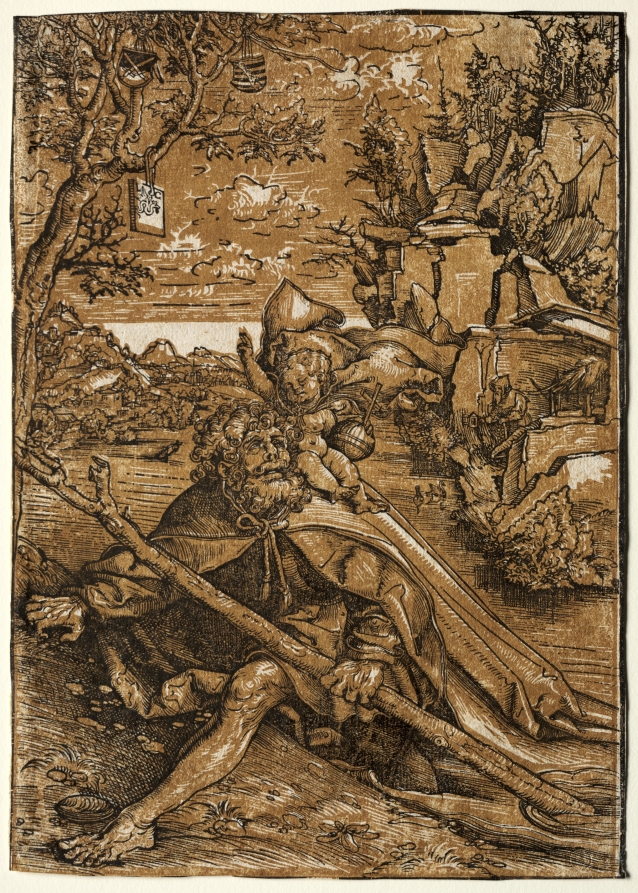
Saint Christopher
Cleveland Museum of Art

The Martyrdom of Saint John
Minneapolis Institute of Art
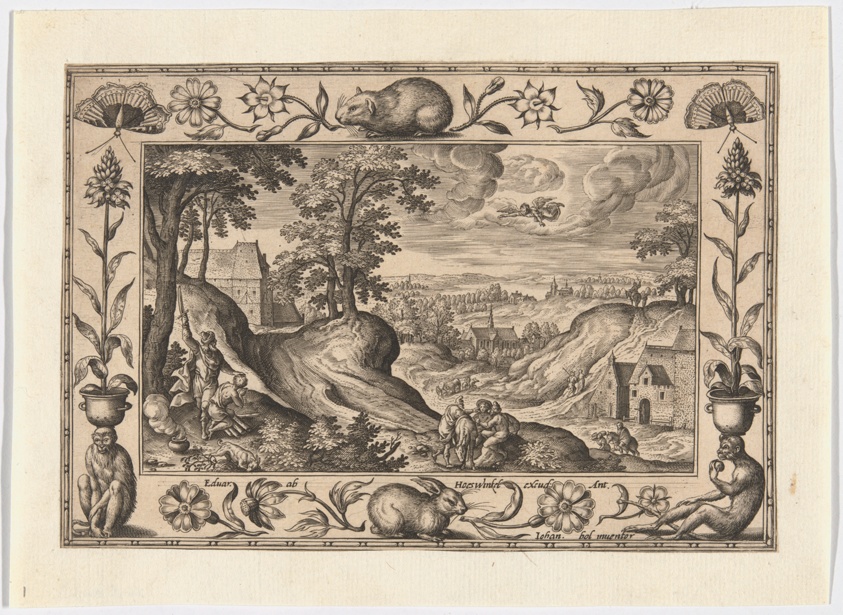
Abraham's Sacrifice of Isaac, from Landscapes with Old and New Testament Scenes and Hunting Scenes
Art Institute of Chicago

Knight on Horseback and the Lansquenet
Minneapolis Institute of Art
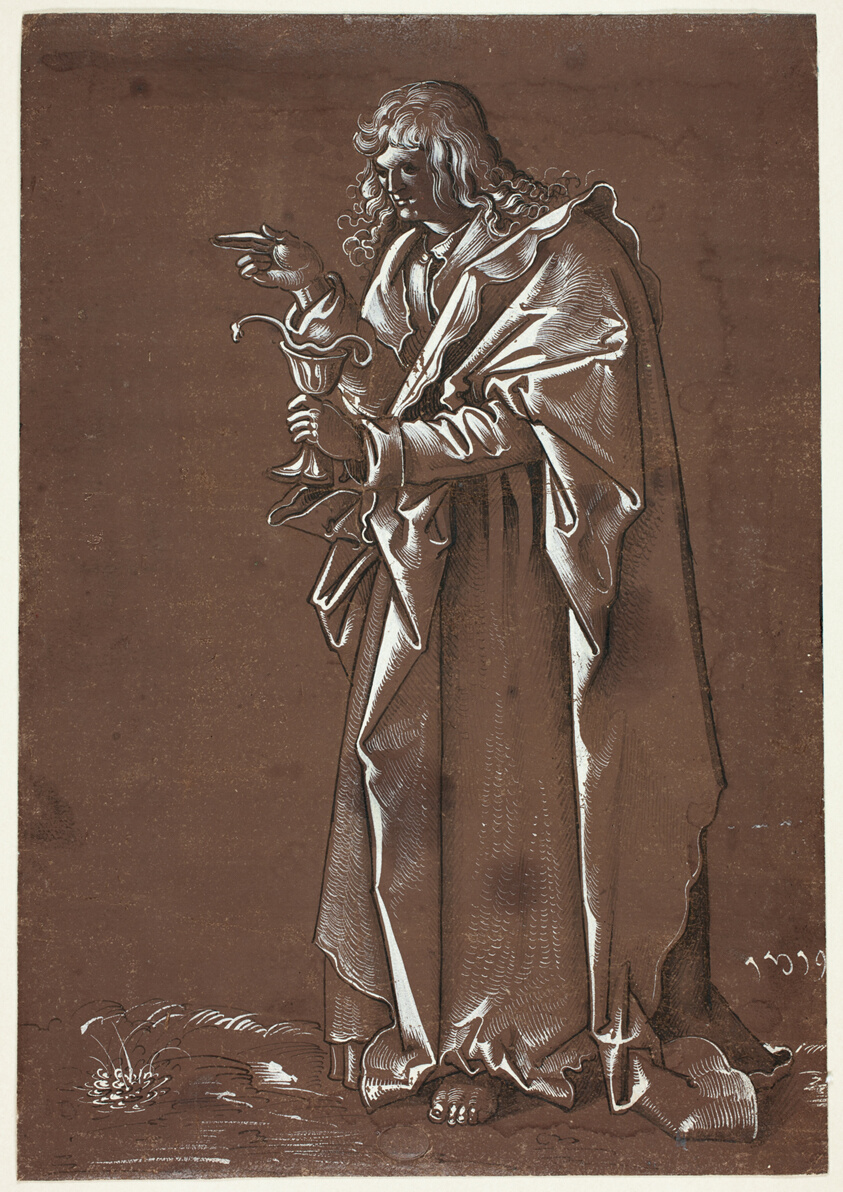
Saint John the Evangelist
Art Institute of Chicago
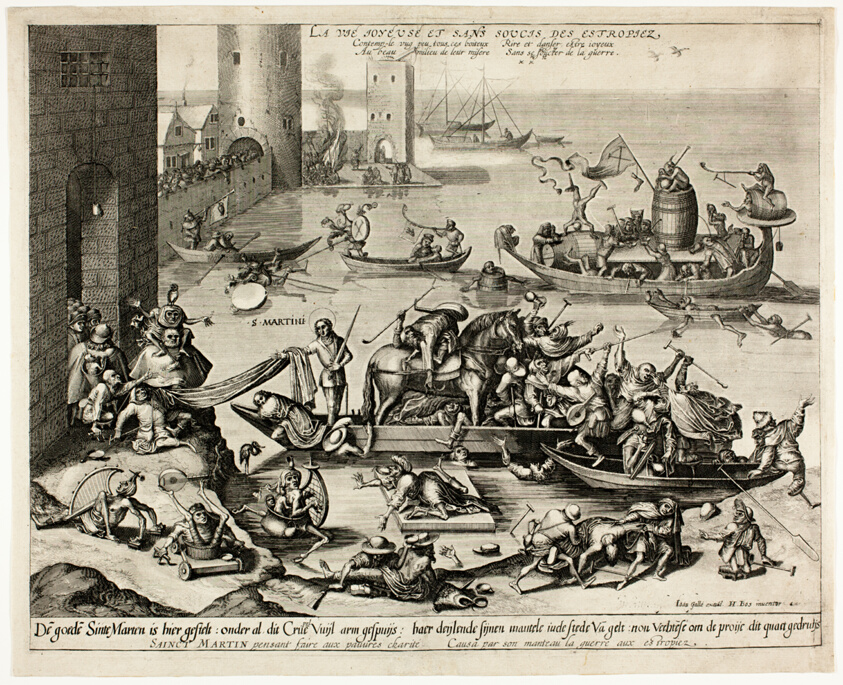
Saint Martin with his Horse in a Ship
Art Institute of Chicago
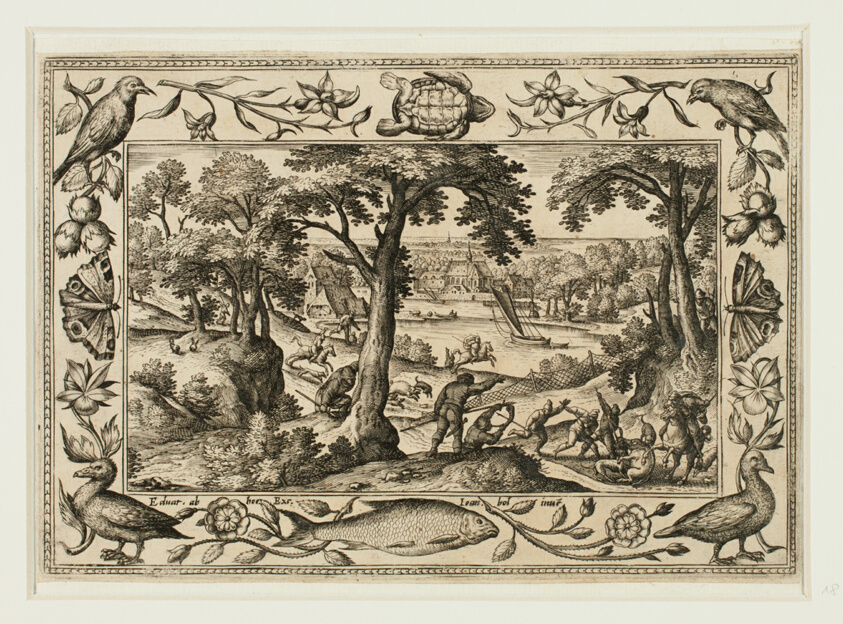
Boar Hunt, from Landscapes with Old and New Testament Scenes and Hunting Scenes
Art Institute of Chicago
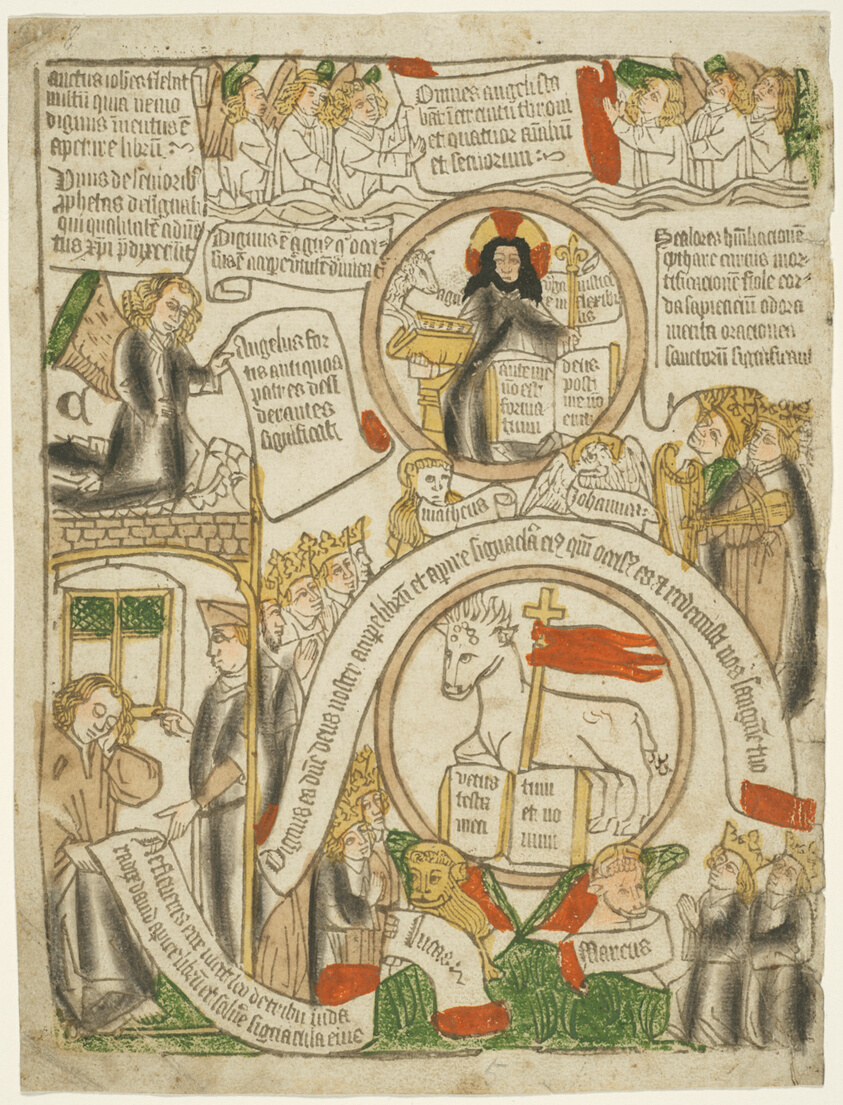
The Lamb Receiving the Sealed Book, folio C from The Apocalypse
Art Institute of Chicago

Saint Jerome and the Lion
Minneapolis Institute of Art

Design for an Ornament or Signet Ring with the Arms of Lazarus Spengler
Getty Museum
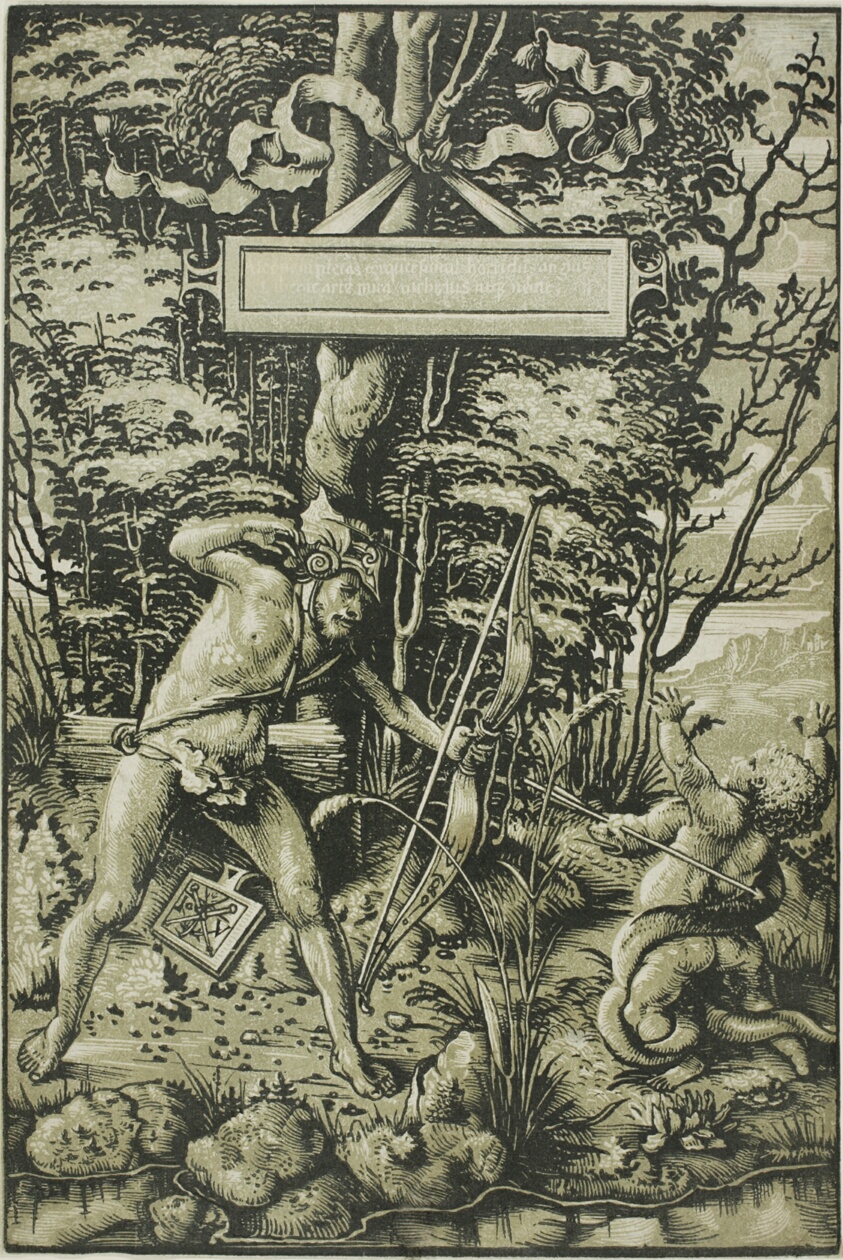
Alcon Slaying the Serpent
Art Institute of Chicago
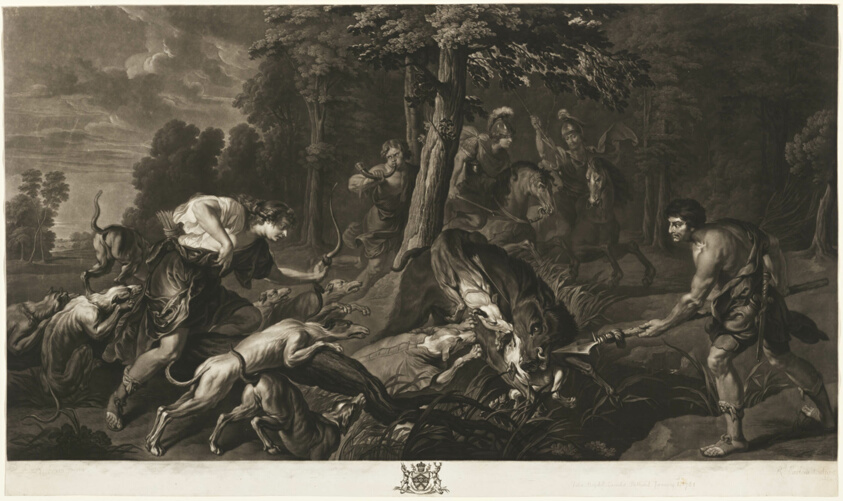
The Calydonian Boar Hunt, from the Houghton Gallery
Art Institute of Chicago