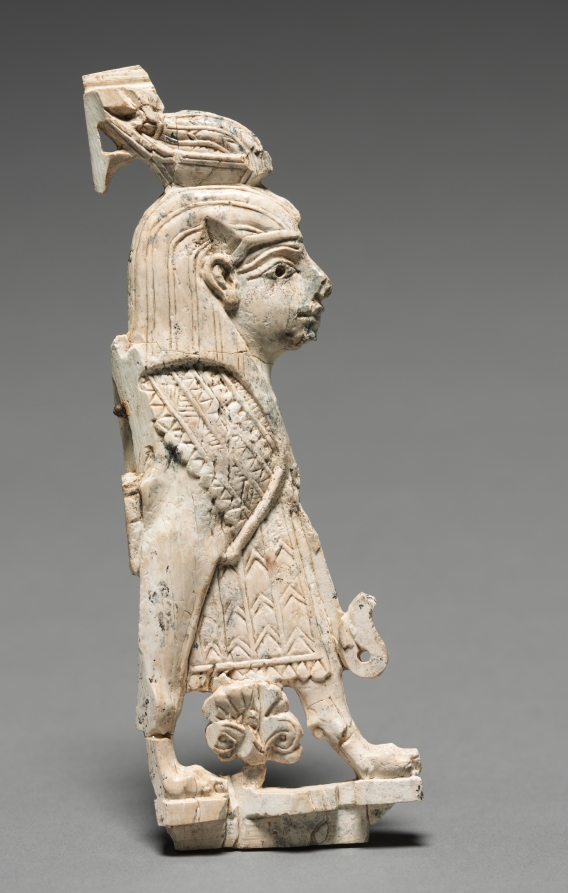
Cleveland Museum of Art
Decorative Plaque: Winged Sphinx
- Date
- 900–800 BCE
- Medium
- ivory
- Culture
- Phoenicia, Iraq, Nimrud
- Department
- Egyptian and Ancient Near Eastern Art
- Institution
- Cleveland Museum of Art
This small plaque was executed in the Phoenician style with symmetrical compositions, elongated figural proportions, and Egyptian subjects and motifs. Examples have been found throughout the Middle East, but thousands come from Nimrud where most were excavated in the storerooms of a military arsenal built by King Shalmaneser II (858-824 bc). When the Nimrud palace was sacked in the 7th century bc, these ivories were thrown into a well, where Sir Max Mallowan (the husband of Agatha Christie) discovered them in 1951. The monumental wall relief (1943.246) was found at the same Assyrian palace at Nimrud.
The authoritative record is held by Cleveland Museum of Art. LinkedCulture surfaces this object and its connections; it does not alter institutional metadata.
Related across collections
Semantically similar works from Cleveland Museum of Art and other institutions.
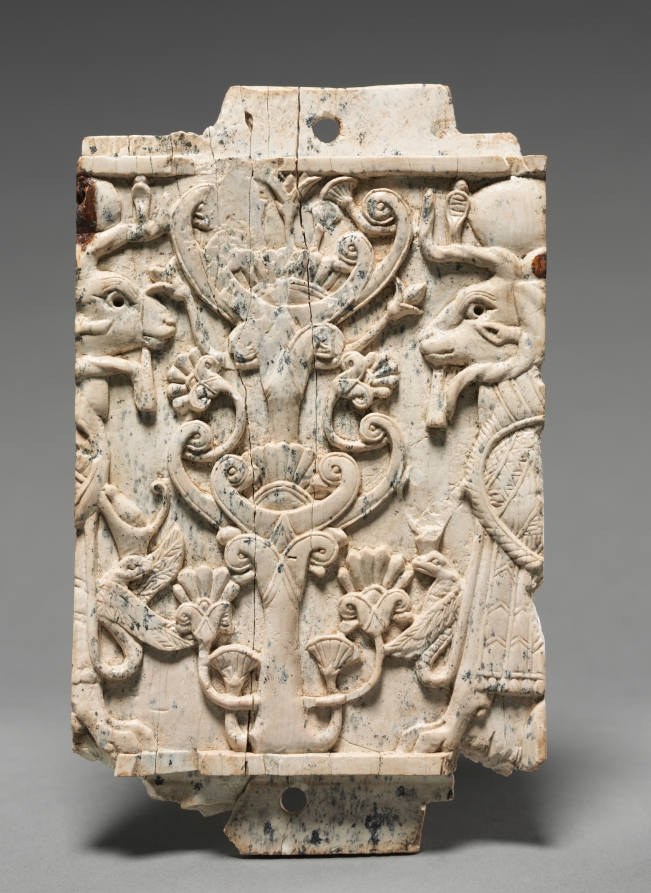
Decorative Plaque: Ram-Headed Sphinxes Flanking a Sacred Tree
Cleveland Museum of Art
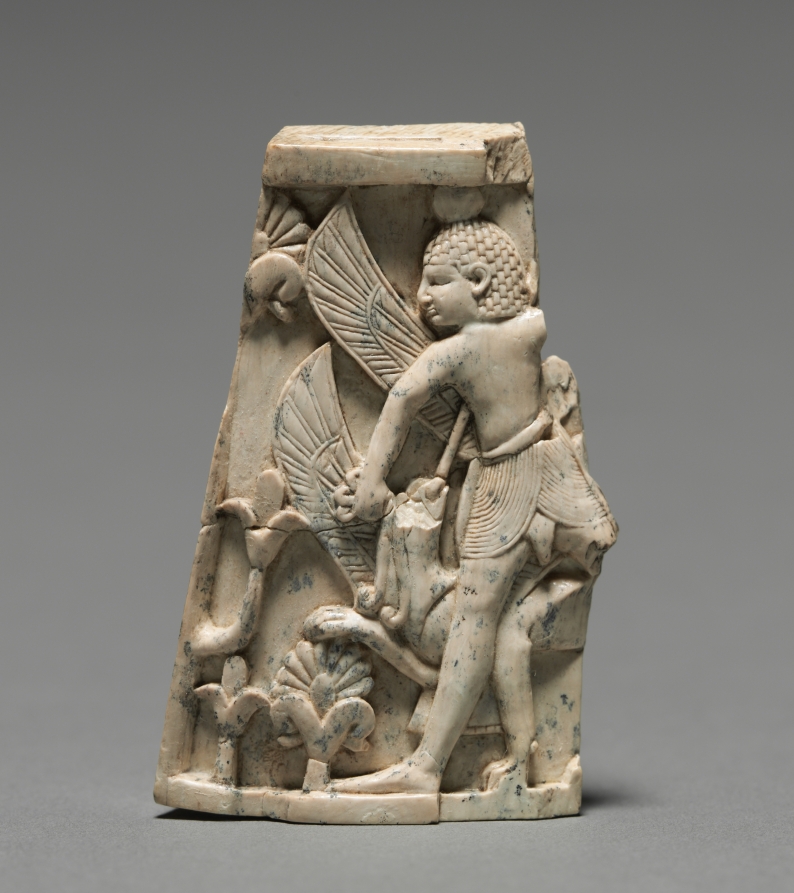
Decorative Plaque: Man; and Griffin in Combat
Cleveland Museum of Art
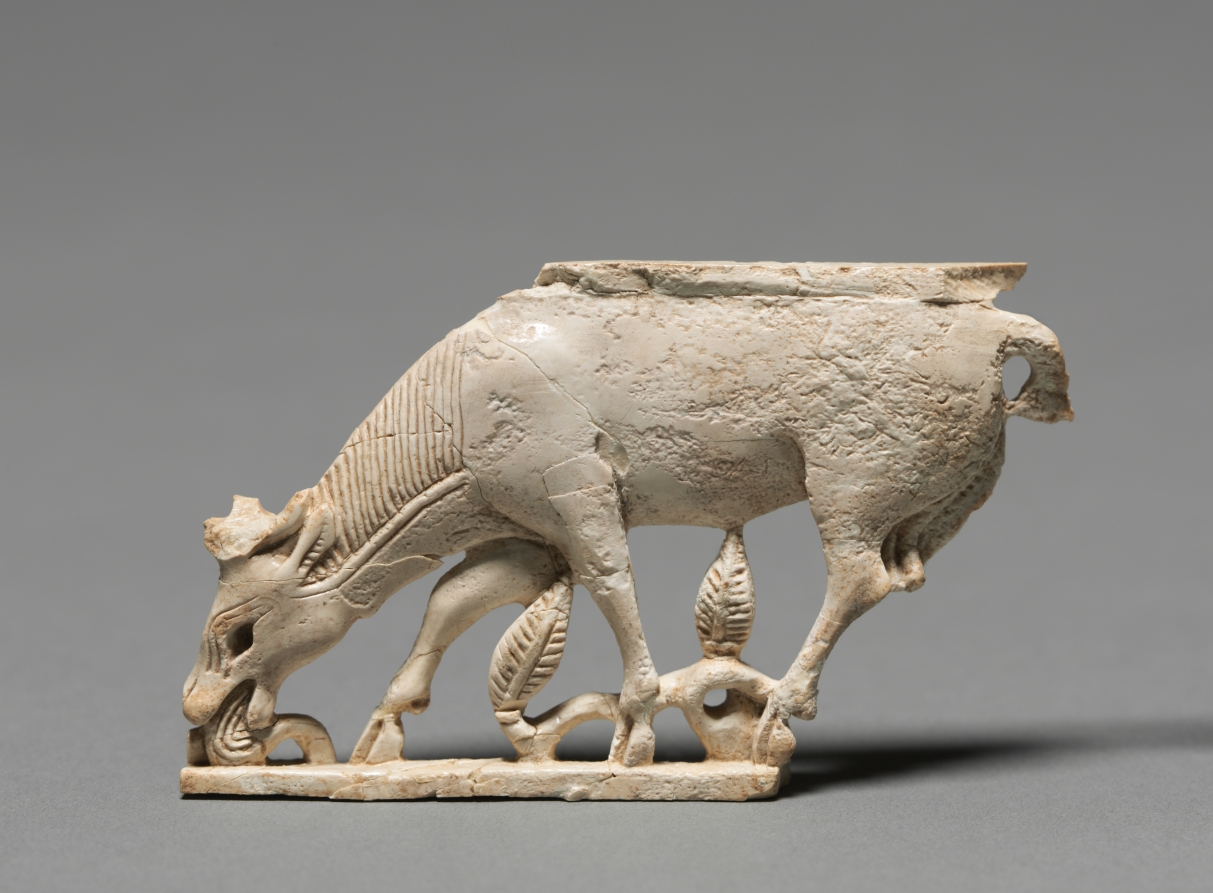
Decorative Plaque: Browsing Stag
Cleveland Museum of Art
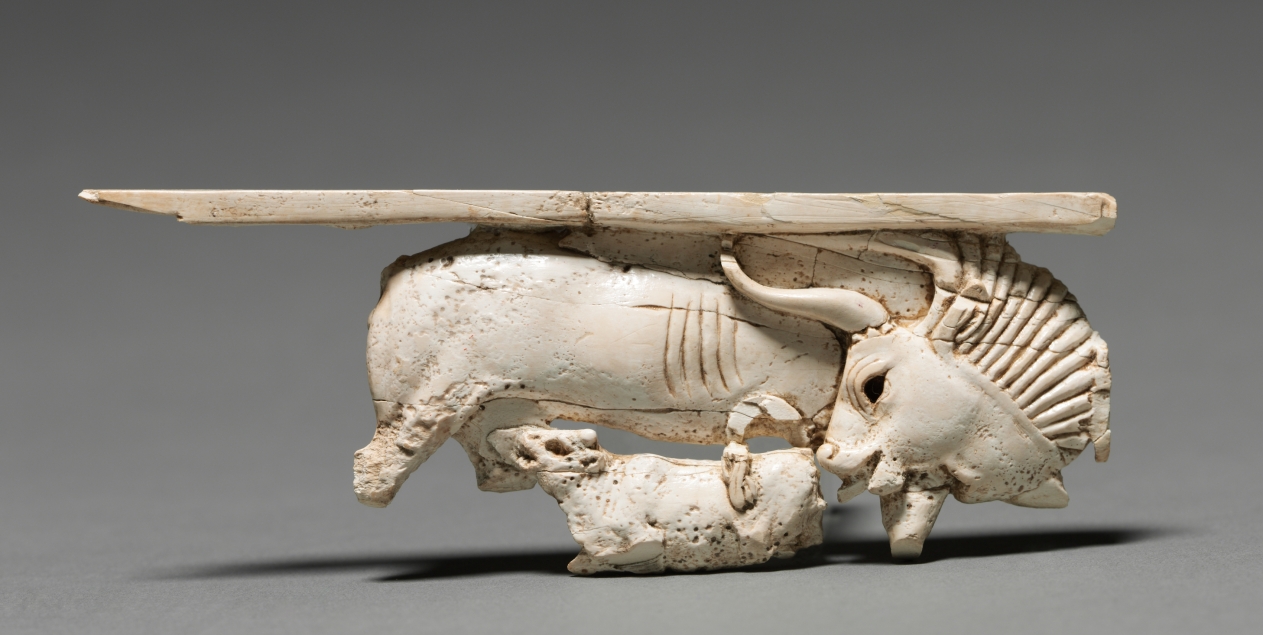
Decorative Plaque: Cow Nursing Its Calf
Cleveland Museum of Art

Winged Genius
Minneapolis Institute of Art
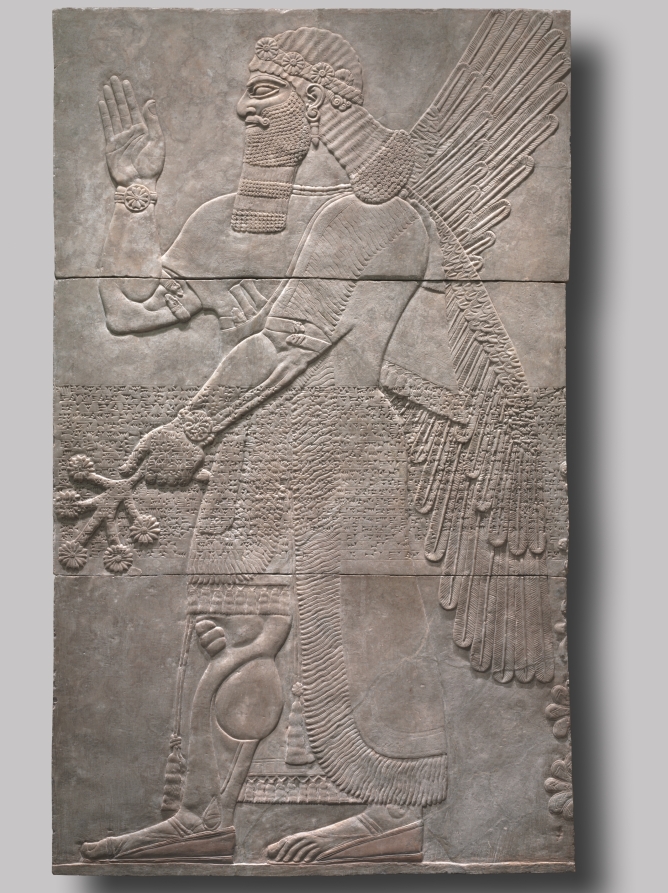
Saluting Protective Spirit
Cleveland Museum of Art
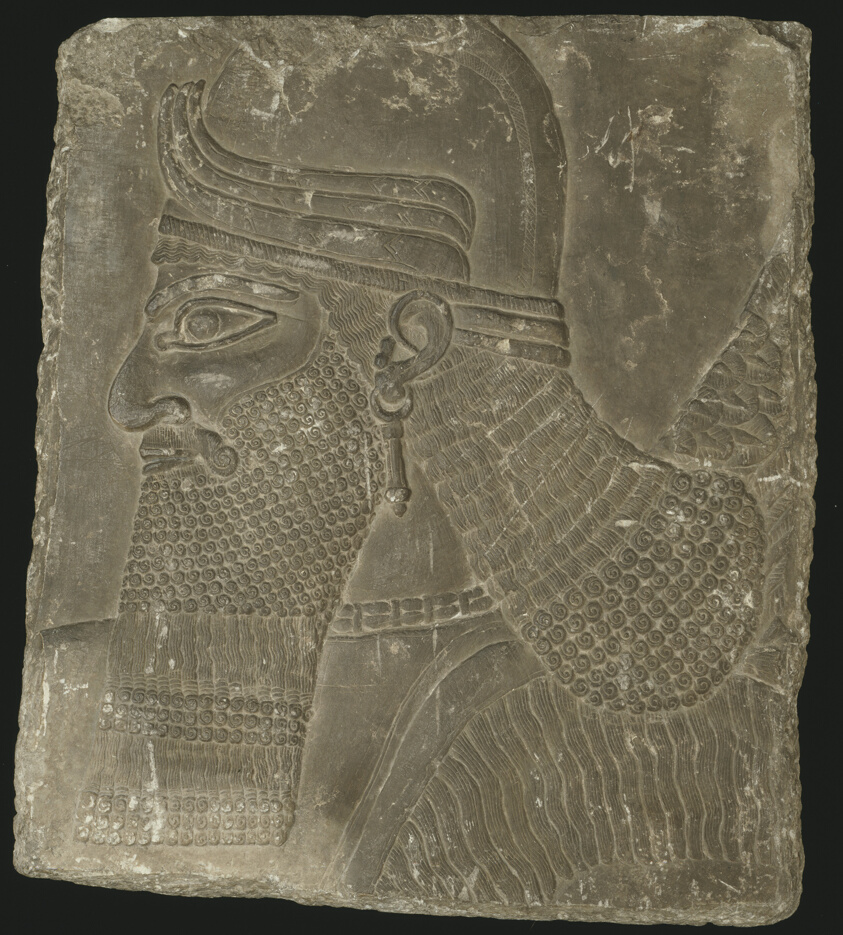
Relief Showing the Head of a Winged Genius
Art Institute of Chicago
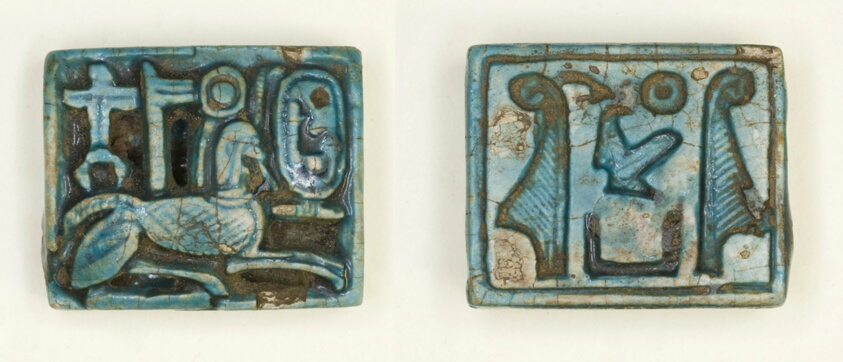
Plaque: Sphinx with Cartouche/Maatkare Flanked by Feathers
Art Institute of Chicago
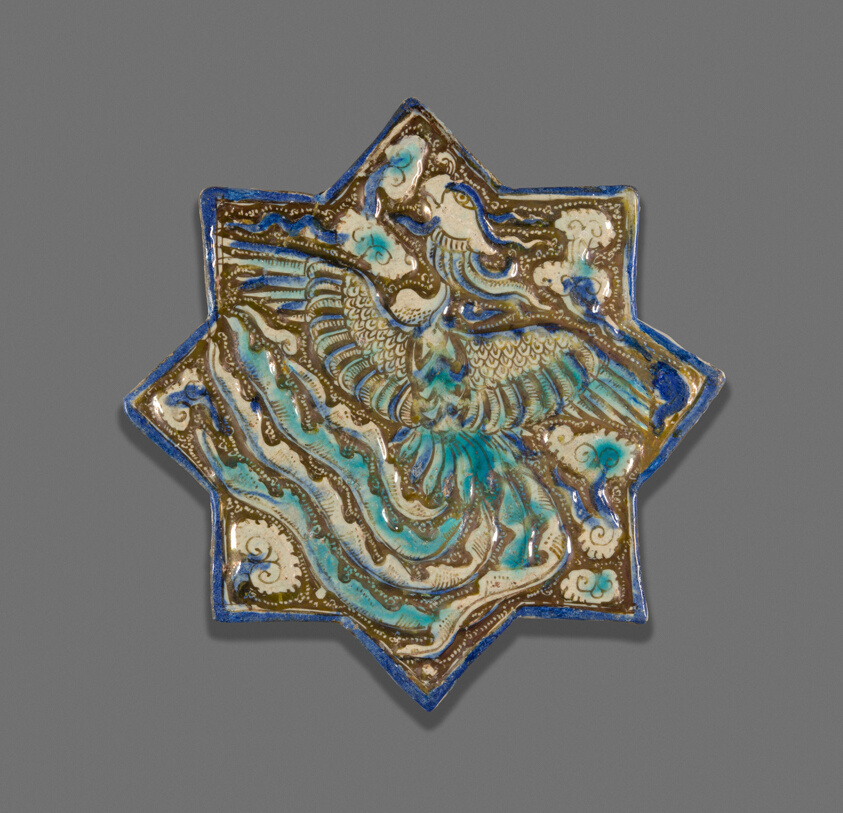
Star-Shaped Tile with Phoenix
Art Institute of Chicago

Splashed Ware Dish with Sgraffito Decoration
Minneapolis Institute of Art

Pendant
Getty Museum

Pendant
Getty Museum