Cleveland Museum of Art
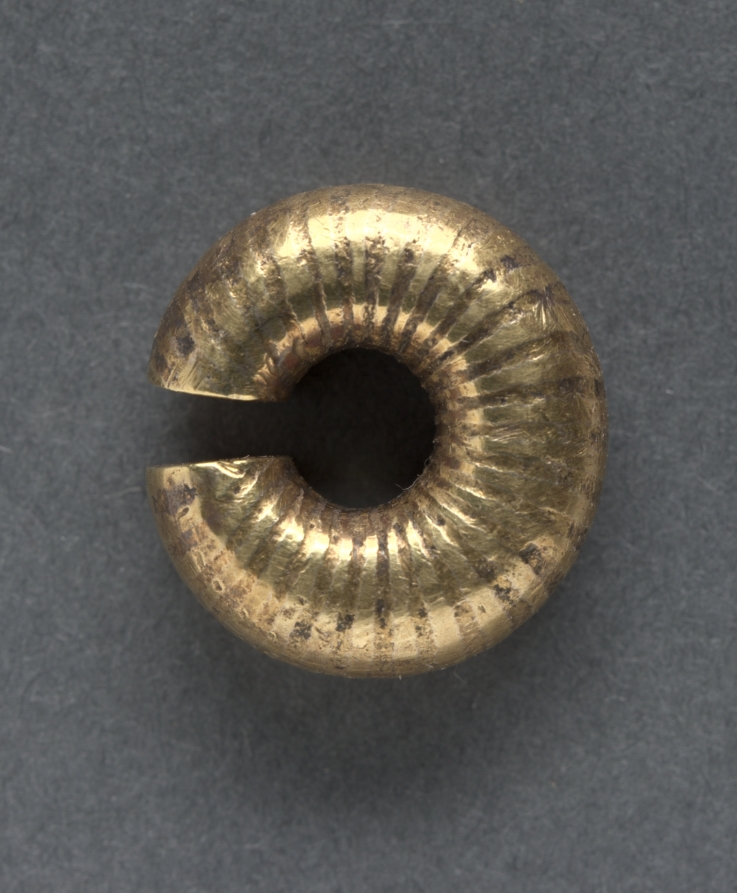
Ring Money
- Date
- c. 100–50 BCE
- Medium
- gold
- Culture
- England
- Department
- Medieval Art
- Institution
- Cleveland Museum of Art
Used in the ancient world from c. 1600 BC, gold ring money was also in general use in Ireland around 100-50 BC. It was used in Britain as well but not to the same extent. This piece was found at Norman Leighton, Warwickshire, almost the central county of England. As a means of exchange, gold was scarce in Britain until successive waves of invaders from the mainland, fleeing the expanding power of the Romans, brought with them degraded staters, an ancient gold coin of the Greeks. Ring money could be strung, allowing you to wear your wealth and easily carry it with you.
The authoritative record is held by Cleveland Museum of Art. LinkedCulture surfaces this object and its connections; it does not alter institutional metadata.
Related across collections
Semantically similar works from Cleveland Museum of Art and other institutions.
Ring
Cleveland Museum of Art
Ring
Cleveland Museum of Art
Stater (Coin) Depicting a Shield
Art Institute of Chicago
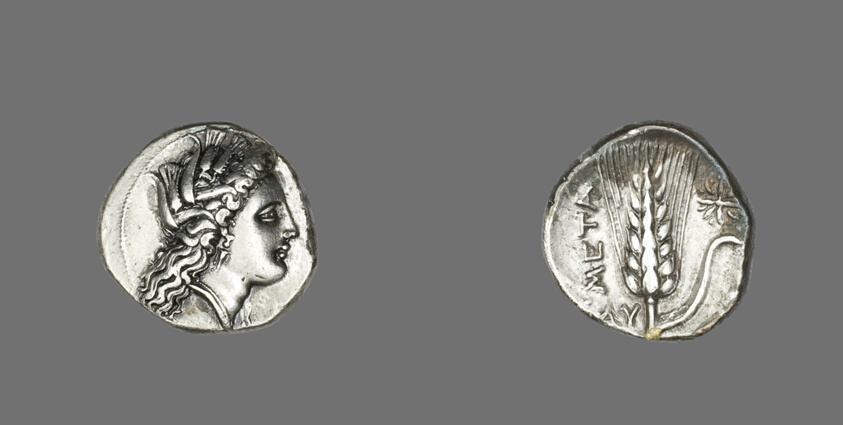
Stater (Coin) Depicting the Goddess Kore
Art Institute of Chicago
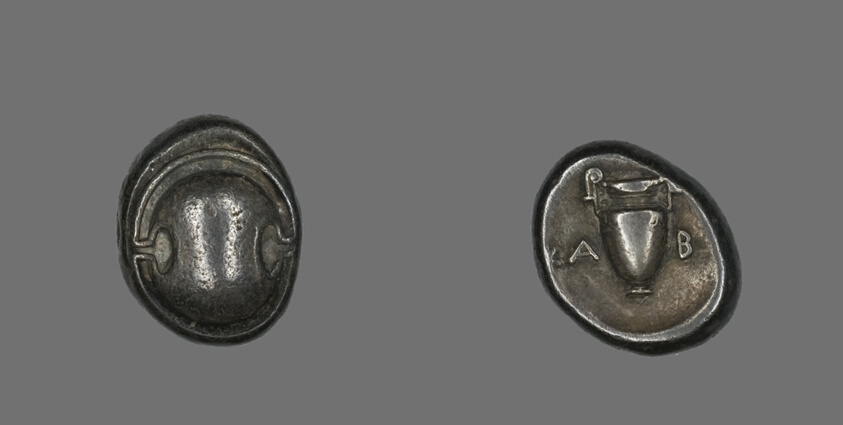
Drachm (Coin) Depicting a Shield
Art Institute of Chicago
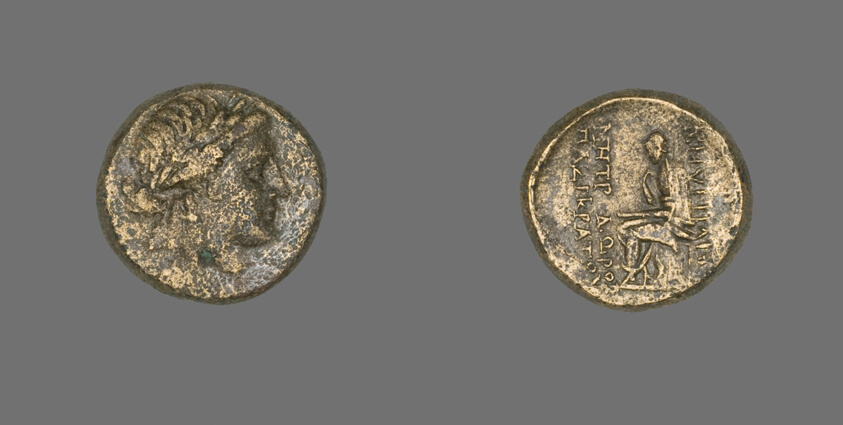
Coin Depicting the God Apollo
Art Institute of Chicago
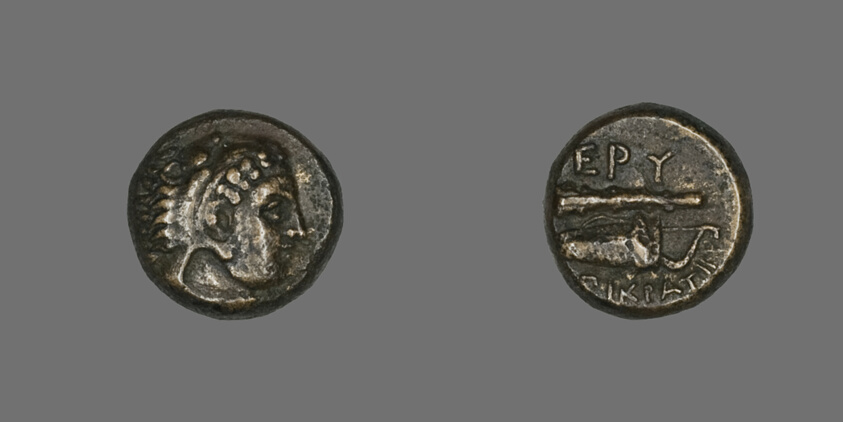
Coin Depicting the Hero Herakles
Art Institute of Chicago
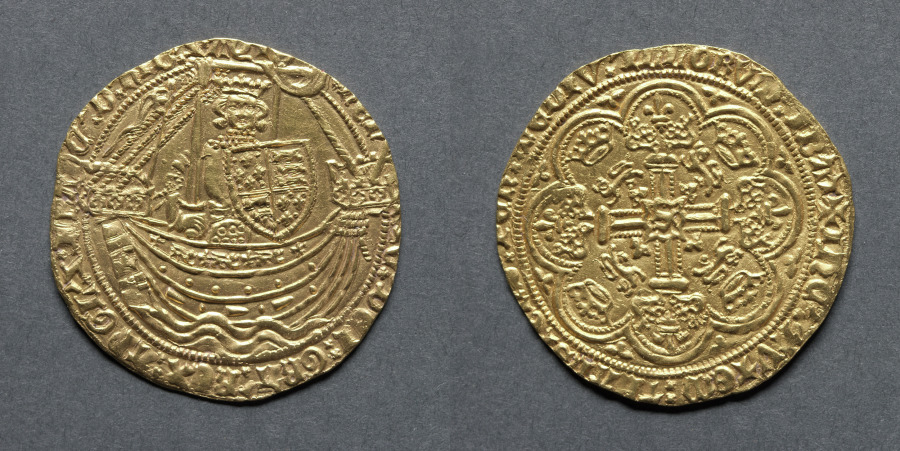
Noble: Henry IV Standing in Ship with Shield of Arms (obverse); Ornamental Cross with Lis Terminals (reverse)
Cleveland Museum of Art
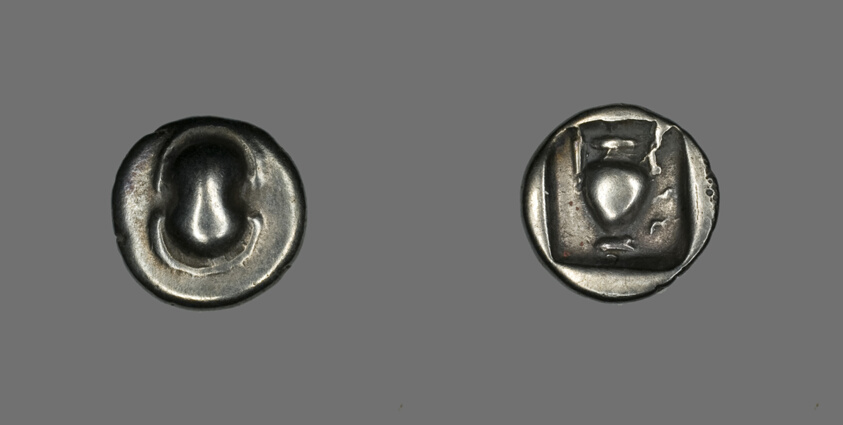
Hemidrachm (?) (Coin) Depicting a Shield
Art Institute of Chicago
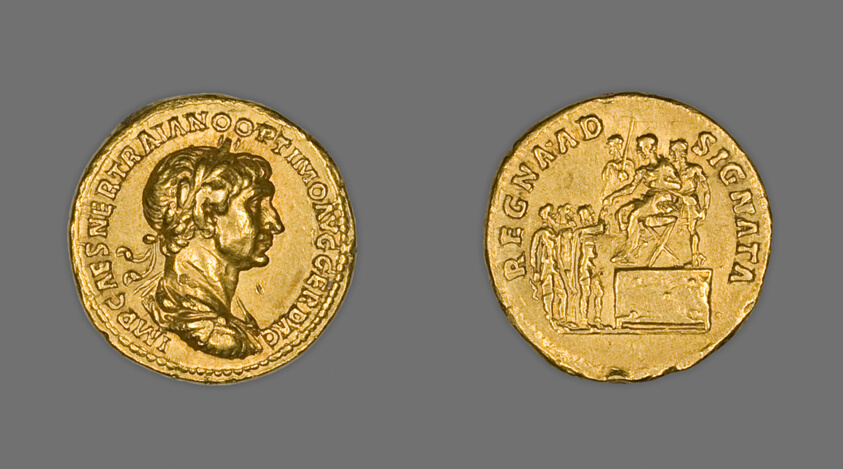
Aureus (Coin) Portraying Emperor Trajan
Art Institute of Chicago
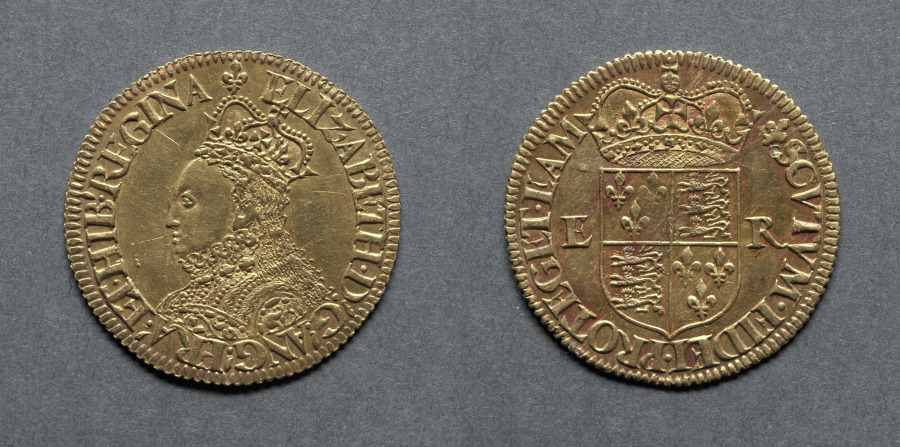
Half Pound: Elizabeth I (obverse); Crowned Shield of Arms (reverse)
Cleveland Museum of Art
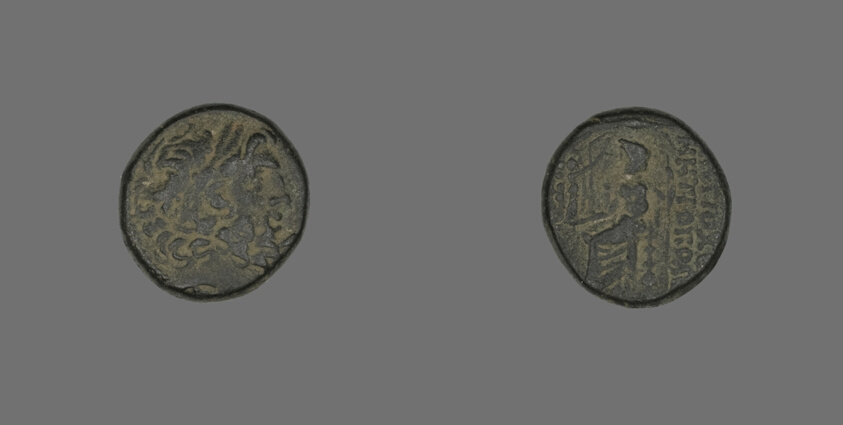
Coin Depicting the God Zeus
Art Institute of Chicago