Cleveland Museum of Art
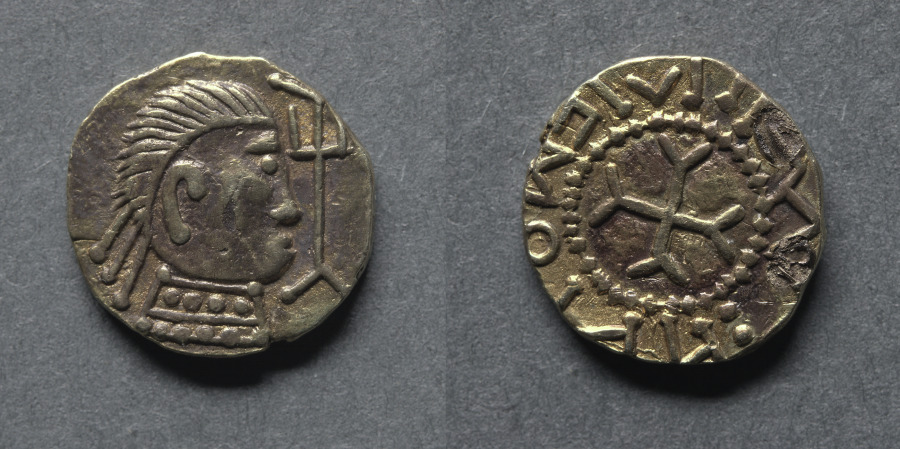
Witmen Tremissis: Bust and Trident (obverse); Cross Fourchée (reverse)
- Date
- early 600s
- Medium
- gold
- Culture
- England, Anglo-Saxon, early 7th century
- Department
- Medieval Art
- Institution
- Cleveland Museum of Art
The Crondall Hoard is a hoard of coins that was found in 1828 in the village of Crondall in the English county of Hampshire. It is believed to date to the seventh century and was studied by Dr. Carol Humphrey Vivian Sutherland (1908-1986), an English numismatist. He characterized this coin as being a close copy of the Witmen prototype, the most common type found in the hoard. Witmen, or his design, featuring a bust on one side and a cross on the other, seems to have been very popular and remained popular for many years. During this time however the portraits grew cruder and cruder, the legends became even more blundered, and the gold content fell lower and lower. The tremissis was a small solid gold coin of late antiquity and was a third of a solidus.
The authoritative record is held by Cleveland Museum of Art. LinkedCulture surfaces this object and its connections; it does not alter institutional metadata.
Related across collections
Semantically similar works from Cleveland Museum of Art and other institutions.
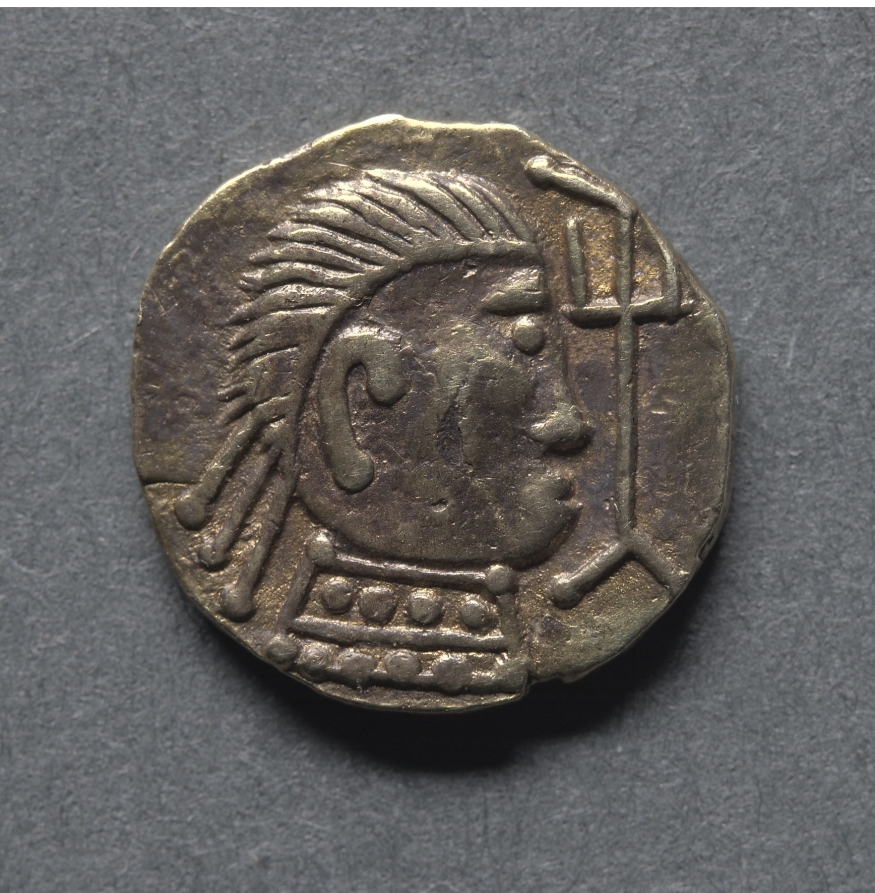
Witmen Tremissis: Bust and Trident (obverse)
Cleveland Museum of Art
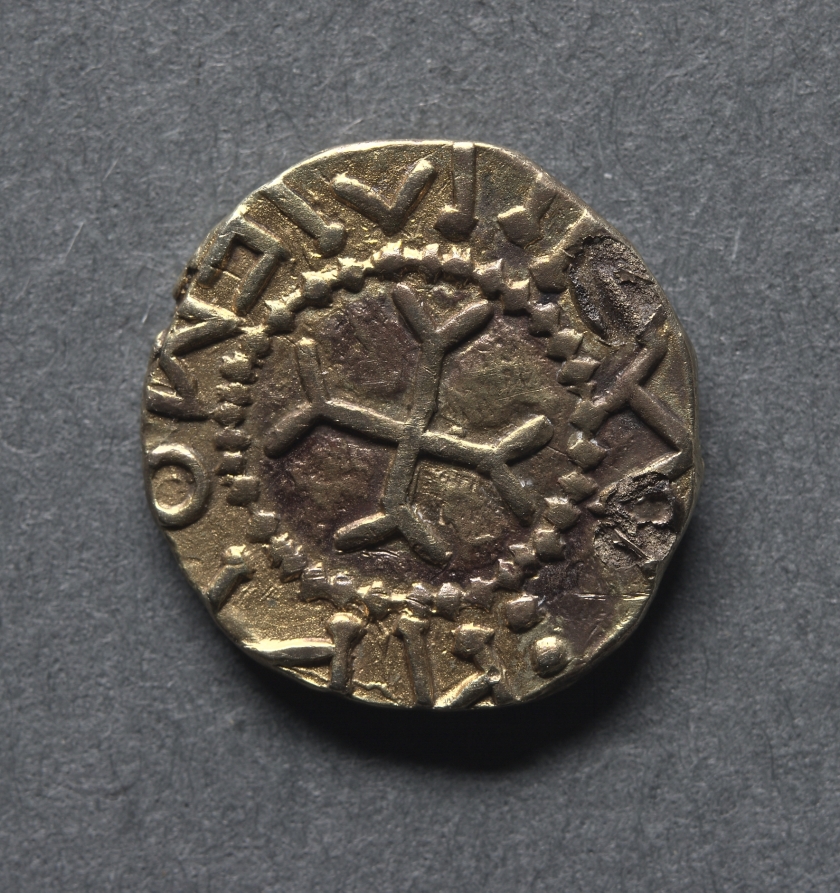
Witmen Tremissis: Cross Fourchée (reverse)
Cleveland Museum of Art
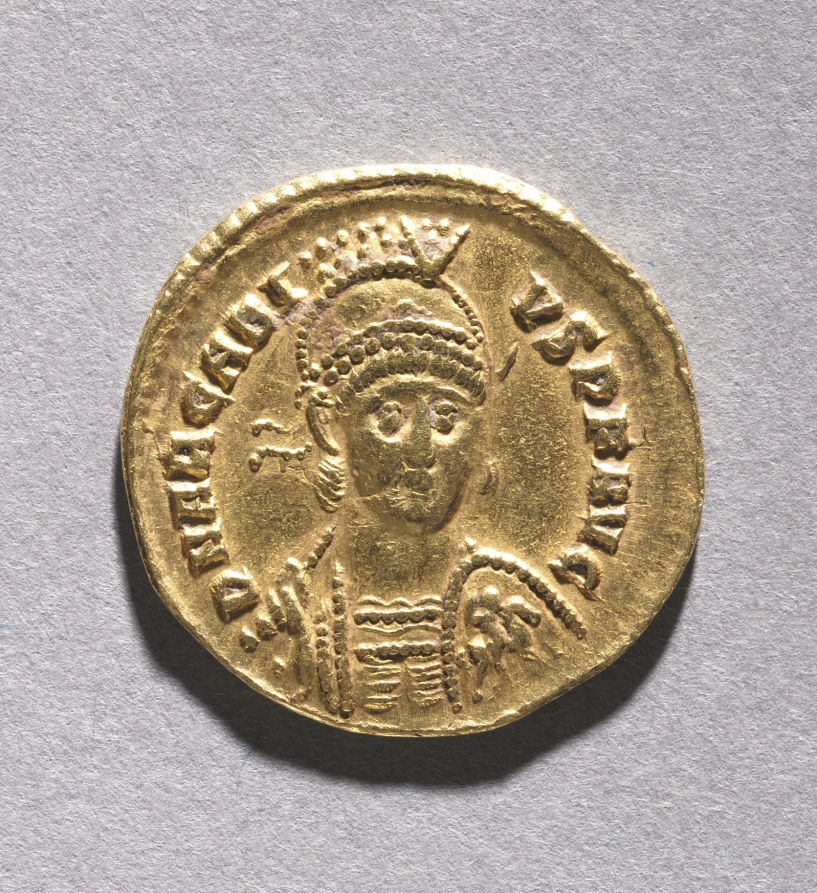
Tremissis of Honorius (obverse)
Cleveland Museum of Art
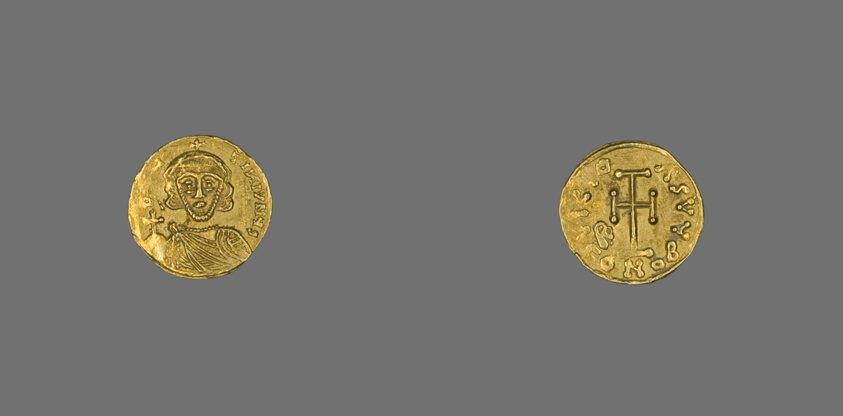
Tremissis (Coin) of Justinian II
Art Institute of Chicago
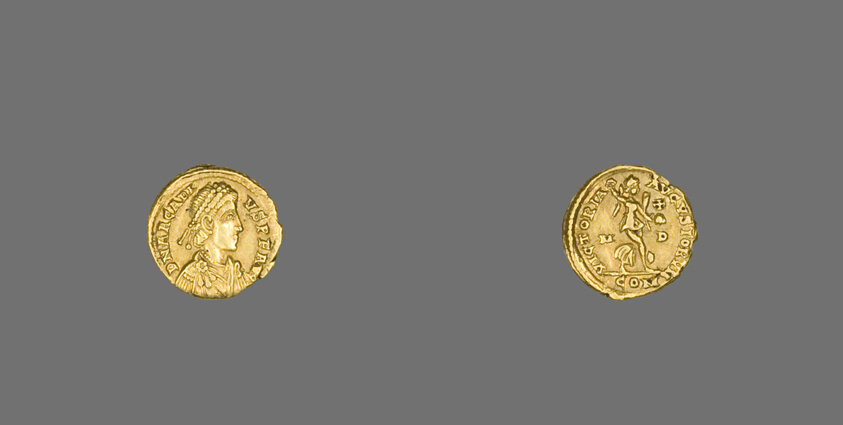
Tremissis (Coin) Portraying Emperor Arcadius
Art Institute of Chicago
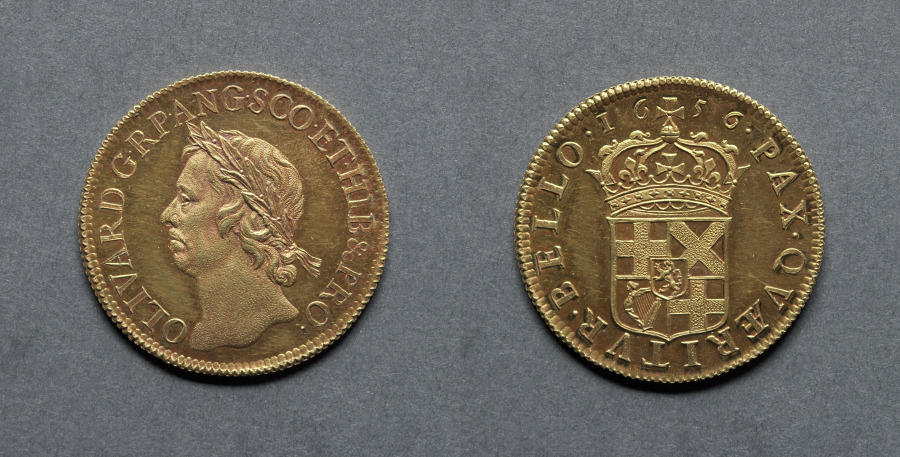
Broad: Oliver Cromwell Lord Protector (obverse); Crowned Shield of Arms (reverse)
Cleveland Museum of Art
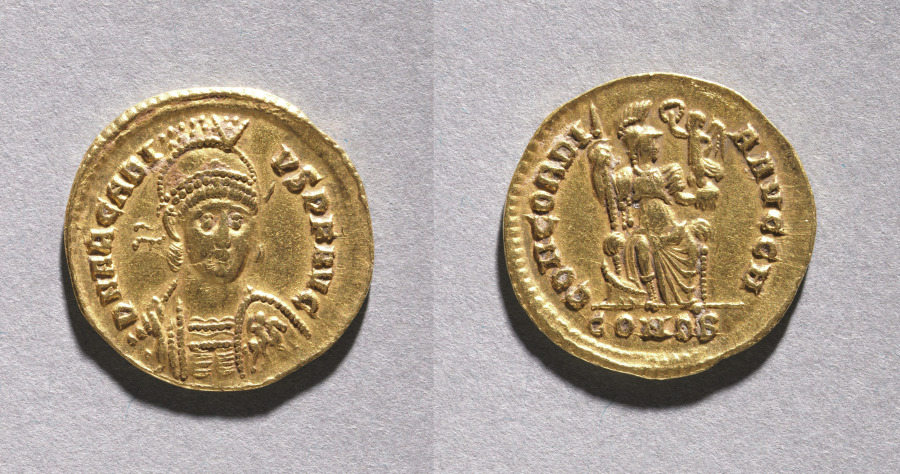
Tremissis of Honorius
Cleveland Museum of Art
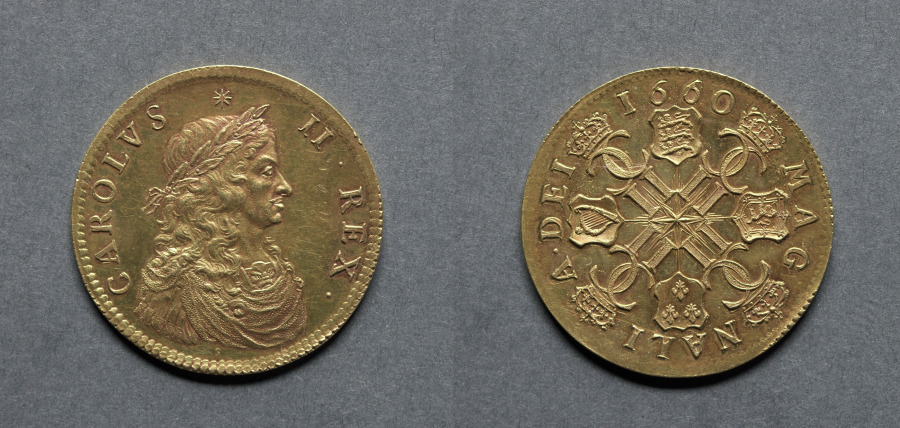
Broad: Charles II (obverse); Shields (reverse)
Cleveland Museum of Art
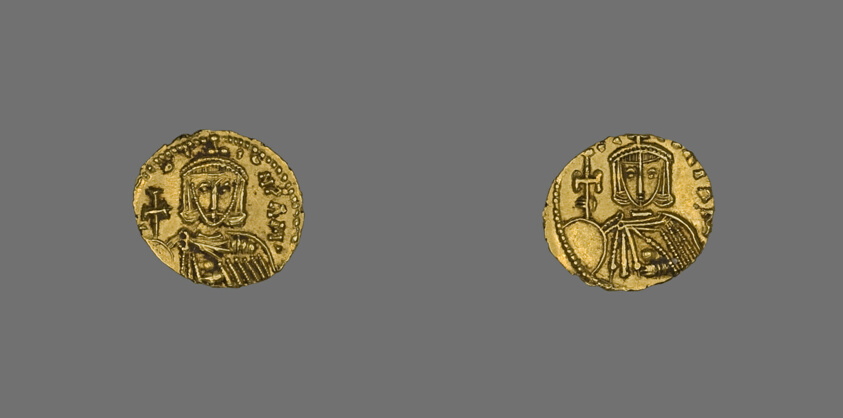
Tremissis (Coin) of Leo III
Art Institute of Chicago
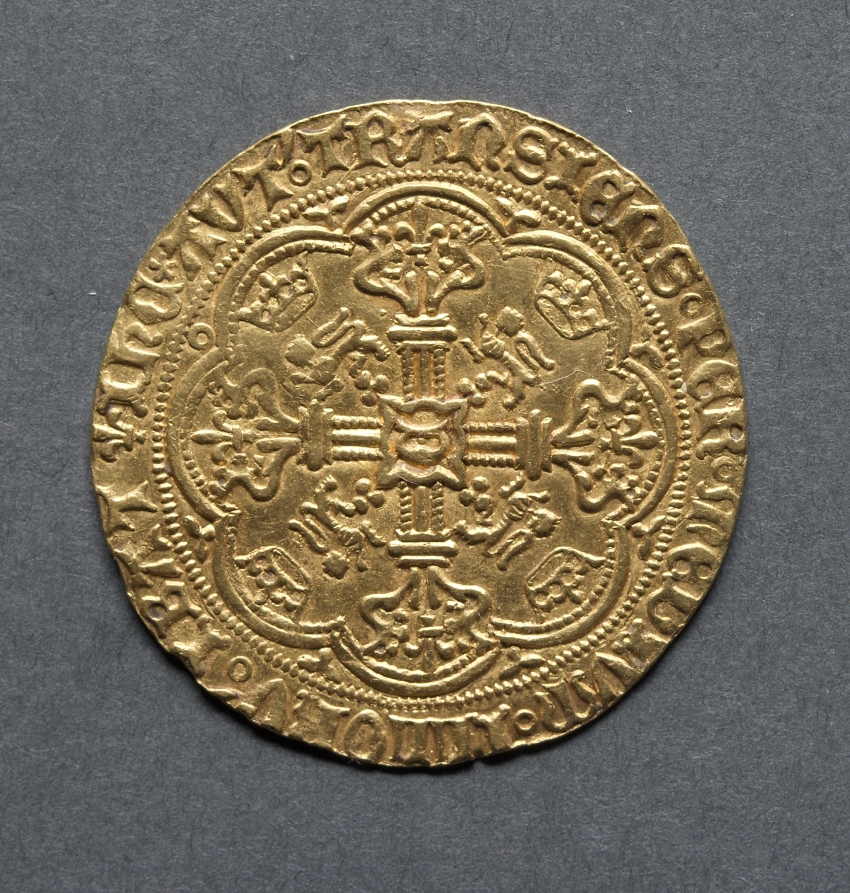
Noble: Ornamental Cross with Lis Terminals (reverse)
Cleveland Museum of Art
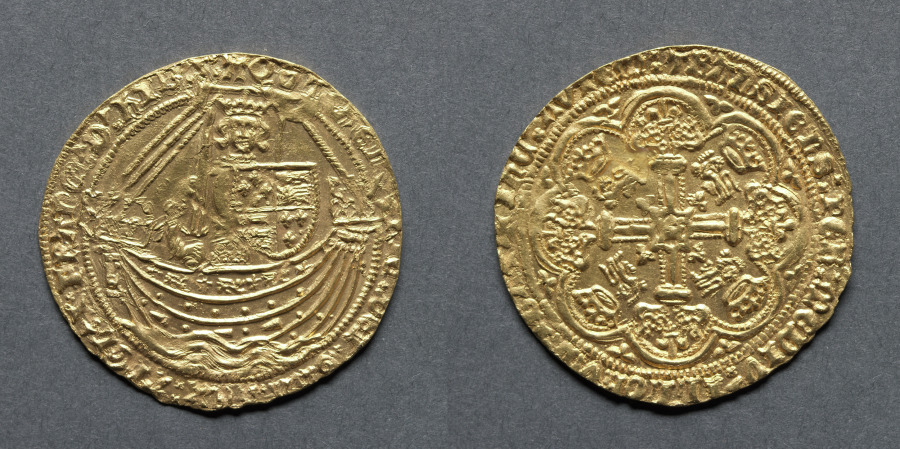
Noble: Henry V in Ship with Shield of Arms (obverse); Ornamental Cross with Lis Terminals (reverse)
Cleveland Museum of Art

Tremissis of Justinian I
Getty Museum