Cleveland Museum of Art
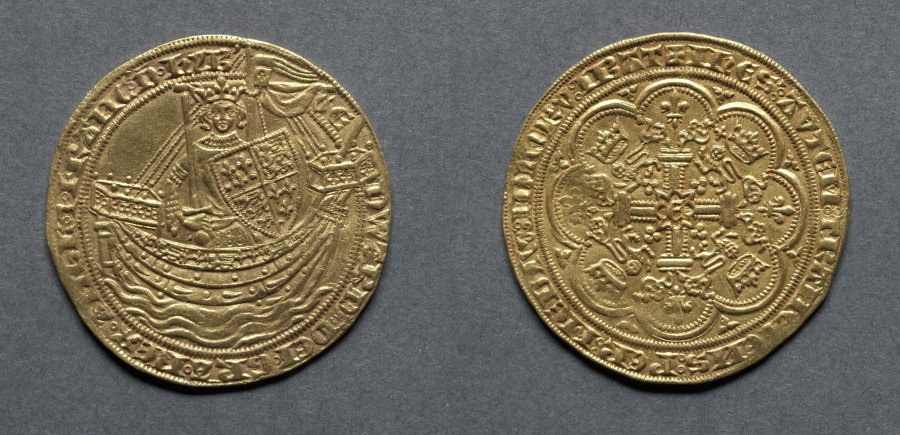
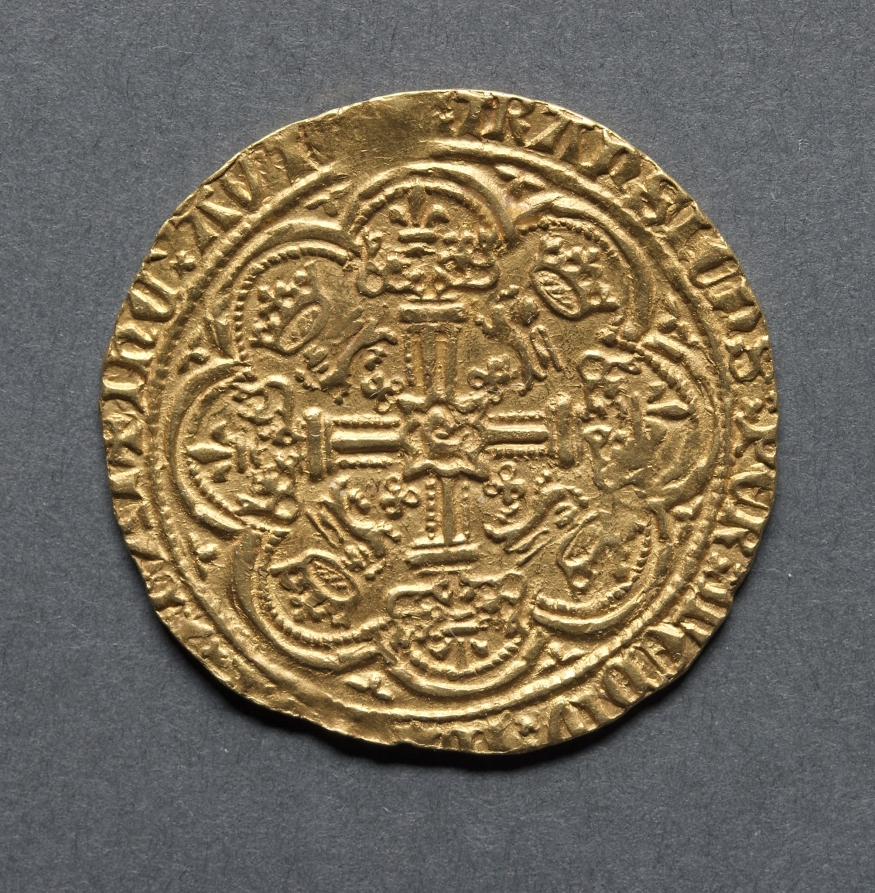
Noble: Edward III Standing in Ship with Shield of Arms (obverse); Ornamental Cross with Lis Terminals (reverse)
- Date
- 1351
- Medium
- gold
- Culture
- England, Edward III, 1327-1377
- Department
- Medieval Art
- Institution
- Cleveland Museum of Art
Bearing in mind the primitive tools and methods of production in the 1300s, this noble, and other similar pieces are remarkable for their beauty and fineness of detail. In all the indentures of this period a clause was inserted providing for the trial of the Pyx. The Master of the Mint was supposed to place in the Pyx, a small box, a sample of all coins struck. These were left for three months and then tested by a committee to verify the weight and fineness. For many centuries the Trial of the Pyx took place in the Pyx Chamber at Westminster Abbey which visitors may still see today. In the 1800s the trial was transferred to Goldsmiths Hall where it is still held annually. Each three months some initial or secret mark was put on the coin to show that another three month period had started. These marks consisted of initial marks plus combinations of single or double annulets, broken annulet, unbarred N's, reversed S's, and so forth. The noble was the first English gold coin produced in larger numbers and was introduced by King Edward III.
The authoritative record is held by Cleveland Museum of Art. LinkedCulture surfaces this object and its connections; it does not alter institutional metadata.
Related across collections
Semantically similar works from Cleveland Museum of Art and other institutions.
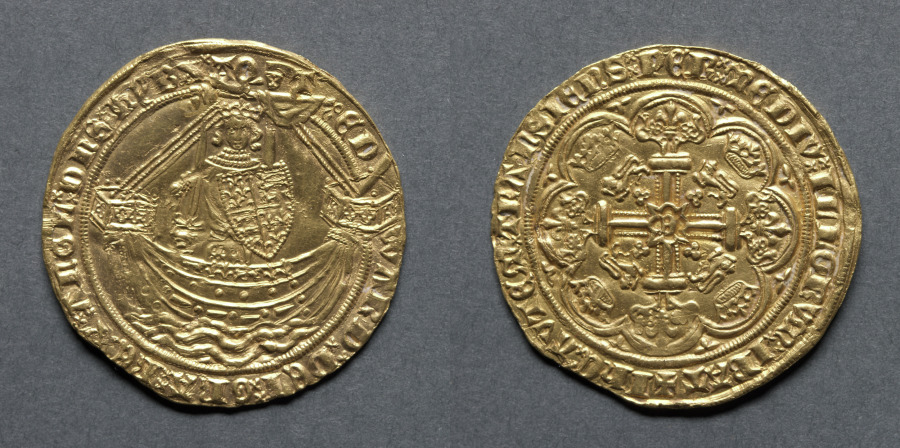
Noble: Edward III Standing in Ship with Shield of Arms (obverse); Ornamental Cross with Lis Terminals (reverse)
Cleveland Museum of Art
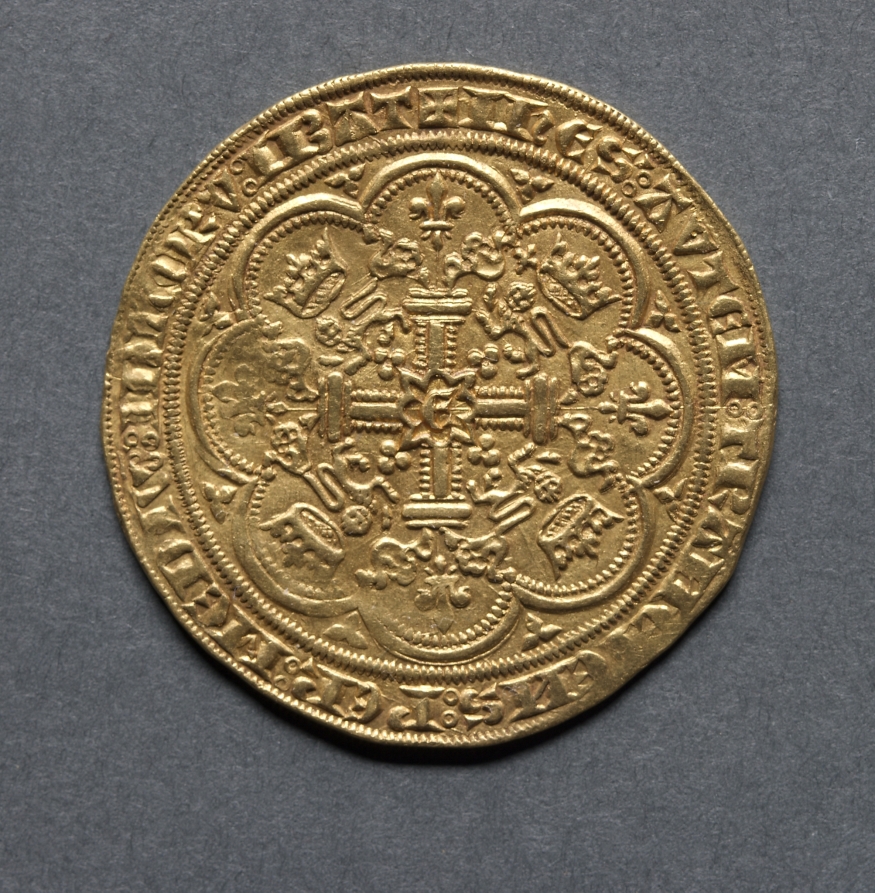
Noble: Ornamental Cross with Lis Terminals (reverse)
Cleveland Museum of Art
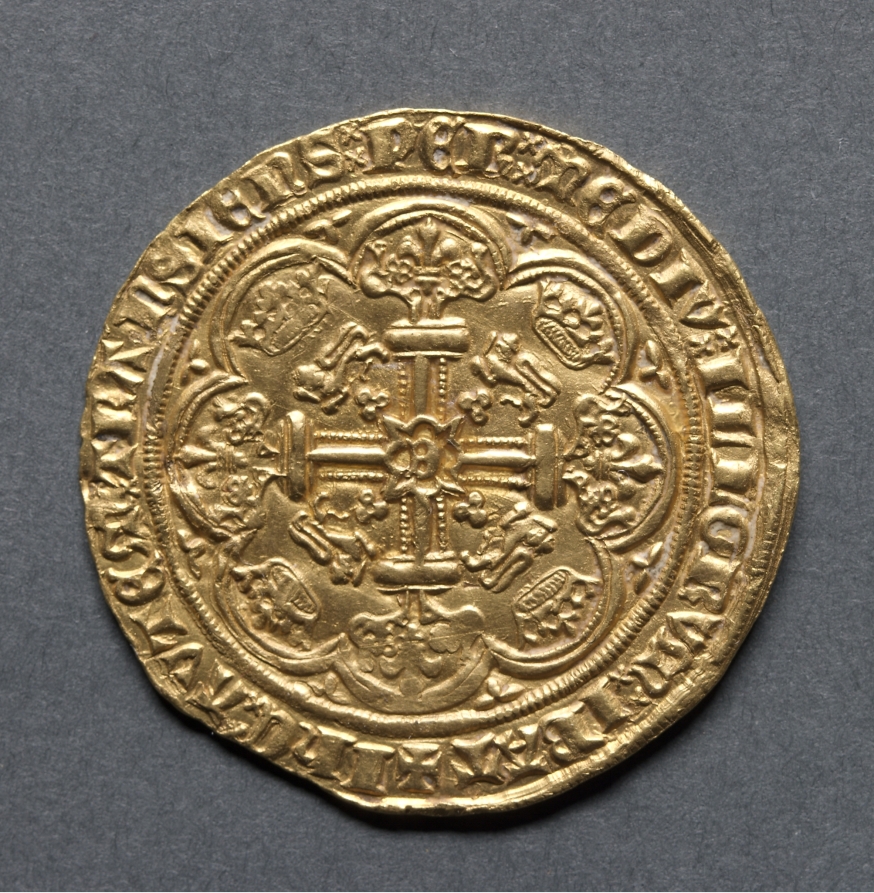
Noble: Ornamental Cross with Lis Terminals (reverse)
Cleveland Museum of Art
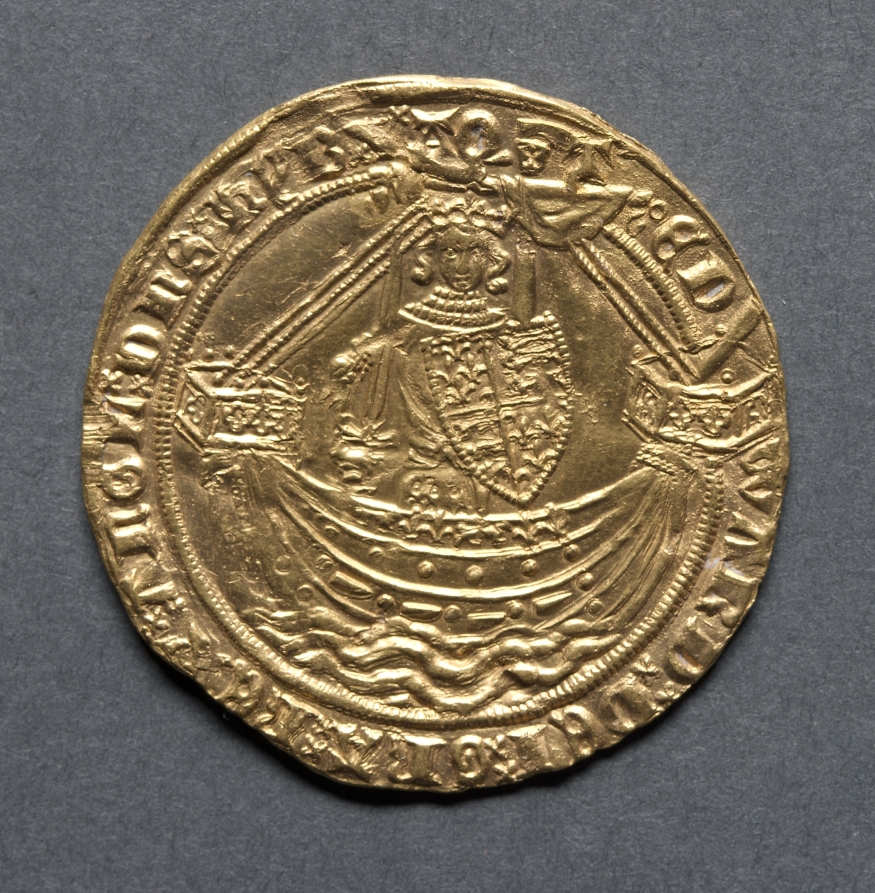
Noble: Edward III Standing in Ship with Shield of Arms (obverse)
Cleveland Museum of Art
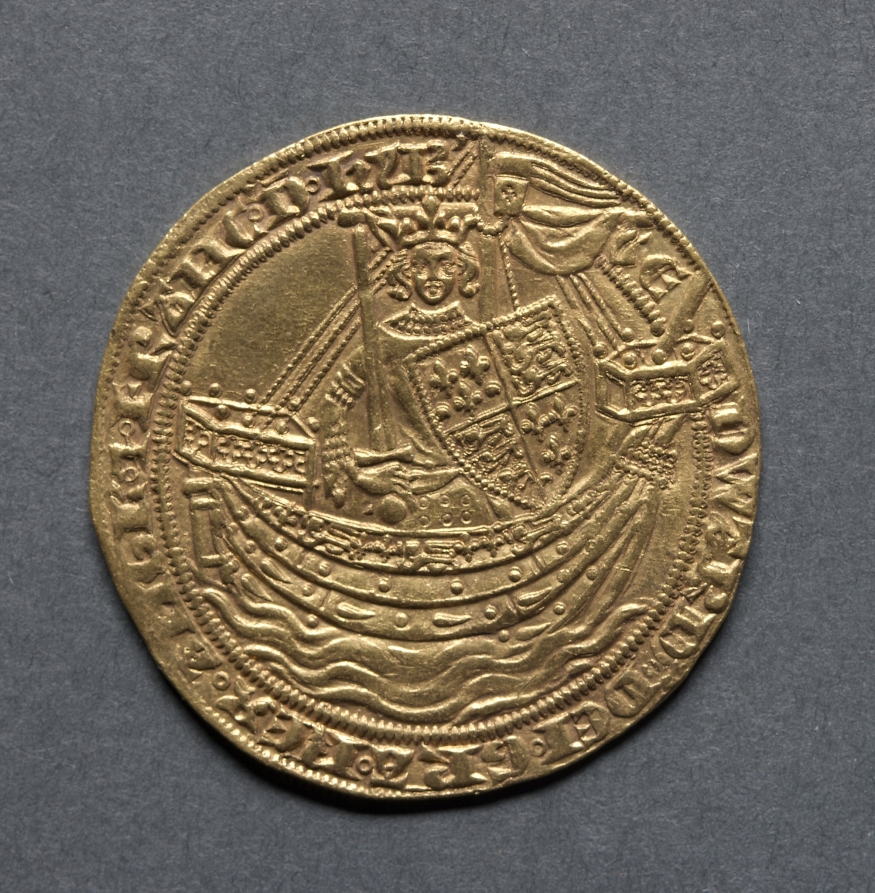
Noble: Edward III Standing in Ship with Shield of Arms (obverse)
Cleveland Museum of Art
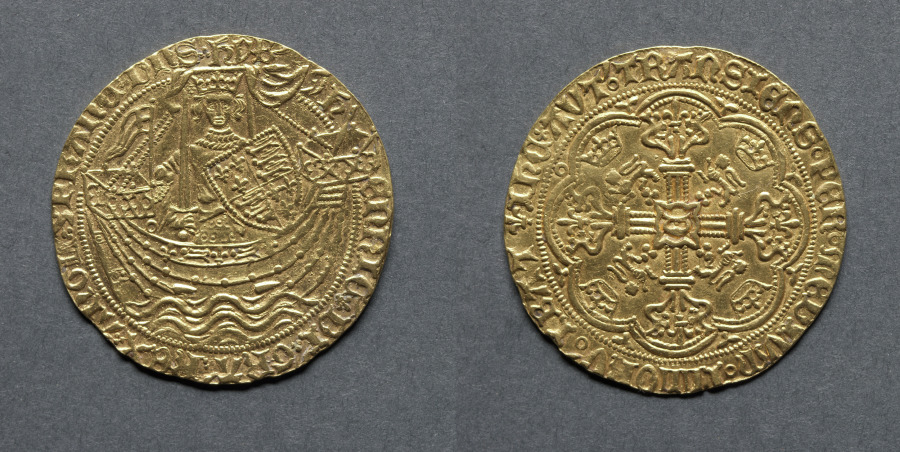
Noble: Henry VI in Ship with Shield of Arms (obverse); Ornamental Cross with Lis Terminals (reverse)
Cleveland Museum of Art
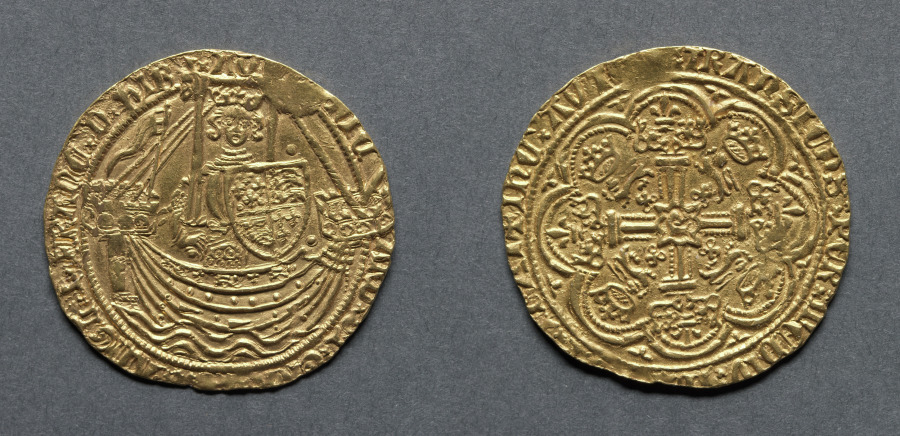
Noble: Richard II Standing on Ship with Shield of Arms (obverse); Ornamental Cross with Lis Terminals (reverse)
Cleveland Museum of Art
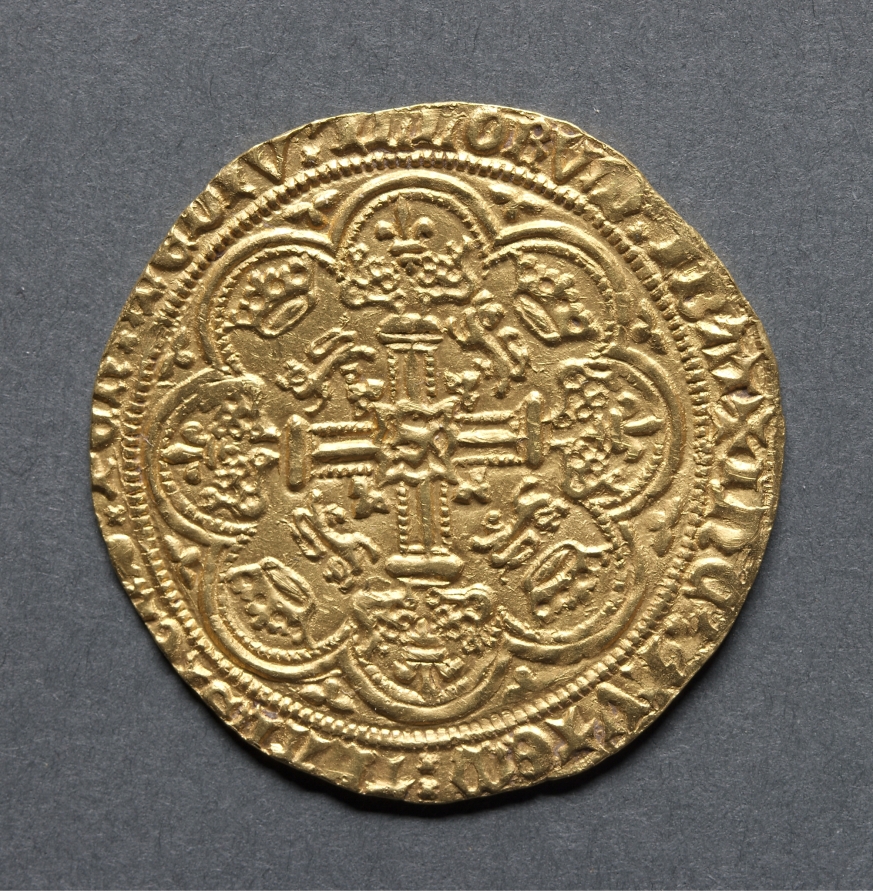
Noble: Henry IV Standing in Ship with Shield of Arms (obverse); Ornamental Cross with Lis Terminals (reverse)
Cleveland Museum of Art
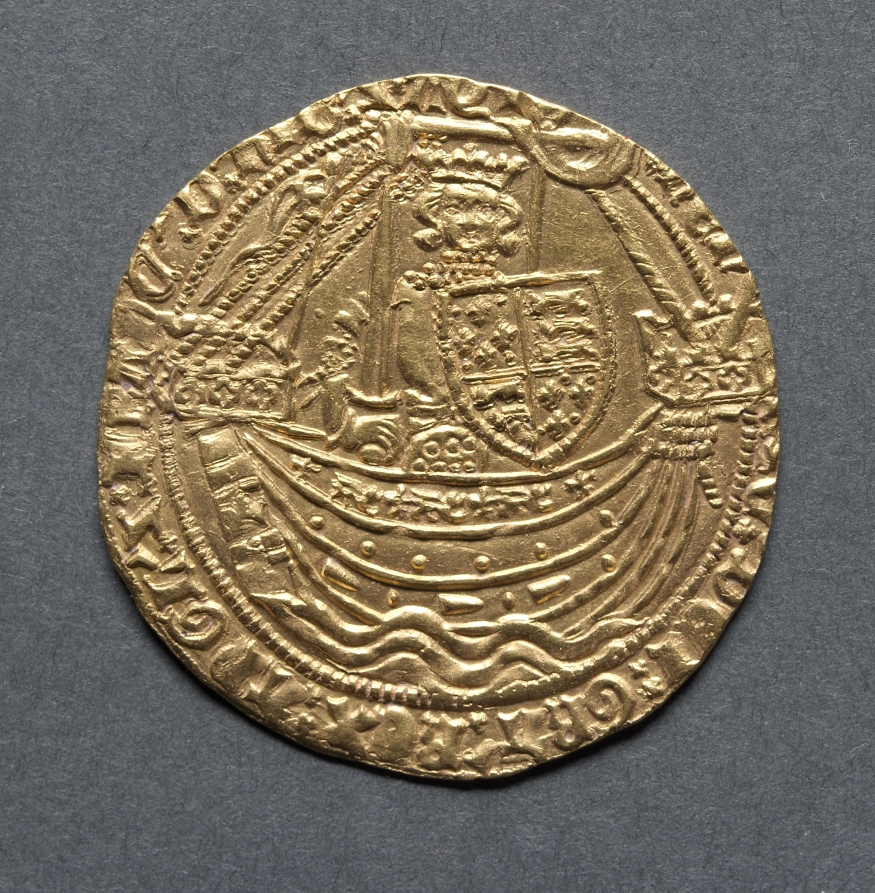
Noble: Henry IV Standing in Ship with Shield of Arms (obverse); Ornamental Cross with Lis Terminals (reverse)
Cleveland Museum of Art
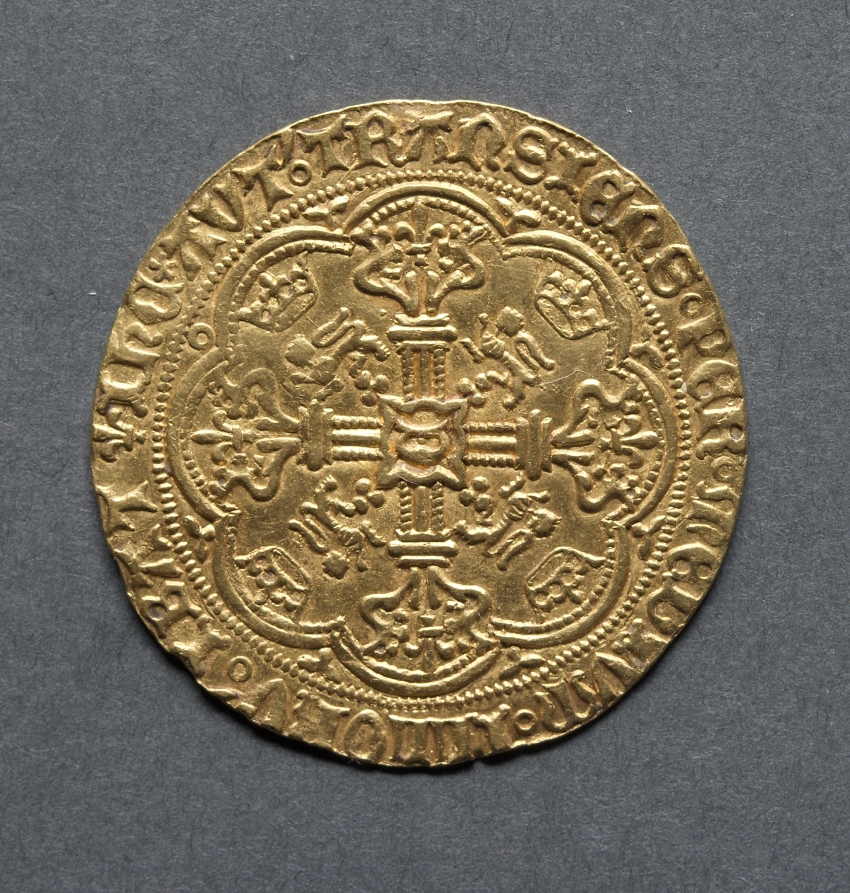
Noble: Ornamental Cross with Lis Terminals (reverse)
Cleveland Museum of Art
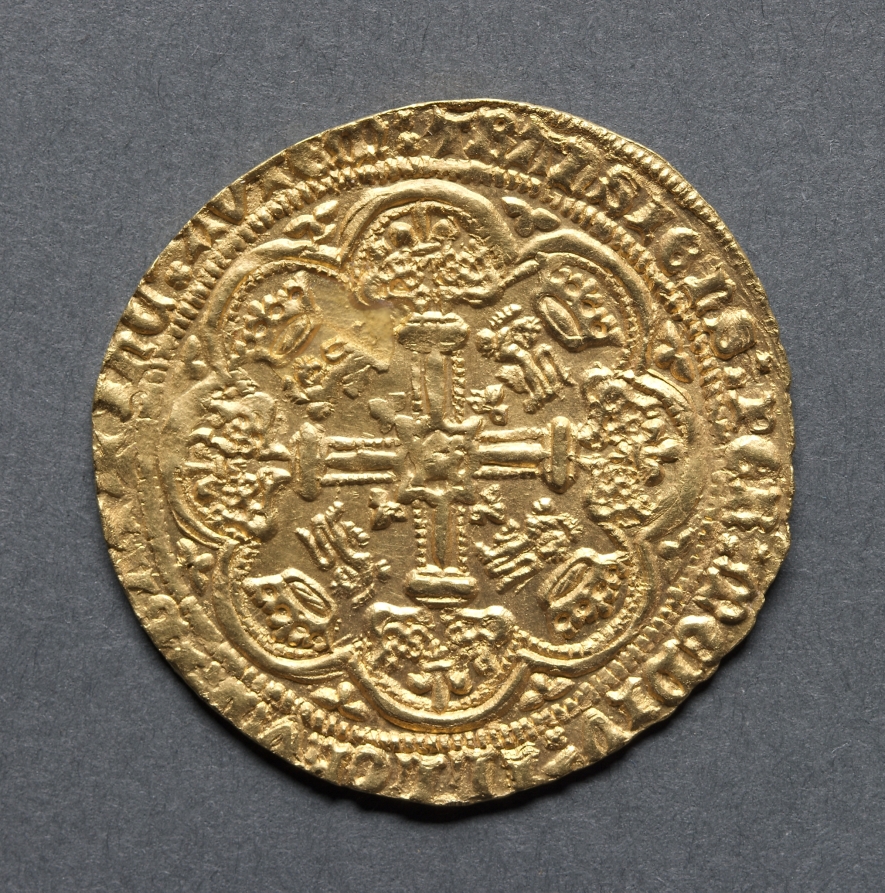
Noble: Ornamental Cross with Lis Terminals (reverse)
Cleveland Museum of Art
Noble: Ornamental Cross with Lis Terminals (reverse)
Cleveland Museum of Art