Cleveland Museum of Art
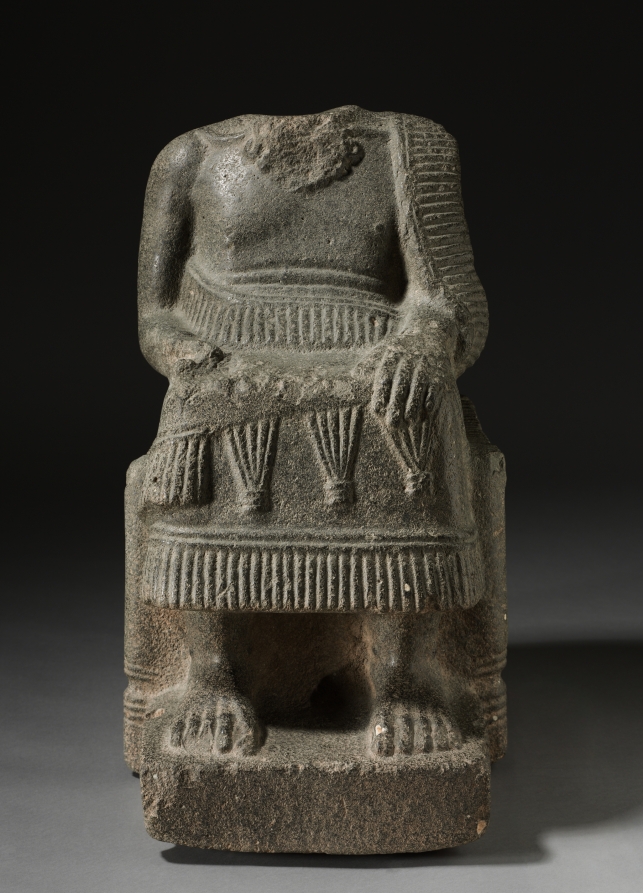
Seated Ruler
- Date
- 2000–1700 BCE
- Medium
- limestone with shell inclusions
- Culture
- North Syria, possibly Ebla
- Department
- Egyptian and Ancient Near Eastern Art
- Institution
- Cleveland Museum of Art
Four thousand years ago northern Syria was a crossroads of peoples and cultures, meeting through trade and military conflict. This statue of a portly man sitting on a low throne combines Assyrian and Amorite stylistic influences. It was possibly found at Ebla, where some scholars believe the biblical Abraham visited as he traveled from Chaldea to Canaan around 2000 bc. Such a large carved stone image suggests a local ruler or high official. The head was removed, probably in an act of ritual defilement, since decapitation was believed to cancel the object’s supernatural presence. The remains of a beard can be seen at the neckline.
The authoritative record is held by Cleveland Museum of Art. LinkedCulture surfaces this object and its connections; it does not alter institutional metadata.
Related across collections
Semantically similar works from Cleveland Museum of Art and other institutions.
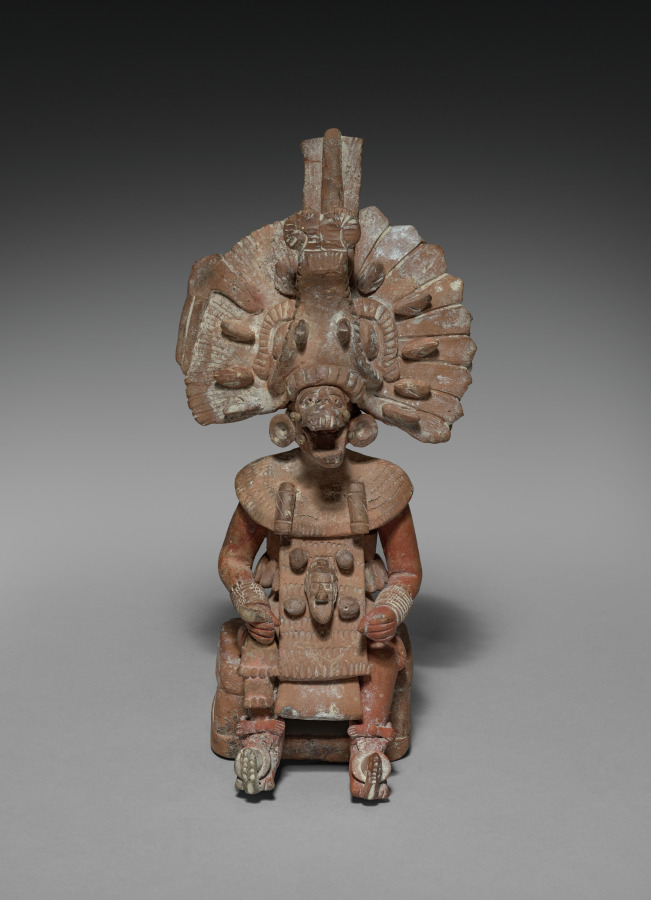
Seated Lord with Removable Headdress
Cleveland Museum of Art
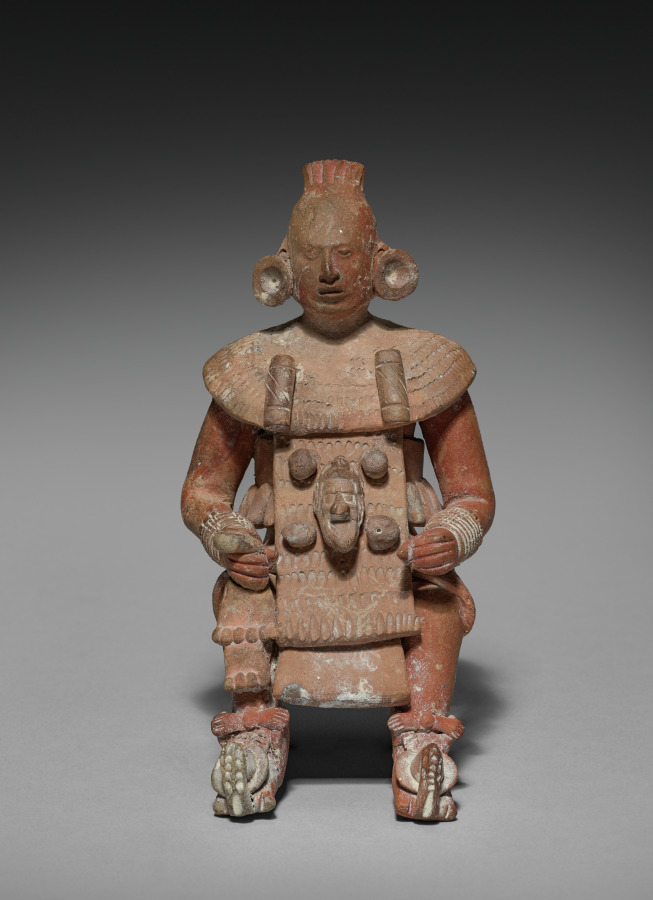
Seated Lord with Removable Headdress: Figure
Cleveland Museum of Art
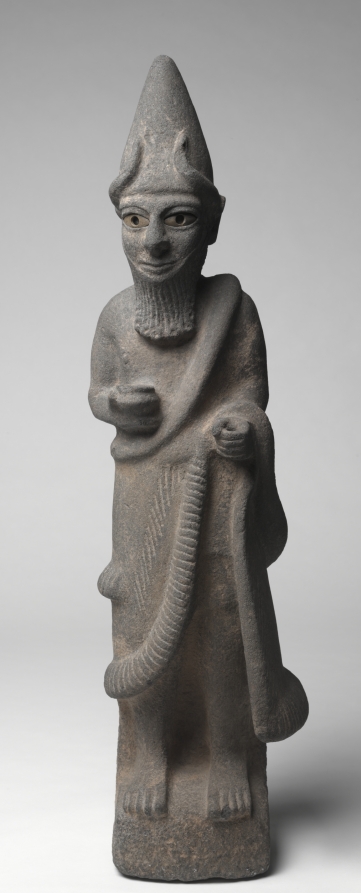
Priest-King or Deity
Cleveland Museum of Art
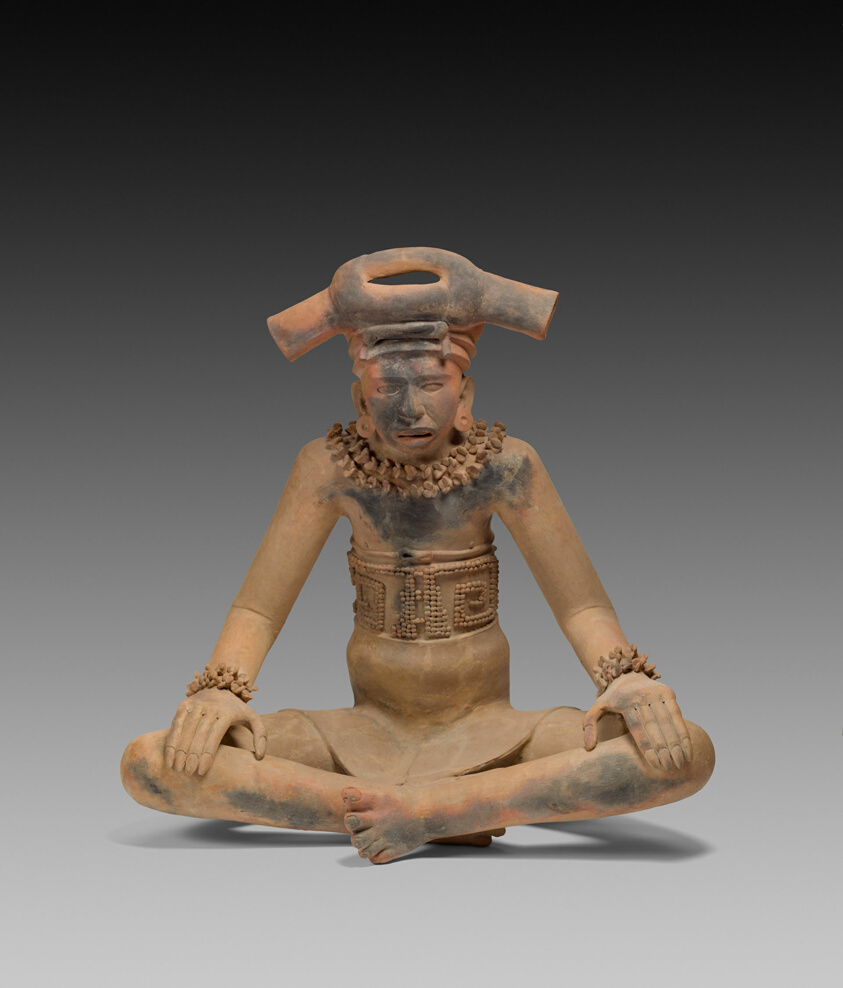
Figure of a Seated Leader
Art Institute of Chicago
divinité à tête de bélier
Joconde
Seated Goddess on Throne, pulling aside her veil
Harvard Art Museums

Head Fragment from a Double-Headed Herm
Getty Museum
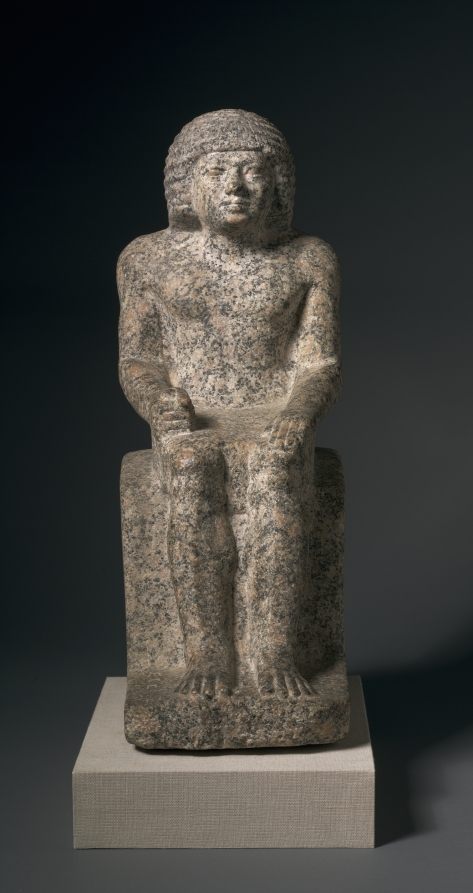
Seated Statue of Nykara
Cleveland Museum of Art

Portrait Head of a Ruler
Getty Museum
Head
Harvard Art Museums

Head of a Ptolemaic Ruler
Getty Museum
Syrian or Neo-Assyrian Cult Figure
Harvard Art Museums