Cleveland Museum of Art
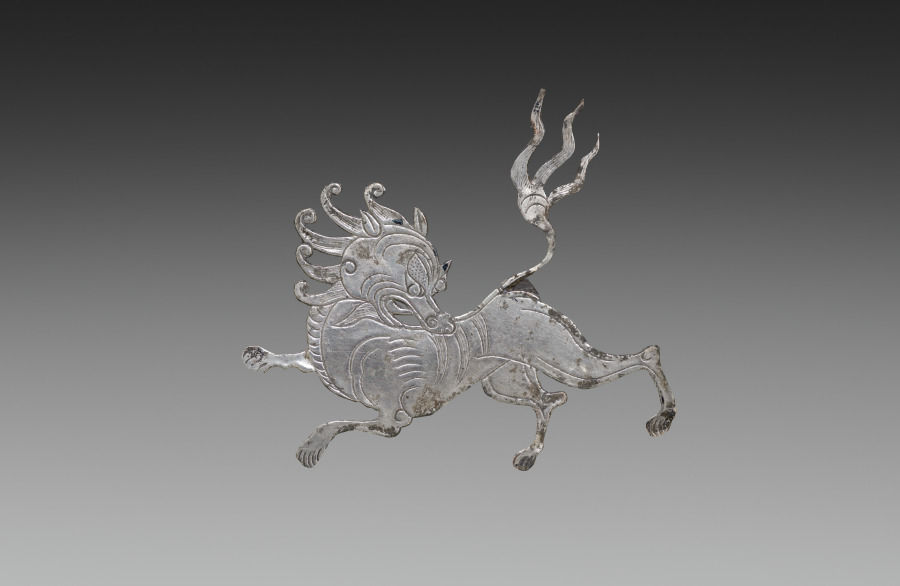
Inlay for a Mirror or Box: shih-shih
- Date
- c. 900–1000
- Medium
- beaten silver with chased details
- Culture
- China, Tang dynasty (618-907) - Song dynasty (960-1279)
- Department
- Chinese Art
- Institution
- Cleveland Museum of Art
The p'ing-t'o technique of inlaying gold and silver foil on lacquer produced luxurious articles of elegance and fragility. These stray silver inlays were originally mounted on a mirror back or a cosmetic box whose lacquered surface has disintegrated. They combine auspicious symbols of Indian and Chinese origin--human-headed birds whose melodies filled the Buddhist paradise, and bird-riding deities who inhabited the skies of Taoist mythology. Like these imaginary beings, the lions were probably paired in a radial design; at least one has been lost.
The authoritative record is held by Cleveland Museum of Art. LinkedCulture surfaces this object and its connections; it does not alter institutional metadata.
Related across collections
Semantically similar works from Cleveland Museum of Art and other institutions.
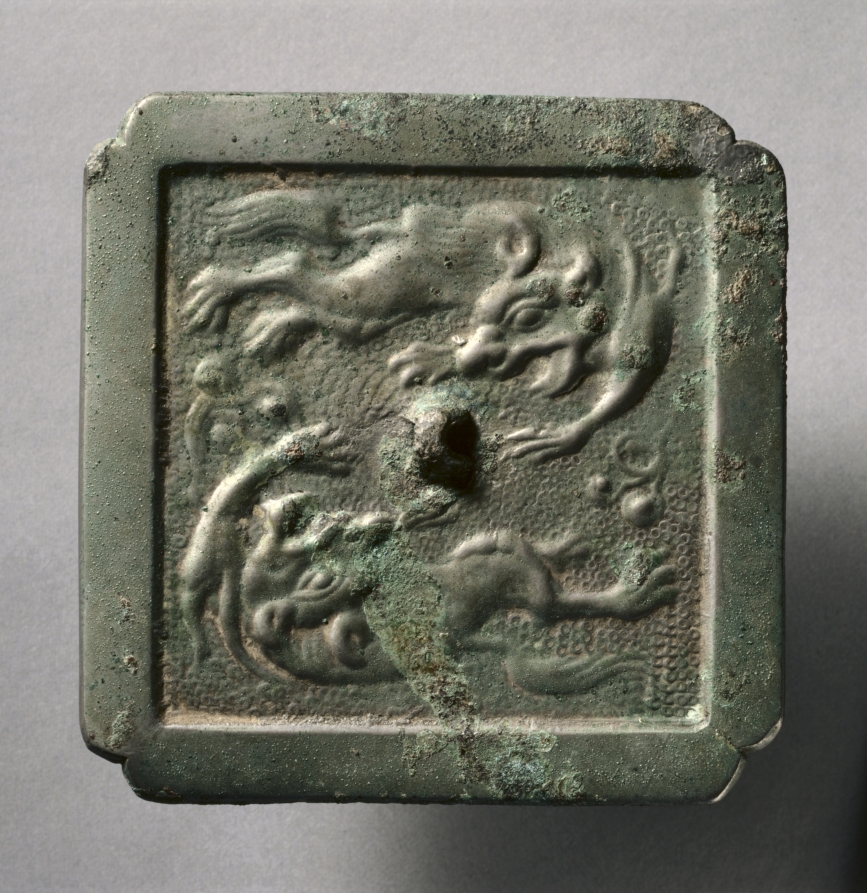
Cruciform Mirror with Two Lions
Cleveland Museum of Art

Gahu Amulet Box
Minneapolis Institute of Art

Five-tiered box decorated with the Thirty-Six Immortal Poets
Minneapolis Institute of Art
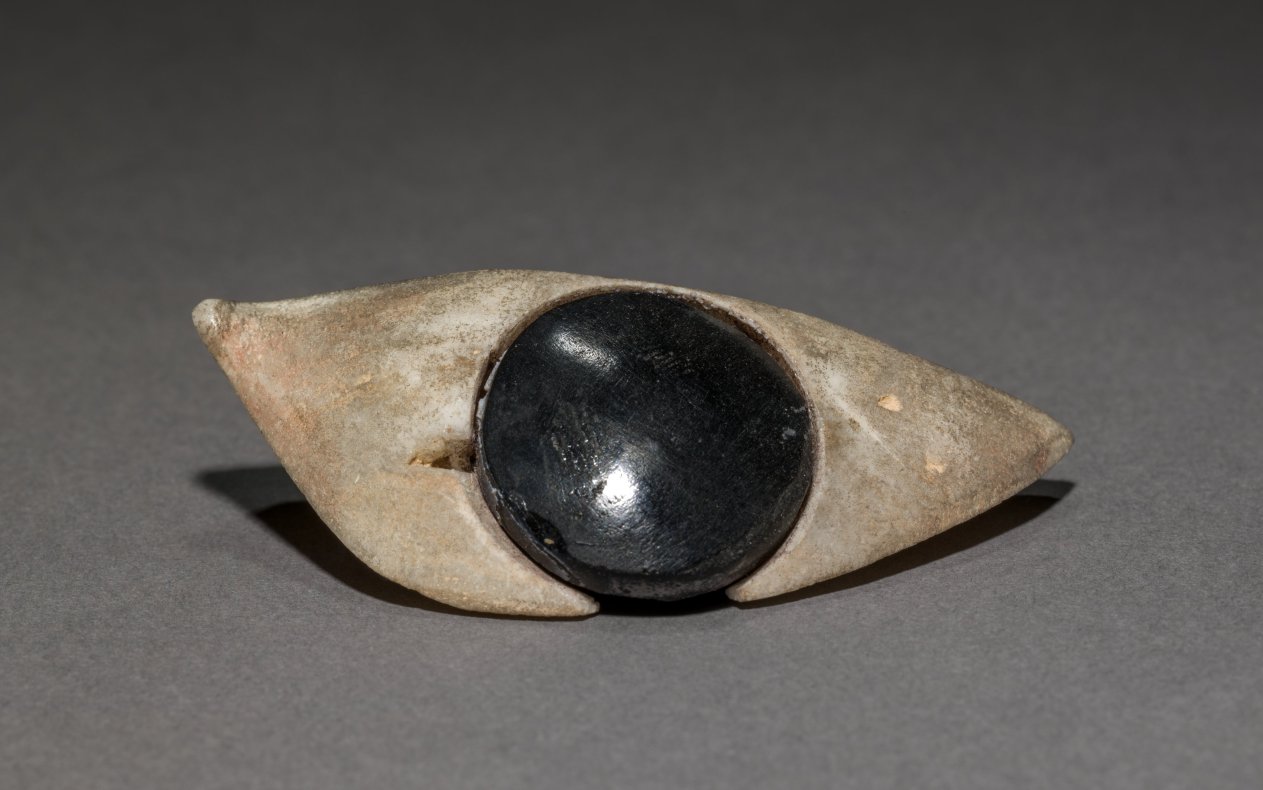
Inlay Eye from Coffin
Cleveland Museum of Art
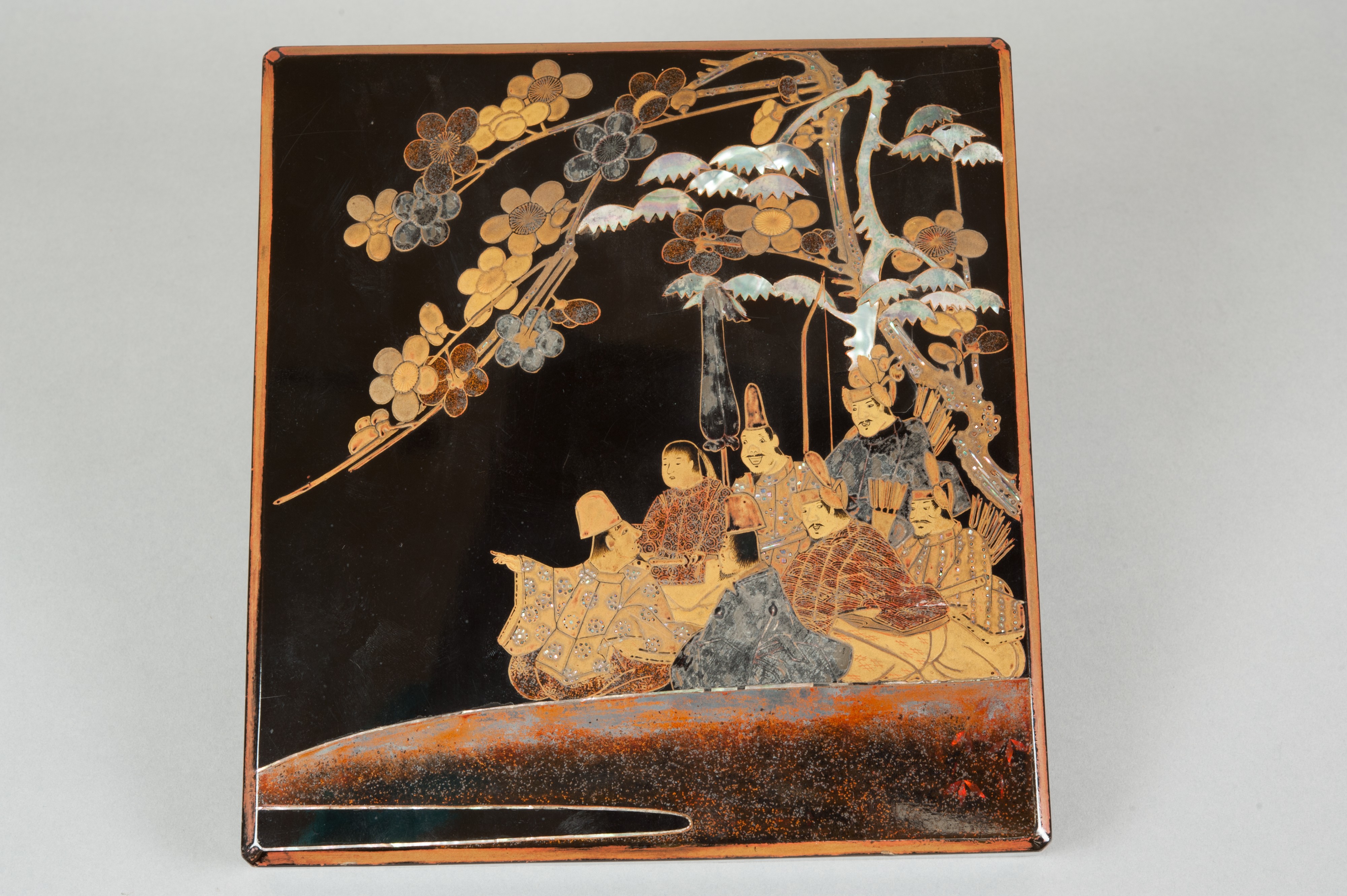
Writing Box with Design of Six Poets under a Cherry Tree and a Pine
The Metropolitan Museum of Art

Wristrest in the Shape of a Chin (Lute)
Minneapolis Institute of Art
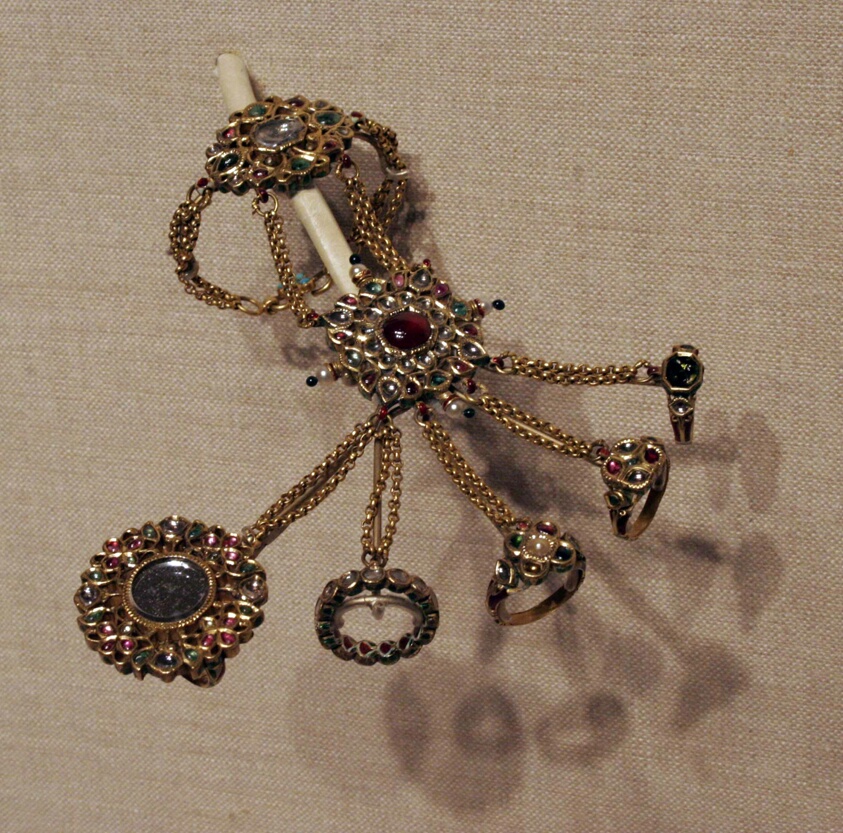
Hand Ornament (Hathphul) and Thumb Ring (Arsi)
Art Institute of Chicago
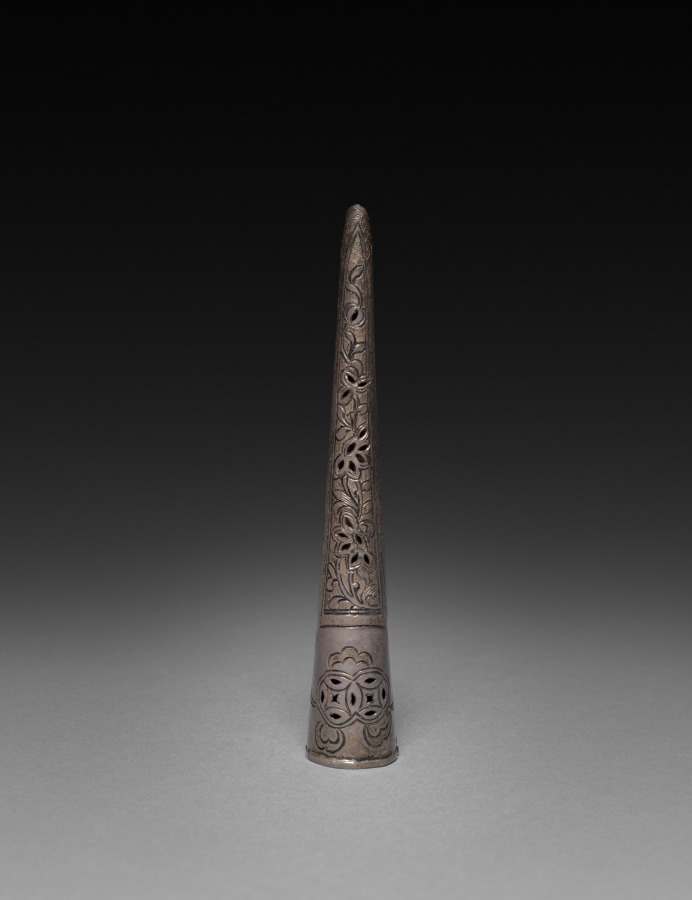
Fingernail Protector
Cleveland Museum of Art
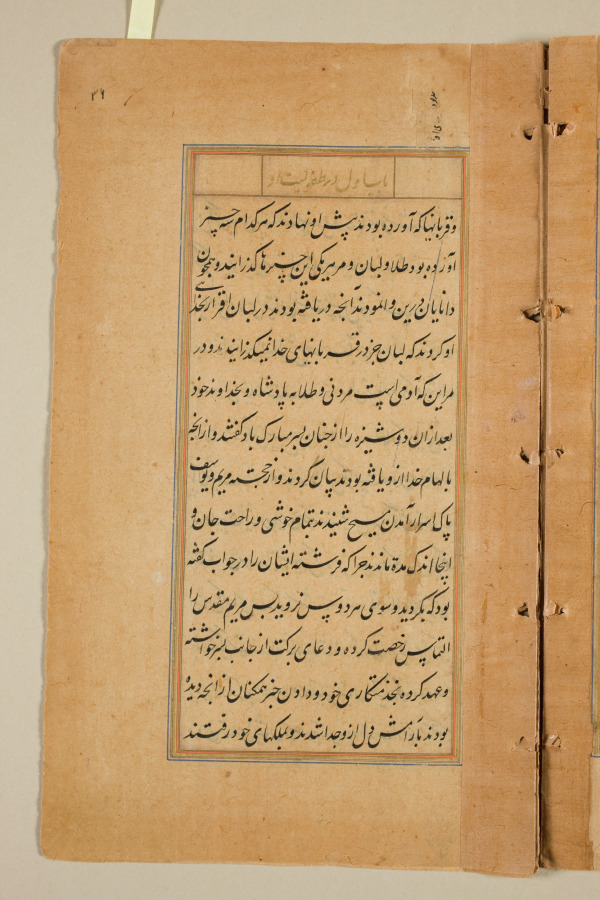
Text page from a Mirror of Holiness (Mir’at al-quds) of Father Jerome Xavier
Cleveland Museum of Art
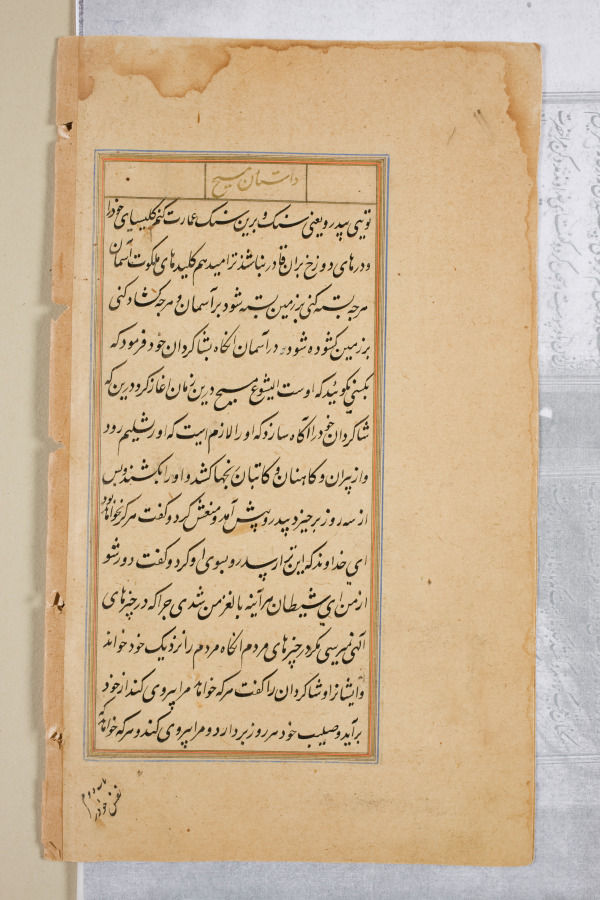
Text page from a Mirror of Holiness (Mir’at al-quds) of Father Jerome Xavier
Cleveland Museum of Art
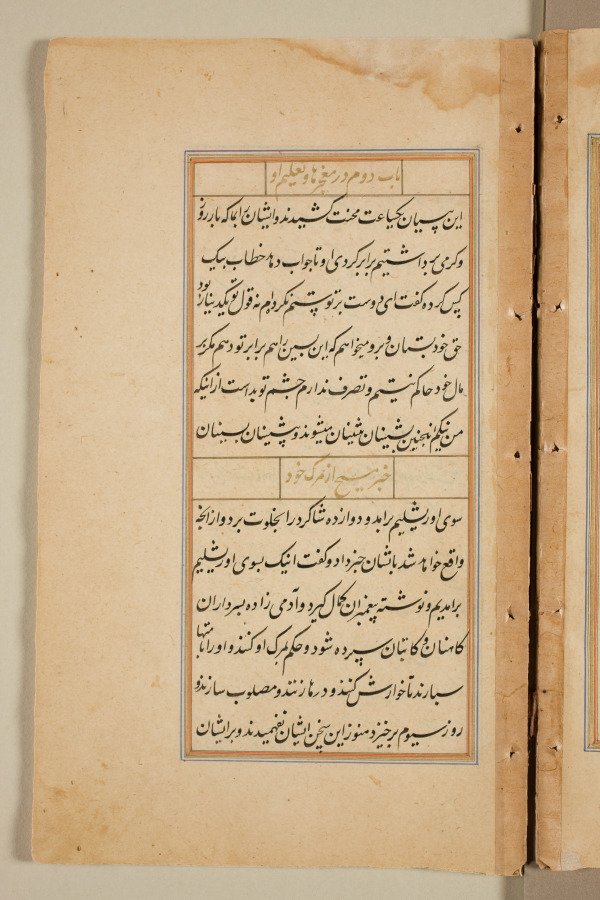
Text page from a Mirror of Holiness (Mir’at al-quds) of Father Jerome Xavier
Cleveland Museum of Art
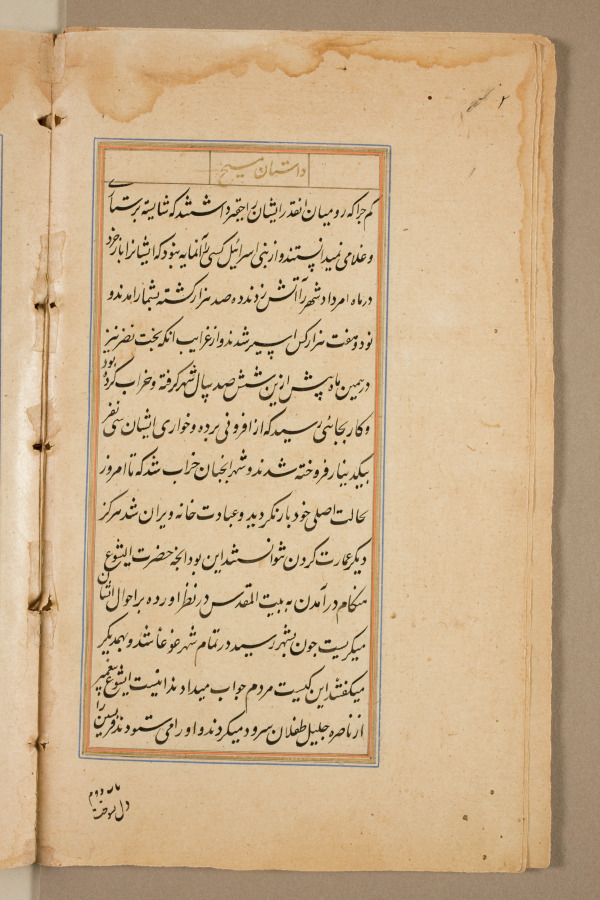
Text page from a Mirror of Holiness (Mir’at al-quds) of Father Jerome Xavier
Cleveland Museum of Art