Cleveland Museum of Art
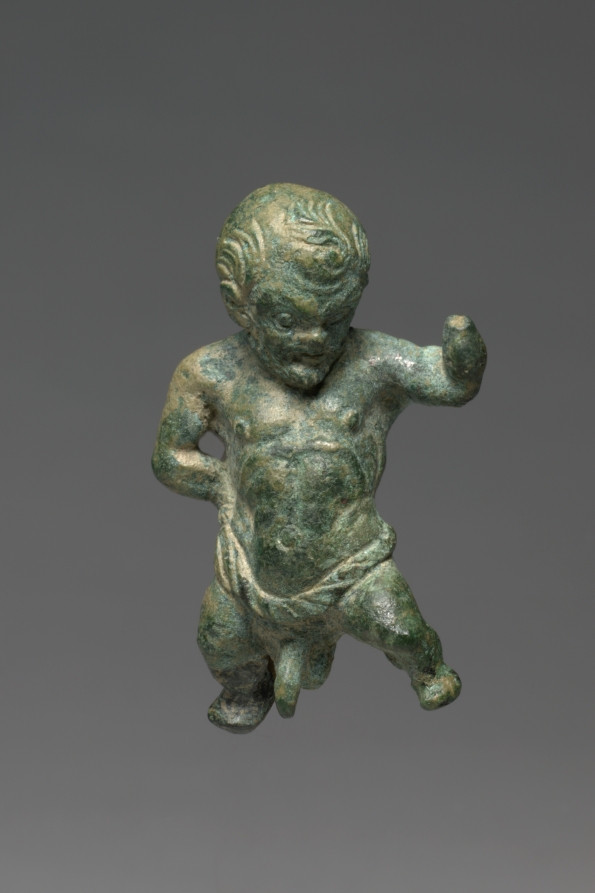
Dancing Dwarf
- Date
- 100 BCE–100 CE
- Medium
- bronze
- Culture
- Italy(?), Roman
- Department
- Greek and Roman Art
- Institution
- Cleveland Museum of Art
This small, bearded figure wears a twisted sash around his hips and has an exaggerated phallus. He stands with his left arm raised and his right arm on his waist. His left hand is missing but could have once held krotala (ancient clapper-like instruments), as other examples of dancing dwarves hold. People with dwarfism in art are typically rendered with a large head, widely spaced eyes, sharply raised eyebrows, and a depressed nasal bridge, all seen on this figure. This object may have been used as an apotropaic, or protective, amulet to ward off evil. People with dwarfism were favorite subjects in Hellenistic art, and then became popular in the Roman Empire.
The authoritative record is held by Cleveland Museum of Art. LinkedCulture surfaces this object and its connections; it does not alter institutional metadata.
Related across collections
Semantically similar works from Cleveland Museum of Art and other institutions.

Statuette of a Boxer
Getty Museum

Torso of a Dancing Faun
Minneapolis Institute of Art
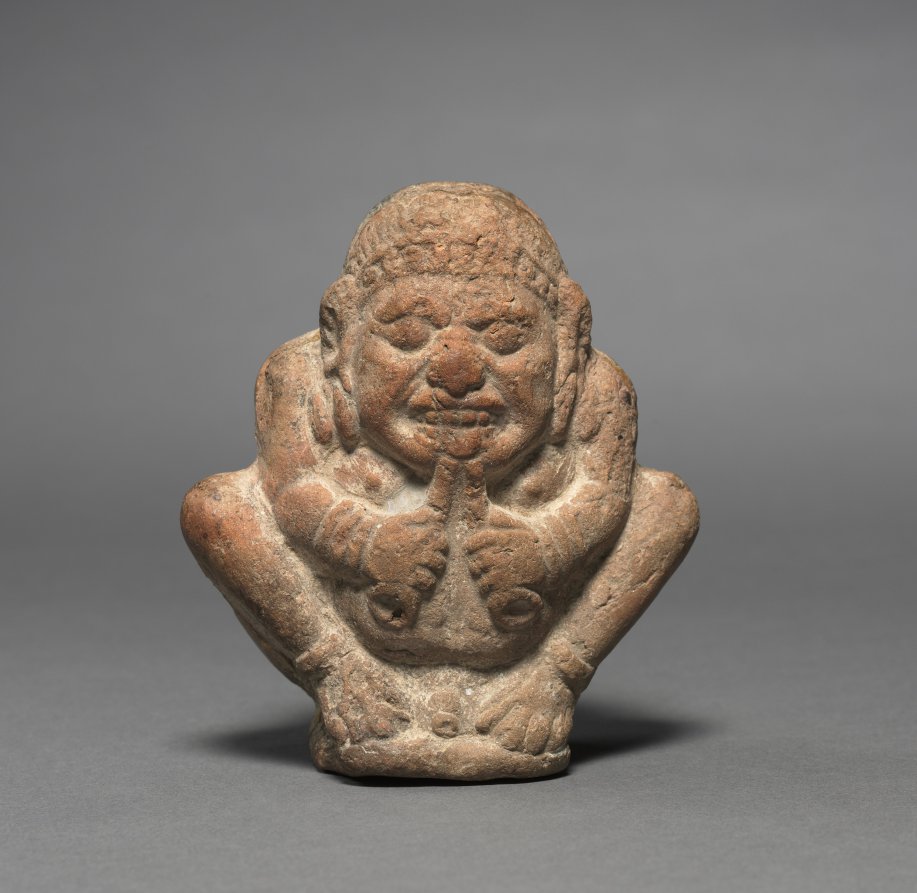
Crouching Dwarf Musician
Cleveland Museum of Art

Scarab with Dancing Satyr
Getty Museum
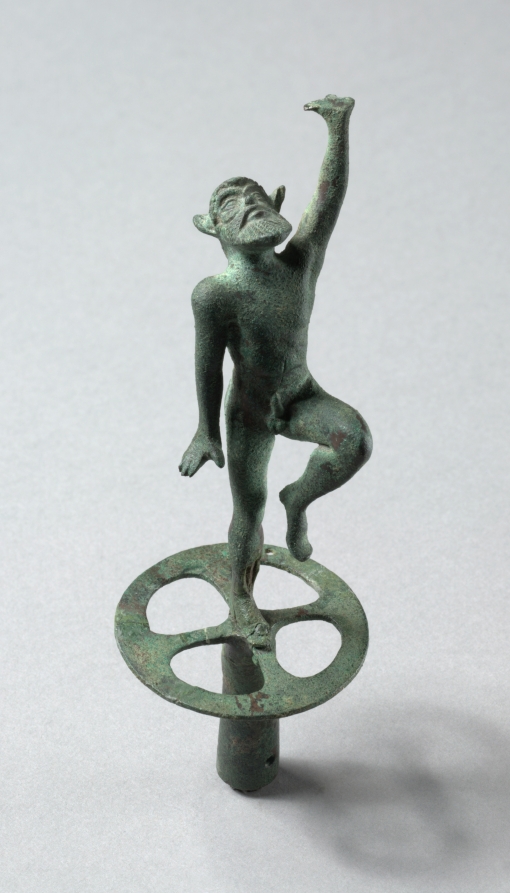
Kottabos Element of a Dancing Satyr
Cleveland Museum of Art

Dancing Faun
Getty Museum
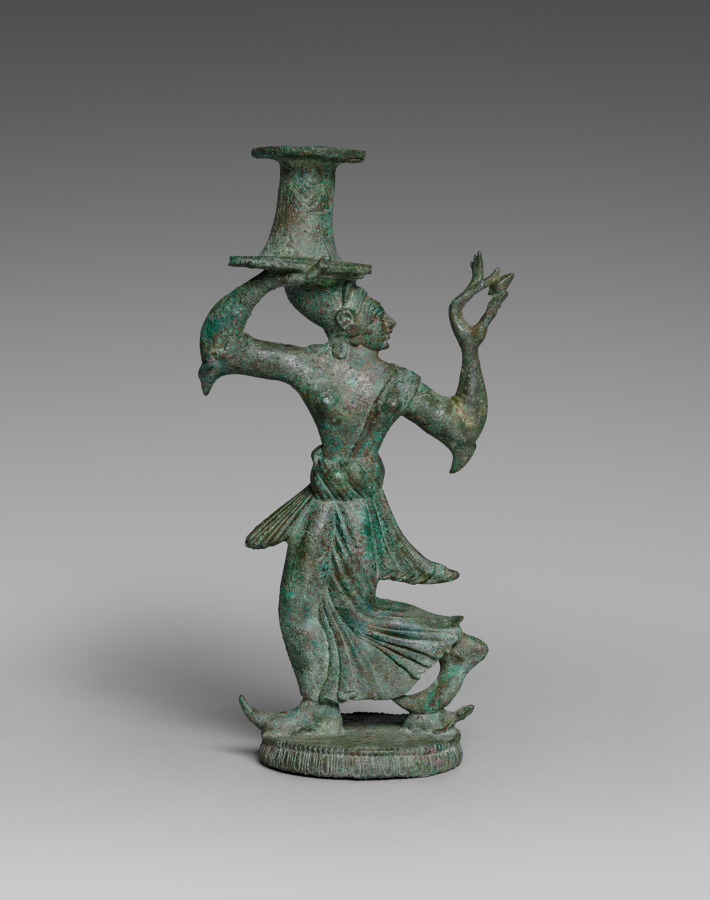
Candelabrum Stand of a Dancing Maenad
Cleveland Museum of Art

Pair of Candelabra with a Dancer
Getty Museum
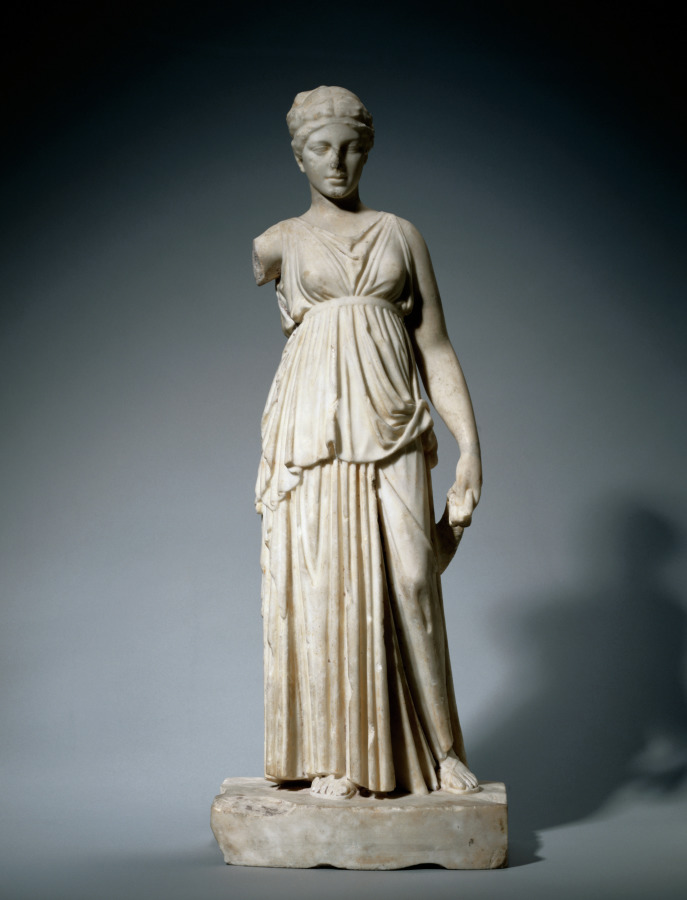
Dancer
Cleveland Museum of Art
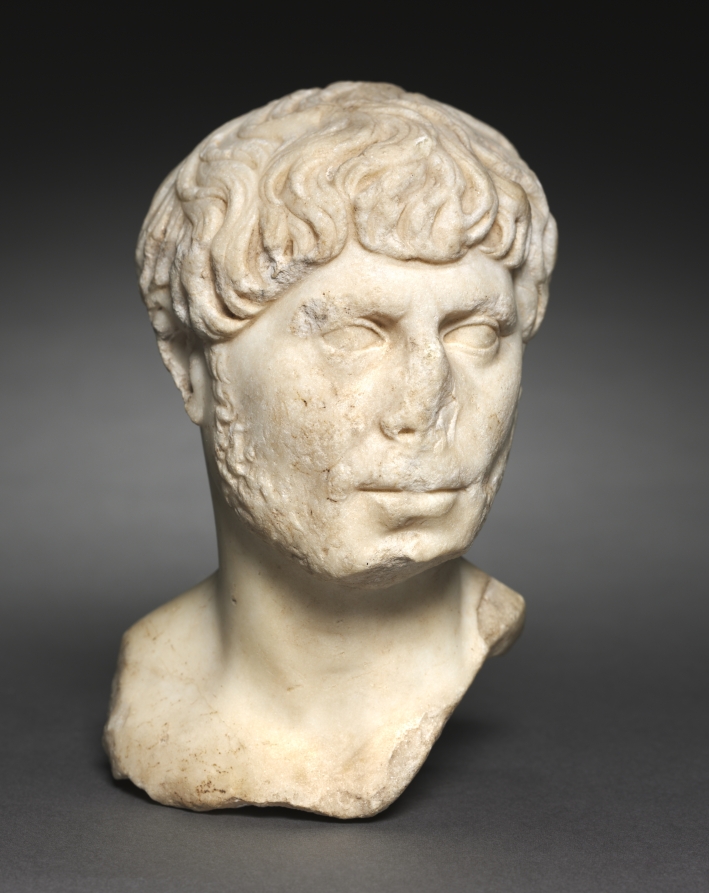
Head of a Bearded Man
Cleveland Museum of Art
![[Statue of the Dancing Satyr]](https://media.getty.edu/iiif/image/8456cc5e-8966-4521-9899-b5eee487fa6a/full/808,/0/default.jpg)
[Statue of the Dancing Satyr]
Getty Museum
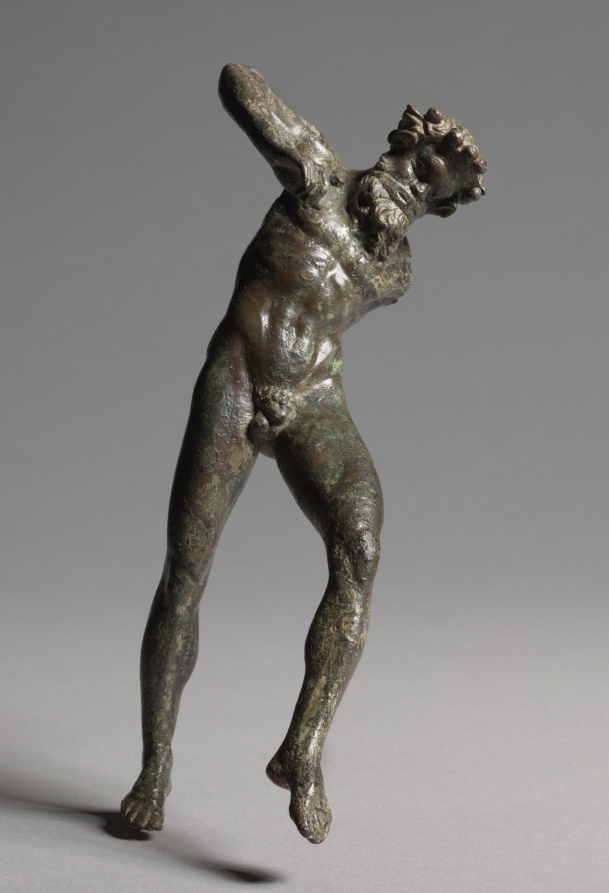
Piping and Dancing Satyr
Cleveland Museum of Art