Cleveland Museum of Art
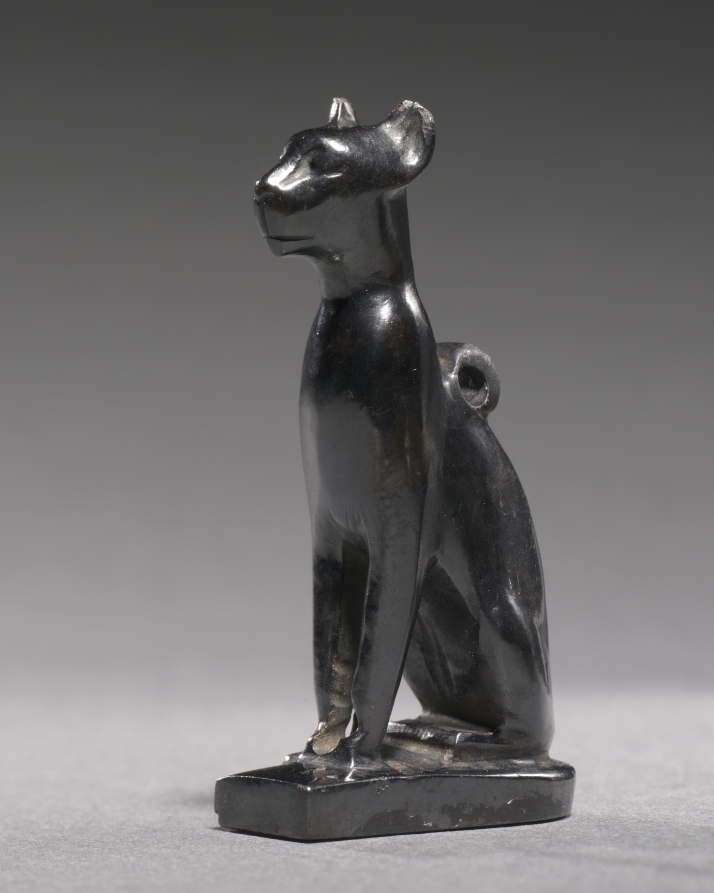
Amulet of Bastet
- Date
- c. 1069–715 BCE
- Medium
- hematite
- Culture
- Egypt, Third Intermediate (1069–715 BCE)
- Department
- Egyptian and Ancient Near Eastern Art
- Institution
- Cleveland Museum of Art
Elegantly seated on a low base, its tail curled around its left side, this tiny cat, sacred animal of the goddess Bastet, is a sculptural tour de force. The front legs are carved entirely in openwork. The base, an amalgam of the hieroglyphs for "ointment jar" (also used in the writing the name of the goddess Bastet), and "protection" is admirably contoured to the animal's body. On the back is a loop for suspension. This object was in the collection of Howard Carter—the man who discovered the intact tomb of Tutankhamun—until his death.
The authoritative record is held by Cleveland Museum of Art. LinkedCulture surfaces this object and its connections; it does not alter institutional metadata.
Related across collections
Semantically similar works from Cleveland Museum of Art and other institutions.
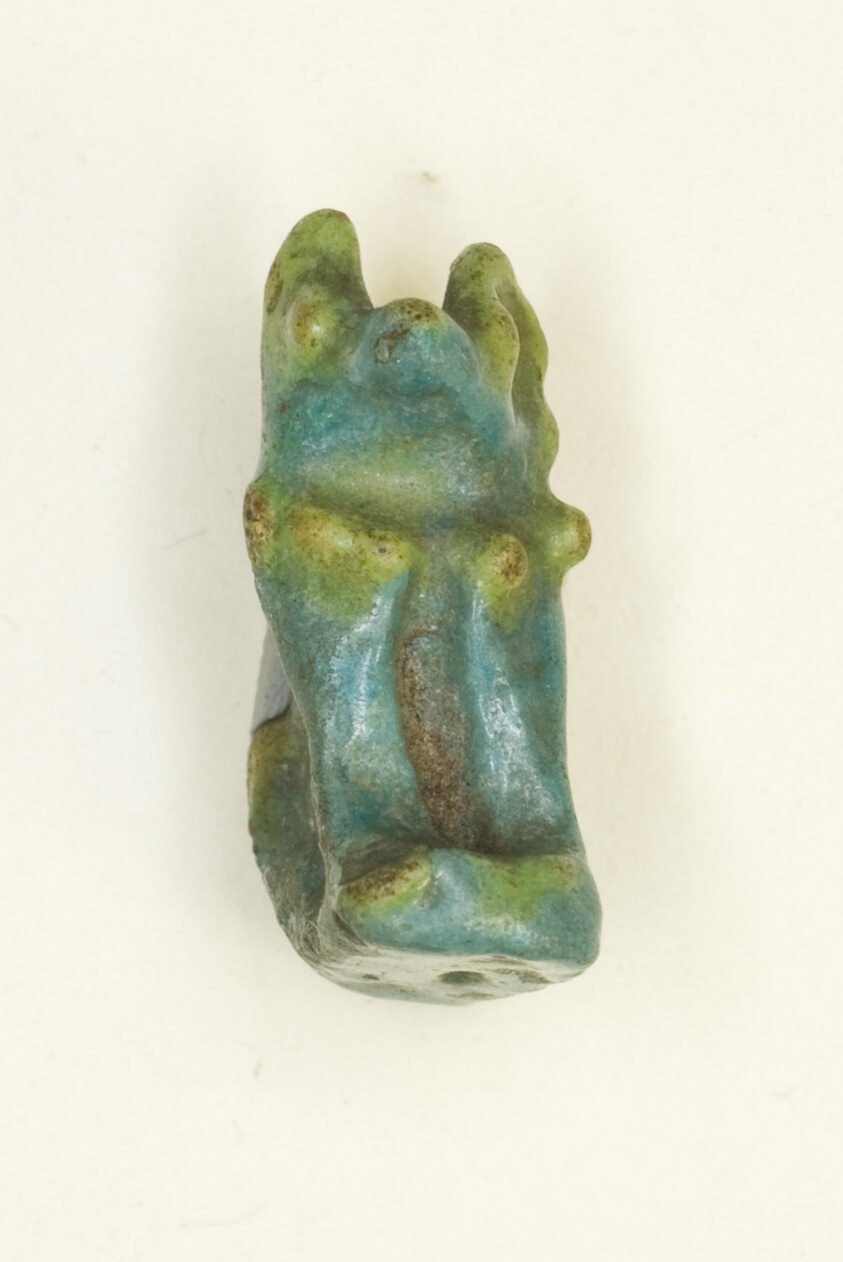
Amulet of the Goddess Bastet as a Seated Cat
Art Institute of Chicago
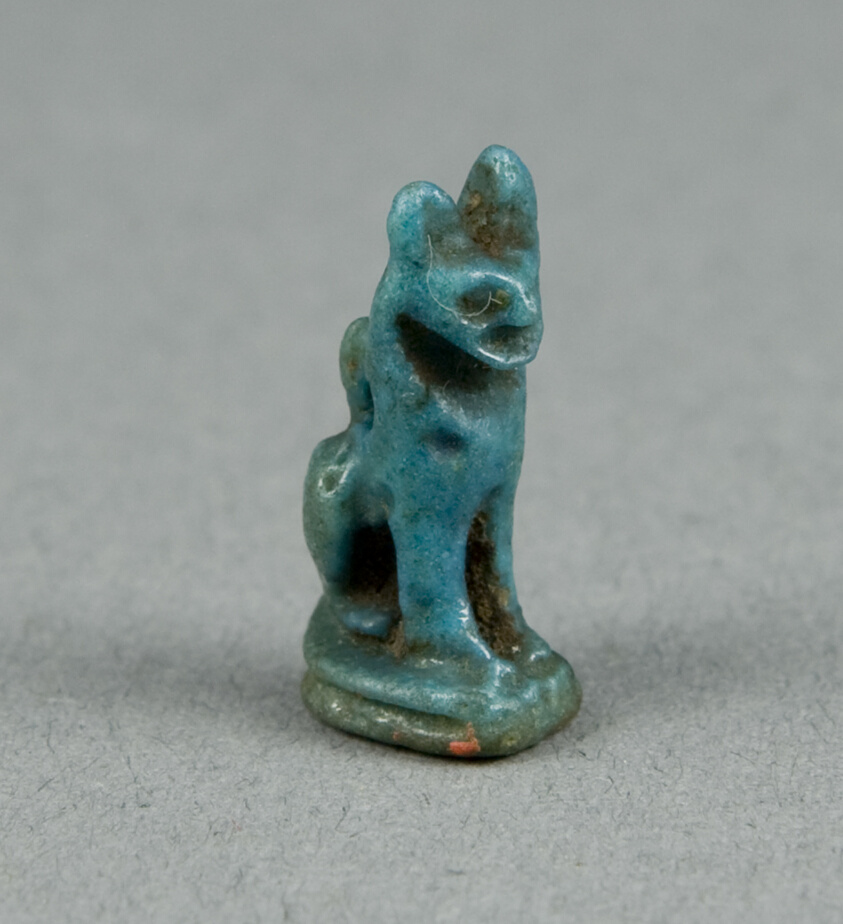
Amulet of the Goddess Bastet as a Seated Cat
Art Institute of Chicago
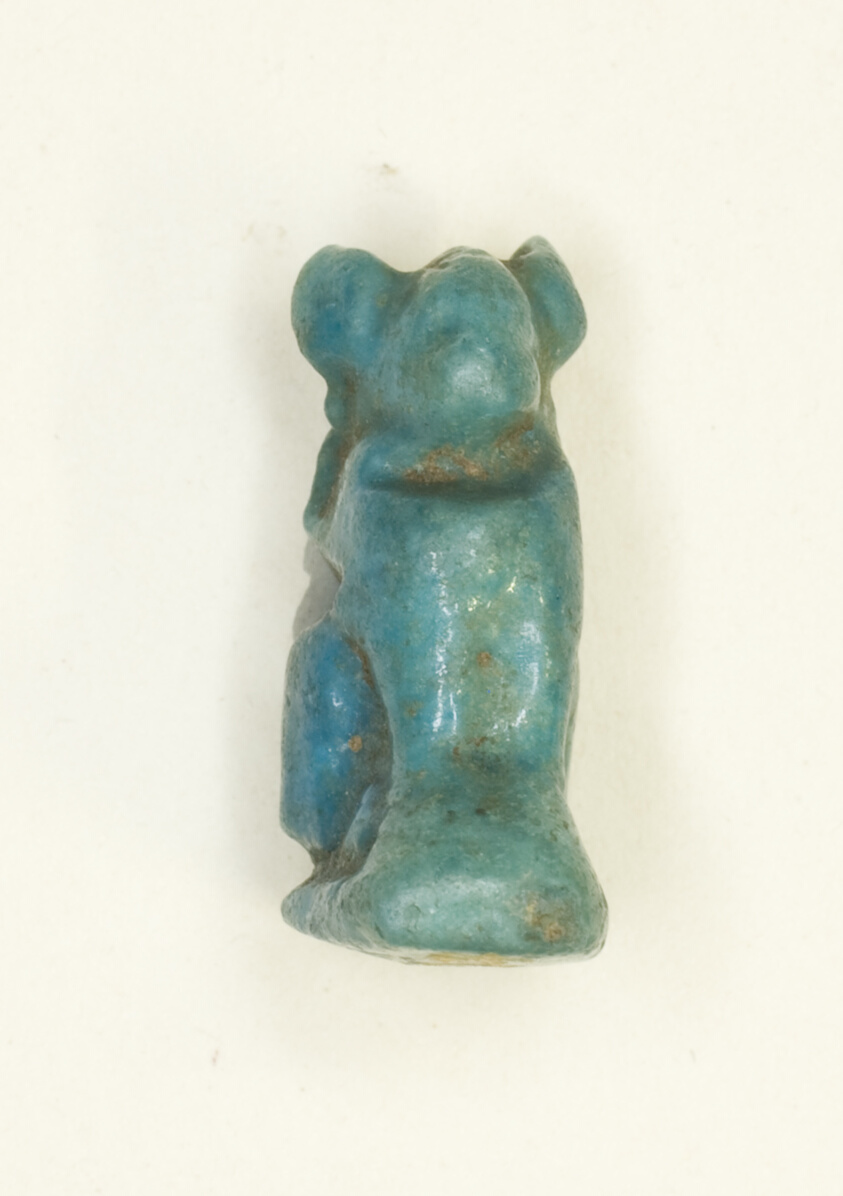
Amulet of a Seated Cat (the Goddess Bastet)
Art Institute of Chicago
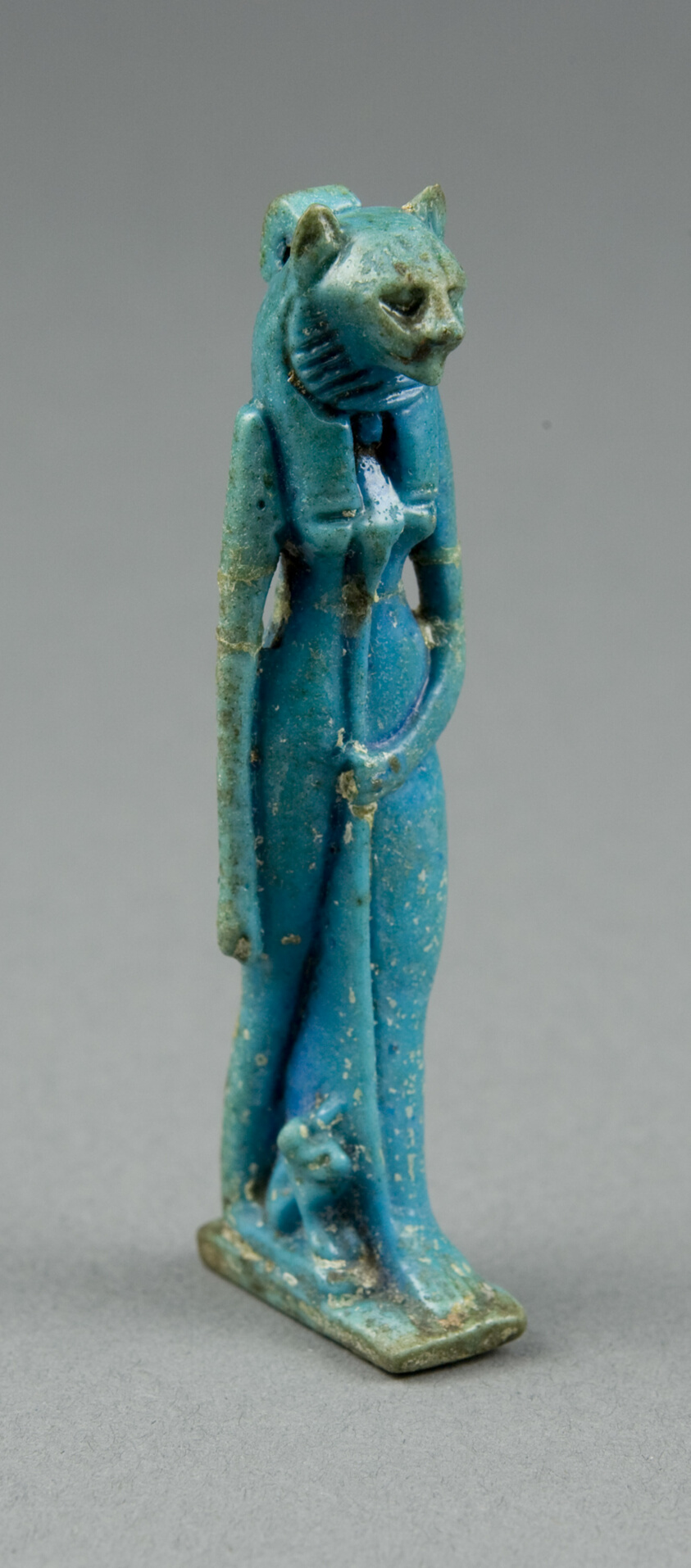
Amulet of a Lion-Headed Goddess with Kitten
Art Institute of Chicago
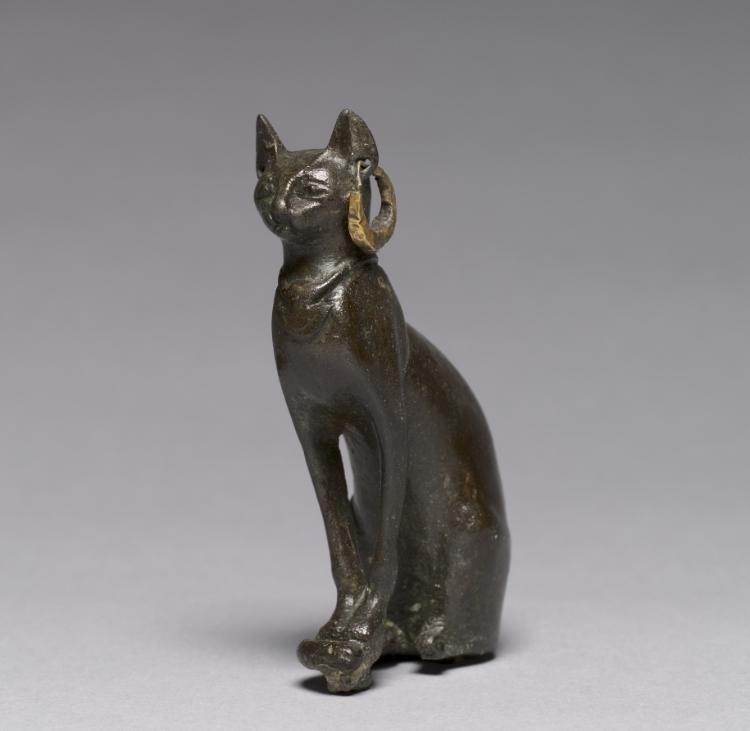
Cat
Cleveland Museum of Art
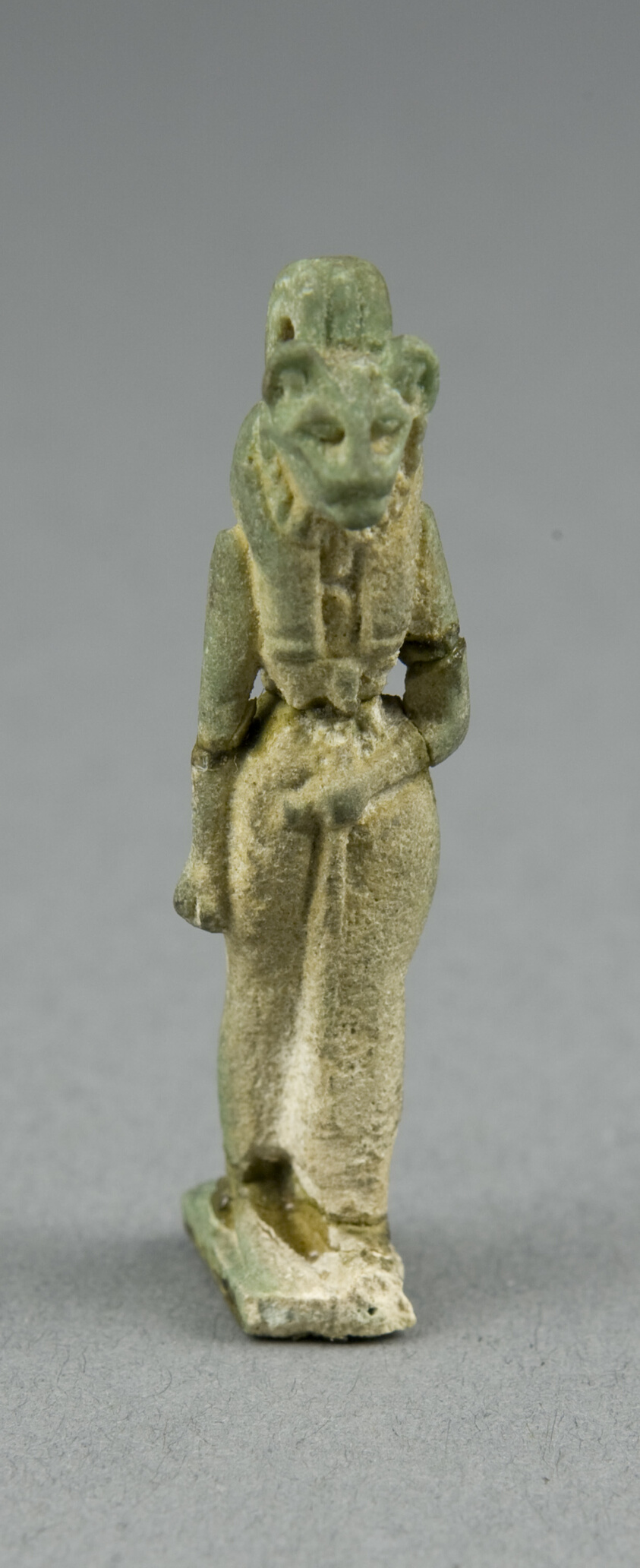
Amulet of the Goddess Bastet
Art Institute of Chicago
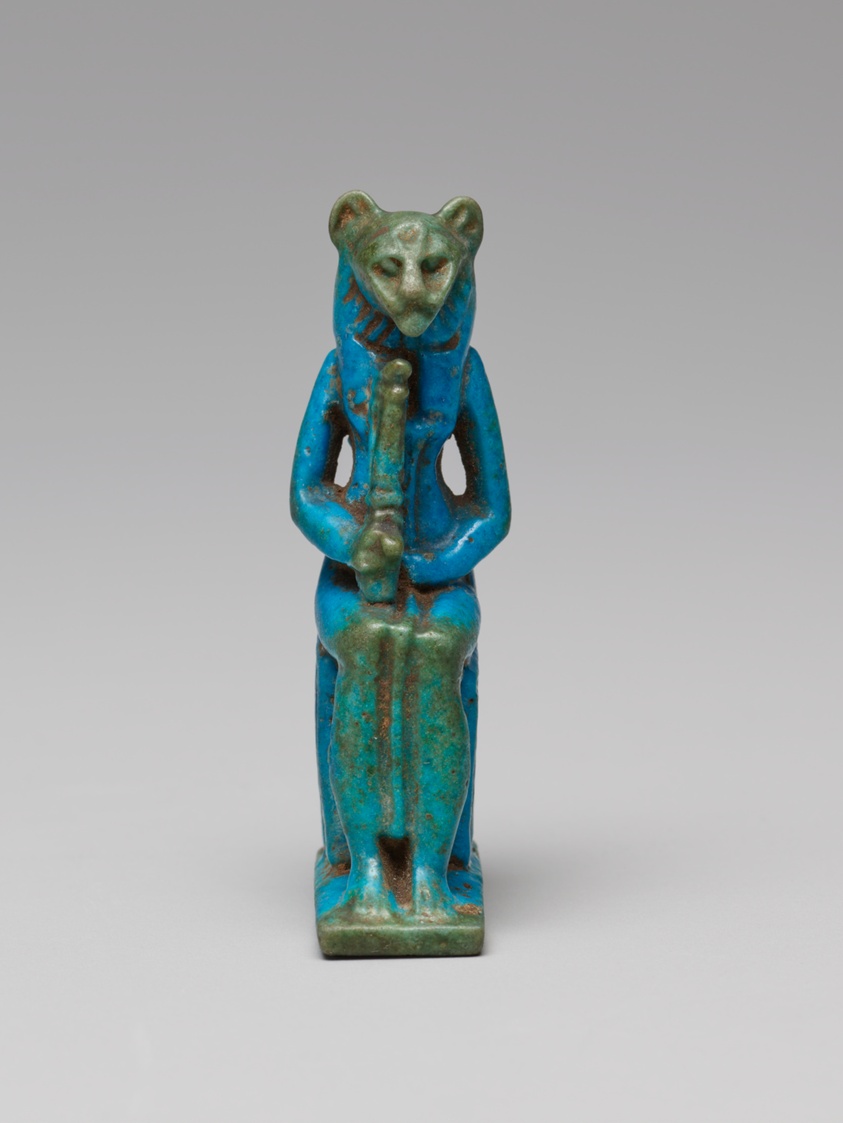
Amulet of Sekhmet
Art Institute of Chicago
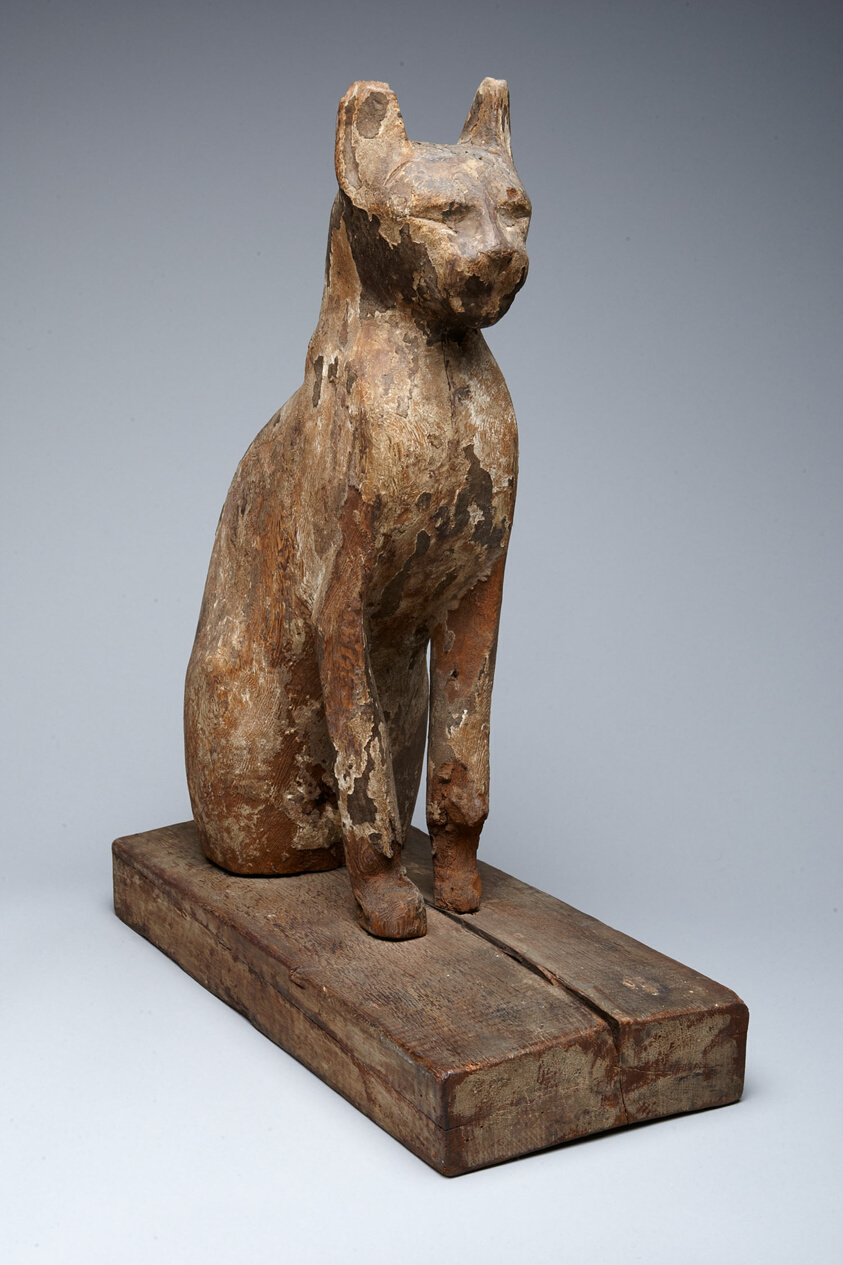
Cat Coffin
Art Institute of Chicago
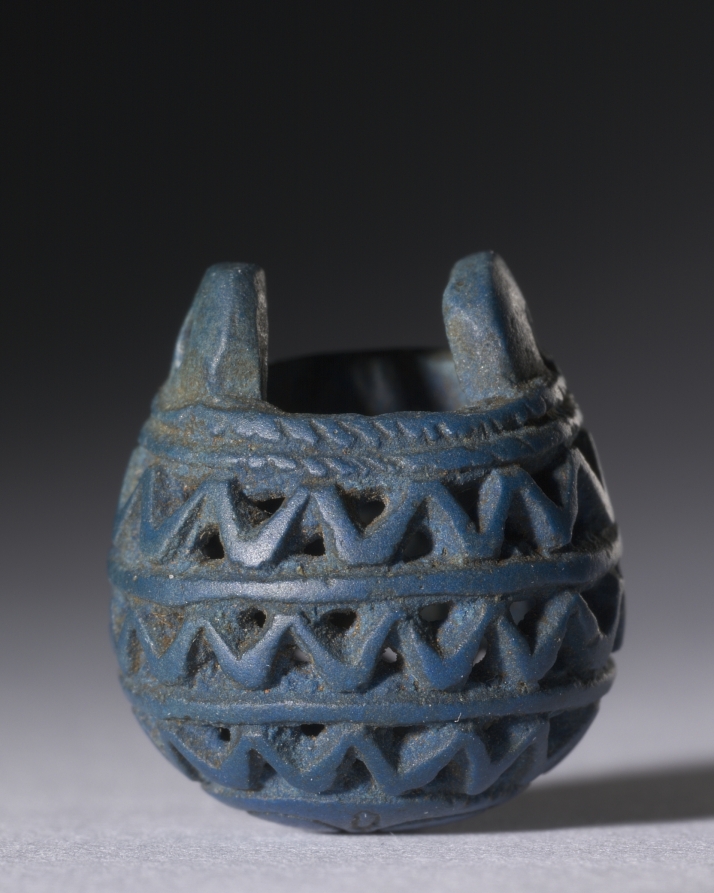
Model Basket as Amulet
Cleveland Museum of Art
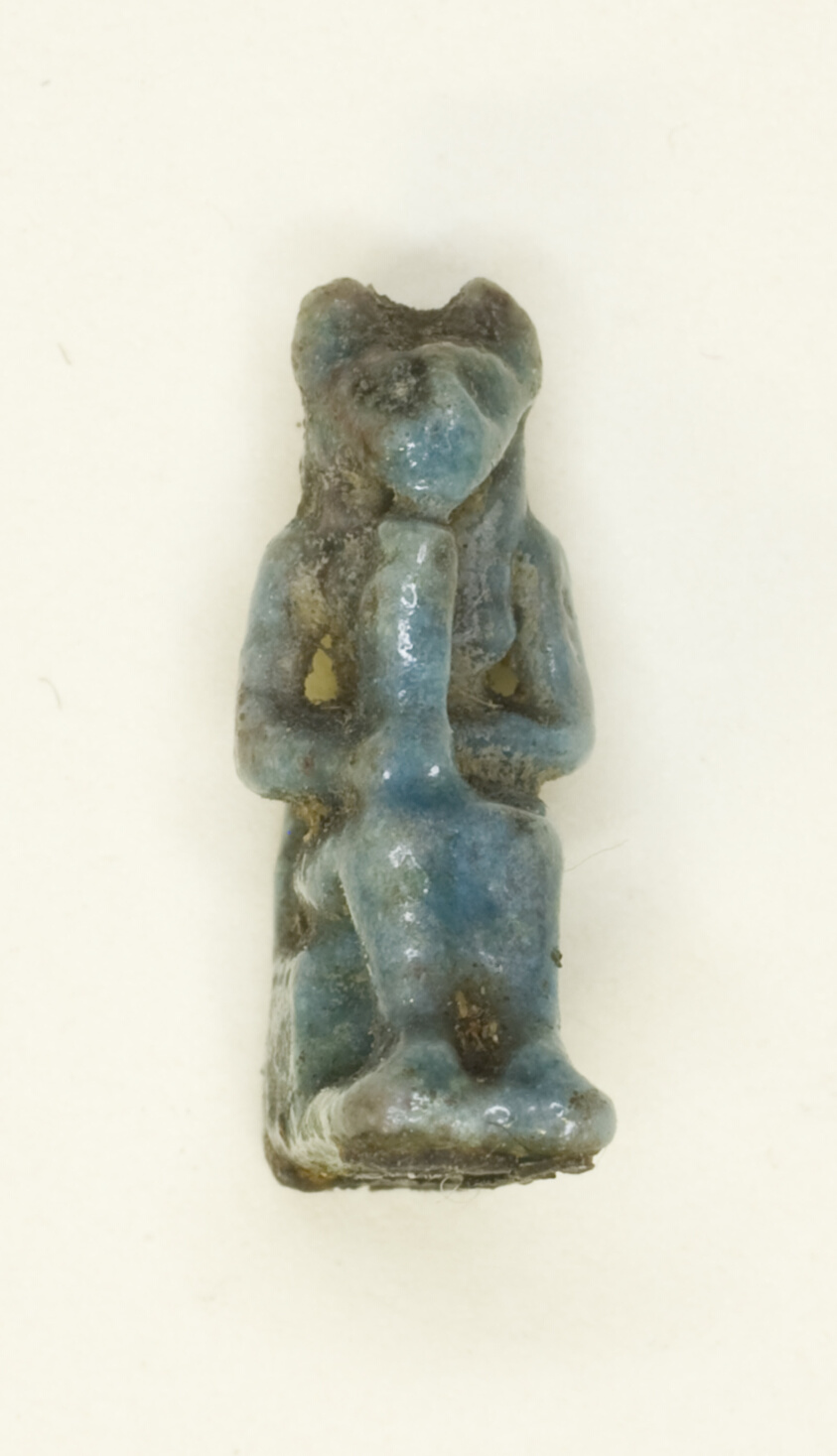
Amulet of the Goddess Bastet
Art Institute of Chicago
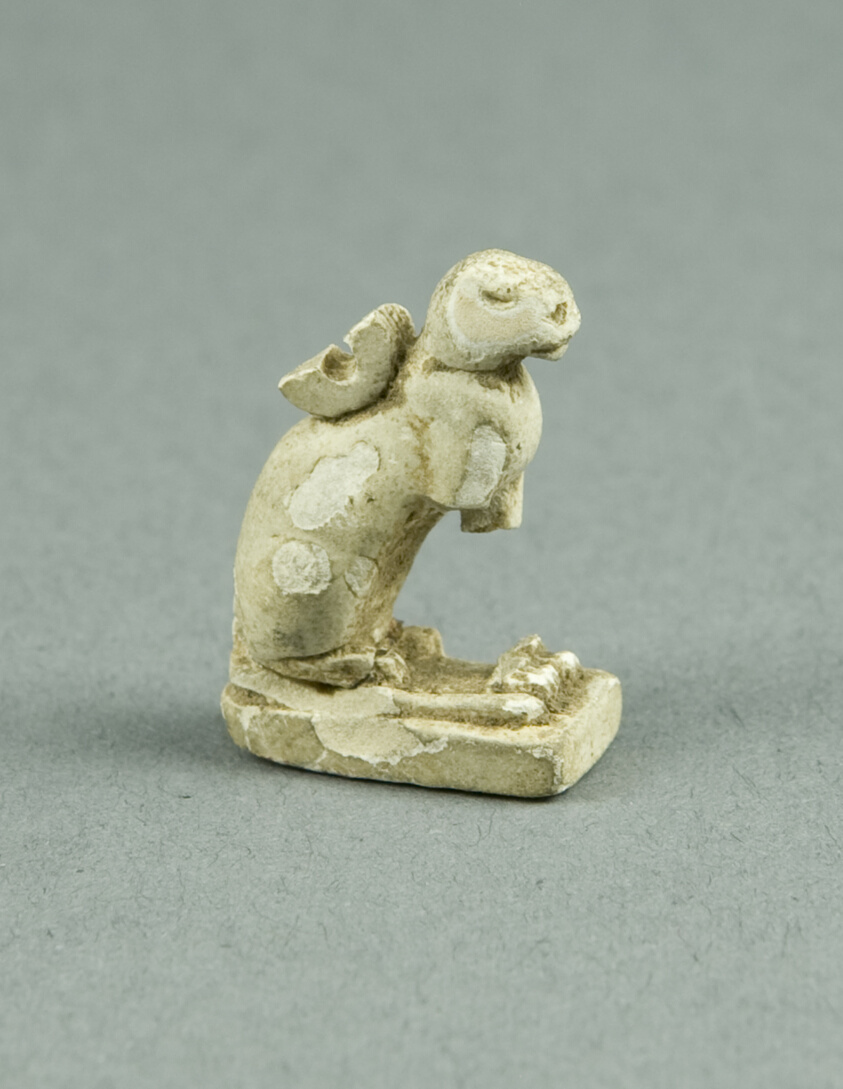
Amulet of the Goddess Bastet
Art Institute of Chicago
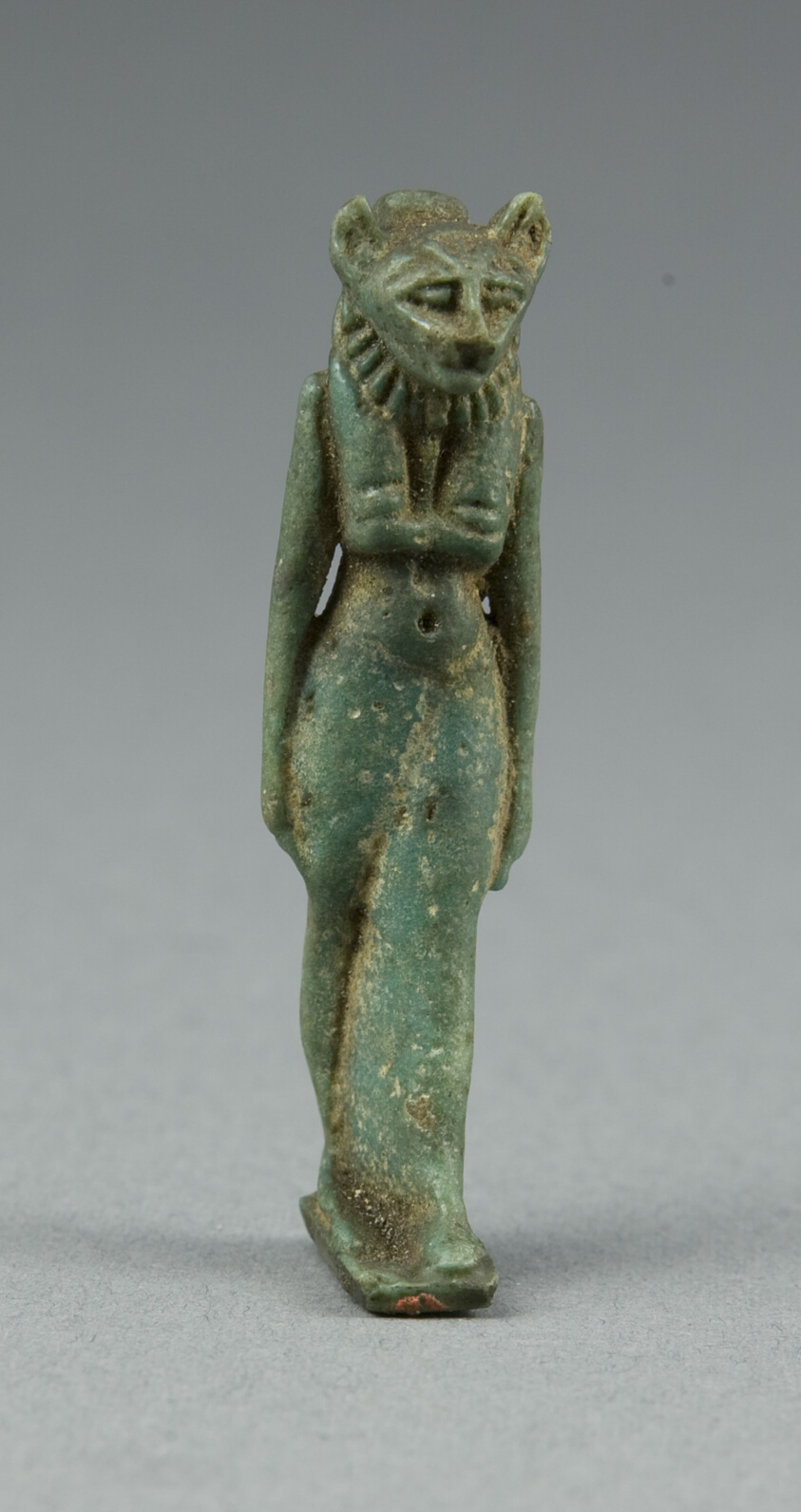
Amulet of a Lion-headed Walking Goddess, possibly Bastet
Art Institute of Chicago