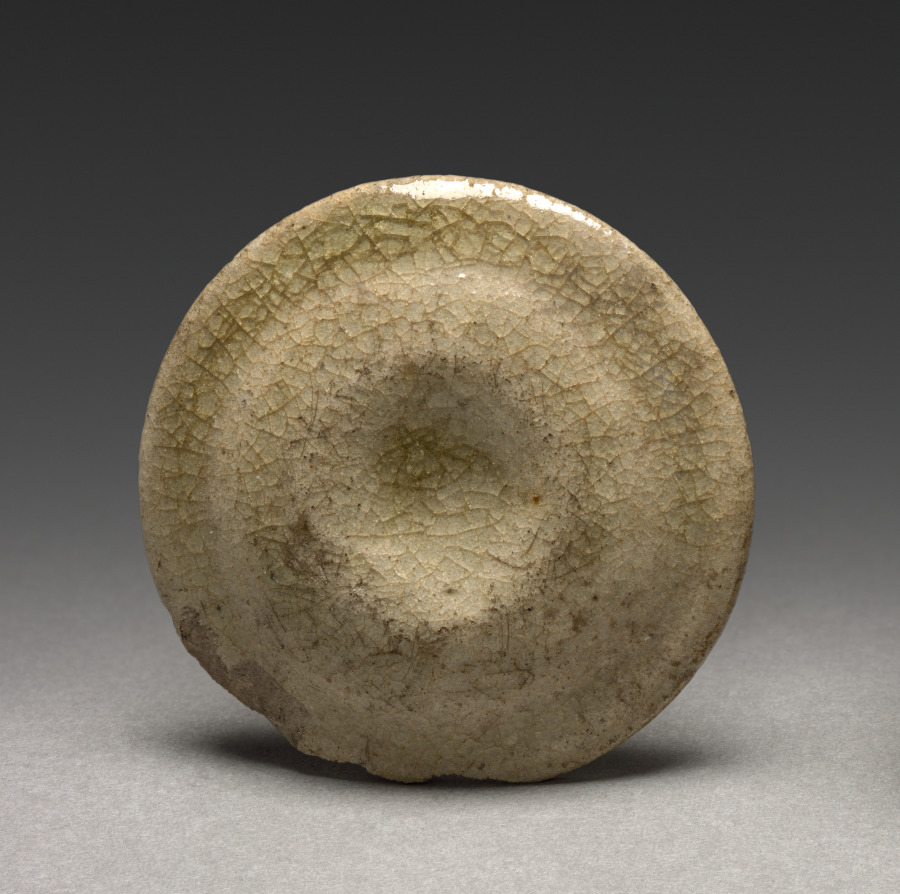
Cleveland Museum of Art
Incense Box (lid): Seto Ware
- Date
- 1200s–1300s
- Medium
- glazed stoneware
- Culture
- Japan, Kamakura period (1185–1333)
- Department
- Japanese Art
- Institution
- Cleveland Museum of Art
Old Seto, also called Koseto ware, was typically coated with an ash glaze in the mineral feldspar, which produced a yellow or grayish-green glaze. This palette appealed to medieval Buddhist priests and samurai alike. The practice of burning incense in religious, court, and domestic settings dates from the early 700s in Japan.
The authoritative record is held by Cleveland Museum of Art. LinkedCulture surfaces this object and its connections; it does not alter institutional metadata.
Related across collections
Semantically similar works from Cleveland Museum of Art and other institutions.
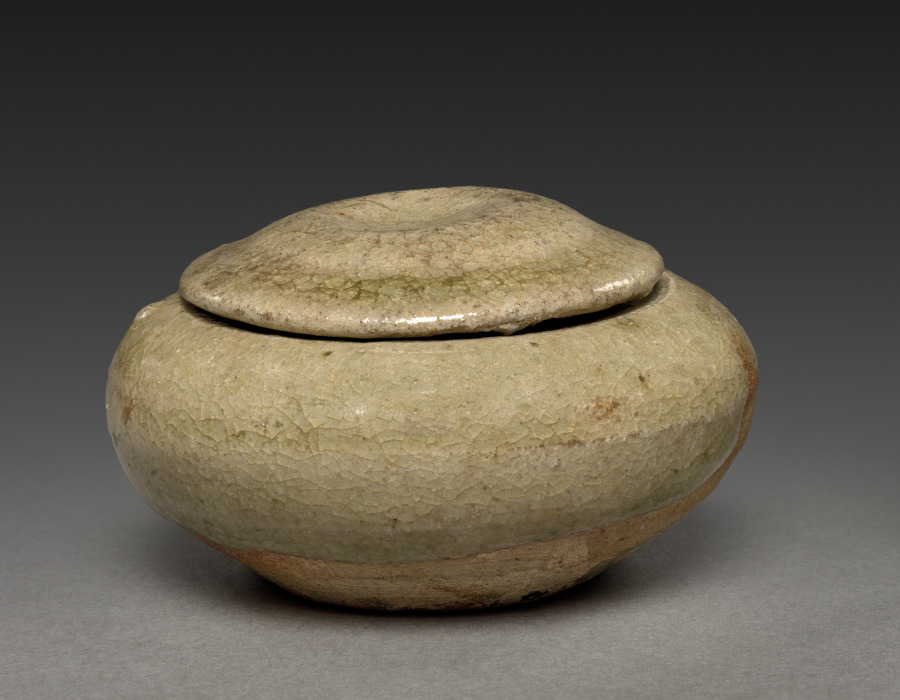
Incense Box: Seto Ware
Cleveland Museum of Art
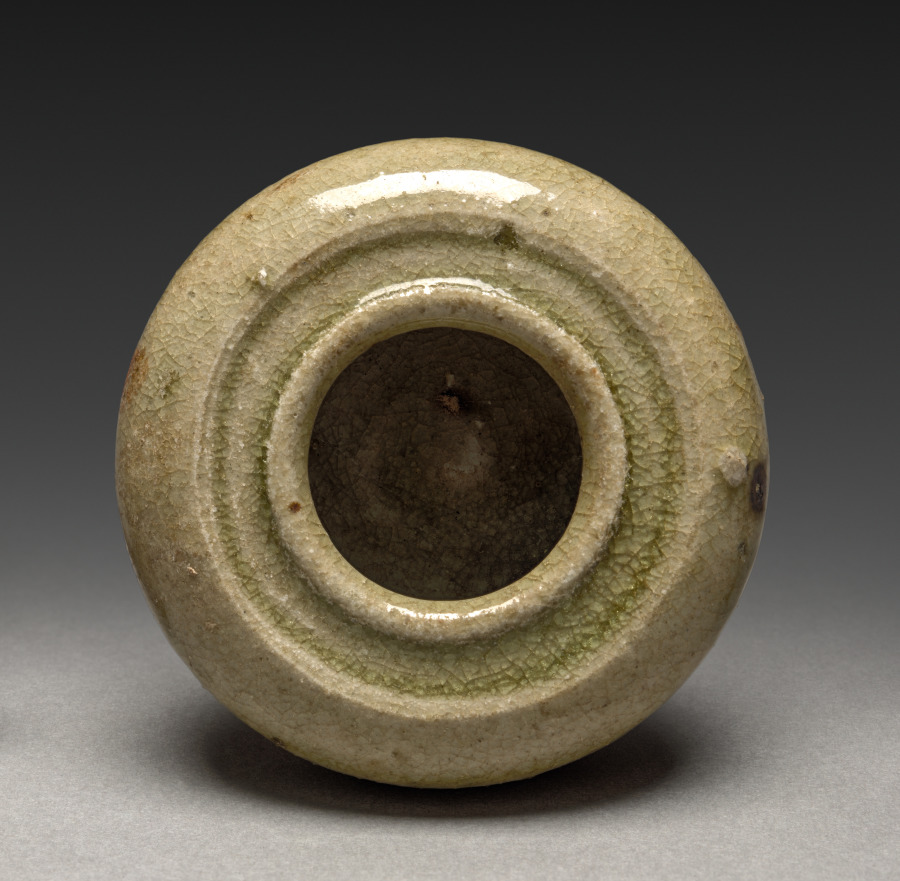
Incense Box: Seto Ware
Cleveland Museum of Art
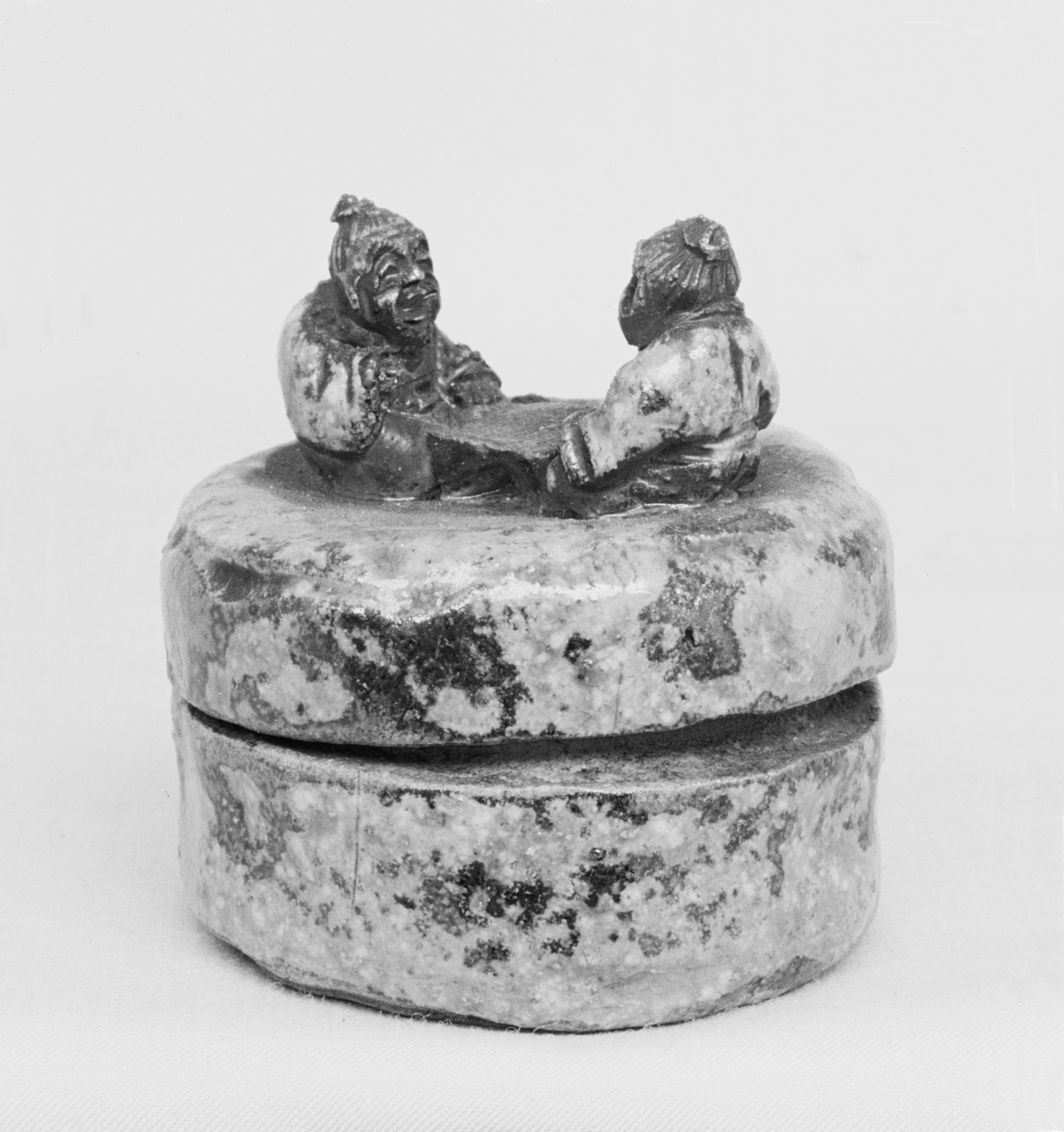
Incense Box
The Metropolitan Museum of Art

Vase in meiping shape
Minneapolis Institute of Art
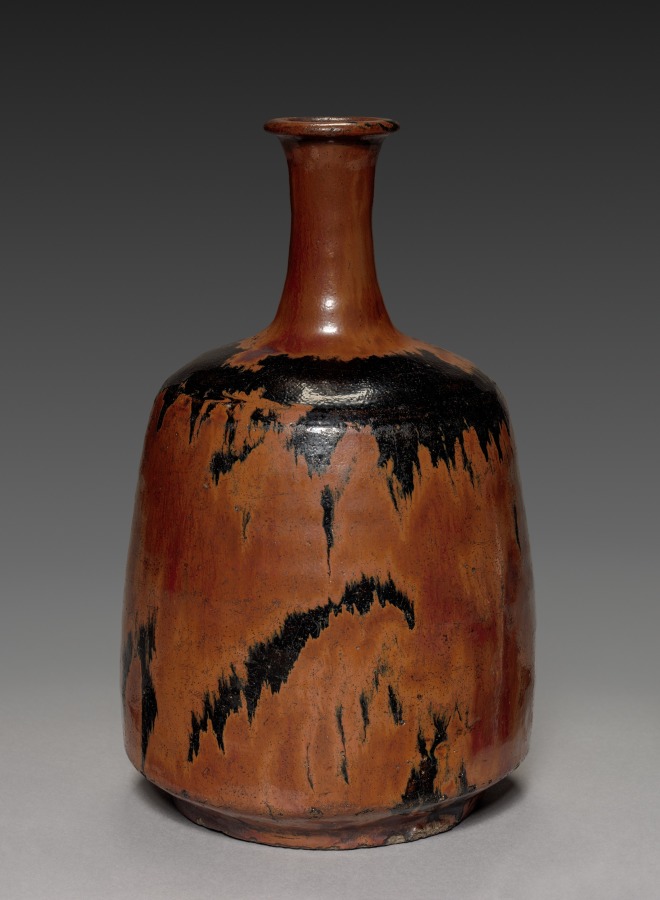
Bottle Vase: Seto Ware
Cleveland Museum of Art
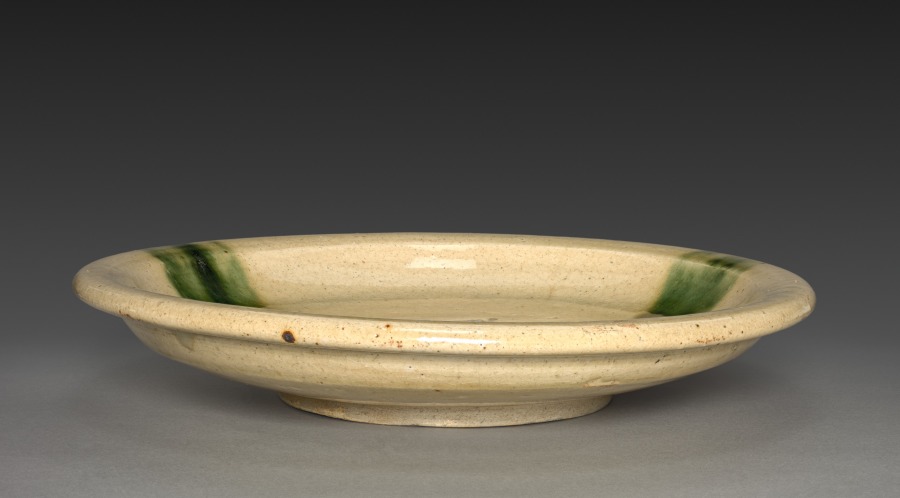
Plate: Seto Ware
Cleveland Museum of Art
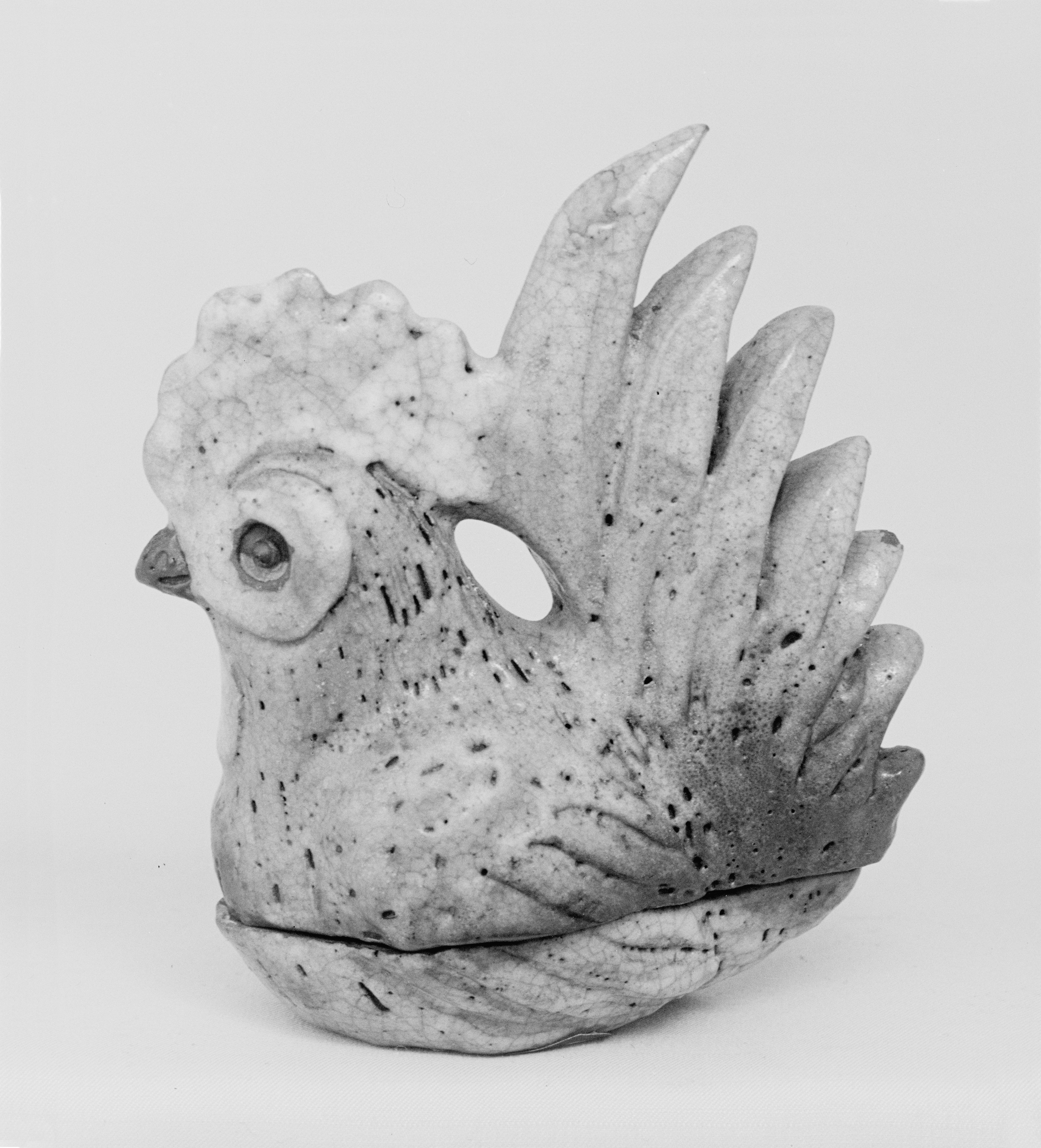
Incense Box
The Metropolitan Museum of Art
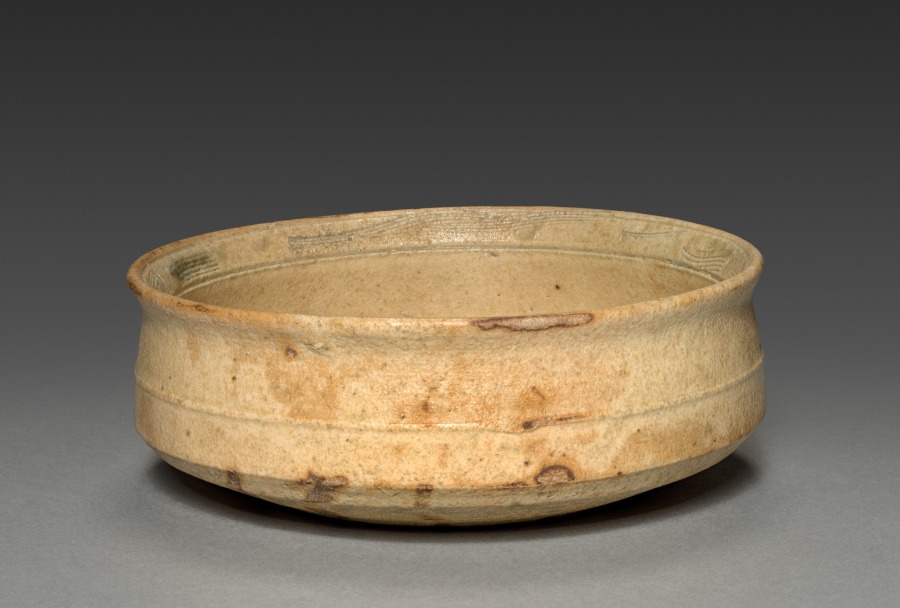
Bowl: Yellow Seto Ware
Cleveland Museum of Art
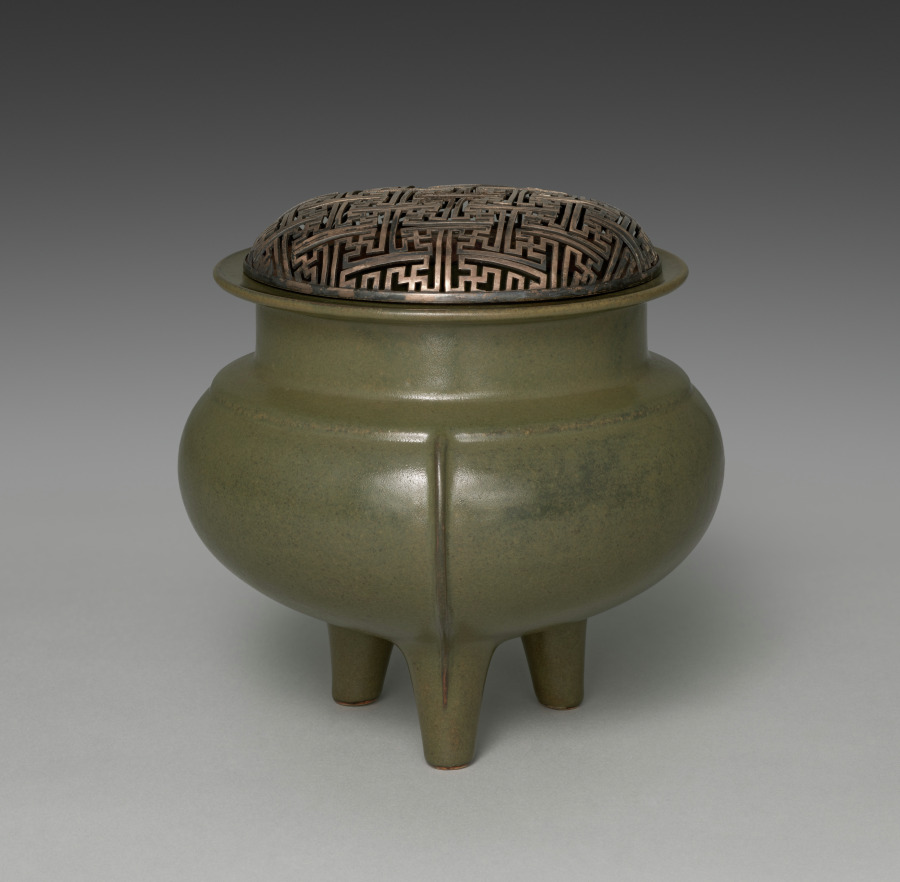
Incense Burner
Cleveland Museum of Art
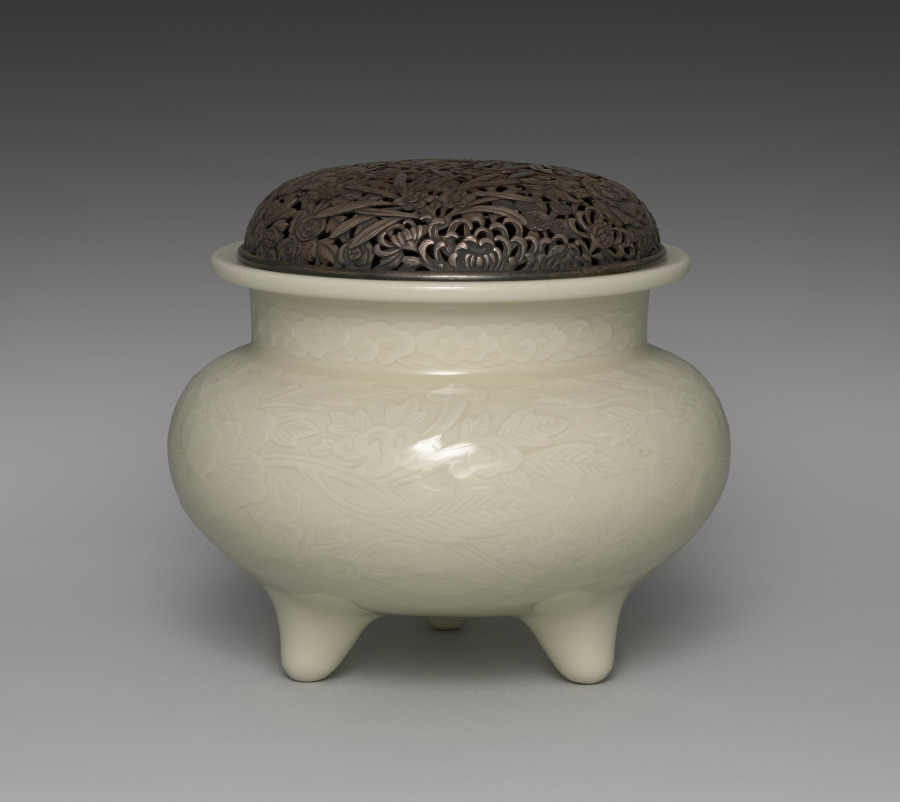
Incense Burner with Peony and Cloud
Cleveland Museum of Art

Incense tripod
Minneapolis Institute of Art

Box and assorted implements for the incense game
Minneapolis Institute of Art