Cleveland Museum of Art
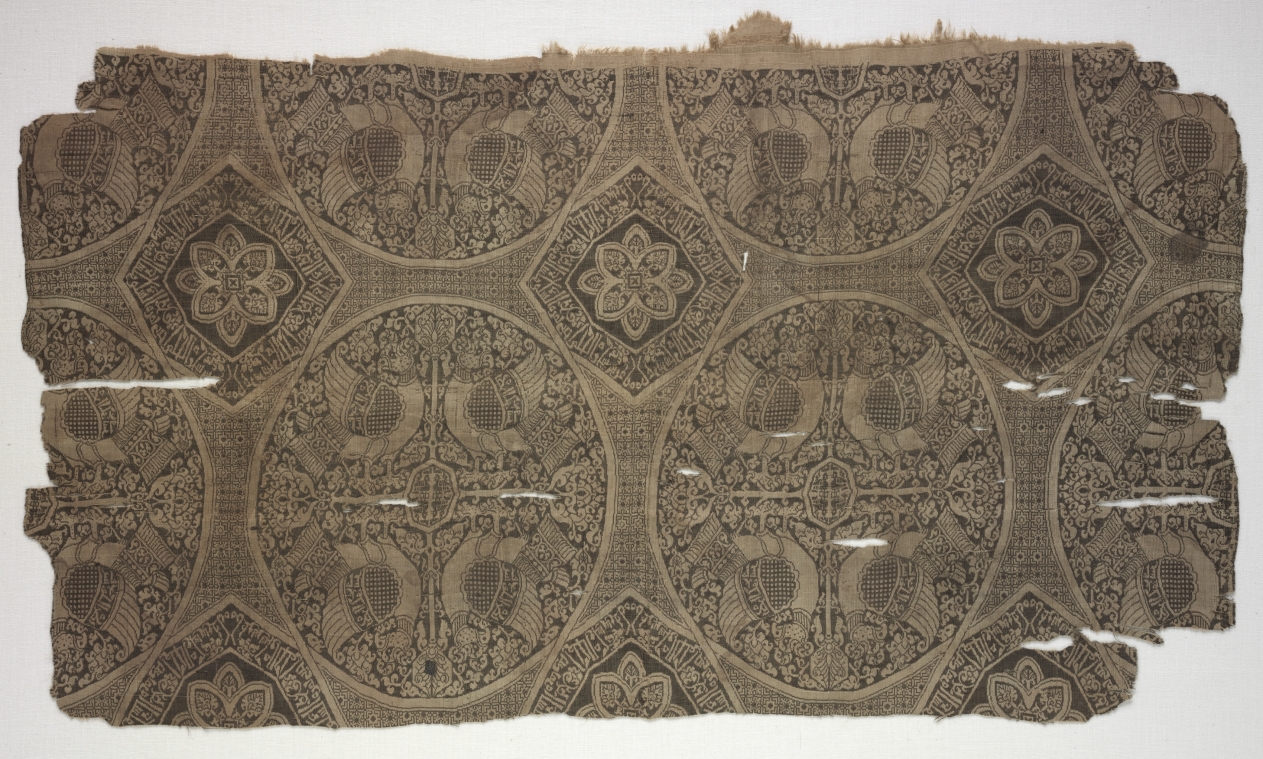
Fragment
- Date
- before 1975
- Medium
- Silk: lampas weave
- Culture
- Iran or Iraq, in the style of the Buyid period (945–1055) or Seljuq period (1037–1194)
- Department
- Textiles
- Institution
- Cleveland Museum of Art
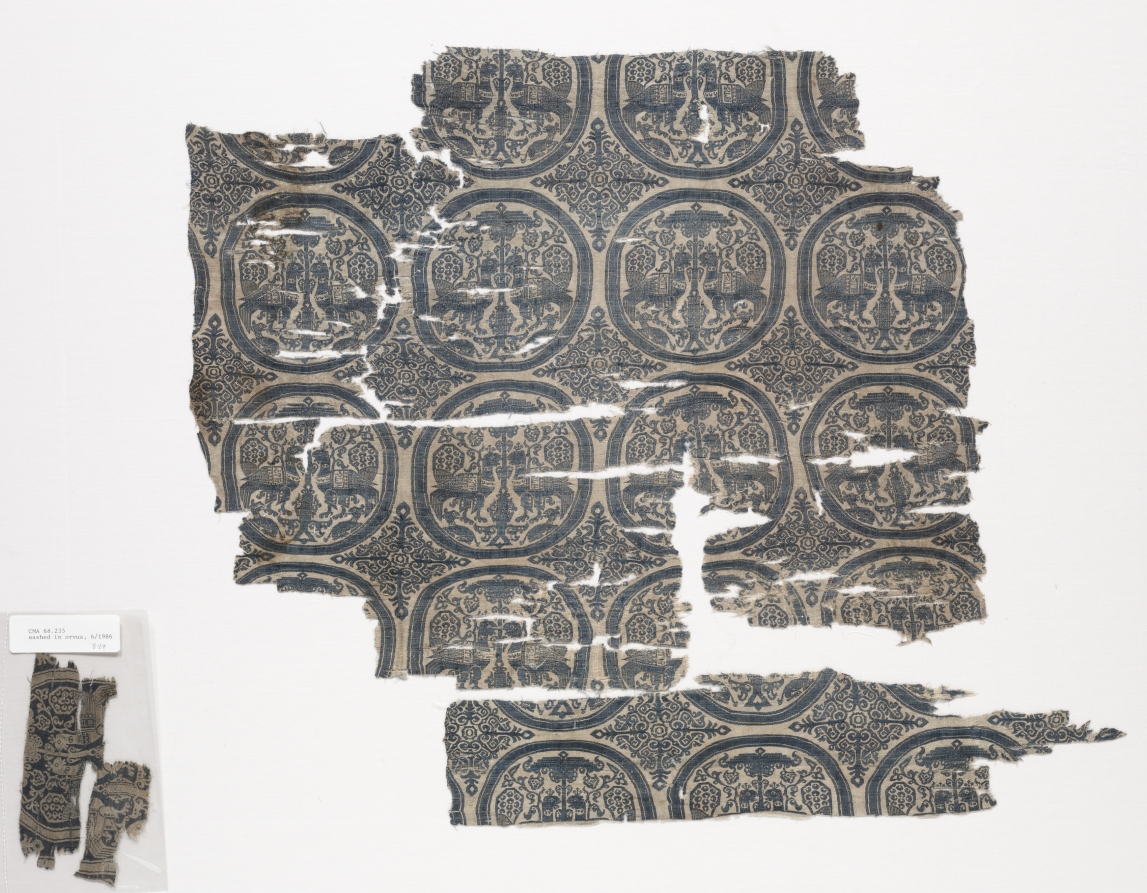
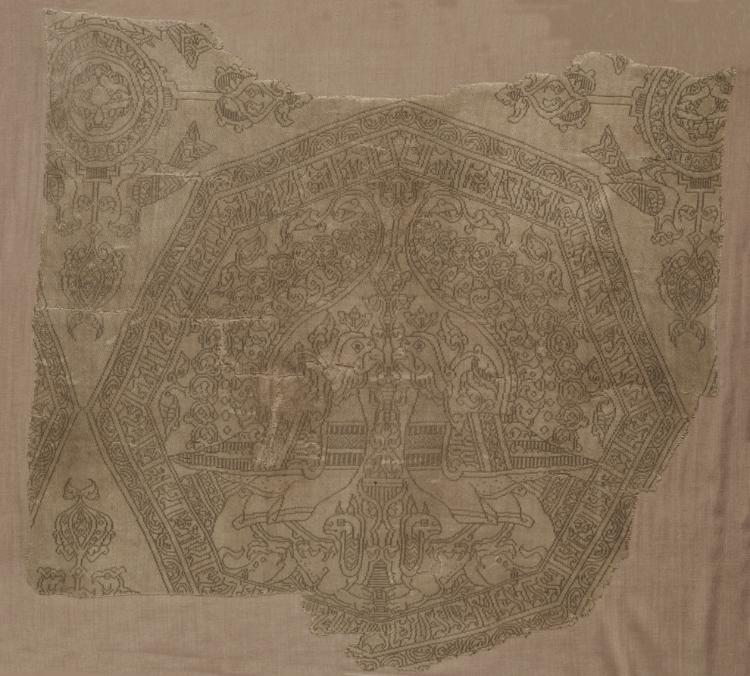
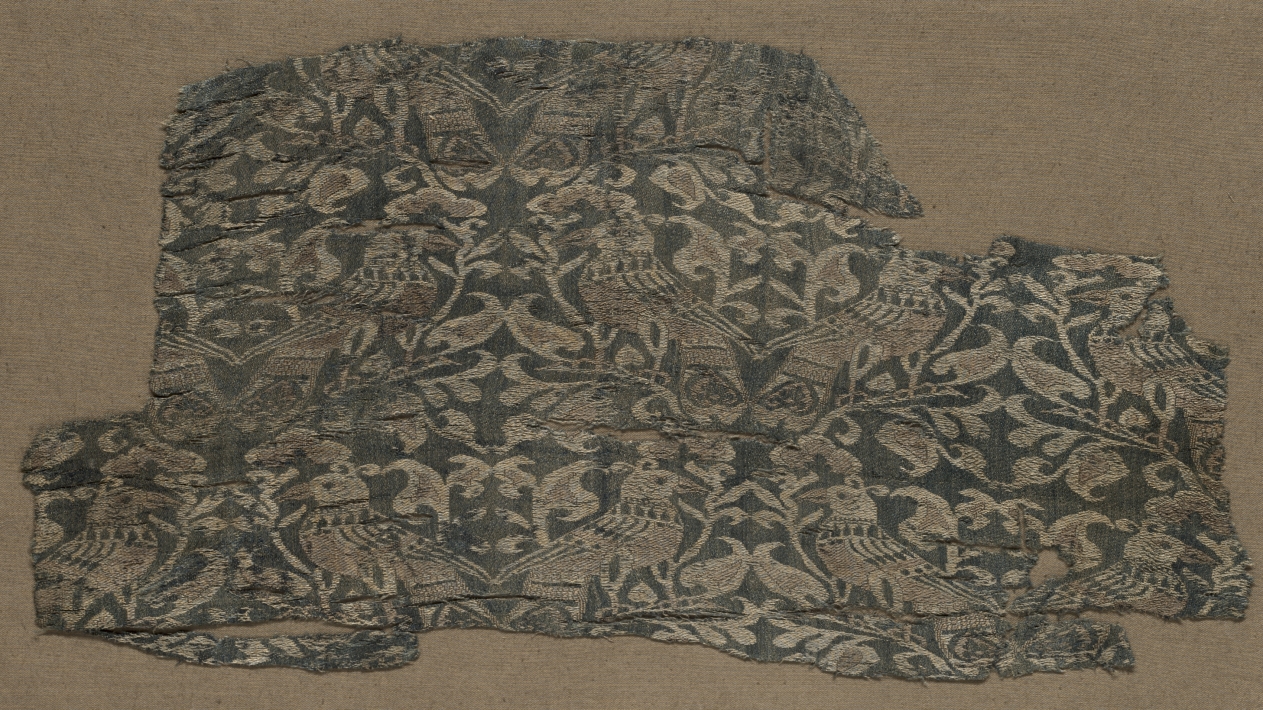
This silk was originally reported to be one of several fragments from garments, shroud, and tomb covers unearthed during the early 1900s at Bibi Shahr Banu outside the ancient city of Rayy, a few miles from Tehran. The fragment preserves a beginning (or finishing) edge at the bottom and a small portion of selvage along the left edge. The exceptionally beautiful design of this silk is filled with ornament. Even the spaces between the roundels containing birds and palmette trees and the octagons with inscriptions enclosing floral devices are ornamented with an intricate geometric pattern. Islamic art is, above all, decorative in accordance with Muhammed's dislike of representing living forms. In Iran, floral and animal motifs never ceased to be represented even after the Islamic invasion, but they were depicted in a highly ornamental fashion as seen here.
The authoritative record is held by Cleveland Museum of Art. LinkedCulture surfaces this object and its connections; it does not alter institutional metadata.
Related across collections
Semantically similar works from Cleveland Museum of Art and other institutions.
Fragments
Art Institute of Chicago
Fragment
Cleveland Museum of Art
Fragment (of a Shroud?) with Inscription
Cleveland Museum of Art
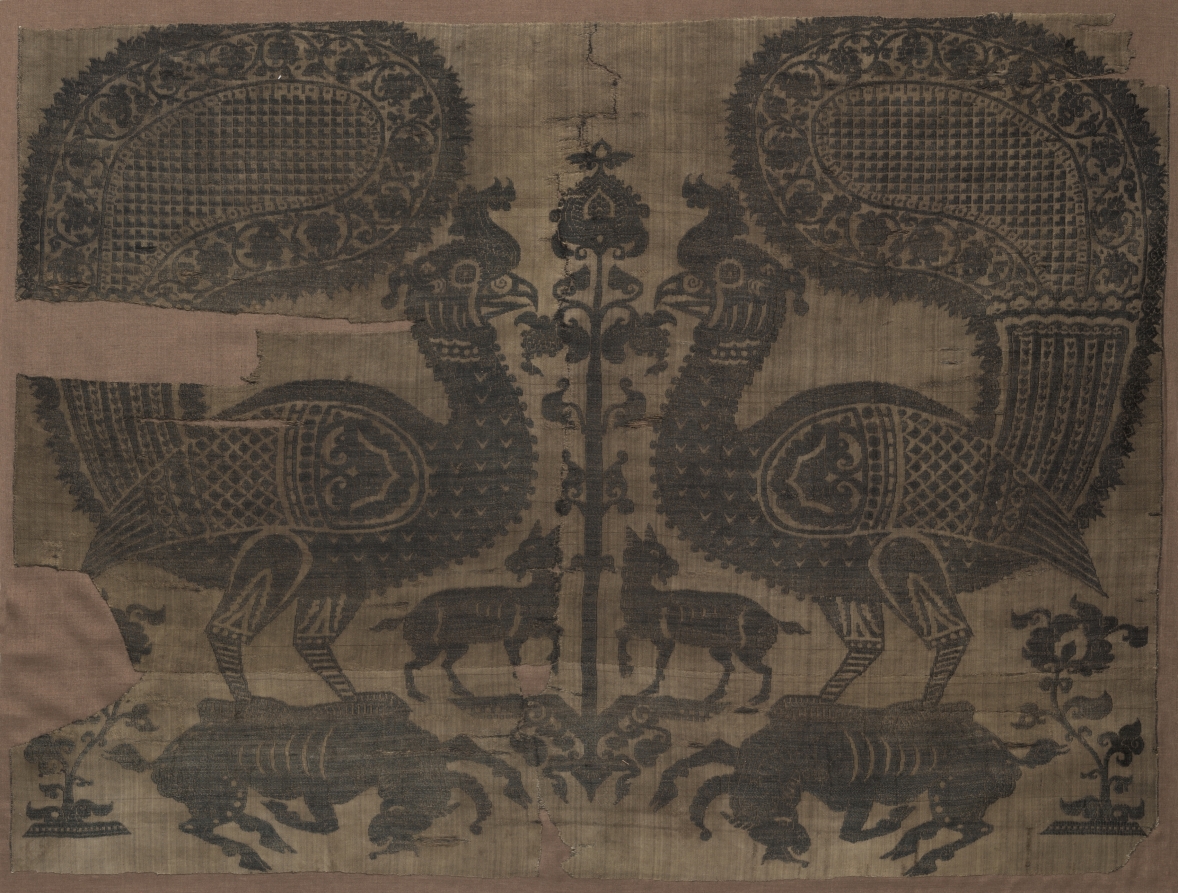
Fragment
Cleveland Museum of Art
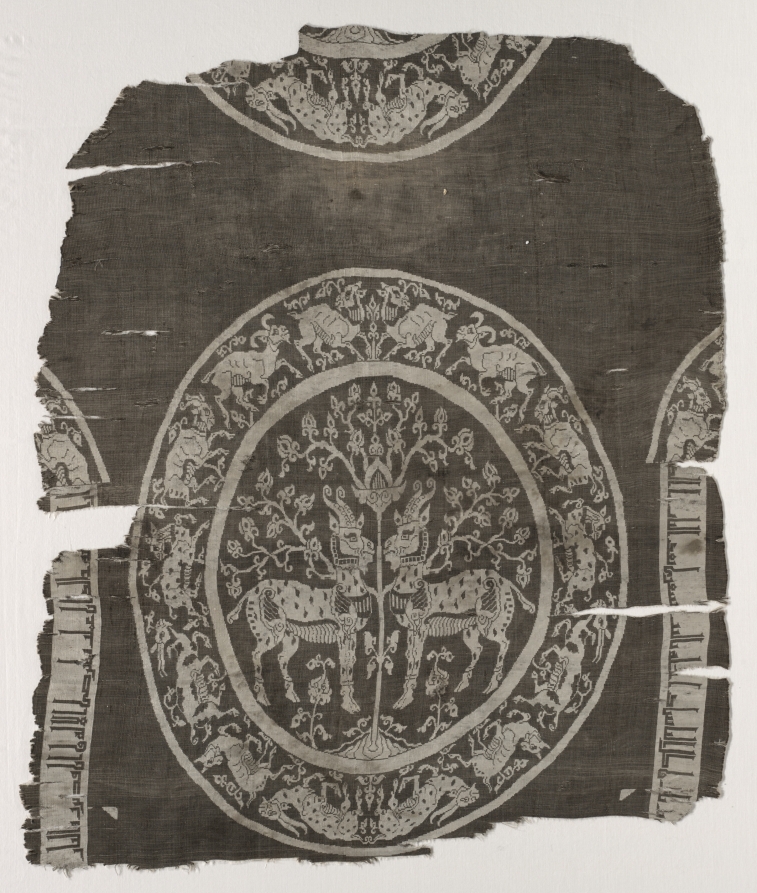
Fragment of Tomb Cover
Cleveland Museum of Art
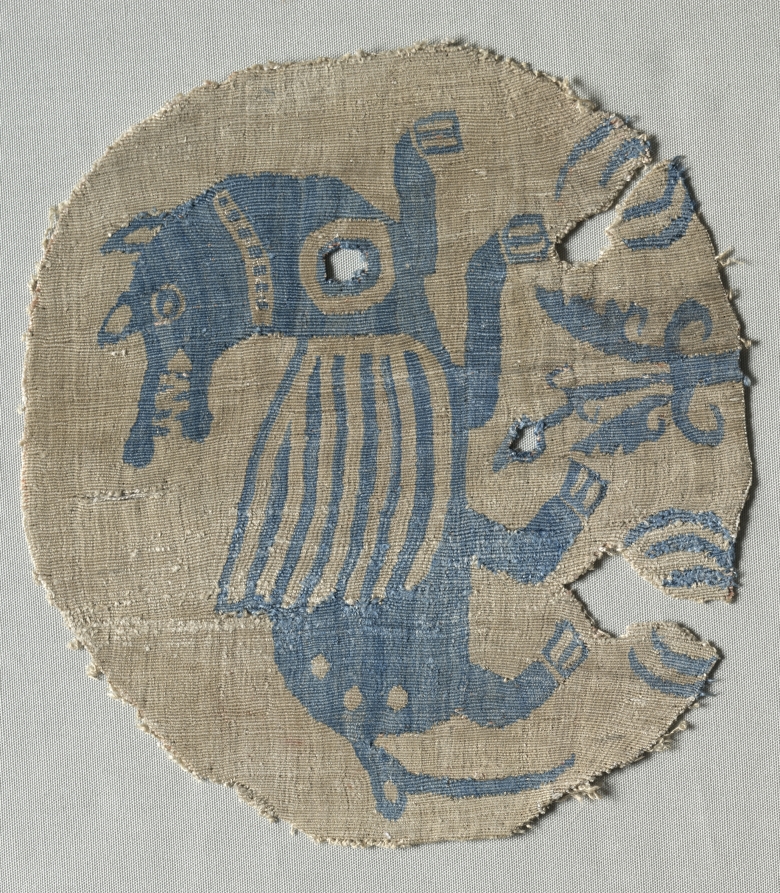
Fragment
Cleveland Museum of Art
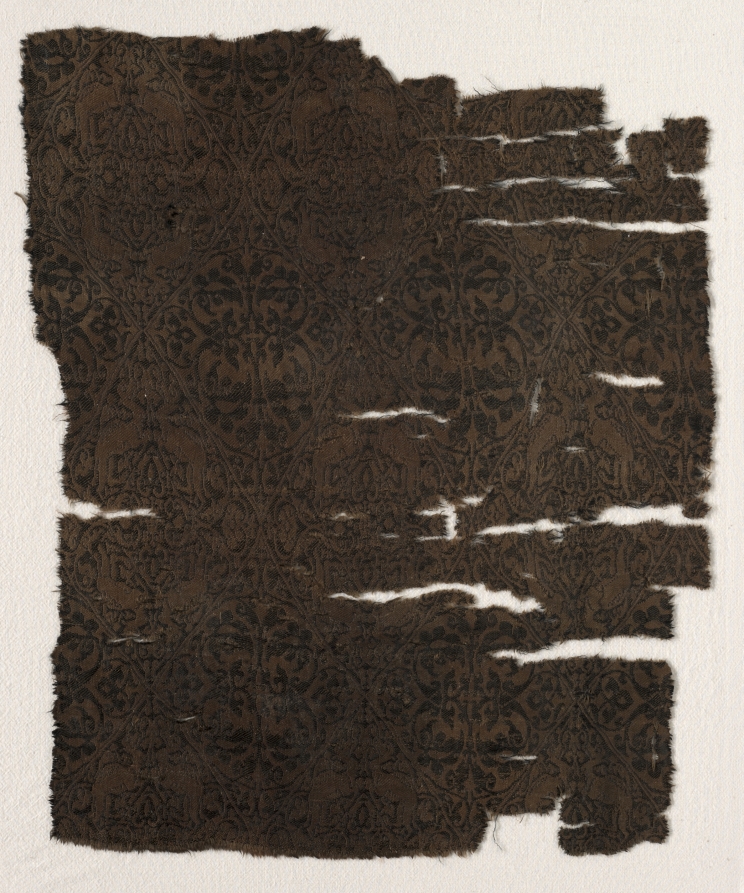
Fragment
Cleveland Museum of Art
Fragment with Inscription
Cleveland Museum of Art
Fragment with Inscription
Cleveland Museum of Art
Fragment with inscriptions
Cleveland Museum of Art
Fragments
Cleveland Museum of Art
Fragment
Cleveland Museum of Art