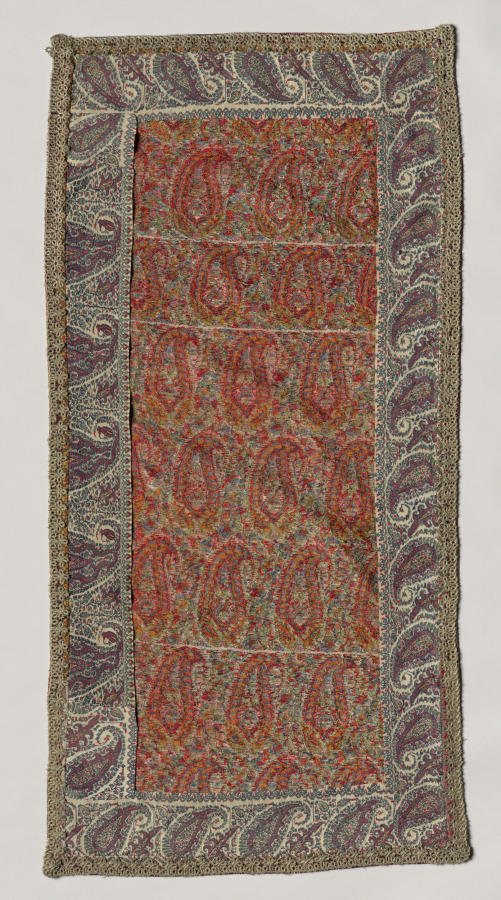
Cleveland Museum of Art
Lining from Silk Textile with Goatherds in a Landscape
- Date
- 1900s
- Medium
- twill tapestry, double locked
- Culture
- Iran, Isfahan
- Department
- Textiles
- Institution
- Cleveland Museum of Art
This textile has a repeated design of goatherds piping to goats in a landscape setting. At the top is an inscription reading: “Work of the servant of the court, Abū al-Quāsim Kāshānī, year 929.” In the Muslim calendar 929 is equivalent to 1523, but this fabric was woven in the 1900s. This textile emulates examples from the Safavid period (1501–1722), regarded as a high point of Iranian culture. A lampas weave is characterized by the combination of two weave structures with two sets of wefts—the threads over and under which the warp threads are woven. Threads of the pattern weft are laid on top of the background weft to form the design. Lampas is typically woven in silk, sometimes with the addition of metallic thread.
The authoritative record is held by Cleveland Museum of Art. LinkedCulture surfaces this object and its connections; it does not alter institutional metadata.
Related across collections
Semantically similar works from Cleveland Museum of Art and other institutions.
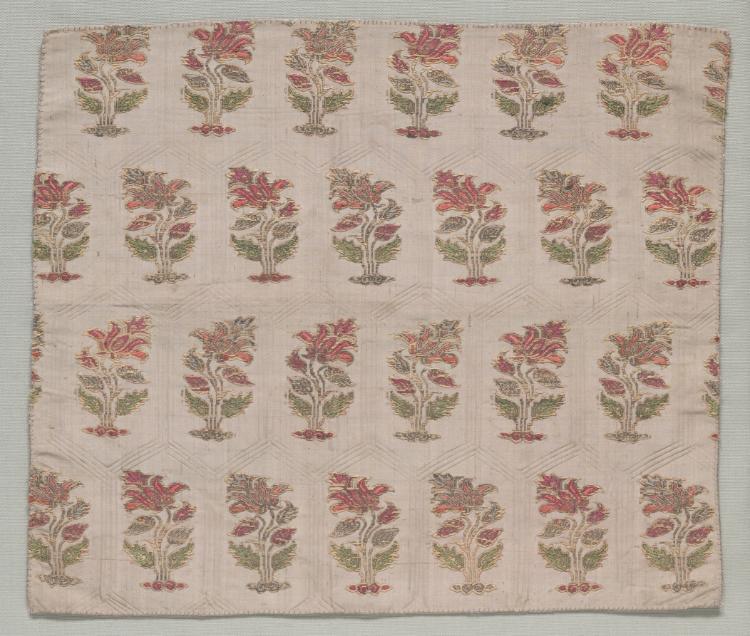
Fragment
Cleveland Museum of Art
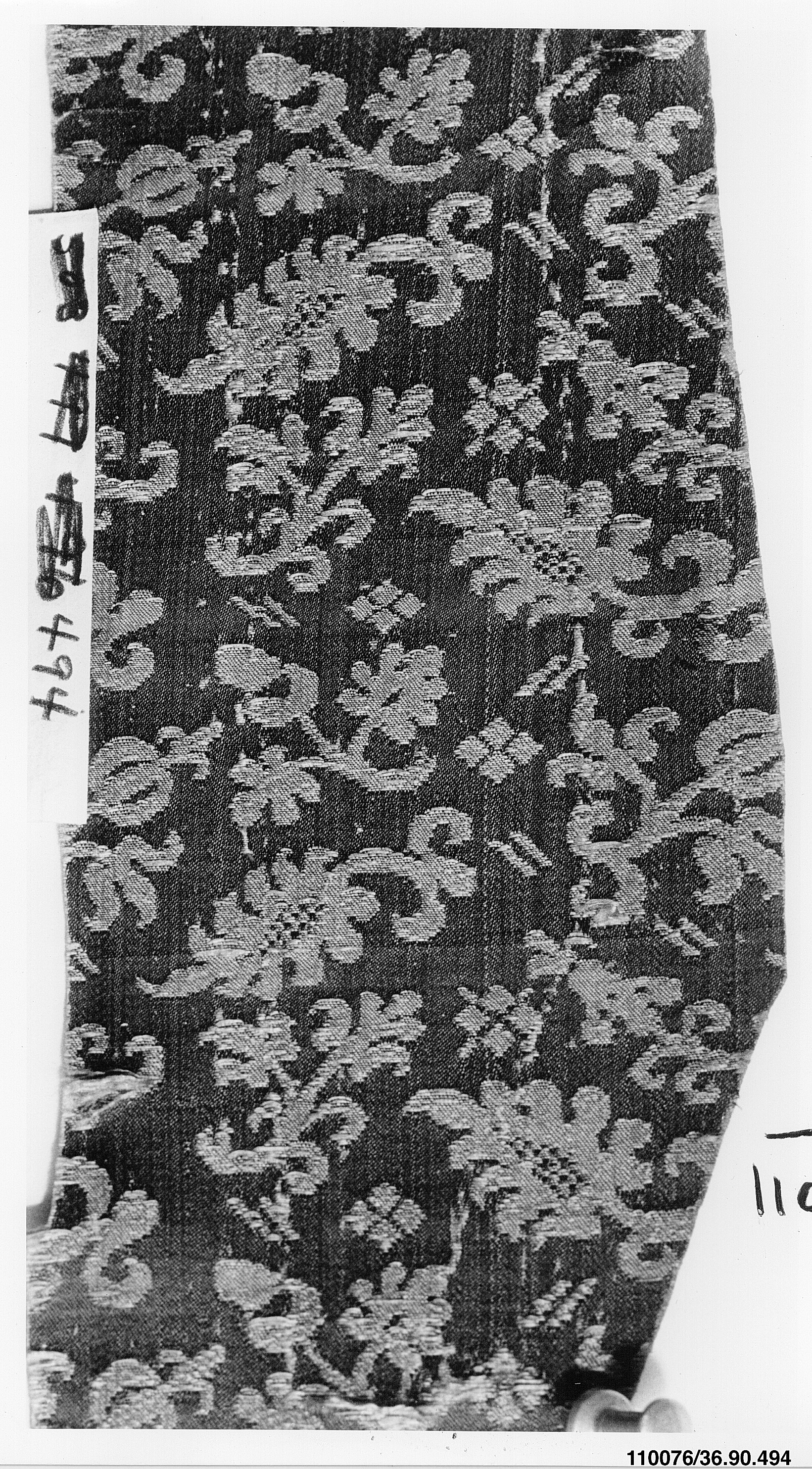
Piece
The Metropolitan Museum of Art
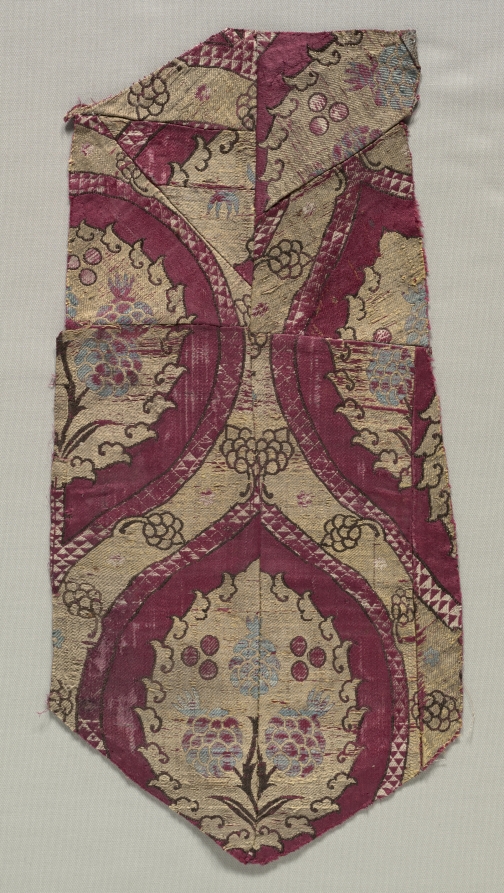
Textile Fragment
Cleveland Museum of Art
Carpet
Art Institute of Chicago
Fragment, with a Segmentum, from a Tunic
Cleveland Museum of Art
Brocade
Cleveland Museum of Art

Length of Textile
Cleveland Museum of Art
Piece
The Metropolitan Museum of Art
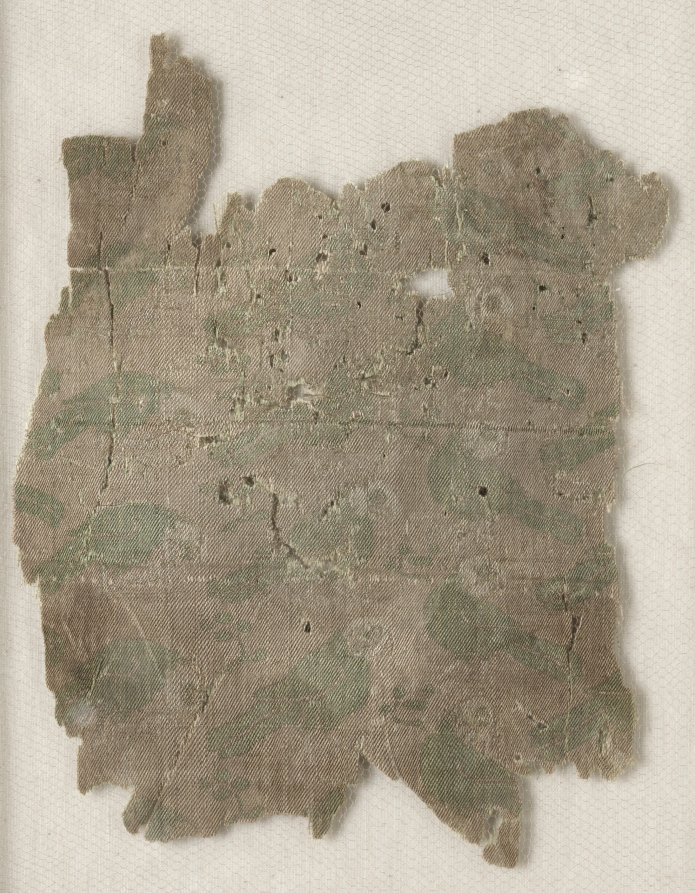
Silk Fragment with Aligned Parrots, Part of a Tunic
Cleveland Museum of Art
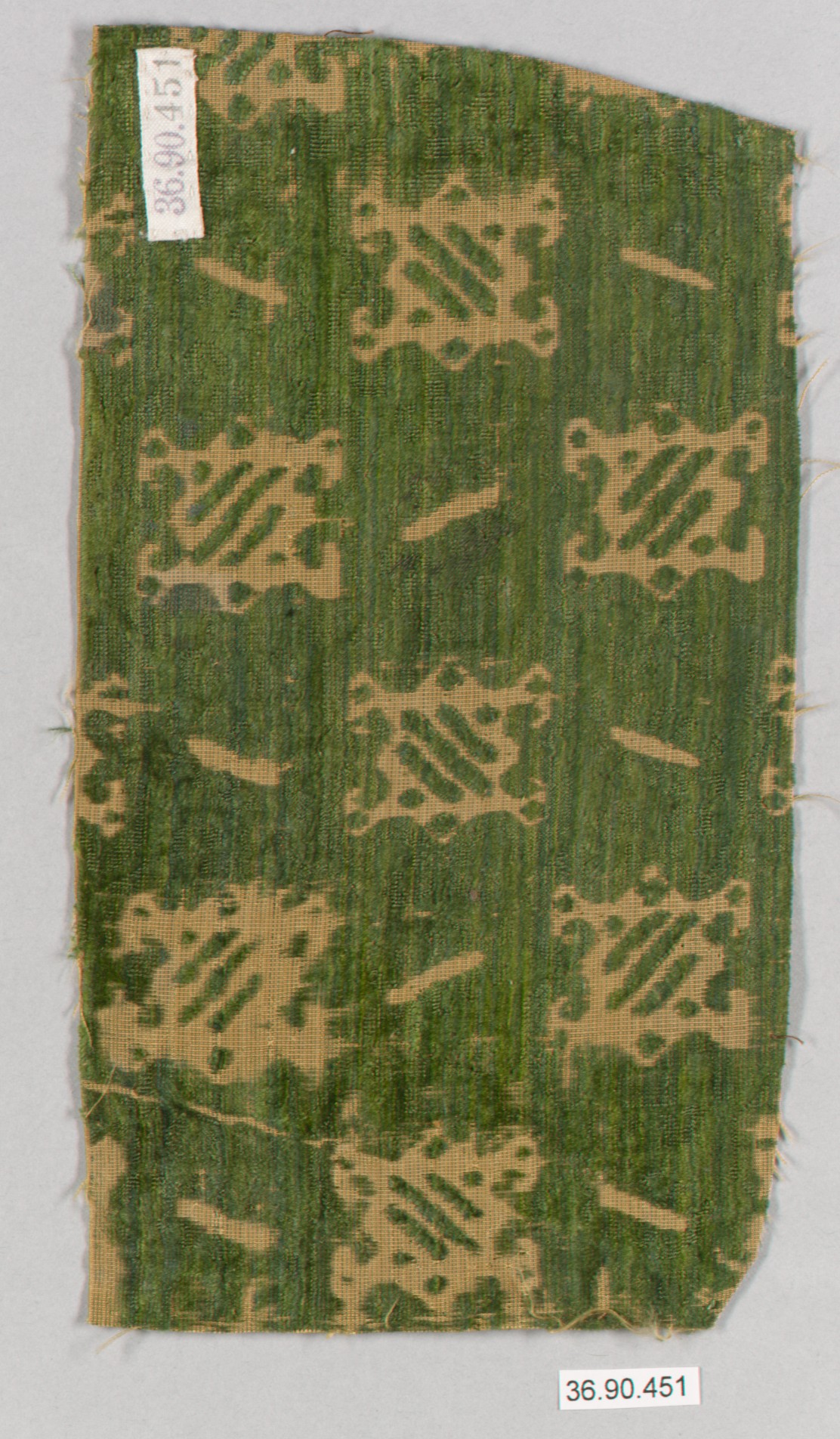
Piece
The Metropolitan Museum of Art
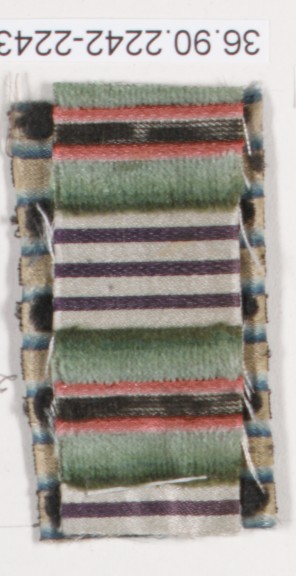
Piece
The Metropolitan Museum of Art
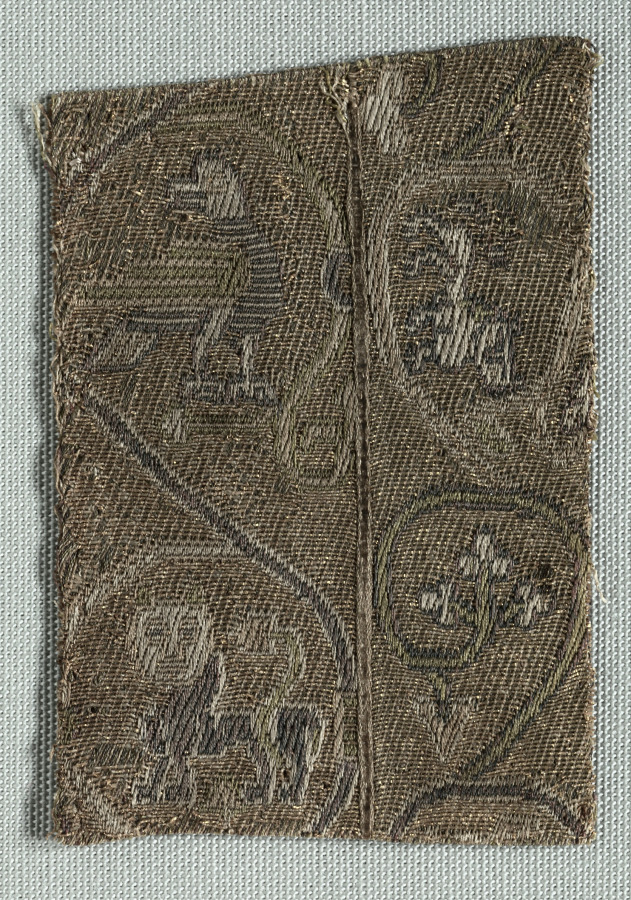
Fragment of a Band
Cleveland Museum of Art