Cleveland Museum of Art
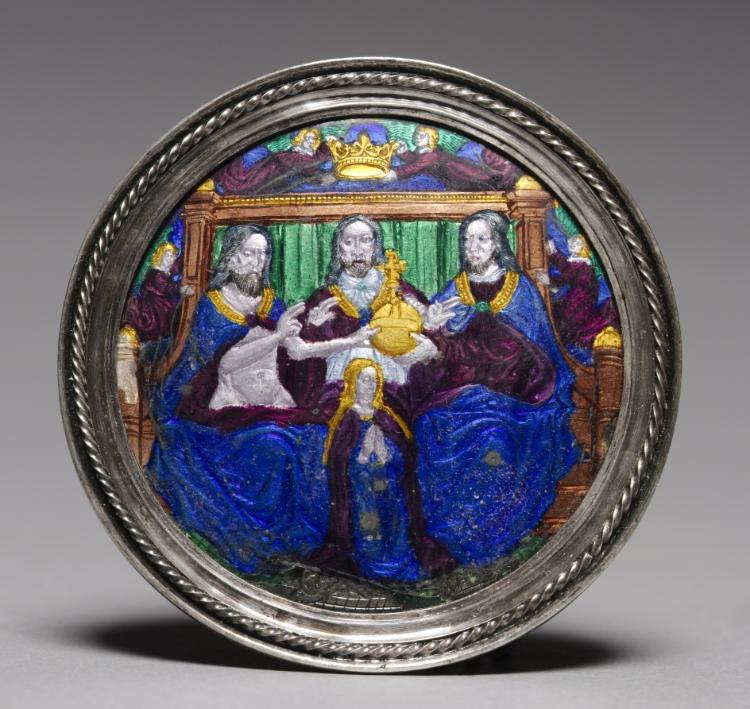
Medallion: Coronation of the Virgin
- Date
- late 1400s
- Medium
- basse-taille enamel on silver
- Culture
- France, 15th century
- Department
- Medieval Art
- Institution
- Cleveland Museum of Art
The word enamel derives from the Old French esmail and the Old High German smelzen , meaning "to smelt." This is the most crucial process in the making of enamel. To prepare enamel, the constituents of glass (flint, or sand, as well as red lead, and soda or potash) are heated together to form a clear flux. To this a coloring agent (usually a metallic oxide) is added: copper for green, cobalt for blue, iron for red or brown. The enamel is then allowed to cool and solidify in slabs. Before use, each color is separately ground into a fine powder, placed on a prepared metal surface, and fired in a kiln. When cool, the surface is polished to remove any imperfections and add brilliance to the colors. The difference between the various enameling techniques lies chiefly in the methods used to prepare the metal surface for the enamel.
The authoritative record is held by Cleveland Museum of Art. LinkedCulture surfaces this object and its connections; it does not alter institutional metadata.
Related across collections
Semantically similar works from Cleveland Museum of Art and other institutions.
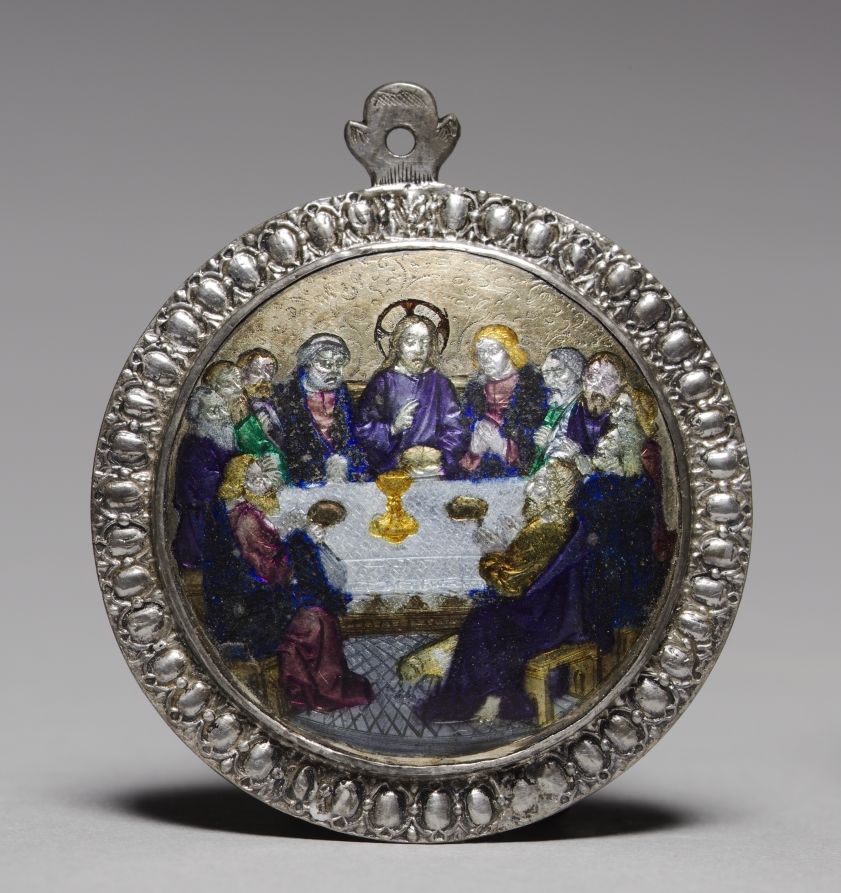
Medallion: The Last Supper
Cleveland Museum of Art
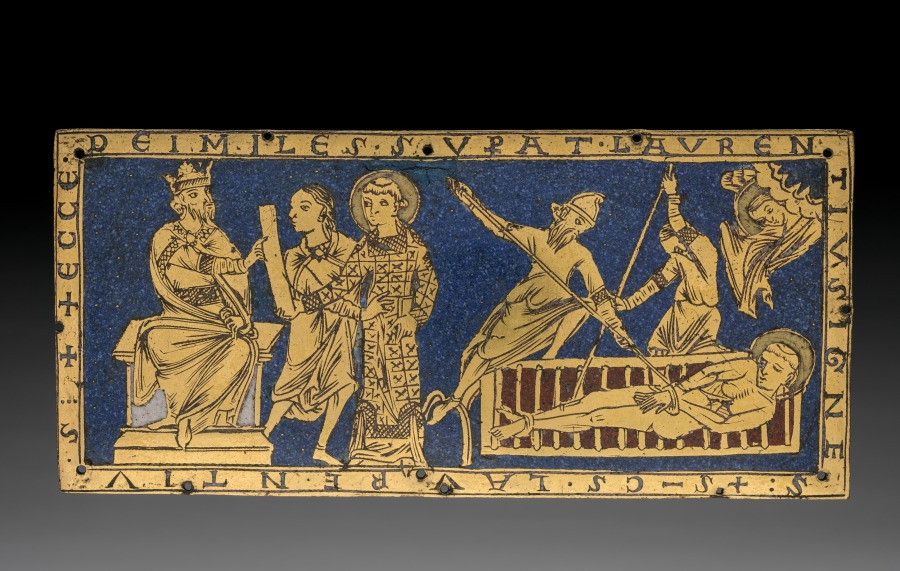
Condemnation and Martyrdom of Saint Lawrence
Cleveland Museum of Art
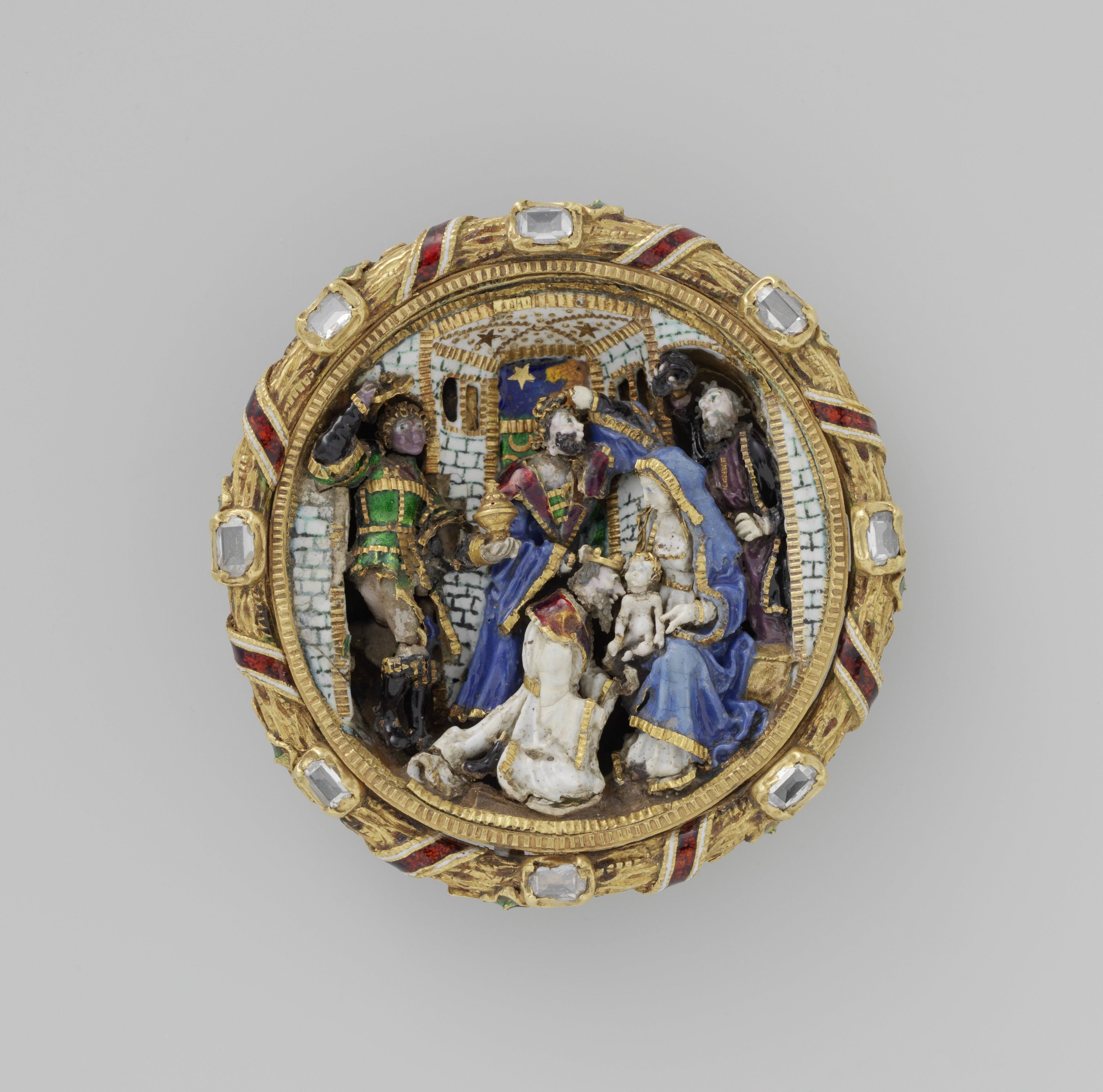
Medaillon met de aanbidding van de koningen
Rijksmuseum
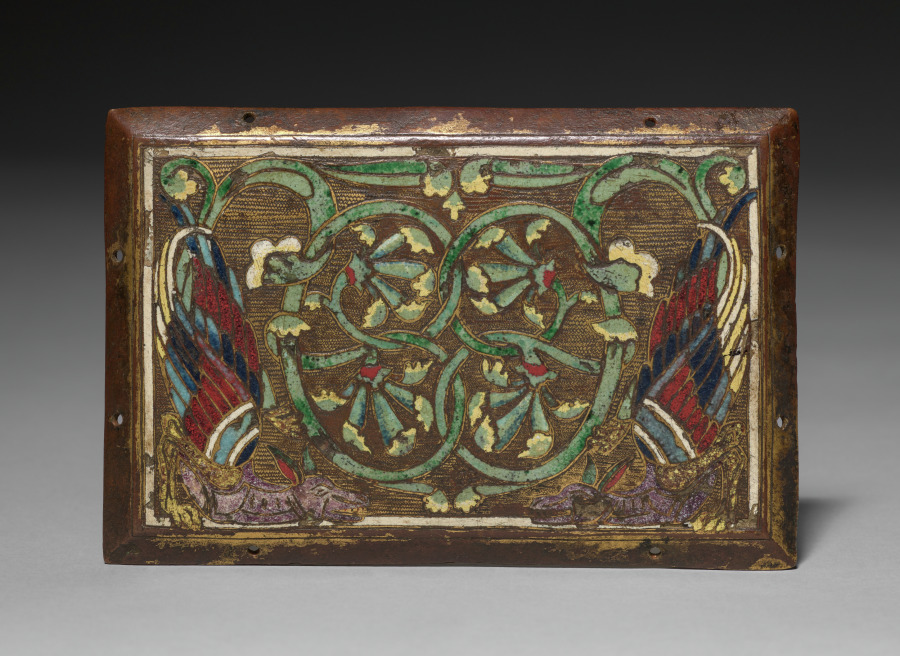
Enamel Plaque
Cleveland Museum of Art
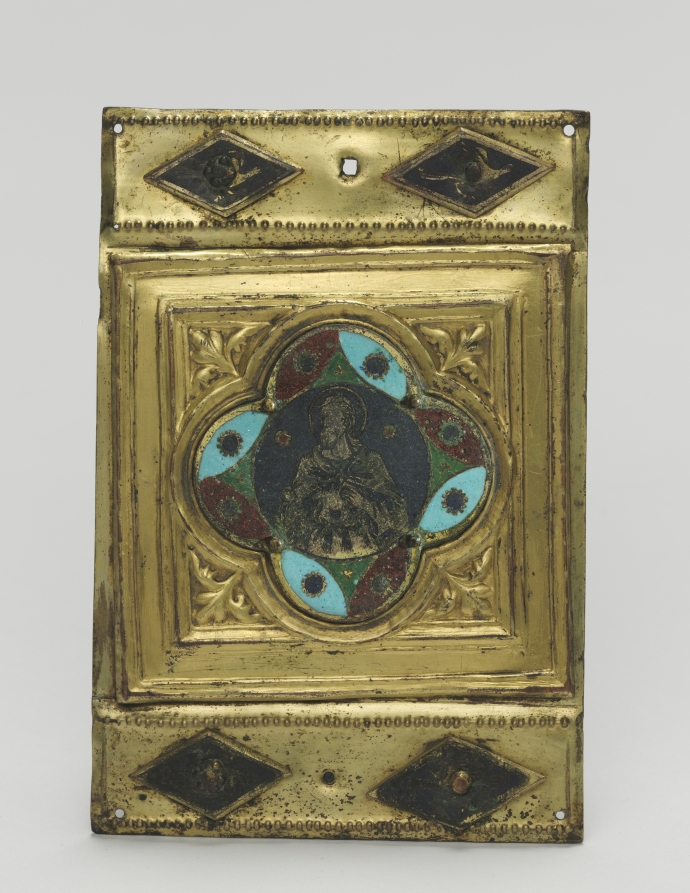
Ornamental Plaque
Cleveland Museum of Art
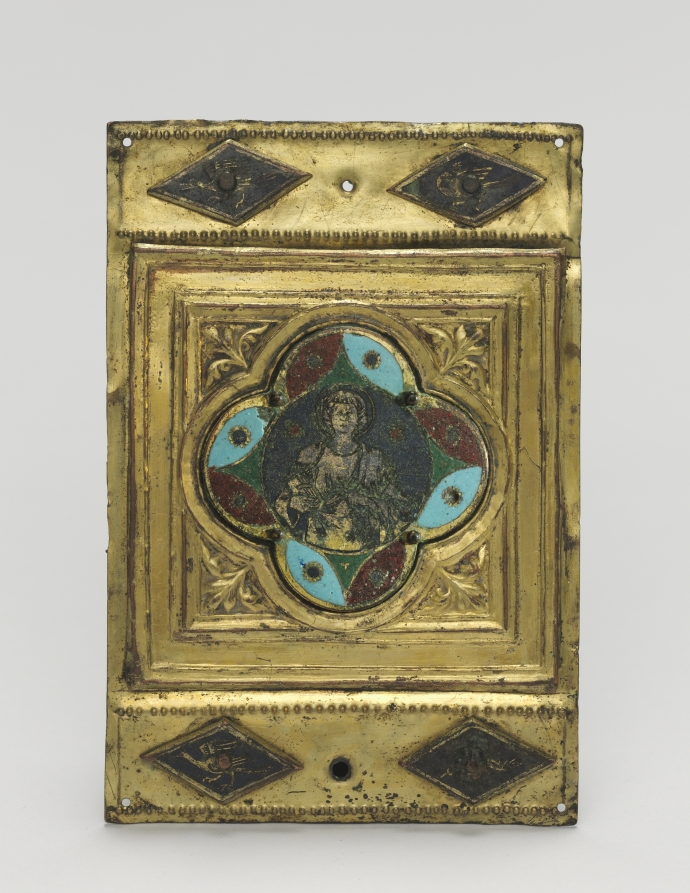
Ornamental Plaque
Cleveland Museum of Art
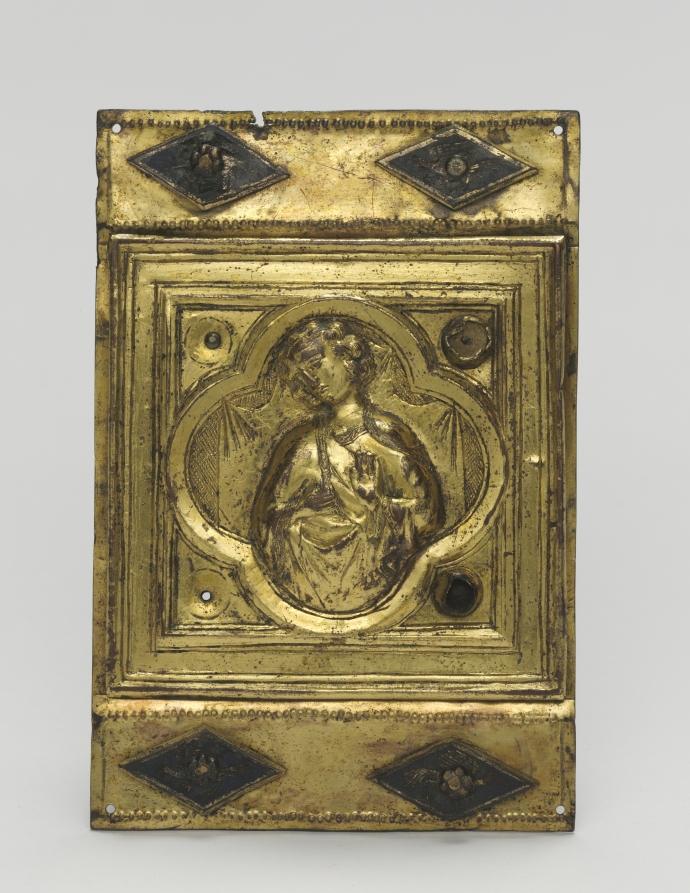
Ornamental Plaque
Cleveland Museum of Art
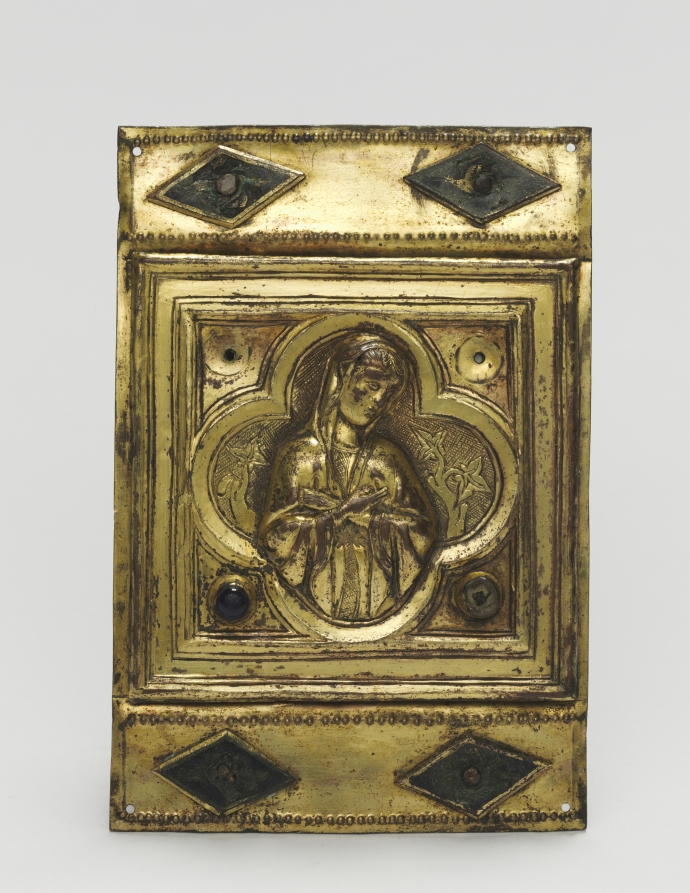
Ornamental Plaque
Cleveland Museum of Art
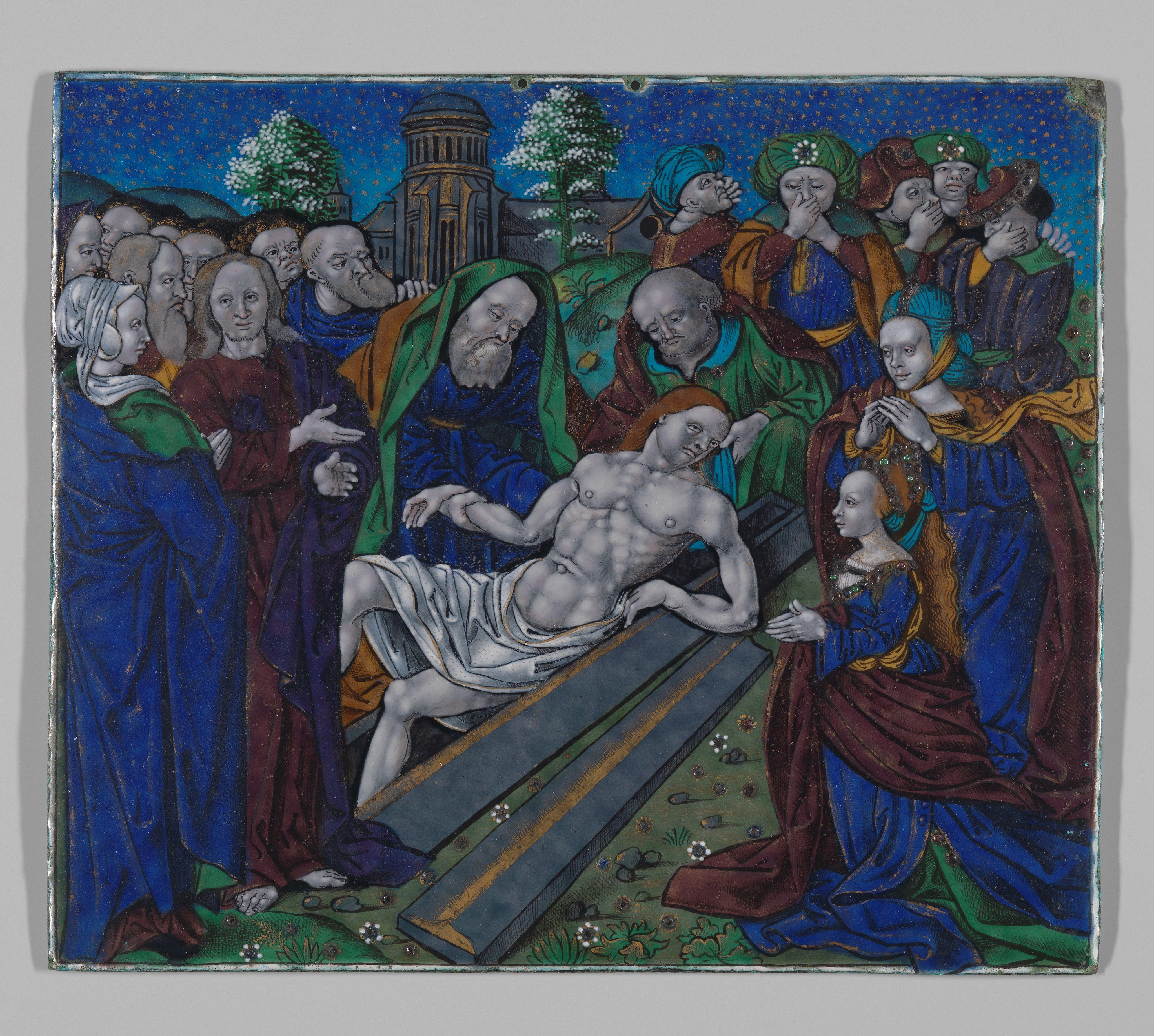
Plaque with the Raising of Lazarus
Rijksmuseum
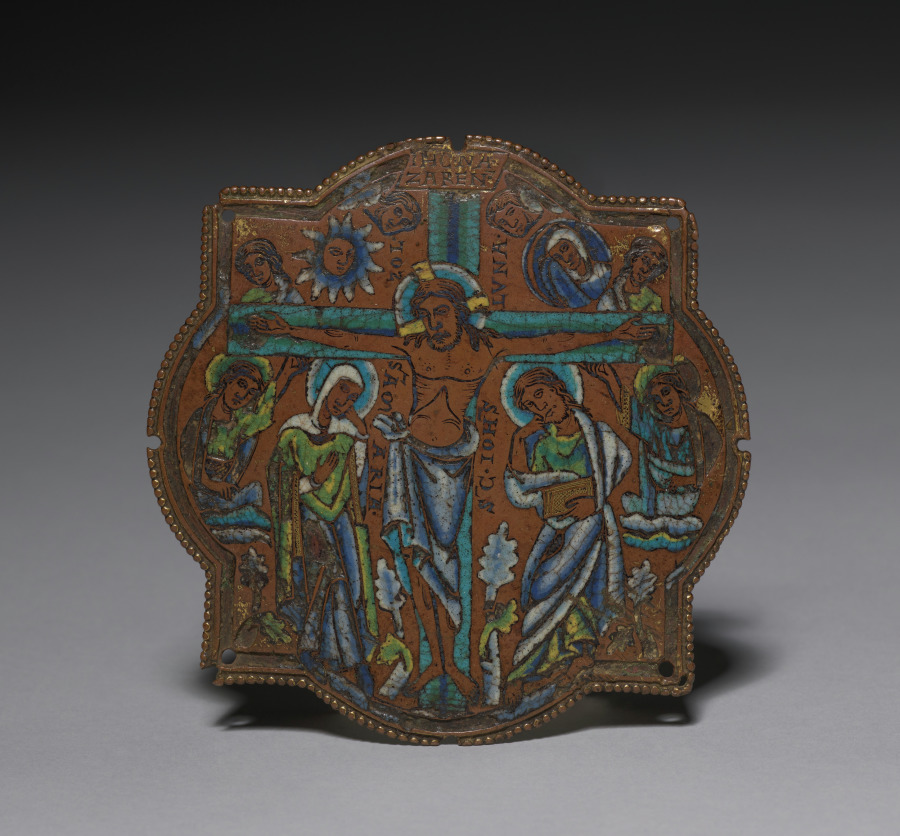
Enamel Plaque: Crucifixion
Cleveland Museum of Art

Triptych with the Madonna and Child with Louise de Bourbon, Saint Louis, Saint John, and Two Prophets
Minneapolis Institute of Art
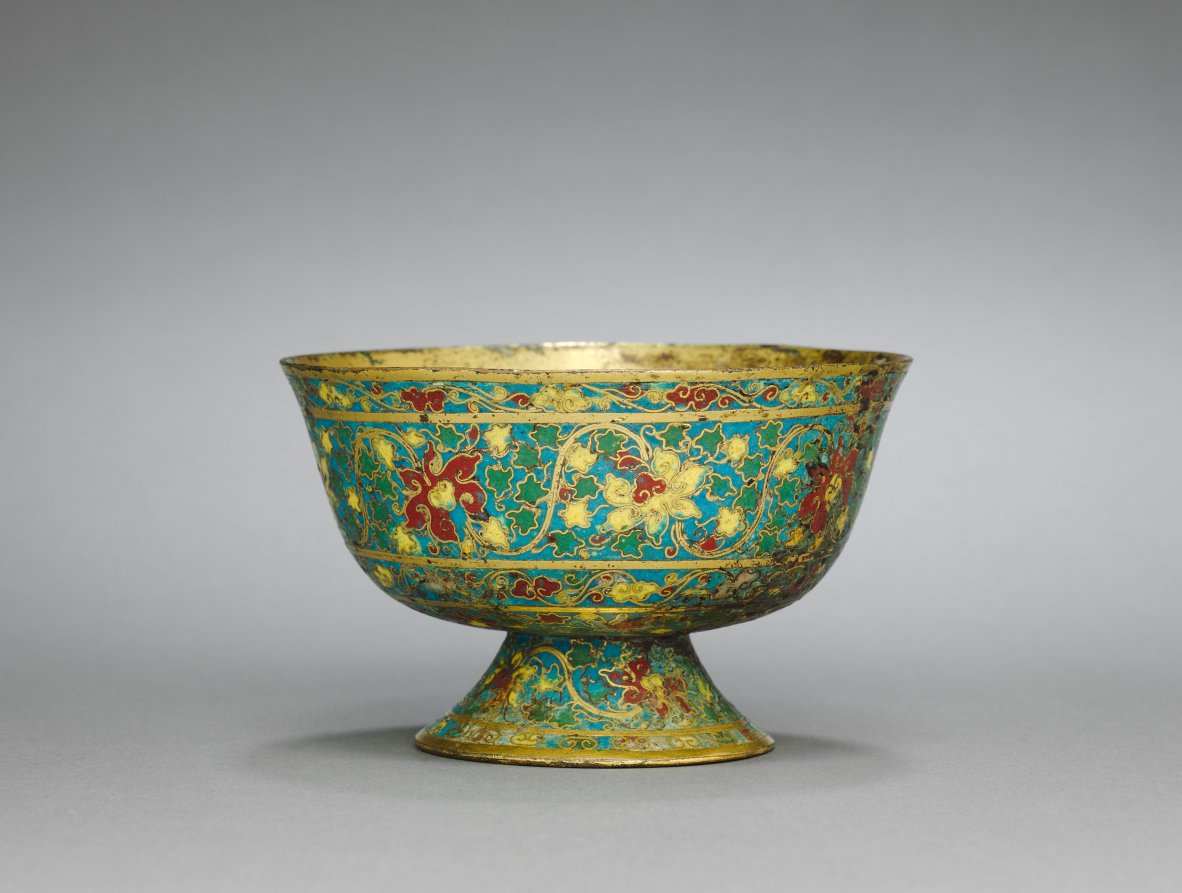
Bowl with Splayed Foot
Cleveland Museum of Art