Cleveland Museum of Art
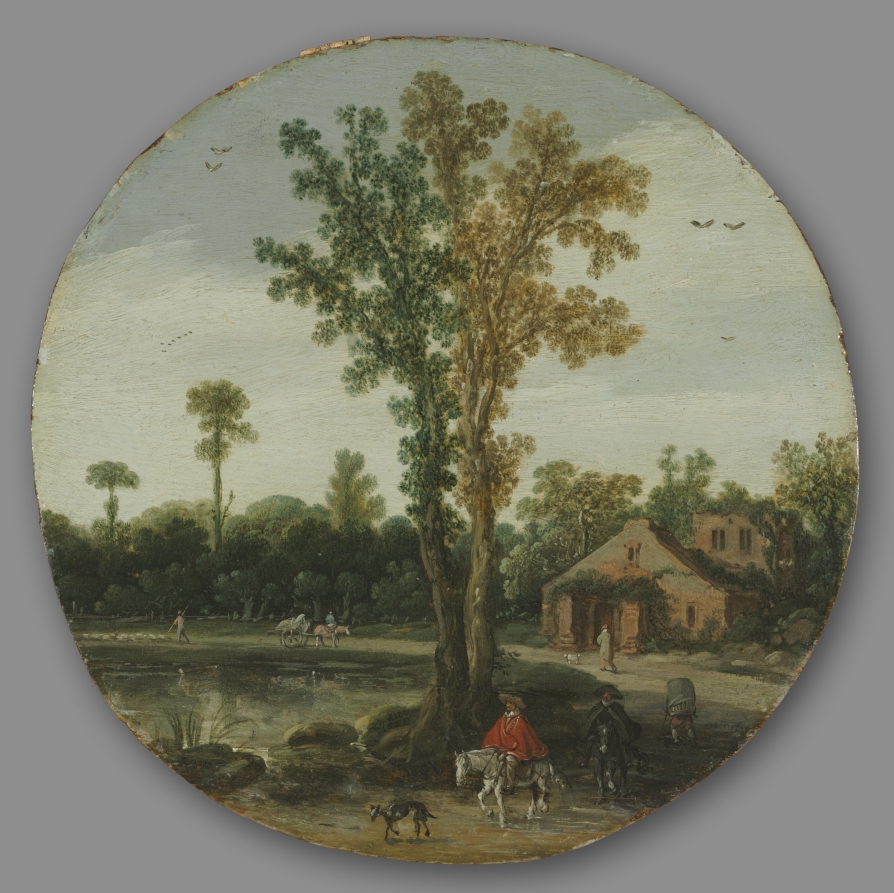
Travelers by a Lake
Esaias van de VeldeLinkedCulture matchlcp-92d863d818ef
- Date
- 1625
- Medium
- oil on wood
- Culture
- Netherlands
- Department
- European Painting and Sculpture
- Institution
- Cleveland Museum of Art
- Object ID
- 150697
From the Cleveland Museum of Art record
Prior to the early 1600s, Dutch artists typically painted landscapes as idealized or artificial backdrops to decorate the more important religious or mythological narratives they included. A revolution in landscape painting occurred in Haarlem in the 1610s when artists like Esaias van de Velde started to paint the humble and everyday subjects of the land and people of the Netherlands in convincingly naturalistic detail. The river view was a subject that van de Velde developed in the 1620s. While the water is subordinate to the other elements, its stillness reinforces the serenity of the environment, as do the figures and ruins that exist in in harmony with the natural world. Although van de Velde would have made sketches outdoors, the painting itself was not a copy of these sketches. Rather, as was the common practice, van de Velde would carefully construct paintings in his studio, using a combination of sketches and memories as his inspiration. For its owner, this picture would have satisfied an urban patron's nostalgia for the humble countryside, particularly in light of the rapid urbanization of Dutch society after their independence from Spain in 1609.
The authoritative record is held by Cleveland Museum of Art. LinkedCulture surfaces this object and its connections; it does not alter institutional metadata.
Get printable QR codesHide QR codes
Open QR codes for this object page and the museum record. They stay collapsed until needed.
Provenance & credit
As published by the source institution. Coverage varies — not every institution's open-data feed includes ownership history.
- Credit line
- John L. Severance Fund
- Provenance
- B. Khanenko, Kiev (1912). | Graham Ash, Wingfield Castle, Norfolk (London sale 1980). | (David M. Koetser, Zurich)., sold to the Cleveland Museum of Art, 1982.
Related across collections
Semantically similar works from Cleveland Museum of Art and other institutions.
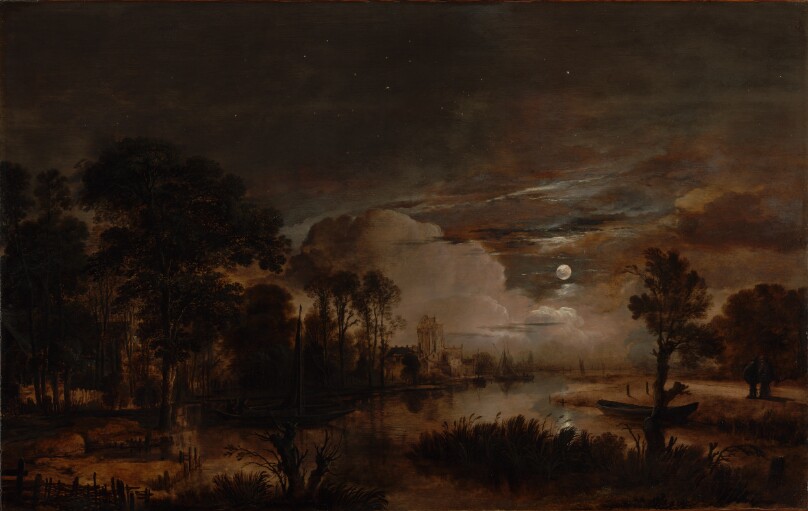
Moonlit Landscape with a View of the New Amstel River and Castle Kostverloren
Getty Museum
#1c4eb777-ec76-4d35-bc12-7cba5b087324

A River Landscape
Minneapolis Institute of Art
#10478
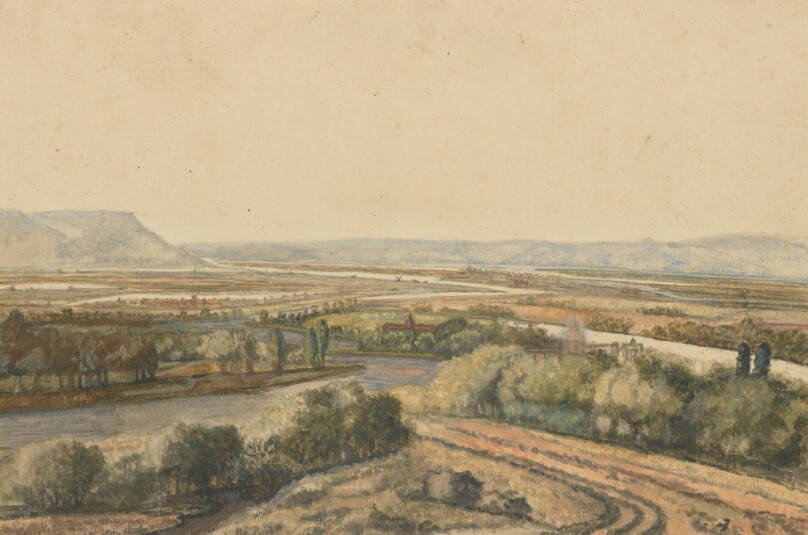
River Landscape
Getty Museum
#4d9da88b-f9c2-4581-bfb0-bd1fa3695b8b
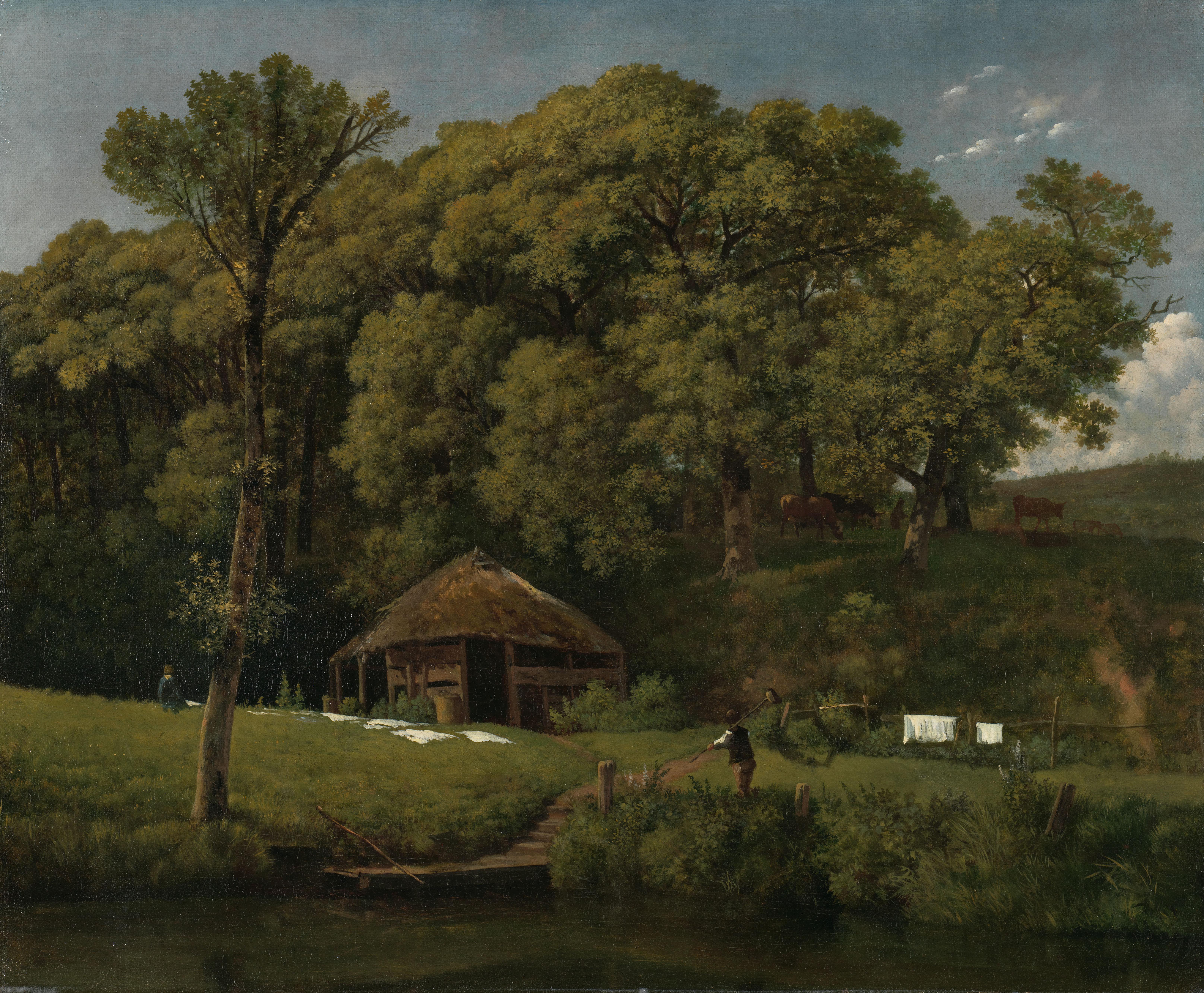
A Barn on the Bank of a Stream in Gelderland
Rijksmuseum
#SK-A-1168
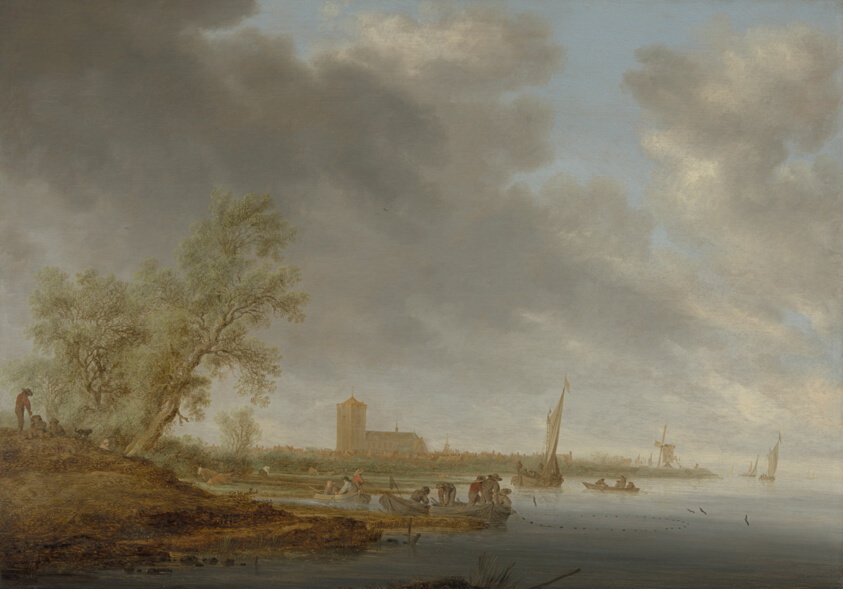
River Landscape with a View of Naarden
Art Institute of Chicago
#238272
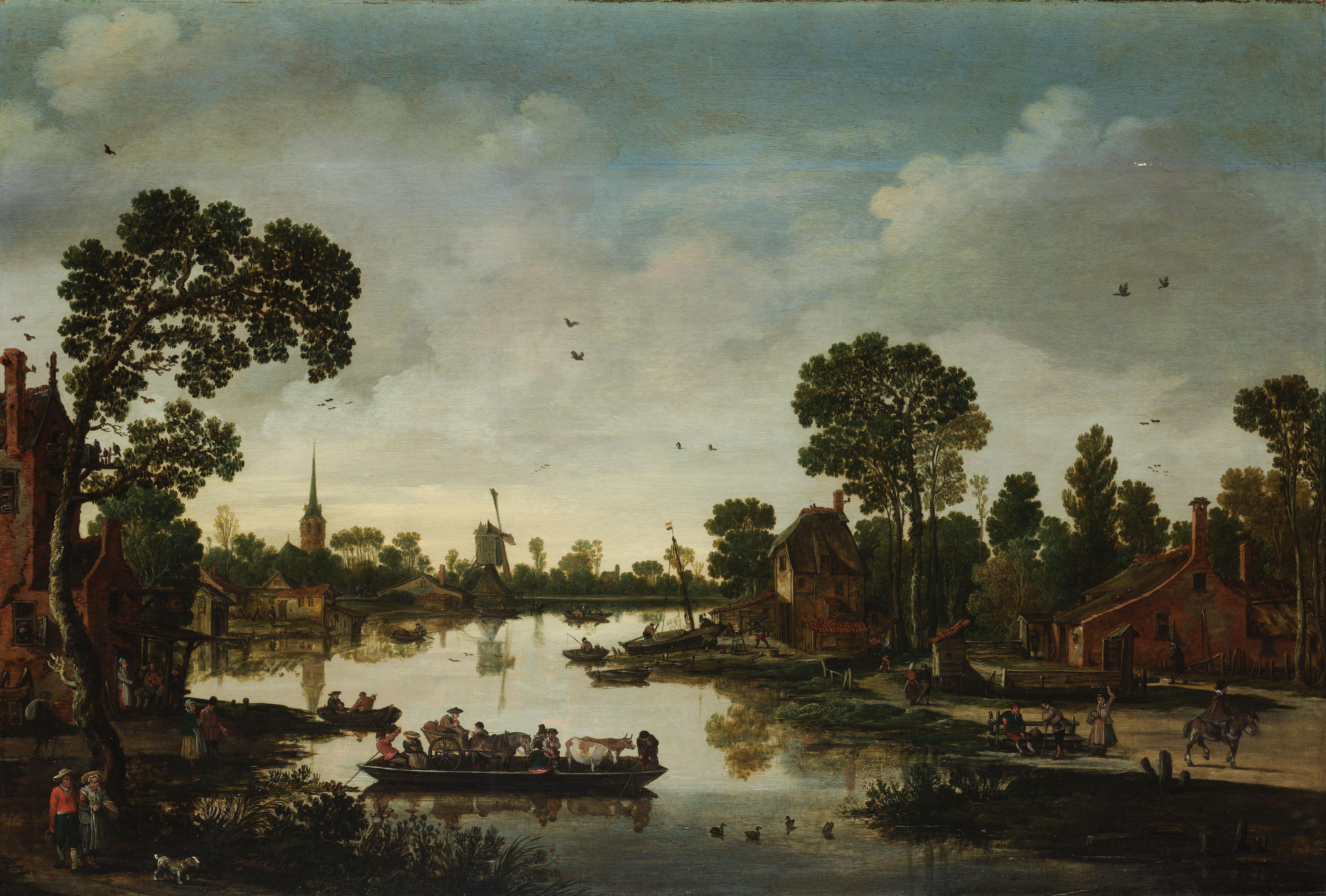
Het ponteveer
Rijksmuseum
#SK-A-1293

Album of landscape etchings
Minneapolis Institute of Art
#144696
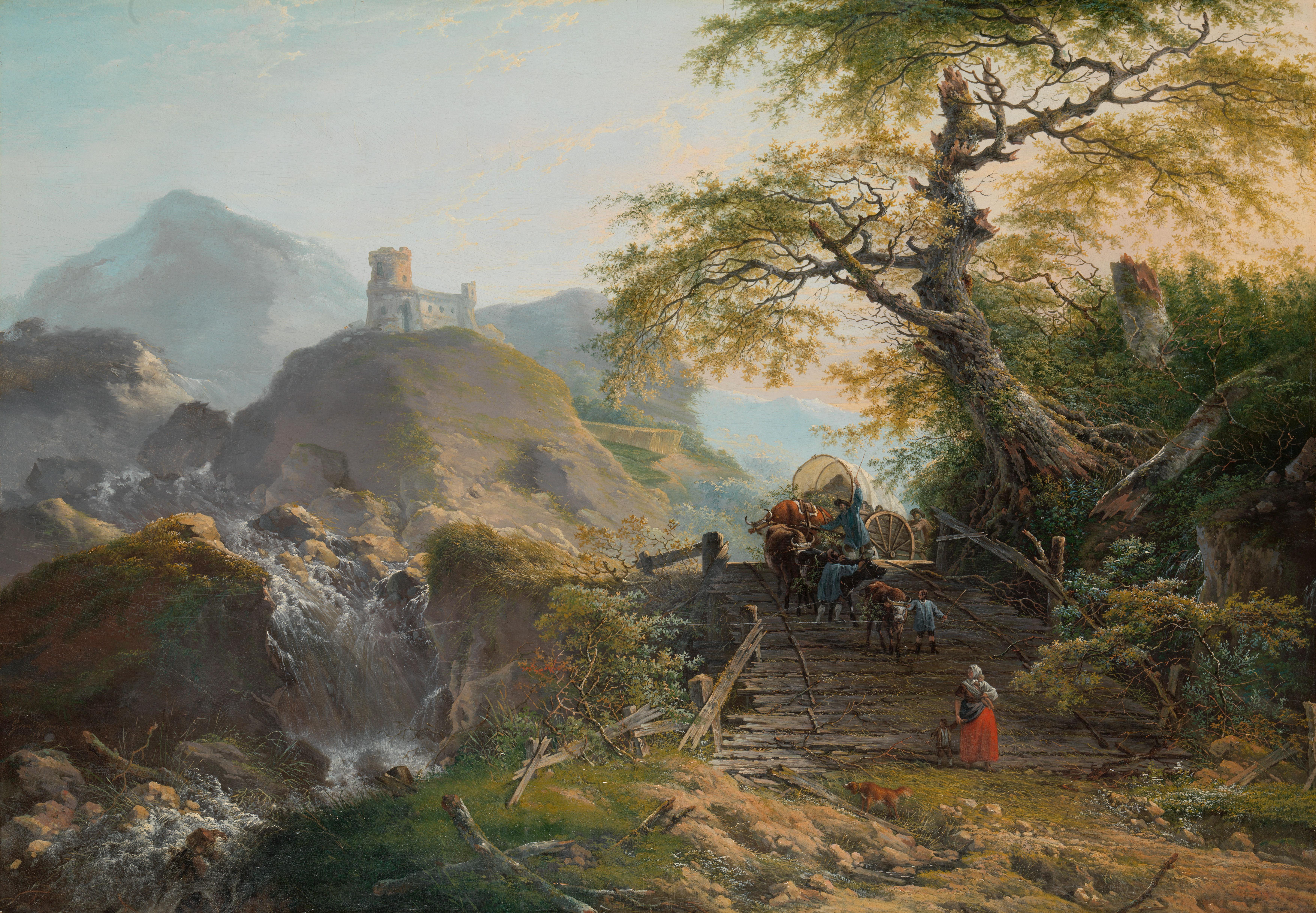
Berglandschap bij Düsseldorf
Rijksmuseum
#SK-A-4223

River Landscape with a Ferry
Minneapolis Institute of Art
#730

Castle and Watermill by a River
Minneapolis Institute of Art
#3729
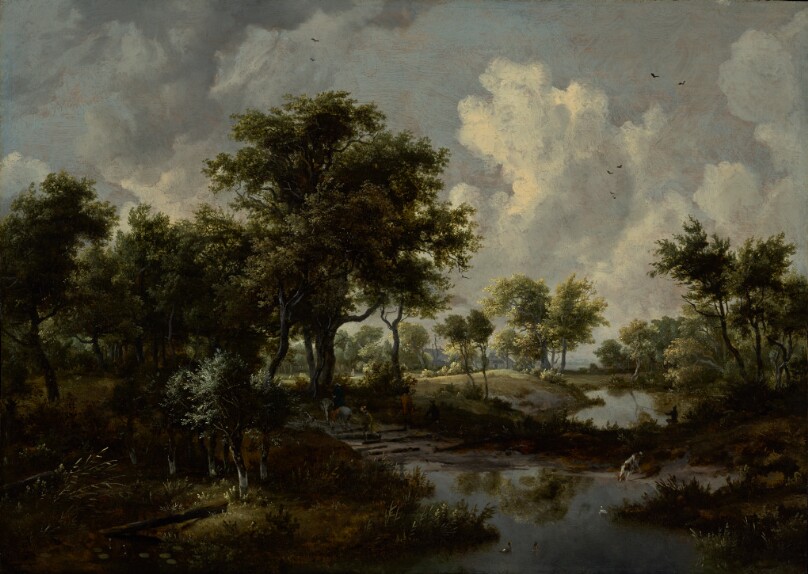
A Wooded Landscape
Getty Museum
#28d089fc-52ab-472c-95bb-fc6c8f081ea3
A Wooded Landscape with Travelers on a Path through a Hamlet
Getty Museum
#8ac4fcd5-1247-4401-b49a-a875c9f84735