Cleveland Museum of Art
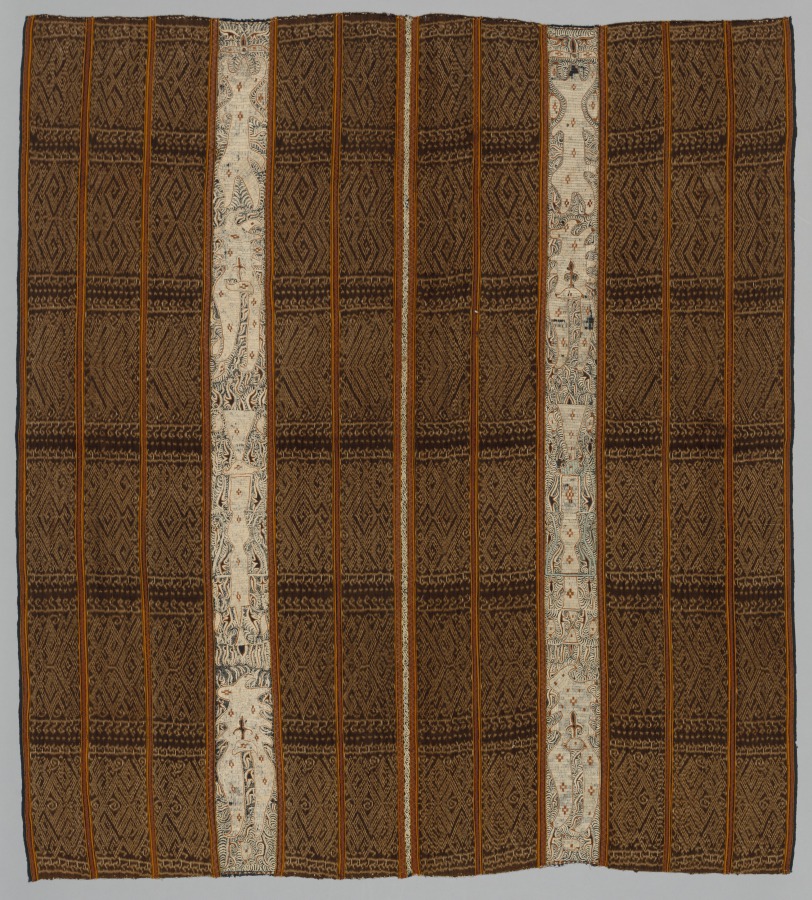
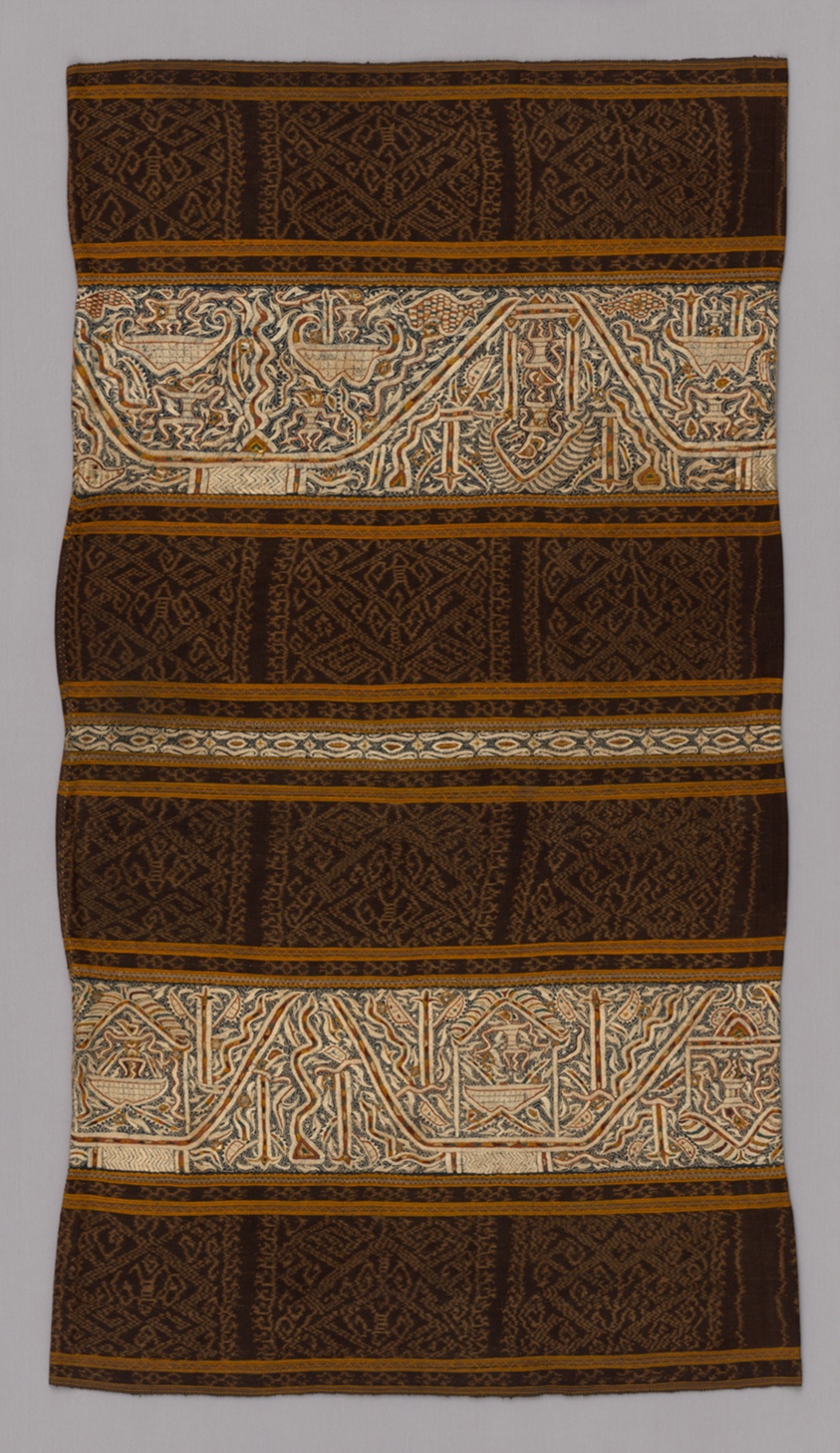
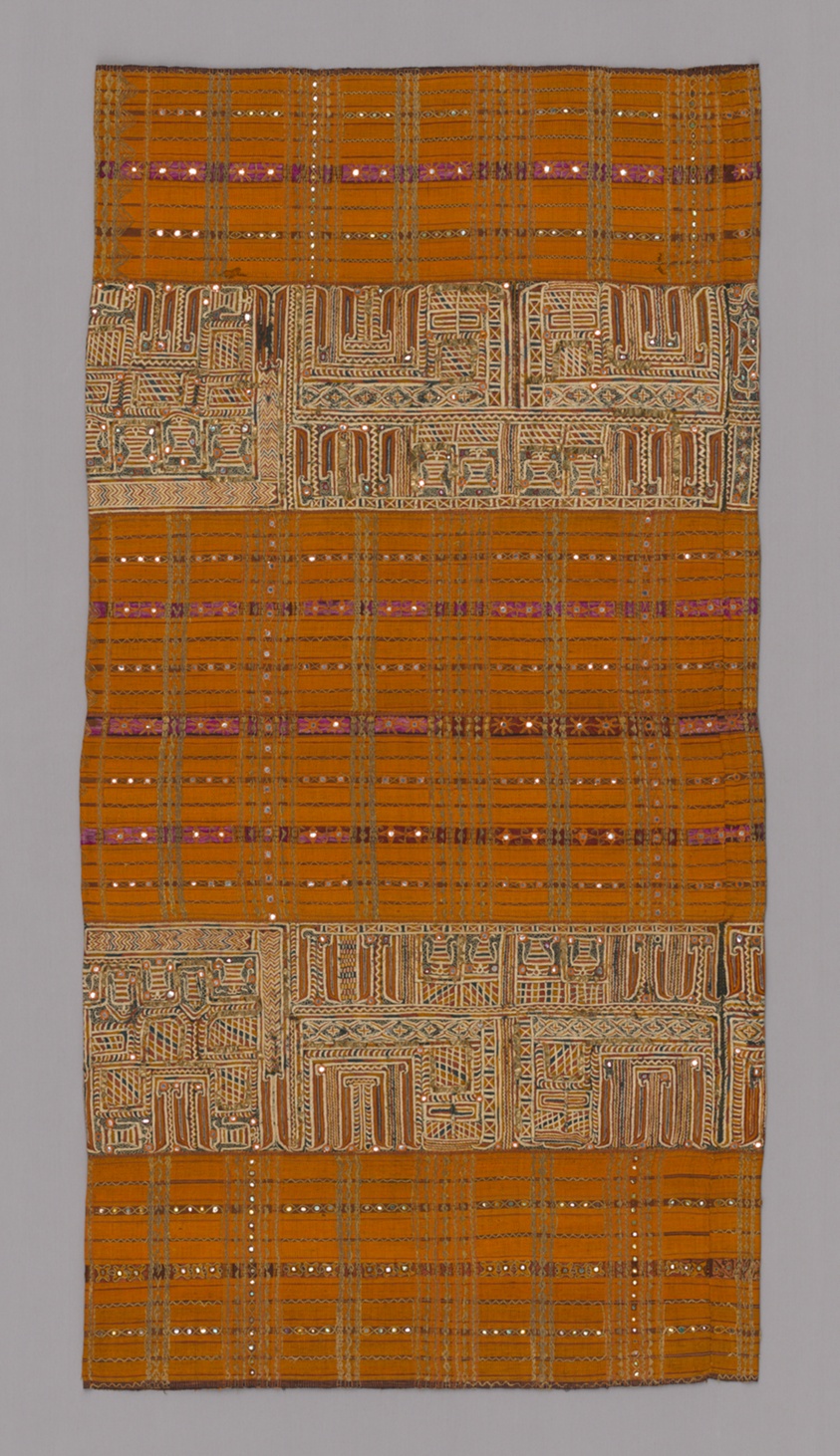
Tapis (Garment)
- Date
- 1800s
- Medium
- tabby weave, warp ikat; cotton / embroidery; silk
- Culture
- Indonesia, Sumatra, Lampung, 19th century
- Department
- Textiles
- Institution
- Cleveland Museum of Art
"Tapis" from central and southern Sumatra combine warp ikat with embroidery. The angular, geometric designs of the warp ikat can be traced back to the bronze age culture of China. During the first millennium B.C., elements of that culture spread to Indonesia where they survived in remote areas well into the 20th century. Completely different are the mysterious, curvilinear forms of the embroidered bands. Some of these have become too abstracted to identitfy; but others can be recognized as human figures wearing the feathered and horned headdresses of head-hunting rituals. Embroidery designs were presented by a man to his prospective bride, and their motifs were inspired by activities specifically performed by men, such as wood carving, metalwork, and headhunting.
The authoritative record is held by Cleveland Museum of Art. LinkedCulture surfaces this object and its connections; it does not alter institutional metadata.
Related across collections
Semantically similar works from Cleveland Museum of Art and other institutions.
Tapis (Ceremonial or Wedding Skirt)
Art Institute of Chicago
Ceremonial Skirt (tapis)
Art Institute of Chicago
Woman's Ceremonial Cloth (Tapis)
Art Institute of Chicago
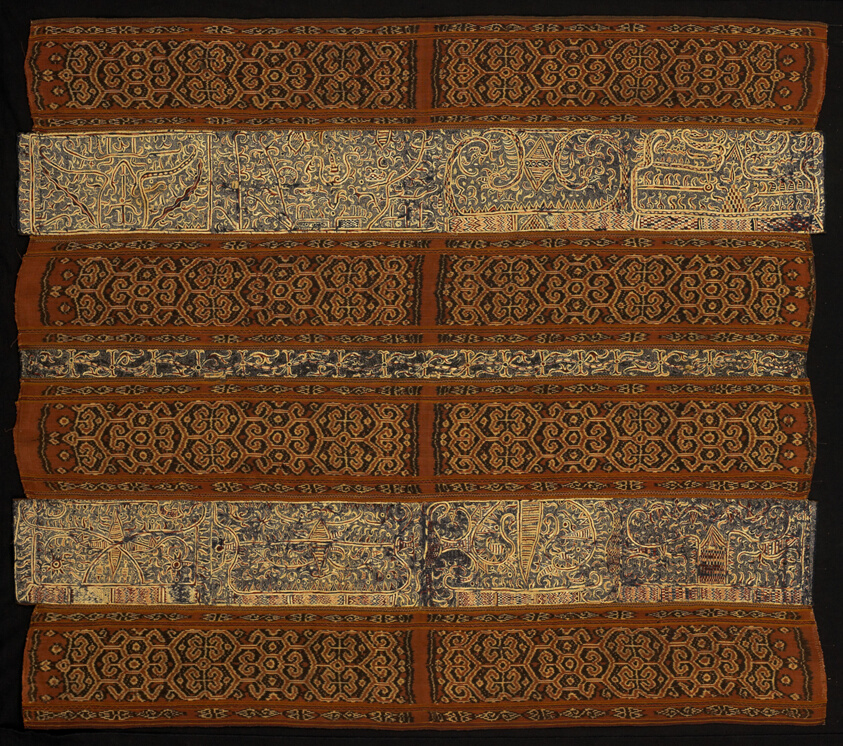
Woman's Ceremonial Skirt (tapis)
Art Institute of Chicago
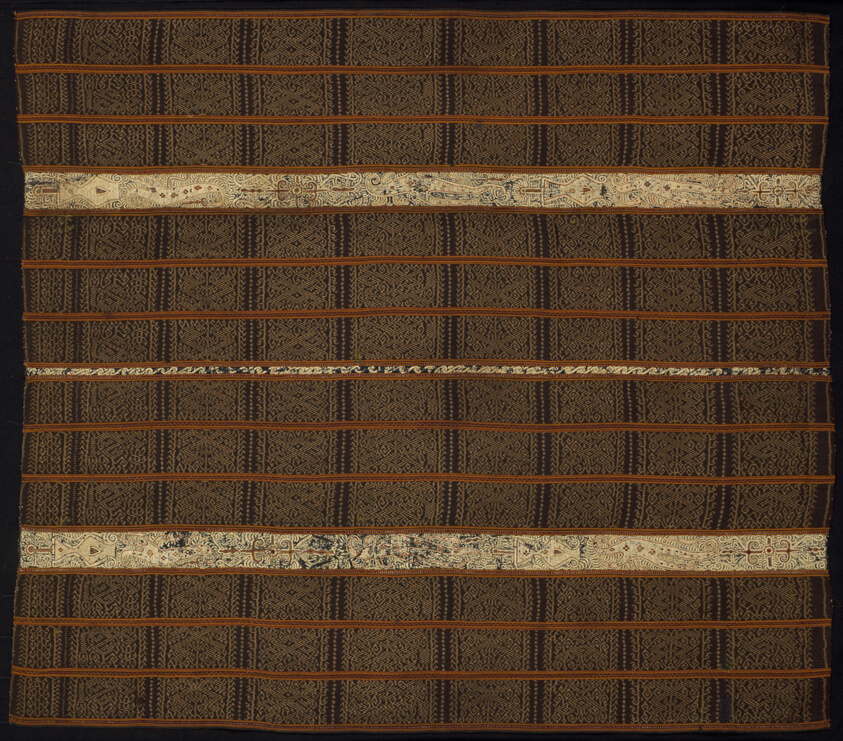
Woman's Ceremonial Skirt (tapis)
Art Institute of Chicago
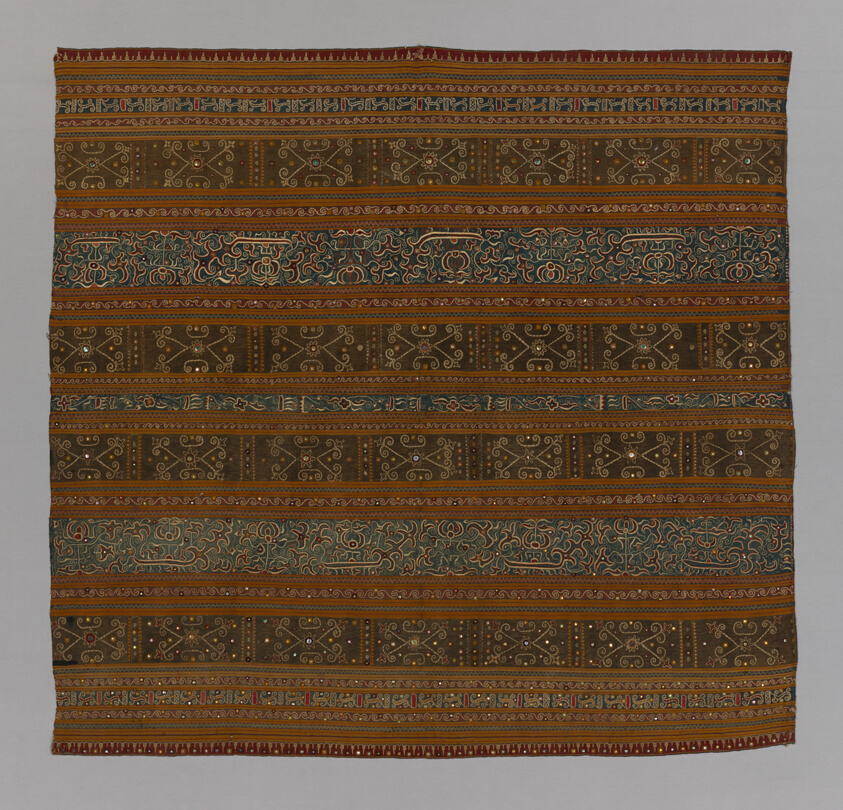
Woman's Ceremonial Skirt (tapis)
Art Institute of Chicago
Tapis (Woman's Sarong)
Art Institute of Chicago
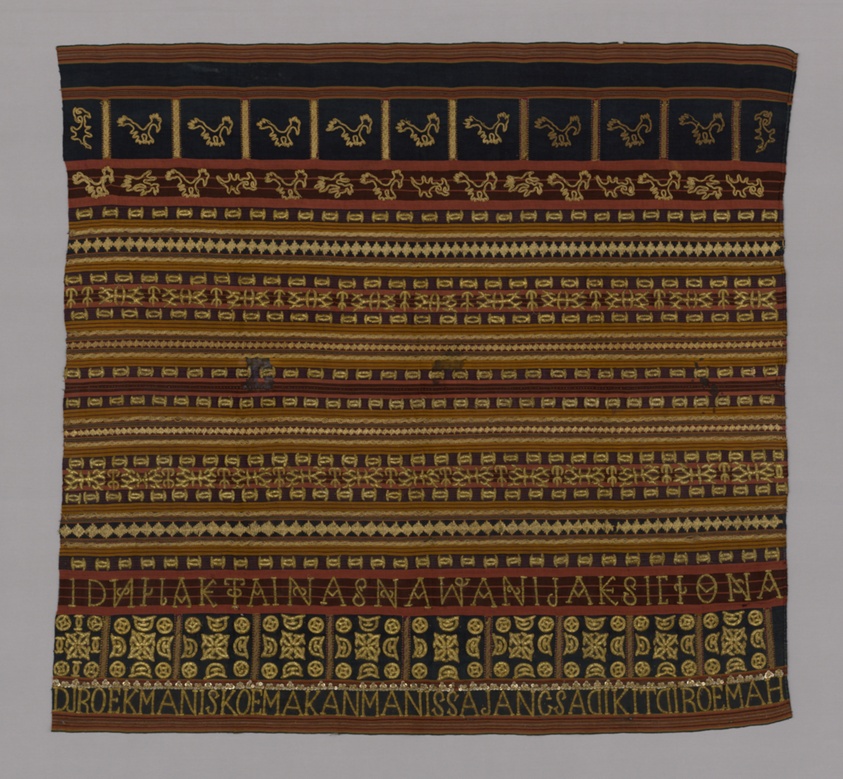
Woman's Ceremonial Skirt (Tapis)
Art Institute of Chicago
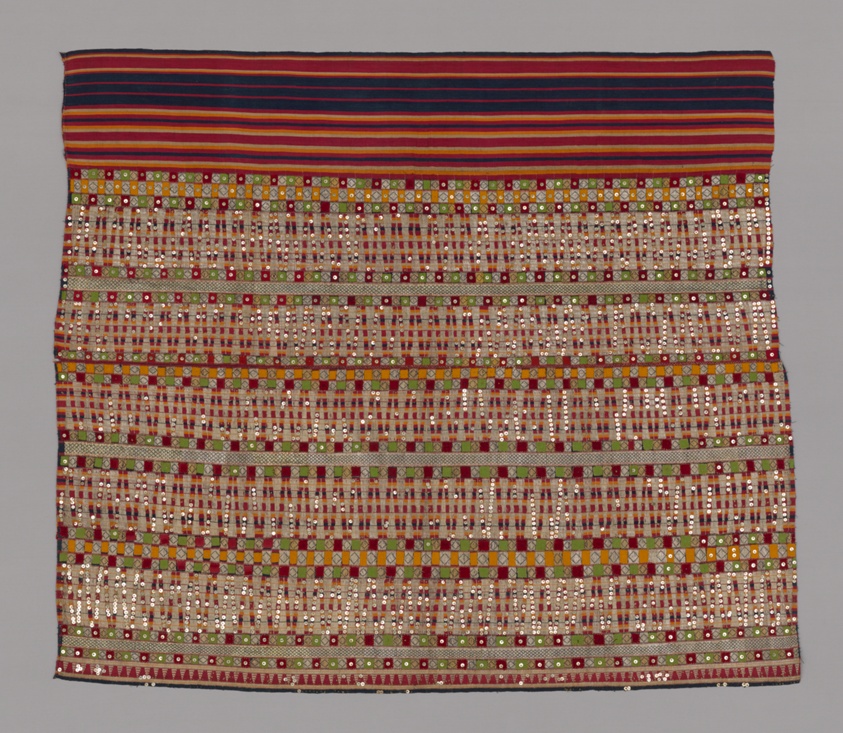
Woman's Ceremonial Skirt (Tapis)
Art Institute of Chicago
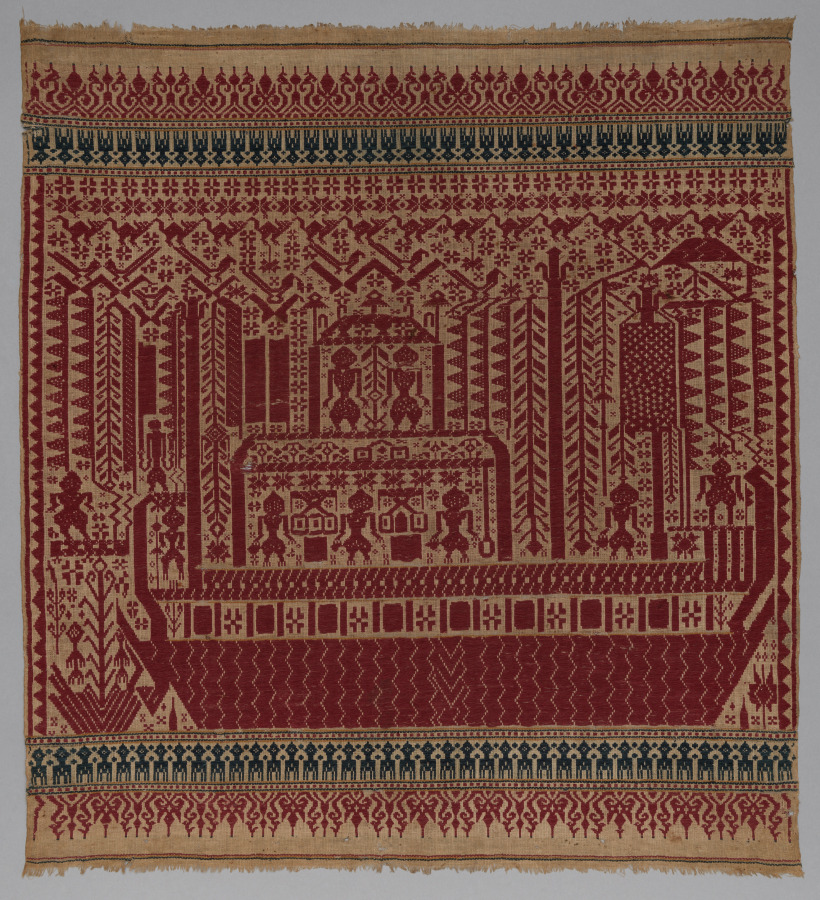
Tampan Pasisir (Ship Cloth)
Cleveland Museum of Art
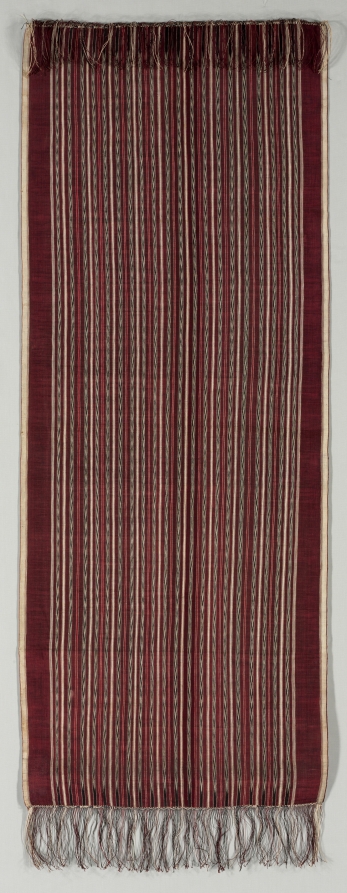
Infant's Carrying Cloth, or Man's Ceremonial Headgear
Cleveland Museum of Art
Woman's Ceremonial Skirt (tapis)
Art Institute of Chicago