Cleveland Museum of Art
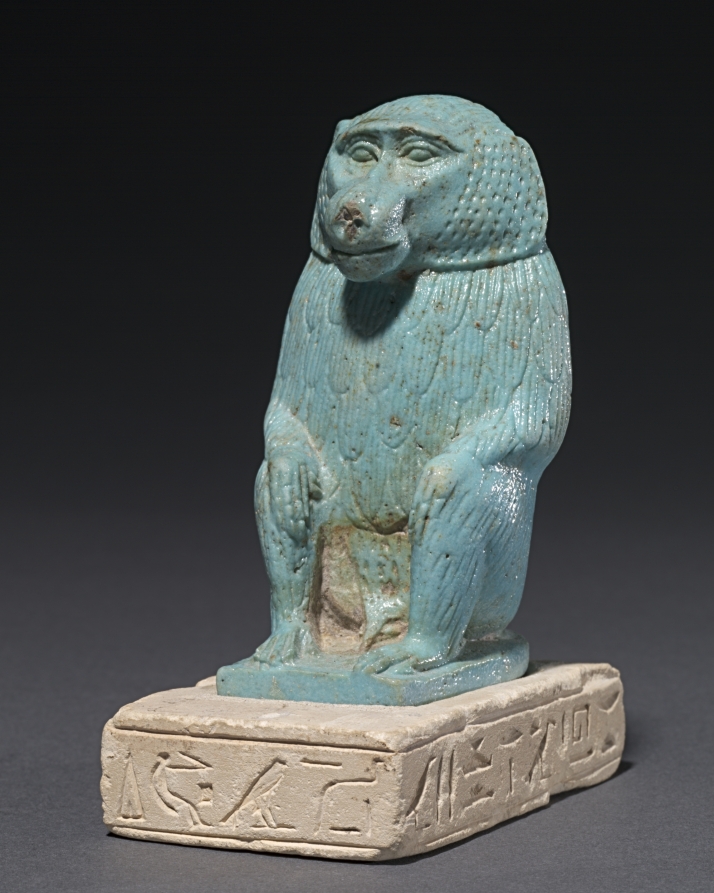
Baboon on a Limestone Base
- Date
- 380–30 BCE
- Medium
- pale turquoise faience
- Culture
- Egypt, Late period (715–332 BCE), Dynasty 30–Greco-Roman period (332 BCE–395 CE), Ptolemaic dynasty (305–30 BCE)
- Department
- Egyptian and Ancient Near Eastern Art
- Institution
- Cleveland Museum of Art
This finely carved Papio hamadrayas baboon squats low on a base, hands on knees in a traditional pose, copied from nature. Mane and mantle are incised with a scalloped pattern to imitate tufts of fur, and the sides of the face are stippled or dotted. The separate limestone base is ancient; judging by the inscription it does not belong with the statuette, which has been glued onto it in modern times. It reads, "Words spoken by Harpocrates, given life and health, lord of heaven, (on behalf of) Padiuser, the son of Usernakht and [mother's name uncertain]." The baboon is the sacred animal of Thoth, god of the moon and of writing, and guide of the deceased in the underworld. Thoth's cult reached immense popularity in the Late and Ptolemaic periods (the Greeks identified him with Hermes). Statuettes of Thoth as a baboon are common, although not nearly as numerous as presentations of Thoth's other animal manifestation, the sacred Ibis. The statuette is made from Egyptian faience and is glazed with a pale, semigloss turquoise.
The authoritative record is held by Cleveland Museum of Art. LinkedCulture surfaces this object and its connections; it does not alter institutional metadata.
Related across collections
Semantically similar works from Cleveland Museum of Art and other institutions.

Baboon (Moon God Thoth)
Minneapolis Institute of Art
Baboon
Harvard Art Museums
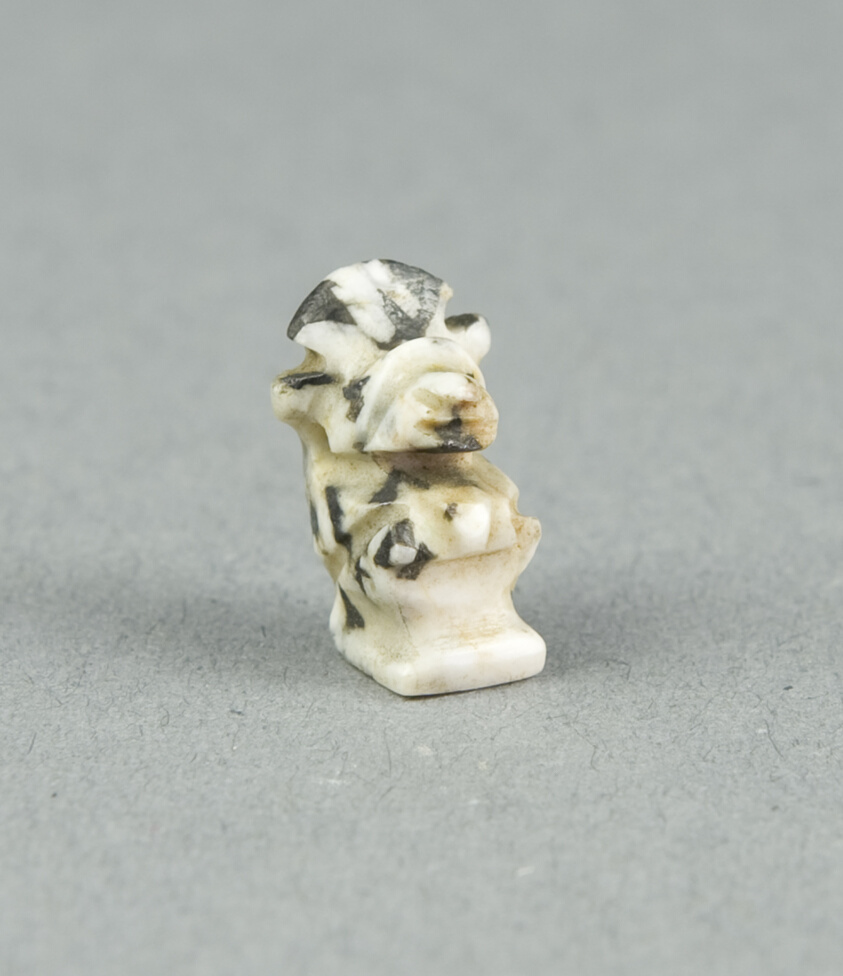
Amulet of the God Thoth, as a Baboon with Lunar Disk
Art Institute of Chicago
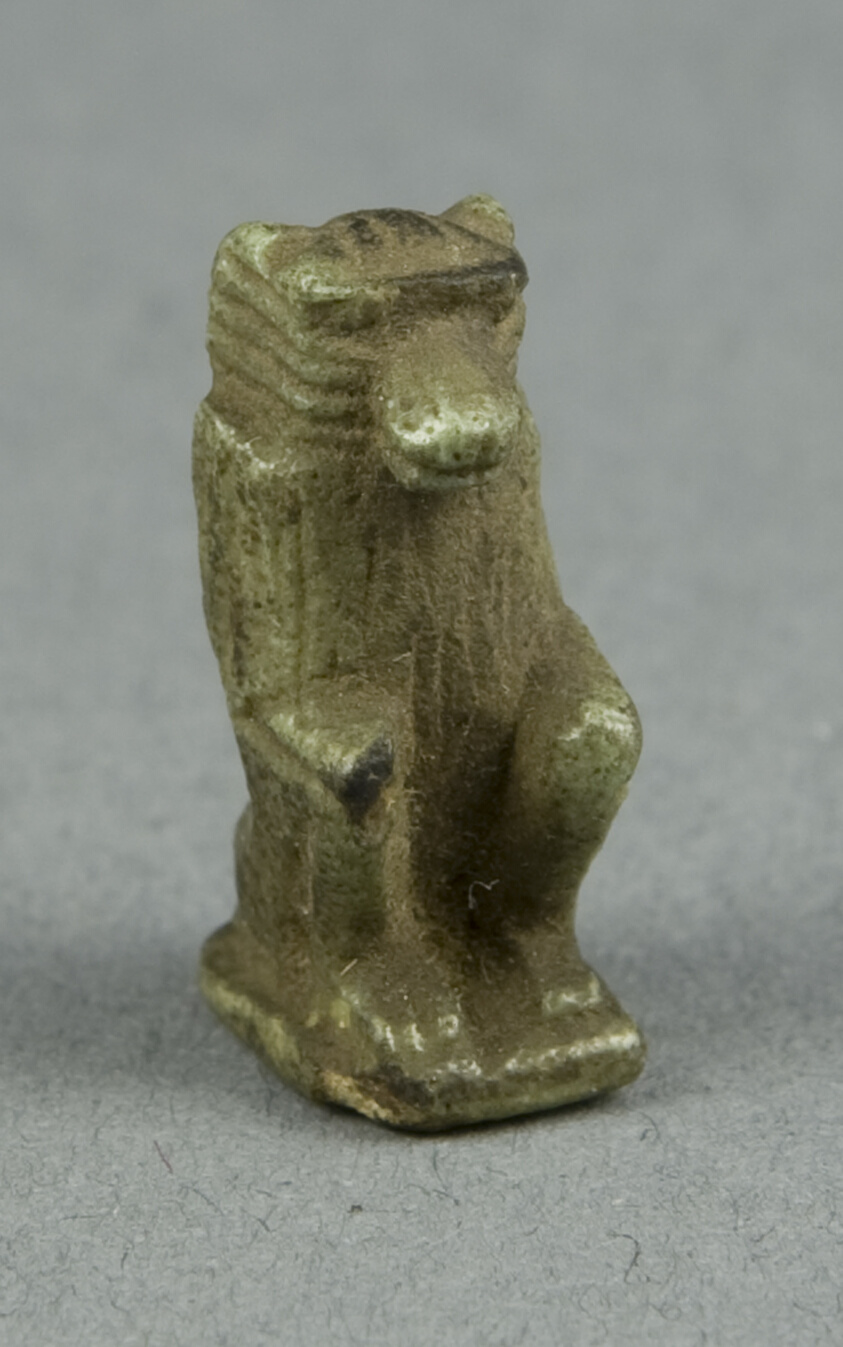
Amulet of the God Thoth as a Seated Baboon
Art Institute of Chicago
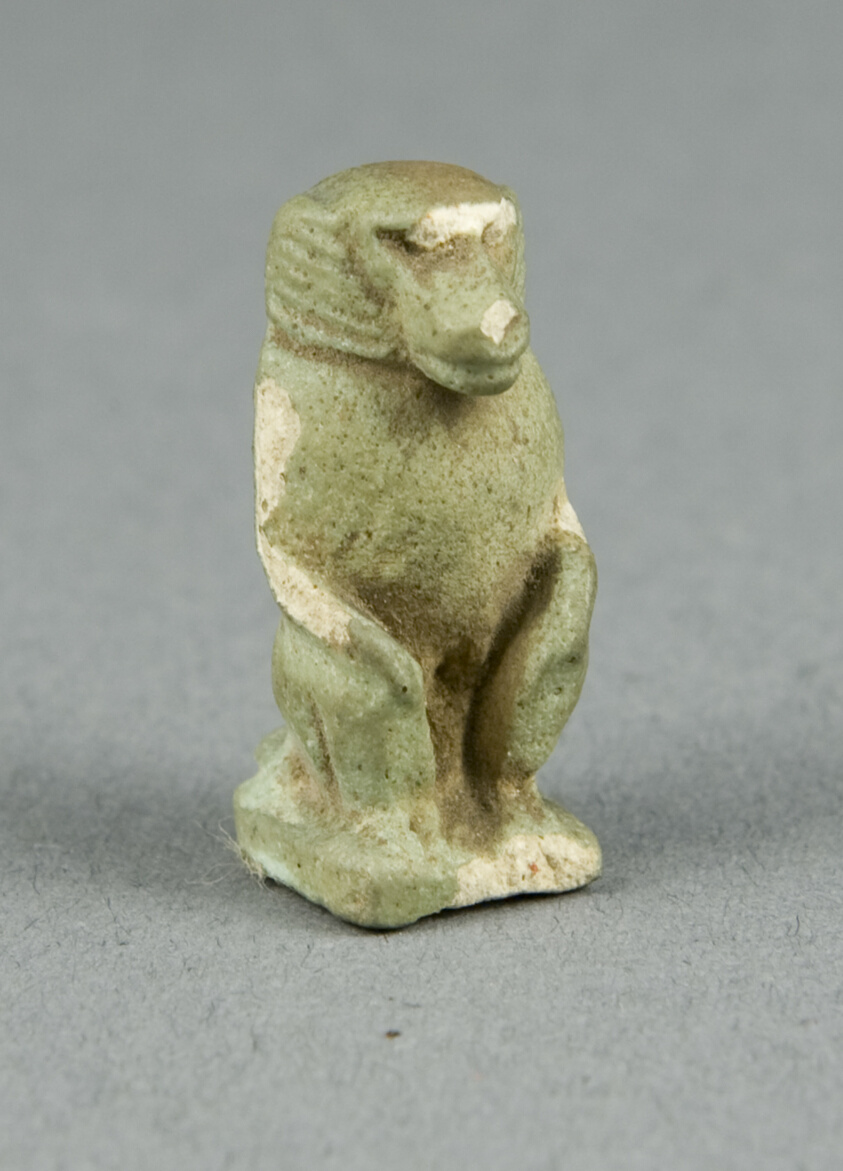
Amulet of the God Thoth as a Seated Baboon
Art Institute of Chicago
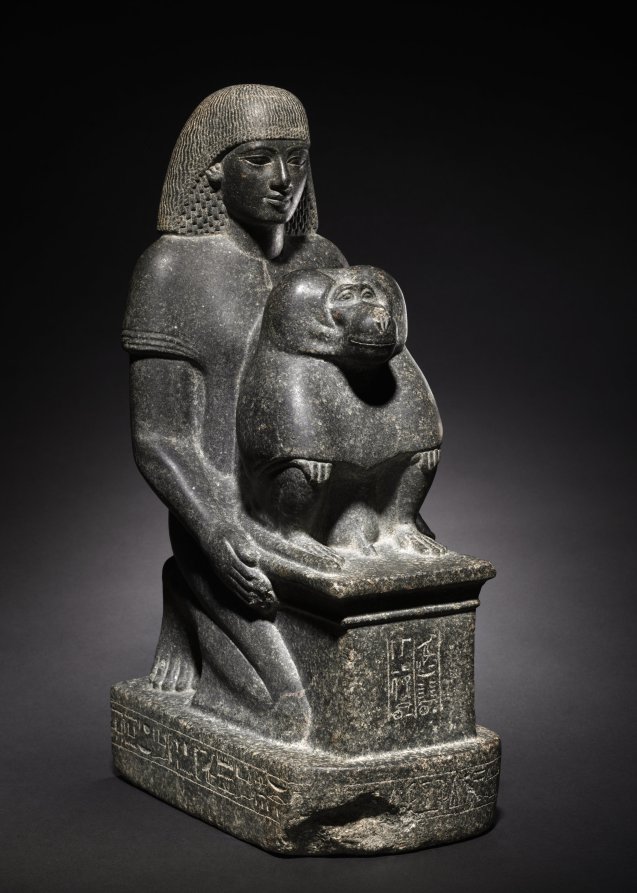
Statue of Minemheb
Cleveland Museum of Art
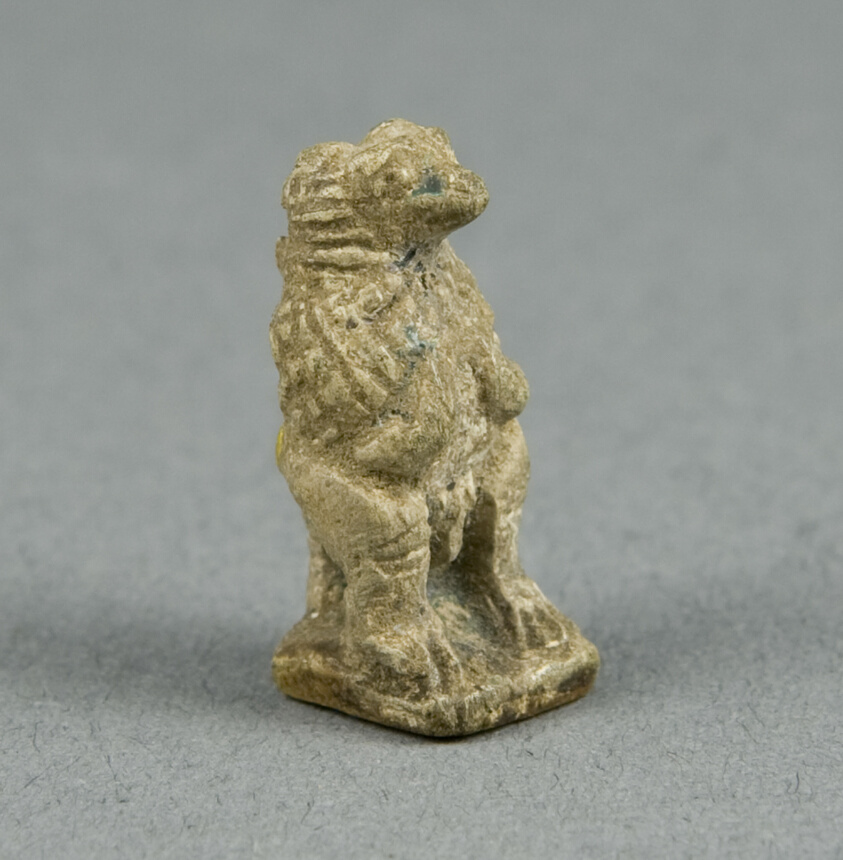
Amulet of the God Thoth as a Seated Baboon
Art Institute of Chicago
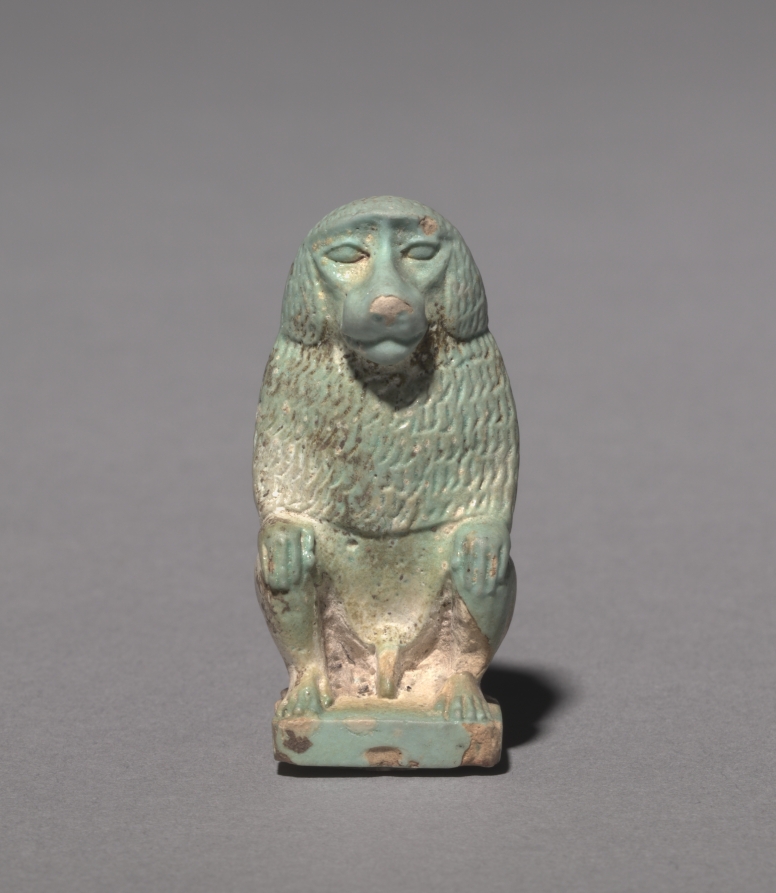
Thoth as Baboon
Cleveland Museum of Art
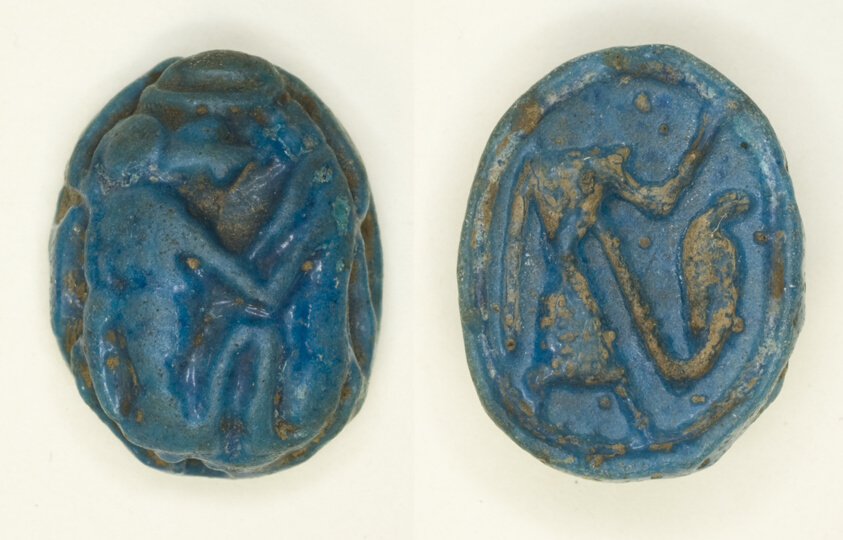
Scaraboid: Thoth as a Baboon with Lunar Crescent
Art Institute of Chicago
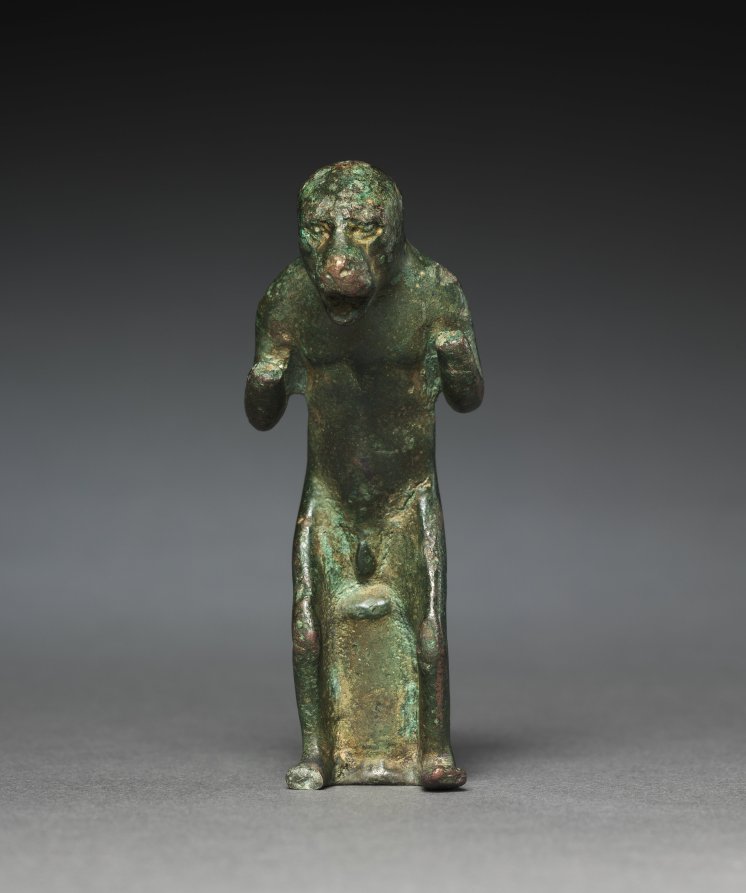
Baboon
Cleveland Museum of Art
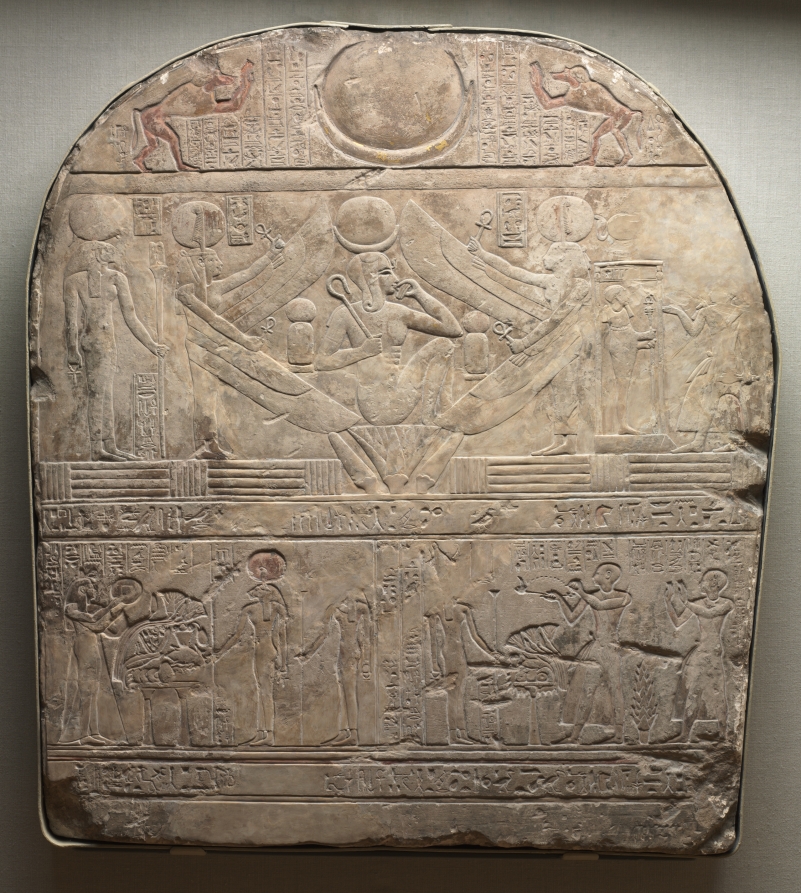
Stele of the High Priest of Ptah, Shedsunefertem
Cleveland Museum of Art
divinité à tête animale
Joconde