Cleveland Museum of Art
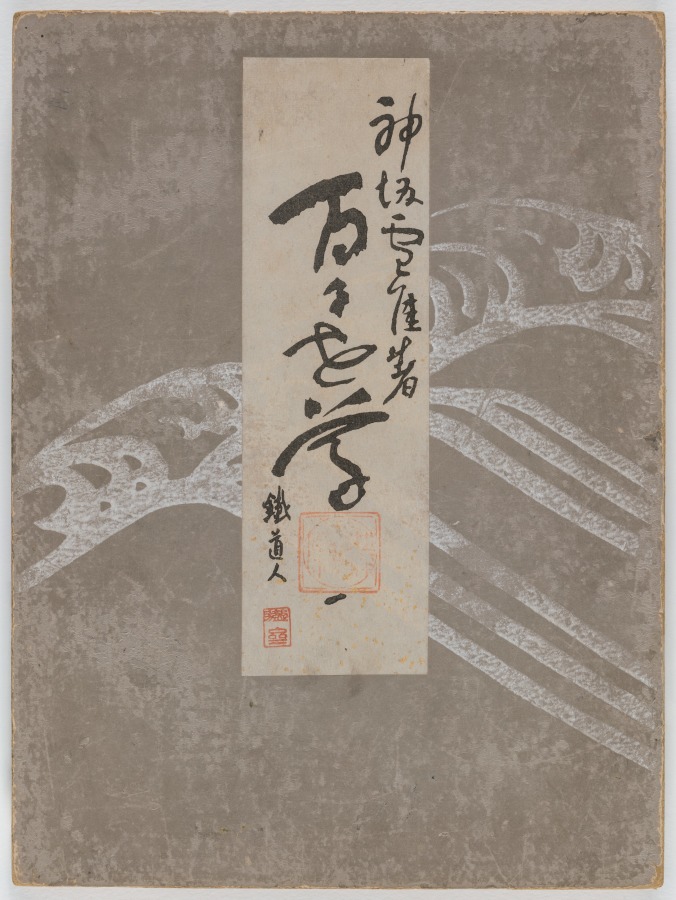
Flowers of a Hundred Worlds (Momoyogusa), Vol. 1
Kamisaka Sekka
- Date
- 1909–10
- Medium
- one of a set of three woodblock-printed folding-books; ink, color, gold, and silver on paper
- Culture
- Japan, Meiji period (1868–1912)
- Department
- Japanese Art
- Institution
- Cleveland Museum of Art
This is the first of a set of three woodblock printed albums by Kamisaka Sekka, the artist considered the last major exponent of the Rinpa style of painting and design associated with the artists Tawaraya Sōtatsu (died about 1640) and Ogata Kōrin (1658-1716). Momoyogusa, in addition to meaning "flowers of a hundred worlds," is a classical name for the chrysanthemum. It appears in a poem by Mimube no Tarukuni (dates unknown) written in 755 and contained in the first Japanese imperial poetry anthology, Collection of Ten Thousand Leaves ( Man'yōshū) . In the poem, Tarukuni, who was posted in northern Kyushu as a guard at the time, asked a missed beloved in his home province to be well for a hundred nights, like the chrysanthemums growing in his parents' garden. Chrysanthemums are traditionally associated with longevity, and in some cases immortality. This volume of Sekka's series includes a preface poem by the Kyoto-based physician and poet Sugawa Nobuyuki (1839-1917) that may be glossed as follows: As we move forward in the spirit of the new age, "flowers of a hundred worlds" sown by seed, now blossom in distinctive colors and scents (translation by John T. Carpenter)
The authoritative record is held by Cleveland Museum of Art. LinkedCulture surfaces this object and its connections; it does not alter institutional metadata.
Related across collections
Semantically similar works from Cleveland Museum of Art and other institutions.
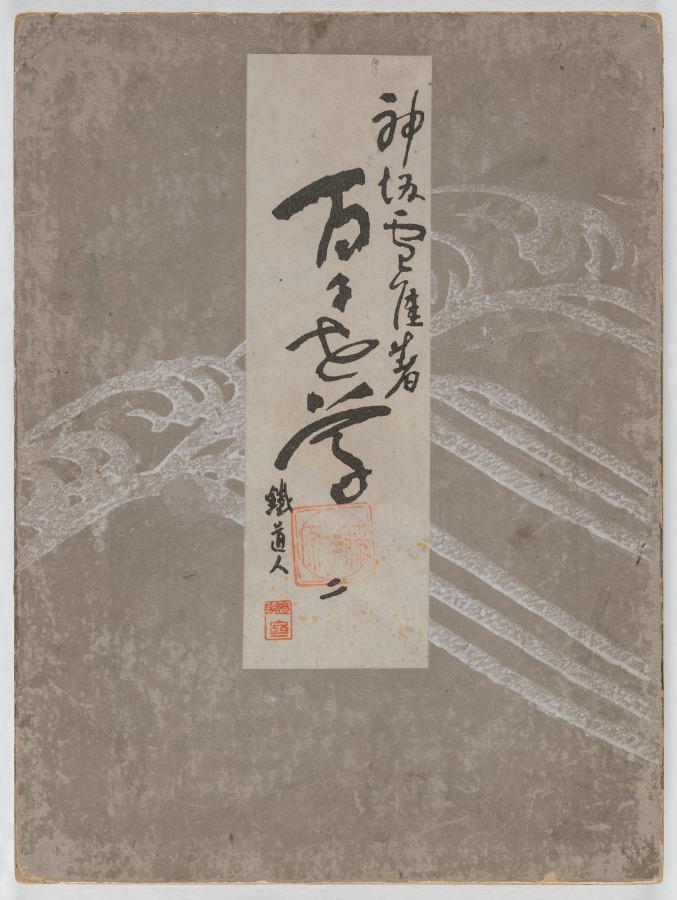
Flowers of a Hundred Worlds (Momoyogusa), Vol. 2
Cleveland Museum of Art
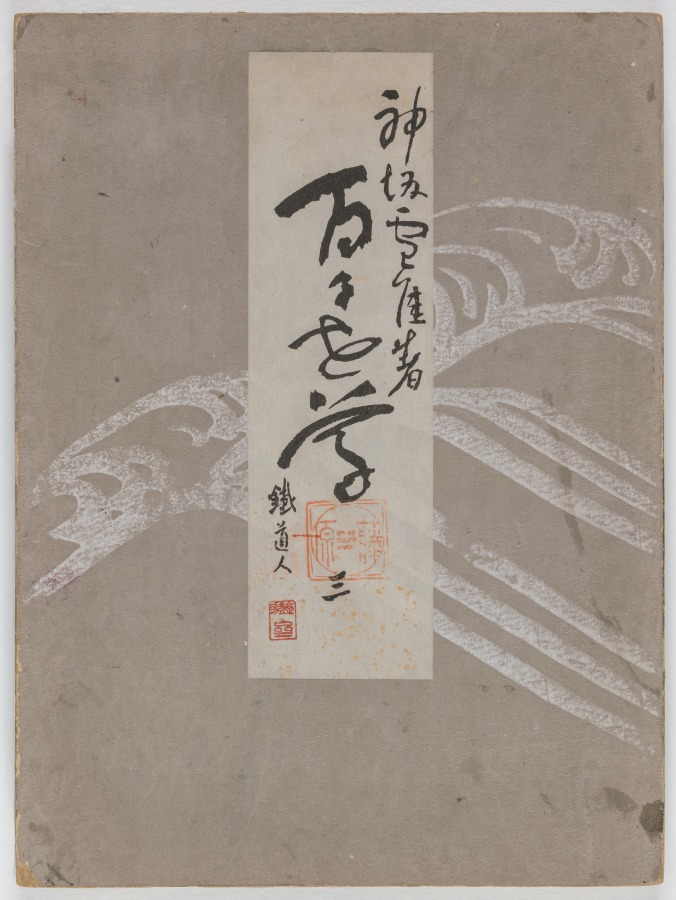
Flowers of a Hundred Worlds (Momoyogusa), Vol. 3
Cleveland Museum of Art
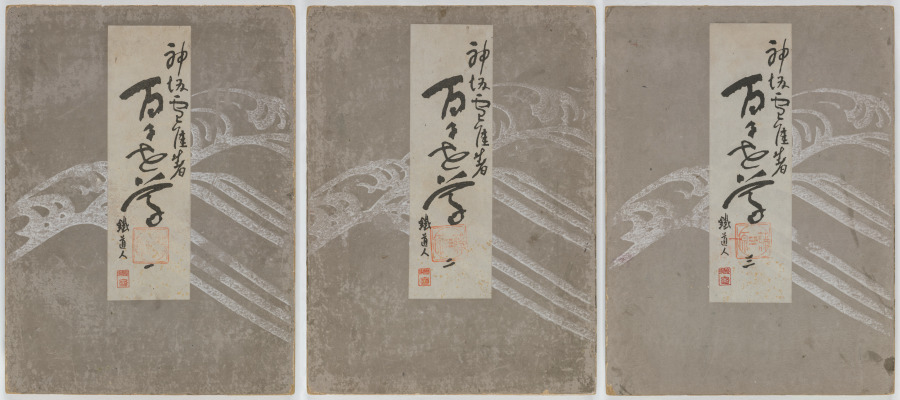
Flowers of a Hundred Worlds (Momoyogusa), vols. 1–3
Cleveland Museum of Art
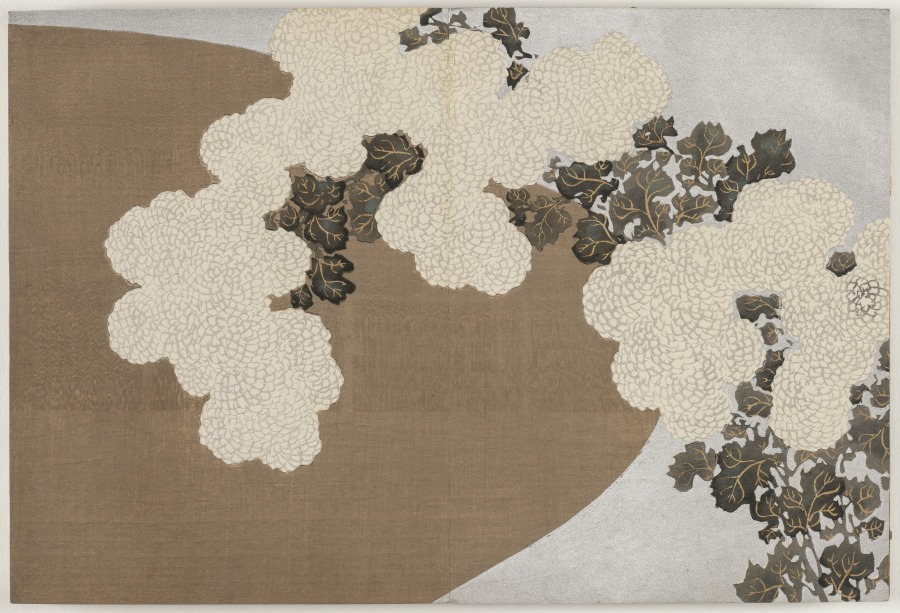
Flowers of a Hundred Worlds (Momoyogusa): Chrysanthemums (Momoyogusa)
Cleveland Museum of Art
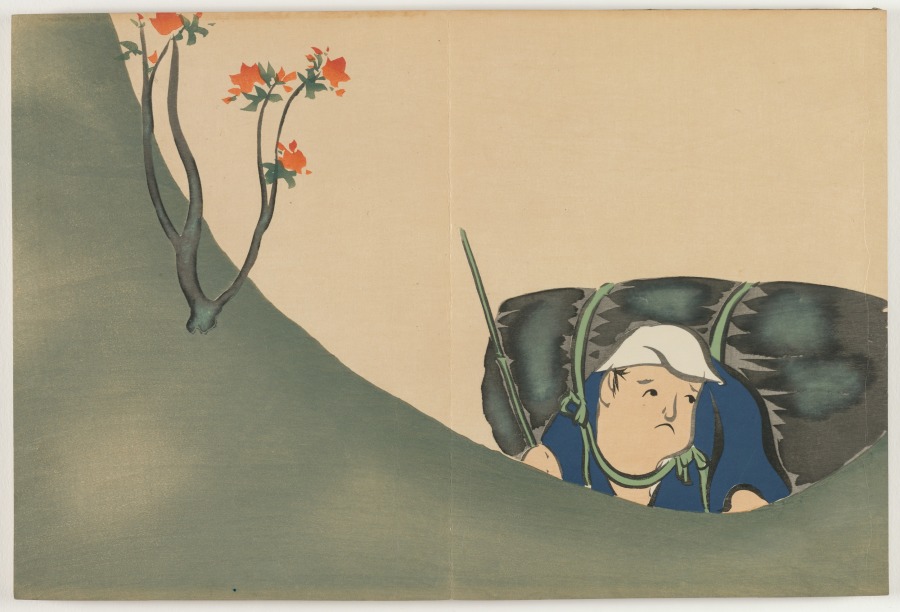
Flowers of a Hundred Worlds (Momoyogusa): Woodcutter (Shomu)
Cleveland Museum of Art
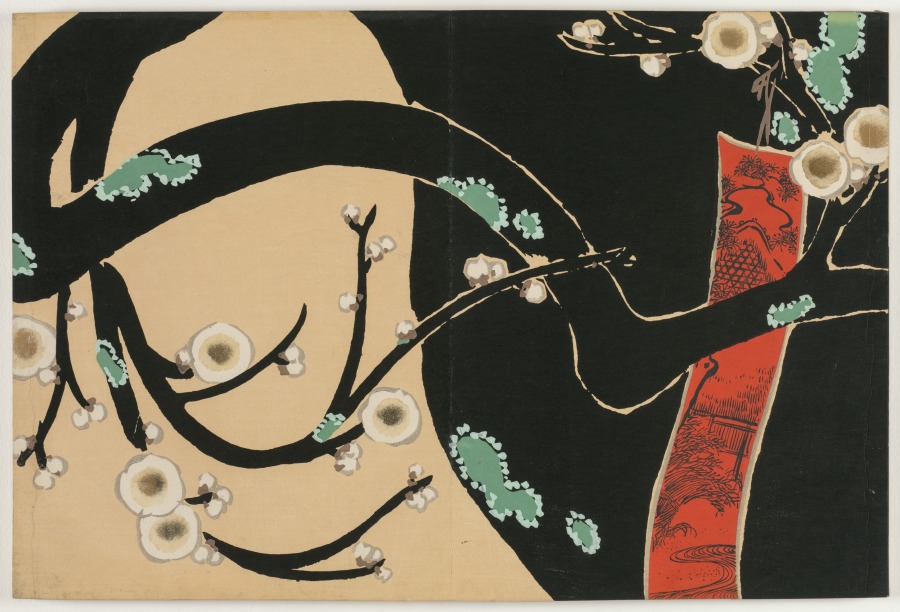
Flowers of a Hundred Worlds (Momoyogusa): Plum (Ume)
Cleveland Museum of Art
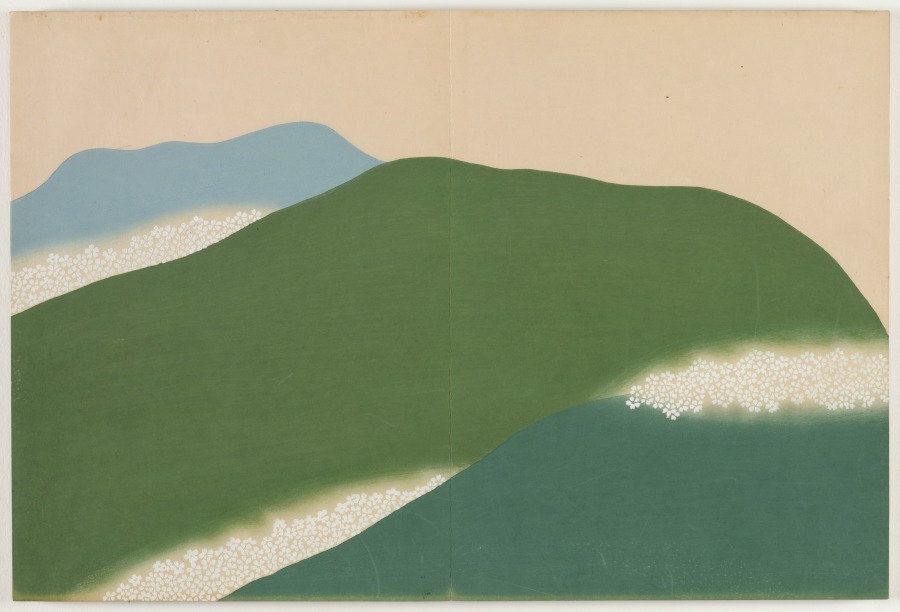
Flowers of a Hundred Worlds (Momoyogusa): Yoshino (Yoshino)
Cleveland Museum of Art
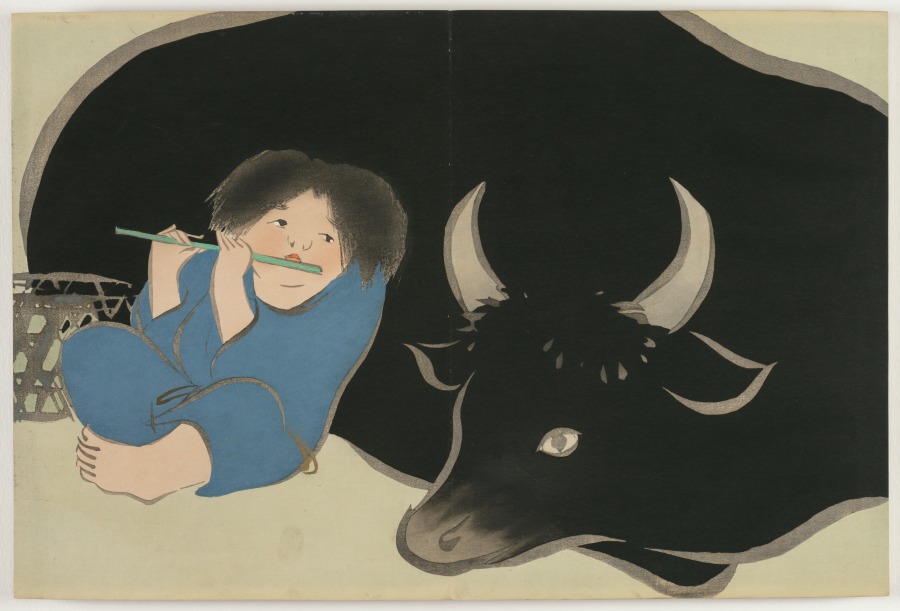
Flowers of a Hundred Worlds (Momoyogusa): Oxherd (Bokudo)
Cleveland Museum of Art
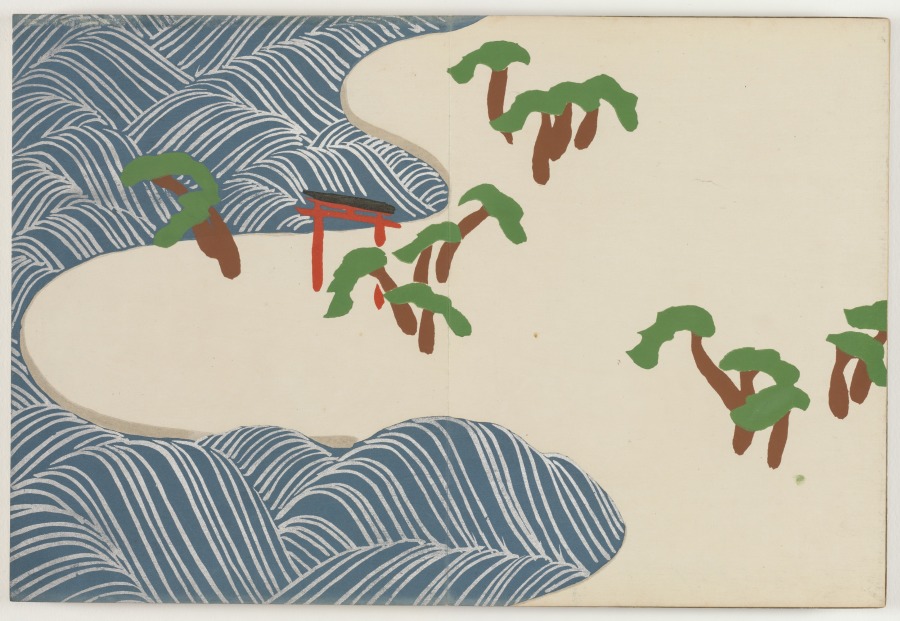
Flowers of a Hundred Worlds (Momoyogusa): Suminoe (Suminoe)
Cleveland Museum of Art
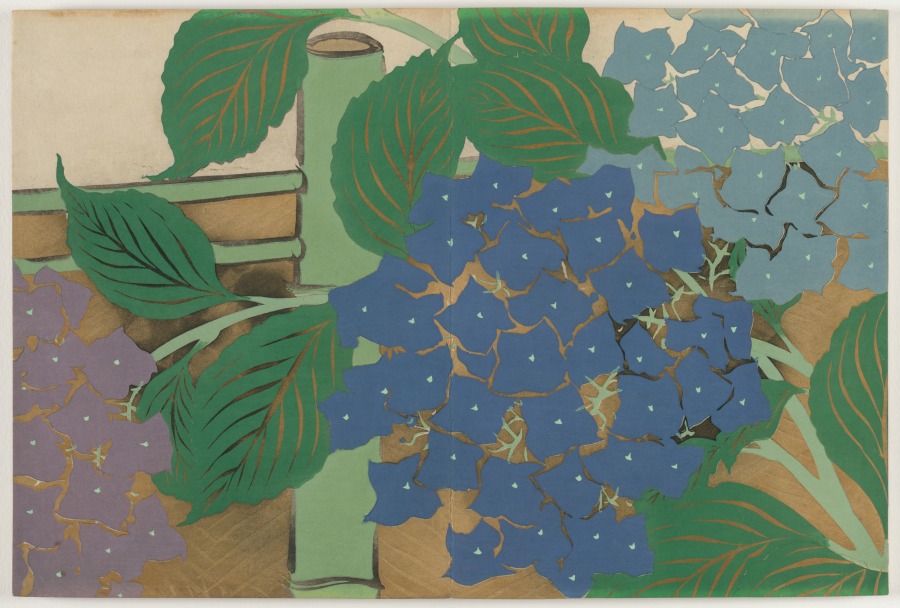
Flowers of a Hundred Worlds (Momoyogusa): Hydrangea (Ajisai)
Cleveland Museum of Art
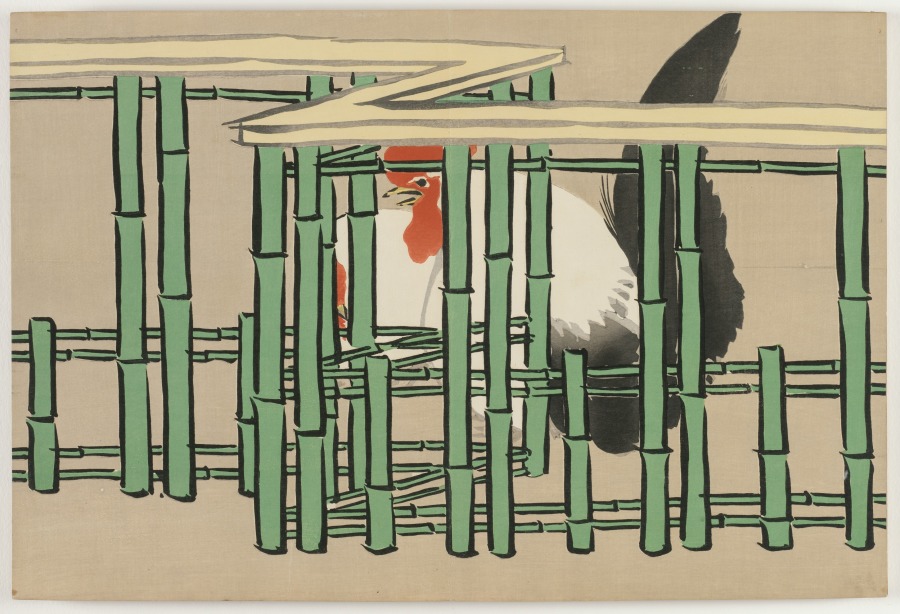
Flowers of a Hundred Worlds (Momoyogusa): Rooster (Chabo)
Cleveland Museum of Art
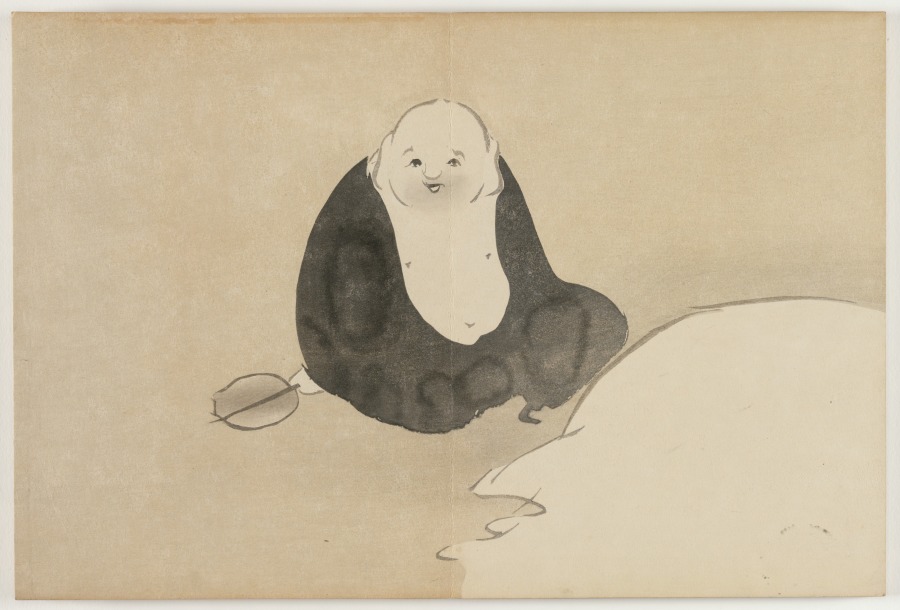
Flowers of a Hundred Worlds (Momoyogusa): Hotei (Hotei)
Cleveland Museum of Art