Cleveland Museum of Art
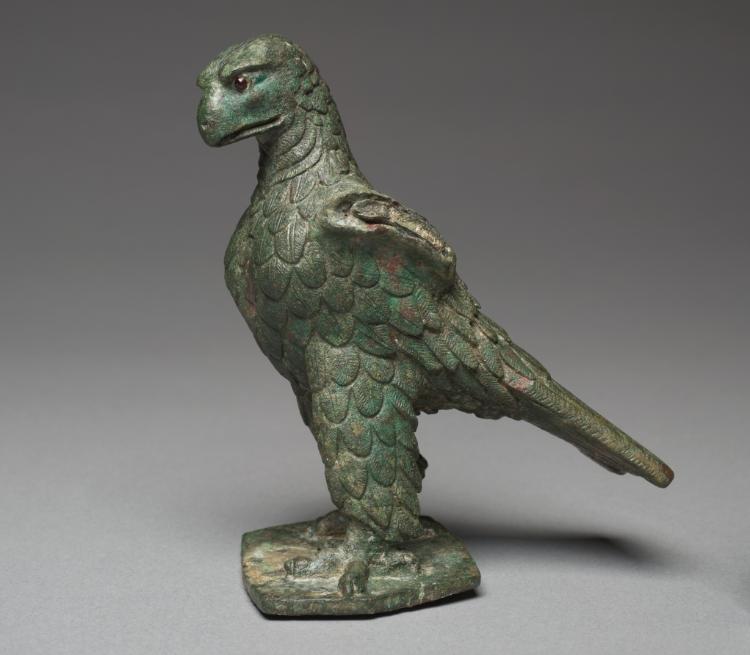
Imperial Eagle
- Date
- 100 BCE–100 CE
- Medium
- bronze with garnet inlays
- Culture
- probably Syria, Roman
- Department
- Greek and Roman Art
- Institution
- Cleveland Museum of Art
This eagle stands on an integrated bronze base with overlapping ovoid-shaped feathers creating a layered pattern across its body, and its tail feathers fanned out. The wings, now lost, were likely cast separately in bronze and then soldered or welded to the bird’s body. The eyes are inlaid with red stones believed to be garnets. The eagle is associated with Jupiter, king of the gods, and the Roman poets Virgil and Horace described the birds as the bearers of his thunderbolt. While eagles were often depicted on Roman coins, the bird is rarely depicted in the round in Roman art. The eagle was a symbol of the Roman Empire and its military.
The authoritative record is held by Cleveland Museum of Art. LinkedCulture surfaces this object and its connections; it does not alter institutional metadata.
Related across collections
Semantically similar works from Cleveland Museum of Art and other institutions.
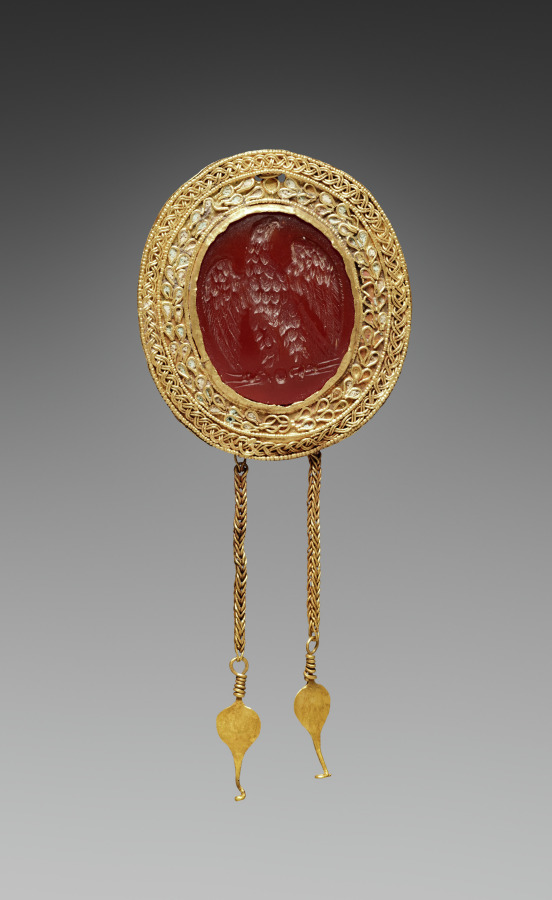
Intaglio: Imperial Eagle
Cleveland Museum of Art

Statuette of an Eagle and Stag's Head on top of a Stepped Pyramid
Getty Museum
Fragment of a Statuette of an Eagle and Stag's Head on top of a Stepped Pyramid
Getty Museum
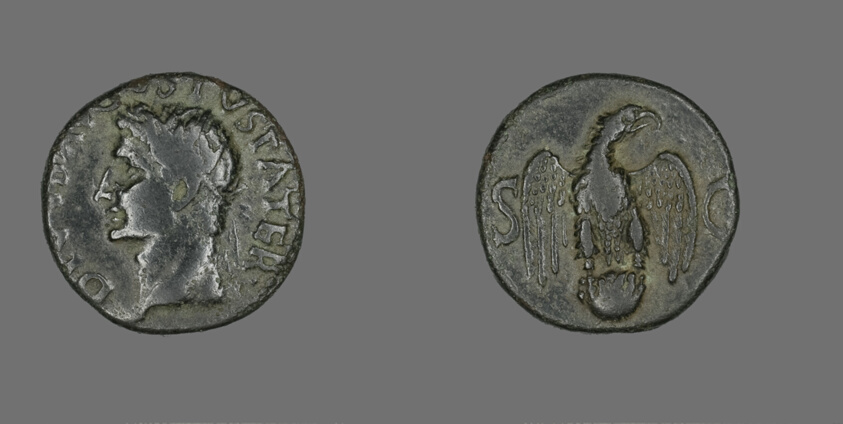
As (Coin) Portraying Emperor Augustus
Art Institute of Chicago
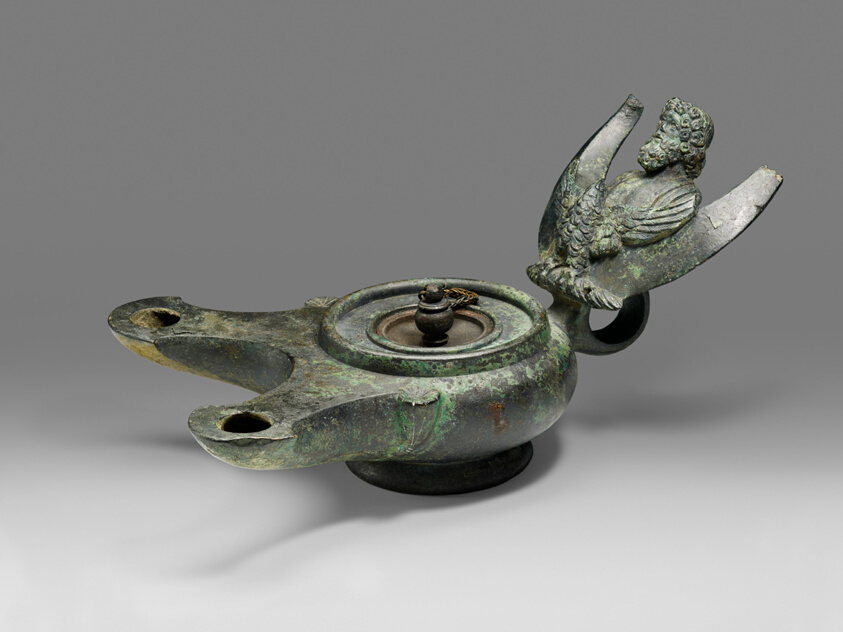
Lamp
Art Institute of Chicago
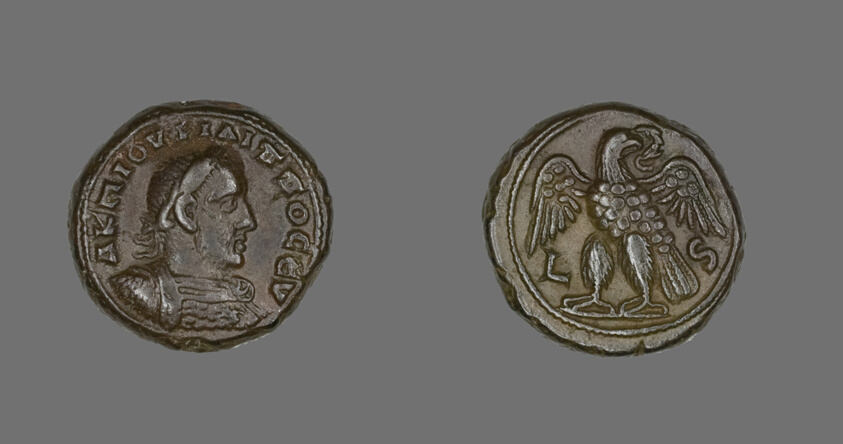
Coin Portraying Emperor Philip I
Art Institute of Chicago
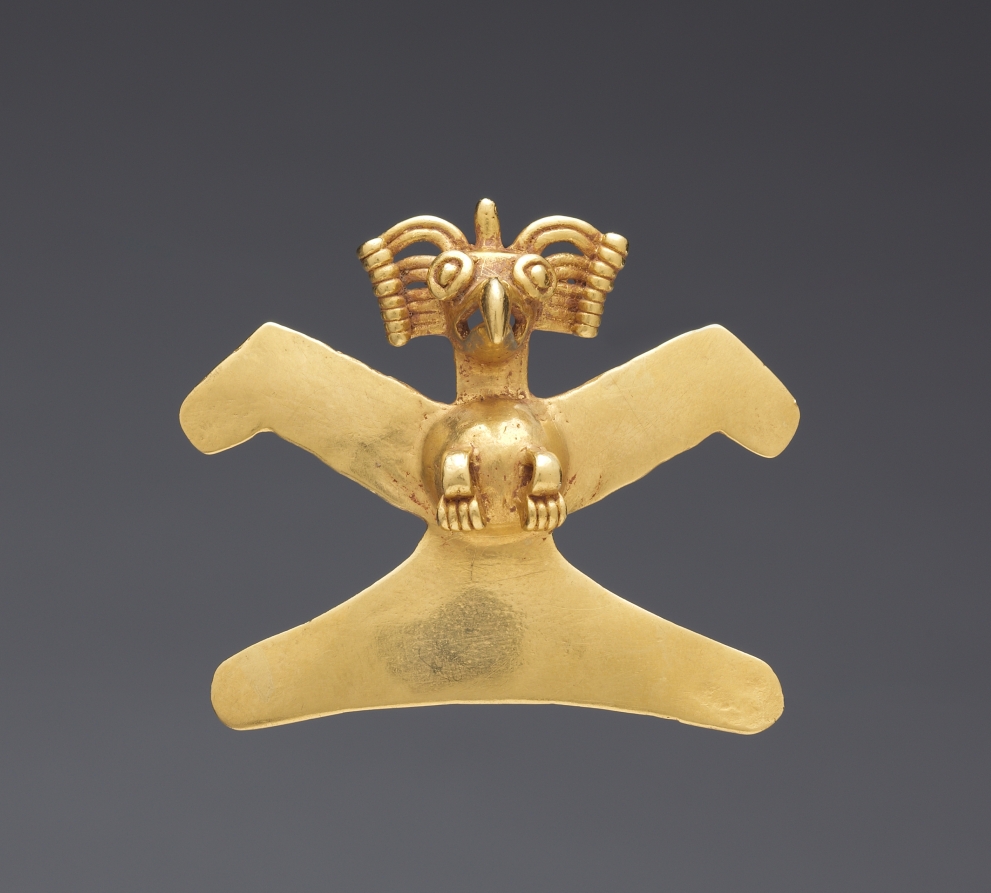
Bird Pendant
Cleveland Museum of Art

Imperial Eagle Beaker (Reichsadlerhumpen)
Getty Museum
Coin Portraying Emperor Augustus
Art Institute of Chicago
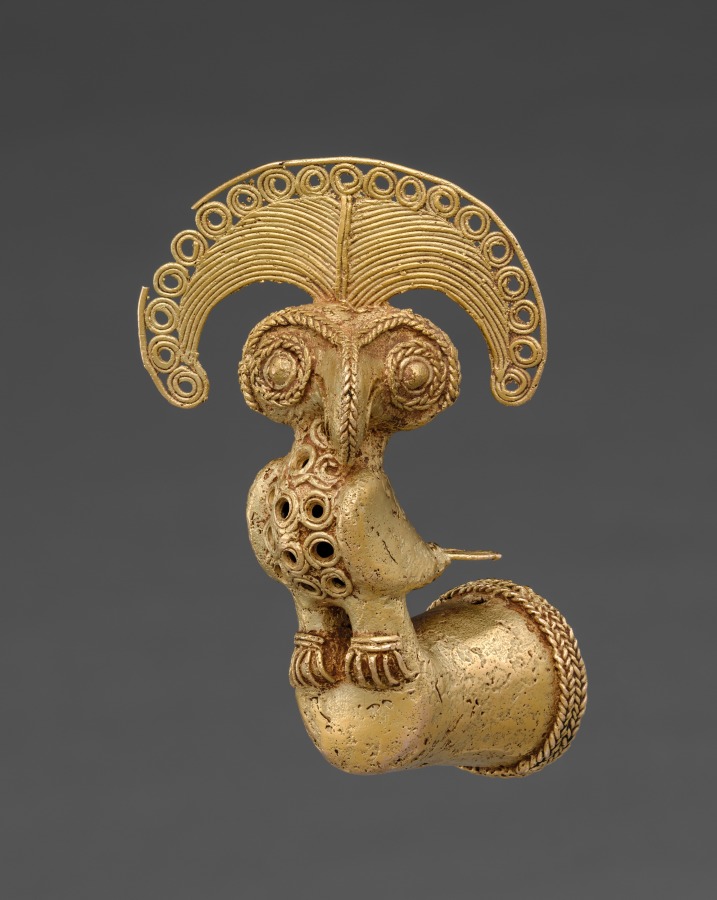
Finial with Bird (Harpy Eagle with Royal Flycatcher Crest?)
Cleveland Museum of Art
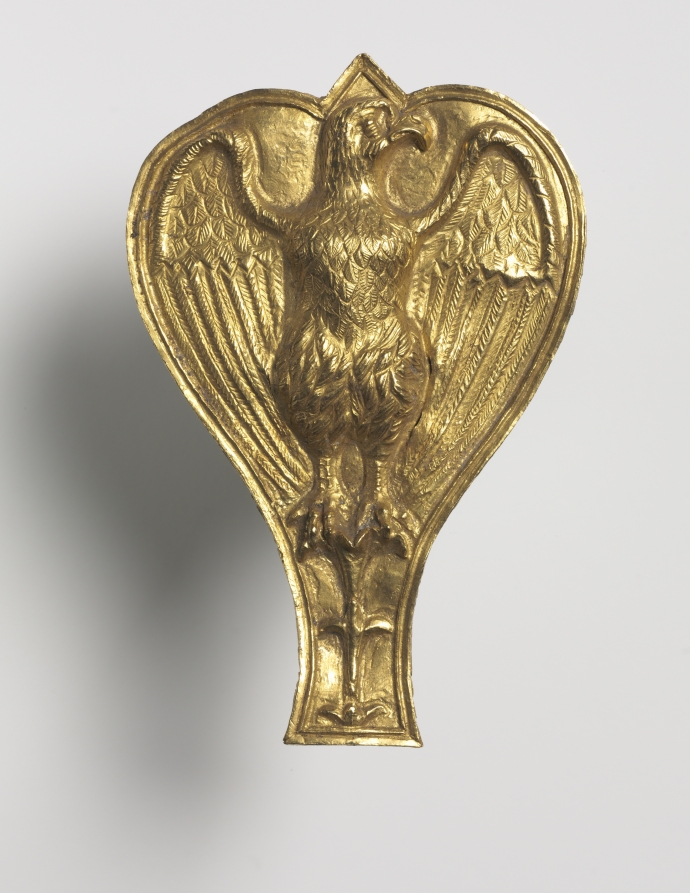
Ornament with Eagle
Cleveland Museum of Art
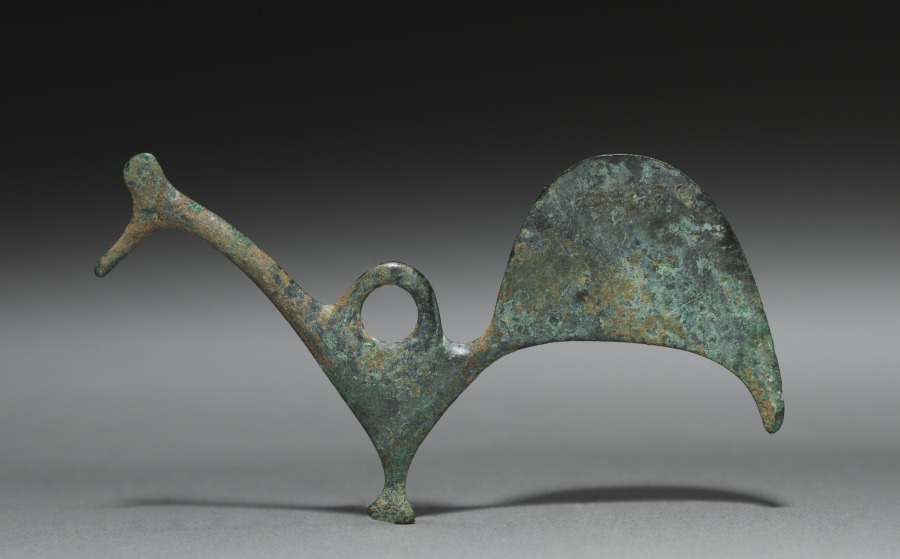
Pendant of a Bird (Rooster?)
Cleveland Museum of Art