Cleveland Museum of Art
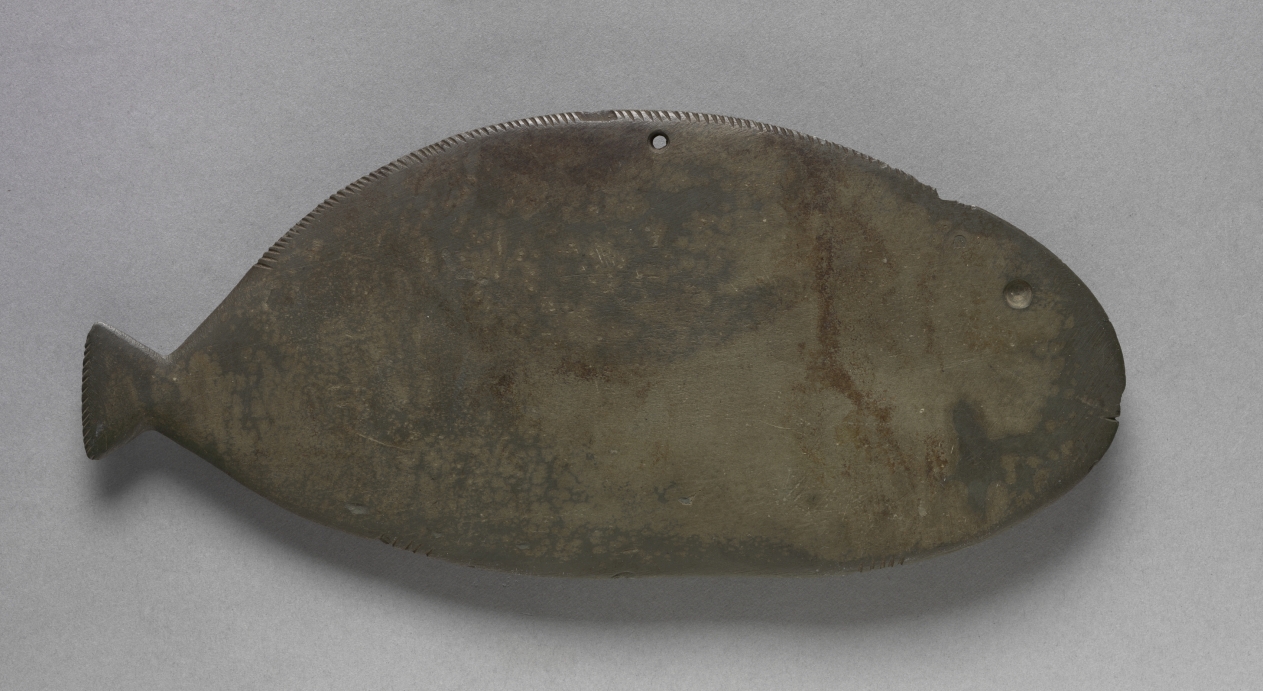
Palette in the Form of a Fish
- Date
- c. 3500–2950 BCE
- Medium
- graywacke
- Culture
- Egypt, Predynastic (5000–2950 BCE), Naqada II–III (3650–3000 BCE)
- Department
- Egyptian and Ancient Near Eastern Art
- Institution
- Cleveland Museum of Art
Stone palettes were used for grinding eye paint worn for cosmetic purposes and to protect against sun glare and eye infections. There were two types: green, made from malachite (copper ore), and black, made from galena (lead ore). As funerary items, these ores may have had a deep significance for the deceased as symbols of regeneration and rebirth: the rich soil of the banks of the Nile (black), and the lush vegetation it sustained (green). This fish shape is one of the most common for Egyptian cosmetic palettes.
The authoritative record is held by Cleveland Museum of Art. LinkedCulture surfaces this object and its connections; it does not alter institutional metadata.
Related across collections
Semantically similar works from Cleveland Museum of Art and other institutions.
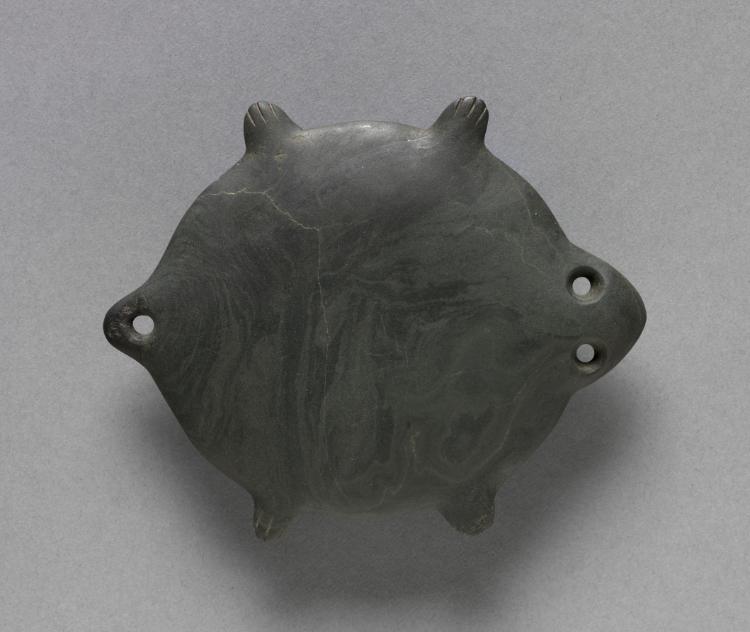
Palette in the Form of a Turtle
Cleveland Museum of Art

Fish-shaped palette with the remains of green pigment
The Metropolitan Museum of Art
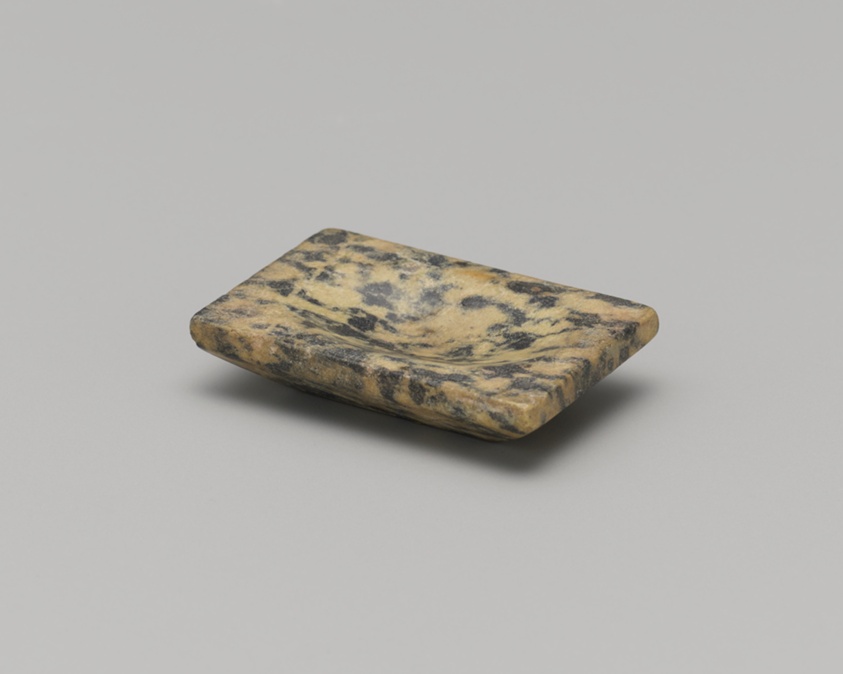
Palette
Art Institute of Chicago
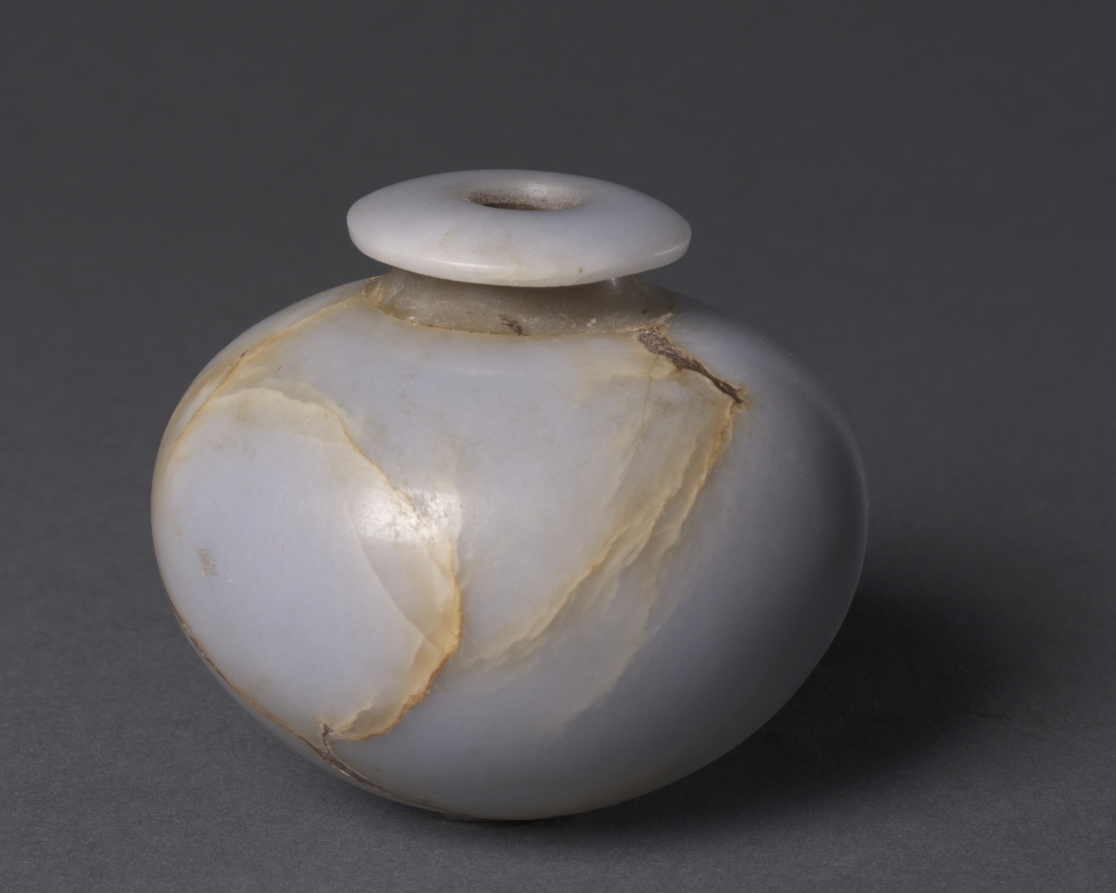
Cosmetic Vessel
Cleveland Museum of Art

Fishplate
Getty Museum
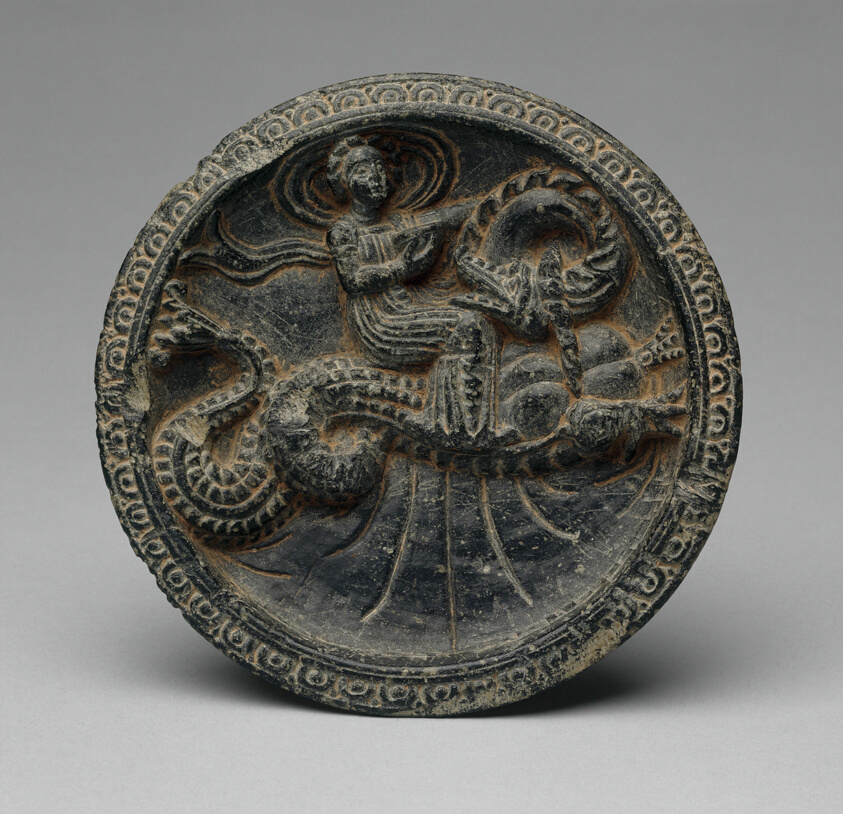
Palette with Sea Nymph (Nereid) Riding on a Sea Monster
Art Institute of Chicago

Three Fishplates
Getty Museum
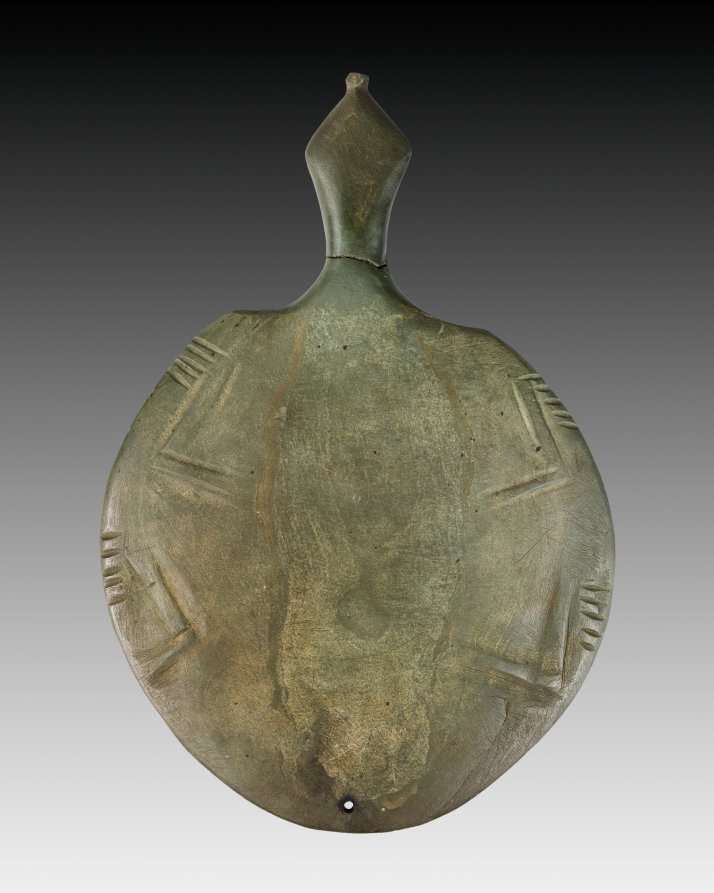
Palette in the Form of a Turtle
Cleveland Museum of Art

Fishplate
Getty Museum
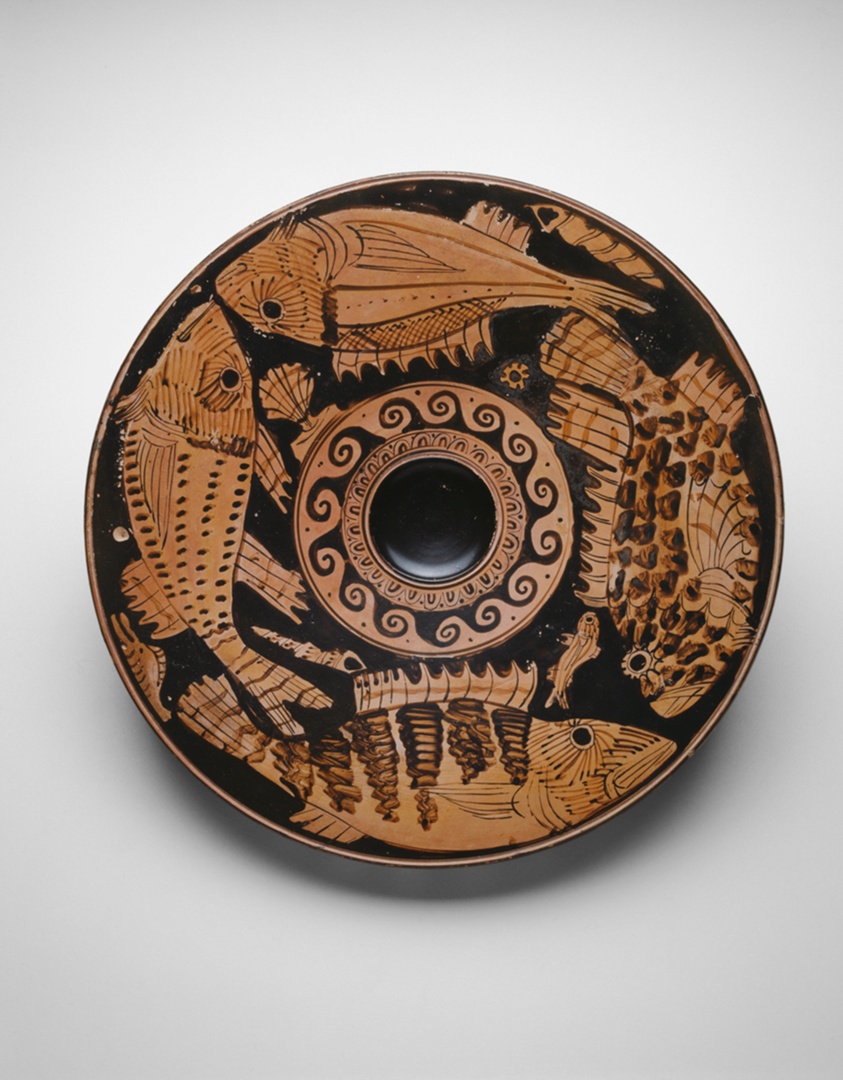
Fish Plate
Art Institute of Chicago
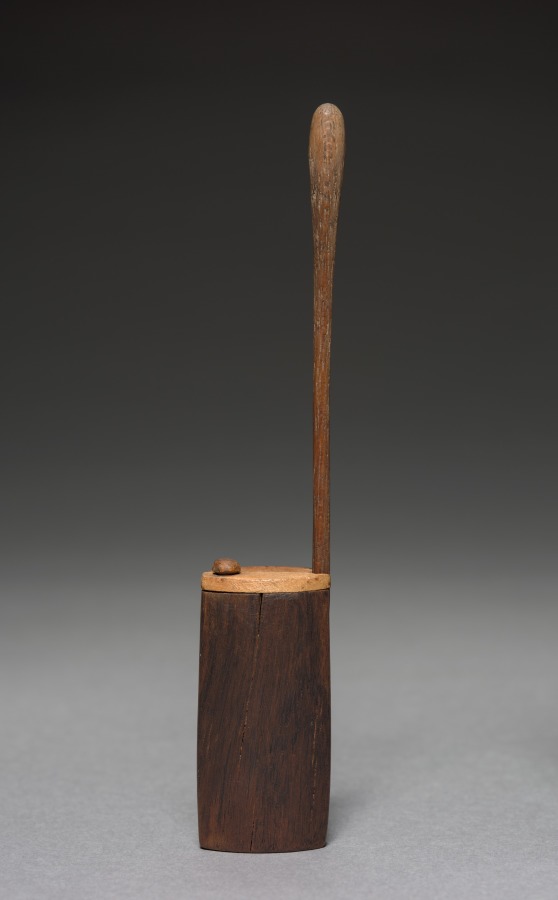
Kohl Container
Cleveland Museum of Art
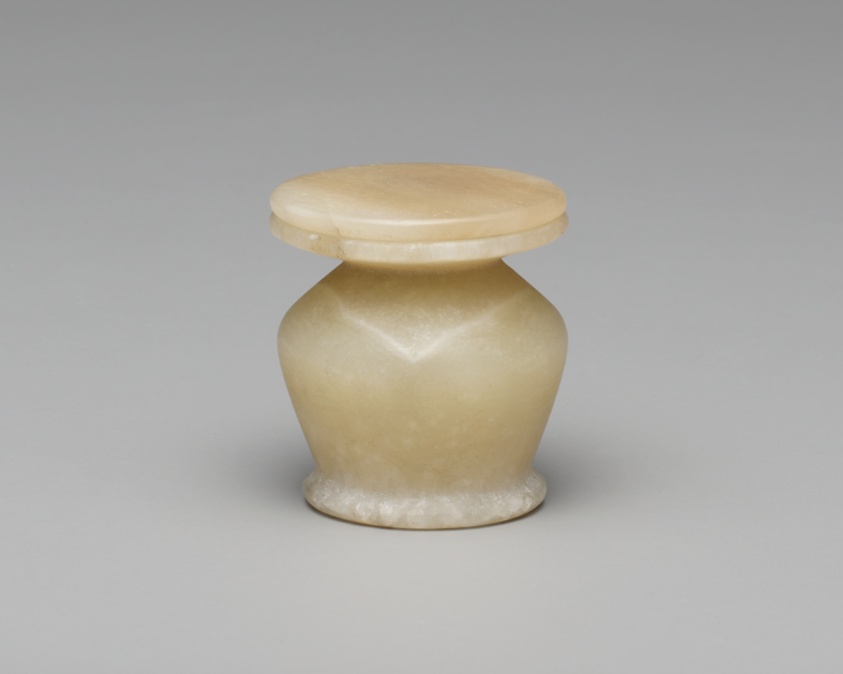
Kohl Jar with Lid
Art Institute of Chicago