Cleveland Museum of Art
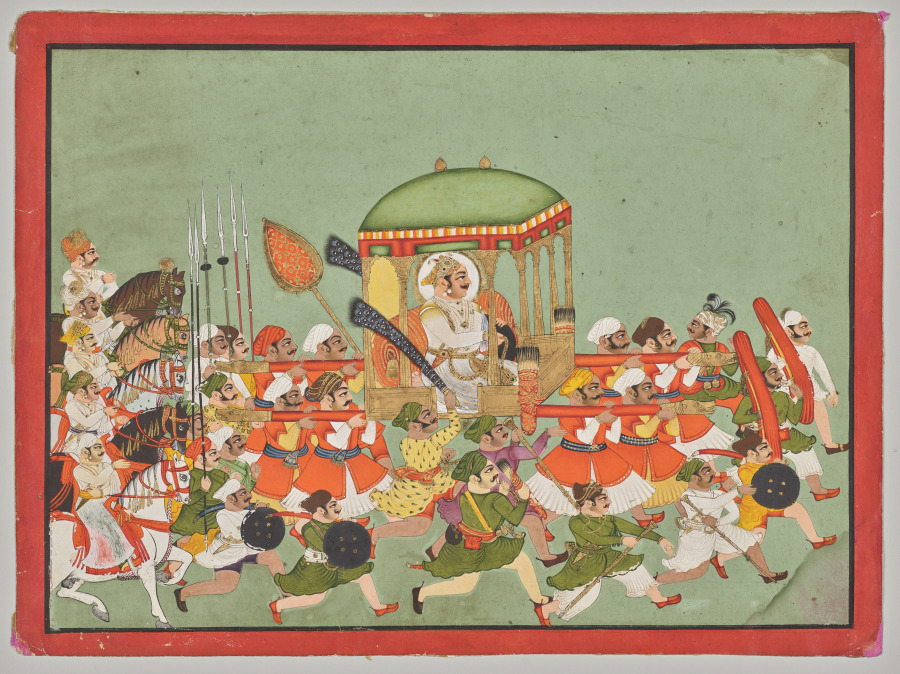
Maharao Chattar Sal (reigned 1758–64) of Kota in a Palanquin
- Date
- c. 1760
- Medium
- Gum tempera and gold on paper
- Culture
- Northwestern India, Rajasthan, Kota
- Department
- Indian and Southeast Asian Art
- Institution
- Cleveland Museum of Art
The king sits in his litter with a sun and moon disk behind his head, emphasizing the light of divine sanction for his rule. His power and grandeur seem to inspire his attendants to stride with effortless enthusiasm. Symbols of royalty abound in his retinue: cavaliers on horseback, spear bearers, soldiers with swords and daggers, attendants with peacock-feather fans, and archers carrying bows draped in red and quivers full of arrows. The small kingdom of Kota achieved independence in 1624, and its rulers, called rao (king) or maharao (great king) in the local dialect of Rajasthani, supported an atelier of artists at their court. Kota artists were known for dynamic and idealized portrayals of their rulers engaged in activities that emphasized the king’s supreme status. Quivers of arrows are tied to the front corners of the palanquin.
The authoritative record is held by Cleveland Museum of Art. LinkedCulture surfaces this object and its connections; it does not alter institutional metadata.
Related across collections
Semantically similar works from Cleveland Museum of Art and other institutions.
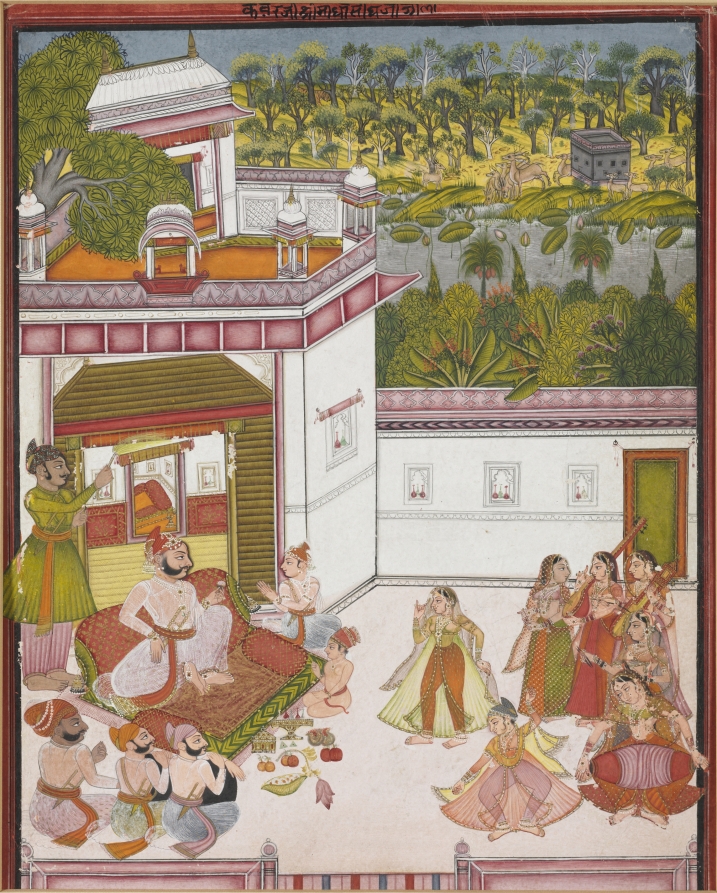
Maharaja of Kotah Listening to Music and Watching Dancers
Cleveland Museum of Art
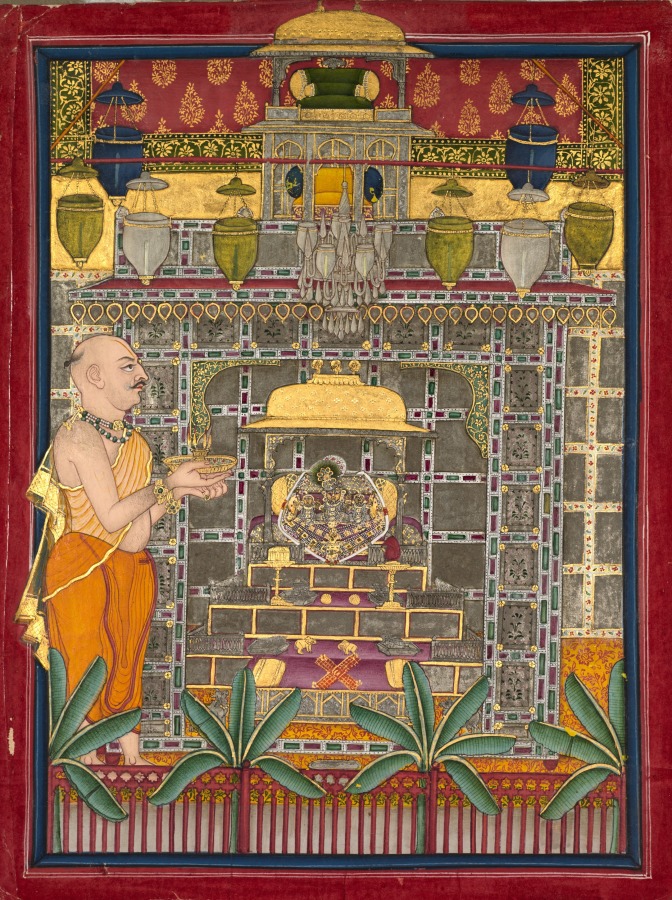
Maharao Kishor Singh II of Kota (r. 1819–28) Worshiping Krishna as Brij Rajji
Cleveland Museum of Art
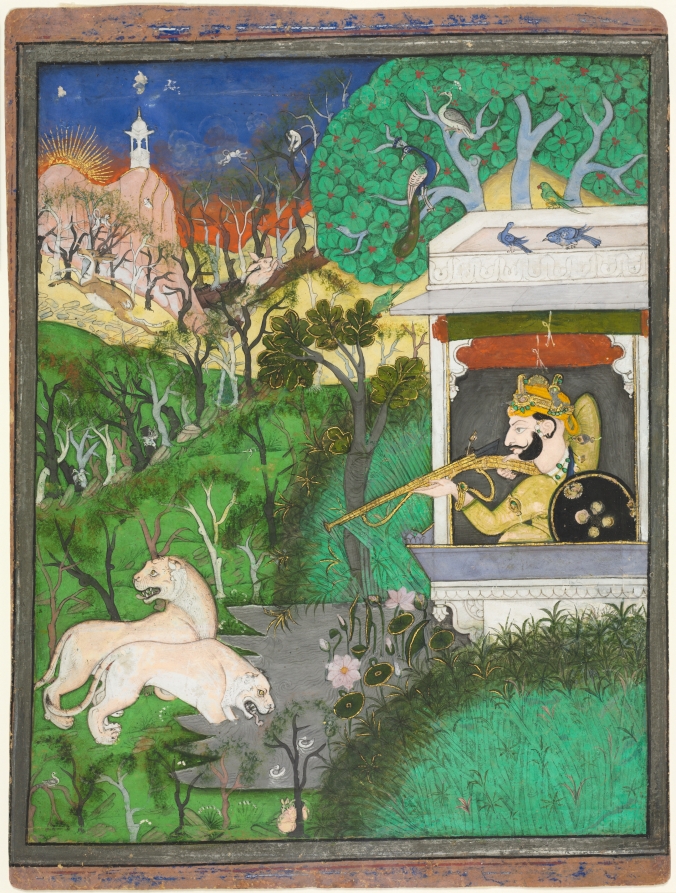
Maharaja Chattarsol of Kota Shooting Lions
Cleveland Museum of Art
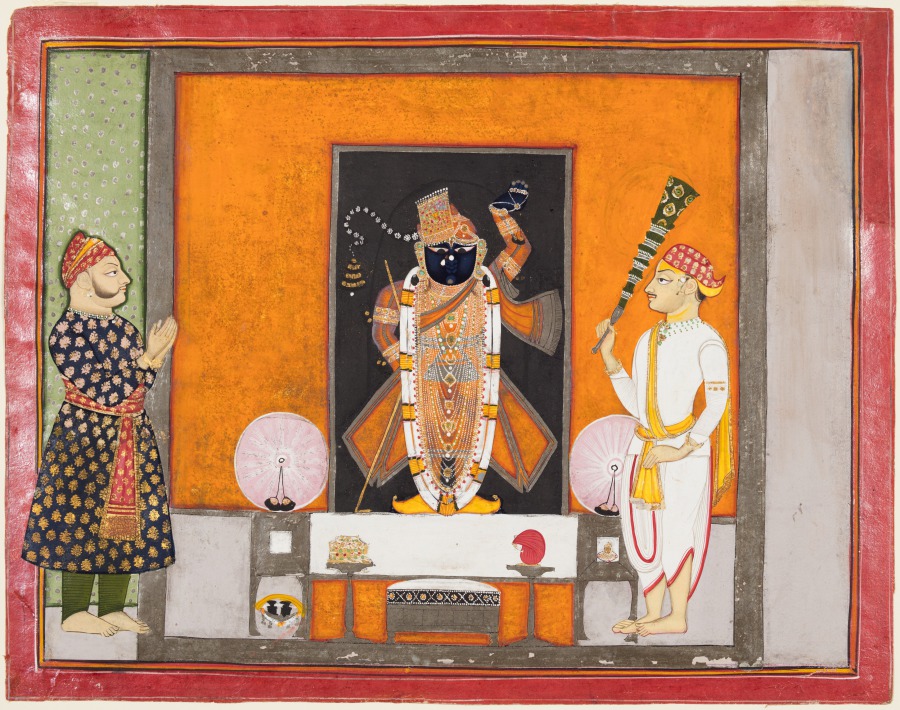
Maharao Ram Singh II of Kota (r. 1828–66) Worships Brij Nathji as the Bridegroom
Cleveland Museum of Art
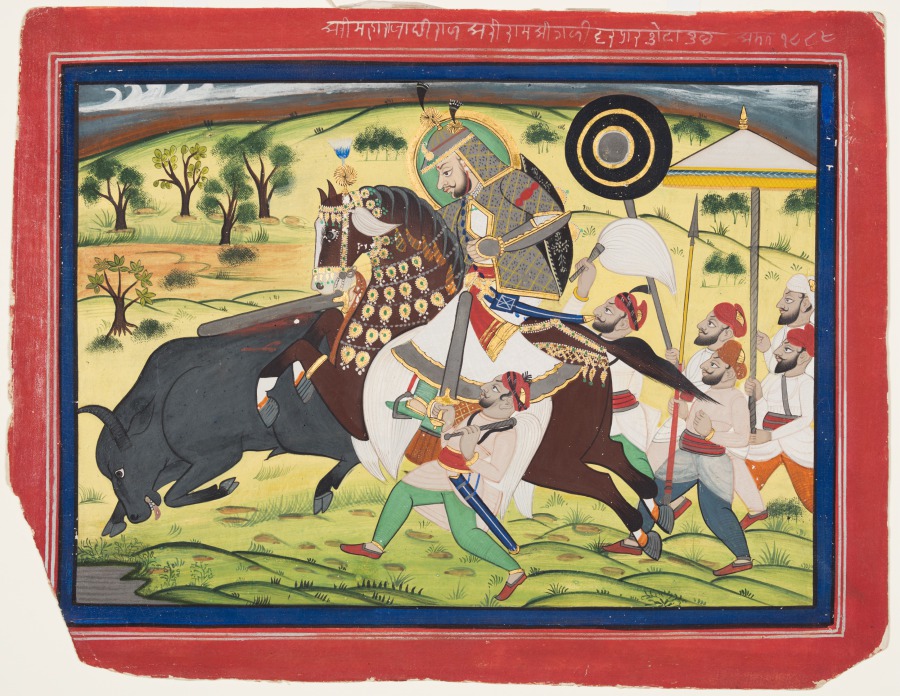
Maharao Ram Singh II of Kota (r. 1828–66) Hunting Buffalo
Cleveland Museum of Art
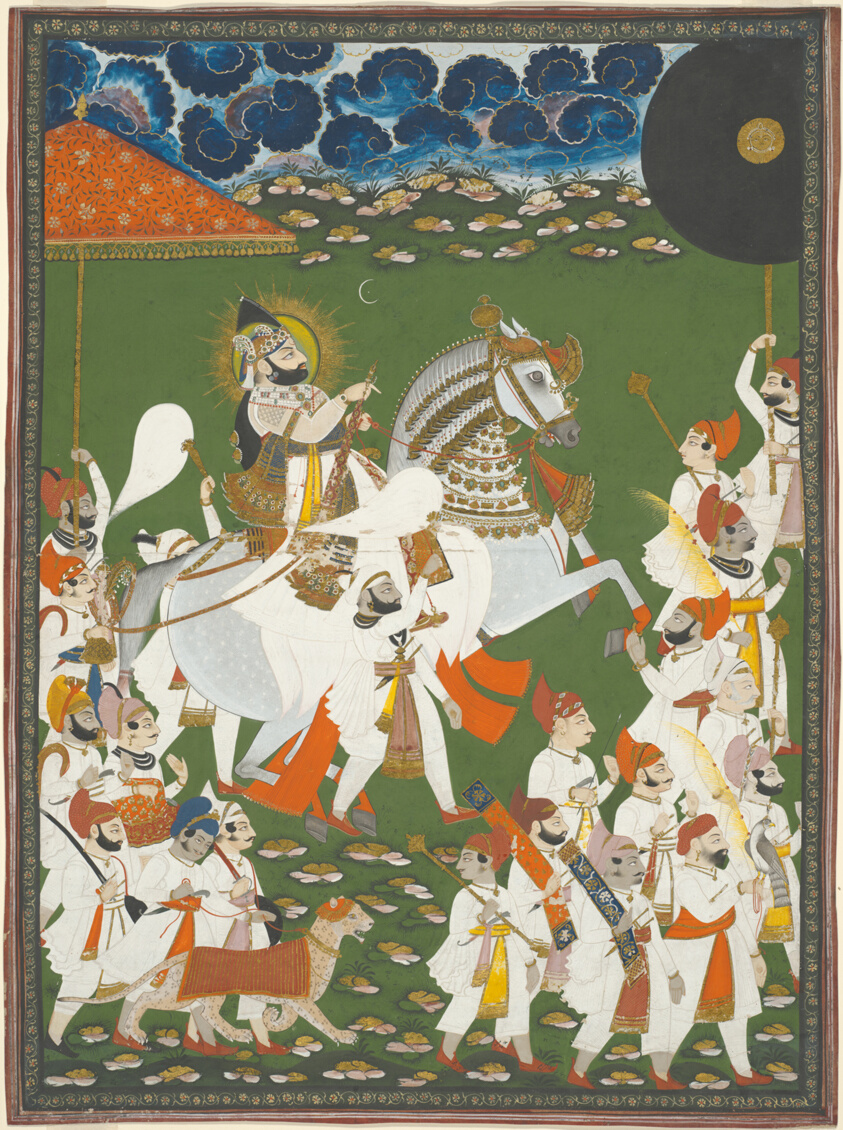
Maharana Bhim Singh in Procession
Art Institute of Chicago
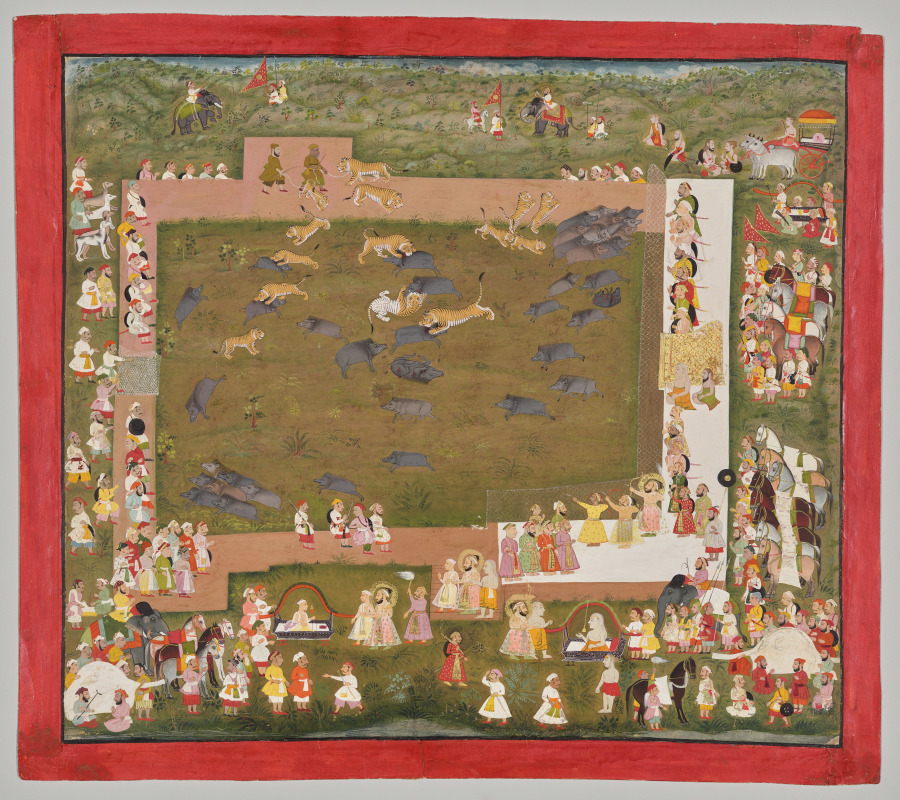
Maharana Sangram Singh II of Mewar (r. 1710–34) and Stages a Boar Hunt with Tigers at Sadri
Cleveland Museum of Art
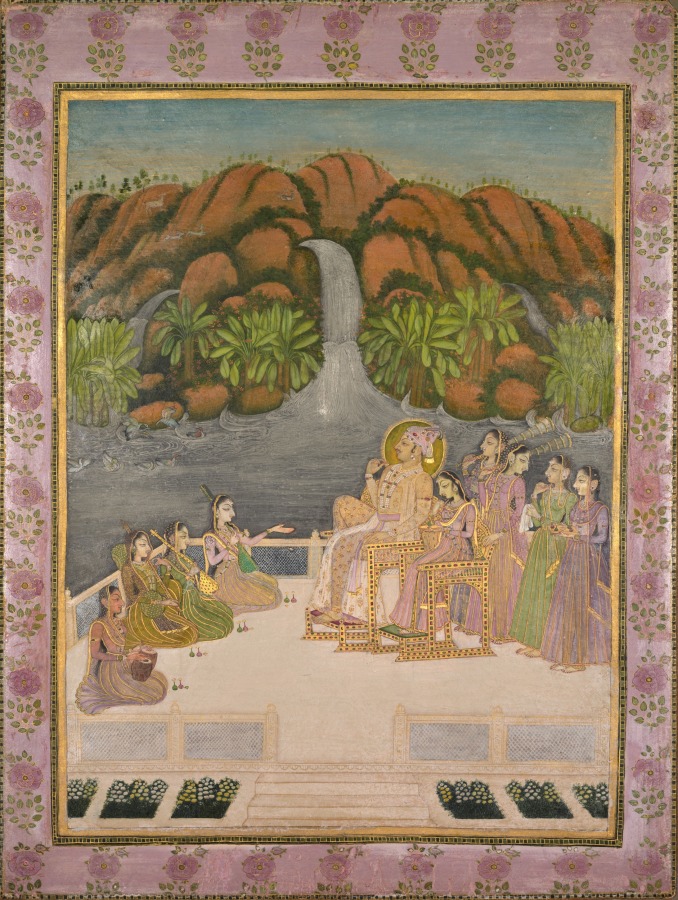
Portrait of Sardar Singh (Son of Savant Singh, 1730–68)
Cleveland Museum of Art
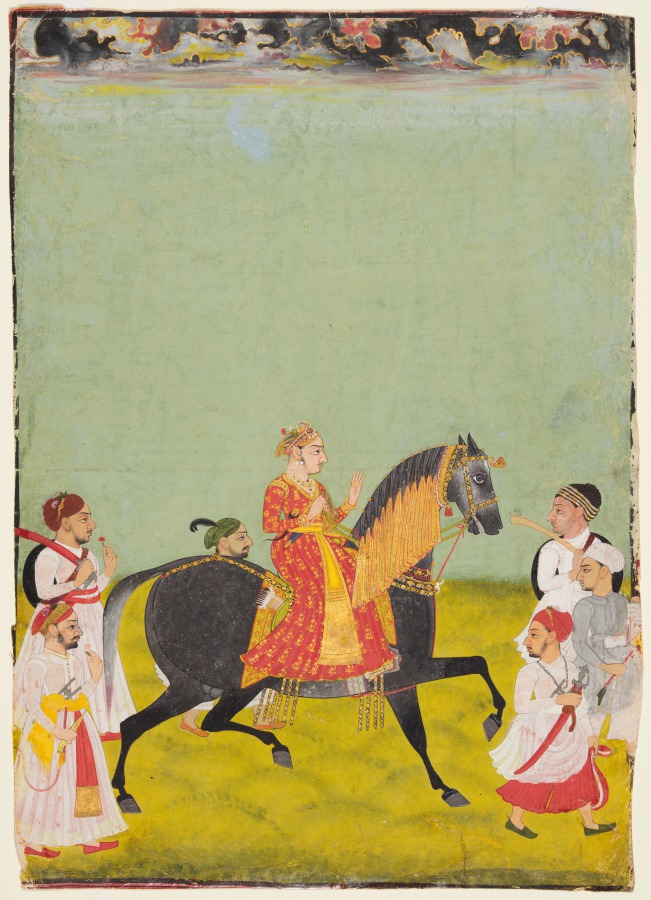
Equestrian Portrait of Maharana Raj Singh II of Mewar (r. 1755–62)
Cleveland Museum of Art
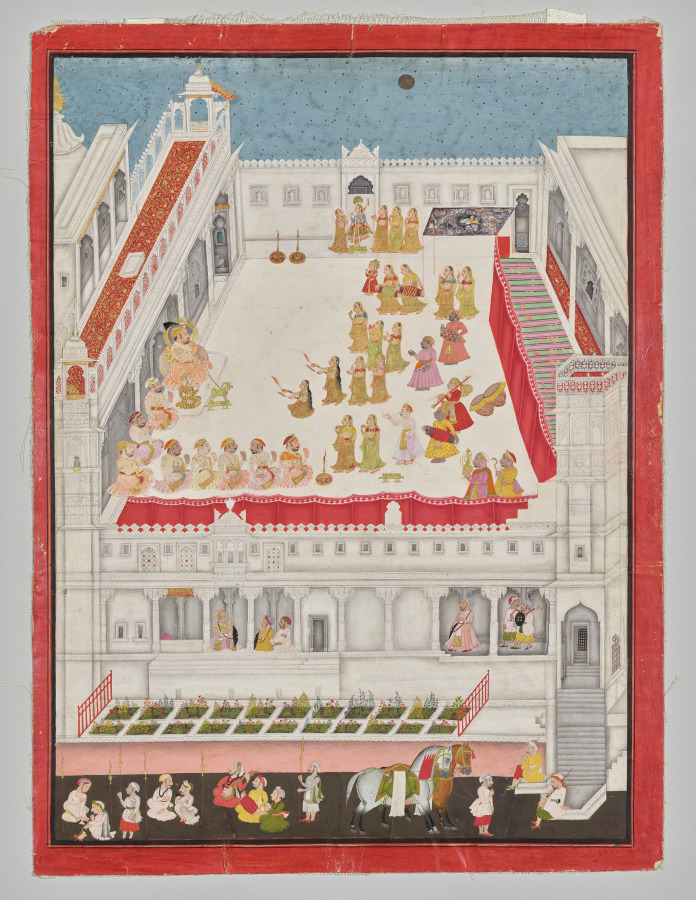
Maharana Jagat Singh Attending the Raslila
Cleveland Museum of Art
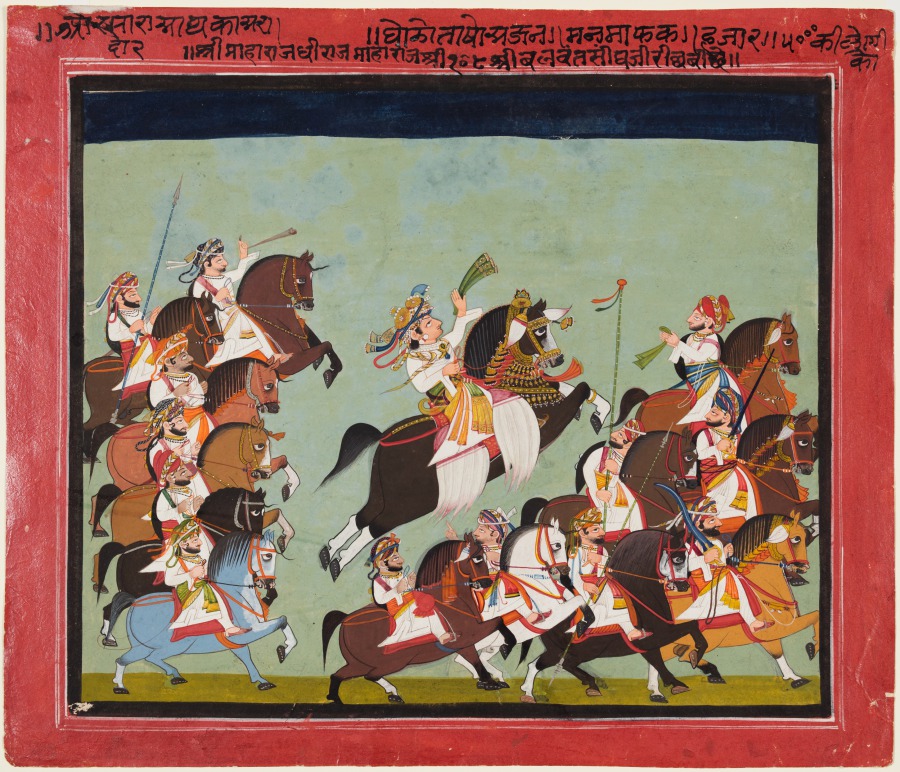
Maharaja Balwant Singh of Ratlam (r. 1825–57) in Procession with His Relatives and Courtiers
Cleveland Museum of Art
Text, Folio 37 (recto), from a Kalpa-sutra
Cleveland Museum of Art