
Cleveland Museum of Art
Totem Pole
- Date
- c. 1880
- Medium
- carved and painted wood
- Culture
- Northwest Coast, Tlingit, 19th century
- Department
- Art of the Americas
- Institution
- Cleveland Museum of Art
Native American villages of the Pacific Northwest were marked by great totem poles that proclaimed the rank and ancestry of their owners. This small model pole was once owned by a Tlingit storyteller, a member of the coho salmon clan, of the raven tribe. Because the pole has been stored indoors, its carving and bright, original colors are undamaged by the elements. Reportedly, this totem pole illustrates several stories. Kushda-Kaw, the land-otter, is the pole's lowermost figure; above him is his wife. The wife transforms herself into an owl (the third figure from the bottom) and flies into the trees to keep watch. Kushda-Kaw then lies in wait to frighten and harass unwary passers-by. Above the owl is a finback whale carrying a friend out to sea for fishing. Near the top of the pole is a whale with red lips who has swallowed his enemy, the raven. The tiny figure at the pole's summit is a spirit-woman, the raven's lover. She will cut the whale open to rescue him.
The authoritative record is held by Cleveland Museum of Art. LinkedCulture surfaces this object and its connections; it does not alter institutional metadata.
Related across collections
Semantically similar works from Cleveland Museum of Art and other institutions.
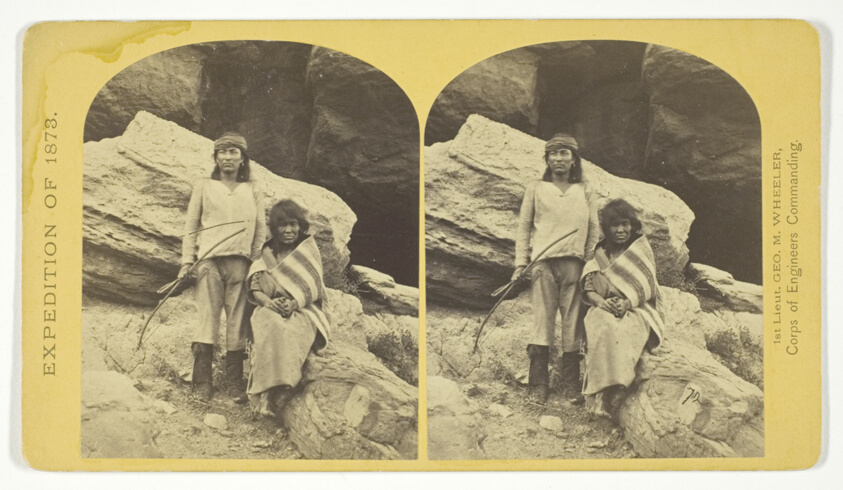
Navajo Brave and his Mother. The Navajo were formerly a warlike tribe until subdued by U.S. Troops, in 1859-60. Many of them now have fine flocks, and herds of horses, sheeps and goats, No. 29 from the series "Geographical Explorations and Surveys West of the 100th Meridian"
Art Institute of Chicago
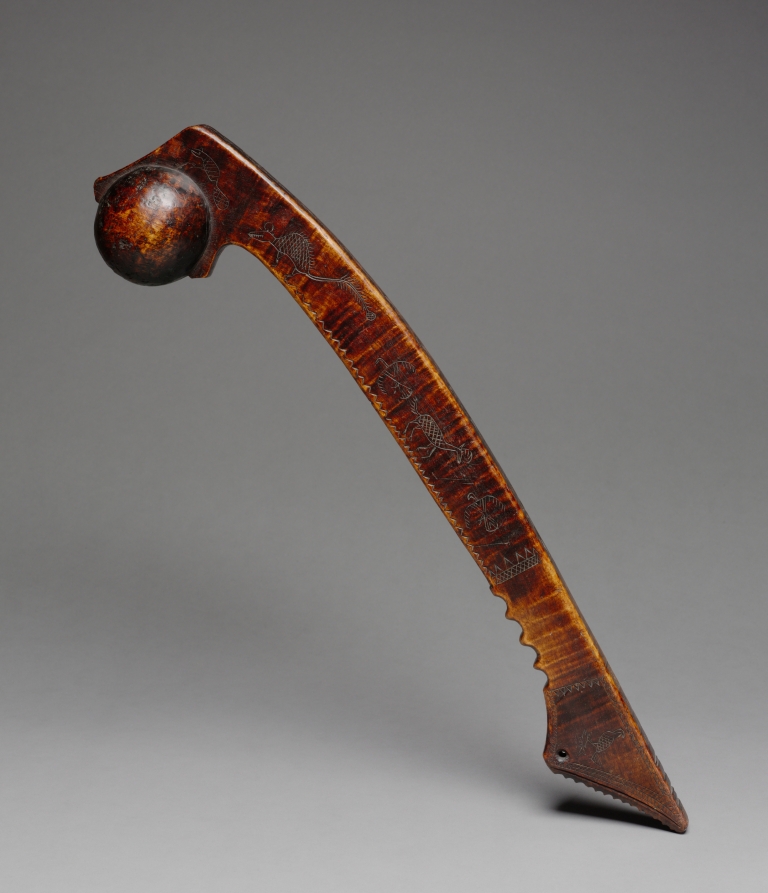
Ball-Headed War Club
Cleveland Museum of Art

Guarding the Corn Fields
Minneapolis Institute of Art
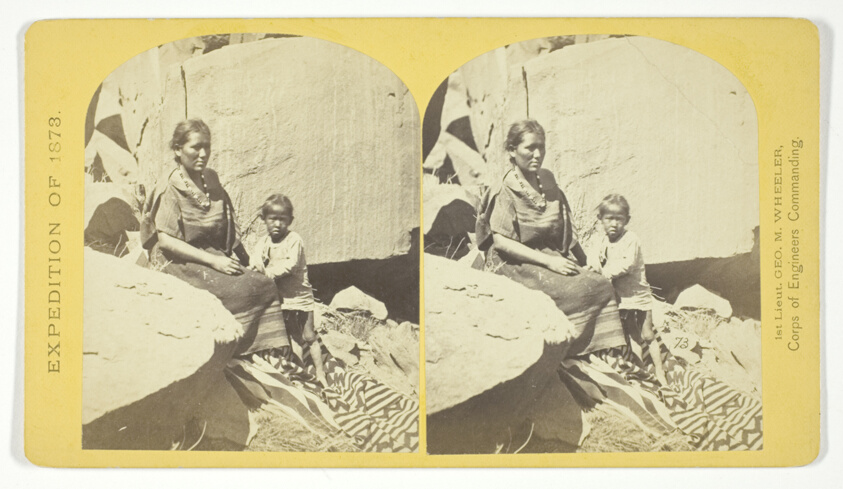
Navajo Indian Squaw, and Child, at their home, in Cañon de Chelle, No. 27 from the series "Geographical Explorations and Surveys West of the 100th Meridian"
Art Institute of Chicago

Frontlet
Minneapolis Institute of Art

Tipi Cover
Minneapolis Institute of Art
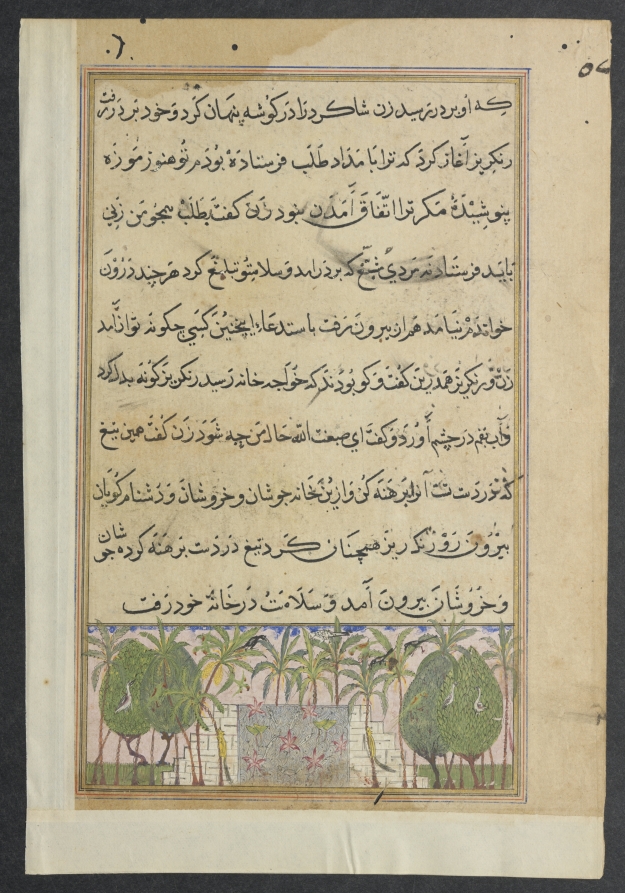
Landscape with a lotus pool, from a Tuti-nama (Tales of a Parrot): Eighth Night
Cleveland Museum of Art
Ravana Shaking Mount Kailasa
Cleveland Museum of Art
Water Jar (Olla) with Rainbird
Cleveland Museum of Art
Hanuman spies Sita in the Ashoka Grove, from the “Shangri” Ramayana
Cleveland Museum of Art
Leaf from a Kalighat album: Jatayu hinders Ravana’s chariot, trying to prevent the abduction of Sita (recto); Dushyanta watching his son Bharat playing with the tiger at the end of the Abhijnanashakuntalam (verso)
Cleveland Museum of Art
Spoon
Cleveland Museum of Art