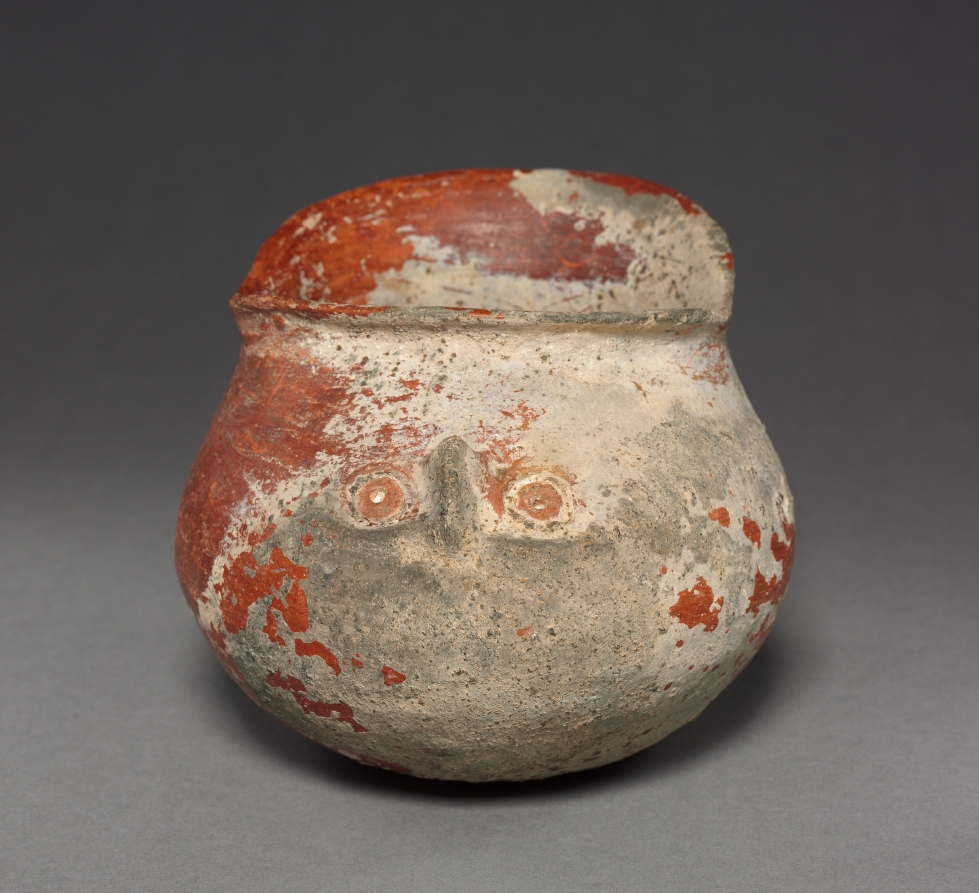
Cleveland Museum of Art
Head Effigy Bowl
- Date
- 100 BCE–300 CE
- Medium
- pottery with burnished red slip
- Culture
- Mexico, Region of Tilantongo, District of Tlaxiaco, Nayarit style
- Department
- Art of the Americas
- Institution
- Cleveland Museum of Art
After about 200 BC, West Mexican chieftains gained in authority, their new status reflected in shaft tombs that shelter not only their remains but also lavish offerings, including sculptural ceramics. Many of the ceramics may refer to the crucial activities of a chief’s life, such as marriage, feasting, and war. The meaning of this unusual bowl—a head whose gaping mouth serves as the aperture—is unknown. Diego Rivera and Rufino Tamayo were avid collectors of ancient Nayarit art.
The authoritative record is held by Cleveland Museum of Art. LinkedCulture surfaces this object and its connections; it does not alter institutional metadata.
Related across collections
Semantically similar works from Cleveland Museum of Art and other institutions.
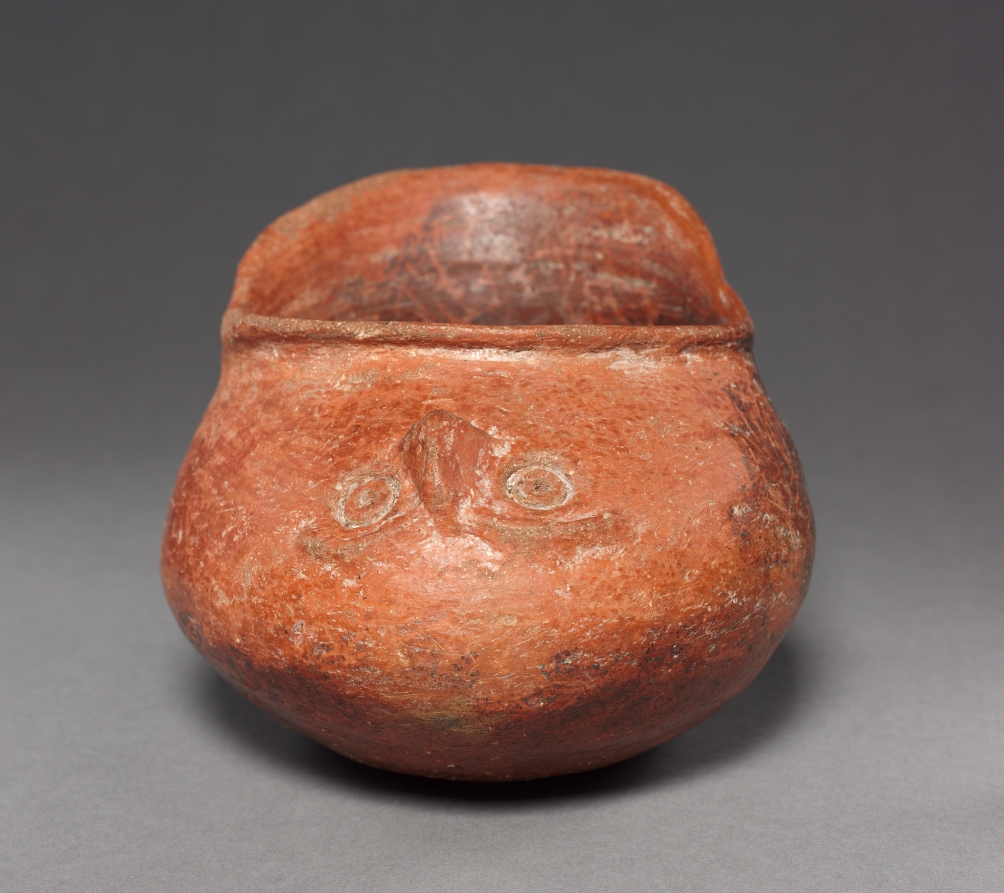
Head Effigy Bowl
Cleveland Museum of Art
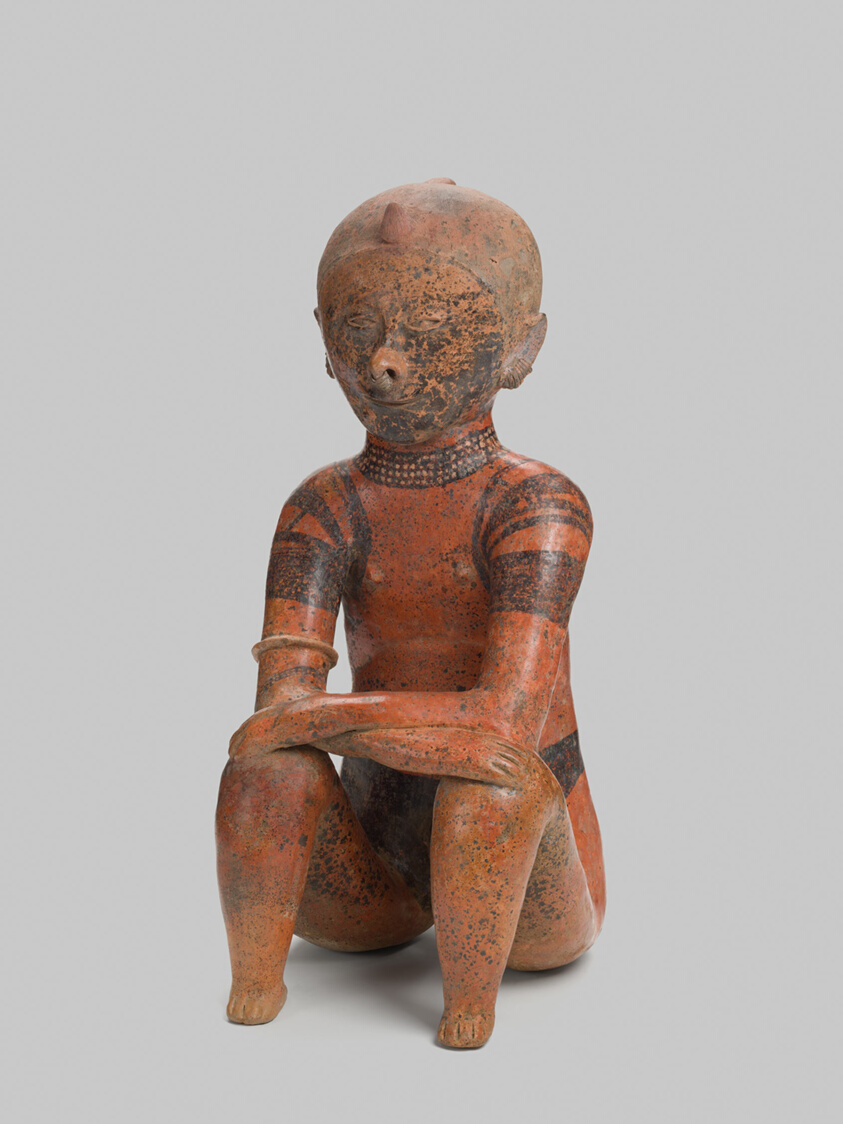
Figure of a Seated Chieftain
Art Institute of Chicago

Head
Minneapolis Institute of Art

Figure
Minneapolis Institute of Art

House Group
Minneapolis Institute of Art
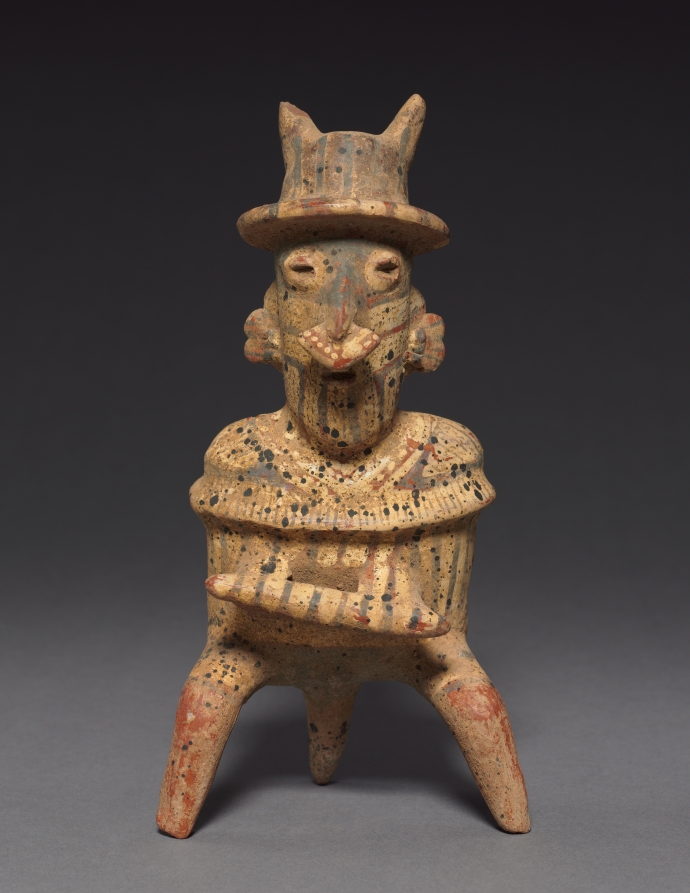
Seated Male Holding Chief’s Baton
Cleveland Museum of Art

Human effigy bowl
Minneapolis Institute of Art

Human effigy bowl
Minneapolis Institute of Art
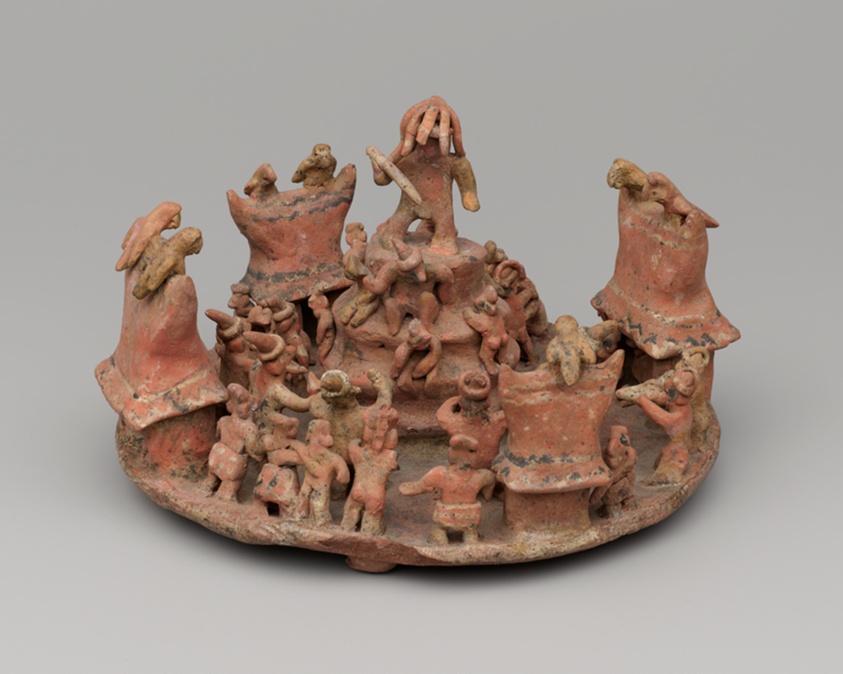
Model Depicting a Ritual Center
Art Institute of Chicago
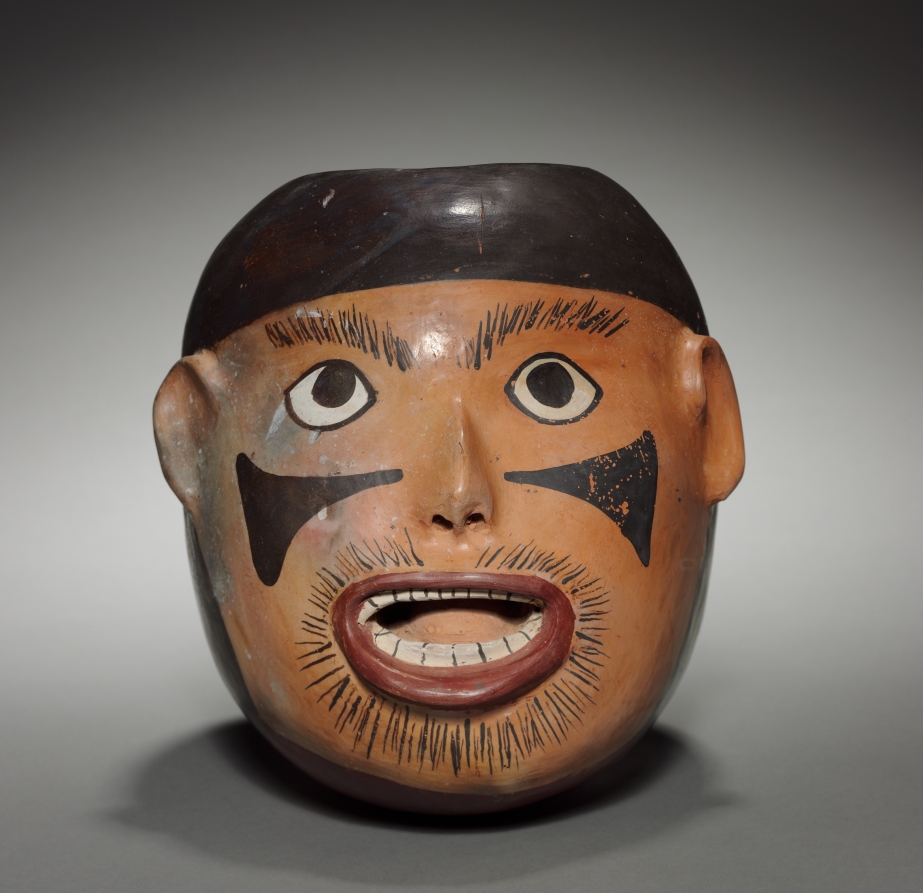
Severed Head Effigy Vessel
Cleveland Museum of Art
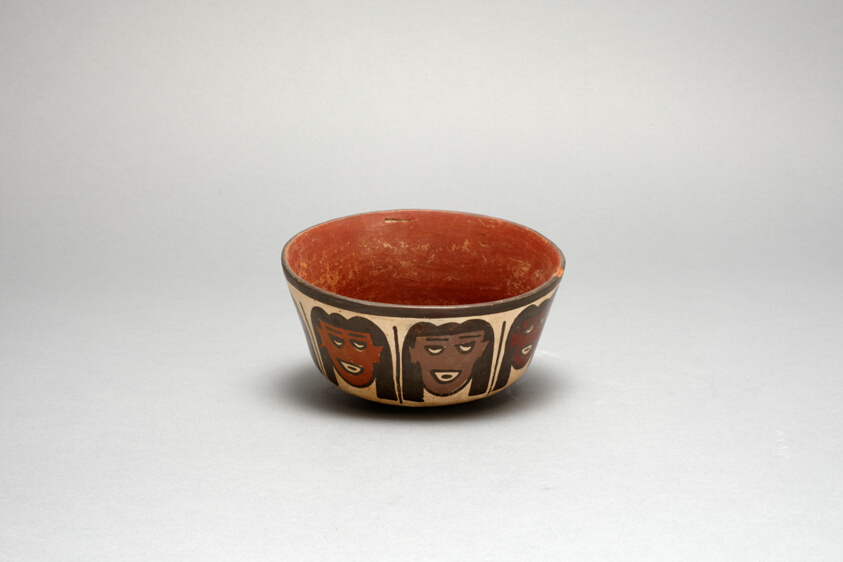
Bowl Depicting Human Heads, Likely Trophy Heads
Art Institute of Chicago
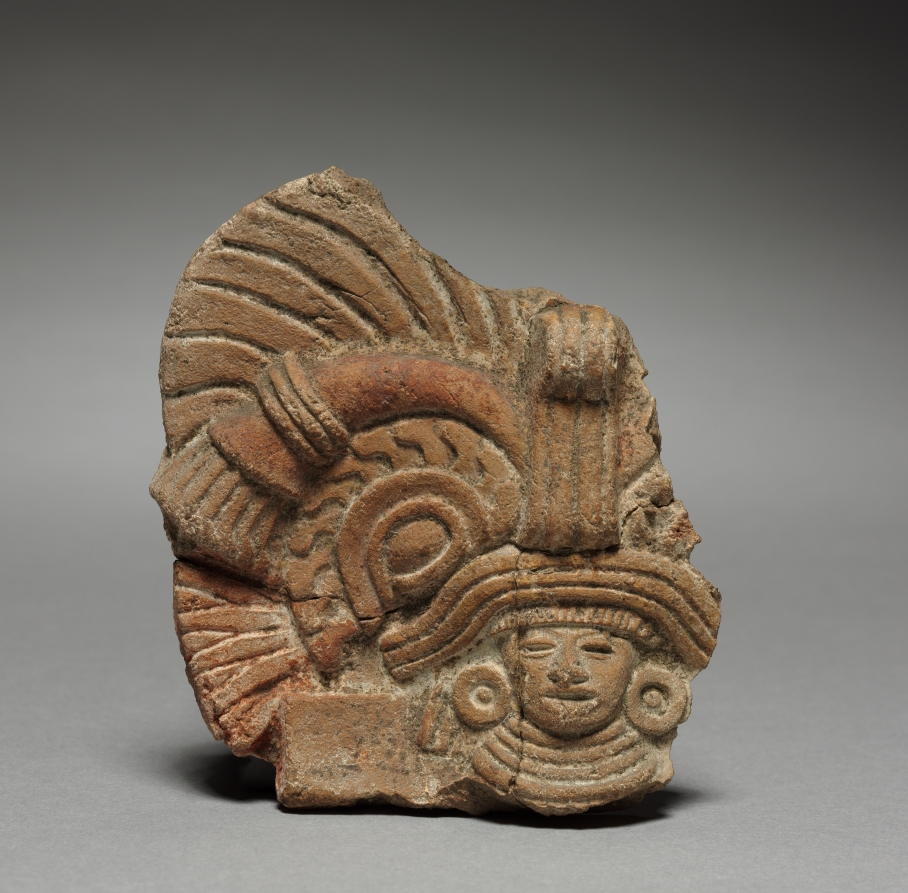
Head
Cleveland Museum of Art