Cleveland Museum of Art
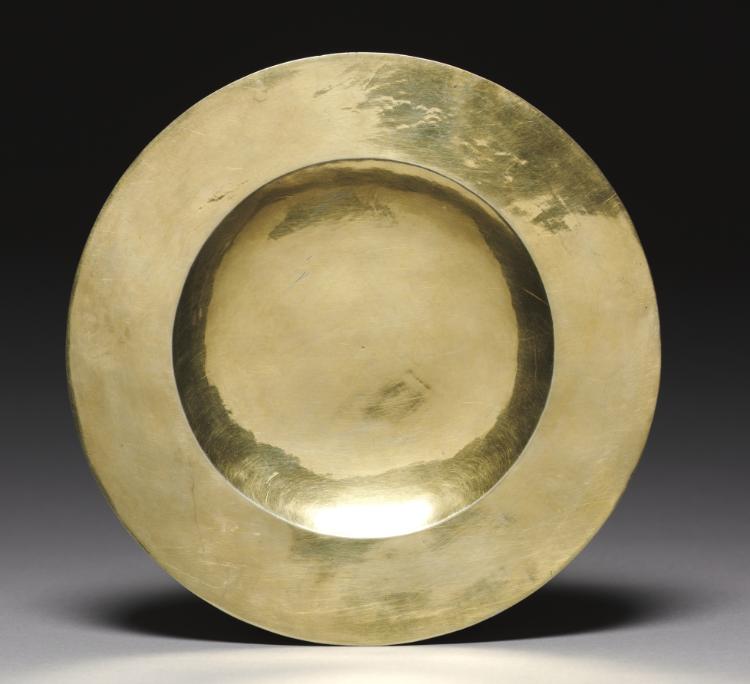
Paten
- Date
- c. 1450–80
- Medium
- gilt silver and filigree enamel
- Culture
- Hungary
- Department
- Medieval Art
- Institution
- Cleveland Museum of Art
- Object ID
- 155581
From the Cleveland Museum of Art record
The chalice and paten—the most important liturgical vessels—are used at the altar by the priest for the consecration of the Eucharistic bread and wine during the celebration of the mass. This chalice survives with its original paten. The form of the chalice evolved over the centuries. Gothic chalices, like this one, gradually developed angular or faceted knops, generally hexagonal, with lobed feet. This sublime example is decorated with filigree enamel consisting of twisted gold wire forming a floral design, which in turn is filled with colorful glass pastes. Gemstones add to the embellishment.
The authoritative record is held by Cleveland Museum of Art. LinkedCulture surfaces this object and its connections; it does not alter institutional metadata.
Get printable QR codesHide QR codes
Open QR codes for this object page and the museum record. They stay collapsed until needed.
Provenance & credit
As published by the source institution. Coverage varies — not every institution's open-data feed includes ownership history.
- Credit line
- Purchase from the J. H. Wade Fund
- Provenance
- (Gertrude Rudigier, Munich, Germany).
Related across collections
Semantically similar works from Cleveland Museum of Art and other institutions.