Cleveland Museum of Art
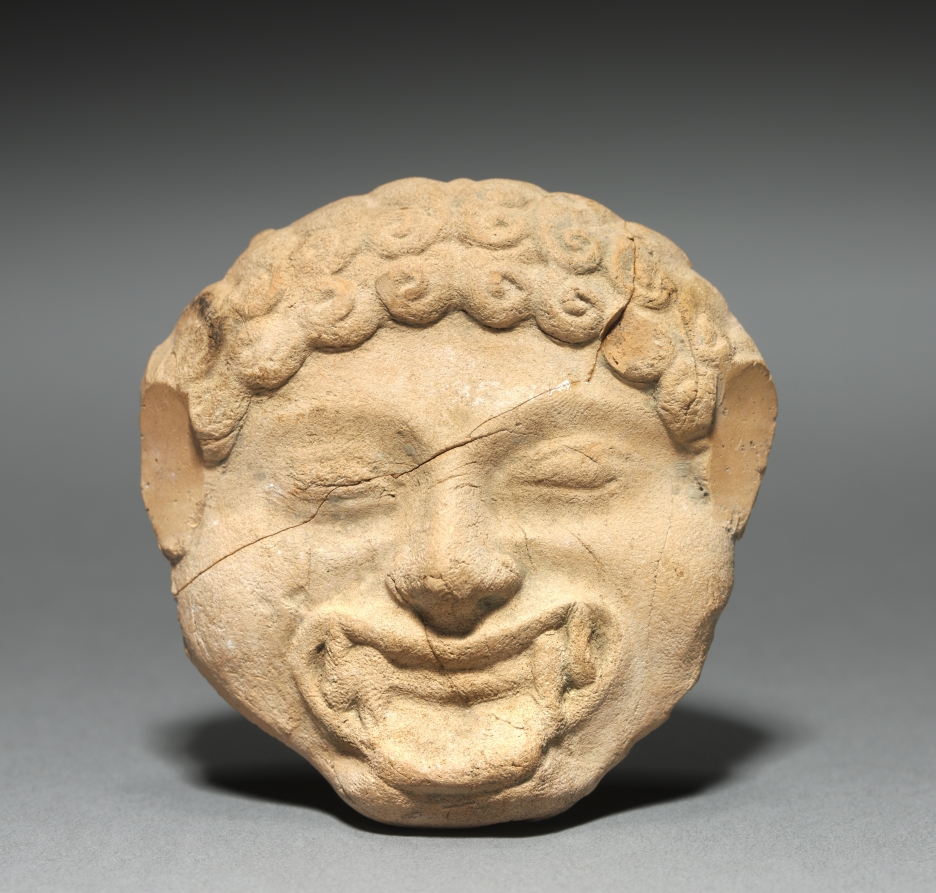
Gorgoneion Plaque with Incised Figure of a Dancing Satyr
- Date
- c. 525–475 BCE
- Medium
- terracotta
- Culture
- Greece, South Italy
- Department
- Greek and Roman Art
- Institution
- Cleveland Museum of Art
Probably meant to decorate the outside of a wooden coffin or other tomb furniture, this small mold-made terracotta plaque is one of two in the collection (click here for the other). Both bear gorgoneia , or frontal Gorgon faces, with snaky hair, sharp teeth, and protruding tongue, perhaps meant to ward off evils. Curiously, this plaque also features decoration on its back side, in the form of a spirited dancing satyr incised into the clay before firing. Since this satyr would not have been visible once the plaque was in place, its purpose is uncertain. Was it simply diversion for the artisan who made it, or meant to protect the spirit of the deceased? This plaque includes a very rare ancient sketch: a satyr incised on the reverse surface.
The authoritative record is held by Cleveland Museum of Art. LinkedCulture surfaces this object and its connections; it does not alter institutional metadata.
Related across collections
Semantically similar works from Cleveland Museum of Art and other institutions.
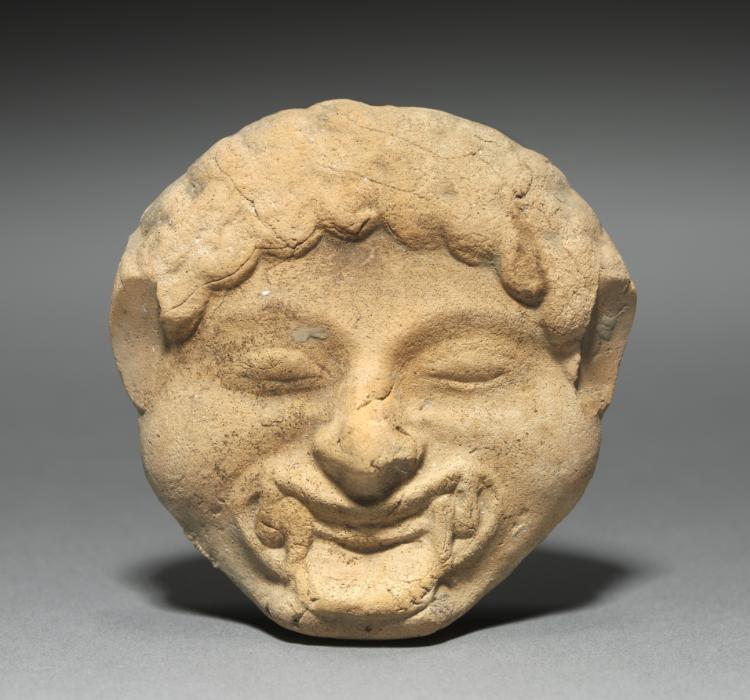
Gorgoneion Plaque
Cleveland Museum of Art
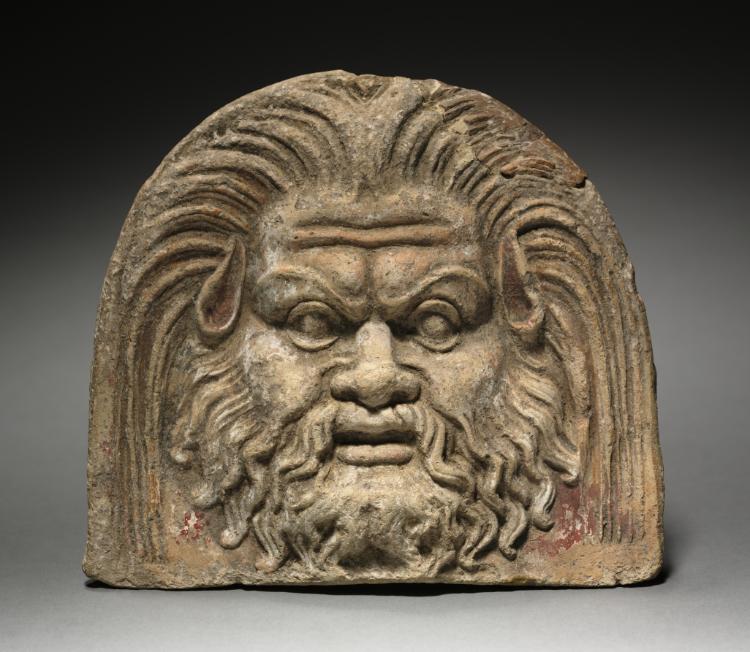
Antefix with Satyr Face
Cleveland Museum of Art
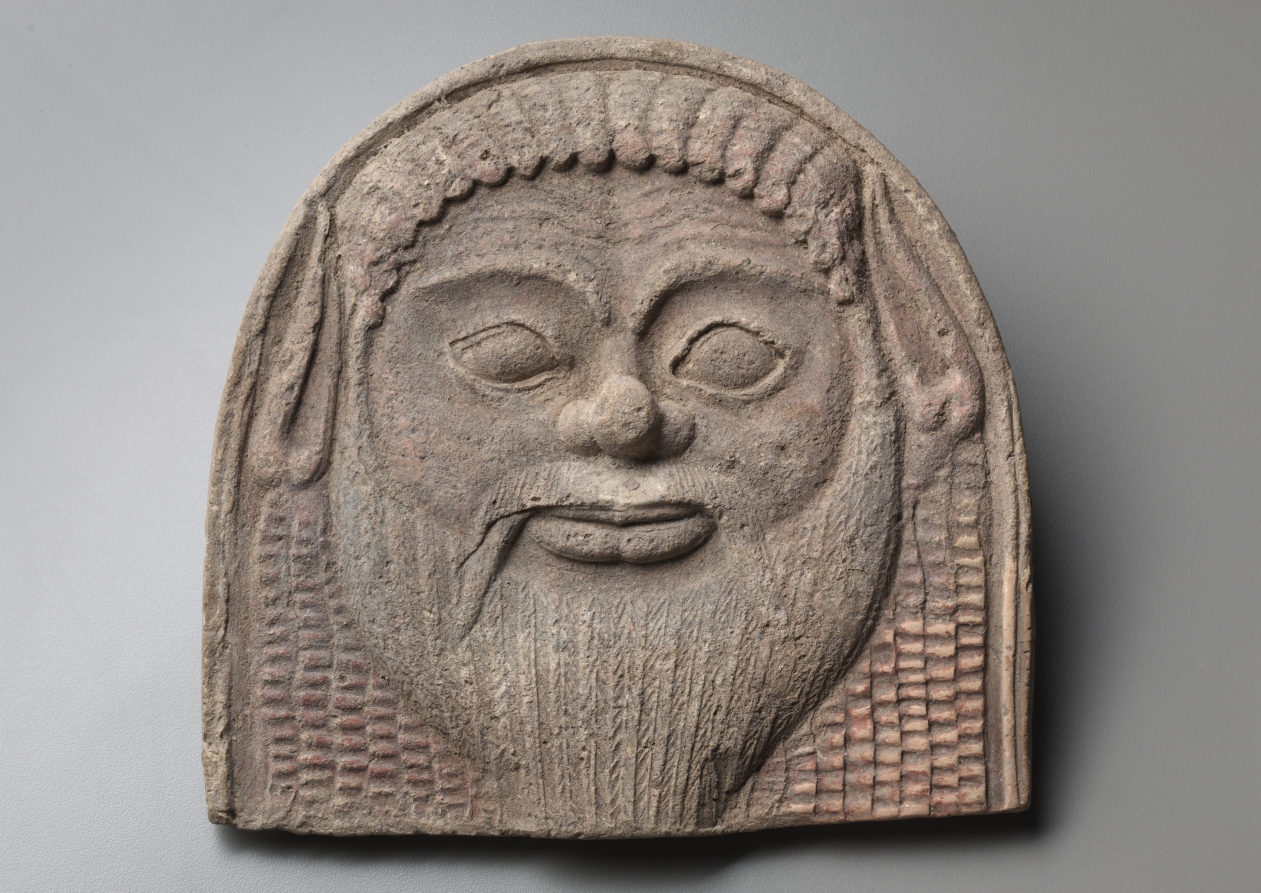
Antefix with Satyr Face
Cleveland Museum of Art

Dancing Faun
Getty Museum
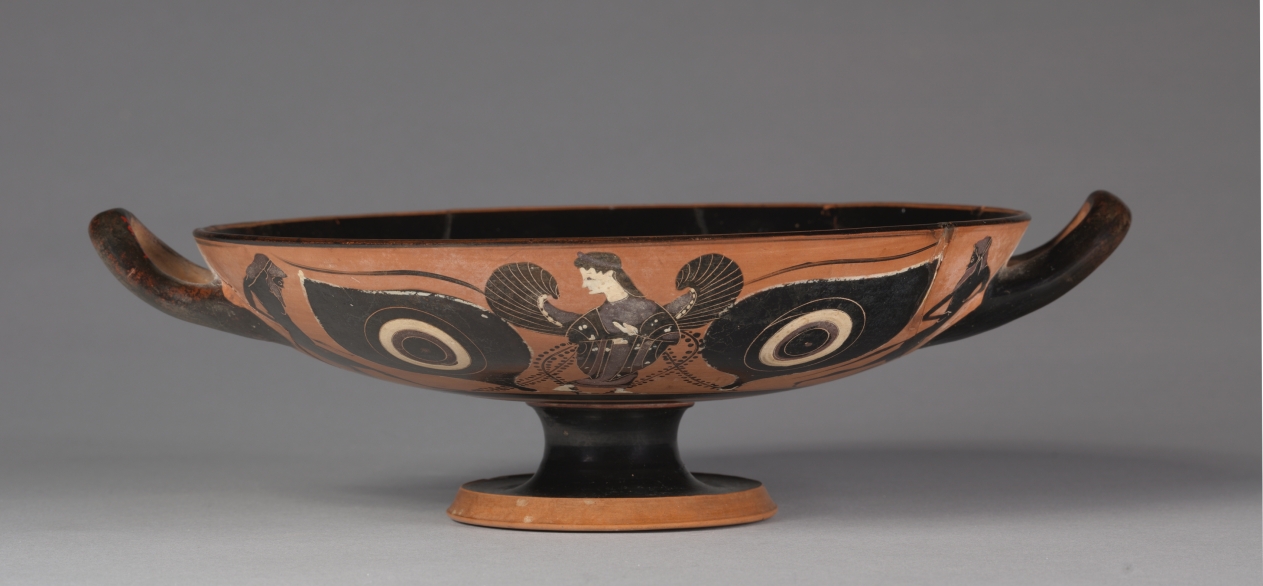
Black-Figure Eye Cup: Iris and Satyrs (A, B); Gorgoneion (I)
Cleveland Museum of Art
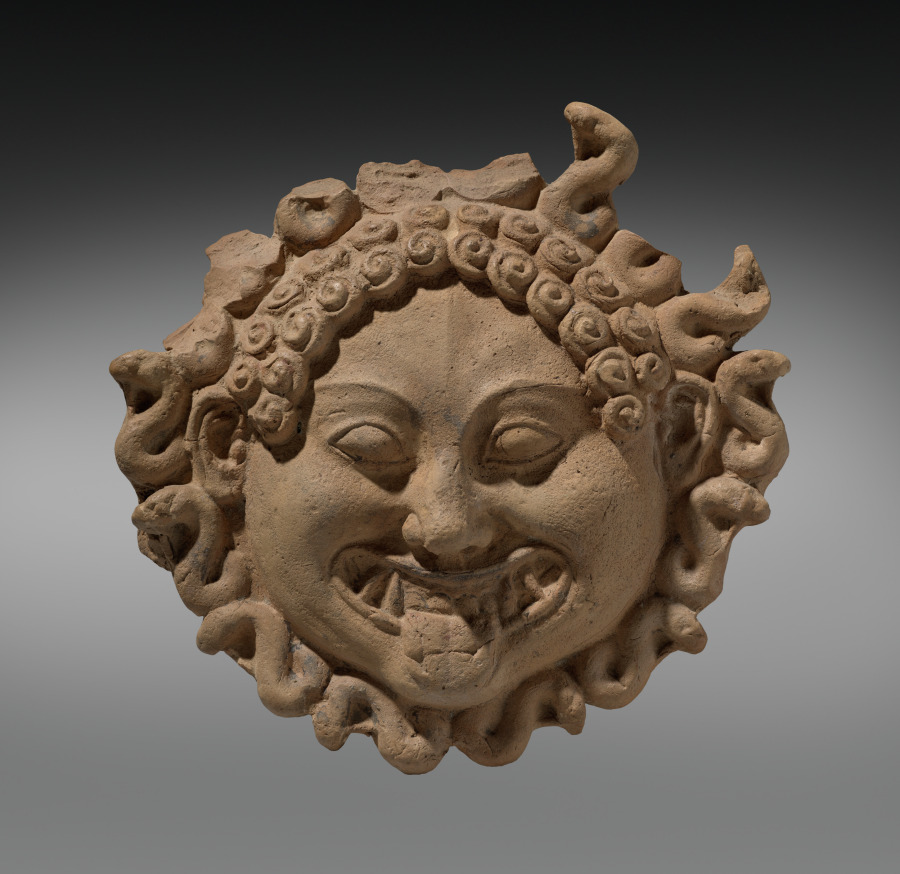
Gorgoneion Antefix (Ornamental Roof Tile)
Cleveland Museum of Art
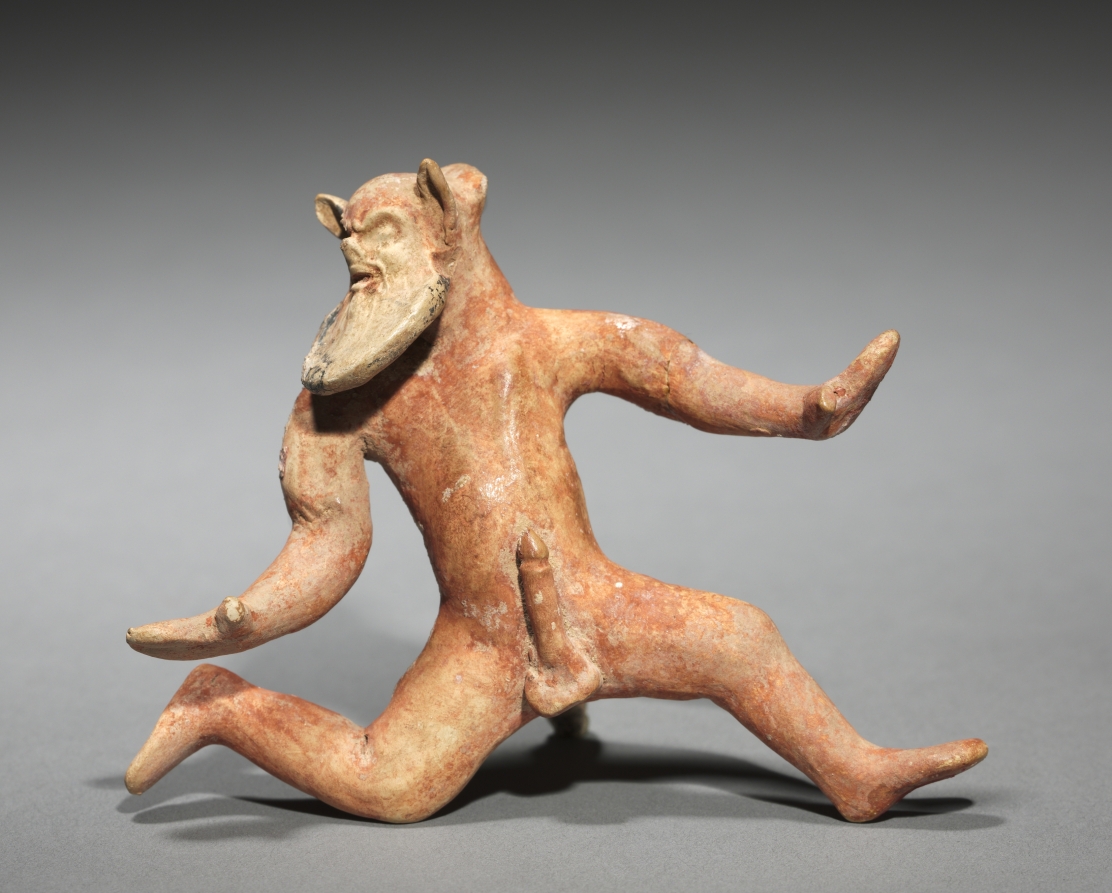
Dancing Satyr
Cleveland Museum of Art
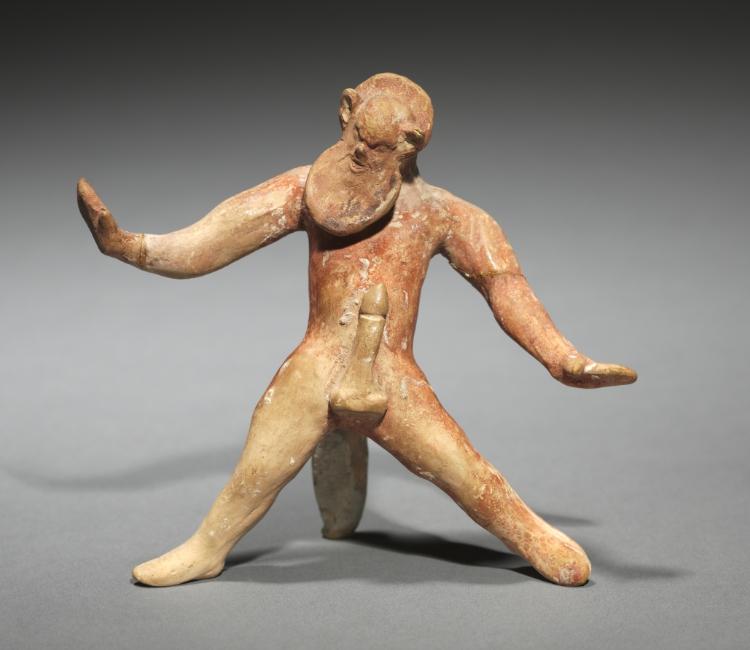
Dancing Satyr
Cleveland Museum of Art
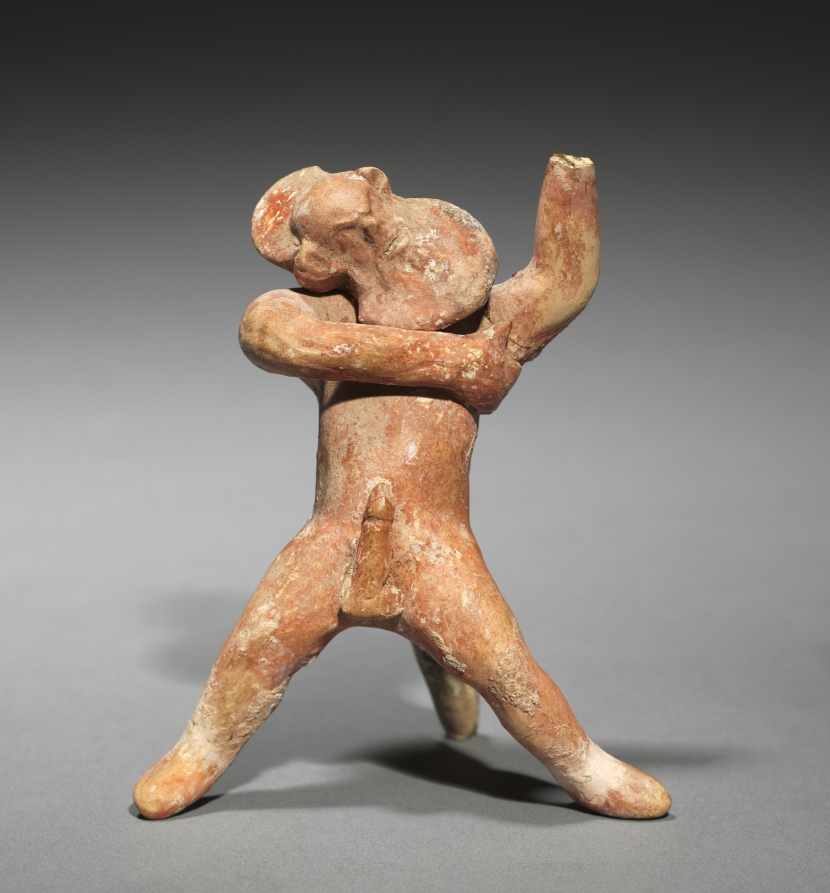
Dancing Satyr
Cleveland Museum of Art

Gorgon Head Antefix
Getty Museum

Gorgoneion Applique
Getty Museum

Antefix Fragment
Getty Museum