Cleveland Museum of Art
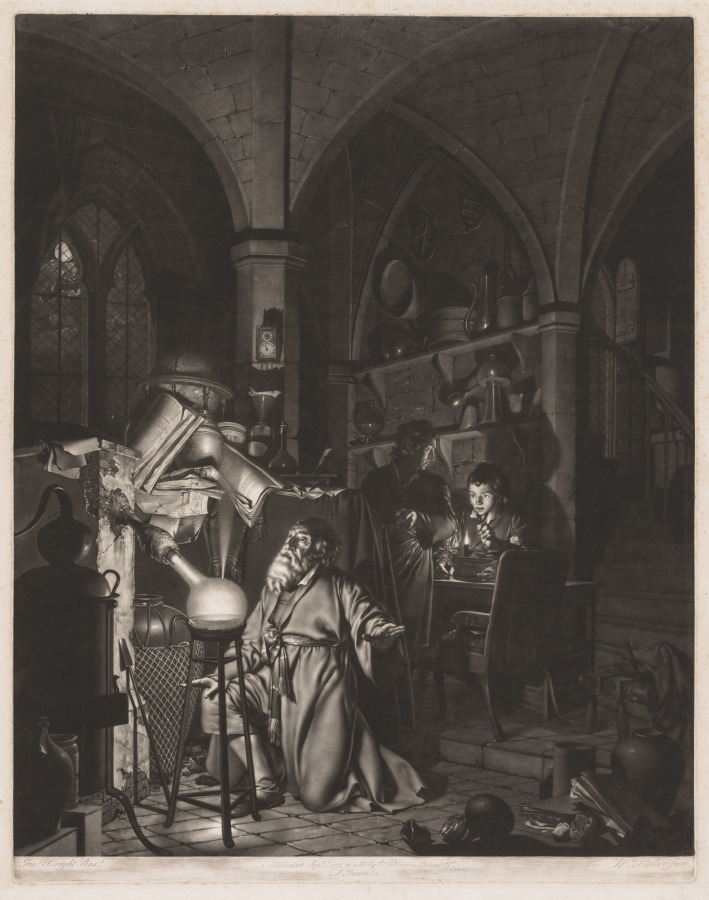
The Alchymist, in Search of the Philosopher's Stone, Discovers Phosphorus, and Prays for the Successful Conclusion of his Operation, as was the Custom of the Ancient Chymical Astrologers
William Pether
- Date
- 1775
- Medium
- mezzotint
- Culture
- England, 18th century
- Department
- Prints
- Institution
- Cleveland Museum of Art
The print’s title and the medieval-looking interior filled with instruments identify the kneeling figure as an alchemist, someone who seeks the philosopher’s stone, a mythic substance that was thought to transform ordinary metals into gold and reverse the aging process. Here, the alchemist’s experiments accidentally lead him to discover the chemical element phosphorus, seen glowing in the flask before him. In choosing this moment of illumination, the artist crafted a potent allegory of the Enlightenment in which the creative force of imagination becomes true knowledge through reason and observation. Joseph Wright of Derby’s composition was based on the story of Hennig Brand, the German alchemist who accidentally discovered phosphorus in 1676.
The authoritative record is held by Cleveland Museum of Art. LinkedCulture surfaces this object and its connections; it does not alter institutional metadata.
Related across collections
Semantically similar works from Cleveland Museum of Art and other institutions.

The Alchemist
Minneapolis Institute of Art

Faust (The Scholar in His Study)
Minneapolis Institute of Art
Jupiter and Mercury in the House of Philemon and Baucis
Art Institute of Chicago

Tobias and the Angel
Minneapolis Institute of Art
Parsifal
Cleveland Museum of Art
When the morning Stars sang together, & all the Sons of God shouted for joy
Minneapolis Institute of Art

The Holy Family
Minneapolis Institute of Art

The Forge of the Heart
Minneapolis Institute of Art
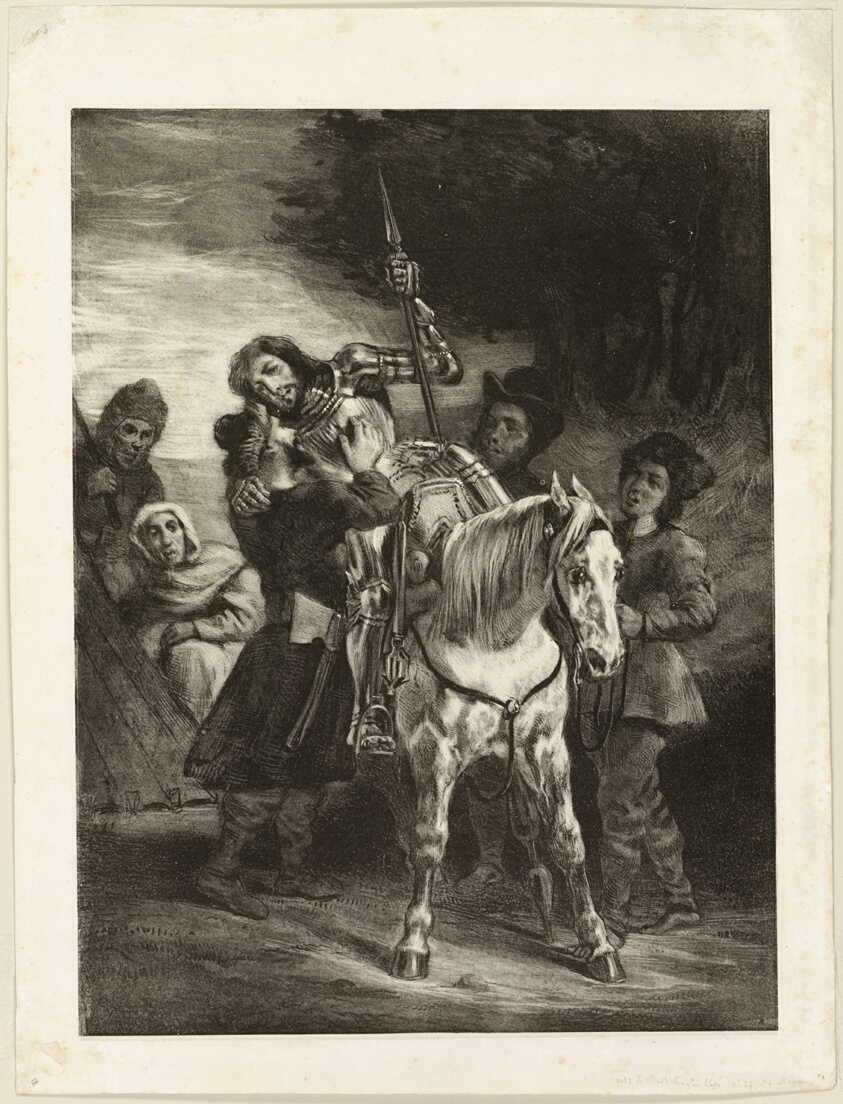
The Wounded Götz Cared for by the Bohemians
Art Institute of Chicago
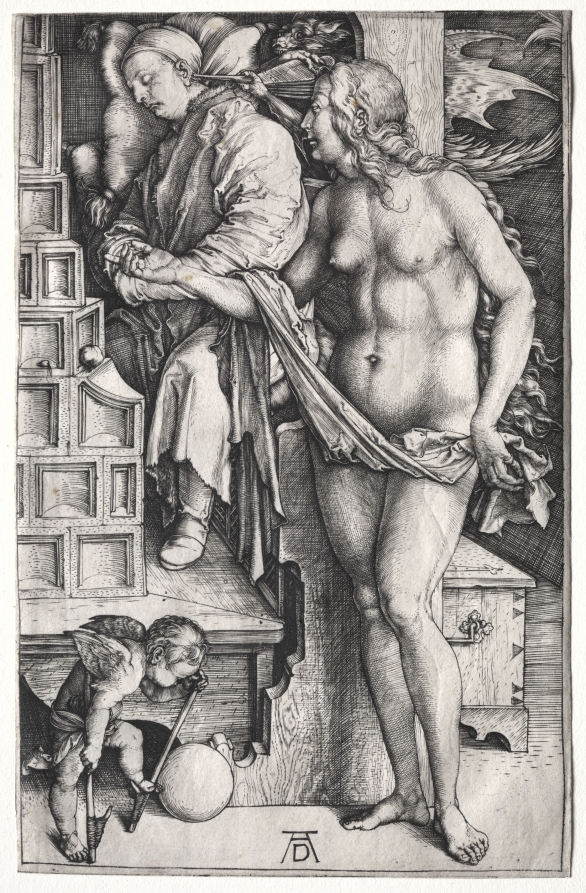
The Dream of the Doctor
Cleveland Museum of Art
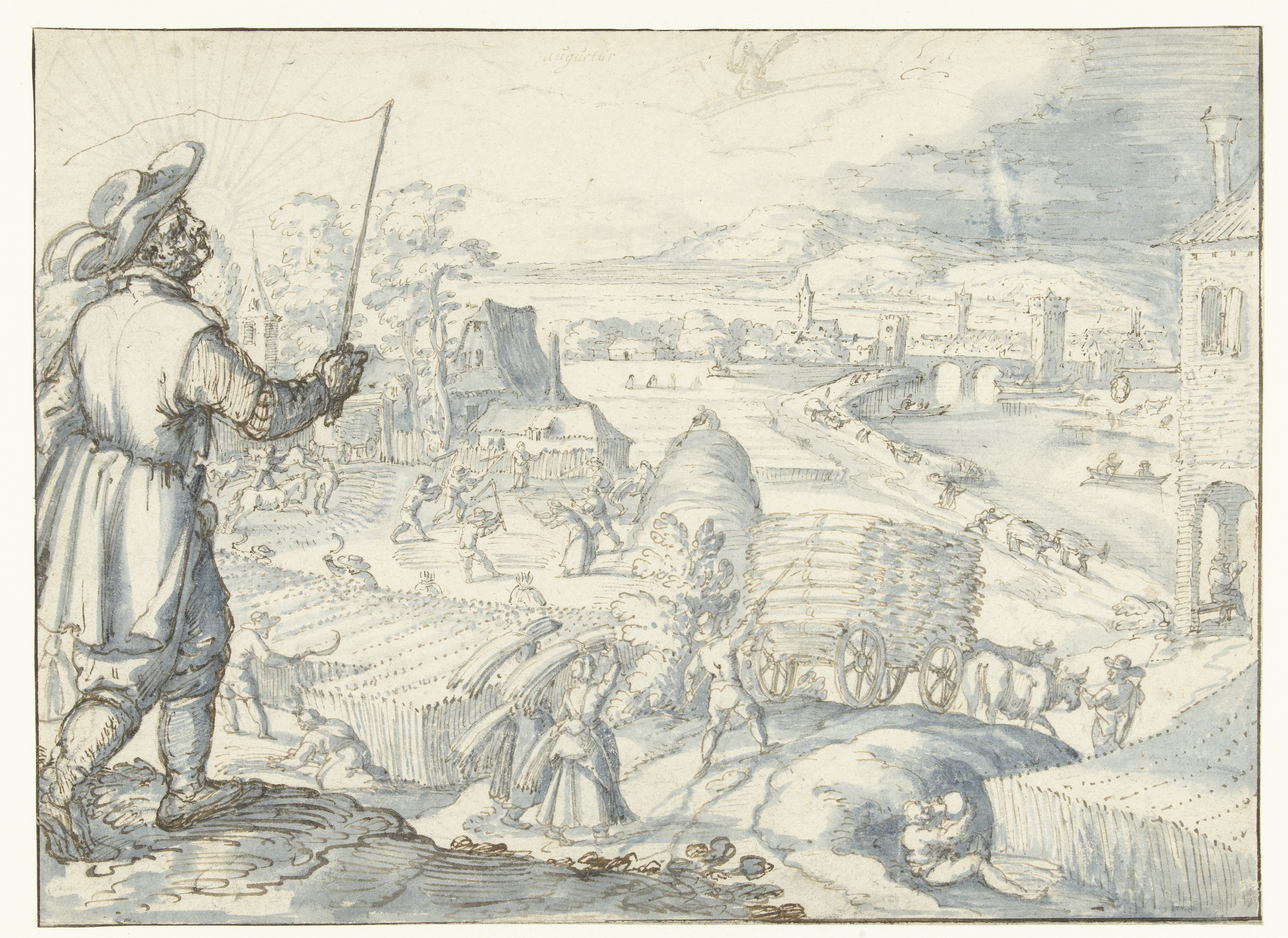
Augustus
Rijksmuseum
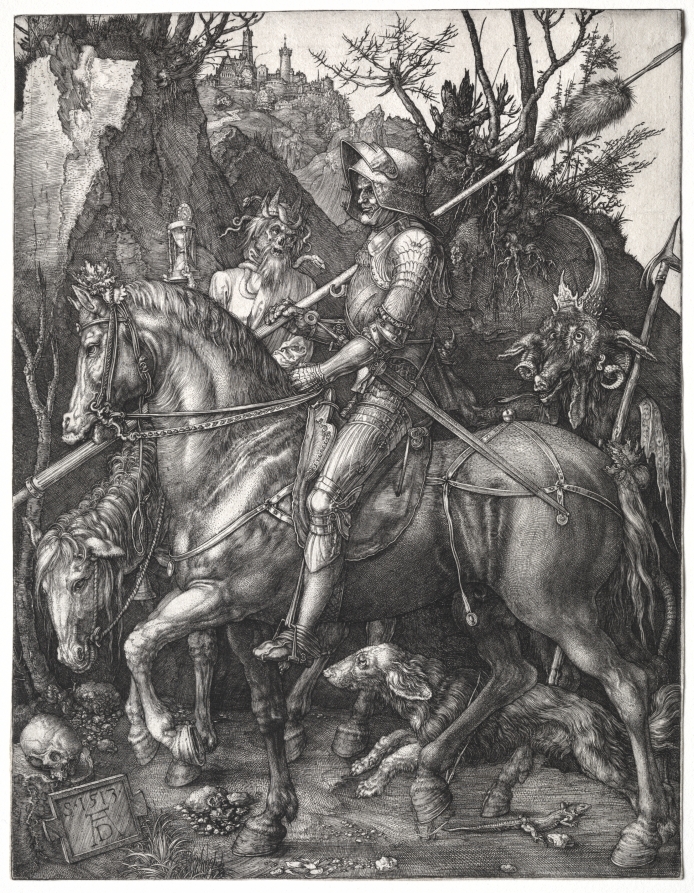
Knight, Death, and the Devil
Cleveland Museum of Art