Cleveland Museum of Art
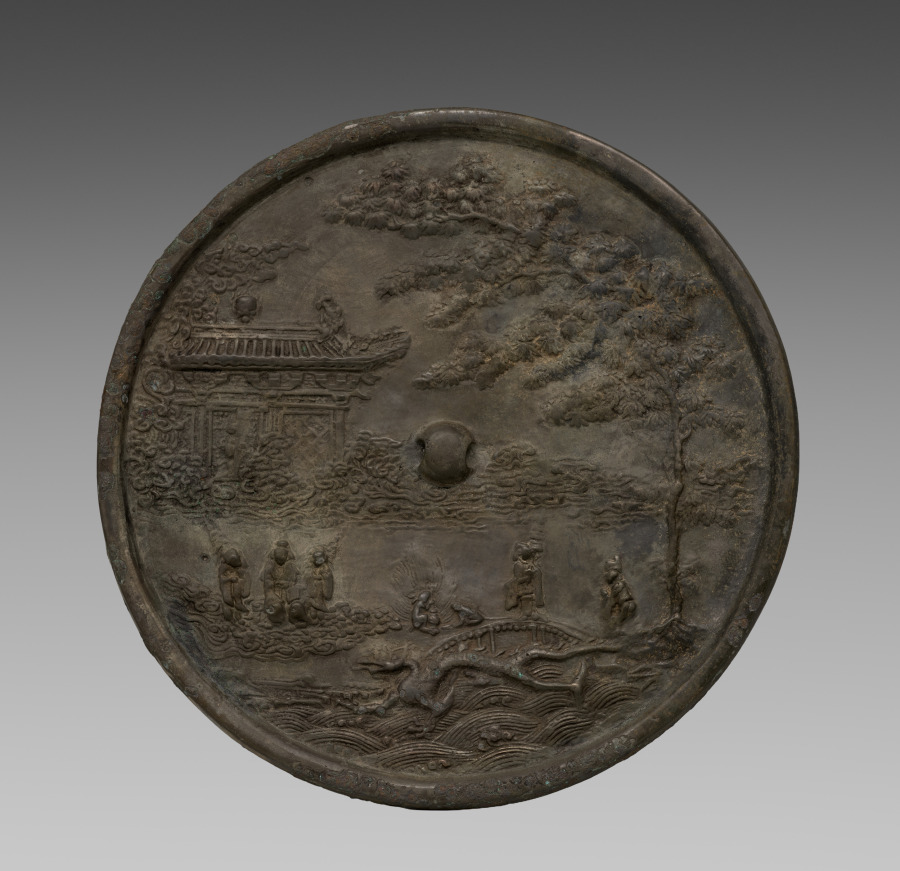
Octafoil Mirror with Lunar Palace
- Date
- early 1100s–mid-1200s
- Medium
- bronze
- Culture
- China, Jin dynasty (1115–1234)
- Department
- Chinese Art
- Institution
- Cleveland Museum of Art
Bronze mirrors typically have one polished and one decorated side and were used in tombs for ritual purpose or served as disks for reflection. This mirror depicts the imagined scene of the moon in Chinese mythology. Legend says that the goddess Chang E consumed the elixir of immortality that she stole from her husband, the archer Yi, and flew to the moon. Chang E’s palace, the Broad Cold Palace ( Guanghan gong ) on the left side of the composition, is juxtaposed with a tall pine tree symbolizing longevity. A rabbit and a toad, both creatures believed to live on the moon, can be seen in the center.
The authoritative record is held by Cleveland Museum of Art. LinkedCulture surfaces this object and its connections; it does not alter institutional metadata.
Related across collections
Semantically similar works from Cleveland Museum of Art and other institutions.
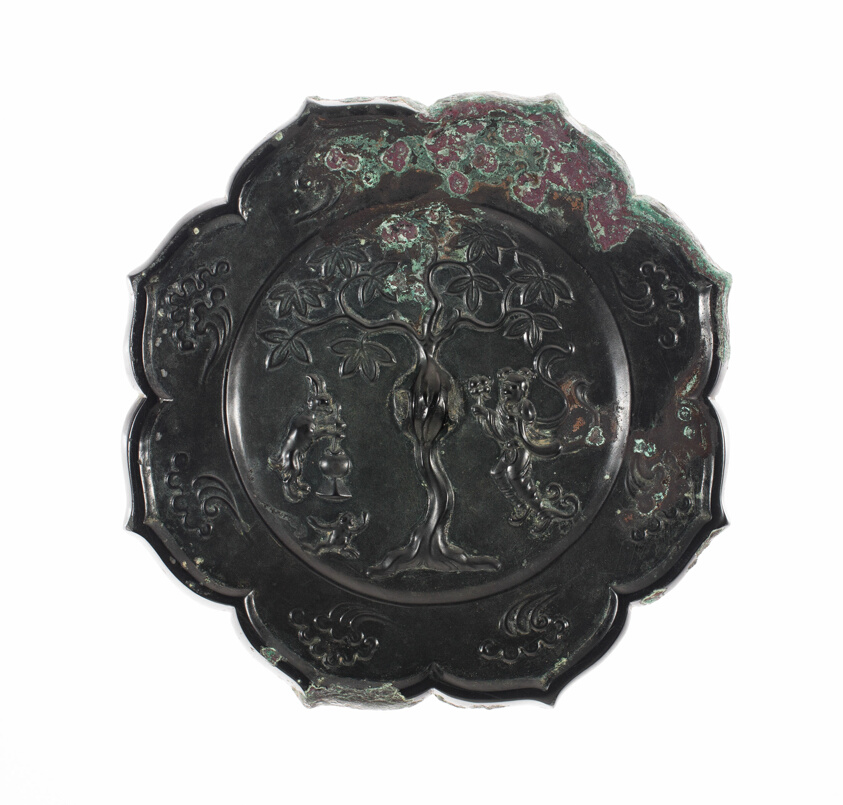
Lobed Mirror with Images of the “Moon Palace”: Hare Pounding Elixir, Toad, and Chang E Holding Peaches of Immortality
Art Institute of Chicago
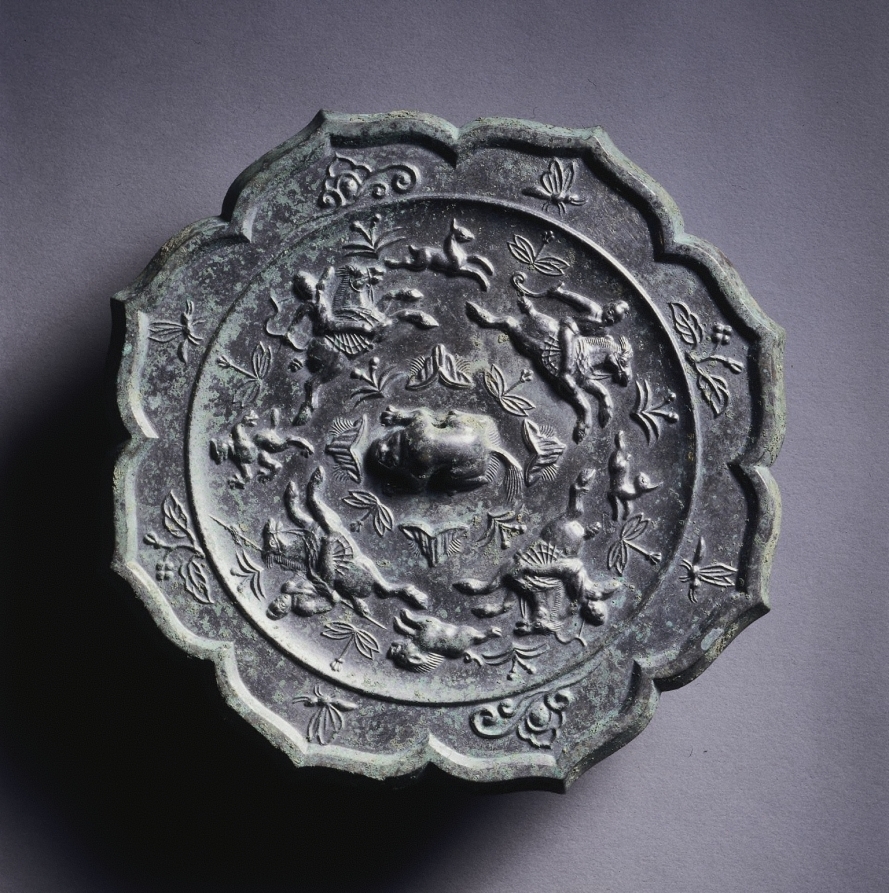
Octafoil Mirror with Hunters and Prey
Cleveland Museum of Art
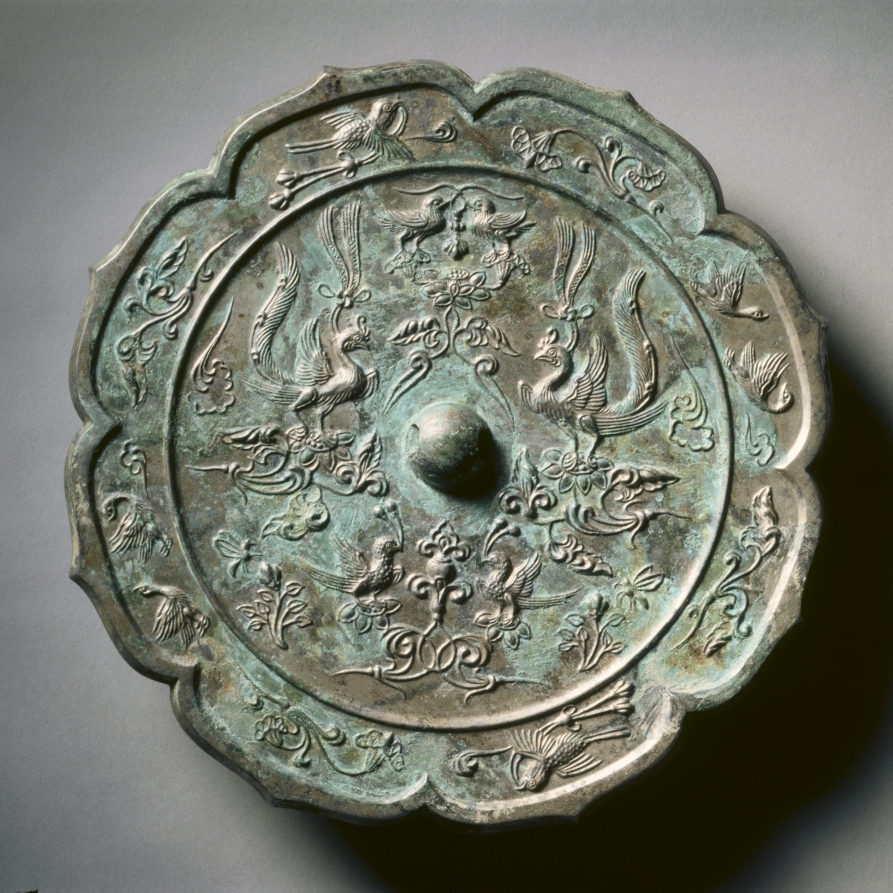
Octafoil Mirror with Paired Phoenixes, Birds, and Flowers
Cleveland Museum of Art
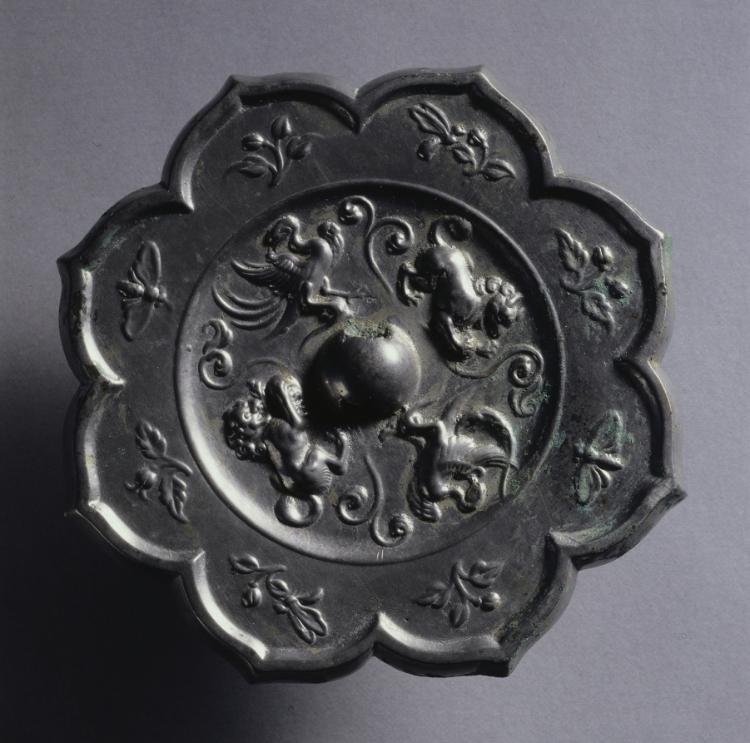
Octafoil Mirror with Paired Phoenixes and Animals
Cleveland Museum of Art
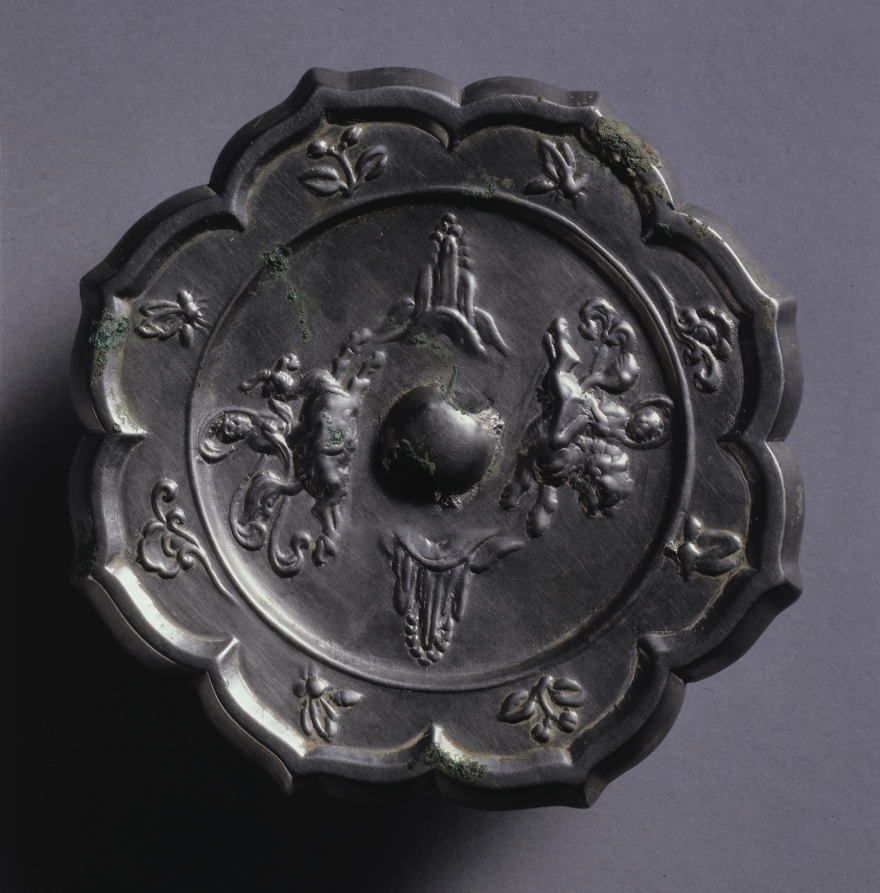
Octafoil Mirror with Riding Immortals and Rising Peaks
Cleveland Museum of Art
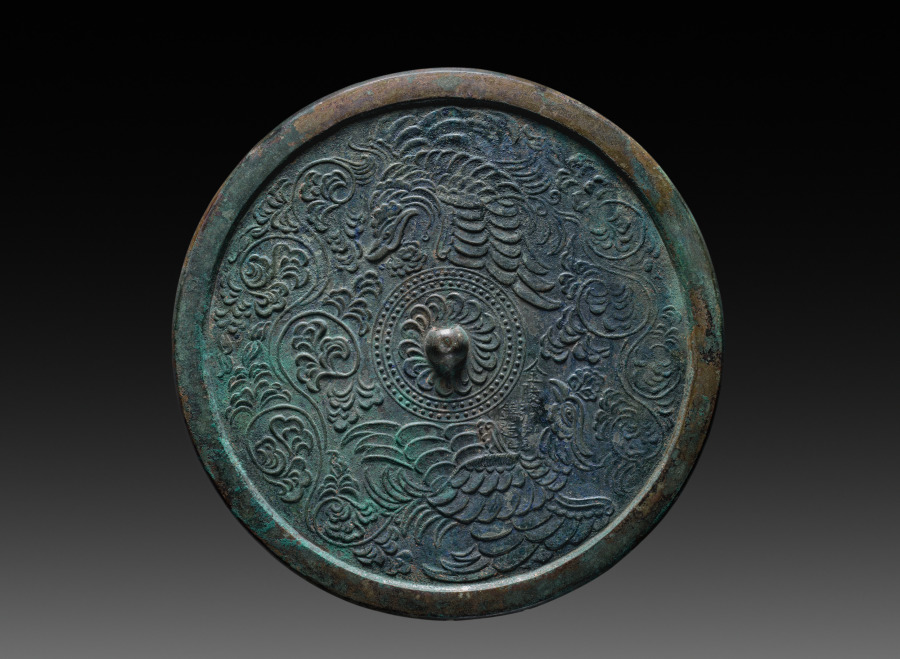
Mirror with a Pair of Phoenixes
Cleveland Museum of Art
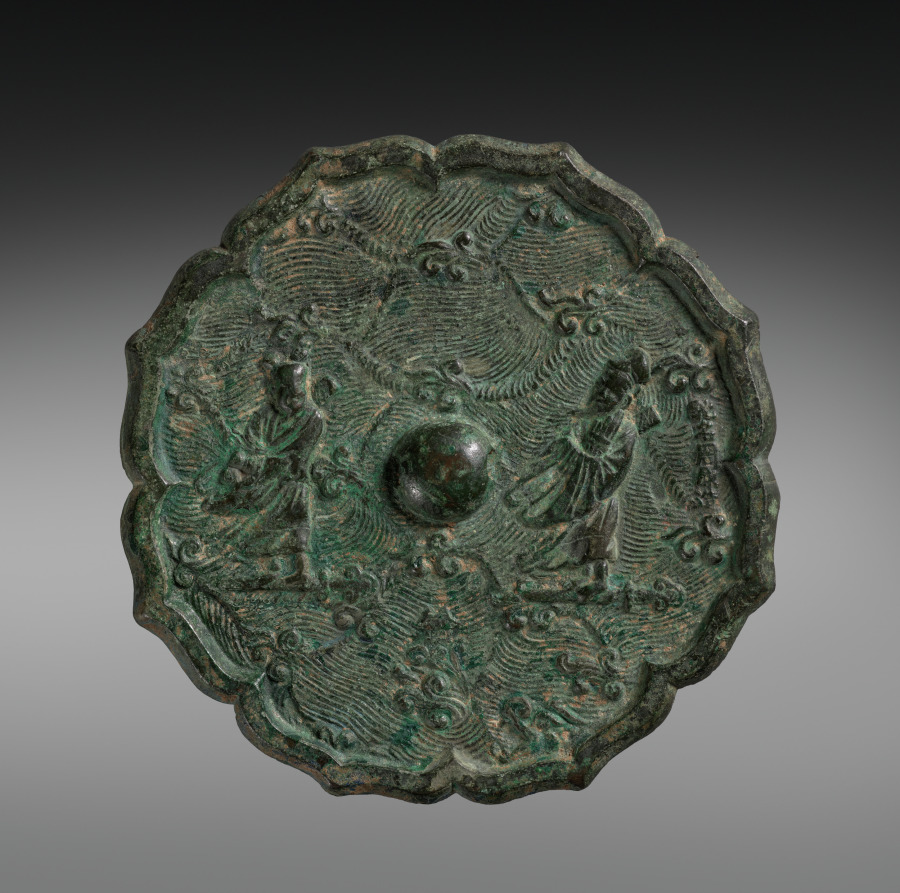
Octafoil Mirror with Two Immortals Crossing the Ocean
Cleveland Museum of Art
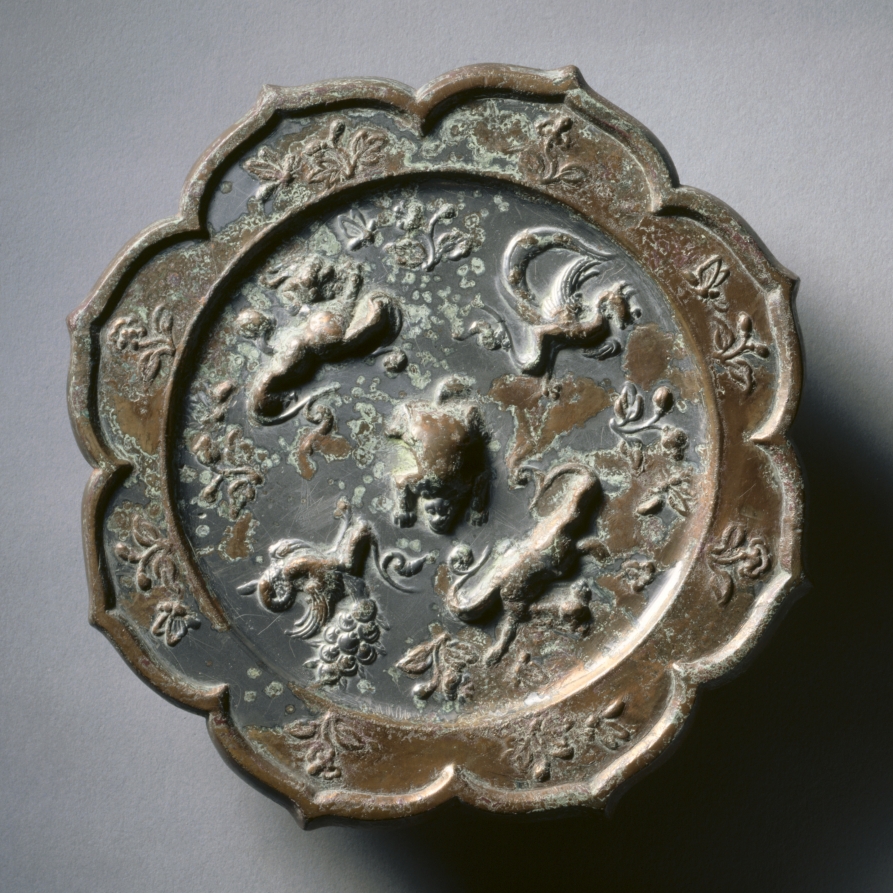
Octafoil Mirror with Crouched Animals
Cleveland Museum of Art
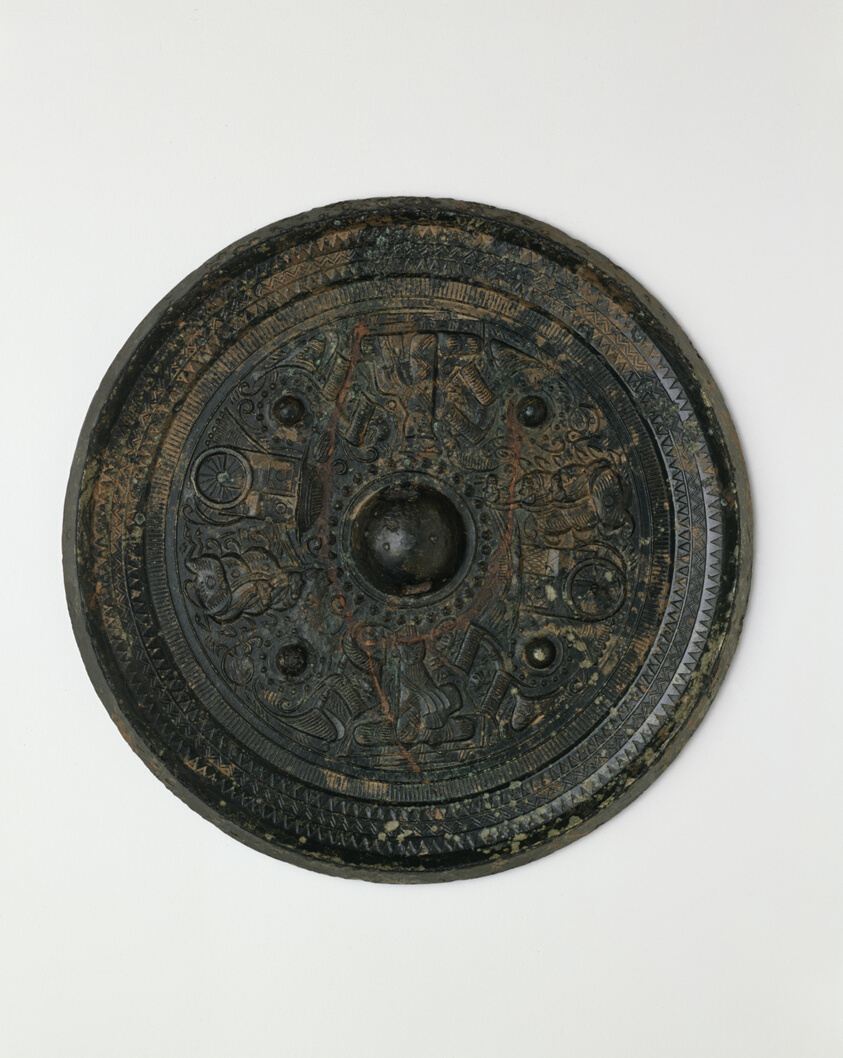
Mirror with Images of Daoist Deities
Art Institute of Chicago
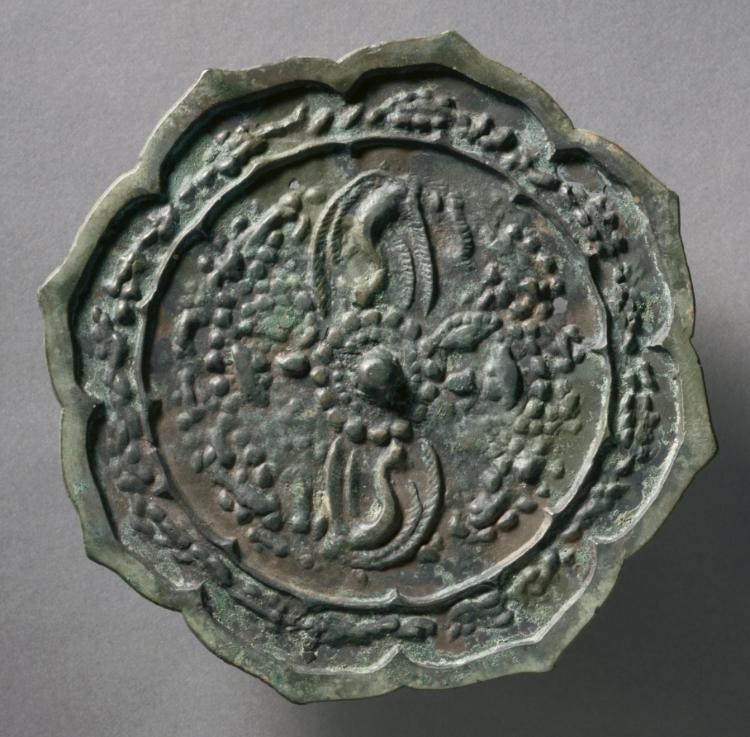
Octafoil Mirror with Avian and Floral Motifs
Cleveland Museum of Art
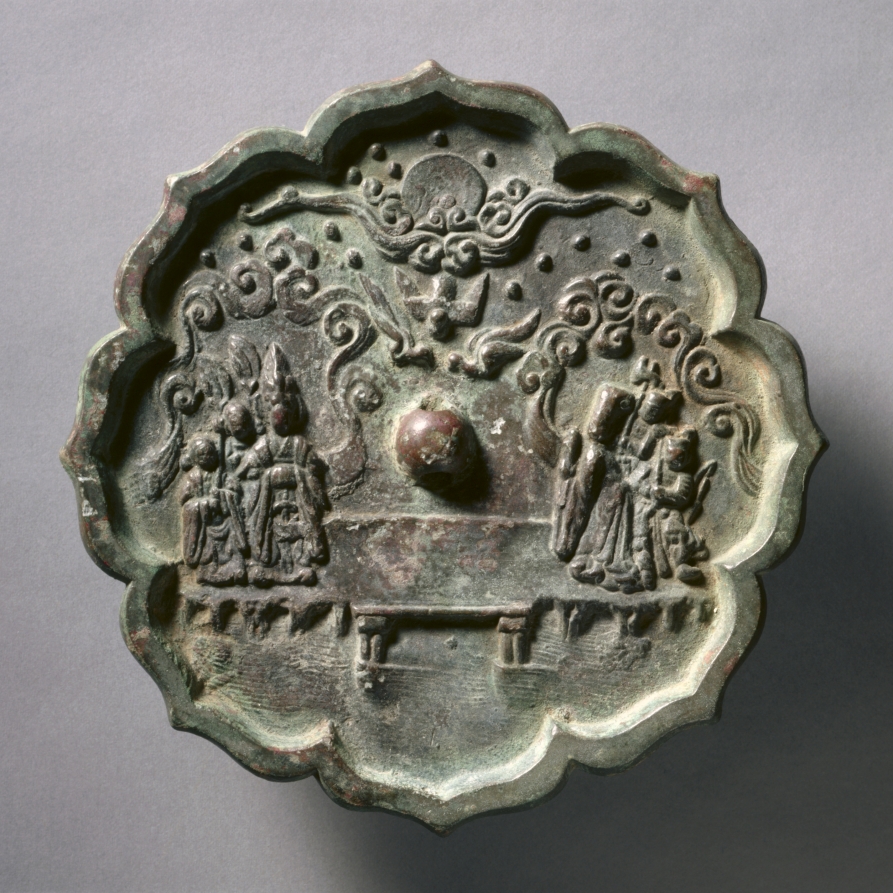
Octafoil Mirror with Legend of Herdboy and Weaver Maid
Cleveland Museum of Art
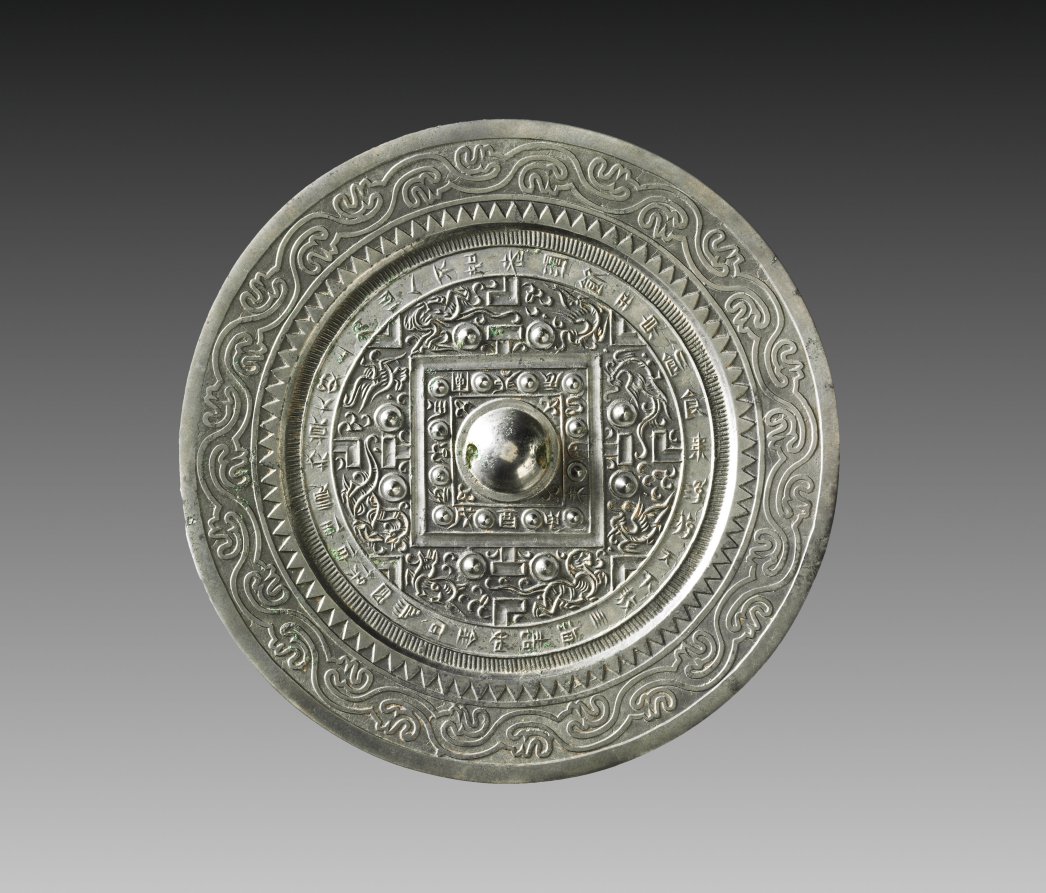
TLV Mirror with Multiple Nipples
Cleveland Museum of Art