Cleveland Museum of Art
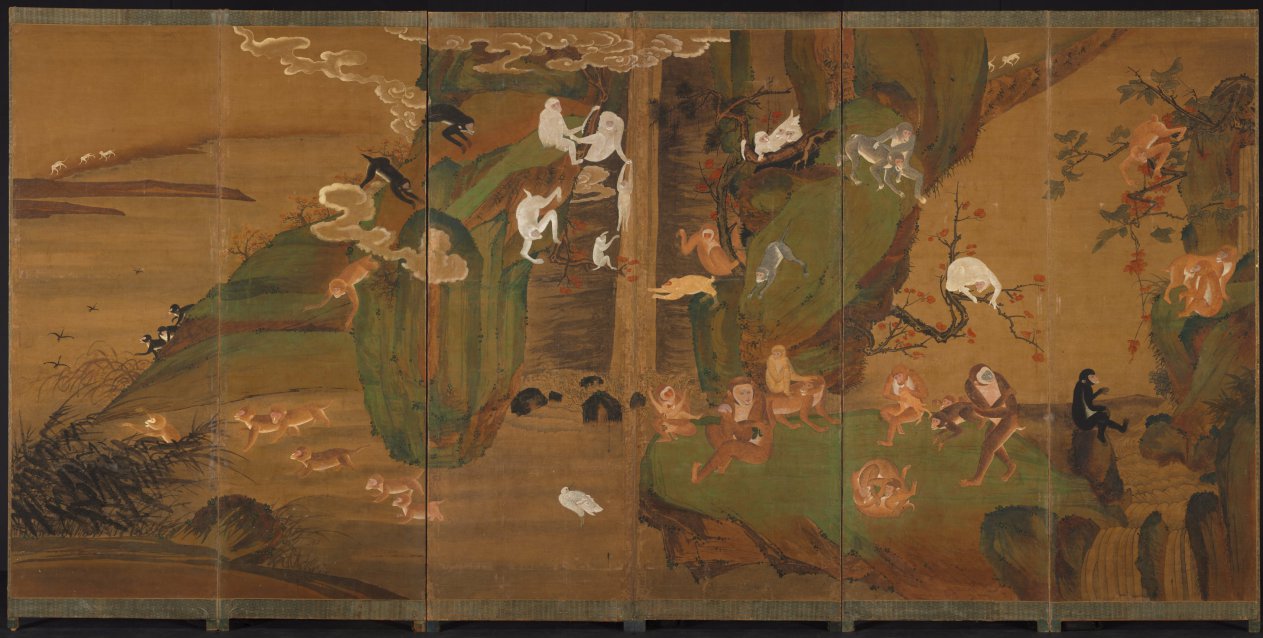
Gibbons in a Landscape
- Date
- early 1900s
- Medium
- Six-panel folding screen; ink and color on hemp
- Culture
- Korea, Joseon dynasty (1392–1910)
- Department
- Korean Art
- Institution
- Cleveland Museum of Art
In this folding screen, gibbons playfully interact with each other. In Korean paintings, gibbons were less frequently depicted than in their Chinese and Japanese counterparts. However, they became popular toward the end of the 1800s, possibly due to an influx of Chinese and Japanese decorative arts. Gibbons symbolize good fortune, but as paired with the red autumn foliage, specifically refer to professional success, such as passing the government examination and getting promoted to a higher position. The large ripe peach held by one gibbon bears another symbolic meaning: prosperity and longevity. Gibbons were often presented to the Joseon royal court as diplomatic gifts from the Japanese government.
The authoritative record is held by Cleveland Museum of Art. LinkedCulture surfaces this object and its connections; it does not alter institutional metadata.
Related across collections
Semantically similar works from Cleveland Museum of Art and other institutions.
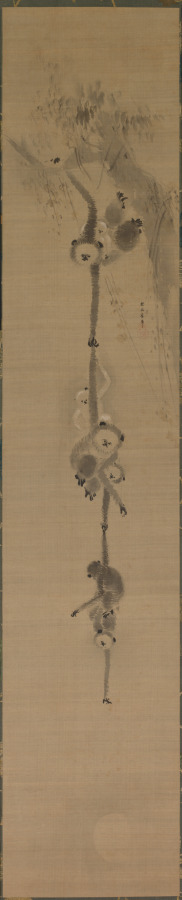
Gibbons Reaching for the Moon
Cleveland Museum of Art
![Cranes with Bamboo [left of a pair of Cranes with Pine and Bamboo]](https://2.api.artsmia.org/800/122131.jpg)
Cranes with Bamboo [left of a pair of Cranes with Pine and Bamboo]
Minneapolis Institute of Art
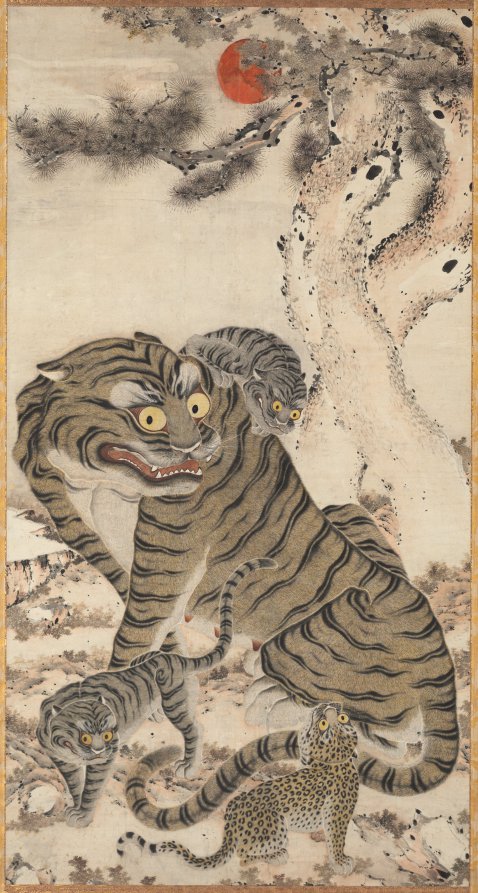
Tiger Family
Cleveland Museum of Art
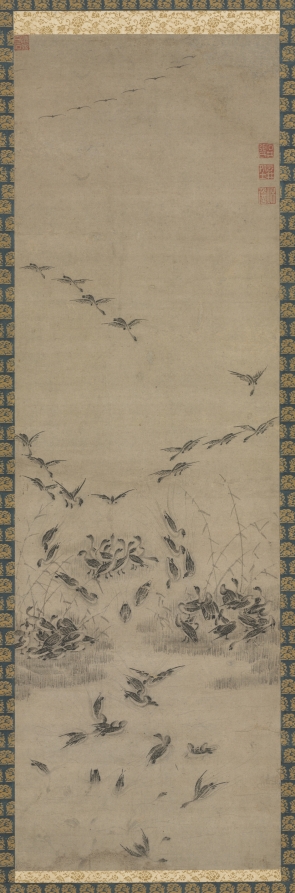
Geese Returning Home
Cleveland Museum of Art

Paired Birds and Flowers
Minneapolis Institute of Art
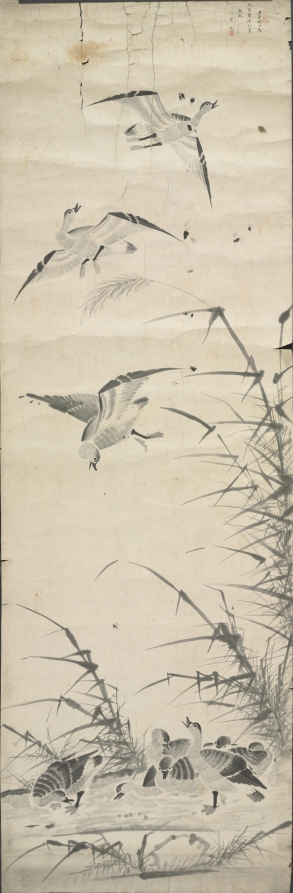
Wild Geese and Reeds
Cleveland Museum of Art
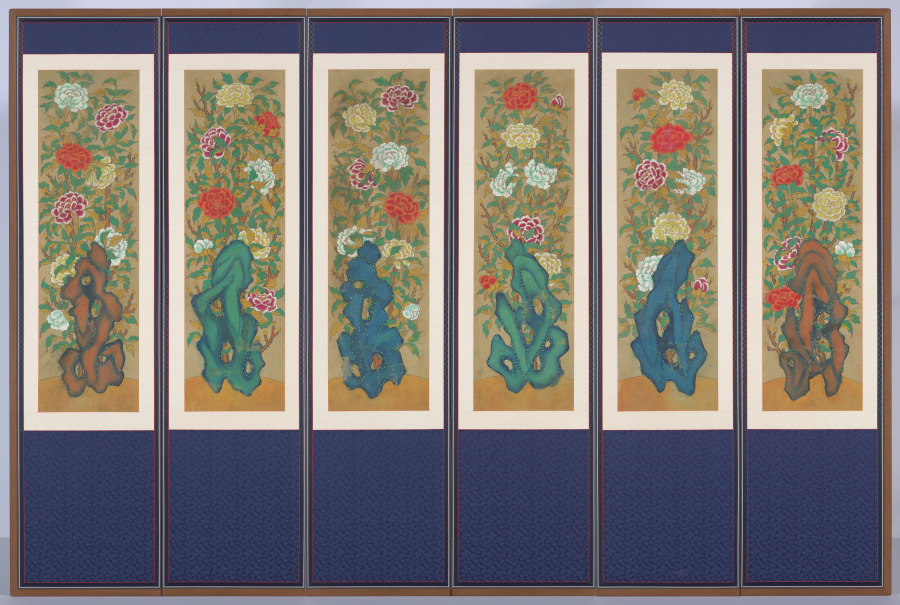
Peonies and Rocks
Cleveland Museum of Art
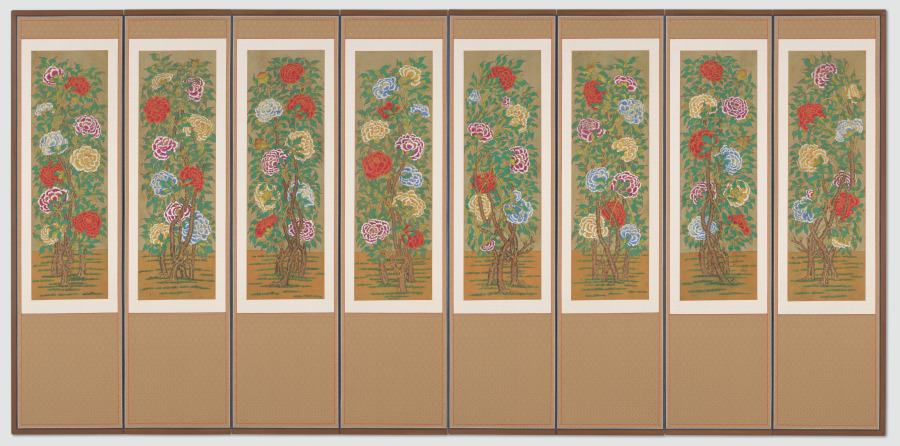
Peonies
Cleveland Museum of Art
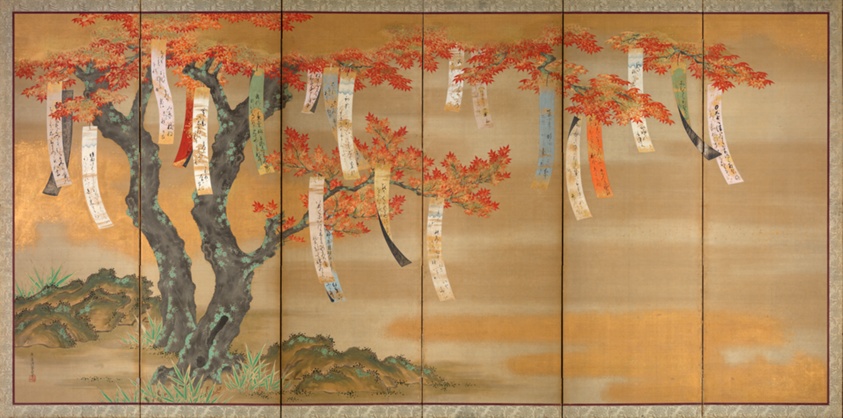
Autumn Maples with Poem Slips
Art Institute of Chicago

Lotus Flowers and Birds
Minneapolis Institute of Art
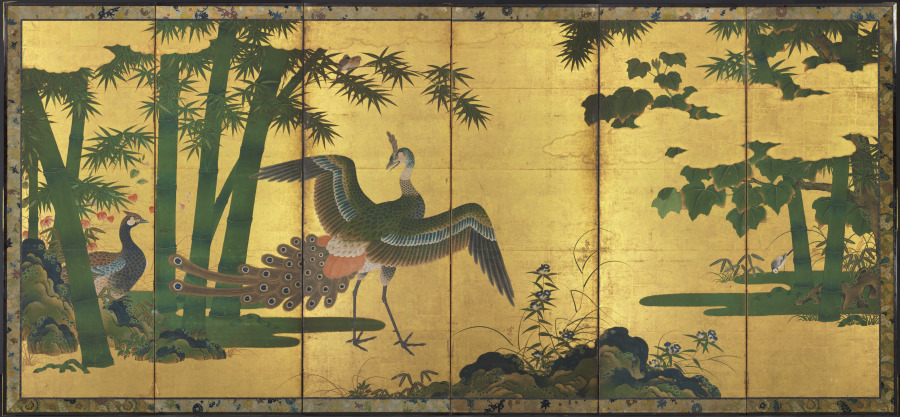
Peacocks and Bamboo
Cleveland Museum of Art

Peacock with Flowers and Fantastic Rocks
Minneapolis Institute of Art