Cleveland Museum of Art
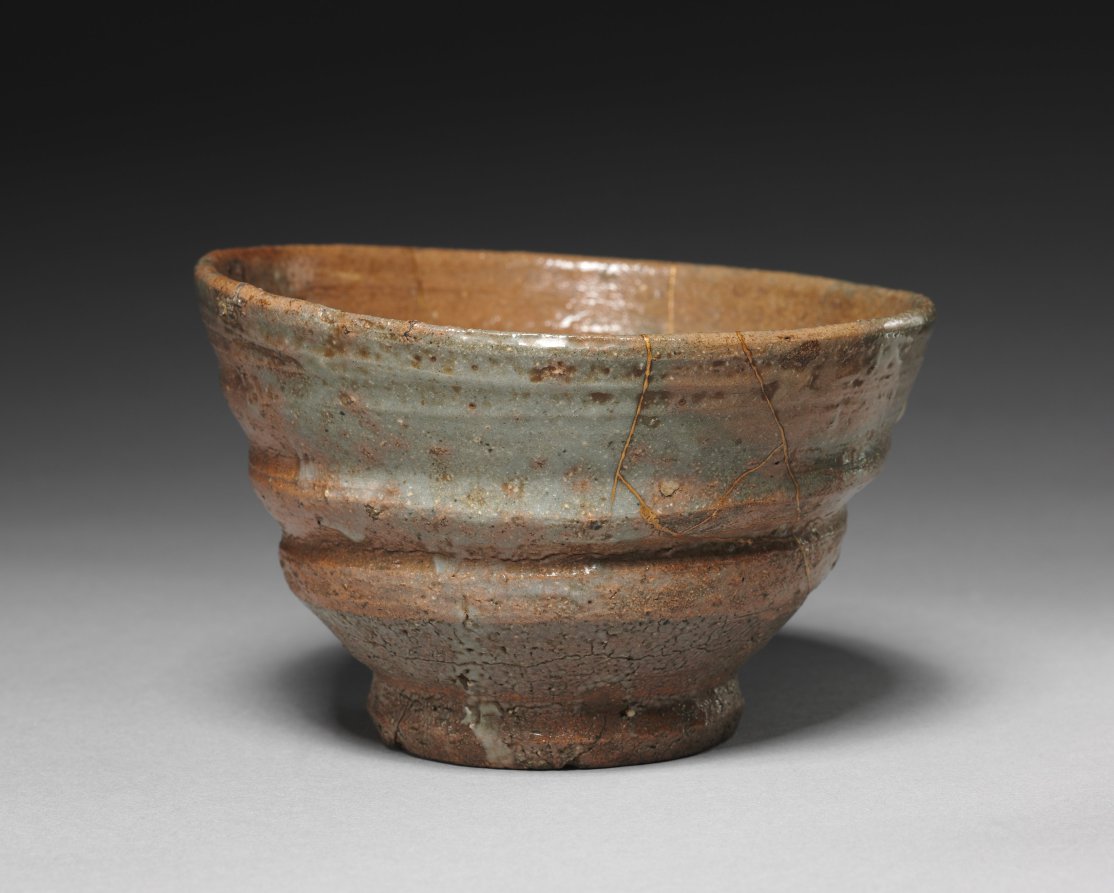
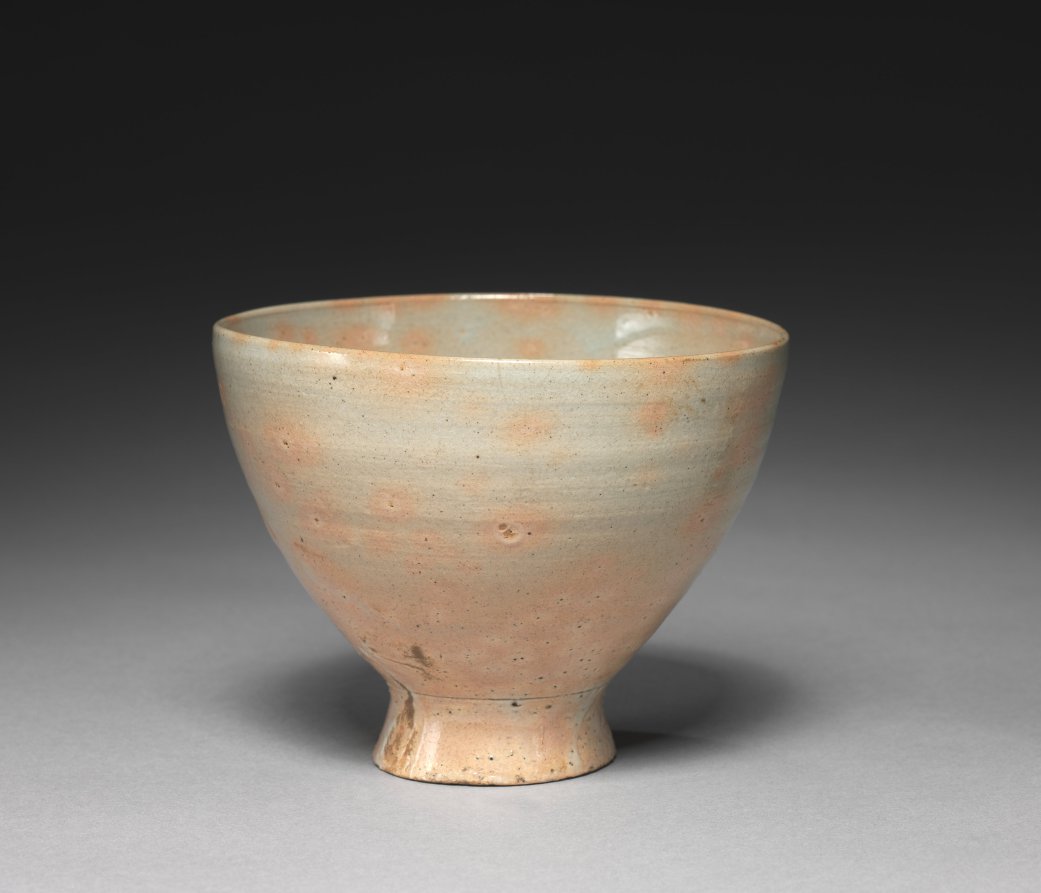
Tea Bowl
- Date
- 1600s
- Medium
- glazed stoneware
- Culture
- Korea, Joseon dynasty (1392–1910)
- Department
- Korean Art
- Institution
- Cleveland Museum of Art
This type of wide-mouthed bowl was used every day in Korea, not exclusively for tea drinking. But when it was introduced to Japan around the early 16th century, its imperfect appearance, which evokes the aesthetics of wabi-sabi, caused it to be repurposed as a tea bowl. Korean tea bowls were circulated as a item of foreign luxury among Japanese military elites. This type of tea bowl may have been produced in one of the kilns established and operated by the trading office (Waegwan) in Busan, southern Gyeongsang province, as an export item for Japanese tea bowl collectors. For its imperfect aesthetics, this type of rustic tea bowl was highly appreciated among advanced Japanese practitioners of the tea ceremony.
The authoritative record is held by Cleveland Museum of Art. LinkedCulture surfaces this object and its connections; it does not alter institutional metadata.
Related across collections
Semantically similar works from Cleveland Museum of Art and other institutions.
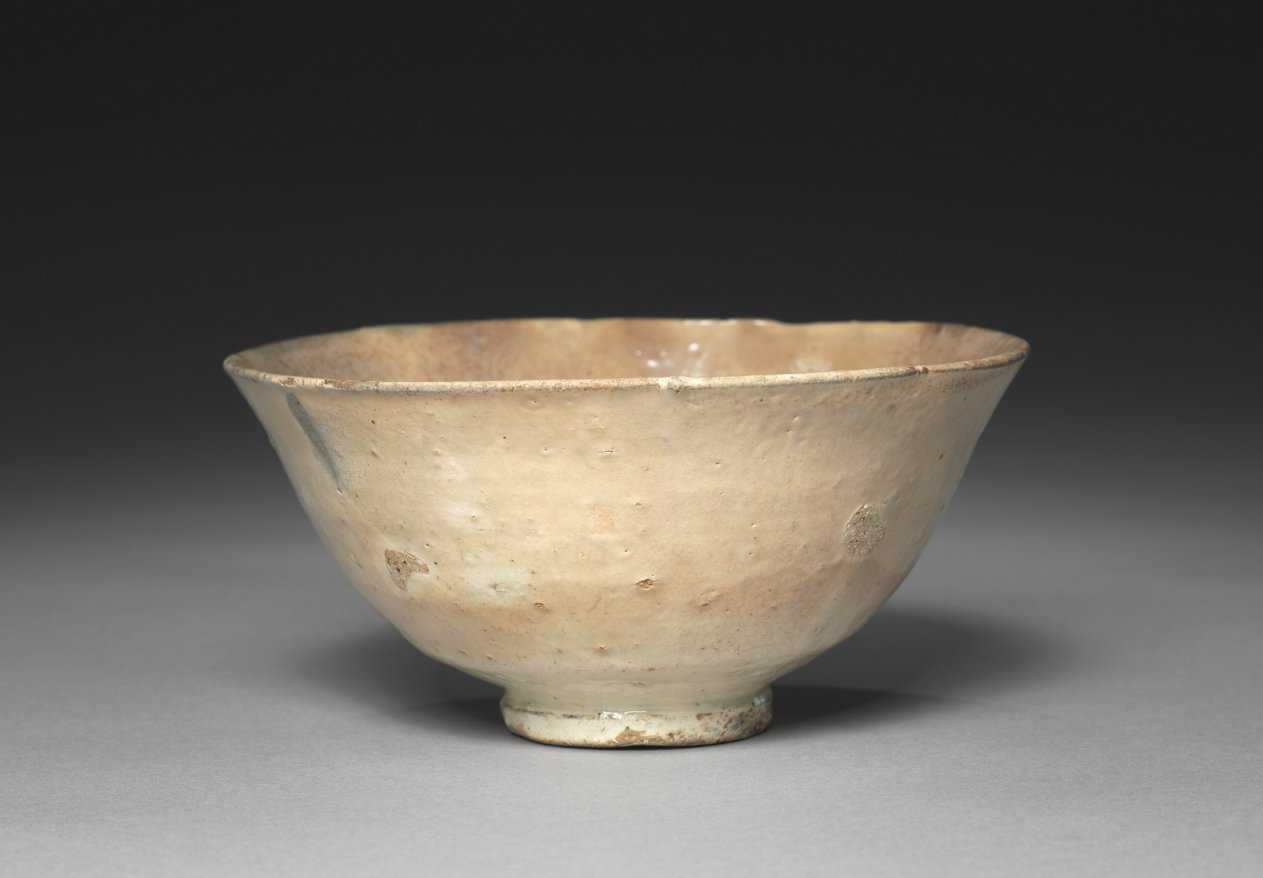
Tea Bowl
Cleveland Museum of Art
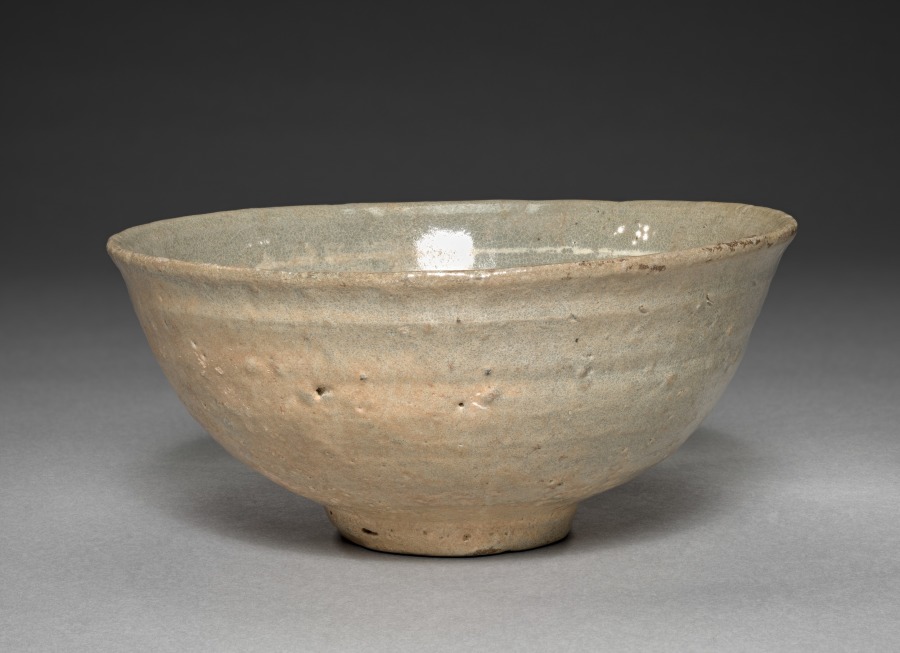
Bowl with White-slip Decorations
Cleveland Museum of Art
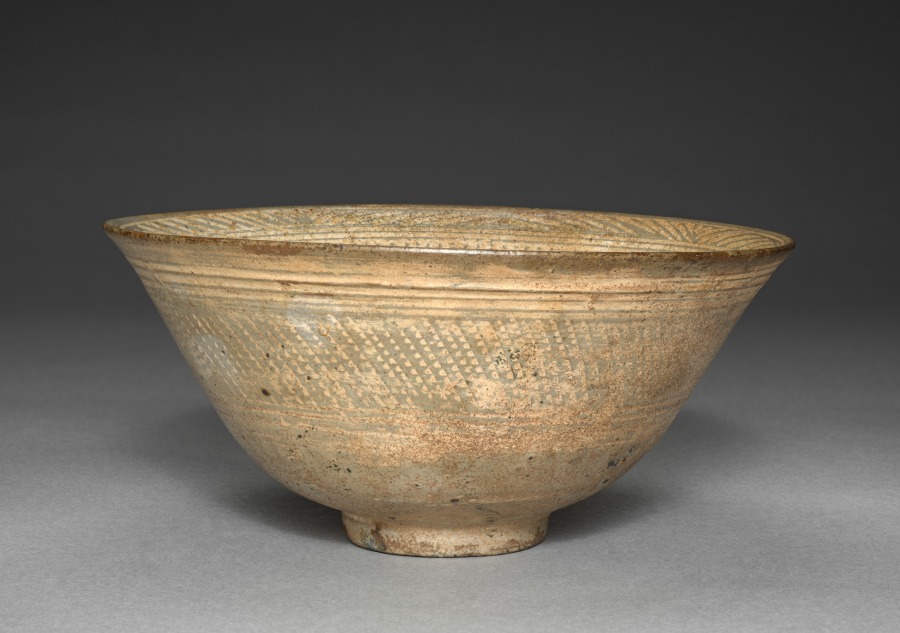
Bowl with Stamped Floral Decoration
Cleveland Museum of Art
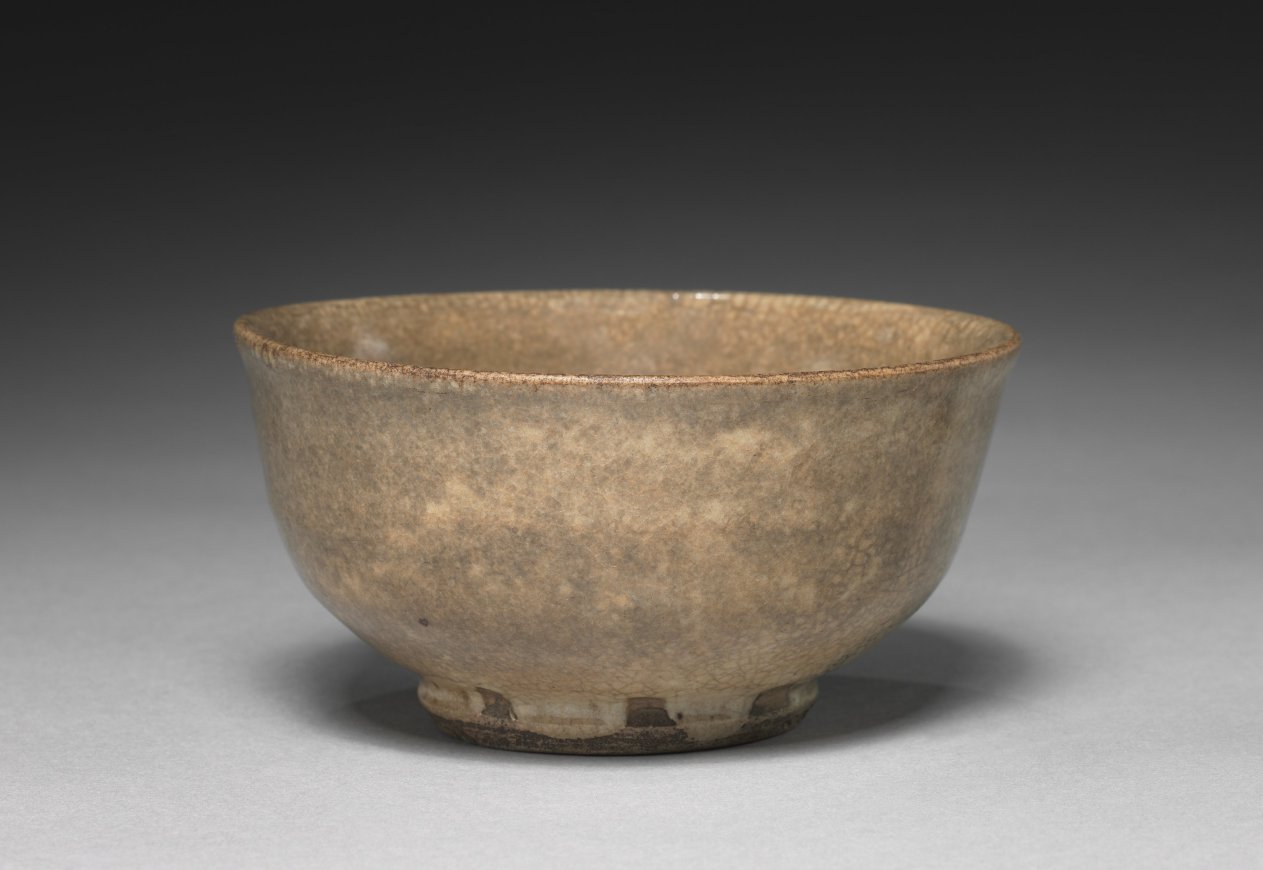
Bowl with White-slip Decorations
Cleveland Museum of Art
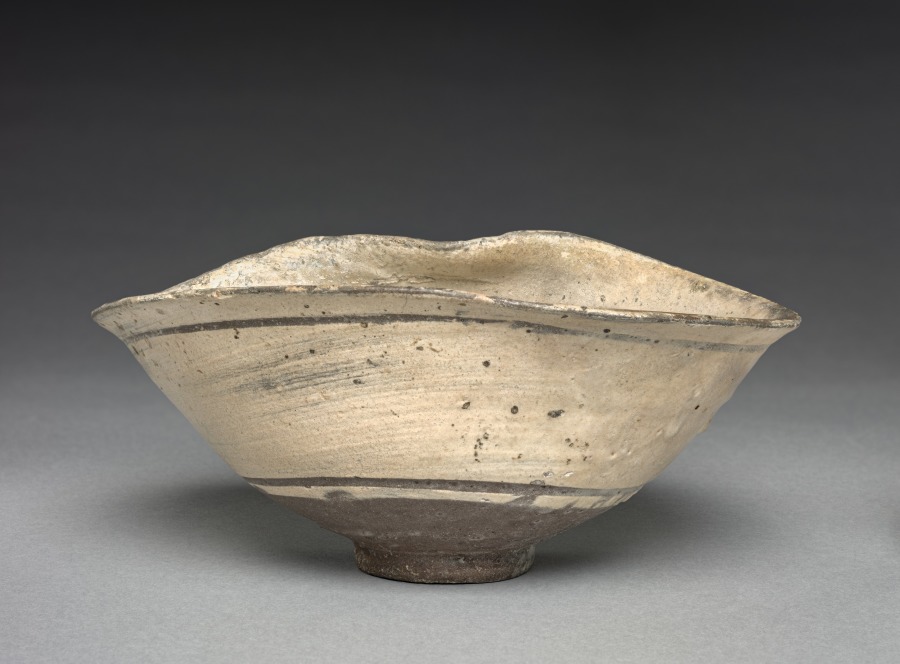
Bowl with Brushing Decorations
Cleveland Museum of Art
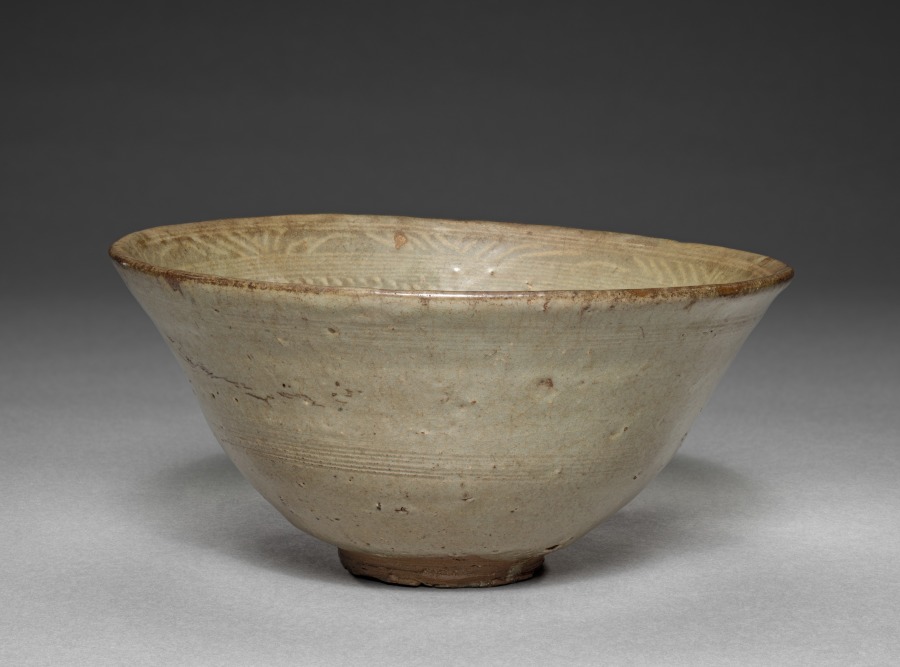
Bowl with Stamped Floral Decoration
Cleveland Museum of Art
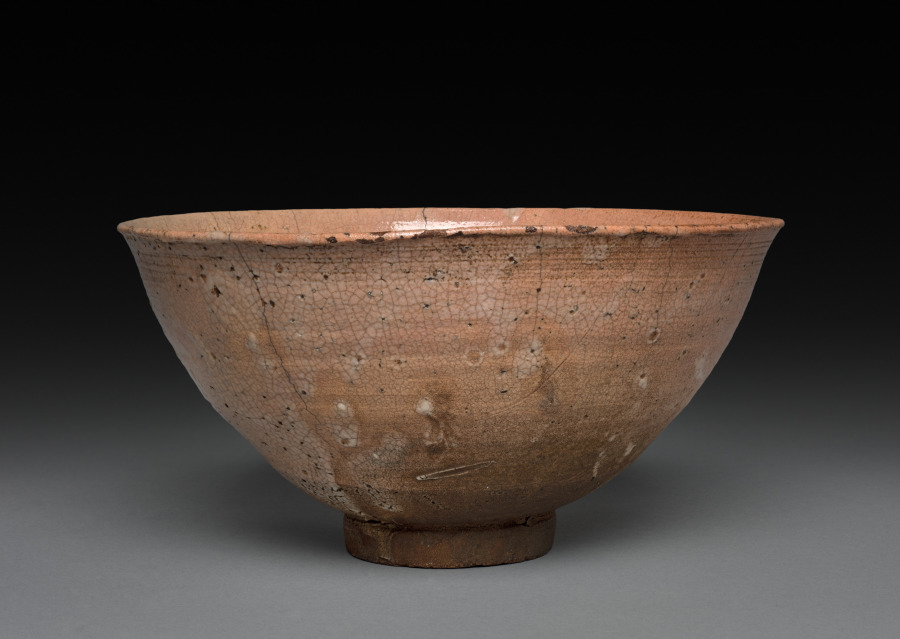
Tea Bowl
Cleveland Museum of Art
Tea bowl
Cleveland Museum of Art
Bowl with Carved Design
Cleveland Museum of Art

Tea bowl
Minneapolis Institute of Art
Bowl
Cleveland Museum of Art
Bowl with Incised Parrot Design
Cleveland Museum of Art