Cleveland Museum of Art
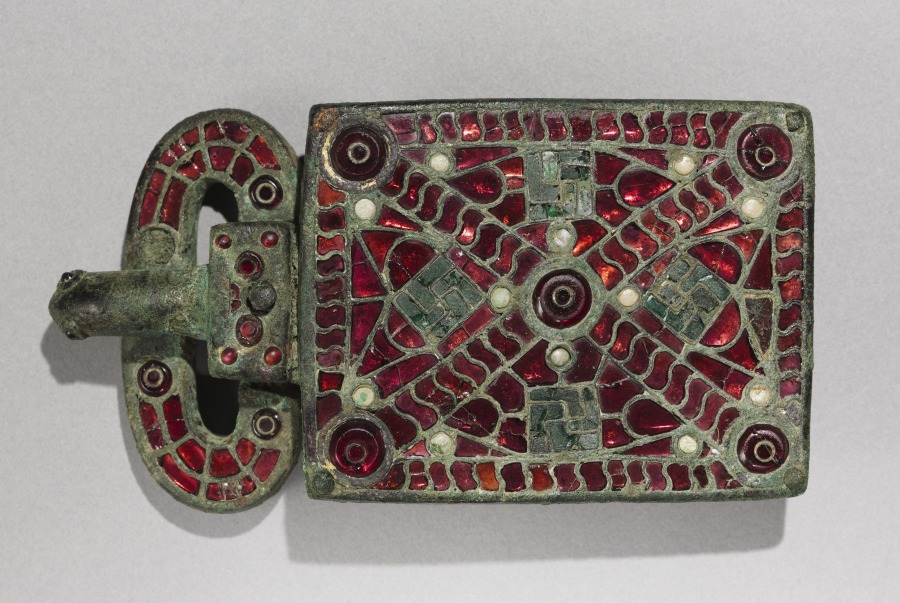
Belt Buckle
- Date
- c. 525–560
- Medium
- bronze with garnets, glass, mother of pearl, gold foil, traces of gilding; bronze and glass
- Culture
- Visigothic, Spain, Migration Period, 6th century
- Department
- Medieval Art
- Institution
- Cleveland Museum of Art
The art of the European Migration Period (3rd-7th centuries AD) is almost exclusively one of personal adornment-a portable art that followed men and women to their graves. Belt buckles with large rectangular attachment plates have been discovered in cemeteries across the Iberian Peninsula-now occupied by Spain and Portugal-from the period of Visigothic occupation (about AD 412-711). Their decoration varies. Finer examples, like this one, are distinguished by brilliantly inlaid semi-precious stones and colored glass. Garnets were especially prized in Visigothic society for use in cloisonné jewelry. The technique involved the fitting of carefully cut pieces of polished garnet into an intricate grid of compartments, or cloisons. This buckle is so densely inlaid with garnets that it presents a virtual "carpet" of red to the eye. These large Visigothic buckles are strikingly uniform in shape yet endlessly varied in surface design, perhaps a sign that they expressed the personal identities of their original owners. Grave excavations have shown that belt buckles of this type were made for women.
The authoritative record is held by Cleveland Museum of Art. LinkedCulture surfaces this object and its connections; it does not alter institutional metadata.
Related across collections
Semantically similar works from Cleveland Museum of Art and other institutions.
Balet.
Musée Carnavalet, Histoire de Paris
Un buste de Polonais et une tête de Polonais couverts d'un bonnet orné d'une plume
Petit Palais, musée des Beaux-arts de la Ville de Paris
N°43/Passez au large !!
Musée Carnavalet, Histoire de Paris
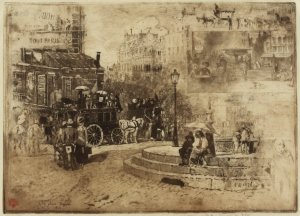
A la Place Pigalle, 1878. (IFF 93)
Musée Carnavalet, Histoire de Paris
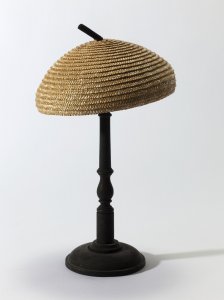
Béret
Palais Galliera, musée de la Mode de la Ville de Paris
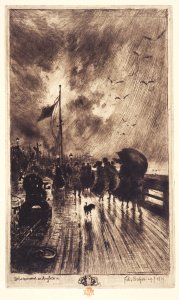
Débarquement en Angleterre (Boucard-Goodfriend 130)
Petit Palais, musée des Beaux-arts de la Ville de Paris
![Ces courages brutaux dans les hosteleries [...].](https://apicollections.parismusees.paris.fr/sites/default/files/styles/thumbnail/collections/atoms/images/CAR/aze_carg018459_001.jpg?itok=gSBvi5Fm)
Ces courages brutaux dans les hosteleries [...].
Musée Carnavalet, Histoire de Paris
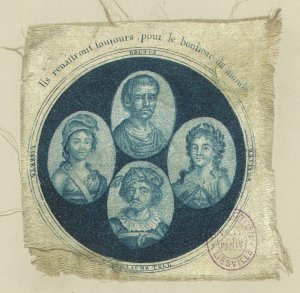
Ils renaitront toujours pour le bonheur du monde. / Brutus / Egalité / Guillaume Tell / Liberté.
Musée Carnavalet, Histoire de Paris

Les Gentilhommes, les Dames et les Vieillards.
Musée Carnavalet, Histoire de Paris

Buste d'homme imberbe avec un bonnet sur la tête
Petit Palais, musée des Beaux-arts de la Ville de Paris
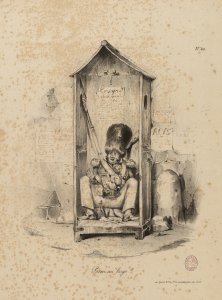
N°43 / Passez au large !!
Musée Carnavalet, Histoire de Paris
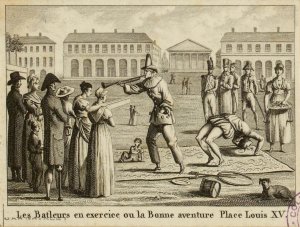
Les Batleurs en exercice ou la Bonne aventure Place Louix XV.
Musée Carnavalet, Histoire de Paris